
Reviewed · ABU SIMBEL & PHILAE TEMPLE TOURS
4 Days 3 Nights from Aswan to Luxor Nile cruise+Abu simbel temple
The great strength of this trip is its route. In just four days, you move from Aswan’s island temples to Abu Simbel, Kom Ombo, Edfu, and Luxor’s grandest monuments, all while your hotel travels with you on the Nile. Philae Temple and the early morning journey to Abu Simbel give the opening days real punch.
I like the private car transfers, which save you from being folded into a large bus group, and I like having a guide who can adjust explanations to your questions. Guides named Doaa, Marwa, and Ahmed have been associated with especially warm and clear guiding. The catch is pace: you cover a lot in a short time, and entrance tickets, the Philae boat, tips, and optional activities add to the advertised price.
Key points to know before booking
- Abu Simbel is the major extra: You travel there in a shared small group with a local English-speaking guide, rather than with your private touring arrangement.
- Philae requires a boat: The temple sits on an island, and the motorboat cost is not included.
- The cruise covers three nights: Full board is included on the ship, followed by breakfast on the final day in Luxor.
- Luxor is packed into one day: You visit the West Bank in the morning and Karnak and Luxor temples after lunch.
- Tickets are separate: Budget for admission to every listed historical site.
- The guiding can make the difference: Doaa and Ahmed are praised for clear explanations, strong English, patience, and an ability to answer detailed questions.
Why this Aswan to Luxor Nile cruise works
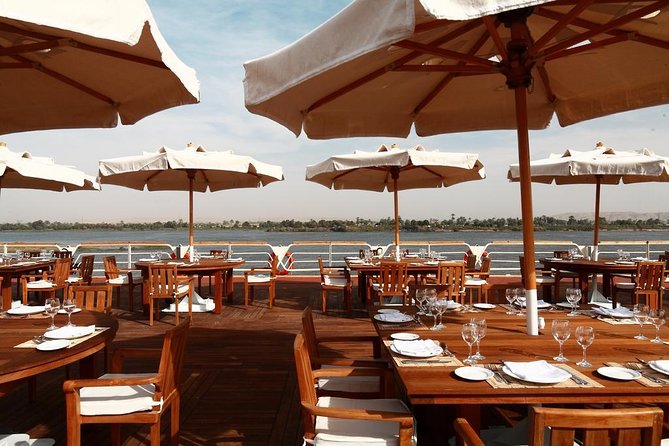
A Nile cruise is a practical way to see southern Egypt. Instead of changing hotels between every ancient site, you unpack once and let the ship carry you north. The scenery from the deck gives you a quiet break between temple visits, while meals and sleeping arrangements stay in one place.
This four-day version is designed for people who want the major sights without committing to a longer cruise. You see Aswan, Abu Simbel, Kom Ombo, Edfu, Esna, and Luxor in a compact run. It is not a slow, lingering trip, but it gives you a useful first look at the classic Nile route.
The advertised price is $661.77 per person. That is a reasonable package price for three nights of full-board cruising, private ground transfers, guiding, and the Abu Simbel excursion. But do not treat it as your final spending figure. Entrance tickets are excluded, as is the boat to Philae, and tips are not covered. Optional events, such as the Karnak Sound and Light Show, cost extra as well.
The private transfers are valuable. You are collected at Aswan airport, train station, or bus station and driven to the ship in an air-conditioned car. At the end, you are taken to your chosen departure point in Luxor. This removes some of the usual confusion when a cruise schedule and a long-distance transfer need to line up.
More Abu Simbel and Philae Temple Tours in Aswan:
- From Aswan: Abu Simbel Temple Day Trip with Hotel Pickup
★ 4.4 · 2,807 reviews - Private Day Tour to Abu Simbel Temples from Aswan
★ 4.5 · 507 reviews - Full Day tour to Abu simbel temples from aswan
★ 4.5 · 309 reviews
Day one: Aswan, the High Dam, and island Philae
Your first day begins with pickup in Aswan. The representative transfers you to the cruise ship, where check-in takes place after lunch. The schedule then turns to Aswan’s main sights, beginning with the High Dam and continuing to Philae Temple.
The High Dam is not an ancient monument, but it helps explain modern Aswan. Its construction changed the flow of the Nile and led to the relocation of important monuments, including Philae. This is why the two stops belong together: one shows the modern engineering project, while the other shows the preservation work that followed.
Philae Temple is reached by motorboat, and that boat is not included in the package. Keep some Egyptian pounds or another accepted payment method ready, and confirm the exact amount with your operator before setting out. The boat ride adds a pleasant approach to the temple, but it is also an extra cost that can catch you off guard if you have budgeted only for the cruise.
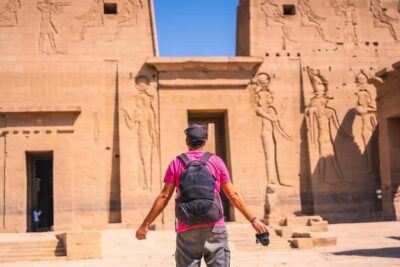
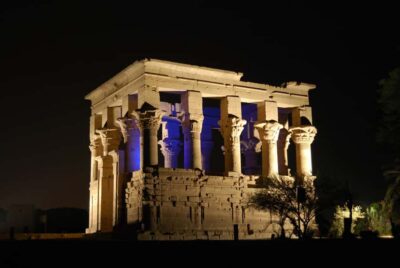
The temple complex is devoted mainly to Isis and was moved to its present island location to protect it from rising water. Your guide can help you read the reliefs, identify the major buildings, and understand why the site looks different from a single, unified temple. Doaa, also written as Dua or Doa in some tour material, is especially associated with this part of the trip. Her guiding is described as clear, friendly, and well paced, with strong English and an eye for photographs.
That personal guiding matters at Philae. Without help, you can admire the columns and carved walls but miss the connections between the gods, rulers, and rituals shown there. You should also tell your guide if you want more time for photographs or less time on dates and dynasties. The private touring format makes that request easier.
You spend the night in Aswan aboard the ship. Since the first touring starts after lunch, check your arrival time carefully. A late train or flight could cut into the Aswan sightseeing schedule.
Day two: the long road to Abu Simbel and Kom Ombo
Day two begins with Abu Simbel. This is an eight-hour excursion with a shared small group and an English-speaking local guide. Admission is described as free within the excursion details, but the package terms also state that historical-site entrance fees are not included. You should clarify this apparent difference with the operator before departure and ask which Abu Simbel costs, if any, you must pay yourself.
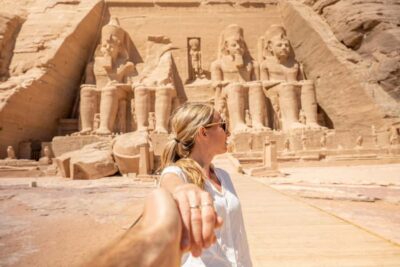
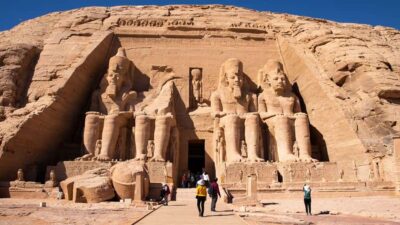
Abu Simbel is the most demanding outing of the trip. You leave the comfortable rhythm of the ship for a long road journey, then return for sailing later in the day. The reward is one of Egypt’s most memorable ancient sites: the great rock-cut temples associated with Ramesses II and Queen Nefertari. The huge seated figures outside the main temple make this a powerful visit even before your guide explains the carvings.
The main practical point is time. You will spend much of the day getting there and back, so Abu Simbel should be treated as a priority rather than a casual add-on. If you want a relaxed cruise with long afternoons on deck, this itinerary may feel too full. If Abu Simbel is high on your Egypt list, the long transfer earns its place.
The Abu Simbel guide is local to the shared excursion, so the style and depth of explanation may differ from the private guiding elsewhere. You do not receive the same private format here, but a small group is usually easier to manage than a large coach party.
After lunch, the ship sails toward Kom Ombo. The temple sits close to the Nile, making the stop feel different from Philae and Abu Simbel. Kom Ombo is unusual because it is dedicated to two gods, Sobek, the crocodile-headed god, and Horus the Elder. The paired design is easy to spot in the layout, and your guide can show you how the two religious traditions share the complex.
The crocodile museum adds a memorable detail. Mummified crocodiles connect the animal remains to the worship of Sobek and give the visit a more specific focus than a quick look at another set of columns. The temple stop is fairly manageable, but you are still visiting after a long morning, so comfortable shoes, water, and a hat will help.
You return to the ship after Kom Ombo and continue toward Edfu. The overnight stop is Edfu, setting up the next morning’s temple visit.
Day three: Edfu, the Esna lock, and sailing to Luxor
After breakfast, you leave the ship by horse carriage to reach Edfu Temple. This is one of the most distinctive transport details in the program. The carriage avoids a long walk from the ship area, but you should expect a local ride rather than private-car comfort. If you have concerns about the carriage arrangement, ask how the return trip and waiting time are organized.
Edfu is dedicated to Horus and is one of the best-preserved major temples on the Nile route. Its large gateway, reliefs, columns, and enclosed courts give you a strong sense of how a temple complex was planned. The preservation makes the carvings easier to study than at sites where wind, water, and time have worn away more of the surface.
This is a good place to use your guide actively. Ask about the winged sun disk above the entrance, the temple’s religious story, and the scenes showing the struggle between Horus and Seth. A guide such as Ahmed, praised for bringing temple walls to life and answering detailed questions, can make Edfu feel less like a photo stop and more like a readable historical place.
Back on the ship, you continue to Esna and pass through the Esna lock. This is one of the cruise’s quieter attractions. You watch the ship enter the lock, wait while the water level changes, and then continue toward Luxor. The timing depends on river traffic and ship operations, so do not expect a fixed viewing schedule, but it is a useful reminder that the Nile cruise is a working journey, not only a floating hotel.
The ship reaches Luxor, where you spend the third night. A Sound and Light Show at Karnak is available as an optional activity. It can add an evening spectacle, but you should treat it as extra rather than part of the core package. After a full day at Edfu and on the river, some people will prefer dinner and rest.
More four-day temple trips in Aswan:
- 4 Days Nile Cruise; Aswan to Luxor Including Abu Simbel Temples
★ 5.0 · 10 reviews - Luxury Cruise from Aswan to Luxor 4 Days with Abu Simble Temple
★ 5.0 · 60 reviews - 4 Days Expedition From Bangkok to Angkor Wat
★ 5.0 · 26 reviews - Siem Reap: Private 4-Day Angkor Wat and Phnom Kulen Tour
★ 5.0 · 9 reviews
Day four: the Valley of the Kings and Luxor’s great temples
You check out after breakfast and begin the final touring day on Luxor’s West Bank. The first major stop is the Valley of the Kings, where royal tombs were cut into the desert hills. The basic admission arrangement can vary by tomb, and the tour price does not include historical-site tickets, so confirm which entrances are covered by your own ticket purchase.
The Valley is best approached with a guide. The tombs are not simply rooms with painted walls. Their corridors and chambers follow a route connected to beliefs about death, rebirth, and the afterlife. Your guide can explain what you are looking at before you enter, allowing you to spend your time inside noticing the colors and figures rather than trying to guess their purpose.
Next comes the Temple of Hatshepsut, built into the cliffs at Deir el-Bahari. Its broad terraces contrast with the more enclosed tombs of the Valley of the Kings. Hatshepsut’s story also gives the visit a useful political angle, since the monument reflects the authority of a woman who ruled as pharaoh.
The Colossi of Memnon are a short, straightforward stop. The two seated statues once guarded the entrance to a much larger temple complex. Today, they work well as a quick photo and history pause between the West Bank sites and lunch.
The itinerary allows a lunch break before continuing to the East Bank. Lunch is not specifically listed in the included items, so confirm whether it is arranged separately and budget accordingly. The pause matters because the final afternoon includes two of Luxor’s biggest monuments.
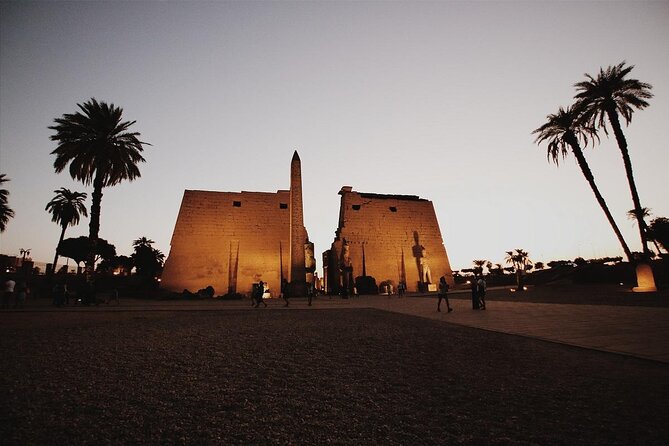
Karnak Temple is the larger and more sprawling of the two. Its courts, pylons, obelisks, and columned spaces can feel confusing without a clear route. Let your guide set the order and point out the parts that best explain how the complex grew over time.
Luxor Temple provides a fitting final stop. It sits in the modern city and feels more compact than Karnak, with a direct ceremonial connection between the two temples. Seeing both on the same day helps you understand that they were not isolated monuments but parts of a wider religious center.
After Luxor Temple, your private car takes you to the airport, train station, or bus station. Check your departure time carefully. This is a full sightseeing day, and you should allow a generous margin after the scheduled transfer if you have a fixed train or flight.
The guide can shape the whole experience
The strongest human element here is the guiding. Doaa is repeatedly associated with the Aswan portion, particularly Philae, the High Dam, and careful attention to group needs. Marwa is also mentioned as a friendly and professional guide in Aswan. Ahmed is praised for expert Egyptology, detailed answers, and a gift for making carved scenes easier to understand.
You may not receive the same guide for every stop. Abu Simbel uses a shared small group with a local English-speaking guide, while the wider trip includes a private guide. Ask in advance who will meet you in Aswan, who will guide the Luxor visits, and how the Abu Simbel arrangement works.
The private format is useful for families and small groups. You can ask questions without holding up a large coach, request a slower explanation, or tell the guide when you need a break. It also gives you a better chance to control the balance between photographs and historical detail.
Food, ship time, and the pace of the cruise
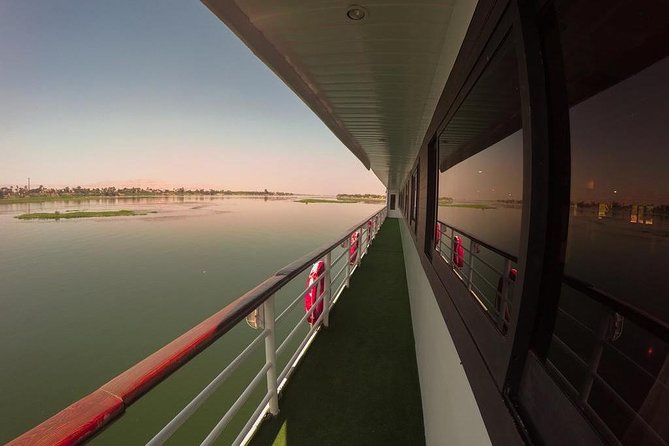
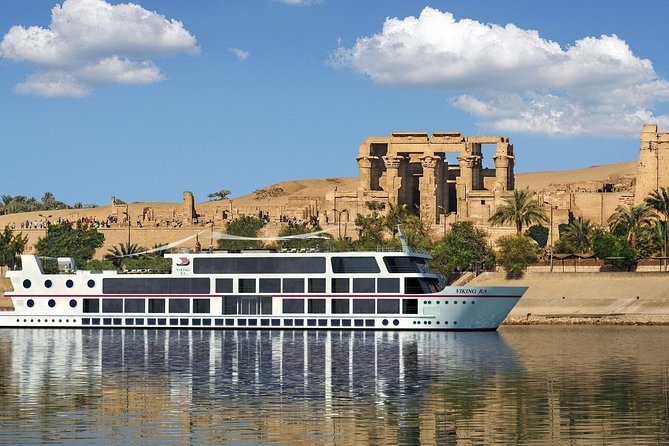
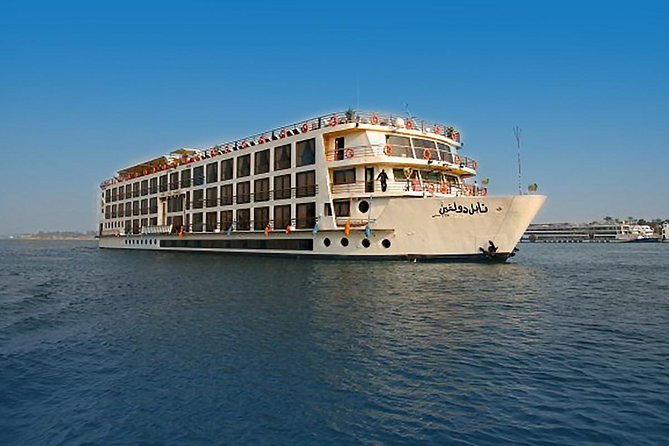
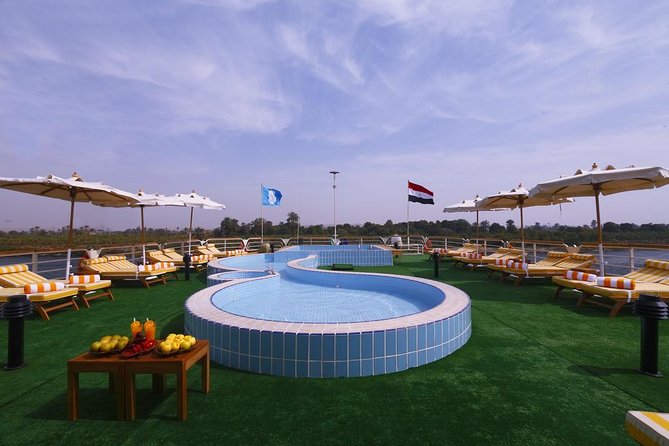
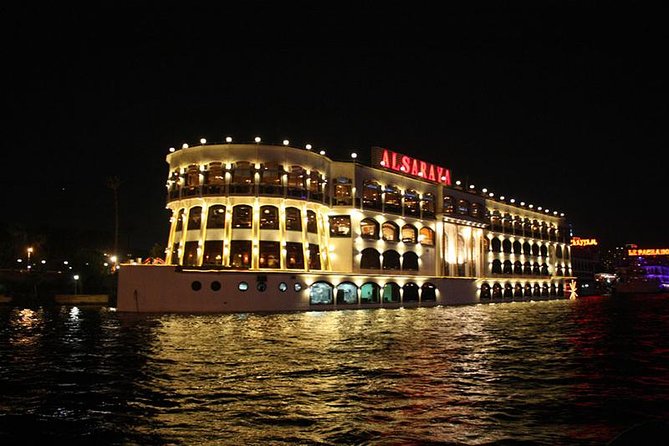
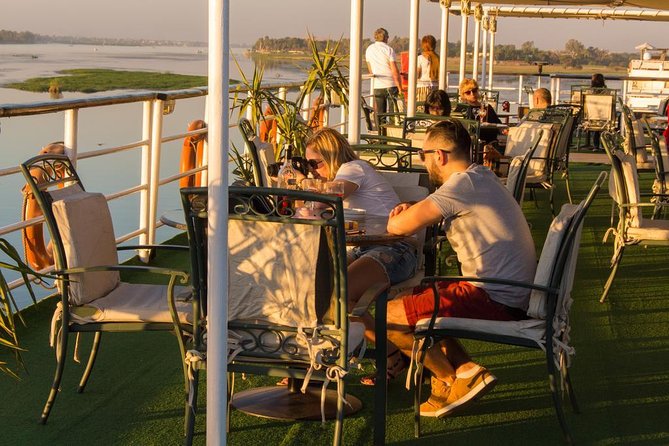
Three nights of full board are included on the cruise, with breakfast on the fourth day. One cruise-focused note describes the ship as clean, tidy, and well staffed, with plentiful food and small evening shows. That does not tell you the exact ship name or cabin layout, so you should not book this package expecting a specific vessel unless the operator confirms it.
The ship gives you a useful rhythm: temple visit, meal, sailing, and another stop. Still, the schedule is active. Abu Simbel is a long day, Edfu begins after breakfast, and Luxor combines several major sites before your final transfer.
Bring practical basics: sun protection, water, comfortable shoes, and a small bag for temple visits. Keep room in your budget for tickets, tips, the Philae boat, and any optional evening program.
Who should book this Nile cruise?
I would choose this trip if you want the main Aswan to Luxor sights in a short window and value having transport, accommodation, meals, and guiding arranged together. It is especially suitable for first-time visitors who want help interpreting temples instead of simply walking through them.
Families may appreciate the private transfers and the ability to ask for a suitable pace. Couples and small groups who dislike changing hotels will also benefit from the ship-based route.
I would hesitate if you want long, unplanned hours in each town, dislike early or tiring excursions, or prefer to arrange every entrance and meal yourself. The trip is efficient, but efficiency means less free time.
Should you book the $661.77 package?
Book it if Abu Simbel, Philae, and Luxor’s major temples are all priorities and you want a well-organized four-day route. The price offers solid value once you count the three cruise nights, full-board meals, private transfers, guides, and the small-group Abu Simbel outing.
Before paying, ask for a written list of ticket costs, confirm the Philae boat charge, check the cruise ship name and cabin details, and verify who will guide each day. If those extras fit your budget, this is a practical way to see a large portion of southern Egypt without managing every transfer yourself.
Free cancellation is available up to 24 hours before the start time for a full refund. Changes made within 24 hours are not accepted, and the operator may offer a new date or a full refund if the minimum number of participants is not reached.
FAQ
How long is the Aswan to Luxor Nile cruise?
The experience lasts approximately four days and includes three nights aboard the cruise ship.
Is Abu Simbel included?
Yes, Abu Simbel is part of the itinerary. The visit uses a shared small group with a local English-speaking guide and takes about eight hours.
Is Abu Simbel a private tour?
No. The Abu Simbel excursion is described as a shared small-group activity. The wider experience includes private transfers and a private tour arrangement for your group.
Are entrance tickets included?
No. Entrance fees for the listed historical sites are excluded from the package price.
Is the boat to Philae Temple included?
No. The motorboat to Philae Temple is not included, so you should plan for that additional cost.
What meals are included?
The cruise includes full board for three nights. Breakfast is included on the fourth day.
Is the Karnak Sound and Light Show included?
No. The Sound and Light Show at Karnak is an optional activity and is not included in the listed package.
Can I be picked up from an airport, train station, or bus station?
Yes. Pickup is offered from the airport, train station, or bus station in Aswan, with a private air-conditioned transfer to the cruise. At the end, you can be transferred to an airport, train station, or bus station in Luxor.
Newly written up around Aswan
- Tour to Abu Simbel Temples from Aswan★ 4.5 · 7 reviews
- Sound and Light show at Philae Temple in Aswan★ 5.0 · 5 reviews
- Philae Temple and Aswan High-Dam Half-day tour★ 5.0 · 49 reviews
- Aswan Philae Temple, Obelisk, and High Dam Private Tour★ 4.5 · 17 reviews
- Visit Abu Simbel temple from Aswan by private A/C vehicle★ 5.0 · 4 reviews
- Sound And Light Show At Philae Temple In Aswan★ 3.5 · 10 reviews
- Abu Simbel Temples from Aswan★ 4.5 · 10 reviews
- Temple of Edfu★ 4.0 · 11 reviews
Abu Simbel & Philae Temple Tours, compared.
Abu Simbel Temple Private Guided Day Trip with Lunch
Read our review →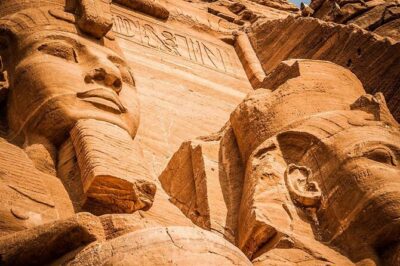
Private Day Tour to Abu Simbel Temples from Aswan
Read our review →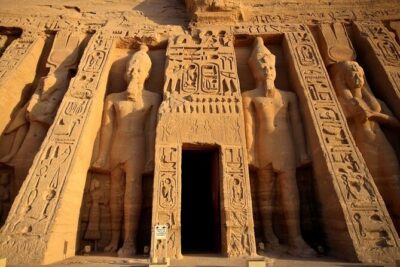
Private Guided Tour of Philae Temple with Entry
Read our review →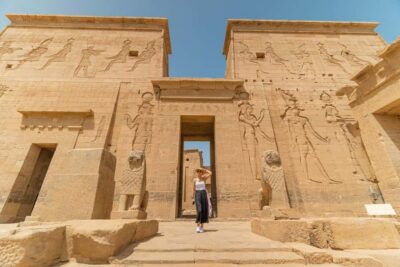
Philae Temple Sound & Light Show with Entrance Fees
Read our review →Browse the lists this tour appears in