
Reviewed · SPAIN TEMPLE TOURS
Granada: Monastery of La Cartuja Entry Ticket
Granada’s Monastery of La Cartuja packs an astonishing amount of art into a quiet religious complex. Behind its Plateresque doorway, you’ll find Baroque frescoes, carved altarpieces, a gilded altar-baldachin, and the remarkable Sancta Sanctorum. I like that the ticket costs only $11 and lets you set your own pace. I also like the chance to see how the building changed across three centuries, from its 1516 foundation to later neoclassical work.
The audio guide app should help you make sense of the church, sacristy, refectory, and chapter house without paying for a private guide. The main drawback is practical: the information says cellphones are not allowed, even though the audio guide is on your smartphone. Clarify how that works before you arrive.
Key points to know
- A 1516 Carthusian foundation: See a monastery shaped by three centuries of architectural changes.
- Juan Garcia de Pradas doorway: Begin with an ornate Plateresque entrance before reaching the church.
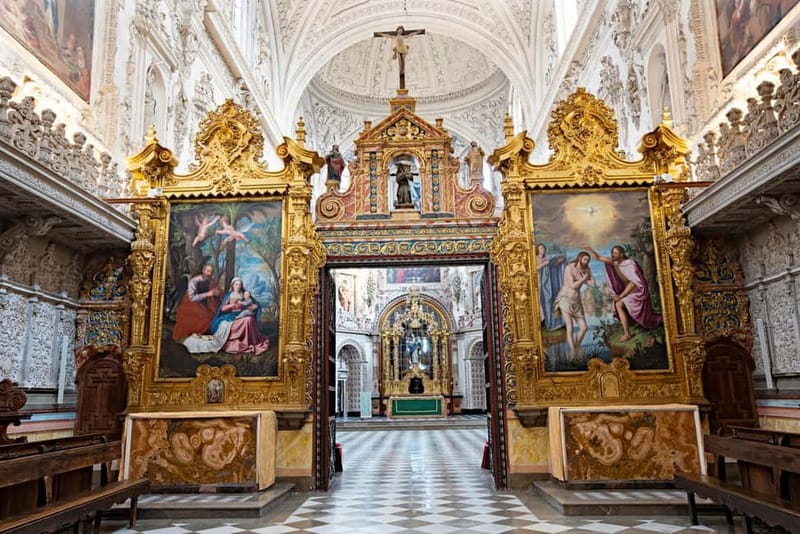
- Sánchez Cotán altarpieces: Look for the Rest in the Flight into Egypt and Baptism of Christ.
- The Sancta Sanctorum: Francisco Hurtado’s chapel features frescoes by Antonio Palomino.
- Quiet courtyards and monastic rooms: The sacristy, refectory, and chapter house show how the Carthusian community lived and worshipped.
- A short, low-cost cultural stop: At $11, this is a useful choice for art lovers who want more than Granada’s best-known sights.
Why La Cartuja deserves time in Granada
La Cartuja is not a quick look at one old church. It is a compact lesson in Spanish religious art, with several rooms that feel very different from one another.
The monastery was founded in 1516, and its appearance developed over roughly three centuries. That matters because you are not seeing one clean architectural style. Instead, the complex brings together Plateresque, Baroque, and neoclassical elements. Each layer gives you another way to read the building.
I find the setting especially appealing after Granada’s busier monuments. The courtyards offer a calmer pause, while the interior rooms reward slow looking. You can study a fresco, shift your attention to a carved detail, then move on without the pressure of a scheduled group tour.
The experience is best for someone who likes churches as works of art and as records of daily life. If your main interest is a panoramic view or a lively guide, this ticket may feel too quiet and self-directed. If you enjoy architecture, painting, sculpture, and religious history, the price is easy to justify.
More Entry Tickets in Spain:
- Montserrat Museum and Monastery Entry Ticket
★ 4.5 · 1,740 reviews - Mallorca: Carthusian Monastery Valldemossa Entrance Ticket
★ 4.2 · 93 reviews - Barcelona: Montserrat Private Trip with Monastery Ticket
★ 5.0 · 74 reviews
Entering through the Plateresque doorway
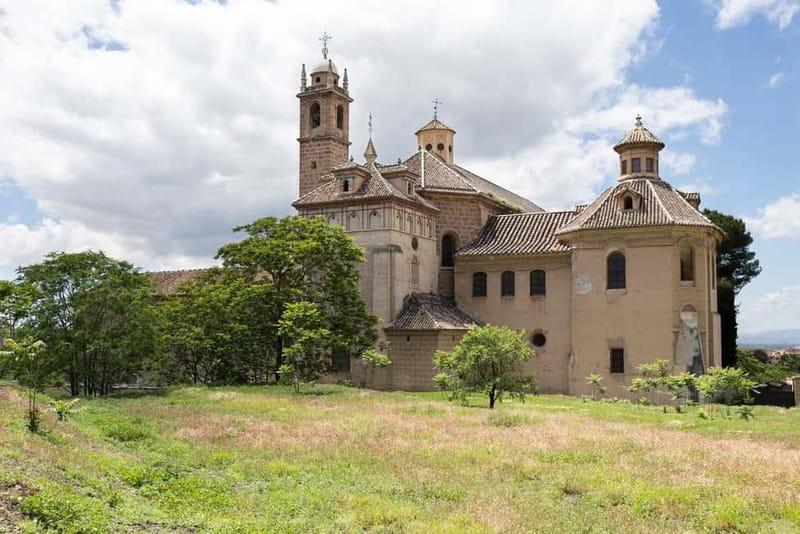
Your visit begins at the historic entrance by Juan Garcia de Pradas. This Plateresque doorway sets the tone before you reach the monastery’s grander interior spaces.
Plateresque design is known for detailed ornament, and the entrance gives you an early reminder that even the threshold was meant to impress. Take a moment here instead of rushing inside. The doorway is part of the story, not just a way through.
The monastery’s overall design reflects its Carthusian purpose. Carthusian monks followed a strict, secluded form of religious life, so spaces for worship, eating, study, and community life carried clear meaning. You will not get a personal guide explaining every point, but the audio guide app is intended to add context as you move through the rooms.
The visit is valid for one day, with availability shown when you select your visit. No fixed tour duration is provided, so you can plan this as a flexible cultural stop rather than a timed excursion. That is useful if you are fitting La Cartuja around other sights in Granada.
The church and its changing styles
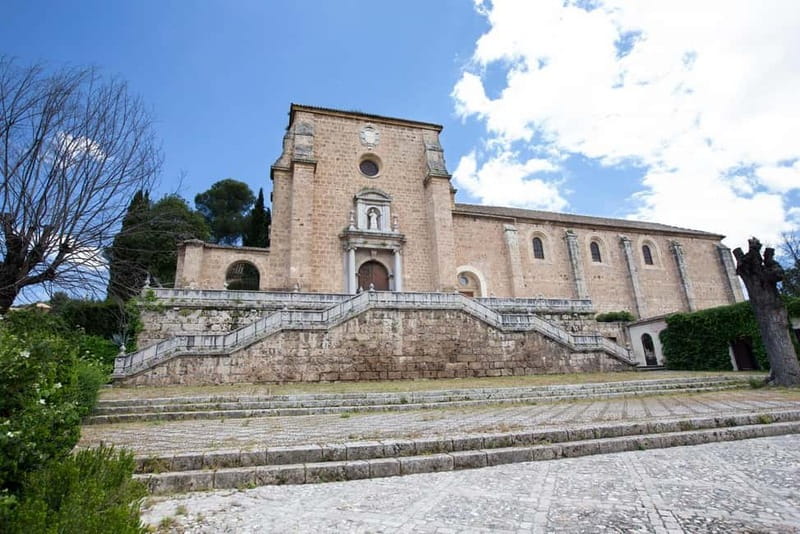
The church is the visual center of the visit. Its neoclassical doorway uses Ionic columns and includes an image of St. Bruno, the founder of the Carthusian order.
This entrance gives the church a more formal, orderly character than the ornate doorway outside. It also shows how the monastery continued to change after its original foundation. Look for the contrast between the doorway’s classical details and the more theatrical Baroque decoration deeper inside.
The church contains altarpieces by Francisco de Zurbarán? No, the supplied information specifically identifies Sánchez Cotán, so keep your attention on his work. Two pieces named for the visit are the Rest in the Flight into Egypt and Baptism of Christ. These are useful anchors because they give you particular works to seek out rather than asking you to take in the whole church at once.
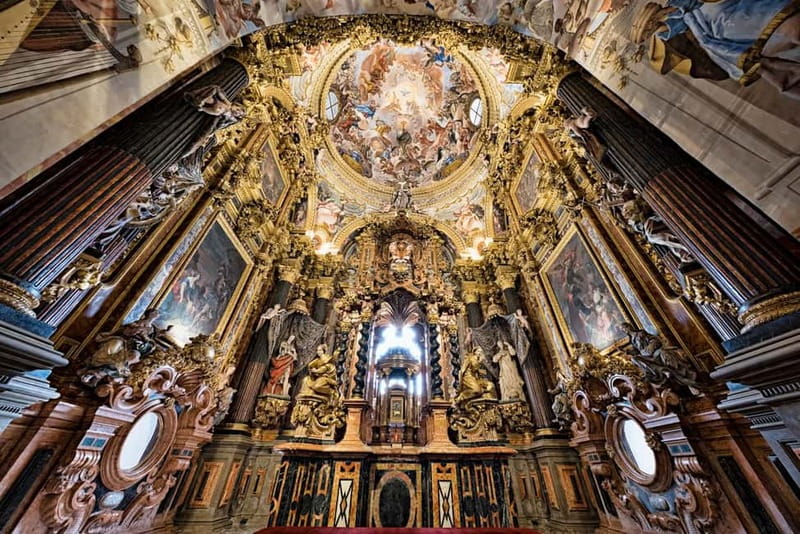
The elliptical vault of the Presbytery adds another strong visual feature. Its shape directs your eyes upward, while the gilded altar-baldachin draws attention back toward the center of worship. The combination of height, gold, painting, and sculpture is what makes this section feel theatrical.
I recommend looking at the church in two passes. First, take in the full effect from a distance. Then study the altarpieces and architectural details more closely. Baroque interiors can become a blur of gold and ornament if you rush. A slower visit lets you see how the pieces work together.
The Sancta Sanctorum and Antonio Palomino’s frescoes
The Sancta Sanctorum is one of the most distinctive parts of La Cartuja. It was created by Francisco Hurtado and includes frescoes by Antonio Palomino depicting the triumph of the Church Militant.
The name signals a particularly sacred space, and the decoration matches that purpose. This is not a plain devotional room. Architecture, painted scenes, and religious symbolism combine to make the room feel carefully staged.
You may find the Sancta Sanctorum more rewarding if you already know to expect a concentrated burst of decoration. The audio guide can help explain what you are seeing, especially if the fresco cycle is unfamiliar. Since there is no personal guide included, take time to listen rather than treating the room as a passage between larger attractions.
Palomino’s frescoes are also a good example of why this monastery deserves more than a fast photograph. Painted ceilings and walls often reveal their detail gradually. Look for the way the artwork relates to the shape of the room and its religious purpose.
Other temple visits near Spain we have written up
- Montserrat Monastery Half Day Experience from Barcelona
★ 5.0 · 6,014 reviews - Montserrat Monastery Small Group or Private Tour Hotel pick-up
★ 5.0 · 5,144 reviews - Escorial Monastery and the Valley of the Fallen Tour from Madrid
★ 5.0 · 2,494 reviews - Montserrat Small Group: Monastery, Black Madonna & Natural Park
★ 5.0 · 1,690 reviews
The sacristy, refectory, and chapter house
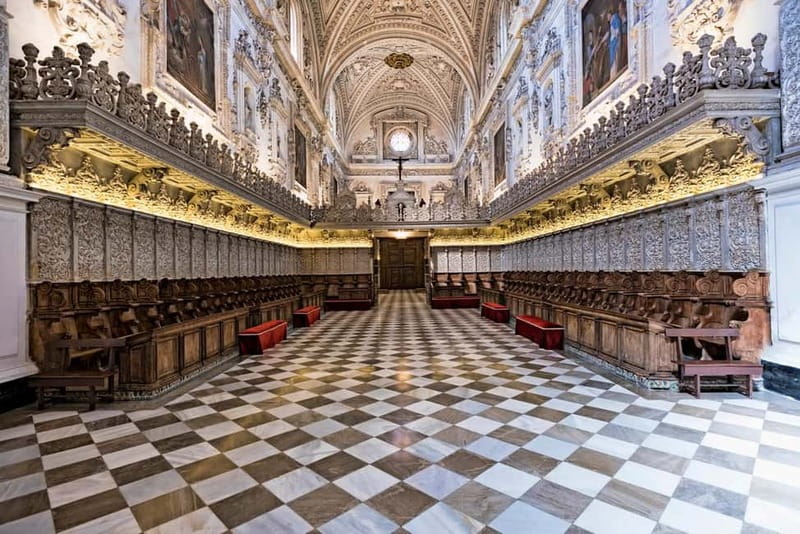
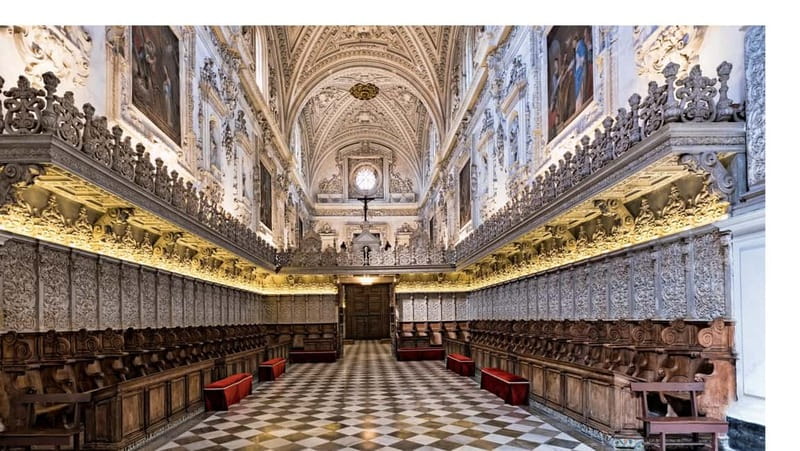
The monastery’s supporting rooms add human scale to the grand church. The sacristy, refectory, and chapter house help you picture the practical side of Carthusian life.
The sacristy was connected to the preparation of worship, so its decoration serves a different role from the church’s main spectacle. The refectory, or dining room, brings the monastery back to everyday routine. The chapter house relates to the community’s internal life and decision-making.
These rooms are particularly valuable because they prevent the visit from becoming a single parade of decorated surfaces. Together, they show how a religious complex operated. The art is still important, but the rooms also suggest how the monks moved, gathered, ate, and carried out their duties.
Works by Vicente Carducho and Sánchez Cotán appear among the monastery’s art. Their presence gives you another reason to use the audio guide. A label may identify a painting, but an explanation can help you understand why it belongs in a particular room and how it relates to Carthusian life.
The best approach is to pause in each space and ask what its purpose was. The church was built for public worship and ceremony. The refectory had a more ordinary function. The chapter house served the community. That simple comparison makes the monastery easier to understand.
Peaceful courtyards after the ornate interiors
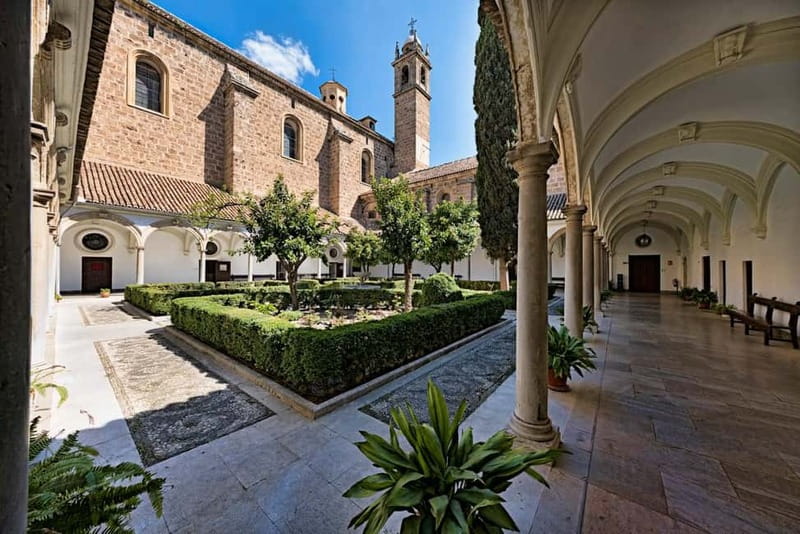
The courtyards offer a welcome change of pace. After the church and Sancta Sanctorum, with their strong decoration and religious imagery, these open spaces give you room to breathe.
I like courtyards in historic buildings because they show how architecture can shape the mood of daily life. Here, the quiet setting fits the Carthusian ideal of withdrawal and contemplation. You can pause without needing to absorb another major artwork every few steps.
Do not treat the courtyards as empty space between attractions. They help explain the monastery’s design. The interior rooms focus attention, while the open areas provide balance. For many people, this may be the most restful part of the visit.
The courtyards also make La Cartuja a good companion to a busy day in Granada. You are still looking at important architecture, but the pace is slower. If you are sensitive to crowded or highly scheduled sightseeing, this self-guided format may suit you well.
How the $11 ticket measures up
At $11 per person, La Cartuja is a strong-value cultural stop for the amount of art and architecture included. Your admission covers the monastery itself, the audio guide app, and the booking fee. Meals, drinks, and a personal guide are not included.
The value depends on how you like to visit. You are paying for access to a substantial historic complex, not a long guided tour with transport or extra activities. If you are happy to read, listen, and look carefully on your own, the cost is modest.
A private guide might give you more room to ask questions, but that option is not part of this ticket. The audio app gives you information without the added cost of a personal guide. For independent sightseeing, that is a sensible arrangement, provided the smartphone rule is clear.
One practical warning deserves attention. The information says cellphones are not allowed, while the audio guide is delivered through a smartphone. Do not assume you can simply use your phone throughout the visit. Check the current procedure before booking or at the entrance, since this detail could affect how useful the audio component is for you.
Who should choose this visit
I would choose La Cartuja if you enjoy Baroque art, religious architecture, sculpture, and quiet historic interiors. It is also a good choice if you have already seen Granada’s major sights and want a less obvious cultural stop.
The visit suits independent people who do not need a live guide. You can move at your own speed, return your attention to details, and spend extra time in the rooms that interest you most.
It may not suit you if you use a wheelchair, since the activity is listed as unsuitable for wheelchair users. It is also not a good match if you want a social tour, a meal, or a guide leading a group.
Smoking and flash photography are not allowed, and pets are not permitted except for assistance dogs. Respecting those rules matters here. Flash can damage old artwork, and the quiet setting calls for a restrained approach.
The no-cellphone rule also deserves planning. Because the audio guide is on a smartphone, sort out the access question before you rely on it. The ticket is non-refundable, so this is not the place to book casually and hope the details work themselves out.
Tips for making the most of the monastery
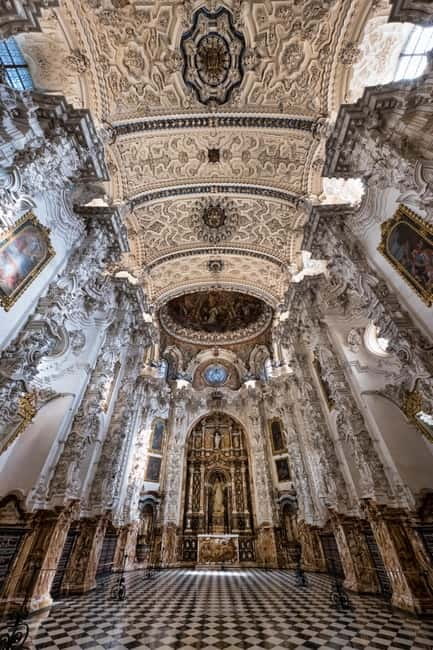
Give yourself enough time to look up and around. The Presbytery vault, altar-baldachin, and frescoed rooms reward attention above eye level.
Use the named artworks as a checklist. Find the Rest in the Flight into Egypt and Baptism of Christ, then compare their placement and purpose with the larger church setting.
Do not rush out after the church. The Sancta Sanctorum, sacristy, refectory, and chapter house are central parts of the visit, not optional extras.
Let the courtyards slow you down. A short pause there can help you reset before the next room.
If you are using the app, bring whatever access details you need, but remember that cellphones are listed as prohibited. Confirm the rule before your visit so you are not caught between the audio instructions and the site regulations.
Should you book La Cartuja?
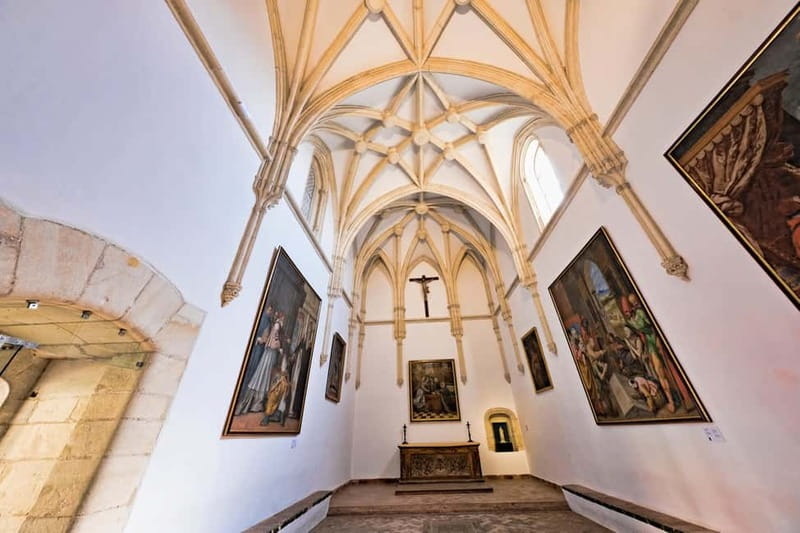
Book it if you want a low-cost, self-guided look at Granada’s Baroque and neoclassical religious art. The $11 price is fair for a monastery with a historic entrance, major church decoration, frescoes by Antonio Palomino, works by Sánchez Cotán and Vicente Carducho, and peaceful courtyards.
Skip it if you need wheelchair access, a personal guide, or a clearly phone-free audio arrangement. For everyone else, La Cartuja offers a thoughtful change from Granada’s more famous sights, with enough detail to reward an unhurried visit.
FAQ
Where is the Monastery of La Cartuja?
The monastery is in Granada, in Spain’s Andalusia region.
What does the ticket include?
It includes entry to the Monastery of La Cartuja, an audio guide app on your smartphone, and the booking fee.
How much does admission cost?
The listed price is $11 per person.
How long is the ticket valid?
The ticket is valid for one day. Available starting times are shown when you check availability.
Is a personal guide included?
No. The ticket includes an audio guide app, not a personal tour guide.
What artwork can I see inside?
You can see Baroque frescoes and sculptures, altarpieces by Sánchez Cotán, works by Vicente Carducho, and frescoes by Antonio Palomino in the Sancta Sanctorum.
What are the main rooms to visit?
The visit includes the church, Sancta Sanctorum, sacristy, refectory, chapter house, and courtyards.
Is the monastery suitable for wheelchair users?
No. The activity is listed as unsuitable for wheelchair users.
Are there restrictions inside the monastery?
Smoking, pets except assistance dogs, flash photography, and cellphones are not allowed.
Newly written up around Spain
- Montserrat Monastery Horse Riding & Walk – Small Group (Max 8)★ 5.0 · 45 reviews
- Transfer to Montserrat Monastery from Barcelona★ 4.5 · 94 reviews
- Montserrat & beyond private from Barcelona with different options★ 5.0 · 32 reviews
- Private Montserrat & Hot-Air Balloon Ride with Monastery visit★ 4.5 · 5 reviews
- Montserrat Nature Walk, Monastery and Museum from Barcelona★ 5.0 · 58 reviews
- Montserrat Monastery and Mountain Half Day Hiking from Barcelona★ 4.5 · 6 reviews
- Montserrat Tour with Cogwheel Train, Monastery & Black Madonna★ 4.0 · 10 reviews
- Montserrat Land of Shrines – One Day Small Group Hiking Tour from Barcelona★ 5.0 · 38 reviews
Spain Temple Tours, compared.
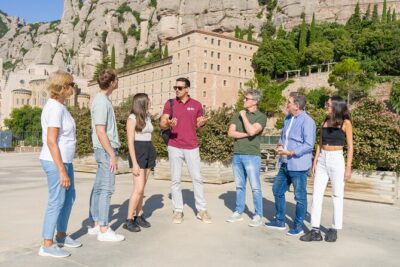
Montserrat Monastery Half Day Experience from Barcelona
Read our review →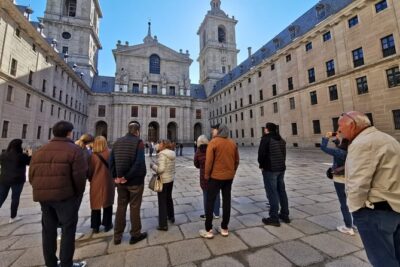
Escorial Monastery and the Valley of the Fallen Tour from Madrid
Read our review →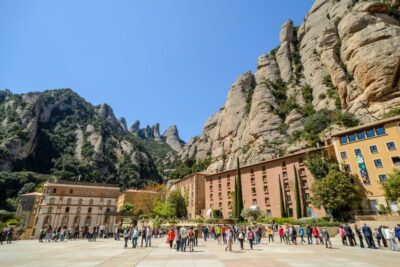

Montserrat Small Group: Monastery, Black Madonna & Natural Park
Read our review →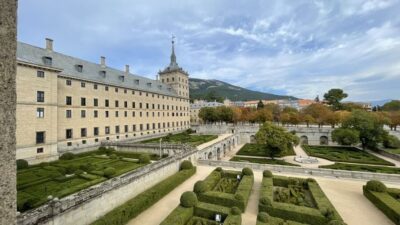
Escorial Monastery and the Valley of the Fallen
Read our review →
Flamenco Show at Tablao Sala Temple with Drink
Read our review →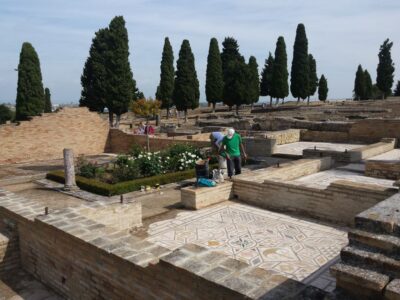
From Seville: Italica Roman City & Medieval Monastery Tour
Read our review →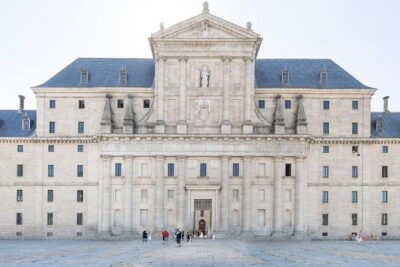
Escorial Monastery and the Valley of the Fallen from Madrid
Read our review →Browse the lists this tour appears in