
Reviewed · ACROPOLIS & ANCIENT GREEK TEMPLE TOURS
Private Halfday Ephesus Tour with Temple of Artemis Tour
The Temple of Artemis and ancient Ephesus make a strong half-day pairing. One stop is a quiet archaeological site with only a few surviving stones. The other is a long Roman avenue lined with monuments, baths, fountains, theaters, and carved columns.
I like the private format, since you can ask questions and set the pace with your guide. I also like the comfortable transport from Kusadasi, plus the pre-paid skip-the-line tickets that save time at Ephesus. The main drawback is cost: $213 per person does not include the 40-euro Ephesus admission fee, and the tour is not suited to people with mobility limits.
Key points to know
- Temple of Artemis first: See the remains of one of the Seven Wonders of the ancient world, though only a small part survives.
- Ephesus highlights: Visit the Celsus Library, Great Theater, Odeon, Roman Baths, Trajan’s Fountain, and Hadrian’s Temple.
- Private English-speaking guide: The tour is for your group rather than a shared coach party, allowing room for questions and a more flexible pace.
- Five-hour schedule: This is a focused visit from Kusadasi, not a full-day archaeological program.
- Extra admission cost: Budget 40 euros per person for Ancient Ephesus, paid directly to the guide in euros, dollars, or Turkish lira.
- Good practical setup: Air-conditioned, non-smoking transport, car park fees, and port or hotel pickup are included.
Why Ephesus makes this a worthwhile half-day
Ephesus is not a single isolated ruin. It is an ancient city laid out along a road, and the walk gives you a clear sense of how public life once worked. You pass civic buildings, fountains, baths, theaters, and grand facades rather than looking at disconnected stones in a field.
The city has links to several periods, including Hittite settlement and later Greek and Roman control. Ancient writers connected its origins with the Amazons, while modern understanding points to the Hittite city of Apasas. Your guide helps turn those names into a useful timeline instead of leaving you with a pile of dates.
The private arrangement matters here. At a large site like Ephesus, a guide can point out details you would probably miss, explain the role of each building, and pause when you want a closer look. The two available comments about the experience put particular weight on the clear explanations and the guide’s strong command of the subject.
You should still keep your expectations in check. Five hours is enough for the principal sights, but not for every corner of the site or an unhurried study of every inscription. This works best if you want the main story of Ephesus and an important nearby ruin without giving up an entire day.
More Acropolis and Ancient Greek Temple Tours in Turkey:
- Ephesus Temple of Artemis and House of Mary Private Half Day Tour
★ 5.0 · 1,573 reviews - Ephesus and Temple of Artemis Private Tour from Kusadasi Port
★ 5.0 · 672 reviews - Kusadasi: Ephesus & Temple of Artemis Tour with Entry Ticket
★ 4.8 · 449 reviews
Meeting your guide at Kusadasi Port
The standard meeting point is in front of the passenger exit gate at the Kusadasi Port terminal. Your guide may also meet you at your Kusadasi or Selcuk hotel if that pickup option was arranged.
Port navigation can be slightly confusing. If you booked within the last 12 hours, the guide may wait at the first security point after the main gate, outside the port. Walk through the passenger exit toward the city center, then continue to the main gate. If you cannot find your name, the supplied contact number is +90 542 609 70 43.
This detail is worth reading before you leave the ship. A few minutes spent checking the meeting instructions can prevent a rushed start, especially when a cruise arrival brings many people through the same exit.
The vehicle is air-conditioned and non-smoking. That is a practical plus on a warm Aegean day, particularly after walking on exposed stone at Ephesus. Car park fees are included, so you do not need to handle that part of the transport cost yourself.
The Temple of Artemis, a famous ruin with little left
The first major stop is the Temple of Artemis. It was counted among the Seven Wonders of the ancient world, but the site today is far more modest than that title suggests. You will see the surviving ruins rather than a standing temple with intact rooms and walls.
That contrast is important. The stop is valuable because of what the temple represented, not because you will spend a long time walking through a complete building. A guide can explain the temple’s place in ancient Ephesus and help you picture the scale and importance of a structure that has largely disappeared.
Plan on this being a short, focused archaeological visit. The site gives you a useful introduction before Ephesus, but the main visual impact of the tour comes later, among the streets and buildings of the ancient city.
I like the order of the stops. Beginning with the Temple of Artemis gives you context for the region’s religious importance, then Ephesus supplies the larger urban setting. If you expect a fully preserved wonder, you may find this stop underwhelming. If you understand that ancient sites often survive in fragments, it becomes a thoughtful beginning to the day.
Walking into ancient Ephesus
Ephesus is the main event. The site is described as one of the best-preserved ancient cities in the world, and its surviving public buildings make that claim easy to understand. The tour takes you through the principal monuments with a guide rather than leaving you to guess what each column or broken wall once did.
The Odeon is one of the early highlights. It served as a meeting place for the advisory council, giving you a glimpse of government and public decision-making. This is a useful reminder that Ephesus was not only a religious center or a collection of wealthy homes. It was a working city with civic institutions.
You will also see the Roman Baths. Baths were important social and public spaces, and the remains help explain how the city functioned beyond its grand monuments. Your guide can connect the stone rooms and foundations to everyday urban life, which is often more memorable than hearing a list of emperors.
The route includes many columns, monuments, and ruins. Some will be instantly recognizable, while others may look like scattered masonry without explanation. This is where the private guide earns much of the tour’s value. The available feedback specifically praises the explanations given while walking around the site, so expect the commentary to be a central part of the experience rather than an optional extra.
Other temple visits near Turkey we have written up
- 3-Hour Private Ephesus, Terrace Houses, Cruiser Only
★ 5.0 · 274 reviews - Ephesus Tour with Temple of Artemis and Sirince Village From Izmir
★ 5.0 · 239 reviews - Trabzon: Sümela Monastery and Hamsiköy Tour
★ 4.5 · 147 reviews - From Izmir: Ephesus, Artemis Temple Tour with Tickets/Lunch
★ 4.7 · 36 reviews
Celsus Library and the grandest photo stop
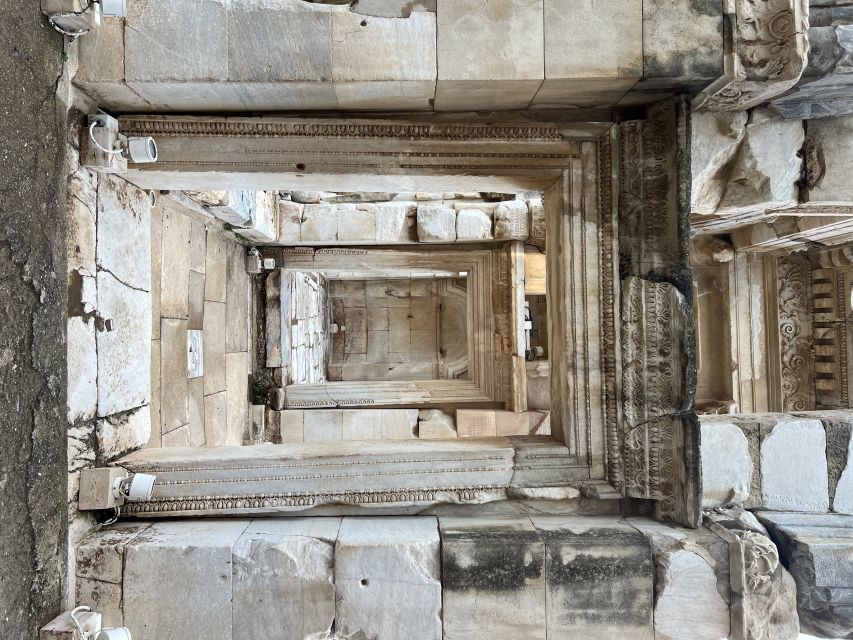
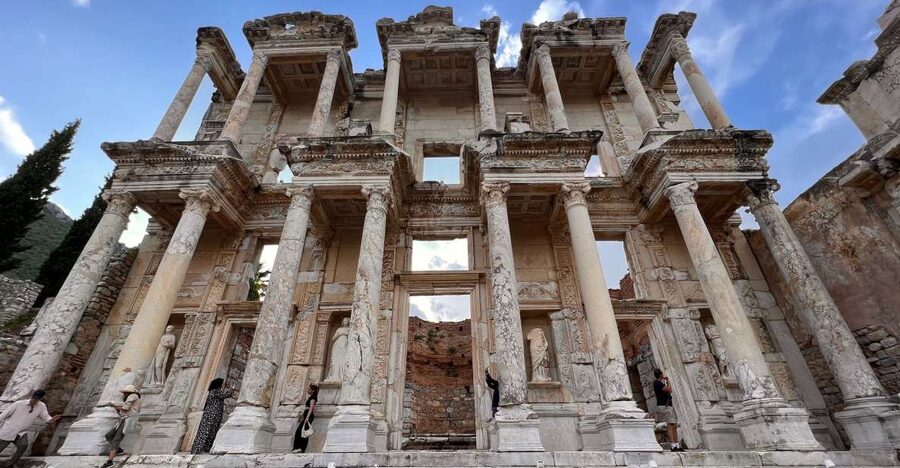
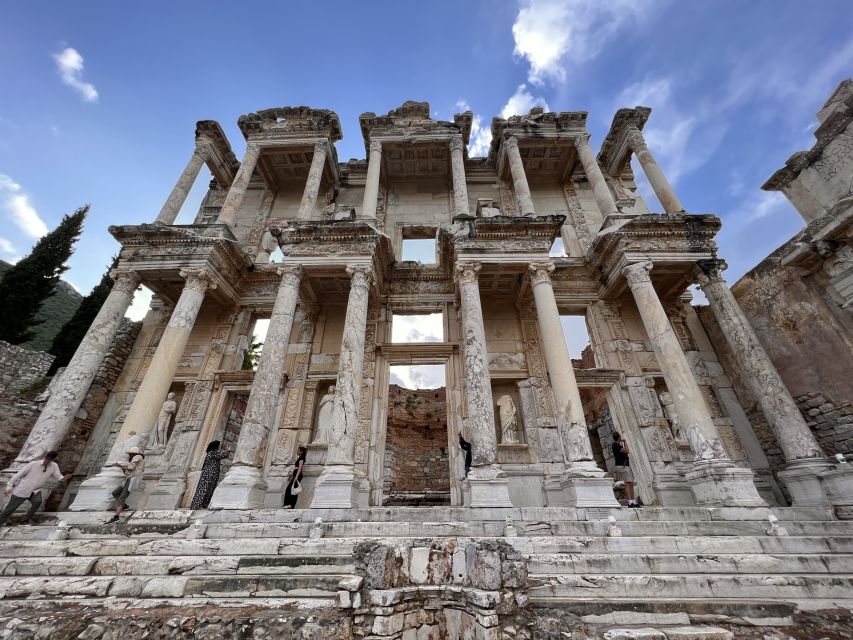
The Celsus Library is likely to be the visual centerpiece of your visit. Its restored facade gives Ephesus the kind of memorable image many people hope to see when they book an ancient-city tour. The carved details and orderly columns show the care that went into Roman public architecture.
A photo here is almost inevitable, but try to give yourself time to look beyond the facade. The building is important not simply because it is attractive. It shows how architecture, civic pride, and public learning were displayed in a major Roman city.
The library also helps you understand the scale of Ephesus. You are not looking at a rural shrine. You are walking through a place that once supported impressive public buildings and formal urban spaces. A guide can explain what you are seeing more clearly than a quick photograph and a few minutes of independent wandering.
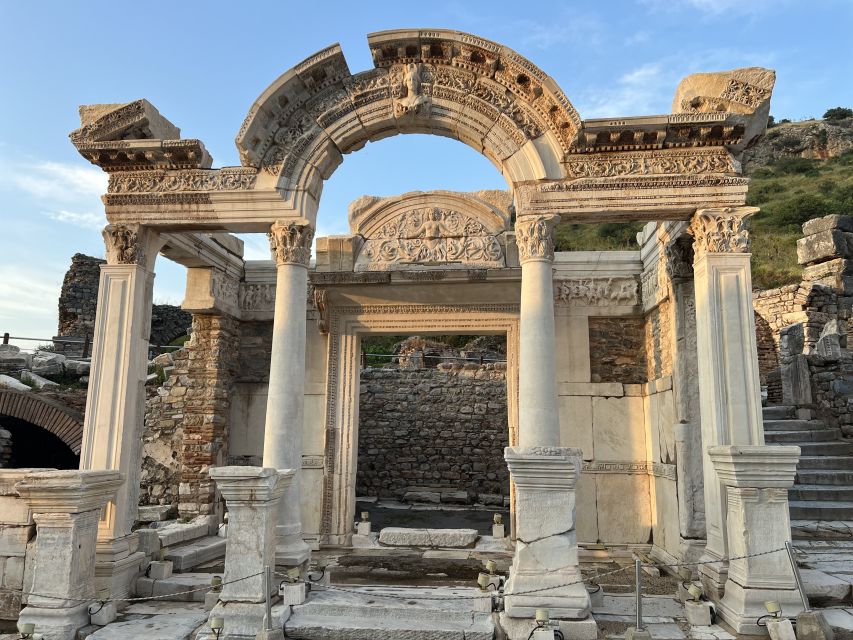
The tour also includes Hadrian’s Temple and Trajan’s Fountain. These monuments add variety to the walk. The temple shows the city’s formal imperial connections, while the fountain points to the importance of water and public amenities in Roman urban life. Each stop is more useful when placed within the wider city plan.
The Great Theater and the rhythm of public life
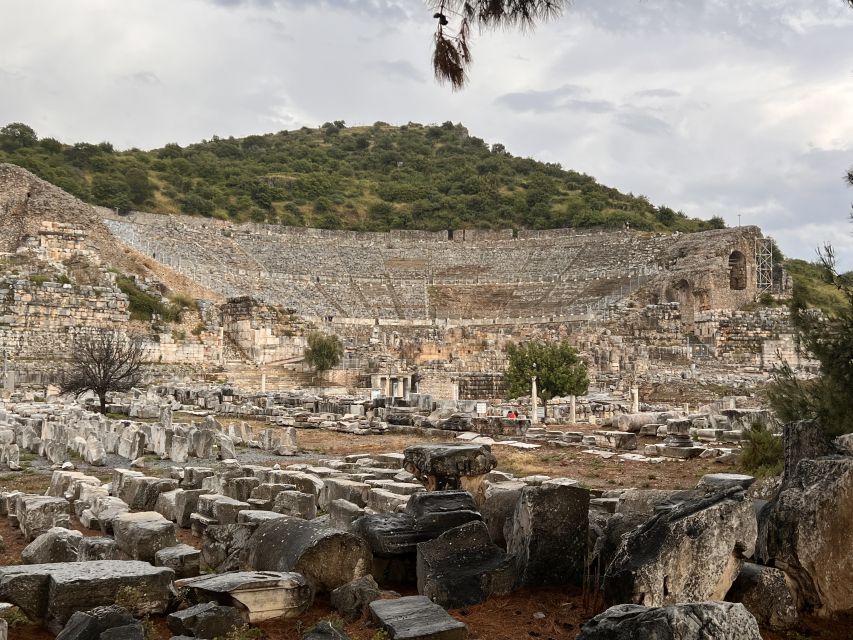
The Great Theater is another major stop, and it gives the tour a strong sense of scale. It was designed for large public gatherings, so its size helps you picture crowds, performances, speeches, and civic events in a way that smaller ruins cannot.
You may find the theater especially striking because it is not just an ornamental facade. Its structure makes the purpose clear. The seating, open performance area, and broad sweep of the building show how the city gathered people together.
The theater also gives your guide a chance to explain the public side of Ephesus. The city’s importance came from institutions and shared spaces as much as from individual monuments. Seeing the theater after the Odeon, baths, library, and fountain creates a coherent picture of civic life.
The walking surface is one point to take seriously. The tour information says it is not suitable for people with mobility impairments, and that is a fair warning. Ancient streets and ruins are not designed like a modern museum route. Wear shoes with good support, bring a hat and sunglasses, and expect the visit to take place in all weather.
What the private format changes
A private group is more than a label. It can change how much you get from a place that rewards questions. If you want to know why a building mattered, how Roman public life worked, or how the city’s earlier history fits into the later ruins, you can ask without holding up a large group.
The format also gives you a little control over attention and pace. The tour remains a five-hour experience, so it is not completely open-ended, but you are not tied to the rhythm of a large shared party. That can be useful at the Celsus Library or Great Theater, where you may want a few extra minutes for photographs and explanation.
The guide is an English speaker, and the experience is described as a private group tour. No individual guide name is provided, so you should not expect to request a particular person based on the available information. The important practical point is that the guide meets you in person and leads the sightseeing rather than simply providing transport.
Two available ratings gave the experience full marks. One highlighted pleasant transportation and good explanations during the walk. Another praised the guide’s strong command of the material and noted that a private upgrade was provided. That second detail suggests the exact booking arrangement can matter, so check that your confirmation clearly shows a private group.
Is $213 per person fair value?
The listed price is $213 per person. That is not a low-cost way to see Ephesus, especially because Ancient Ephesus admission is extra at 40 euros per person. The admission payment can be made directly to the guide in euros, dollars, or Turkish lira, and the guide has pre-paid the tickets to help you avoid the ticket queue.
The value depends on what you need. If you only want a ride to the ruins and plan to explore alone, the price may feel high. If you want port pickup, private transport, an English-speaking guide, a focused five-hour route, and help with the ticket line, the cost is easier to justify.
A private tour also reduces the risk of losing time during a short port visit. You do not need to organize separate transport from Kusadasi, and you can see the two key archaeological stops without building the day yourself. The included air-conditioned vehicle matters in hot weather, while included car park fees remove a small but useful extra charge.
Still, calculate the full cost before booking. Add the 40-euro admission fee to the $213 tour price, along with any personal spending. The tour may be good value for a couple, family, or small group that wants a guide, but a solo visitor comparing it with a larger shared excursion should look closely at the price difference.
What to bring and what to expect
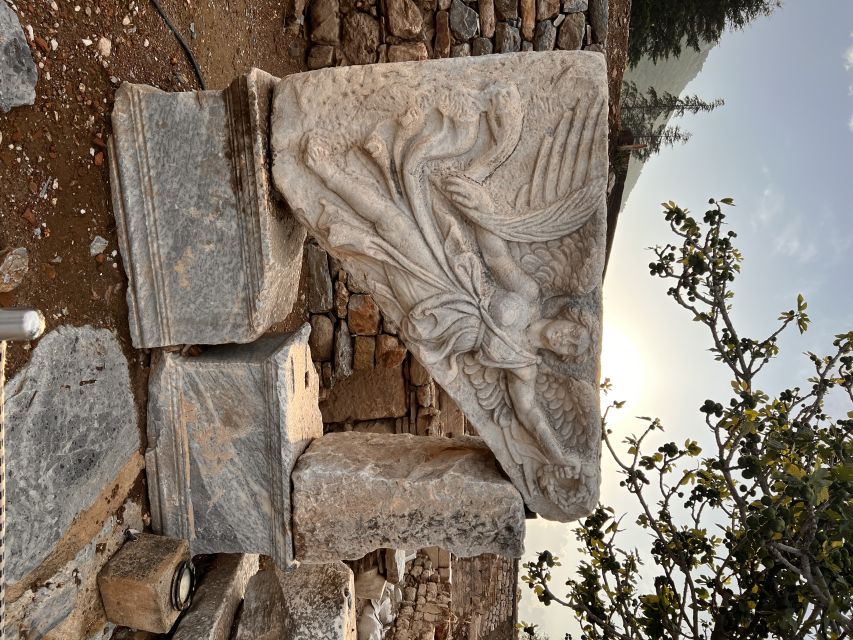
Wear comfortable shoes. The tour is built around walking through an ancient city, and practical footwear will make the monuments easier to enjoy. Sunglasses and a hat are sensible because much of the visit is outdoors.
Bring a camera and a charged smartphone. Your phone may also be useful for contacting the tour team if you have trouble locating the guide at the port. A passport or a copy is required, according to the tour information.
Tripods are not allowed. Keep your equipment simple and easy to carry, especially since you will be moving through an archaeological site rather than setting up for a long photo session.
The tour operates rain or shine. That makes a light weather check worthwhile, but it should not be treated as a fair-weather-only outing. The main preparation is simple: good shoes, sun protection, water for your own use, and enough battery power for communication and photographs.
Who should book this Ephesus tour?
I would recommend it to cruise passengers staying in Kusadasi who want the major Ephesus sights without spending a full day on a larger regional program. It also suits people who prefer private guiding and want explanations at the monuments rather than a self-guided walk.
It is a good fit for history fans, first-time visitors to Ephesus, and anyone who wants to combine the city with the Temple of Artemis. The five-hour length leaves the experience focused and manageable, though the schedule will not satisfy someone hoping to inspect every ruin at leisure.
I would be more cautious if you have mobility problems. The tour is specifically not suitable for people with mobility impairments, and the ancient streets and ruins can make walking difficult. I would also think twice if your main goal is the Temple of Artemis alone, since only ruins remain there and most of the tour’s visual reward comes from Ephesus.
Should you book it?
Book this tour if you value a private English-speaking guide, straightforward port transport, and a clear route through Ephesus’s major monuments. The praised points are practical ones: comfortable transport and explanations that help the ruins make sense.
Before paying, add the 40-euro admission fee to the headline price and confirm your meeting point. If that total fits your budget, this is a well-focused way to see the Celsus Library, Great Theater, Hadrian’s Temple, and Temple of Artemis in one half-day. If you want the cheapest possible visit or need a route designed for limited walking, choose another option.
FAQ
How long does the tour last?
The tour lasts five hours.
Where do I meet the guide at Kusadasi Port?
The standard meeting point is in front of the passenger exit gate at the Kusadasi Port terminal.
Can I be picked up from my hotel?
Yes. Pickup is available from hotels in Kusadasi or Selcuk.
What happens if I booked within the last 12 hours?
Your guide may meet you at the first security point after the main gate outside Kusadasi Port. Walk through the passenger exit toward the city center, then continue to the main gate.
What is included in the tour price?
The price includes a professional English-speaking guide, transfer from Kusadasi Port or a hotel, air-conditioned non-smoking land transport, and car park fees.
Is admission to Ephesus included?
No. Ancient Ephesus admission costs 40 euros per person and is paid directly to the guide in euros, dollars, or Turkish lira.
Are skip-the-line tickets provided?
Yes. The guide has pre-paid the tickets so you can avoid the long ticket queue.
Is this a private tour?
Yes. The experience is arranged for a private group and includes a live English-speaking guide.
What should I bring?
Bring comfortable shoes, sunglasses, a hat, a camera, a passport or copy, and a charged smartphone.
Can I use a tripod?
No. Tripods are not allowed.
Newly written up around Turkey
- Full Day Perge Aspendos Apollo Temple Tour in Antalya★ 5.0 · 5 reviews
- Manavgat Waterfalls, Temple of Apollo and Aspendos Day Tour★ 4.0 · 25 reviews
- Sümela Monastery&Uzungöl: Daily Group Tour★ 4.1 · 6 reviews
- Less Walking Private Ephesus, Virgin Mary, Temple Skip Lines★ 5.0 · 22 reviews
- Kusadasi: Ephesus, House of Virgin Mary, and Temple Tour★ 4.3 · 22 reviews
- KUSADASI PORT: House of Mary, Ephesus and Atemis Temple Tour★ 4.5 · 10 reviews
- From Izmir: Ephesus, Artemis Temple Tour with Tickets/Lunch★ 4.7 · 36 reviews
- Ephesus TempleofArtemis&House of Mary Private Half Day Tour★ 4.6 · 19 reviews
Acropolis & Ancient Greek Temple Tours, compared.

Cape Sounion & Poseidon Temple Sunset Half-Day Trip
Read our review →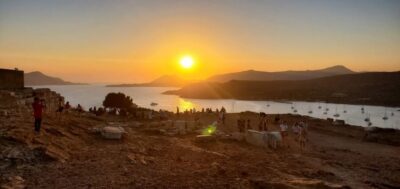
Cape Sounio & Poseidon Temple Trip with Audio Guide
Read our review →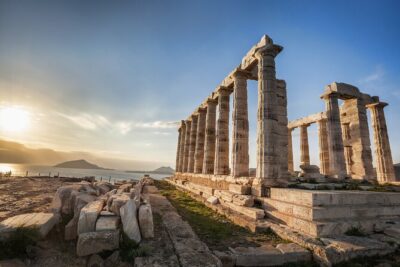
Cape Sounion and Temple of Poseidon Half-Day Small-Group Tour from Athens
Read our review →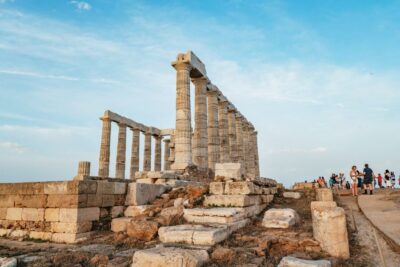
Cape Sounion & Temple of Poseidon: Small Group Tour
Read our review →
Ephesus Temple of Artemis and House of Mary Private Half Day Tour
Read our review →
Cape Sounion & Temple of Poseidon Sunset Experience
Read our review →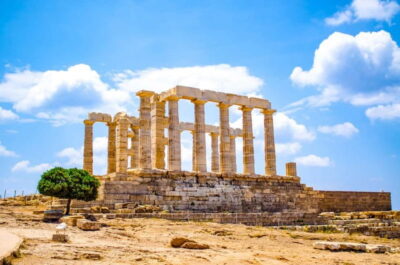
Temple of Poseidon & Cape Sounion Half-Day Tour
Read our review →
Ephesus and Temple of Artemis Private Tour from Kusadasi Port
Read our review →Browse the lists this tour appears in