Reviewed · TOURS
Small Group Tour to Mogosoaia Palace & Snagov Monastery
Snagov Monastery gives this five-hour outing its best story: a small church on an island tied to Vlad the Impaler, the ruler behind the Dracula legend. I like the mix of medieval politics and local folklore, and I like that the route leaves Bucharest for forest and countryside views before reaching Mogosoaia Palace.
I also like the quiet palace grounds, which offer more than a quick city sightseeing loop. The main caution is that the palace interior may feel thin after the elegant exterior and lovely park, and the tour is not suitable for people with mobility impairments.
Key points to know
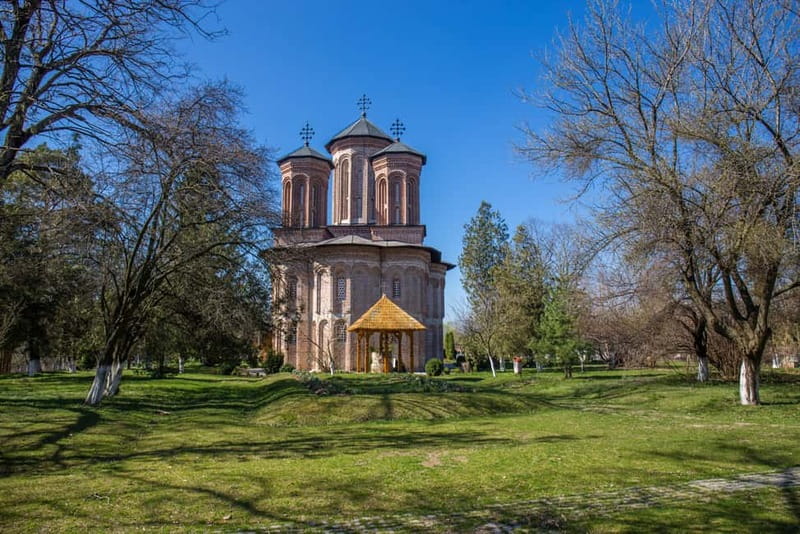
- Snagov Monastery sits on an island in Snagov Lake, giving the first stop a memorable setting.
- Vlad the Impaler is supposedly buried here, making the church a key stop for anyone interested in the Dracula story.
- Mogosoaia Palace dates from 1702 and displays the distinctive Brancovenesc style, with Venetian and Ottoman influences.
- The palace park may be more rewarding than the interior, so set your expectations before you go.
- Guide Laura has been praised for her preparation and professionalism, adding useful context to the sites.
- The $81 price includes transport, guide service, and hotel pickup, but admission, lunch, and photo fees are extra.
Why Snagov Monastery is the main event
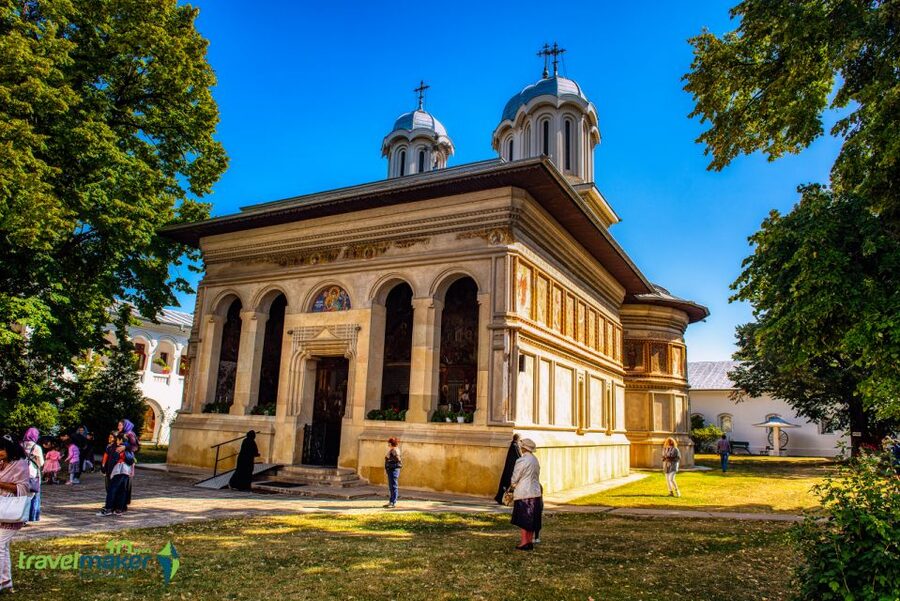
If the Dracula connection is what catches your attention, Snagov Monastery is the reason to book this trip. The church sits on an island in the northern part of Snagov Lake, away from Bucharest’s busy streets. That setting gives the visit a sense of separation, even though it is close enough to fit into a half-day outing.
The monastery was built by Mircea the Elder, Vlad the Impaler’s grandfather. Mircea made the first recorded mention of the church in 1408, and later rulers rebuilt or changed parts of the complex. Vlad the Impaler is supposedly buried here, although the connection is wrapped in legend rather than simple, settled fact.
That uncertainty is part of the appeal. You are not visiting a polished Dracula theme park. You are seeing a real religious site connected to Wallachian rulers, then hearing how later stories tied it to one of Europe’s most famous dark figures. I find that kind of history more interesting than a purely theatrical retelling.
The monastery itself is not a huge complex. You should think of it as a focused stop rather than a place that fills half a day. The island position, the old church, and the story behind the supposed tomb provide the substance. If you expect rooms full of exhibits or a long route through historic buildings, you may find the visit brief.
The tour description does not promise a boat ride or specify the exact crossing arrangements, so you should not book this expecting a separate lake excursion. The important point is the island setting and the monastery visit itself.
Other temple visits near the world we have written up
- Lisbon: Jerónimos Monastery Entrance Ticket
★ 4.1 · 14,164 reviews - Angkor Wat Sunrise or Sunset Tour with Guide from Siem Reap
★ 5.0 · 12,109 reviews - Teotihuacan, Guadalupe Shrine & Tlatelolco Day Tour with Lunch
★ 5.0 · 11,603 reviews
What the Dracula connection really adds
Vlad the Impaler was a voivode of Wallachia, and the Dracula name has helped turn several Romanian sites into international attractions. Snagov offers a chance to separate the historical ruler from the later vampire fiction.
Your guide can help place the story in context, but the supplied tour information does not promise a full lecture on Vlad’s life or on Bram Stoker’s novel. I would treat the Dracula link as an entry point, not the entire purpose of the stop.
That makes the tour a good fit for two kinds of people. If you enjoy legends, you get one of Romania’s most famous associations. If you prefer history, you get a monastery linked to medieval rulers and a chance to see how local memory and tourism overlap.
The setting also helps. A church on an island feels more memorable than a tomb marker in an ordinary urban setting. Still, you will want to keep your expectations measured. This is a small historic stop, not a large museum with an extensive collection.
The drive from Snagov to Mogosoaia
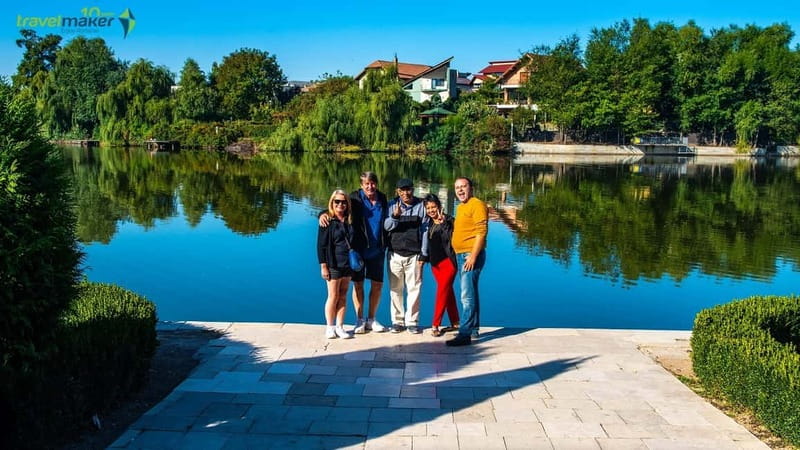
After Snagov Monastery, the vehicle continues toward Mogosoaia. The drive takes about 45 minutes, and the route passes through forest and countryside north of Bucharest.
This part matters because the tour gives you a break from city streets. You can look out at rural scenery rather than spend the entire outing moving between buildings in the capital. The drive also creates a natural change of mood: Snagov is associated with legend and medieval religion, while Mogosoaia offers architecture, gardens, and more recent social history.
The transport is by modern car, with pickup and drop-off at accommodation inside Bucharest. That is useful if you do not want to arrange a taxi or work out a route to two places beyond the city. At five hours, the tour is short enough to fit around other Bucharest plans, though you should allow some flexibility around the stated duration.
The group is described as small, but no exact maximum size is given. That means you should expect a more personal format than a large coach tour, without assuming a private excursion. A live English-speaking guide leads the trip.
Mogosoaia Palace and the Brancovenesc style
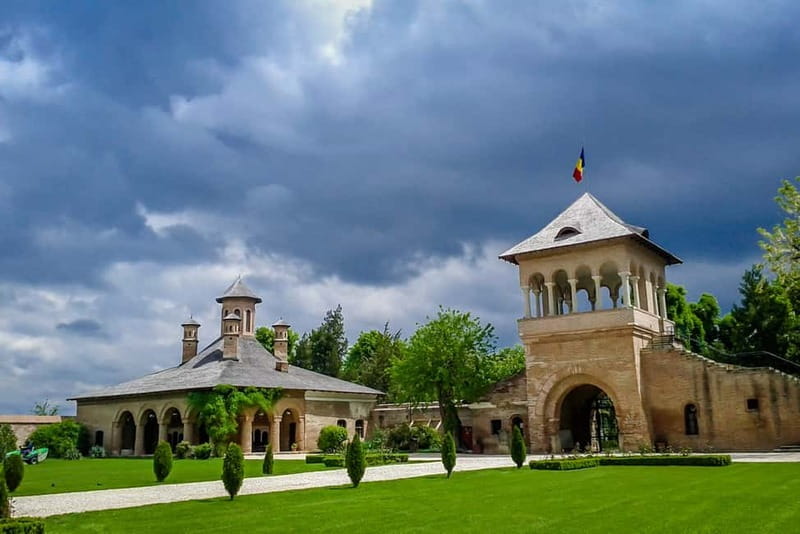
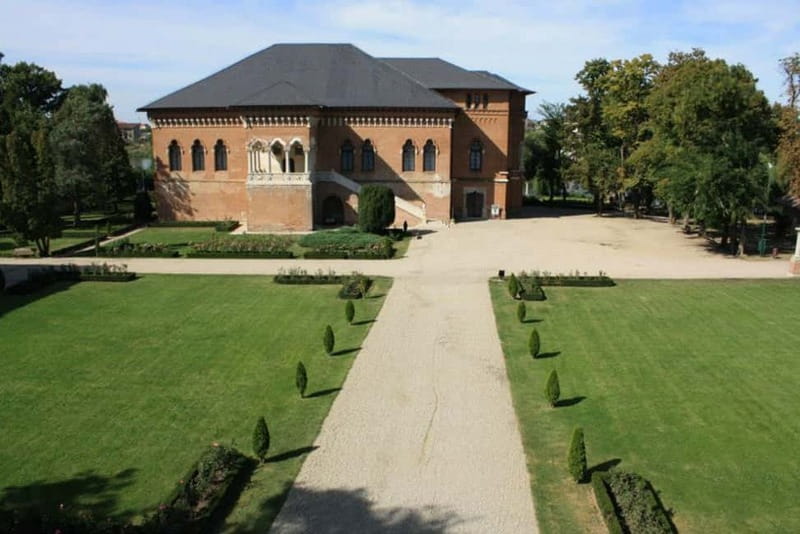
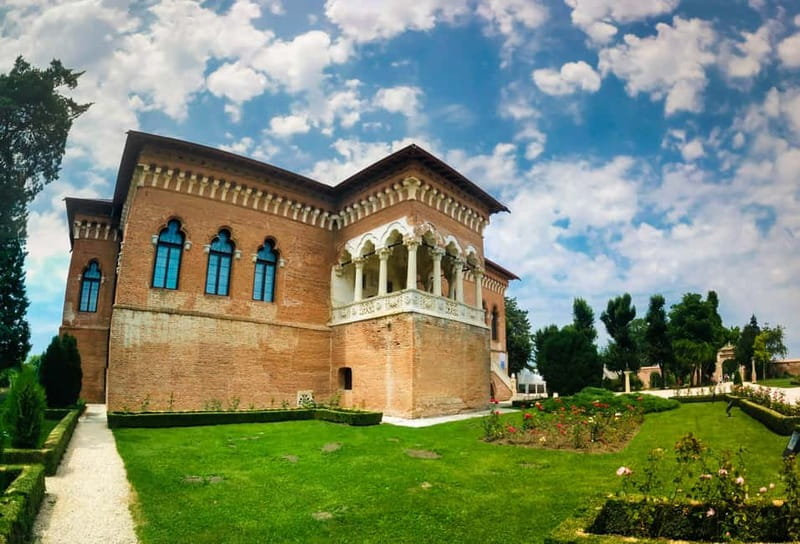
Mogosoaia Palace is the architectural centerpiece of the second half. Constantin Brancoveanu built it in 1702 for his elder son. The building uses the Brancovenesc style, a Romanian Renaissance form that blends Venetian and Ottoman elements.
That combination gives the palace its character. You are not looking at a plain Western European manor, nor at a purely Ottoman building. The design reflects Wallachia’s position between cultural and political worlds, with outside influences adapted into a distinctly Romanian style.
The palace also carries a more recent story. In 1912, Martha Bibescu began renovations, and the property became a meeting place for high society. After the Second World War, the Communist Party nationalized it. Today, the palace houses the Museum of Brancoveanu Art.
I like the way these layers make Mogosoaia more than an attractive old building. You can connect the original princely residence with the Bibescu period, then with the forced change in ownership under communism. Even a short guided visit can show how Romanian history moved from princely rule to elite society and then state control.
The palace grounds are an important part of the stop. The park is described as peaceful and beautiful, and that may be where you get the most visual pleasure. Give yourself time to look beyond the facade and notice how the building relates to its surroundings.
A different set of gates, same trip:
- From Bangkok: Ayutthaya Temples Guided Tour with Lunch
★ 4.7 · 10,535 reviews - Siem Reap: Angkor Wat: Small-Group Sunrise or Sunset Tour
★ 5.0 · 9,444 reviews - Athens: Cape Sounion & Poseidon Temple Sunset Half-Day Trip
★ 4.8 · 8,241 reviews - Ubud: Monkey Forest, Jungle Swing, Rice Terrace, and Water Temple
★ 5.0 · 7,160 reviews
The palace interior: set your expectations carefully
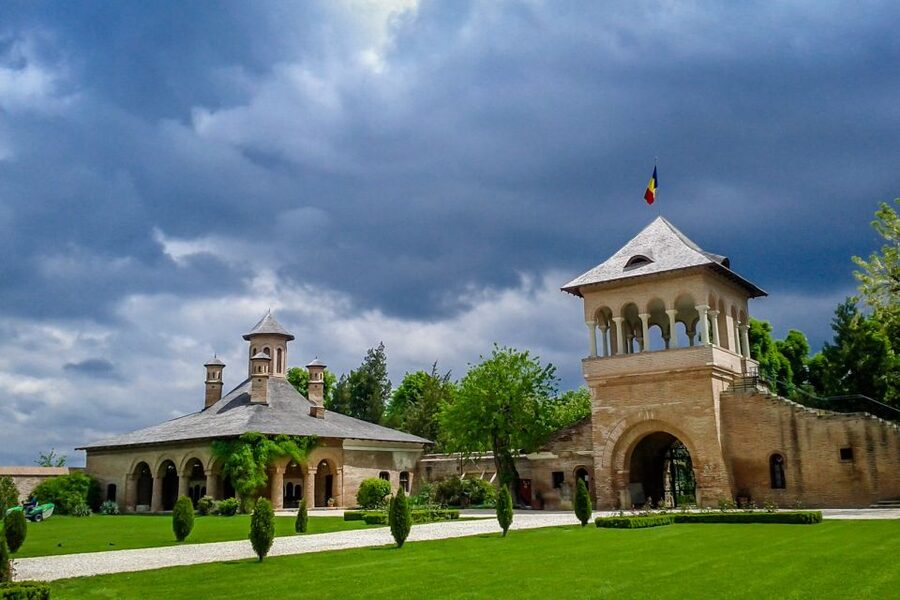
The interior is the main weak point of the outing. One assessment rated the park highly but found the inside disappointing, while another described the visit as offering little to see overall. That does not make Mogosoaia a bad stop, but it does tell you how to judge its value.
If you mainly want grand rooms packed with furniture, paintings, and decorative objects, you may leave underwhelmed. The tour does not promise a large palace collection, and the museum visit may be fairly compact.
If you care more about architecture, setting, and historical context, the palace still earns its place. The Brancovenesc design is unusual, and the peaceful grounds help make the stop worthwhile. I would put Mogosoaia in the category of a graceful historic site rather than a blockbuster palace.
This distinction is useful when comparing Bucharest day trips. You are paying for access to a pair of places with different strengths. Snagov brings the legend and island setting. Mogosoaia brings the building, park, and architectural story. Neither stop is enormous, so the tour works best if you value atmosphere and context over a packed schedule.
How the guide affects the experience

A good guide matters here because neither stop is so large that you can simply wander for hours. The best use of your time comes from understanding what you are seeing.
Laura has been specifically praised for being prepared, kind, and professional. She has also guided the tour in English. Those qualities are especially useful at Snagov, where the Dracula connection can easily overpower the historical facts, and at Mogosoaia, where the building’s importance may not be obvious without explanation.
The tour has received an overall rating of 4.4 from 48 reviews, which suggests a generally strong experience with some limits. The pattern is clear: the monastery tends to be the stronger attraction, while the palace interior can divide opinion. Guide quality helps balance that difference.
Because this is a small-group tour, you can likely ask questions during the drive and at the stops, but the exact group limit is not stated. I would use the journey to ask about Wallachian rulers, the Brancovenesc style, and how much of the palace museum will be open during your visit.
Is $81 a fair price?
At $81 per person, the tour is not simply an admission ticket. The price includes modern-car transport, an English-speaking guide, and pickup and drop-off at your Bucharest accommodation. For a five-hour outing beyond the city, that convenience has real value.
You still need to budget for entrance fees to the sites. Photographing and filming fees are also not included, and lunch is on your own. Since the outing lasts about five hours, it may finish before or after a normal mealtime depending on the start time, so ask about the schedule or plan to eat in Bucharest.
The value is strongest if you are staying in Bucharest and do not want to arrange transport to both sites yourself. A self-organized visit might cost less in some circumstances, but it would require handling transport, timing, entry tickets, and the historical background on your own.
The price is less compelling if you want a long museum visit or a full day of extensive sightseeing. The itinerary is compact, and both stops are relatively focused. You are paying for a convenient half-day with interpretation, not for a huge number of attractions.
Who should book this outing?

I would recommend it to anyone with an extra half-day in Bucharest who wants to see something beyond the capital’s main center. It suits people interested in Romanian rulers, Dracula lore, religious sites, architecture, and quiet countryside.
It is also a good choice if you prefer a guided route. The English-language service and hotel pickup remove much of the planning work, while the five-hour length leaves room for other plans.
You should think twice if your top priority is a large palace interior, a long museum visit, or a highly active day. The palace may feel modest inside, and the tour is not suitable for people with mobility impairments. Pets are not allowed.
Mogosoaia Palace is closed on Mondays, so choose another day for this outing. At least two people are required for a booking. If that minimum is not met, you will be offered another date or a full refund.
My final take on Snagov and Mogosoaia
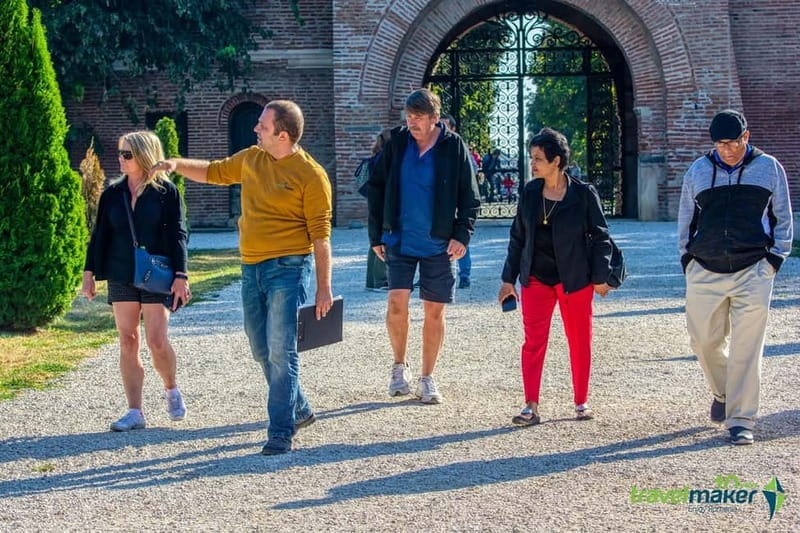
Book this tour if the idea of combining Dracula-linked history with Romanian architecture appeals to you. Snagov Monastery is the emotional high point, thanks to its island setting and connection to Vlad the Impaler. Mogosoaia then gives you a calmer second act, with a distinctive palace, park, and a useful look at Romania’s changing ruling classes.
Do not book it expecting a grand palace tour packed with lavish interiors. The park and exterior may reward you more than the museum rooms. At $81, the trip makes the most sense for you if transport, hotel pickup, and an English-speaking guide are worth paying for, and if you want an easy half-day beyond Bucharest rather than a do-it-yourself outing.
FAQ
How long does the tour last?
The tour lasts five hours.
What places does the tour visit?
It visits Snagov Monastery and Mogosoaia Palace.
Where is Snagov Monastery located?
Snagov Monastery is on an island in the northern part of Snagov Lake.
Why is Snagov Monastery linked to Dracula?
Vlad the Impaler, the ruler associated with the Dracula legend, is supposedly buried at Snagov Monastery.
How long is the drive from Snagov Monastery to Mogosoaia Palace?
The drive takes about 45 minutes.
What is special about Mogosoaia Palace?
It was built by Constantin Brancoveanu in 1702 and uses the Brancovenesc style, which combines Venetian and Ottoman influences.
Is lunch included?
No. Lunch is not included in the tour price.
Are entrance fees included?
No. Entrance fees to the visited sites are extra. Photographing and filming fees are also not included.
Is hotel pickup available?
Yes. Pickup and drop-off are included for accommodation located inside Bucharest.
Newly written up around the world
- Kyoto: Fushimi Inari Taisha Shrine Walking Tour with Guide★ 4.8 · 18 reviews
- Xi’an: Terracotta Army, Lunch, City Wall, Pagoda, Bazaar★ 5.0 · 72 reviews
- Varanasi in a Day Ancient Temples Sarnath and Ghats★ 5.0 · 17 reviews
- Hidden Corners of Varanasi Secret Alleys Temples and Traditions★ 5.0 · 9 reviews
- Terracotta Army, Big Wild Goose Pagoda&City Wall Full Day Tour★ 4.5 · 47 reviews
- Xi’an: Daci’en Temple(Great Wild Goose Pagoda) E-ticket★ 3.3 · 57 reviews
- Bangkok: Grand Palace and Wat Arun Guided Walking Tour★ 4.5 · 118 reviews
- Ex-monk city & temples walking tour: (3.5 hours / 1.7 km.)★ 4.8 · 35 reviews
Tours, compared.
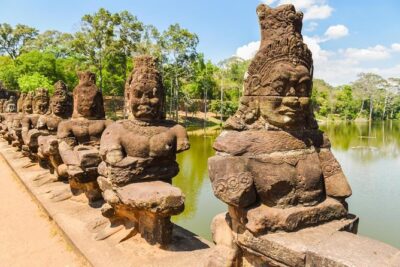
Angkor Wat Sunrise or Sunset Tour with Guide from Siem Reap
Read our review →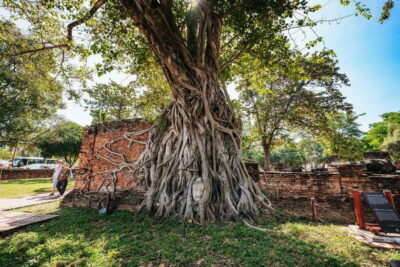
Angkor Wat: Small-Group Sunrise or Sunset Tour
Read our review →
Waterfalls, Water Temple & Rice Terraces Private Tour
Read our review →
Angkor Wat 2-Day Tour with Sunrise and Sunset
Read our review →
City Highlights Temple and Market Walking Tour
Read our review →