
Reviewed · BOROBUDUR & PRAMBANAN TEMPLE TOURS
Guarantee Borobudur Temple Structure & Prambanan Temple.
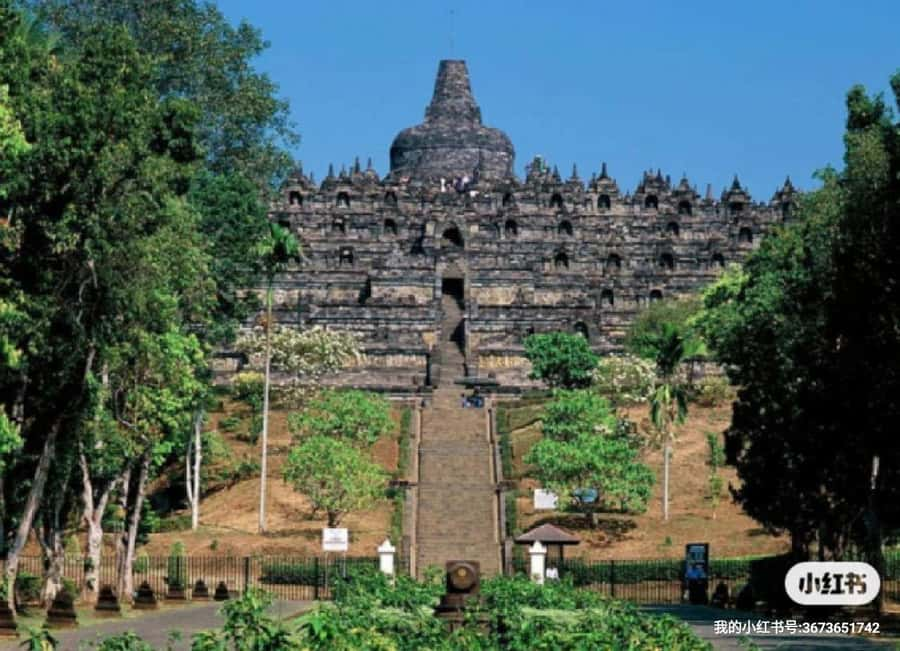
Borobudur and Prambanan give you two of Java’s greatest sights in one long day: a Buddhist monument built in three symbolic tiers, followed by Indonesia’s grandest Hindu temple complex. Both date from around the ninth century, when the Mataram kingdom shaped central Java with remarkable religious and architectural ambition.
I like the two-UNESCO-site format, since it saves you from arranging separate transport. I also like the practical help from the English-speaking driver, including pickup, parking, mineral water, and assistance with temple tickets. The main catch is the ticket wording: the $36 price may not include both entrance fees, so confirm your selected package before paying.
Key points to know before booking
- Two major temples in one day: Visit Borobudur for about 1.5 hours and Prambanan for about two hours.
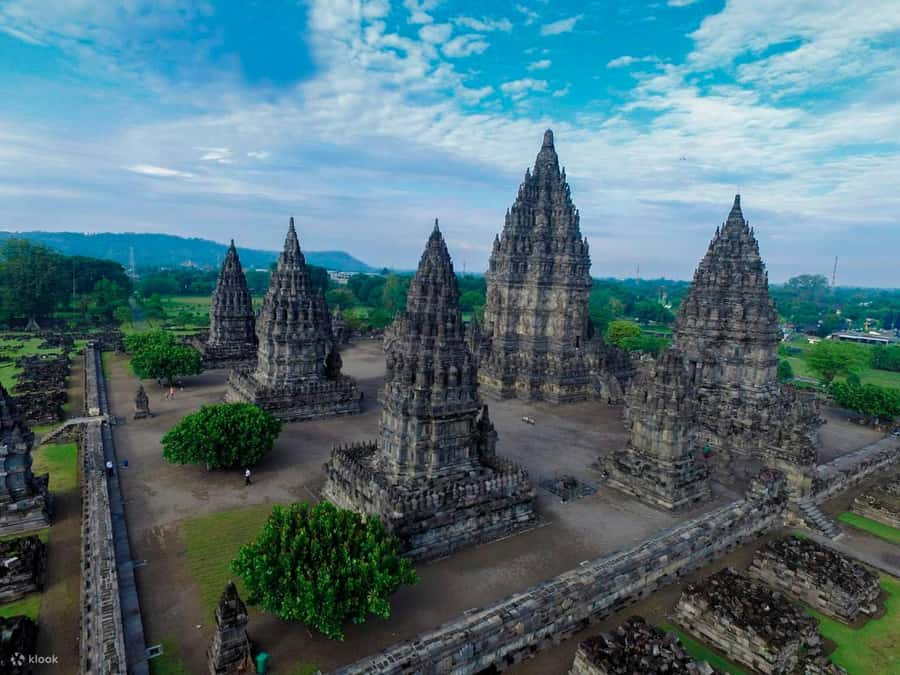
- Different faiths, different designs: Borobudur is a Buddhist monument, while Prambanan honors the Hindu gods Brahma, Vishnu, and Shiva.
- Ticket options need careful checking: Some packages include all tickets, some include Prambanan only, and the sharing option excludes entrance fees.
- Transport is the real convenience: Air-conditioning, fuel, parking, pickup, drop-off, and mineral water are included.
- Small group size: Shared departures are limited to 15 people, with an English-speaking driver and guide support.
- Holly is one named guide: The strongest praise focuses on friendly service, clear answers, and good organization.
Why Borobudur and Prambanan belong on the same day
These temples are not alike, and that is exactly why this pairing works. Borobudur is Buddhist, calm in its design, and built around a climb through symbolic levels. Prambanan is Hindu, taller and more pointed, with major towers devoted to the Trimurti: Shiva, Vishnu, and Brahma.
You get a useful look at Java’s religious past without visiting two sites that feel interchangeable. The contrast also helps you understand how powerful Buddhist and Hindu kingdoms once shaped the island before later political and religious changes.
The day lasts about 10 hours, so this is not a light sightseeing outing. You should expect a full schedule with driving between Yogyakarta, Borobudur, and Prambanan. That long span is the trade-off for seeing both in one trip rather than giving each temple a separate day.
More Borobudur and Prambanan Temple Tours in Indonesia:
- Yogyakarta: Borobudur and Prambanan Temples Guided Tour
★ 4.9 · 828 reviews - Borobudur Temple Climb To The Top & Prambanan Temple – 1 day tour
★ 5.0 · 638 reviews - Yogyakarta: Borobudur Climb-up & Prambanan Temple Day Tour
★ 4.9 · 442 reviews
Setting out from Yogyakarta
Pickup is available from Malioboro in Yogyakarta and the New Yogyakarta International Airport Railway Station. Hotel pickup is also offered, but you should confirm the exact pickup point when arranging the booking.
The same-place return makes the day easier. You do not need to work out a second transport plan after sunset or arrange a separate ride back from Prambanan. The vehicle is air-conditioned, and fuel and parking fees are covered.
This is a shared small-group trip, with a maximum of 15 people. That size is more manageable than a large coach, although it is still not a private tour. If you want total control over stop lengths, meal breaks, or departure time, ask about a private option before booking.
You are also asked to contact the local operator through WhatsApp 24 hours before departure. Treat that as an important step, not a formality. Use it to confirm your pickup place, starting time, and ticket package.
Borobudur: a Buddhist monument built as a cosmic journey
Borobudur is the first major stop and receives about 1.5 hours. The visit includes a stop, a guided tour, walking time, views on the way, and a scenic drive.
The monument’s design follows Javanese Buddhist architecture. It rises in three main parts:
- A pyramid-like base with five square terraces
- A central section with three circular platforms
- A large stupa at the top
The walls and balustrades carry fine low-relief carvings. These are not random decoration. They form part of the monument’s teaching system, presenting Buddhist ideas through stone images and stories.
Borobudur’s vertical structure reflects three Buddhist spheres. The lowest is kamadhatu, the world of desire. Above it is rupadhatu, the world of form. The upper level is arupadhatu, the formless world.
You do not need to be a Buddhist scholar to appreciate the plan. The building turns a religious idea into a physical route. You move upward from the square terraces toward circular platforms and the large stupa above, with the architecture itself guiding the experience.
The monument was restored with UNESCO support in the 1970s. That restoration matters because Borobudur is not simply an old ruin left to chance. It has required long-term care, engineering, and international cooperation.
The 1.5-hour visit is enough for an introduction, but it is not a leisurely study session. If you enjoy reading every relief or taking your time with each terrace, you may want more time than the standard schedule provides. Keep your expectations realistic: this is a broad two-temple day, not a deep examination of Borobudur alone.
The operator provides help with entrance tickets, either in advance or on site. That is useful because ticket arrangements can be the least pleasant part of a major temple visit. Still, check the ticket conditions before departure, especially if your selected package is the sharing option.
Understanding Borobudur’s engineering
Borobudur is especially striking because of what it achieved without modern construction technology. The monument uses carefully arranged stone, layered terraces, repeated forms, and a strict symbolic plan.
The supplied description highlights the architectural challenge of building such a complex structure around nine centuries ago. As you walk, look beyond the size of the monument. Notice how the square base, circular platforms, relief panels, balustrades, and stupas work together as one design.
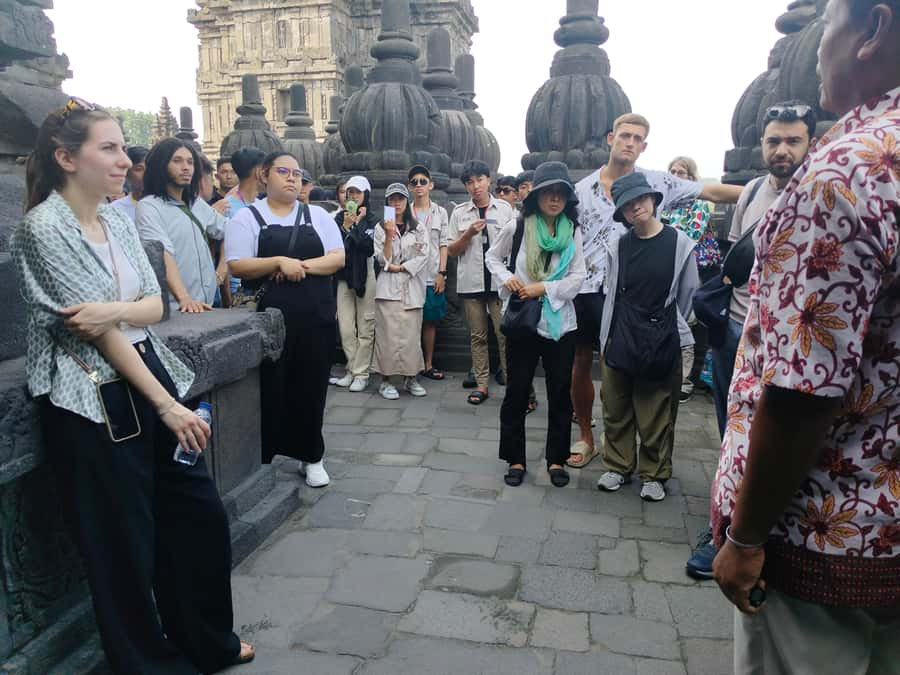
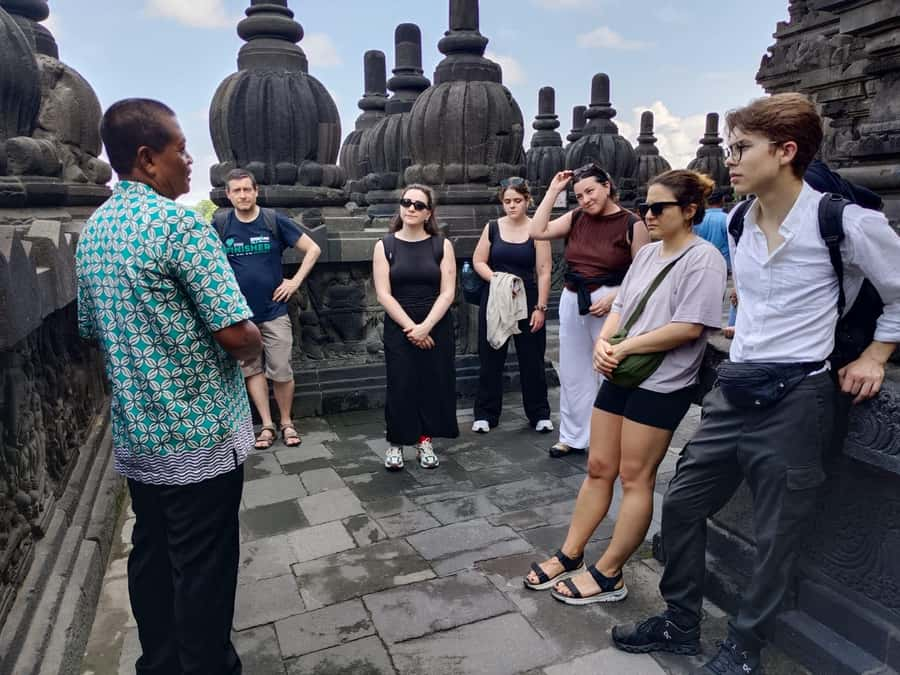
The guide’s role matters here. A good explanation can turn a series of stone walls into a readable plan. The strongest feedback about the service praises guides for answering requests and explaining the sites clearly. Holly is specifically praised for friendliness and organization, while another guide was described as well informed and helpful.
That said, the information does not promise a specialist archaeologist or a dedicated temple historian. You should expect general English guidance and practical assistance rather than an academic lecture.
Other temple visits near Indonesia we have written up
- Ubud: Monkey Forest, Jungle Swing, Rice Terrace, and Water Temple
★ 5.0 · 7,160 reviews - Ubud: Waterfalls, Water Temple & Rice Terraces Private Tour
★ 5.0 · 5,484 reviews - Bali: Besakih Temple & Lempuyang Temple Gates of Heaven Tour
★ 4.8 · 3,243 reviews - Bali: Kecak Fire Dance Show & Uluwatu Temple Entry Ticket
★ 4.2 · 3,023 reviews
Prambanan: sharp towers and the Hindu Trimurti
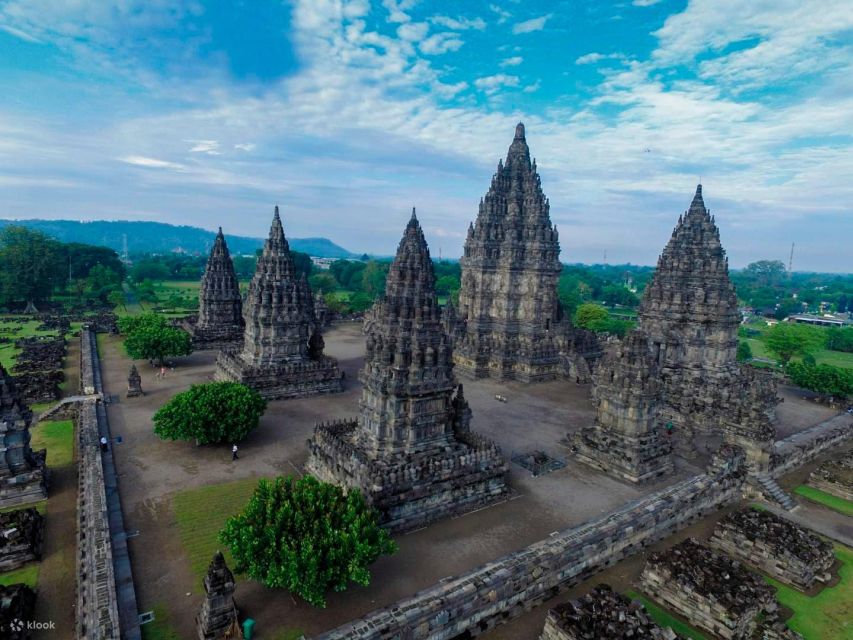
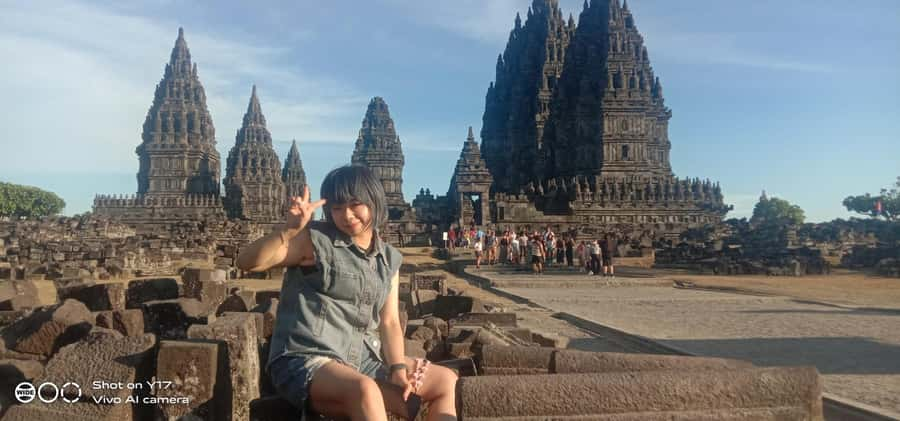
Prambanan receives about two hours, giving you more time on site than Borobudur. The stop includes sightseeing, scenic views, a sunset opportunity, self-guided exploration, and a visit to an arts and crafts market.
Prambanan is also known as Roro Jonggrang Temple. It is the largest Hindu temple in Indonesia and was built during the Mataram, or Medang, kingdom in the ninth century.
The original name was Siwagrha, a Sanskrit term meaning Shiva’s house. The complex was created as an offering to the Trimurti, the three principal Hindu gods:
- Shiva
- Vishnu
- Brahma
This gives Prambanan a different feel from Borobudur. Instead of Borobudur’s broad, rising terraces and circular upper platforms, Prambanan draws your eye upward toward its tall temple forms. The design expresses a Hindu religious world centered on powerful deities and monumental vertical lines.
The two-hour stop is a useful amount of time for seeing the main structures, taking photographs, and walking through the grounds. The visit is listed as self-guided, so do not assume you will receive the same detailed explanation here as at a fully guided site. Ask the English-speaking driver or guide questions while moving between locations, or use the freedom to explore at your own pace.
The sunset element can add atmosphere, but the exact light and timing depend on the day’s schedule. The operator does not promise a private sunset viewpoint or a guaranteed sunset experience. Think of it as a possible feature of the Prambanan stop, not the main reason to book.
The arts and crafts market stop
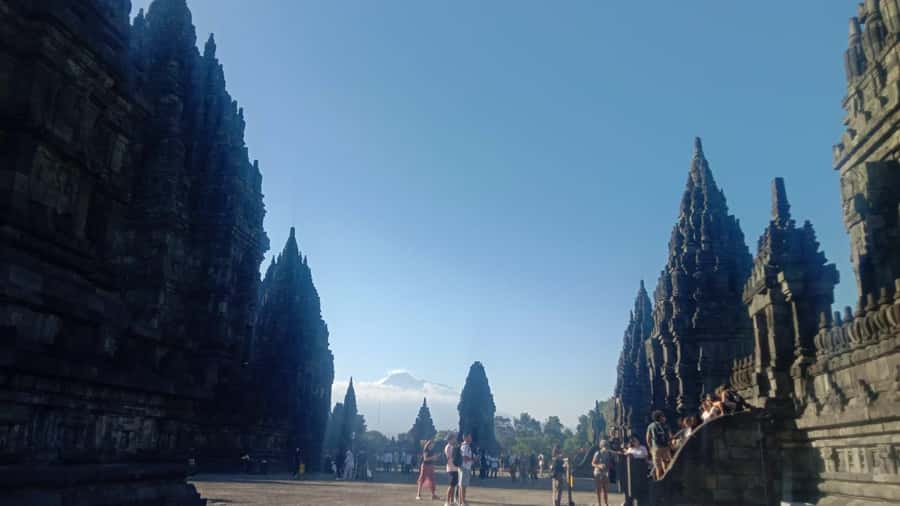
Prambanan includes an arts and crafts market visit. This gives the day a small cultural and shopping break after the temple sightseeing.
Keep this part in perspective. The main value of the trip is the two temple visits, not an extended market program. You may find local crafts and souvenirs, but the supplied details do not specify particular products, prices, or how long you will spend there.
A market stop can be useful if you want a simple souvenir or a change from stone monuments. If shopping is not your interest, it should not be difficult to treat this as a short optional part of the day, subject to the group schedule.
What the $36 price really covers
At $36 per person, the price can be good value if you mainly need shared transportation and practical support from Yogyakarta. The package includes an air-conditioned vehicle, gasoline, parking, mineral water, travel insurance, pickup and drop-off at the same place, and an English-speaking driver.
The important issue is the ticket structure. Three package arrangements are offered:
- A tour package with all tickets included
- A package with Prambanan tickets included
- A sharing package with entrance tickets excluded
The separately listed entrance prices are Rp. 455,000 for Borobudur and IDR 400,000 for Prambanan. Those fees can add a substantial amount to the advertised cost, so compare the final price rather than judging the trip by the headline figure alone.
Ticket assistance is included. The operator can help you buy tickets on site or help arrange them through the official booking website. There is also a skip-the-ticket-line feature, but that does not mean every package includes admission. Confirm exactly what is covered before you reserve.
The value is strongest for people who would otherwise need to hire a car, arrange a driver, pay parking, and manage two major temple visits themselves. It is less attractive if you already have private transport or want to spend a full day at only one monument.
How the guide and transport affect the day
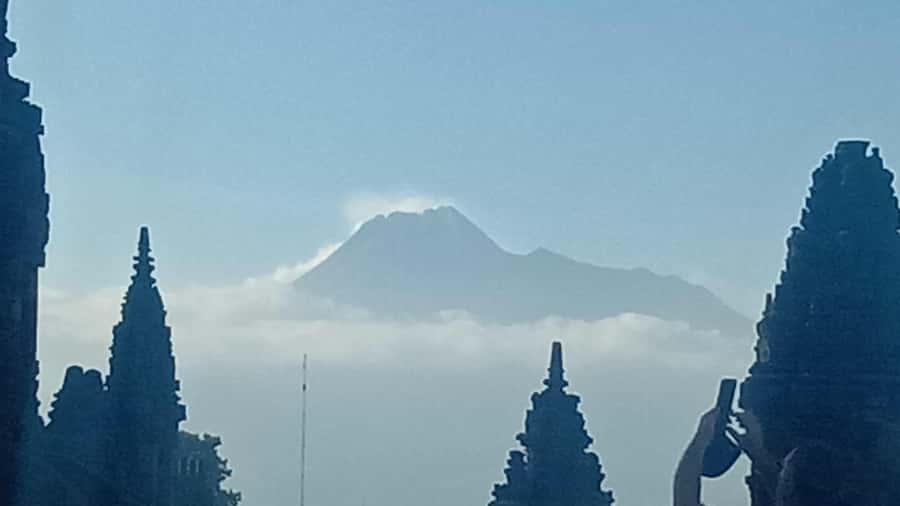
The practical side of this trip receives the warmest praise. The guide Holly is singled out for friendly organization, and the service is described as responsive to requests. Another guide is praised for clear explanations and good assistance.
That matters on a long day. You want someone who can help with pickup, tickets, directions, and timing without making each small problem your responsibility. The driver is also important because the itinerary involves multiple stops and a return to Yogyakarta.
The one weak point mentioned is lunch advice. Suggestions for lunch could be improved, so do not expect a carefully planned food experience to be one of the tour’s main strengths. If lunch matters to you, ask about the plan before departure or make your own arrangements within the schedule.
The tour is available in English. It is wheelchair accessible, but the temple sites involve walking, and the provided information specifically says the activity is not suitable for people over 70. That age guidance may reflect the long day and physical demands rather than a strict site rule.
Who should book this experience
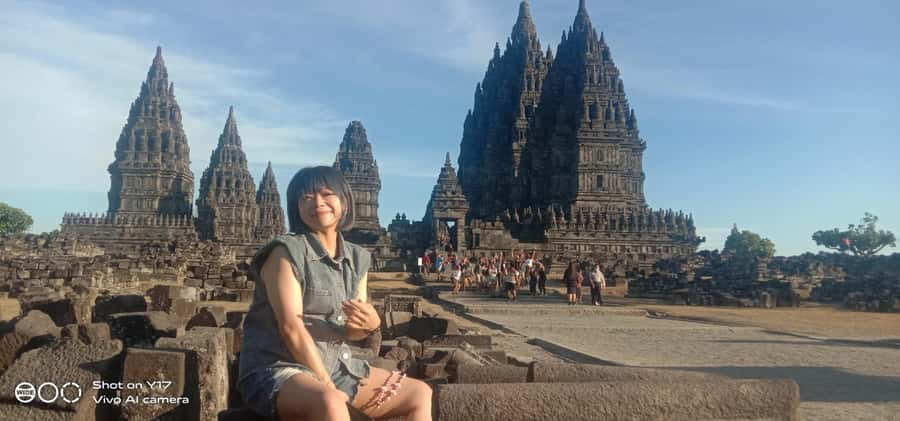
I would recommend this trip to you if you have limited time in Yogyakarta and want both major temple sites without arranging transport yourself. It also suits you if you value a small shared group, English assistance, and help with ticket purchasing.
It is a good fit for first-time visitors who want a clear introduction to Java’s Buddhist and Hindu monuments. The contrast between Borobudur and Prambanan gives you more context than visiting either site alone.
I would hesitate if you want a slow, highly detailed archaeological visit. Borobudur receives about 1.5 hours, and the full day includes driving, so the schedule is built for coverage rather than extended study.
I would also hesitate if you dislike clarifying costs. The entrance-ticket options require attention, and the extra fees can change the final total by a lot. Confirm the package, the pickup point, and the planned starting time through WhatsApp at least 24 hours before departure.
Should you book the Borobudur and Prambanan day trip?
Book it if your priority is efficient sightseeing with practical support. You get two UNESCO-listed temple complexes, transport from Yogyakarta, a small group capped at 15 people, an English-speaking driver, and help handling tickets.
Skip it if you want a private schedule, extensive temple lectures, or a food-focused day. The itinerary is long, the Borobudur visit is fairly short, and ticket inclusion varies.
For most first visits to Yogyakarta, this is a sensible way to cover the two headline monuments in one day. Just confirm which of the three ticket packages you are buying, and treat the $36 price as the transport and service baseline unless your chosen option clearly includes admission.
FAQ
How long does the Borobudur and Prambanan tour last?
The activity lasts about 10 hours. The listed visit to Borobudur takes about 1.5 hours, and the Prambanan stop takes about two hours, with the remaining time used for transport and other parts of the schedule.
Where can I be picked up and dropped off?
Pickup and drop-off are available at Malioboro in Yogyakarta and the New Yogyakarta International Airport Railway Station. Hotel pickup is also available, but you should confirm the exact arrangement in advance.
Are Borobudur and Prambanan entrance tickets included?
That depends on the package you choose. One option includes all tickets, another includes Prambanan tickets, and the sharing option does not include entrance tickets. The listed prices are Rp. 455,000 for Borobudur and IDR 400,000 for Prambanan.
Is an English-speaking guide provided?
Yes. The activity is offered in English and includes an English-speaking driver. The Prambanan portion is listed as self-guided, with assistance available from the operator.
What is included besides transportation?
The package includes an air-conditioned vehicle, mineral water, gasoline, parking fees, travel insurance, pickup and drop-off, and help arranging or buying entrance tickets.
Is the tour wheelchair accessible?
Yes, the activity is listed as wheelchair accessible.
Can I cancel for a full refund?
Yes. You can cancel up to 24 hours before the activity begins for a full refund.
What is not allowed on the tour?
Drones, alcohol, and drugs are not allowed.
Newly written up around Indonesia
- The Three Temples of Bali Half Day Private Tour★ 4.0 · 5 reviews
- Bali Famous Beach, Kecak Dance, Uluwatu Temple, Sunset, Dinner★ 5.0 · 8 reviews
- Bali Pura Taman Ayun Temple, Monkey Forest & Tanah Lot Excursion★ 4.0 · 123 reviews
- Sunset Temple Tour★ 5.0 · 4 reviews
- Sunrise at Punthuk Setumbu, Borobudur Temple, Mendut & Pawon★ 5.0 · 3 reviews
- Sultan Palace, Water Castle & Prambanan Temple Guided Tour★ 4.6 · 4 reviews
- Uluwatu Sunset Temple – Kecak Dance Show & Seafood Dinner★ 4.3 · 5 reviews
- SEMARANG SHORE TOURS: BOROBUDUR TEMPLE EXCURSIONS★ 5.0 · 3 reviews
Borobudur & Prambanan Temple Tours, compared.
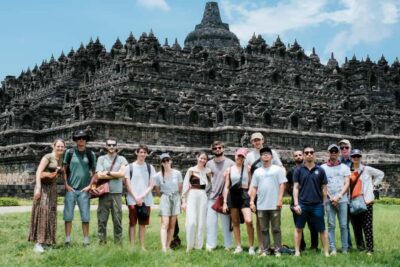
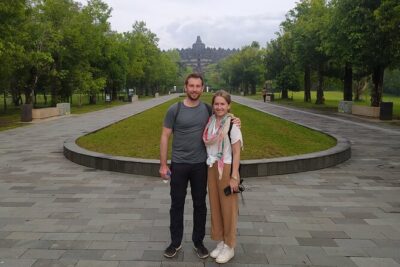
Borobudur Temple Climb To The Top & Prambanan Temple – 1 day tour
Read our review →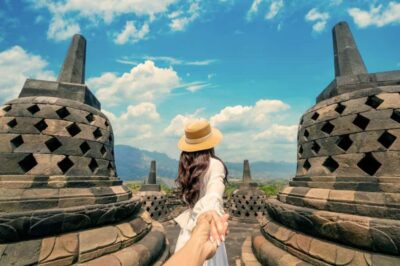
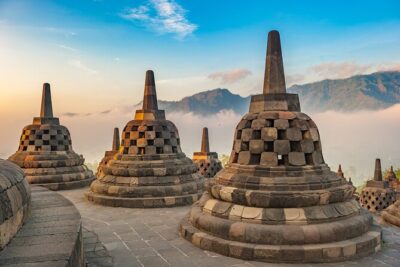
Borobudur(climb up), Merapi Volcano and Prambanan Temple Tour
Read our review →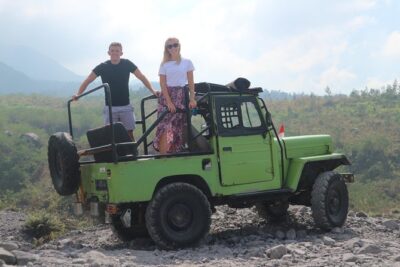
1 Day Yogyakarta tour ( Borobudur temple, Merapi Lava Tour, Prambanan Temple)
Read our review →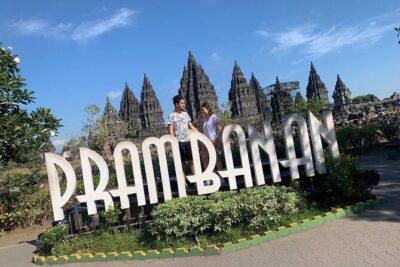
Borobudur ClimbUP guaranteed (sunrise option)& Prambanan Day Tour
Read our review →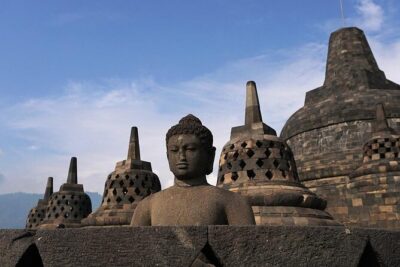
Borobudur Full Climb Up And Prambanan All Inclusive Private Tour
Read our review →
Yogyakarta; Sunrise from Borobudur Temple & Prambanan Guided
Read our review →Browse the lists this tour appears in