
Reviewed · PRIVATE TEMPLE TOURS
Private Tour: St Simeon’s Monastery
The best part of this Aswan outing is the change of pace: a camel ride across the desert edge leads you to St. Simeon’s Monastery, an early Christian site with worn walls, faint fresco traces, and broad views over the Nile. You also reach Elephantine Island by motorboat, so the trip feels like a small expedition rather than another drive between monuments.
I like the private format and the guide’s role in explaining the monastery’s links to Christian missions into Nubia. I also like the short duration, which matters in Aswan’s heat. The main drawback is that the monastery itself is partly ruined, so anyone expecting polished rooms or dramatic surviving art may find the visit quiet and somewhat spare.
Key points to know before booking
- The camel ride lasts about one hour, making it a real part of the outing rather than a quick photo stop.
- Elephantine Island adds a motorboat ride, giving you a pleasant approach to the site from the Nile.
- St. Simeon’s Monastery is an early Christian desert complex, commonly dated around the sixth to seventh century.
- Faint frescoes and Islamic pilgrimage graffiti provide two very different glimpses into the site’s past.
- A private Egyptologist guide and private minivan give your group a more flexible experience.
- The $92.22 price is strongest for small groups, since the fee includes transport, guide service, boat travel, and camel riding.
Reaching the monastery by water, road, and camel
This 3.5-hour experience begins at 8:30 a.m. with pickup from your hotel in an air-conditioned private minivan. The early start is sensible. Aswan can become fiercely hot, and the monastery offers little shade compared with a museum or a covered temple.
You first head toward Elephantine Island, one of Aswan’s key Nile islands. The island stop is listed as about 30 minutes, with no separate admission charge. That time gives you a short introduction to the setting before the main visit. You are not simply being driven to an isolated ruin. The island and river crossing help explain why Aswan was such an important meeting point between Egypt and Nubia.
The motorboat ride around the island is included. That is a useful touch because it adds a view of Aswan from the water without requiring you to arrange a separate felucca or boat trip. The boat also makes the outing feel more connected to the Nile, which is central to the city’s geography and past.
From there, the camel ride lasts about one hour. If you have never ridden a camel, this is likely to be the most memorable part of the day. It is also the least polished part. Camels move with a slow, rolling rhythm, and mounting or dismounting can feel awkward. You should wear practical clothing and hold on carefully, especially when the animal rises or kneels.
The short ride is a good match for Aswan’s heat. You get the experience without spending half a day in the saddle. At the same time, the route is not presented as a long desert trek. Think of it as a traditional way to approach the monastery and a chance to see the area at ground level.
More Private Temple Tours in Aswan
- Private Day Trip To Kom Ombo And Edfu Temples From Aswan
★ 4.5 · 41 reviews - Private Day Tour to Abu Simbel Temples from Aswan – Private Tour
★ 5.0 · 35 reviews - Aswan: Private Tour to Philae Temple and Nubian Village By Boat & Entrance Fees
★ 5.0 · 34 reviews
Elephantine Island and the Nubian setting
Elephantine Island matters here because it places the monastery in a wider Nubian setting. The visit is not only about looking at old stone. Your guide can connect the island, Aswan, and the Christian communities that once used this region as a base for missionary journeys into Nubia.
That context gives the ruins more weight. The monks who lived here were not simply hiding from the world. The monastery served as a religious center linked to movement through the southern Nile valley. From the fortified walls, you can look out over the area and understand why a high, defensible position had practical value.
The views are one of the strongest reasons to choose this trip. The monastery’s walls frame stark scenes of desert, river, and distant settlement. Do not expect gardens or lush grounds. The appeal is the contrast between pale stone, dry earth, and the Nile below.
The island portion is brief, so you should not book this expecting a long independent tour of Elephantine. It functions more as part of the route and the setting for the monastery visit. If you want a detailed exploration of the island itself, you would need additional time beyond this experience.
Entering Anba Hatre, also called St. Simeon
The name St. Simeon is familiar to modern archaeologists and visitors, but earlier Arabic and Coptic sources called the monastery Anba Hatre. You may also see the name written as Hidra, Hadri, or Hadra. Knowing these names helps when your guide explains the site, since the same place appears under several forms in historical accounts.
The monastery was linked to Anba Hatre, an anchorite who became bishop of Syene, the ancient name for Aswan. His story begins with an arranged or traditional life path that changed sharply after marriage. According to tradition, he encountered a funeral procession soon after his wedding and took it as a reminder of life’s brief nature.
He then chose chastity and became a disciple of Saint Baiman. After eight years of ascetic practice under his teacher, he withdrew into the desert and studied the life of Saint Antony. He died during the reign of Theodosius I.
You do not need to treat every part of this account as a modern biography. Its value is that it shows the kind of spiritual ideal connected with the site: withdrawal, discipline, and service in a difficult desert environment. A good guide can make this story feel relevant without turning the visit into a long sermon.
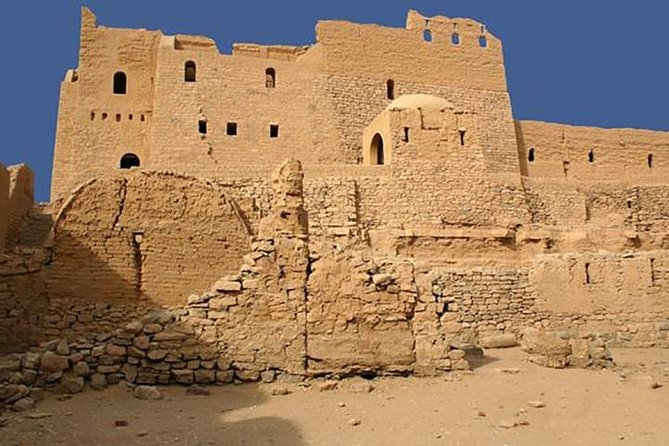
The monastery itself is a ruin, but not an empty one. You might find faint traces of fresco paintings, and the remaining walls help you picture the scale of the old complex. The fortified character is especially striking. Instead of delicate decoration everywhere, you see thick masonry and a practical design shaped by isolation and security.
Faint frescoes and old marks on the walls
The surviving paintings are subtle. You should not arrive expecting bright scenes like those in a well-preserved church. The fresco traces are faint, and seeing them may depend on the light, your guide’s explanation, and your willingness to look closely.
That restraint is part of the site’s appeal. The monastery asks you to pay attention to fragments rather than complete rooms. A patch of pigment or a partial figure can tell you more about the original decoration than a modern reconstruction would.
Another unusual detail is the graffiti left by Islamic pilgrims traveling toward Mecca. These marks show that the site continued to be encountered by people passing through the region long after its Christian monastic period. The graffiti does not make the monastery less Christian. Instead, it adds another layer to the building’s life and shows how old routes carried people of different faiths past the same walls.
Your guide is important here. Without explanation, you might see only damaged stone and faded color. With context, the monastery becomes a record of changing religious travel in southern Egypt. The private format gives you a better chance to stop, ask questions, and focus on the details that interest you.
One guide connected with this experience is Ramez Saber. The feedback associated with his guiding describes him as friendly, clear in English, and strong at explaining the site. Guide assignments can vary, so you should not assume he will lead every departure, but the tour is designed around a private, qualified Egyptologist guide rather than a self-guided visit.
More Private Temple Tours in Egypt
- Aswan : Private Tour to Unfinished Obelisk, High Dam and Philae Temple by BOAT
★ 4.5 · 22 reviews - Aswan Philae Temple, Obelisk, and High Dam Private Tour
★ 4.5 · 17 reviews - Private Tour: Philae Temple, Aswan High Dam and Unfinished Obelisk
★ 4.5 · 11 reviews - Private Tour to Abu Simbel Temple From Aswan
★ 5.0 · 10 reviews
What the private format adds
A private tour is most valuable here because the site benefits from explanation. The monastery is not a place where every feature announces itself. You need help identifying the religious story, understanding the names, and placing the building within the Christian history of Nubia.
You also avoid being tied to another group’s pace. If the camel ride is enough for you after an hour, the schedule already keeps it contained. If you want extra time to inspect a wall or ask about Anba Hatre, a private group gives you more room than a large coach excursion usually would.
The private minivan is included for pickup and drop-off. That makes the $92.22 per-person price easier to assess. You are paying not only for entrance to a ruin, but also for private transportation, a motorboat ride, a camel ride, and a specialist guide.
Value depends heavily on group size. For one person or a couple, $92.22 is not a bargain-basement outing. For a small private group, the combined services make the price more reasonable, especially if you value hotel pickup and do not want to arrange separate transport and animal riding.
The tour also offers group discounts, which can improve the cost for families or friends traveling together. A supplement of 1,000 Egyptian pounds applies to guide services in languages other than English. If you want a non-English guide, confirm the current amount and language arrangements before paying.
The heat, the ruins, and the level of activity
This is an active half-day, but it is not a strenuous expedition based on the information provided. You ride a camel for an hour, walk around an old monastery, and travel by minivan and motorboat. Most people can participate, though the uneven nature of a ruined site and the motion of a camel are worth considering.
The heat is the practical issue. The short morning schedule helps, but the site is exposed and the walls provide limited shelter. Bring water, wear sun protection, and choose shoes that work on rough ground. These are sensible precautions for any outdoor visit in Aswan.
The camel ride deserves honest expectations. It is a fresh experience for many people, but it is also brief and functional. Some visitors find the ride itself more memorable than the monastery, while others prefer the Christian history and the views. If you dislike animal rides, the trip may not be the right choice, since the camel portion is a named part of the experience rather than an optional extra.
The monastery may also feel quiet to anyone who prefers intact monuments. Its appeal comes from atmosphere, setting, and interpretation. The remaining walls, faded paintings, and old graffiti reward curiosity, not quick sightseeing.
Who will enjoy this Aswan outing most
I would recommend this tour to you if you have already seen Aswan’s major attractions and want something different from another formal temple visit. The mix of island travel, camel riding, desert ruins, and Christian history gives the morning a distinct character.
It is also a good fit if you want a guide who can explain rather than simply point out buildings. The story of Anba Hatre, the missionary connection to Nubia, and the later Islamic pilgrimage marks all need context.
Families and friends may find the private setup particularly useful. You can share the camel experience, keep the group together, and avoid the stop-and-start rhythm of a large tour. Couples who want a short outing with memorable photographs and a strong sense of place may also like it.
I would be more cautious if your main goal is elaborate architecture or a large collection of art. St. Simeon’s Monastery is damaged, and the frescoes are faint. You should choose it for the setting and story, not for a perfectly preserved interior.
The rating of 4.2 from six published evaluations suggests a generally positive experience, but not a flawless one. The strongest pattern is praise for the guides, especially their friendliness, English, and ability to explain. The more reserved reactions focus on the monastery visit feeling a little plain or boring after the camel ride. That is a fair warning, not a reason to dismiss the tour.
Booking details that matter
The start time is 8:30 a.m., and the total duration is approximately three hours and thirty minutes. Pickup and drop-off at your hotel are included, using a private air-conditioned minivan.
Admission to the monastery is included. Landing and facility fees are not included, so ask for the current amount before you set your final budget. The tour offers a mobile ticket and confirmation at booking.
Free cancellation is available if you cancel at least 24 hours before the local start time. Cancellations or changes made less than 24 hours ahead are not accepted for a refund.
Should you book the St. Simeon’s Monastery tour?
Book it if you want a compact Aswan outing with a real camel ride, a Nile crossing, and an unusual Christian site. The private guide is the main value, since the monastery’s best details are easy to miss without historical context.
Skip it if you want a grand, intact monument with lots of decoration. The ruins are modest, the frescoes are faint, and the visit can feel subdued. For the right reader, though, that quiet quality is exactly the point: you get a small piece of Aswan’s Christian and Nubian past, reached by boat and camel instead of another bus ride.
FAQ
What time does the tour start?
The tour starts at 8:30 a.m.
How long does the experience last?
The tour lasts approximately three hours and thirty minutes.
Is hotel pickup included?
Yes. Pickup and drop-off from your hotel are included in a private, air-conditioned minivan.
Is the camel ride included?
Yes. The experience includes a camel ride lasting about one hour.
Is the motorboat ride included?
Yes. Sailing by motorboat around Elephantine Island is included.
Is admission to St. Simeon’s Monastery included?
Yes. Admission to the monastery is included, but landing and facility fees are not included.
Can I cancel for a full refund?
Yes, if you cancel at least 24 hours before the experience start time. Cancellations made less than 24 hours ahead are not refunded.
Newly written up around Aswan
- Tour to Abu Simbel Temples from Aswan★ 4.5 · 7 reviews
- Sound and Light show at Philae Temple in Aswan★ 5.0 · 5 reviews
- Philae Temple and Aswan High-Dam Half-day tour★ 5.0 · 49 reviews
- Aswan Philae Temple, Obelisk, and High Dam Private Tour★ 4.5 · 17 reviews
- Visit Abu Simbel temple from Aswan by private A/C vehicle★ 5.0 · 4 reviews
- Sound And Light Show At Philae Temple In Aswan★ 3.5 · 10 reviews
- Abu Simbel Temples from Aswan★ 4.5 · 10 reviews
- Temple of Edfu★ 4.0 · 11 reviews
Private Temple Tours, compared.
Waterfalls, Water Temple & Rice Terraces Private Tour
Read our review →
Full-Day Angkor Wat Sunrise Private Tour with Guide from Siem Reap
Read our review →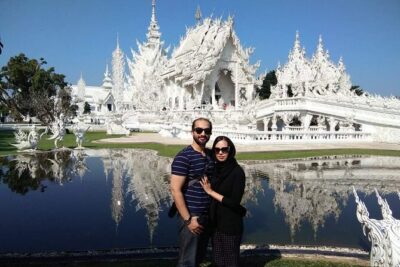
Chiang Rai Temples: Private Tour from Chiang Mai
Read our review →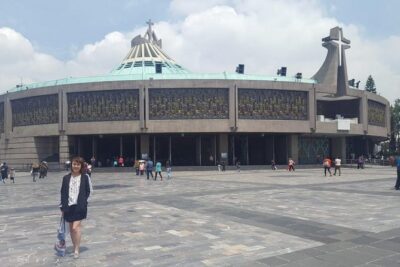
Private Tour: Teotihuacan and Guadalupe Shrine
Read our review →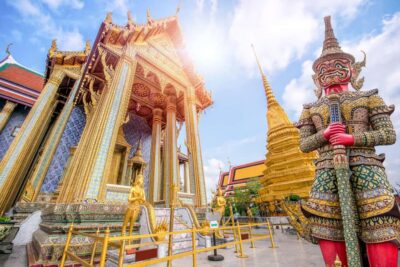
Grand Palace, Wat Pho, and Wat Arun Private Tour
Read our review →
Ephesus and Temple of Artemis Private Tour from Kusadasi Port
Read our review →
Browse the lists this tour appears in