
Reviewed · ULUWATU & TANAH LOT TEMPLE TOURS
Bali: Gunung Kawi Temple & Pakerisan UNESCO Guided Tour
Gunung Kawi is the kind of Bali sight that rewards slow walking. You descend 300 stone steps through palms and frangipani, then reach ten huge shrines cut into the cliff beside the Pakerisan River. The setting feels far removed from Ubud’s traffic and cafe noise, with mossy paths, birdsong, and sacred water adding to the calm.
I like the small-scale, personal guiding, with guides such as Raka, Agus, Andrian, Kar, Sana, and Ketut praised for explaining Balinese religion, royal history, and village life. I also like the flexible meeting choices, including the temple, Ubud Palace, or hotel pickup from central Ubud. The catch is simple: those 300 steps must be walked down and back up, so heat, fitness, and footwear matter.
Key points to know before you go
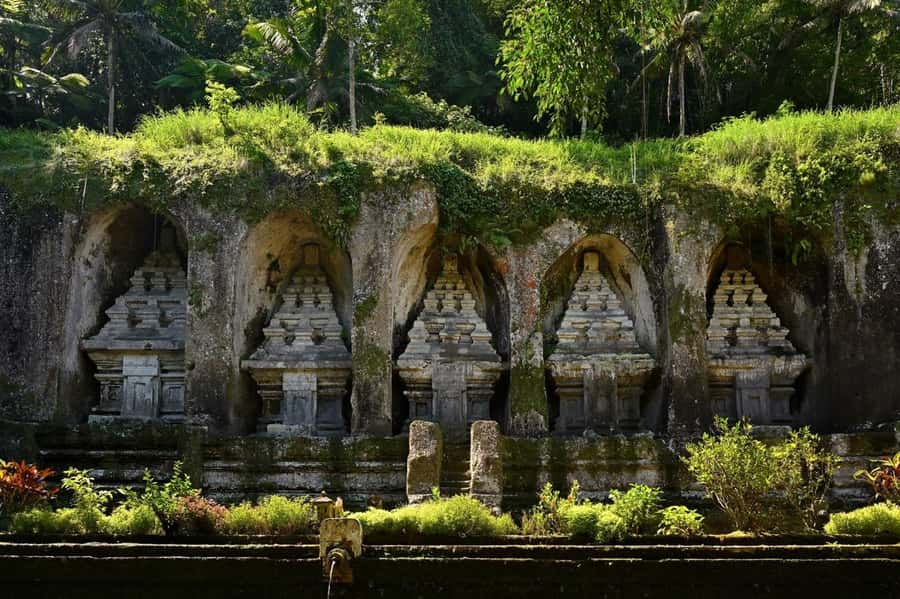
- Ten cliff-cut candi: See massive memorial shrines linked to Balinese royalty and dating to around the 11th century.
- A quiet Pakerisan setting: Walk beside sacred springs, ancient bathing pools, rice terraces, and the river.
- Guiding is the main value: Your guide explains Hindu and Balinese customs instead of leaving you to guess what you are seeing.
- Early starts work best: A 7:30 a.m. visit helps you handle the steps before the heat builds.
- Choose your transport carefully: Meet at Gunung Kawi, transfer from Ubud Palace, or arrange pickup in central Ubud.
- Temple dress is required: Bring a sarong and sash, or rent them at the entrance.
Why Gunung Kawi feels different from a standard Ubud stop
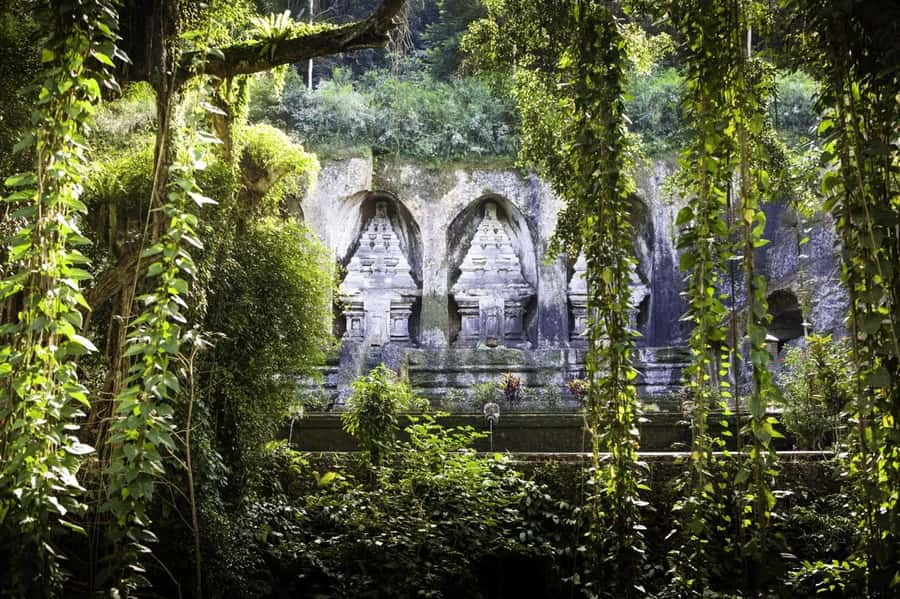
Many Bali temple visits are quick photo stops. Gunung Kawi asks more of you physically, but gives you more time to settle into the place. The route drops into the Pakerisan River Valley, where the sound of water and the shade from tropical trees replace the usual road noise.
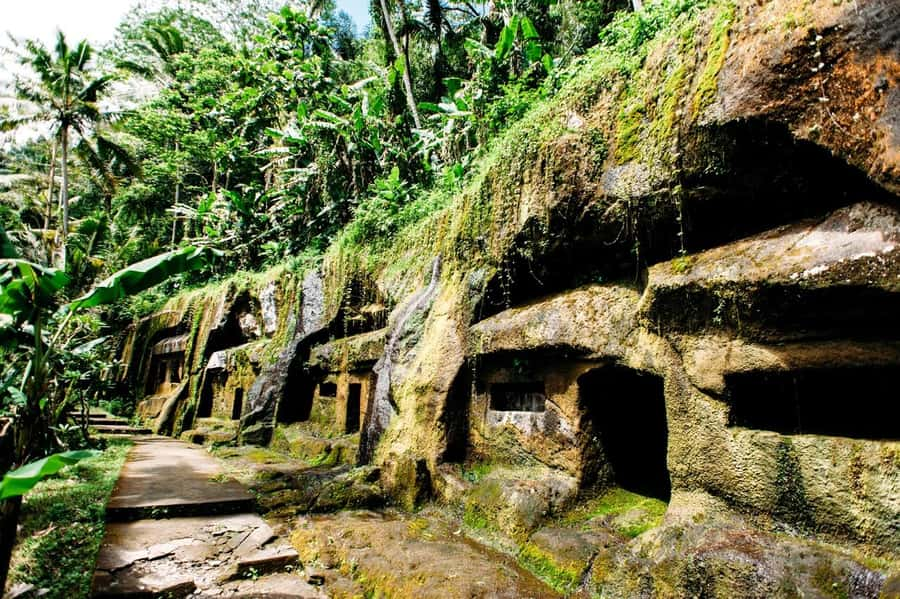
The main sight is a group of ten candi, or shrine monuments, carved directly into the cliff walls. They are linked to Balinese royalty and are generally dated to the 11th century. Their scale is striking, but the setting matters just as much. You are not looking at isolated stone carvings in a museum. You are seeing them within a living sacred area, surrounded by water, plants, offerings, and worship spaces.
I especially value the guide here because the stonework does not explain itself. An English or Indonesian-speaking guide can connect the shrines with Balinese Hindu customs, royal memorial traditions, and daily religious practice. Guides named Raka, Agus, Andrian, Kar, Sana, and Ketut have led this experience at different times, and each has been noted for explaining culture and local life in a warm, conversational way.
The tour is best for someone who wants context, not just photographs. You can certainly admire the carvings on your own, but the meaning of the temple, the offerings, and the bathing areas becomes much clearer when someone explains what you are seeing.
More Uluwatu and Tanah Lot Temple Tours in Ubud:
- Tirta Empul: Temple Tour with Optional Spiritual Cleansing
★ 4.9 · 1,257 reviews - Private Tour: Uluwatu Temple & Southern Bali Highlights
★ 5.0 · 387 reviews - Half-Day Ubud Electric Cycling Tour to Tirta Empul Water Temple
★ 5.0 · 315 reviews
The 300-step descent into the Pakerisan Valley
The visit begins with the long stairway down from the entrance. There are about 300 stone steps, shaded in places by palms and frangipani trees. The descent is manageable for many people, but it is not a flat stroll. You will need to climb every step again at the end.
This is why timing matters. An early morning start, including the 7:30 a.m. option mentioned by one visitor, gives you cooler air and a quieter atmosphere. Late afternoon can also be pleasant. The middle of a hot day makes the return climb harder, especially after walking around the temple grounds.
Wear shoes with a firm sole. Sandals may be acceptable if they are secure, but comfortable walking shoes are the safer choice. Bring water, although mineral water is included with the tour. If you have a low level of fitness, breathing problems, or limited mobility, this is not the right temple visit for you.
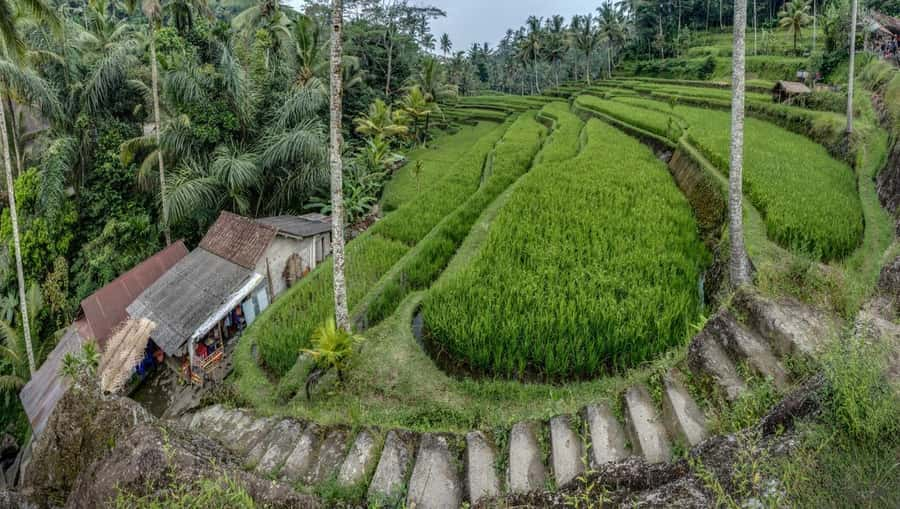
The stairway is also part of the experience. As you descend, the view opens toward the valley, with rice terraces and the winding Pakerisan River below. The change is gradual. You leave the road and shops behind, then enter a cooler, quieter space where the sound of water becomes more noticeable.
The ten royal shrines carved into the cliffs
At the bottom, the candi come into view. These ten large shrines are carved into the cliff face rather than built as free-standing towers. Their worn surfaces and monumental size give the site a sense of age without needing theatrical presentation.
The shrines are memorials associated with Balinese kings and officials. Your guide can help explain how they fit into the political and spiritual world of old Bali. That context makes a difference. Without it, you might simply see ten impressive carvings. With it, you begin to understand why the site remains sacred and why people continue to treat it with care.
Do not rush this section. Take a few minutes to look at the carvings from different angles, then notice the smaller details around them. Stone surfaces are softened by time and moisture. Traditional cloth wraps some shrines, and flowers and incense are placed as offerings.
Photography is possible, but the mood is quieter than at Bali’s most famous photo sites. The appeal is not a dramatic viewpoint alone. It is the combination of carved stone, river valley, temple rules, and active devotion. The setting encourages you to lower your voice and pay attention.
One useful feature of a guided visit is that the guide can point out places that might otherwise look ordinary. A gate, pool, or small shrine may carry religious meaning that is not obvious to an outsider. The best guides also explain without turning the temple into a lecture hall. The strongest comments about Raka, Agus, Andrian, Kar, Sana, and Ketut focus on their ability to answer questions and connect the temple with everyday Balinese life.
Mossy paths, sacred springs, and ancient bathing pools
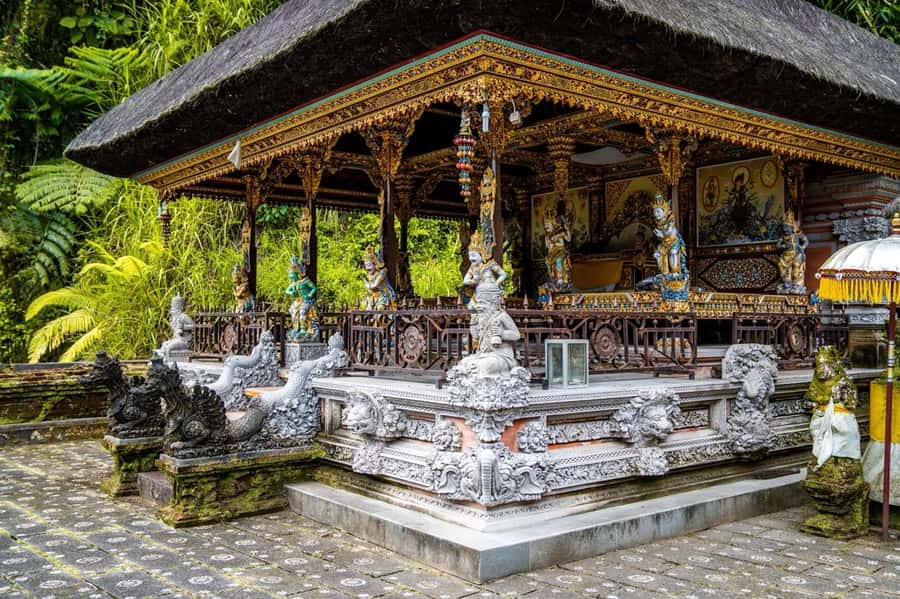
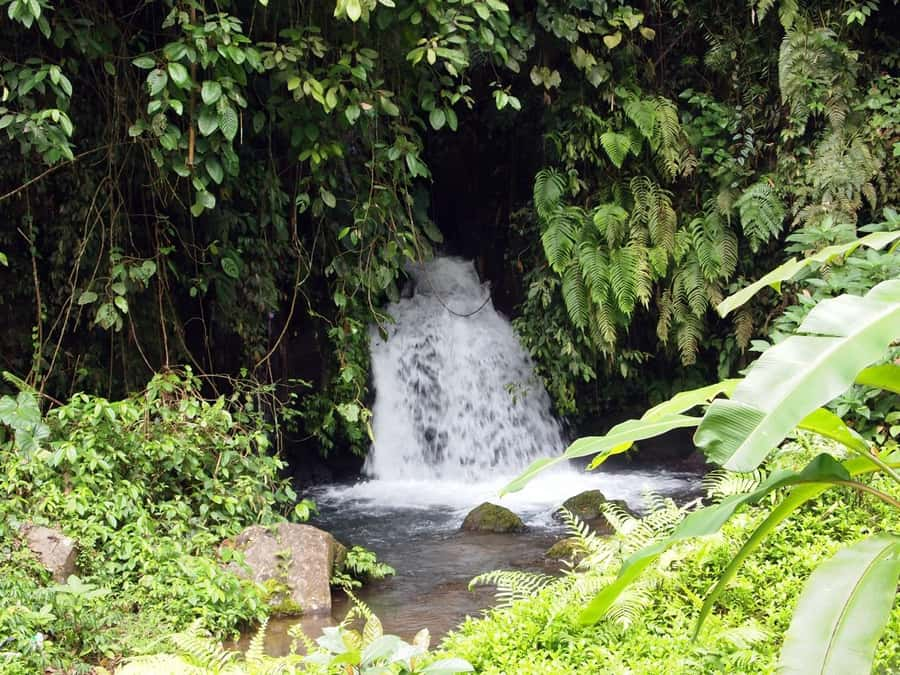
After the main shrines, the walk continues along moss-covered paths and into quieter courtyards. Sacred springs feed bathing pools connected with the Pakerisan River. Water is central to Balinese Hindu practice, and here you can see how nature and worship are closely linked.
The bathing pools are not simply decorative ruins. They form part of a sacred setting where water has practical and spiritual importance. You may see offerings, cloth, and other signs that the temple remains part of local religious life. Treat these areas with respect, and follow your guide’s instructions about where to walk and what not to touch.
This is the most peaceful part of the visit. The water trickles through the site, birds call from the trees, and the paths are often quieter than the main entrance area. I would plan to pause here rather than hurrying from one carved feature to the next. Even a few minutes sitting quietly can make the visit feel less like sightseeing and more like time spent in a living place.
You may find only a few other people at the temple, especially with an early start. That is not guaranteed, but the site generally suits visitors looking for a low-key stop rather than a packed attraction. It also means you should not expect constant entertainment. Gunung Kawi’s pleasure comes from atmosphere, patience, and careful looking.
Other temple visits near Ubud we have written up
- Ubud: Monkey Forest, Jungle Swing, Rice Terrace, and Water Temple
★ 5.0 · 7,160 reviews - Ubud: Waterfalls, Water Temple & Rice Terraces Private Tour
★ 5.0 · 5,484 reviews - Full-Day Tour to Water Temples and UNESCO Rice Terraces in Bali
★ 5.0 · 2,539 reviews - Bali Instagram: Gate of Heaven Temple Tour
★ 5.0 · 737 reviews
Temple customs and what to wear
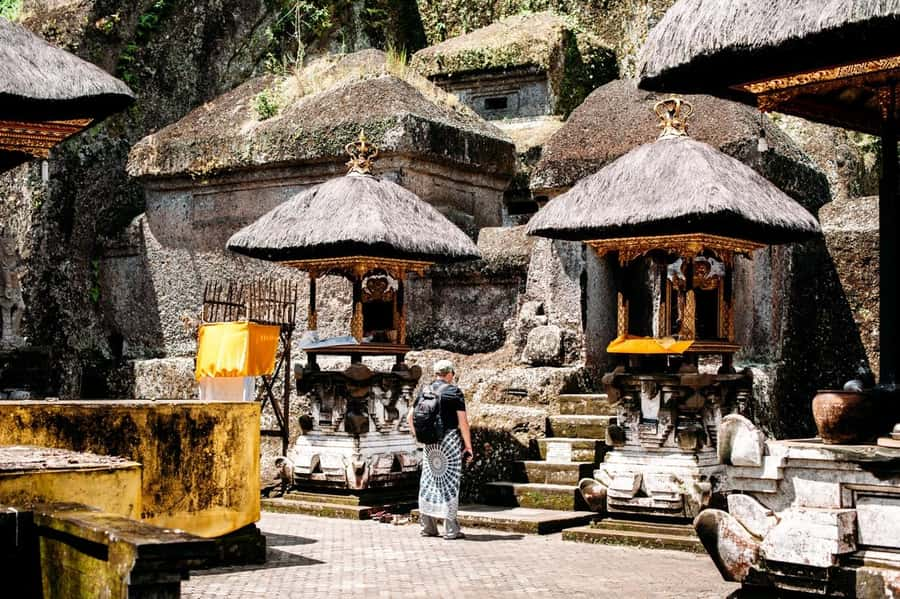
You need to dress respectfully. Shorts are not allowed, and you should wear a sarong and sash when entering the temple area. If you do not bring them, sarongs are available to rent at the entrance.
A sarong is more than a dress-code prop. It signals that you understand you are entering a sacred place. Wear it properly, keep your voice down near shrines, and follow the guide’s advice about offerings and prayer areas.
You may make a small offering or simply offer a silent prayer of gratitude, but there is no pressure to perform a ritual. It is perfectly acceptable to observe quietly. The important point is to avoid treating the temple as a stage for photos.
The guides add real value here. Several have been praised for explaining Hindu, Balinese, and Indonesian traditions in clear English. That is useful if you want to understand why flowers, incense, cloth, springs, and shrines appear together throughout the temple.
What the guide adds to a short visit
The tour lasts about two to four hours, depending on the option you choose and how transport is arranged. That is enough time for the main temple walk without turning the day into a full-day excursion.
I would choose the guided option if you have limited time in Ubud. A local guide can explain the important details while you move through the site, and you can ask direct questions about religion, royal history, village communities, and the relationship between people and nature.
Guides featured on recent bookings include Raka, Agus, Andrian, Kar, Sana, and Ketut. You may not receive a particular guide, so do not book solely for one name. The useful point is that the tour has a record of guides who explain the site personally rather than simply escorting you from gate to gate.
The best guide style here is relaxed and curious. One guide might focus more on Hindu customs, another on royal stories, and another on life in the countryside. You should ask questions. This is where the tour becomes more than a walk through old stonework.
The activity is also suitable for solo visitors. A guide can provide company during the walk and help with transport, timing, and temple etiquette. For couples or small groups, the flexible pace makes it easy to stop for photographs or quiet moments without losing the thread of the visit.
Meeting points, transfers, and the return route
You can choose to meet at Gunung Kawi Temple, meet at Ubud Palace, or arrange hotel pickup from central Ubud, depending on the option booked.
If you meet at the temple, arrive 15 minutes early and look for the guide at the designated meeting point. This is the simplest choice if you already have transport and want to keep the price low.
The Ubud Palace option includes a transfer by car. Be ready 15 minutes before the start time, keep your phone connected to WhatsApp, and watch for contact from the driver guide. Hotel pickup works in much the same way, with confirmation sent by WhatsApp the day before or as late as one hour before the activity.
Do not treat the pickup time casually. A late arrival can affect the schedule, and the temple visit already has a fixed physical route. Have your phone number connected to WhatsApp and wait in your hotel lobby 15 minutes before pickup.
After the visit, the available drop-off points include Pura Gunung Kawi Sebatu, Ubud, and Ubud Palace. Check the exact option before booking, since the meeting and return arrangements vary.
Is $18 a fair price?
At $18 per person, this is good value if you want a guide and need help with transport. The price includes the guided temple visit, mineral water, insurance, and tax. Hotel transfer from central Ubud or transfer from Ubud Palace is included only when that option is selected.
The main value is not the bottled water or the short drive. It is the explanation at the temple. A self-guided visit costs less in principle, but you may miss the meaning of the shrines, bathing pools, offerings, and dress customs. If you already know Balinese temple traditions and have your own transport, the guided option may be less essential. For most first-time visitors, the added context earns its cost.
Food and drinks are not included, and personal expenses are your responsibility. The activity is short enough to combine with other plans in Ubud, but do not schedule something immediately afterward if you are concerned about traffic or a slower return from the valley.
Free cancellation is available up to 24 hours before the activity for a full refund. You can also reserve and pay later, which helps if your Bali schedule is still changing.
Who should book this temple walk?
I would recommend it to you if you want a quieter cultural visit near Ubud, enjoy learning from a local guide, and can comfortably manage 300 steps each way. It suits solo visitors, couples, and anyone who prefers an atmospheric temple to a crowded photo stop.
It is also a good choice if you want to understand more than you see. The shrines are impressive, but the explanations about Balinese Hindu life, royal memorials, sacred water, and countryside communities make the visit more rewarding.
I would not choose it for a stroller-friendly outing, a relaxed flat walk, or a quick stop between meals. It is not suitable for pregnant women, people with mobility impairments, respiratory issues, epilepsy, low fitness, babies under one year, or people over 70. The stated restrictions also exclude people over 95, but the over-70 guidance is the more practical limit to note.
Should you book Gunung Kawi and Pakerisan Valley?
Book this tour if you want quiet scenery, serious temple history, and a guide who can explain local customs. Start early, bring water, wear proper shoes, and arrange your sarong before entering. The 300-step return climb is the one real challenge, but the peaceful river valley and cliff-cut shrines make the effort worthwhile.
Skip it if you need easy access or dislike steep stairways. Otherwise, $18 buys a focused, personal introduction to one of the most atmospheric cultural sites within reach of Ubud.
FAQ
How long does the Gunung Kawi tour last?
The activity lasts between two and four hours. The exact duration depends on the selected option and starting time.
What languages does the guide speak?
Live guides are available in English and Indonesian.
Can I choose where the tour begins?
Yes. Depending on the option booked, you can meet at Gunung Kawi Temple, Ubud Palace, or arrange hotel pickup from central Ubud.
Is hotel pickup included?
Hotel transfer from central Ubud is included only if you select the hotel pickup option. Pickup details are sent by email or WhatsApp, and you should be ready in the hotel lobby 15 minutes early.
Do I need to wear a sarong?
Yes. You should wear a sarong and sash as a sign of respect when visiting the temple. Sarongs are available to rent at the entrance if needed.
How difficult is the walk?
The route includes about 300 stone steps down to the temple and the same climb back up. Comfortable shoes and water are recommended. The activity is not suitable for people with mobility impairments or a low level of fitness.
What happens if I need to cancel?
You can cancel up to 24 hours before the activity for a full refund. The booking also offers a reserve-now-and-pay-later option.
Newly written up around Ubud
- Private ubud tour Rice teracce, temple & Secret waterfall★ 3.7 · 3 reviews
- Monkey Forest, Kanto Lampo, Waterfall, Temple & Rice Terrace★ 4.9 · 14 reviews
- Ubud: Water Temple, Rice Terrace, and Waterfalls Tour★ 5.0 · 5 reviews
- Cretya Ubud, Rice Terrace, Temple & Waterfall Day Tour★ 5.0 · 4 reviews
- Best Watefalls, Monkey Forest, Temple and Rice terrace★ 5.0 · 11 reviews
- Bali: Uluwatu Temple, Kecak Dance, and Jimbaran Dinner Tour★ 5.0 · 5 reviews
- Bali ubud : monkey forest, waterfall , temple★ 3.4 · 8 reviews
- Bali: Tirta empul Temple, Rice terrace and Waterfall★ 5.0 · 5 reviews
Uluwatu & Tanah Lot Temple Tours, compared.

Besakih Temple & Lempuyang Temple Gates of Heaven Tour
Read our review →
Kecak Fire Dance Show & Uluwatu Temple Entry Ticket
Read our review →
Bali Sunset: Uluwatu Temple, Kecak Dance and Jimbaran Bay
Read our review →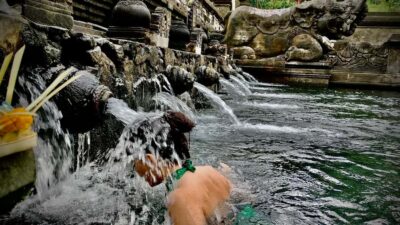
Tirta Empul: Temple Tour with Optional Spiritual Cleansing
Read our review →Private Uluwatu Temple and Kecak Fire Dance Evening Tour in Jimbaran Bay
Read our review →
Munduk: Twin Lake Jungle Hike, Ulun Danu Temple, & Waterfall
Read our review →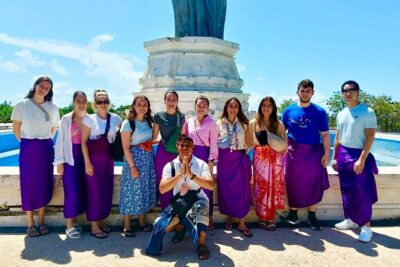
Uluwatu Temple Entry and Kecak Fire Dance Ticket
Read our review →Browse the lists this tour appears in