Reviewed · TEMPLE TOURS
Horse Riding Chacan Mountain And Temple Of The Moon
The most memorable part of this outing is not simply riding a horse. It is reaching the Temple of the Moon by an old Inca route, then looking back across the Cusco area from the mountains. The ranch uses Peruvian Paso horses, and guides such as Gabriel and Sergio combine riding instruction with stories about local culture and the land.
I like the care given to matching horses with riders, especially families and first-time riders. I also like the easy hotel pickup, snacks, helmet, and return transfer. The main drawback is the short route. At about three and a half hours, this is a scenic introduction rather than a full day in the saddle, and one portion of the operation has received less favorable comments about horse care.
Key points
- Ride Peruvian Paso horses: These calm, strong, gaited horses are the central appeal of the experience.
- Visit the Temple of the Moon: The stop includes Inca ruins and, according to tour details, access to an underground tunnel.
- See Cusco from Chacan Mountain: The mountain setting gives you a broad view away from the city center.
- Good for mixed riding ability: First-time riders, children, teens, and experienced riders can be accommodated.
- Simple half-day planning: Hotel, ranch, and hotel transfers, safety equipment, and snacks are included.
- Small enough to feel personal: The maximum group size is 20, though some outings may be much smaller.
A Horse Ride Beyond Cusco’s Stone Streets
Cusco is full of fine churches, busy lanes, and famous archaeological sites. After a few days in town, though, you may want some open air. This ride gives you that change without taking up a full day or requiring a long journey from Cusco.
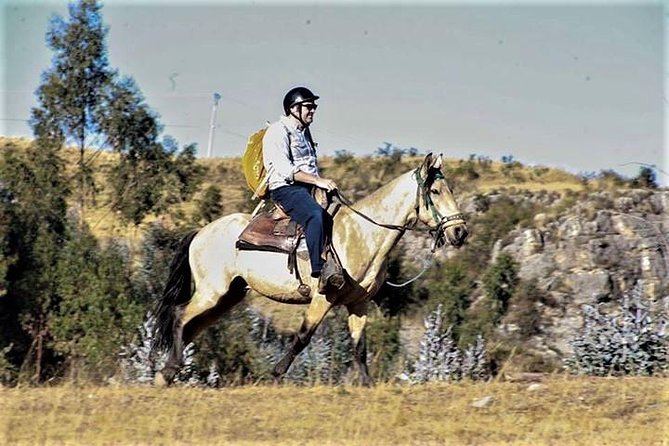
The ranch sits outside the city, and the activity begins with a transfer from your hotel to the riding area. From there, you set out on horseback toward the Temple of the Moon and the Chacan Mountain area. The route uses ancient Inca paths and mountain tracks rather than keeping you inside a fenced riding arena.
That distinction matters. You are not booking a basic horse lesson followed by a short circuit around a ranch. You are using the horse as a way to reach archaeological remains and viewpoints that give the outing a sense of place.
The standard experience lasts about three and a half hours. You can choose a 9:00 a.m. departure or a 1:00 p.m. departure. The morning option gives you a useful outdoor activity before the day becomes too warm or crowded, while the afternoon departure works well if you want a slower start.
More temple trips on horseback in the world:
- Montserrat Monastery & Horse Riding Experience from Barcelona
★ 5.0 · 678 reviews - Cusco: 3-Hour Horse Riding Tour to the Temple of the Moon
★ 5.0 · 105 reviews
Peruvian Paso Horses and Rider Safety
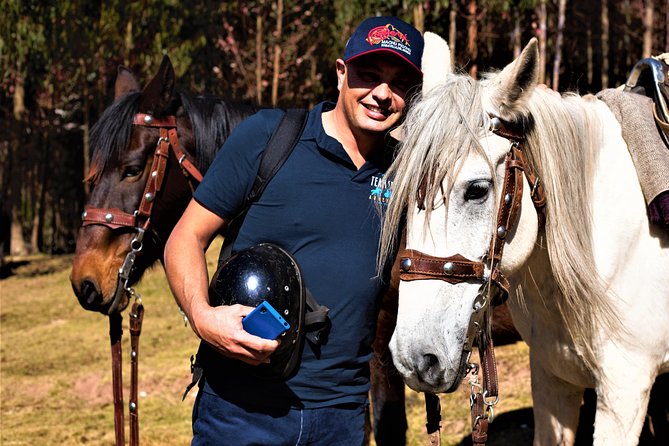
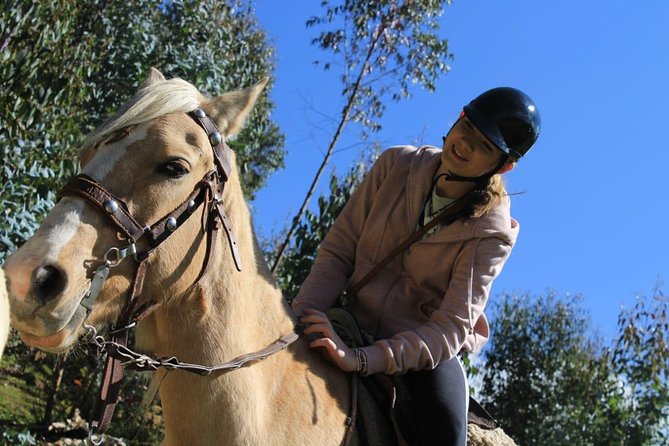
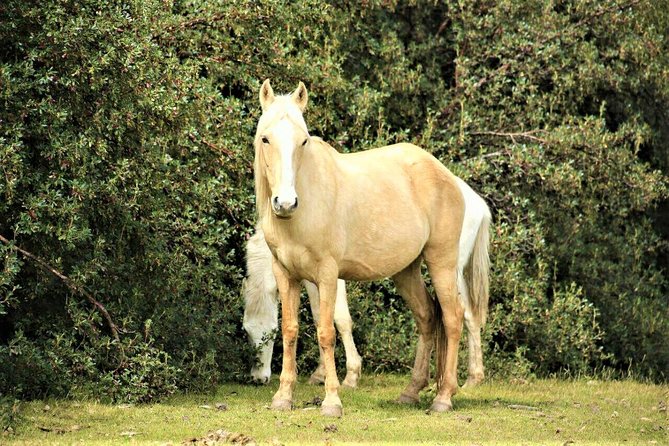
The horses are one of the strongest reasons to choose this experience. Several accounts describe them as calm, well trained, attractive, and comfortable with riders who have little or no previous experience. The Peruvian Paso is also known for its smooth gait, which can make a long ride easier than it might be on a rougher-moving horse.
Before setting out, you receive protective equipment, including a helmet. The guide selects horses according to riding ability, confidence, and size. This is especially useful for a family group or a couple with different levels of experience.
One child was accompanied on foot for much of the ride so the guide could keep a close watch. Another rider was given a different horse when the first one did not respond well. Those details suggest a practical approach: the staff is willing to adjust rather than simply send everyone out and hope for the best.
If you are new to riding, tell the guide clearly. You should not feel pressured to go faster than you want. More experienced riders may have a chance to trot or move at a faster jog, but the pace depends on the group and the guide’s judgment.
The horse-care question deserves a fair look. Gabriel receives strong praise for rotating horses between rides, saddling them only when needed, and treating them as part of his family. One less favorable account raises concern that some horses at the operation did not appear as well cared for as others. I would ask about the day’s horses and welfare practices when booking, then pay attention to the animals when you arrive. A responsible operator should be open about rest, feeding, grooming, and work schedules.
Gabriel’s Ranch and the Personal Guide
The experience is closely associated with Gabriel’s Ranch. Gabriel is described as a warm, flexible host who knows the horses and the local archaeological sites well. He has also been described as coming from a family with more than a century of ranch experience and a long connection to breeding and training Peruvian Pasos.
That family connection adds a useful layer to the ride. Gabriel can explain not only where you are going, but also why these horses matter in Peru. The tour is not presented as a formal lecture. Instead, information comes during stops, while you are preparing, and as you move along the route.
Bilingual guiding is provided in English and Spanish. Gabriel, Sergio, and Grimaldo are among the guides associated with the experience. Grimaldo, in particular, has been praised for staying close to the group and explaining the sites in detail.
The guide’s role is important here. A horse ride near Cusco can easily become a pleasant photo outing with little context. A good guide turns the ruins and paths into something easier to understand. You should expect explanations about Inca culture, local traditions, the archaeological sites, and the surrounding mountains.
The maximum group size is 20, but the outing can be far smaller. Some departures have been private or nearly private, which allows more time for questions, photos, and pace adjustments. Group size can affect the ride, so ask about the expected number of participants if a personal experience matters to you.
Riding to the Temple of the Moon
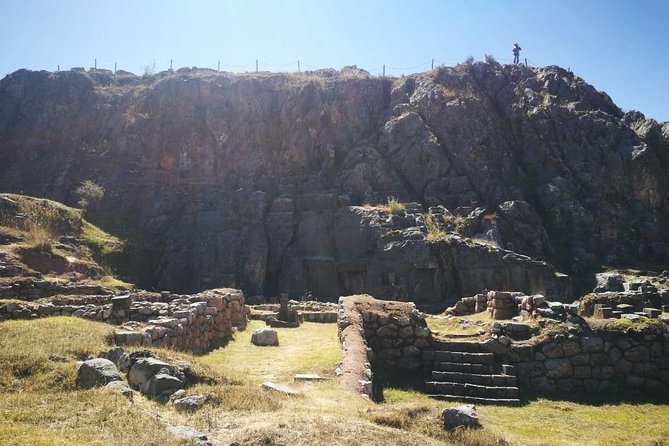
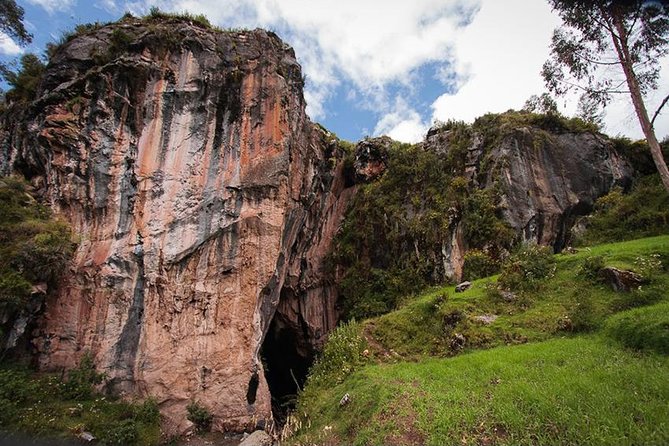
The Temple of the Moon is the main archaeological stop named for this experience. It is an Inca site near Cusco, and the ride gives you a different approach than a standard city excursion. You are not simply stepping out of a vehicle, taking a quick look, and leaving. The horse ride creates a slower arrival through the surrounding countryside.
At the site, the guide explains the remains and their place in Inca culture. You may also enter an underground tunnel, a feature that several accounts call especially memorable. If enclosed spaces are uncomfortable for you, ask about the tunnel before entering. The supplied information does not describe its length or condition, so the guide is the right person to consult on the day.
The temple stop is toward the end of the ride in some versions of the route. That makes it a natural finish, but it also means you should not expect a long archaeological visit with a large number of separate structures. The tour centers on one principal site rather than trying to cover every ruin around Cusco.
Take time for photographs, but listen before wandering off. Archaeological sites can have uneven ground and narrow passages. Stay with the guide, particularly if you are riding with children or have limited mobility.
Other temple visits near the world we have written up
- Lisbon: Jerónimos Monastery Entrance Ticket
★ 4.1 · 14,164 reviews - Angkor Wat Sunrise or Sunset Tour with Guide from Siem Reap
★ 5.0 · 12,109 reviews - Teotihuacan, Guadalupe Shrine & Tlatelolco Day Tour with Lunch
★ 5.0 · 11,603 reviews - From Bangkok: Ayutthaya Temples Guided Tour with Lunch
★ 4.7 · 10,535 reviews
Chacan Mountain Views and the Inca Trails
Chacan Mountain gives the outing its broad outdoor setting. From the higher ground, you can look across the Cusco area and see how the city sits within a ring of mountains. This is a useful counterpoint to the close-up stonework at the Temple of the Moon.
The route follows ancient Inca trails and mountain paths. Expect a scenic ride rather than a technical mountain expedition. The exact amount of time spent at Chacan Mountain may vary, since the listed itinerary gives the Temple of the Moon as the formal stop while the tour description also highlights Chacan Mountain and its viewpoint.
That point is worth clarifying before you book. If your main goal is a long ride across high mountain terrain, this may feel too short. One account describes the outing as a short loop and wishes there had been more riding and more sights. If you want a gentle introduction to the outskirts of Cusco, the limited length may be exactly right.
The scenery is a major part of the value. The ride takes you away from traffic and dense city streets, into a setting where you can notice the mountains, open ground, and changing views. You will have better chances for photographs when the group pauses, so keep your camera accessible but secure.
What Is Included for the $65 Price
At $65 per person, this is not the cheapest way to see an archaeological site near Cusco. It is also more than a simple horse rental. The price includes hotel to ranch transfers, the return transfer, a bilingual professional guide, a horse, protective equipment, and snacks.
The transfers are particularly useful. Cusco’s roads and hotel access can be confusing, and arranging transport to a ranch on the outskirts can add time and cost. Pickup and drop-off also make this easier to fit into a short stay.
The snacks are simple rather than a meal. Bring money or a card for drinks, since beverages are not included. Water is a sensible thing to confirm before departure, especially if you choose the afternoon ride.
The best value comes from combining several services in one half-day: transportation, riding, guiding, archaeological interpretation, and mountain scenery. If you only want to sit on a horse for an hour, you may find the price high. If you want an organized outdoor visit with local context, the package makes more sense.
Morning or Afternoon Departure?
The 9:00 a.m. departure is the safer choice for most schedules. It leaves the rest of your day open and gives you time to visit another Cusco sight, have lunch, or rest before an evening activity.
The 1:00 p.m. departure suits people who prefer a later start or have a morning commitment. It can also work well on a relaxed day when you do not want to rush out after breakfast. Allow extra time around the tour because the ride itself is approximate in length and transfers are part of the outing.
The experience is booked, on average, about 13 days ahead. That is a useful planning guide during busy periods, but some people have secured a place the night before or even on the same day. I would not count on that during high season. Book earlier if you need a specific departure, private attention, or space for a larger family group.
You receive confirmation when booking. Cancellation is free up to 24 hours before the start time, with a full refund. Changes or cancellations inside that 24-hour window are not accepted for a refund.
Who Will Enjoy This Ride Most?
This is a good match for:
- First-time riders who want a guided, controlled introduction
- Families with children or teens
- Couples looking for a quieter half-day outside central Cusco
- Solo riders who want personal instruction and local conversation
- Experienced riders who value the horses, scenery, and archaeological stop more than speed
- Anyone who wants an outdoor activity without committing to a full-day trek
The ride can work for mixed-ability groups because the horses and pace can be adjusted. Still, you should be honest about your riding experience and any concerns before departure. The activity is horseback riding on mountain paths, not a passive sightseeing bus tour.
Most people can participate, and service animals are allowed. The experience is near public transportation, but hotel pickup is included, so you may not need to arrange your own way to the ranch.
This may be less suitable if you want a long, fast ride, a large number of archaeological sites, or a detailed full-day mountain route. The short loop is part of the design. It keeps the experience manageable, but it limits how far you go.
Small Details That Make the Day Better
Wear trousers or other clothing that will not rub while riding. Closed shoes are a sensible choice, even though the supplied information does not specify a footwear rule. Bring sun protection and a light layer, since Cusco’s mountain weather can shift during the day.
Keep your hands free when possible. A small bag is easier than a large daypack, particularly if you visit the tunnel or need to handle a camera. Snacks are provided, but drinks are not, so confirm what you should bring before leaving the hotel.
If you are booking for a family, tell the operator the ages and riding experience of the children. The guides have shown care with younger riders, including walking beside a child for added security, but good matching begins with accurate information.
At the end of the ride, confirm who is returning to the hotel and where the vehicle will meet you. One account describes some confusion at the finish about departures. It appears to be an occasional organizational issue rather than a major problem, but a quick check can prevent a needless wait.
Should You Book Horse Riding Chacan Mountain and Temple of the Moon?
I would book this if you want a short, personal outdoor experience that combines horses, Inca sites, and mountain views. The strongest reasons are the Peruvian Paso horses, the attentive guides, hotel transfers, and the chance to reach the Temple of the Moon without spending a full day away from Cusco.
I would think twice if your priority is distance in the saddle. The route is only about three and a half hours, and the riding may feel limited to someone seeking a serious trail adventure. Ask how much time is planned for Chacan Mountain and how the day’s route will be divided between riding and the Temple of the Moon.
For families, first-time riders, couples, and solo visitors, this is one of the more approachable ways to get outside Cusco. Choose it for the calm pace, local setting, and well-cared-for horses associated with Gabriel’s ranch, not for speed or a long expedition.
FAQ
How long does the horseback riding experience last?
The tour lasts approximately three hours and 30 minutes, including the ride and the visit to the Temple of the Moon.
What departure times are available?
You can choose a morning departure at 9:00 a.m. or an afternoon departure at 1:00 p.m.
Is hotel transportation included?
Yes. The experience includes transfer from your hotel to the ranch and return transportation from the ranch to your hotel.
Are helmets and snacks provided?
Yes. Protective equipment and snacks are included. Drinks are not included.
Is the tour suitable for beginners and children?
Most participants can join, including people with limited riding experience. The horses are matched to riders, and the guides can provide added support for children.
What is the cancellation policy?
You can cancel up to 24 hours before the experience for a full refund. Cancellations or changes made less than 24 hours before the start time are not accepted for a refund.
Newly written up around the world
- Xi’an: Daci’en Temple(Great Wild Goose Pagoda) E-ticket★ 3.3 · 57 reviews
- Kyoto: Fushimi Inari Taisha Shrine Walking Tour with Guide★ 4.8 · 18 reviews
- Xi’an: Terracotta Army, Lunch, City Wall, Pagoda, Bazaar★ 5.0 · 72 reviews
- Varanasi in a Day Ancient Temples Sarnath and Ghats★ 5.0 · 17 reviews
- Hidden Corners of Varanasi Secret Alleys Temples and Traditions★ 5.0 · 9 reviews
- Terracotta Army, Big Wild Goose Pagoda&City Wall Full Day Tour★ 4.5 · 47 reviews
- Bangkok: Grand Palace and Wat Arun Guided Walking Tour★ 4.5 · 118 reviews
- Ex-monk city & temples walking tour: (3.5 hours / 1.7 km.)★ 4.8 · 35 reviews
Temple Tours, compared.
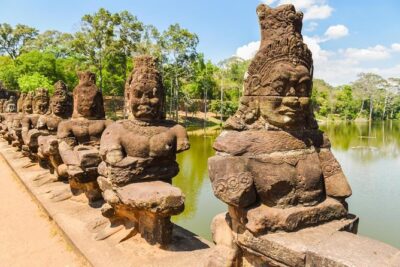
Angkor Wat Sunrise or Sunset Tour with Guide from Siem Reap
Read our review →
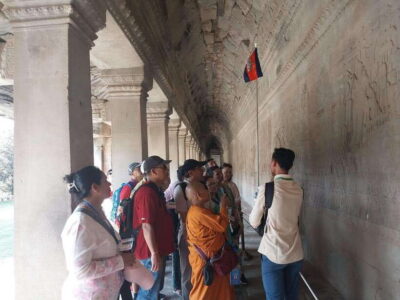
Angkor Wat: Small-Group Sunrise or Sunset Tour
Read our review →
Cape Sounion & Poseidon Temple Sunset Half-Day Trip
Read our review →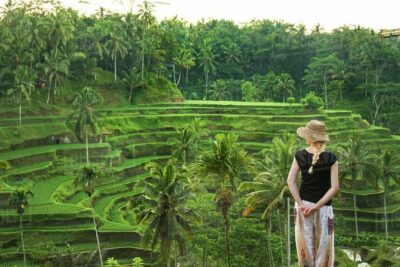
Monkey Forest, Jungle Swing, Rice Terrace, and Water Temple
Read our review →
Montserrat Monastery Half Day Experience from Barcelona
Read our review →