
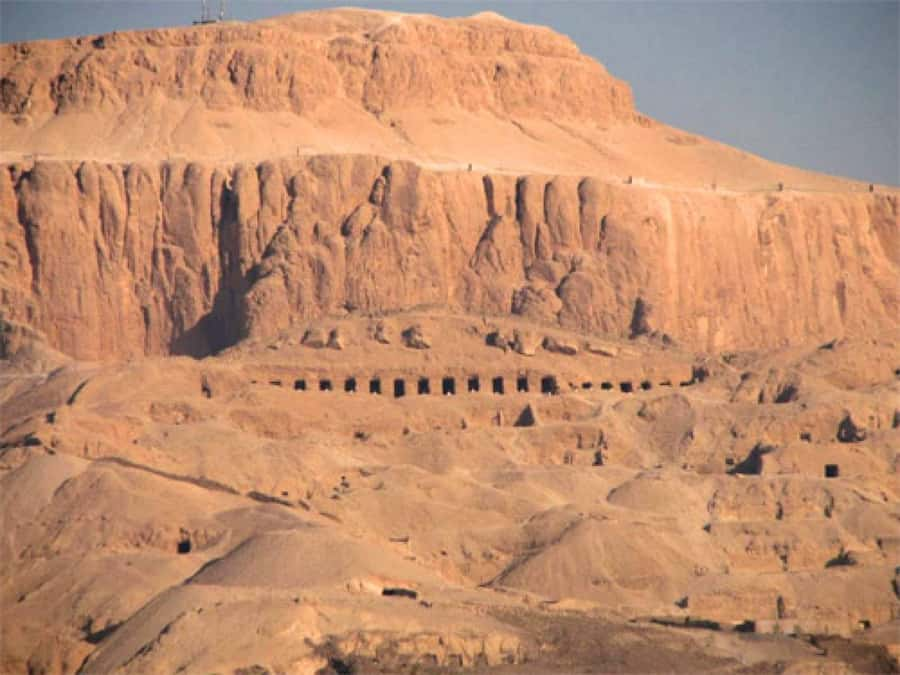
Reviewed · LUXOR TEMPLE TOURS
A Luxor Excursion to Habu Temple, Valley of Workers & Queens
Medinet Habu is the star here, with huge stone walls, tall columns, battle scenes, and carvings that still carry plenty of color. I like the private guide and the fact that your air-conditioned car handles the West Bank transfers, and I especially like the mix of royal temple, workers’ village, and burial valley. It gives you more than another quick look at pharaohs.
The main caution is that tomb access can change. Nefertari’s tomb may be closed or cost extra, and another included tomb has sometimes been unavailable. I also like the flexible cancellation and airport pickup, but at $91 per person, the value depends on how much you want personal transport and guiding rather than a cheaper shared outing.
Key points to know before booking
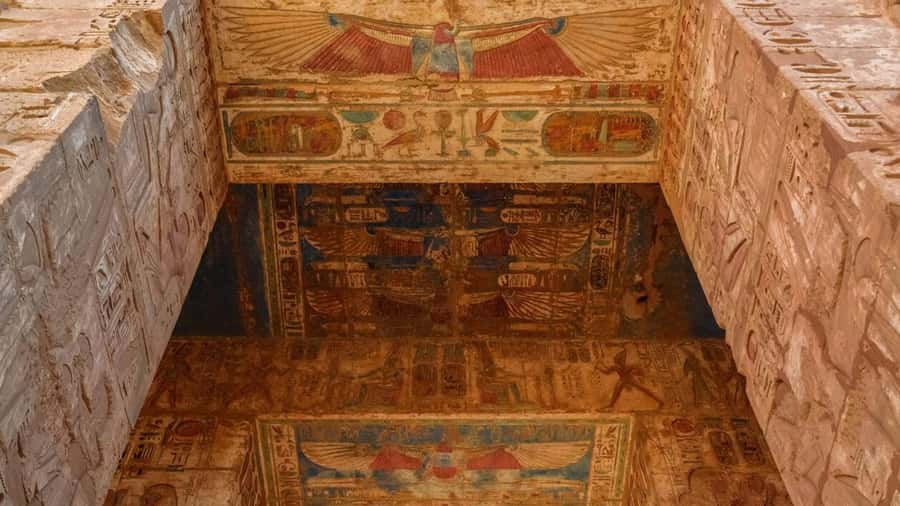
- Medinet Habu is the visual highlight: Expect monumental gateways, deep reliefs, and some of Luxor’s best-preserved temple decoration.
- Deir el-Medina adds a human side: This was the village of artisans who created royal tombs during the New Kingdom.
- The Valley of the Queens is not just for queens: Princes, princesses, and other members of the royal family were also buried here.
- Private transport keeps the morning simple: Pickup and return are available from Luxor hotels, Nile cruises, and Luxor International Airport.
- Guides speak four languages: Arabic, English, German, and Spanish are offered, with Sawsan and Bahhgat receiving especially strong praise.
- Allow for changing tomb access: Some tombs may close for maintenance, and Nefertari’s tomb is not included in the standard price.
Why this West Bank combination works
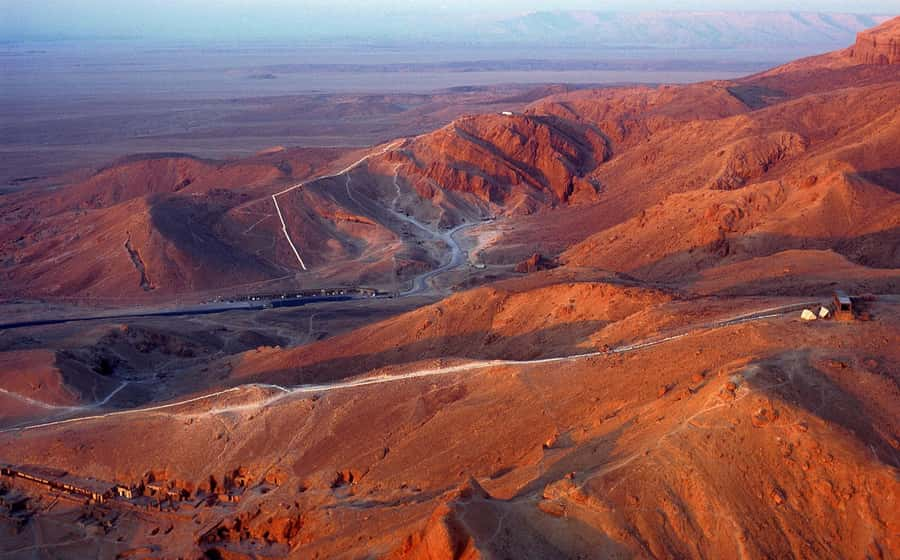
Luxor’s West Bank is packed with monuments, and it is easy to spend the day moving from one famous name to another without seeing how they fit together. This six-hour outing has a sensible theme: royal power at Medinet Habu, the working lives of tomb builders at Deir el-Medina, and royal family burials in the Valley of the Queens.
I like that balance. You are not looking at three similar temples, and you are not spending the whole morning inside one crowded headline site. Each stop answers a different question. How did a pharaoh present himself? Who built the tombs? Where were the royal women and children buried?
The tour begins at 8:00 am, when a licensed guide meets you in your hotel or Nile cruise lobby. A private air-conditioned vehicle then takes you across the Nile to the West Bank. Pickup and drop-off can also be arranged at Luxor International Airport, which is useful if this excursion fits around a flight.
The private format matters in Luxor. You are not tied to a large coach group or a fixed set of commentary stops. You can ask your guide to explain a carving, spend more time in a tomb, or keep moving if the heat is beginning to win. The supplied information does not promise a particular vehicle size beyond private transport, so you should still confirm the exact pickup point and timing when you book.
Other temple visits near Luxor we have written up
- Luxor Day Tour: Valley of Kings & Queens & Hatchepsut Temples
★ 5.0 · 1,496 reviews - Luxor: Valley of the Kings and Hatshepsut Temple Day Tour
★ 4.4 · 1,404 reviews - Luxor: Valley of Kings, Hatchepsut Temple ,Karnak & Luxor-DayTour
★ 5.0 · 735 reviews
Medinet Habu: the strongest first stop
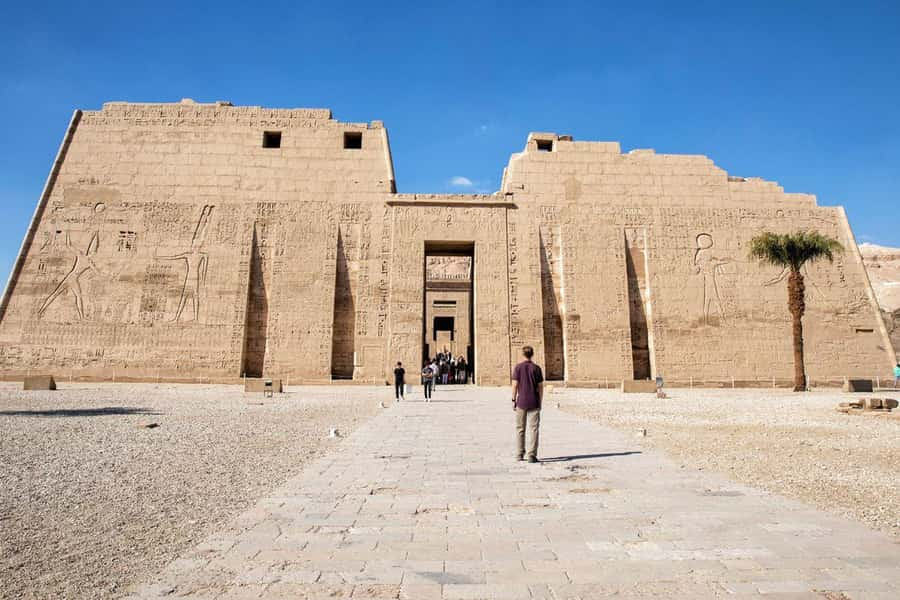
Medinet Habu, also called Habu Temple, is the first guided visit and receives about an hour. It was built near the foot of the Theban Hills on the West Bank, opposite modern Luxor.
This is the kind of place where a guide adds real value. The walls are covered with carved scenes, inscriptions, and images of royal power. Towering columns give the site its scale, while the surviving decoration helps you picture how forceful the temple once looked.
I would give this stop your freshest attention. The first hour of a morning tour is a good time for details because the site can feel visually dense. There is a lot to take in: gateways, courtyards, columns, reliefs, and religious scenes. Without explanation, it can become a long sequence of stone surfaces. With a good guide, individual images start to make sense.
The strong reactions to guides Sawsan and Bahhgat are worth noting. Sawsan has been praised for clear explanations, a friendly manner, and careful attention throughout the outing. Bahhgat has also been singled out for teaching visitors a great deal while keeping the morning pleasant. Guide quality can vary by language and date, so ask for the language you need when making your reservation.
Medinet Habu is also a good contrast to the more famous sites on the West Bank. The tour description positions it as a beautifully preserved temple, and the detailed reliefs are the reason to come. If you have already seen Luxor Temple or Karnak, this stop still adds something different rather than simply repeating the same experience.
Deir el-Medina and the people behind the tombs
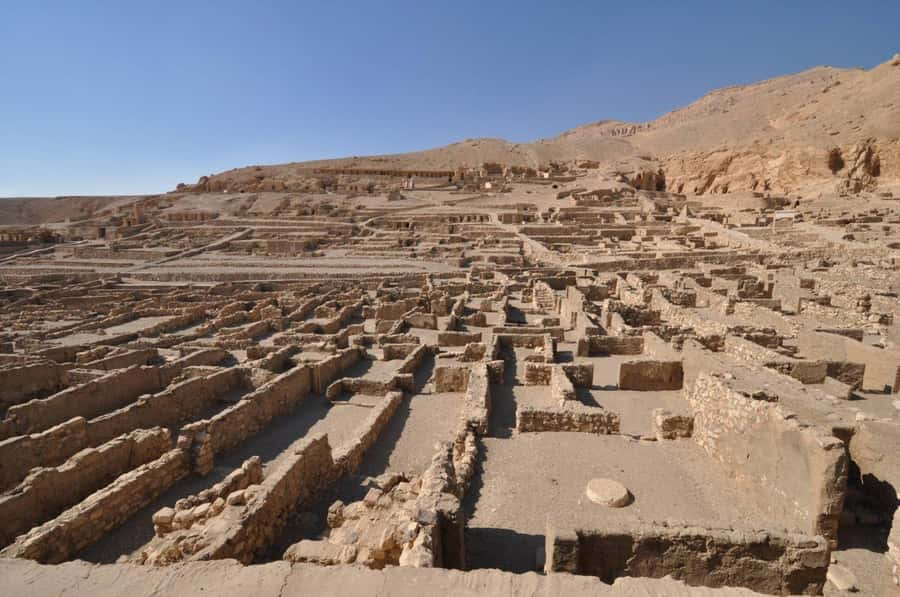
The next stop is Deir el-Medina, known as the Valley of the Workers. You receive about an hour with the guide here.
From roughly 1550 to 1080 BC, during the 18th through 20th dynasties of the New Kingdom, this ancient village was home to artisans who worked on the royal tombs in the Valley of the Kings. That fact changes how you read the site. These were not anonymous laborers passing through a construction camp. They were skilled workers whose own homes and burial places can be visited.
The painted tombs are the reason this stop earns its place. Their colors are described as remarkably fresh, and one of the most useful comparisons is that some paintings here can appear better preserved than those in the Valley of the Kings. That makes Deir el-Medina more than a secondary add-on.
I like the human scale of this visit. Medinet Habu presents the pharaoh as a mighty ruler. Deir el-Medina gives you a closer look at the community responsible for decorating royal eternity. It is a valuable correction to the usual Luxor story, which can focus too heavily on kings and monuments.
Your guide’s explanation is particularly useful here because the village and tombs are less instantly familiar than Karnak or the Valley of the Kings. Ask questions about the workers, their crafts, and the way the painted scenes differ from formal royal decoration. The supplied schedule allows one hour, which should give you a meaningful visit, but it is not a slow, specialist study tour.
The setting also involves walking between parts of the site. One account describes the walk to a tomb as only about five minutes, but that short distance can feel longer in the heat. Wear practical shoes, carry the included bottle of water, and do not assume that every stop will be easy in midday conditions.
Valley of the Queens and the question of access
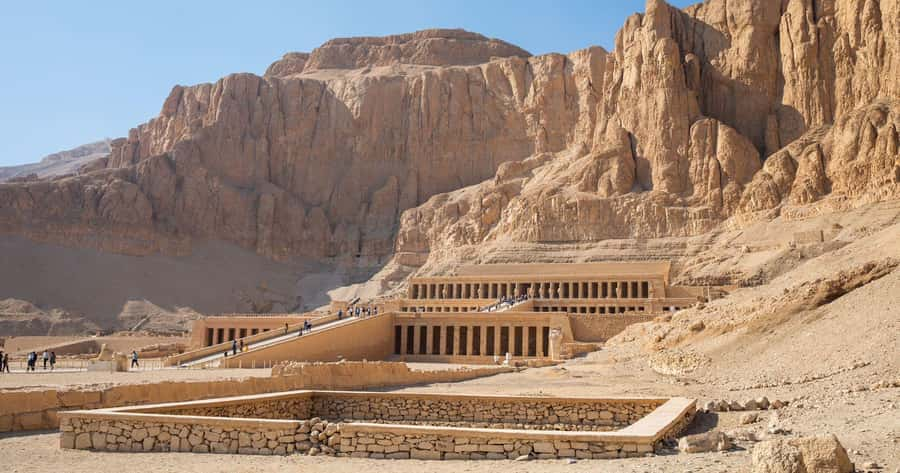
The final main visit is the Valley of the Queens, also scheduled for about an hour. In ancient times it was called Ta-Set-Neferu, meaning the place of the Children of the Pharaoh. The name fits the site better than the modern label alone, since the valley held the burials of queens, princes, princesses, and members of the nobility.
This is one of the best parts of the excursion if you want a broader view of royal Egypt. The site is not only about wives of pharaohs. It also shows how the royal family and court were commemorated across several dynasties, from the 18th through the 20th, roughly 1550 to 1070 BC.
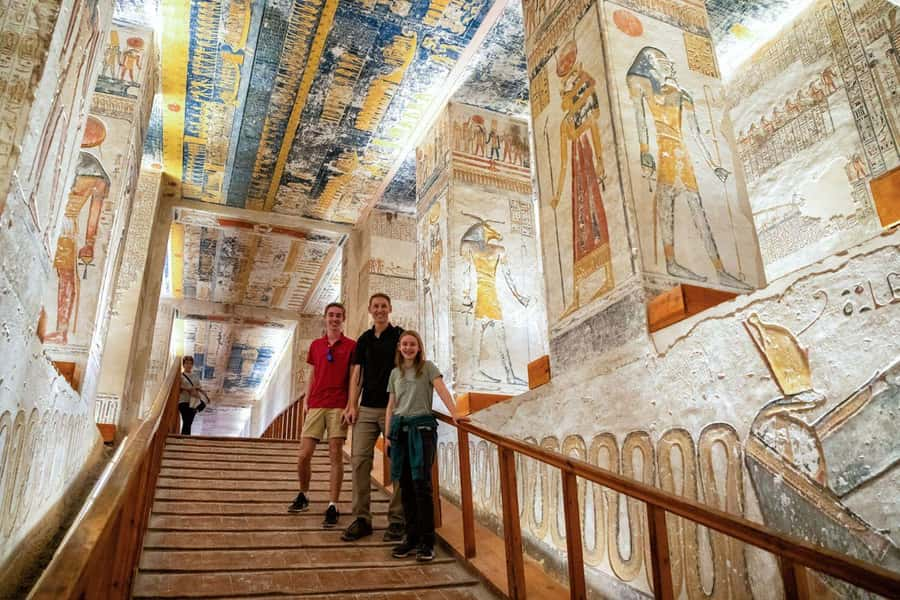
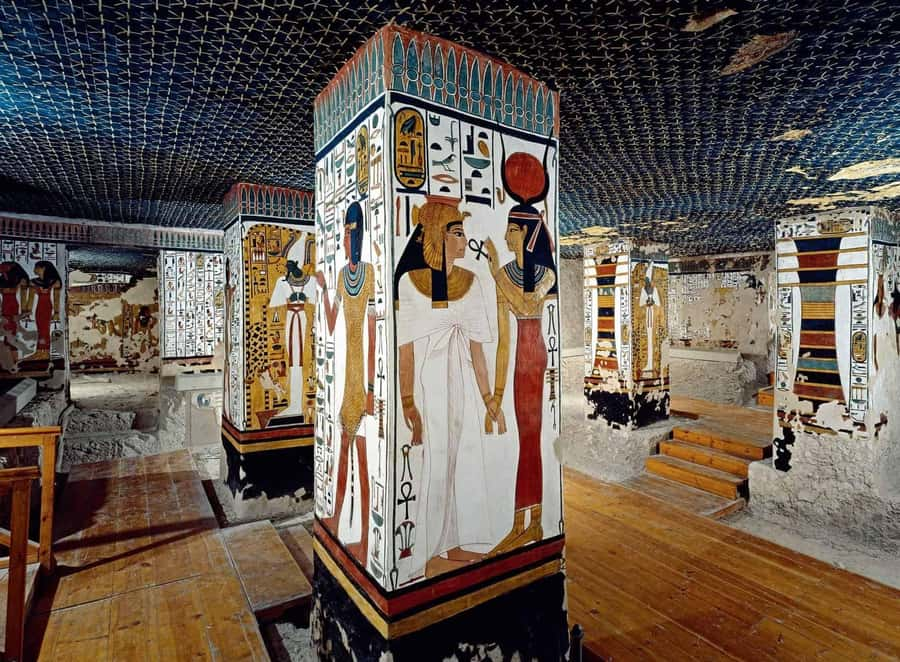
The tomb paintings can be exceptionally well preserved. That is a major reason to include this valley, especially if you have already seen the larger royal sites and want a more focused visit. The guide can help you read the decoration and explain who was buried in the tombs open that day.
There is an important limit: tomb access is not fixed. Nefertari’s tomb may be closed for maintenance, and it requires a separate fee even when open. One of the tombs normally covered by the tour has also been reported closed at times. You should treat the advertised Valley of the Queens visit as access to the site and available included tombs, not a guarantee of Nefertari’s tomb.
This matters because the guide may suggest another valley if a tomb is unavailable. A switch to the Valley of the Nobles may be offered, but it is not the same experience and may cost less than the original visit. If your priority is the Valley of the Queens, state that clearly before agreeing to a replacement. Ask which tombs are open and what is included that morning.
A different set of gates, same trip:
- Full Day Tour of Luxor West Bank Temples and Tombs (Private)
★ 5.0 · 722 reviews - Luxor: Karnak Temple and Luxor Temple Tour with Lunch
★ 4.4 · 658 reviews - Luxor: Abu Simbel Temple Private Guided Day Trip with Lunch
★ 4.6 · 546 reviews - Private Half Day West Bank Tour to Valley of the Kings Queen Hatshepsut Temple and Colossi of Memnon
★ 5.0 · 268 reviews
Timing, comfort, and the six-hour promise
The advertised duration is six hours, but the three guided visits are each listed at roughly one hour. The remaining time covers pickup, driving, site entry, and the return journey. That is a normal arrangement for a West Bank outing, though the actual day can finish earlier if the visits move quickly.
One past outing ended about three hours earlier than expected. That is not necessarily a problem if you have other plans, but it is worth knowing if you have built your day around a full six-hour schedule. Ask at pickup how much time is planned at each site and what happens if a tomb is closed.
The air-conditioned private vehicle is a practical benefit, not just a comfort extra. Luxor can be hot, and moving between three open archaeological areas is easier when you can return to a cool car. A bottle of water is included, but lunch is not, so eat before departure or plan your own food around the tour. There is no lunch stop promised.
The tour is listed as hassle-free, with entrance fees, private transport, transfers, guide service, and water included. Tips are not included. The phrase no hidden costs should not be read as meaning every optional tomb or personal expense is covered. Nefertari’s tomb, in particular, is separately charged.
What $91 per person buys you
At $91 per person, this is not the cheapest way to see Luxor’s West Bank. Its value comes from the private structure: your own vehicle, a licensed guide, included entry fees, hotel or cruise pickup, and return transport. If you are traveling with family or a small private group, that convenience can justify the higher price.
I would compare it with your alternatives in practical terms. A cheaper shared tour may cover similar monuments, but it can involve more passengers, less control over timing, and less chance to ask detailed questions. On the other hand, if you already have a car, a guide, or a Nile cruise excursion covering the same sites, paying again for private transport may not make sense.
The strongest value comes from the combination rather than any single monument. Medinet Habu is the headline site, while Deir el-Medina and the Valley of the Queens make the morning feel more complete. You are paying for context and coordination as much as for admission.
The rating attached to the experience is 4.9 from 11 reviews, with most praise aimed at the guides and the choice of sites. That is encouraging, but the sample is small. The lower scores point to the issues you should take seriously: changing access, a possible substitution, limited Spanish on one occasion, an early finish, and disagreement over a requested restaurant drop-off.
Language and guide quality
Guiding is available in Arabic, English, German, and Spanish. The best feedback centers on guides who explain clearly, stay friendly, and look after the group rather than simply escorting it from gate to gate.
Sawsan is particularly well regarded for both knowledge and a pleasant manner. Bahhgat is also praised for teaching visitors a lot during the morning. Those names may help you ask about guide assignment, though a named guide cannot be guaranteed unless the operator confirms it.
If you need Spanish, be direct about your expectations. The tour offers Spanish guiding, but one Spanish-language outing was described as limited in fluency. That does not mean every Spanish guide will have the same level, but it is sensible to confirm before paying.
The private format gives you a chance to shape the commentary. Tell the guide if you want more archaeology, more stories about daily life, or more help identifying tomb scenes. A private tour works best when you use that flexibility instead of simply following the standard script.
Pickup, return, and small practical decisions
Pickup is available from a Luxor hotel or Nile cruise, with Luxor International Airport listed as another pickup option. The guide waits in the hotel lobby with a sign showing the company name, which makes the meeting point fairly clear.
Return is available to your hotel, Nile cruise, or the airport. If you want a restaurant or another stop that is not part of the standard route, arrange it before the day begins. Do not assume a few extra minutes in the car will be accepted, especially after the scheduled visits have finished.
Free cancellation is available up to 24 hours before the start time, and you can reserve now and pay later. Those terms are useful if your Luxor plans may shift, but check the exact booking conditions at the time you reserve.
Who should choose this excursion?
I would recommend it to you if you want three West Bank sites in one private morning and prefer a guide to explain what you are seeing. It is particularly suited to first-time Luxor visitors who want more than the standard royal highlights, and to families or couples who value a private vehicle.
It also suits anyone interested in the people behind the monuments. Deir el-Medina gives the tour a human angle, while the Valley of the Queens broadens the story beyond pharaohs alone.
I would hesitate if your only goal is Nefertari’s tomb. Access is not guaranteed, and the separate charge raises the total cost. I would also think twice if you need a full six-hour program, a guaranteed restaurant stop, or highly advanced Spanish interpretation.
Should you book it?
Book this excursion if Medinet Habu, the workers’ village, and the Valley of the Queens are all on your list and you want one private vehicle and one guide to connect them. The sites complement one another, the transportation is easy, and guides such as Sawsan and Bahhgat have earned especially strong praise.
Before confirming, ask which tombs are open, whether Nefertari’s tomb is available and at what extra cost, who will guide you in your language, and how long the group expects to spend at each stop. At $91, the tour is best value when you want convenience, interpretation, and a private schedule, not simply the lowest possible price.
FAQ
How long does the Luxor excursion last?
The advertised duration is six hours. The guided visits to Medinet Habu, the Valley of the Queens, and Deir el-Medina are each scheduled for about one hour, with the remaining time used for transfers and site logistics.
What time does pickup begin?
Pickup is scheduled for 8:00 am. The guide meets you at your hotel or Nile cruise lobby.
Can I be picked up or dropped off at Luxor International Airport?
Yes. Luxor International Airport is listed as both a pickup and drop-off location, along with Luxor hotels and Nile cruises.
Is the tour private?
Yes. The activity is offered as a private group tour with private transportation in an air-conditioned vehicle.
Which languages are available?
Guides are available in Arabic, English, German, and Spanish. You should confirm your preferred language when booking.
Are entrance fees included?
Yes. Entry fees are included in the tour price. Nefertari’s tomb, when open, is paid separately.
Is lunch included?
No. Lunch is not included. A bottle of water is included.
What happens if a tomb is closed?
Access can change because of maintenance or site conditions. Nefertari’s tomb and other tombs may be unavailable, and the guide may suggest a different site. Ask which tombs are open before accepting a substitution.
Can I cancel the booking?
You can cancel up to 24 hours in advance for a full refund. The tour also offers a reserve-now, pay-later option.
Newly written up around Luxor
- Luxor: Karnak and Luxor Temples Private Half-Day Tour★ 4.7 · 27 reviews
- Luxor: Tour to Edfu Temple & Lunch & Felucca & Entrance Fees★ 4.8 · 7 reviews
- Luxor: Karnak and Luxor Temples Private Half-Day Tour★ 4.4 · 4 reviews
- Luxor: Valley of The Kings and Hatshepsut Temple Day Trip★ 4.3 · 55 reviews
- Luxor: Temple of Hatshepsut QR Ticket – Skip The Line★ 4.8 · 5 reviews
- Luxor: Private Tour to Valley of Kings & Hatshepsut Temple.★ 4.4 · 16 reviews
- Luxor: Shared Half-Day tour of Dendera Temple with guide★ 4.2 · 35 reviews
- Luxor: East & West Bank Temples Private Tour with Tickets★ 4.7 · 10 reviews
Luxor Temple Tours, compared.
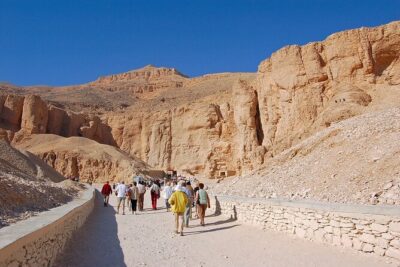
Luxor Day Tour: Valley of Kings & Queens & Hatchepsut Temples
Read our review →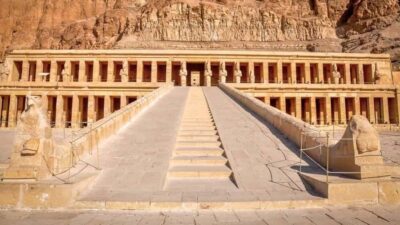
Valley of the Kings and Hatshepsut Temple Day Tour
Read our review →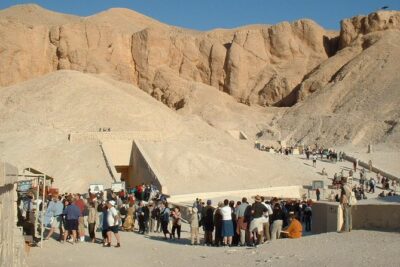
Valley of Kings, Hatchepsut Temple ,Karnak & Luxor-DayTour
Read our review →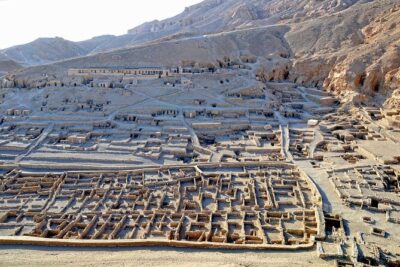
Full Day Tour of Luxor West Bank Temples and Tombs (Private)
Read our review →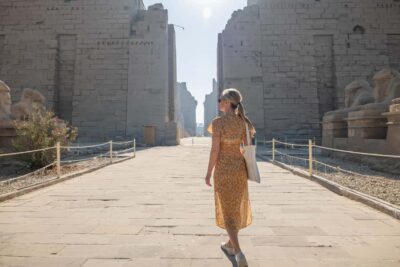
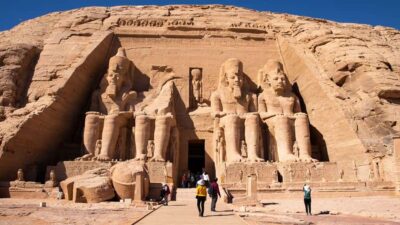
Abu Simbel Temple Private Guided Day Trip with Lunch
Read our review →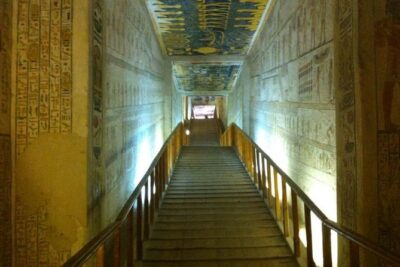
Private Half Day West Bank Tour to Valley of the Kings Queen Hatshepsut Temple and Colossi of Memnon
Read our review →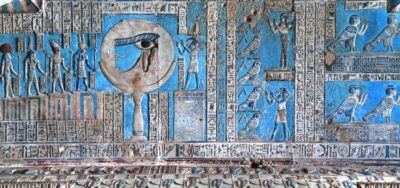
Dendera Temple All-Inclusive Tour & Felucca Ride
Read our review →Browse the lists this tour appears in