
Reviewed · ROMANIA TEMPLE TOURS
Snagov Monastery, Ceaușescu Mansion, & Village Museum – 6h
Snagov Monastery gives this Bucharest outing its best surprise: after a drive of about 40 minutes, you reach a small island linked with the tomb associated with Dracula. I like the way the tour pairs that atmospheric stop with the National Village Museum, where traditional homes, mills, and wooden churches show how Romanian communities lived with local materials. I also like having a private car and guide, so the day can adjust to your pace.
The main caution is time. Six hours is a tight frame for Snagov, the mansion, the Village Museum, Calea Victoriei, Revolution Square, the Athenaeum, the CEC Palace, and the Parliament area. You will see many places, but some stops are best treated as guided glimpses rather than long visits.
Key points to know before booking
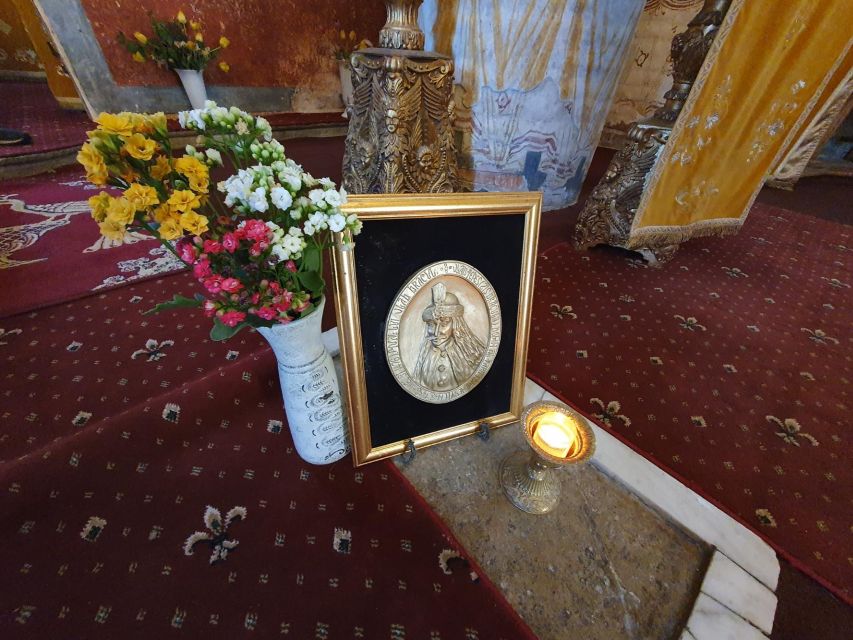
- Snagov Monastery sits on an island: The setting adds a quiet, almost theatrical change of pace after Bucharest’s streets.
- The Ceaușescu Mansion shows private communist life: The former family residence gives you a look at how the ruling family lived behind the official image of austerity.
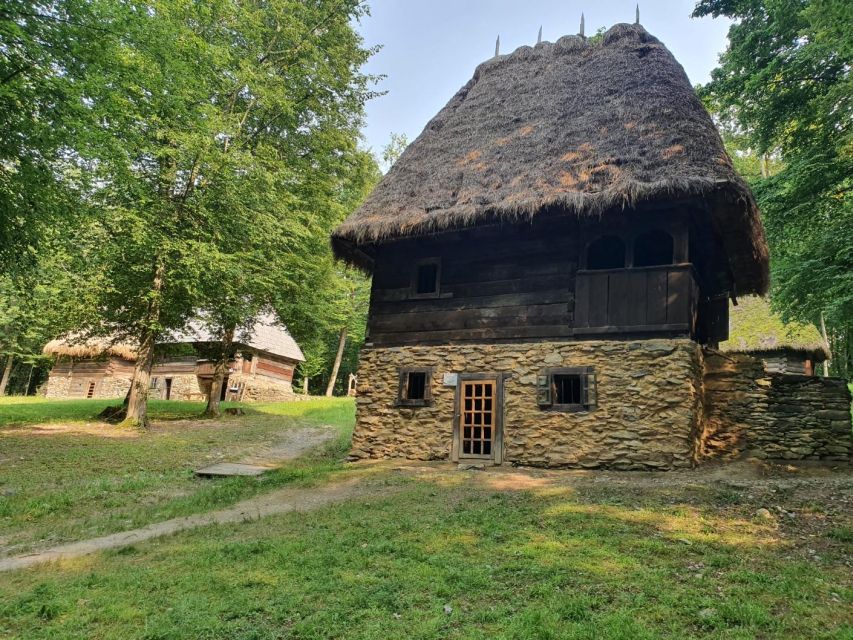
- The Village Museum covers Romanian traditions in one open-air setting: Houses made from wood, adobe, stone, and other local materials represent several parts of the country.
- The central Bucharest section links power and protest: Calea Victoriei, Revolution Square, the former Communist Party headquarters, and nearby royal buildings help explain Romania’s political changes.
- Private transport is the main practical advantage: Pickup, fuel, parking, tolls, and a private multilingual guide are included.
- Budget extra for admissions: Entrance fees are not included and are estimated at about 17 euros per person.
Why this six-hour route works
I like this tour because it does not tell Bucharest through one single theme. You move from rural traditions to a dictator’s private home, then into the streets where monarchy, communism, religion, commerce, and revolution sit close together.
That contrast is the real point. The Village Museum presents a Romania built from local materials and practical customs. Ceaușescu Mansion shows the private world of a ruling family that publicly promoted modest living. The central city then brings you face to face with the buildings and streets tied to royal power and the 1989 revolution.
The private format matters here. You are not tied to a large group, and the guide can make changes after the tour begins. That helps when you want more time at a place that interests you, or when a quick photo stop is enough. The advertised duration is six hours, so flexibility cannot turn every stop into a long visit, but it should make the pace feel less rigid.
The tour is priced at $254 per person. That is a serious amount, especially once you add about 17 euros per person for entrance fees and pay for your own food and drinks. The value comes from the private vehicle, door-to-door pickup, fuel, parking, tolls, and a guide who stays with you across several parts of Bucharest and the surrounding area. For a family or small group splitting the cost, that convenience may make more sense than arranging several separate rides.
More Museum Visits in Romania:
- Montserrat Museum and Monastery Entry Ticket
★ 4.5 · 1,740 reviews - Lisbon: Belem, Jeronimos Monastery, and Coach Museum Tour
★ 4.8 · 478 reviews - From Sofia: Rila Monastery and Optional Museum, Cave or Spa
★ 4.6 · 270 reviews
The Village Museum: Romania in houses, mills, and churches
The Dimitrie Gusti National Village Museum is a strong opening stop because it gives you context before the tour turns to modern political history. In one place, you see traditional Romanian homes from different regions, built with wood, adobe, stone, and other local materials.
I find open-air museums most useful when they explain how people lived, not just what buildings looked like. Here, the focus is on the relationship between homes, work, faith, and the surrounding environment. You can expect to see examples of rural architecture, along with national symbols such as a mill and a wooden church.
The museum also helps correct a common misunderstanding about Romanian village life. The houses may appear simple, but they reflect careful use of local resources and a way of organizing daily life around family, work, and community. The guide can connect the buildings to Romanian traditions and explain why these examples helped preserve a shared identity across different regions.
The scheduled visit is about one hour. That is enough for a guided introduction and a useful walk, but not enough to study every house in detail. If you enjoy architecture, folk customs, or photography, you may wish you had longer. Still, the museum earns its place because it gives you a human-scale starting point before the larger political buildings later in the day.
Snagov Monastery and the island setting
Snagov Monastery is the tour’s change of mood. After roughly 40 minutes outside Bucharest, you reach a monastery on an island. The water and separation from the city give the stop a quieter feel, even though the visit itself is relatively short.
The site is presented as the place of Dracula’s tomb, which gives it an immediate layer of legend. Your guide can help separate the historical setting from the popular Dracula story, while still allowing you to enjoy the mystery attached to the place. This is one of those stops where the setting matters as much as the building.
The visit lasts about an hour and includes a guided tour, sightseeing, and time for photographs. Bring your camera, since the island approach and monastery surroundings offer a sharp contrast with Bucharest’s broad roads and monumental buildings.
Snagov is also the stop most likely to appeal to visitors who want something beyond city architecture. It is not simply another church on a sightseeing list. The island location, the religious atmosphere, and the Dracula association make it memorable.
The limitation is distance. You spend part of the six-hour outing on the road, and that means less time for the central Bucharest stops. If your main goal is the capital’s museums and architecture, Snagov may feel like a tradeoff. If you like unusual settings and legends, it is probably the tour’s most distinctive stop.
Ceaușescu Mansion and the private face of power
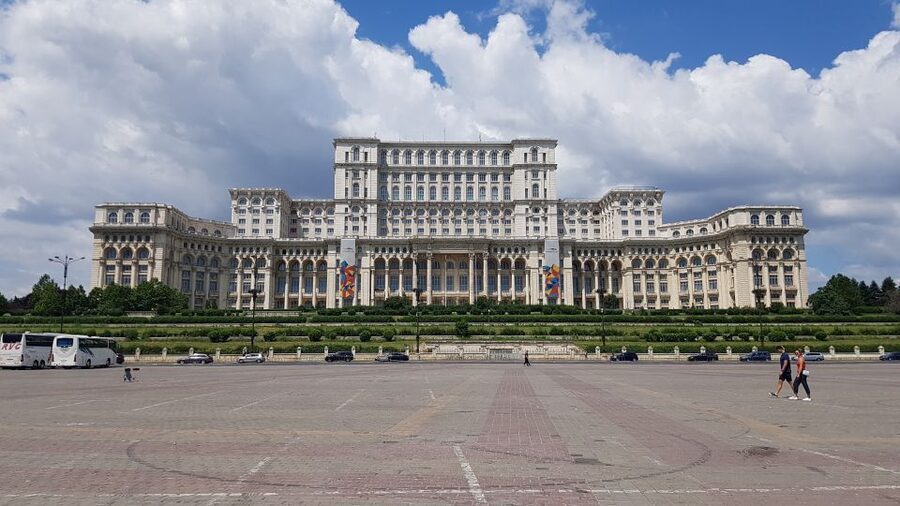
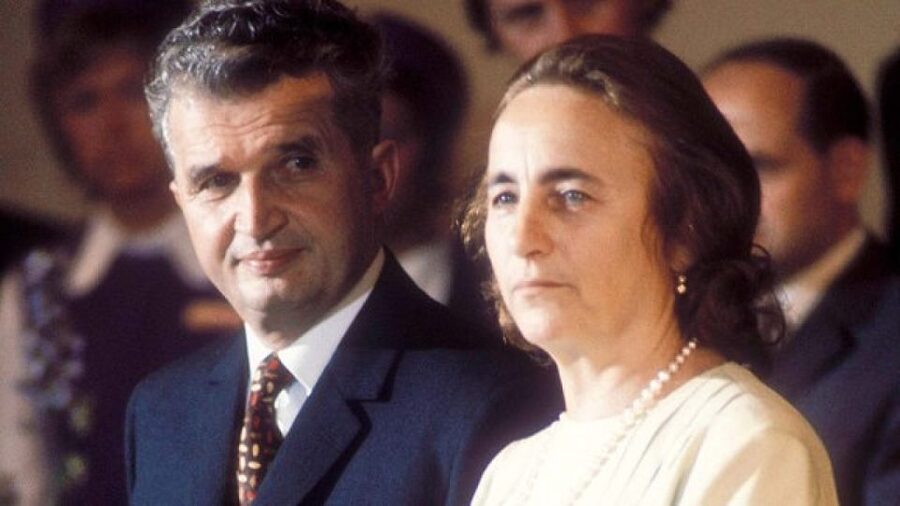
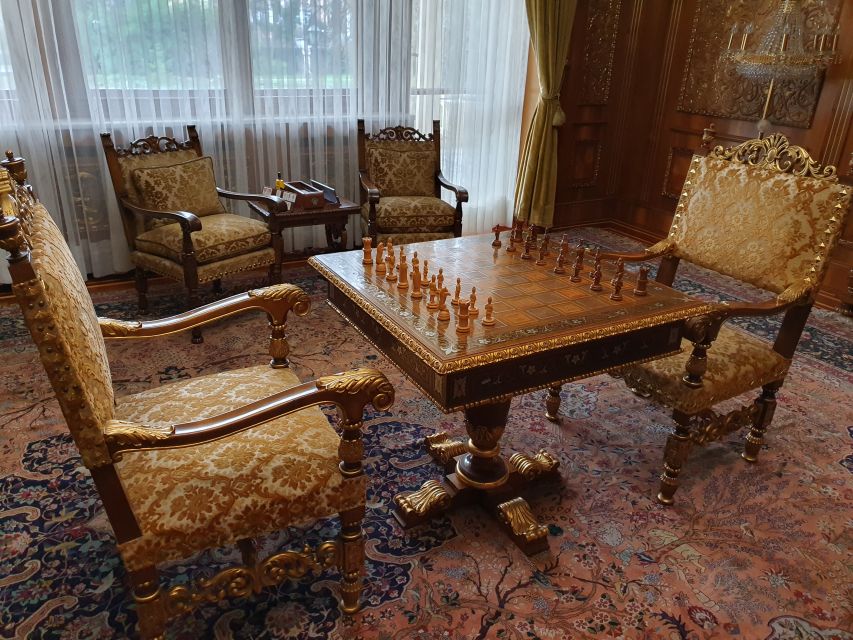
The Ceaușescu Mansion, also called the Spring Palace, was the private residence of Nicolae and Elena Ceaușescu and their children, Nicu, Zoia, and Valentin. The family used it from 1965 to 1989, and the residence was enlarged between 1970 and 1972.
This is not the same experience as seeing a public government building. The mansion focuses on domestic life, private taste, and the protected world of the ruling family. That makes it especially useful after the Village Museum, where you have just seen the modest homes and practical surroundings of ordinary Romanian communities.
The contrast is plain. The Village Museum presents homes shaped by local materials and daily needs. The mansion presents the personal residence of a family at the top of a tightly controlled state. I would pay close attention to how the guide explains that difference, rather than treating the visit as a collection of rooms.
The design involved architect Aron Grimberg-Solari, while architect Robert Woll worked on the grounds and furniture, with landscape engineer Teodosiu also involved. Those details help you see the mansion as a planned private environment, not merely a large house.
You should allow about an hour for the guided visit, including walking and the drive through the area. The mansion is one of the tour’s strongest history stops, but its impact depends on the guide’s explanation. A room-by-room look without political context would miss the point. The guide’s role is important here, and the tour offers English, French, Italian, Romanian, Spanish, and German.
Other temple visits near Romania we have written up
- 3-Castle: Peles,Bran,Rasnov,Sinaia Monastery from Brasov w pickup
★ 5.0 · 274 reviews - Peles Castle, Bran Castle, Rasnov Fortress and Sinaia Monastery Tour from Brasov
★ 5.0 · 55 reviews - Princely Court of Târgoviște and Curtea de Argeș Monastery
★ 4.5 · 50 reviews - Small Group Tour to Mogosoaia Palace & Snagov Monastery
★ 4.4 · 48 reviews
Calea Victoriei: royal buildings beside communist power
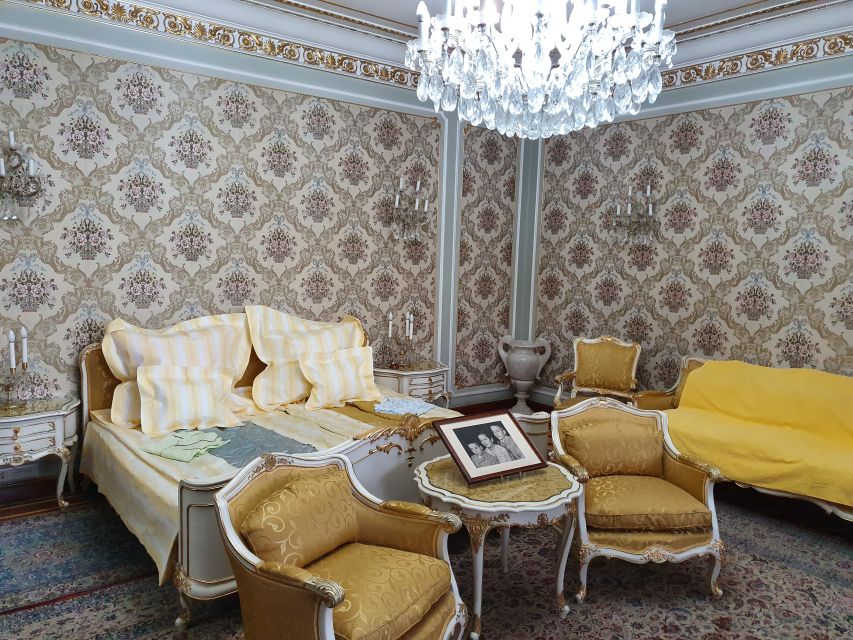
Calea Victoriei is Bucharest’s historic central avenue and the longest urban section of the tour. You have about an hour and a half for sightseeing, guided commentary, free time, and possible shopping.
The avenue is valuable because its buildings do not tell one neat story. You can see the Royal Palace on one side and the former Central Committee of the Romanian Communist Party nearby. Churches, museums, theatres, restaurants, tea shops, music stores, casinos, retail shops, and souvenir stores add other layers to the street.
I like this part because it puts architectural changes within walking distance of one another. You might pass old Orthodox churches, ornate public buildings, and commercial spaces that reflect later changes in city life. The Romanian Athenaeum, the National History Museum, and the CEC Palace are among the landmarks connected with this section.
The amount of free time is useful if you want to browse for music or souvenirs, but the schedule still requires discipline. Calea Victoriei can easily absorb an afternoon on its own. On this route, you are using it as a guided overview, not a slow street-by-street exploration.
Ask your guide to point out the buildings that best show the city’s changing power structure. That will make the avenue more meaningful than simply photographing attractive facades.
Revolution Square and the memory of December 1989
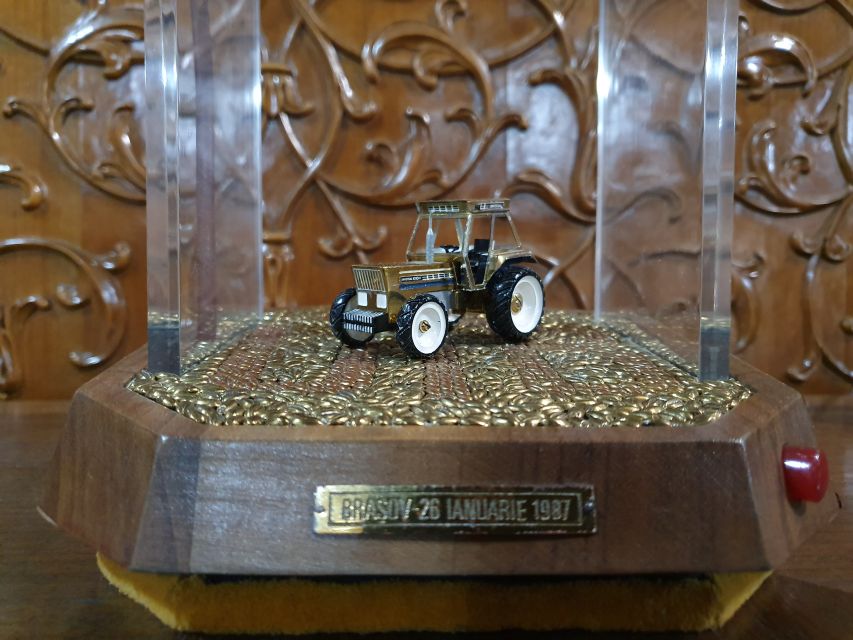
Revolution Square brings the political story into focus. The square is tied to the moment when Nicolae Ceaușescu was removed from power, and the former Communist Party headquarters is central to that story.
The tour also refers to the Senate Palace and the building that once housed the Central Committee of the Romanian Communist Party. This is where the December 1989 revolution began, a turning point that ended Ceaușescu’s rule through public protest and sacrifice.
You have about 30 minutes here. That is enough for a guided explanation and photographs, but the subject deserves more time than the schedule allows if you want to examine every detail or discuss the revolution at length.
I would treat this as a place for listening rather than rushing from one facade to another. The guide can explain how the public square, the party headquarters, and Ceaușescu’s escape by helicopter fit together. Without that context, the buildings may look like ordinary government offices. With it, the square becomes one of the most important political spaces in modern Romania.
The Athenaeum, CEC Palace, and Parliament

The Romanian Athenaeum receives its own 30-minute stop. It is one of the city’s architectural landmarks, and the guided walk gives you a chance to see it within the wider story of central Bucharest.
The itinerary also includes the CEC Palace, with about 15 minutes for a break, photographs, a visit, and free time. That is a short stop, but it works well as a quick architectural pause between the larger historical sections.
The Palace of the Parliament follows with about 30 minutes for photographs, a visit, and sightseeing. The building represents the scale and ambition of Ceaușescu’s state. Even a short stop can help you understand how different it is from the Village Museum’s small houses and the private scale of the mansion.
Be clear about what this schedule offers. The information provided describes a visit and guided sightseeing at these sites, not a long interior tour of every building. If you want extensive interior access, ask about the exact admission arrangements before booking. Entrance fees are extra, and the total estimate is about 17 euros per person.
Transport, timing, and the value of a private guide
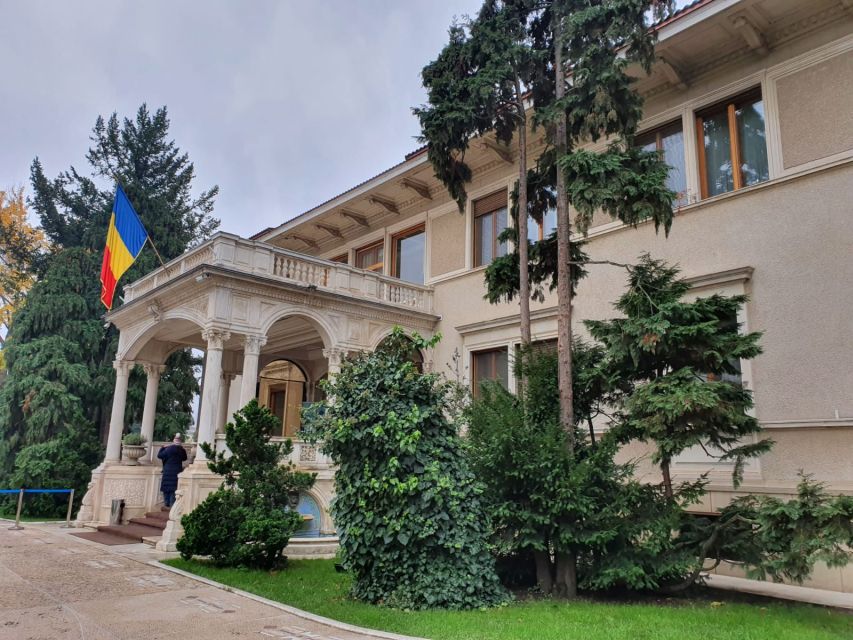
Pickup is included in Bucharest, and the driver holds a sign with your last name. You travel in a private car or minibus used only by you and your companions. Fuel, parking, and road tolls are covered.
That setup removes several small problems. You do not need to find a taxi for Snagov, work out parking near central landmarks, or keep regrouping with strangers. The guide stays available throughout the tour and can speak Romanian, English, Italian, French, Spanish, or German.
The route includes a lot for one half-day. The stated timing lists the Village Museum at one hour, Snagov at one hour, the mansion at one hour, Calea Victoriei at one and a half hours, Revolution Square at 30 minutes, the Athenaeum at 30 minutes, the CEC Palace at 15 minutes, the Parliament area at 30 minutes, and a final Bucharest segment at 45 minutes.
Those listed stop times add up to more than six hours, especially once driving is included. I would confirm the exact day plan and opening arrangements before paying. The private format gives the guide room to adjust, but it cannot remove the distance between Snagov and Bucharest or make every stop a full museum visit.
Food and drinks are not included. Plan to buy them yourself during the city portion or ask the guide how the day’s breaks are handled.
Who should book this tour?
I would recommend this tour to you if you want a broad first look at Bucharest and nearby Ilfov without arranging transport yourself. It suits couples, families, and small groups who value a private guide and prefer a mixed program over a single museum or neighborhood.
It is especially good for you if the following combination appeals:
- Romanian village architecture
- A monastery with an island setting and Dracula associations
- The private home of the Ceaușescu family
- Communist-era political sites
- Royal and historic city architecture
- A flexible private vehicle
I would think twice if you want slow museum visits, long meals, or a relaxed day with only two or three main stops. The route is ambitious, and the central Bucharest landmarks receive limited time after the excursions outside the city.
The strongest praised features are the guide’s ability to explain the contrasts and the sense of a day full of different worlds. One booking from Switzerland described the experience as a day of contrasts, moving from huge communist buildings to Art Deco and Baroque architecture, then to the romantic lake setting and Dracula’s tomb. That is a fair description of the route’s appeal. The available ratings are all five out of five, including comments in German, Italian, and French about an informative guide and an excellent overall experience.
Book it if you want the big picture and the convenience of private transport. Skip it if you would rather spend a full day slowly exploring central Bucharest or the Village Museum alone.
FAQ
How long does the tour last?
The stated duration is six hours, with pickup and return in Bucharest.
Is this a private tour?
Yes. The car or minibus is reserved for you and your friends or family.
Where does pickup take place?
Pickup is in Bucharest. The driver holds a sign displaying your last name.
Which languages can the guide speak?
Guides are available in Romanian, English, Italian, French, Spanish, and German.
Is Snagov Monastery outside Bucharest?
Yes. It is about 40 minutes from Bucharest and is located on an island.
Is the Dracula tomb included in the visit?
Yes. Snagov Monastery is presented as the location of Dracula’s tomb, and the visit includes guided sightseeing and photographs.
Are entrance fees included?
No. Entrance fees are separate and are estimated at about 17 euros per person.
Are food and drinks included?
No. You pay separately for food and drinks.
Can the schedule be changed during the tour?
Yes. The private format allows flexibility for changes to the daily route, including changes made after the tour begins.
Newly written up around Romania
- Small Group Tour to Mogosoaia Palace and Snagov Monastery★ 5.0 · 23 reviews
- Mogosoaia Palace & Snagov Monastery: Private tour from Bucharest★ 4.5 · 14 reviews
- Private Half Day Trip to Snagov Monastery and Mogosoaia Palace from Bucharest★ 4.5 · 13 reviews
- Bulgaria Day Trip: Basarabovo Monastery, Tsarevets & Arbanasi★ 5.0 · 3 reviews
- Transfagarasan Highway Balea Lake and Carta Monastery from Brasov★ 5.0 · 20 reviews
- Private Half Day trip to Slanic Salt Mine and Snagov Monastery★ 5.0 · 8 reviews
- Private Half Day Trip to Snagov Monastery & Mogosoaia★ 4.1 · 29 reviews
- Brasov: Transfagarasan Highway, Balea Lake & Carta Monastery★ 4.6 · 29 reviews
Romania Temple Tours, compared.
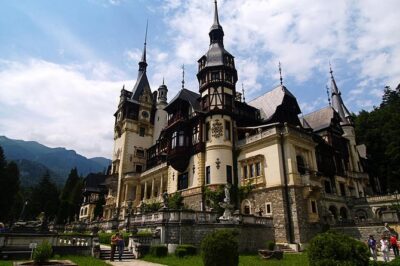
3-Castle: Peles,Bran,Rasnov,Sinaia Monastery from Brasov w pickup
Read our review →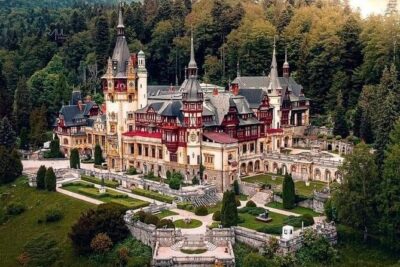
Peles Castle, Bran Castle, Rasnov Fortress and Sinaia Monastery Tour from Brasov
Read our review →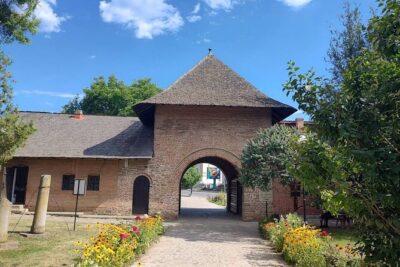
Princely Court of Târgoviște and Curtea de Argeș Monastery
Read our review →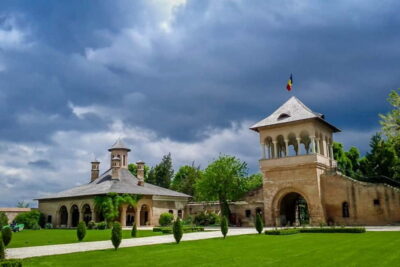
Small Group Tour to Mogosoaia Palace & Snagov Monastery
Read our review →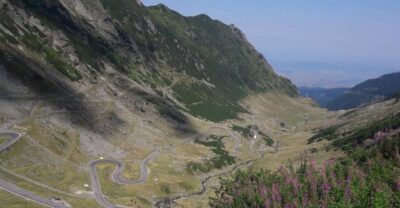
Brasov: Transfagarasan Highway, Balea Lake & Carta Monastery
Read our review →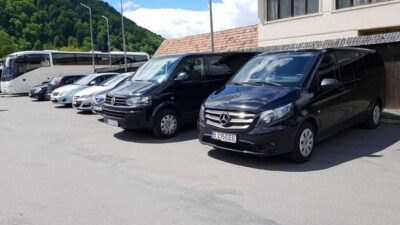
Private Half Day Trip to Snagov Monastery & Mogosoaia
Read our review →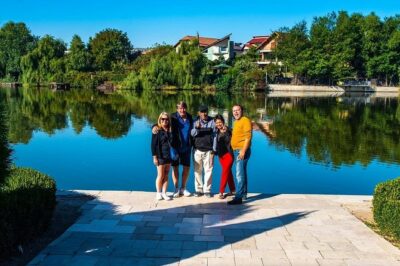
Small Group Tour to Mogosoaia Palace and Snagov Monastery
Read our review →
Transfagarasan Highway Balea Lake and Carta Monastery from Brasov
Read our review →Browse the lists this tour appears in