
Reviewed · SPAIN TEMPLE TOURS
From Girona: Cadaqués, St Pere de Rodes Monastery
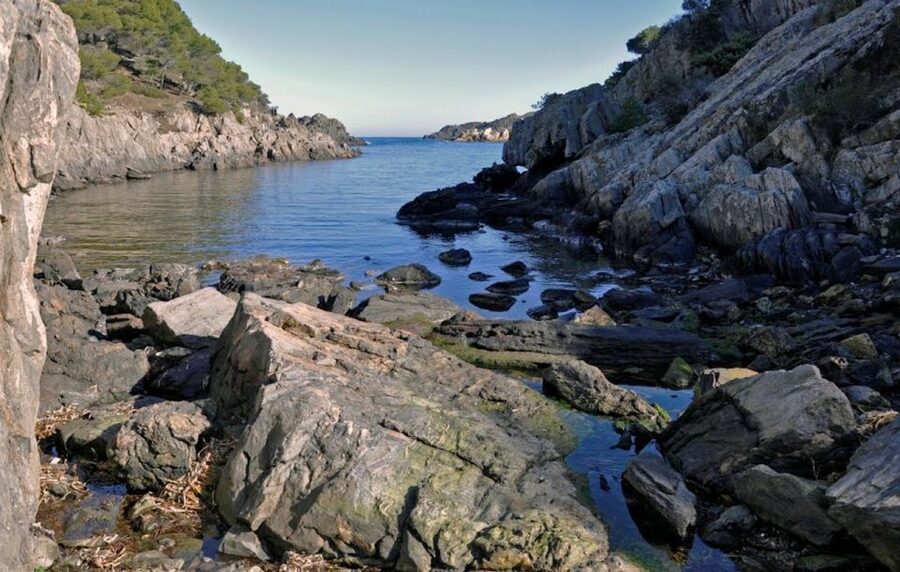
Cap de Creus gives this day its drama: bare rock, sea cliffs, wind-shaped plants, and broad views across the Gulf of Roses. Then the mood shifts completely at Cadaqués, a white coastal village tied closely to Salvador Dalí. I like that you get both wild nature and a lived-in Catalan town, not just one scenic viewpoint.
I also like the small van, limited to six people, and the monastery visit with a guide. Claudia, Kim, and Pau have each led especially well-received trips, with Claudia praised for tailoring the day to her group and Pau for bringing the monastery and park to life. The main drawback is the long day, with nearly four hours in the van, plus a warning that the Cap de Creus section may close from June through September because of fire risk.
Key points to know before booking
- Cap de Creus offers the day’s boldest scenery: Expect cliffs, rocky formations, sparse vegetation, and views over the Gulf of Roses.
- Cadaqués gets about 2.5 hours: You have time for a guided walk, free time, the Santa Maria Church area, beaches, and lunch.
- Port Lligat is a short photo stop: This is where Salvador Dalí lived for many years, but the stop lasts only about 10 minutes.
- Sant Pere de Rodes is more than a quick photo stop: A one-hour guided visit focuses on one of Catalonia’s major Romanesque monasteries.
- The small group matters: With no more than six participants, the guide can answer questions and adjust the pace more easily.
- Budget €6 extra for the monastery: Food, drinks beyond the supplied water, and the entrance ticket are not included.
Why this Costa Brava day works so well
This is a full-day outing from Girona for people who want to see a wilder side of Catalonia without arranging several buses, transfers, and reservations. It links three very different places: the exposed headland of Cap de Creus, the compact seaside streets of Cadaqués, and the mountain monastery of Sant Pere de Rodes.
That variety is the real value. You are not spending nine hours looking at similar coastal views. The day moves from nature to art and village life, then to medieval architecture. I find that kind of mix more satisfying than a tour built around one famous town.
The price is $175 per person. That is not cheap, but it includes transport from central Girona, an air-conditioned vehicle, a live guide in English or Spanish, and a full nine-hour schedule. For a small group of up to six, the price can make sense if you value convenience and commentary. It is less appealing if you prefer to linger at one place or are comfortable arranging regional transport yourself.
Other temple visits near Spain we have written up
- Montserrat Monastery Half Day Experience from Barcelona
★ 5.0 · 6,014 reviews - Montserrat Monastery Small Group or Private Tour Hotel pick-up
★ 5.0 · 5,144 reviews - Escorial Monastery and the Valley of the Fallen Tour from Madrid
★ 5.0 · 2,494 reviews
Leaving Girona in a six-person van
The meeting point is Plaça de Sant Feliu, beside the River Caffe in Girona. From there, the first drive takes about 1.5 hours. The vehicle has air conditioning, which matters on a long summer road day, and the small size should make the ride less crowded than a standard coach excursion.
You will spend a fair amount of the day in the van. The listed driving time adds up to roughly four hours, including the return to Girona. That sounds like a lot, but the destinations are spread across the northern Costa Brava, near the French border. The transport is what makes this combination possible in one day.
A small group also gives the guide room to make the experience feel less fixed. Claudia has been praised for shaping the outing around a group of three, while Kim and Pau have also received strong praise for their English and historical commentary. Guides can speak English or Spanish, so choose the language that lets you follow the stories and ask questions comfortably.
Bring water, sunscreen, a hat, and comfortable shoes. A bottle of water is supplied, but lunch and other drinks are on you.
Cap de Creus: rock, wind, and open sea
The first major stop is Cap de Creus Natural Park, at the northeastern tip of the Iberian Peninsula. The setting is unlike the softer, more built-up parts of the Costa Brava. Here, the coast is marked by cliffs, rough rock formations, and vegetation shaped by sun and wind.
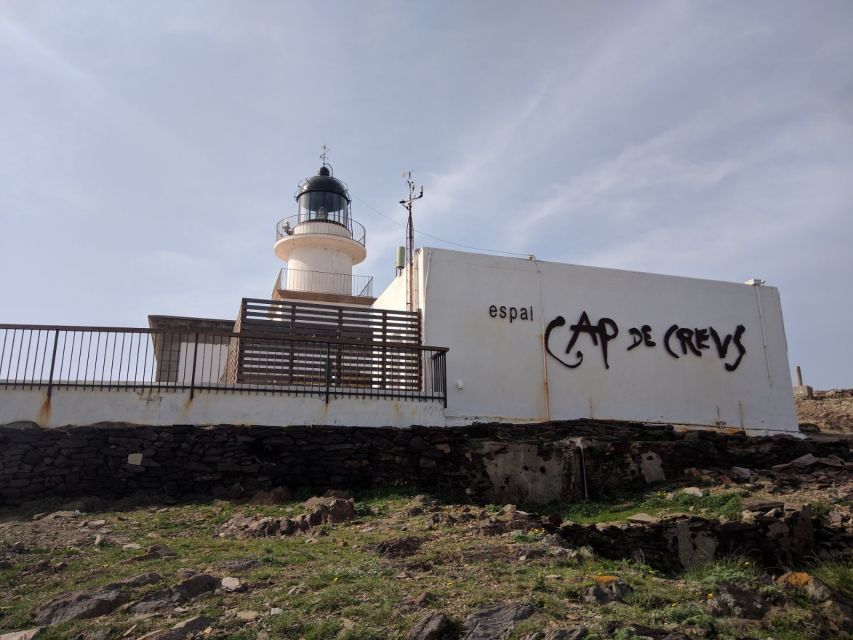
The guided visit lasts about 30 minutes. You can walk around, take in the views across the Gulf of Roses, and visit the lighthouse area if conditions and access allow. This is a short stop, so you should expect an introduction to the park rather than a long hike.
The scenery is the star. The exposed rock makes the area feel stark and almost otherworldly, especially beside the open sea. It is a good place for photographs, but the view is not the only point. The park shows you why this part of the coast feels so different from a resort beach town.
There is one important seasonal issue. The Cap de Creus section can be closed from June through September because of high fire risk. The supplied schedule notes this restriction, so check the operating details before you commit to a summer date. If the park access changes, the rest of the day still includes Cadaqués and Sant Pere de Rodes, but the natural highlight may be affected.
Do not treat this as a strenuous hike. The listed walk is only about 30 minutes, but uneven or exposed ground can still be uncomfortable for anyone with mobility limitations. The experience is specifically not suitable for people with mobility impairments.
Port Lligat and the Dalí connection
The van then takes about 10 minutes to Port Lligat for a photo stop lasting roughly 10 minutes. This is the place associated with Salvador Dalí, who lived there for many years. The small bay and coastal setting also help explain why Cadaqués and its surroundings appeared so often in his work.
Keep your expectations in check. This is not a long museum visit or an extended exploration of Dalí’s home. It is a brief stop for photographs and context before continuing to Cadaqués.
That short pause still adds meaning to the day. Without it, Cadaqués might seem like only a pretty white village. Port Lligat connects the village to the artist who made this corner of Catalonia famous far beyond the coast.
A different set of gates, same trip:
- Montserrat Museum and Monastery Entry Ticket
★ 4.5 · 1,740 reviews - Montserrat Small Group: Monastery, Black Madonna & Natural Park
★ 5.0 · 1,690 reviews - From Madrid: Escorial Monastery and the Valley of the Fallen
★ 4.7 · 1,434 reviews - Madrid: Flamenco Show at Tablao Sala Temple with Drink
★ 4.8 · 1,206 reviews
Two and a half hours in Cadaqués
Cadaqués is the heart of the day for many people. The van ride from Port Lligat takes about 10 minutes, and you then have around 2.5 hours for a guided visit and free time.
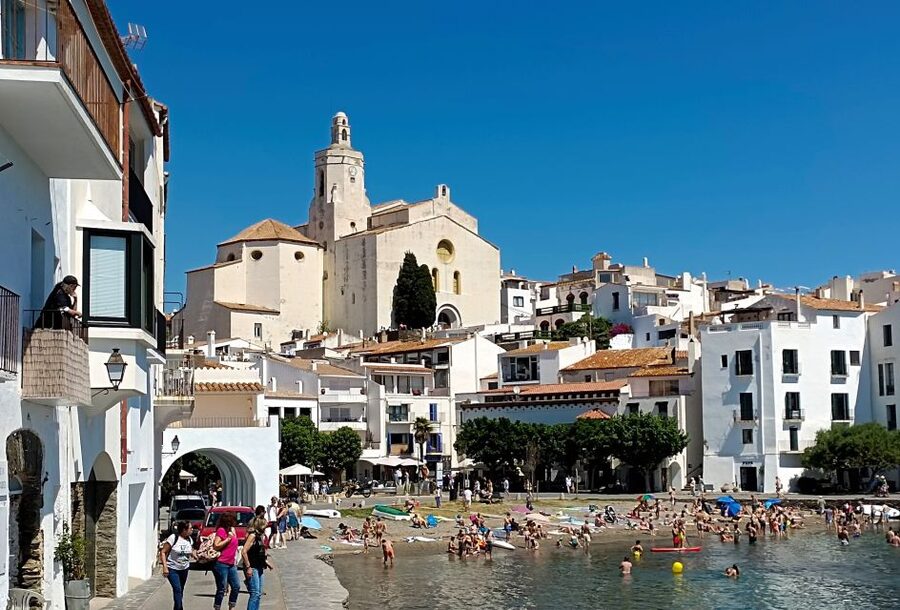
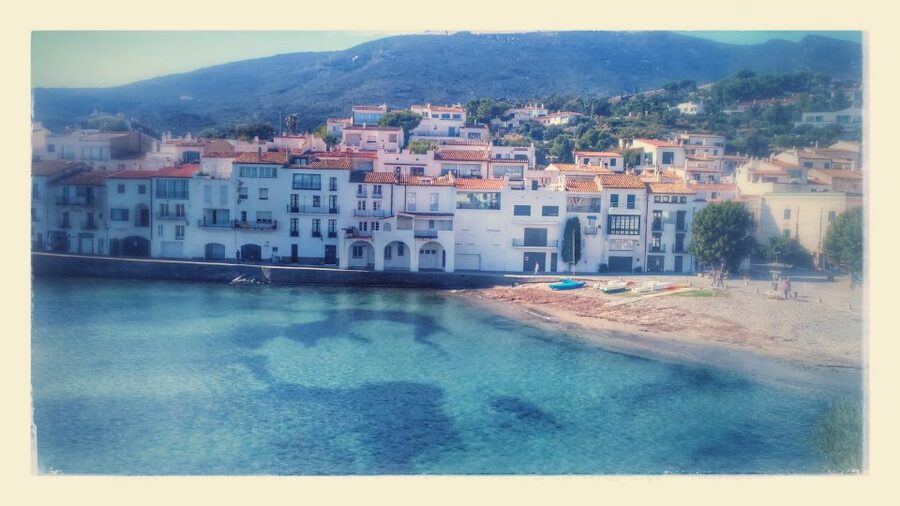
The town is compact but full of visual detail. Its streets are paved with pointed stones, and white buildings climb above the water. You can walk along the beaches, explore the lanes, and make your way toward the Church of Santa Maria, which sits in the highest part of the village.
I like the balance here. You are not rushed through Cadaqués in 45 minutes, but you are also not left with a full afternoon that might feel too long for a small town. Two and a half hours gives you time to follow the guide, take photos, and enjoy lunch at your own pace.
Lunch is not included, so this is where you will need to plan your spending. The tour details do not specify a restaurant or set menu. That gives you freedom, but it also means you should budget for food and keep an eye on the time before the group leaves.
Cadaqués can also be busy and popular, particularly in the warmer months. The narrow streets and coastal setting are part of its charm, but they can make the town feel less peaceful than the surrounding park. I would enjoy the walk rather than expect a quiet, untouched village.
The Church of Santa Maria is worth noticing because of its high position. From the upper part of town, you get a different sense of how Cadaqués is arranged around the coast. Even if you do not spend long inside the church, reaching this part of the village helps turn a simple stroll into a proper orientation.
Sant Pere de Rodes and Catalan Romanesque architecture
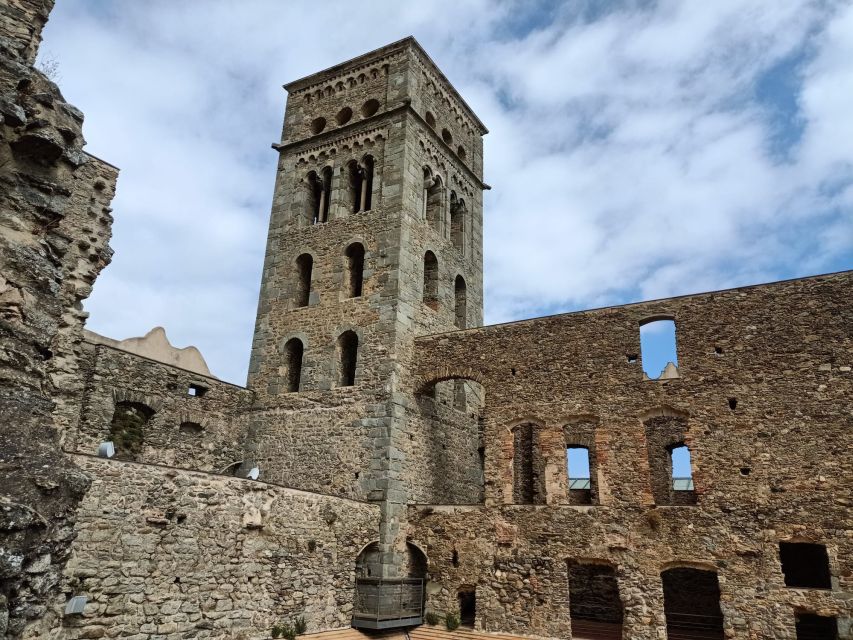
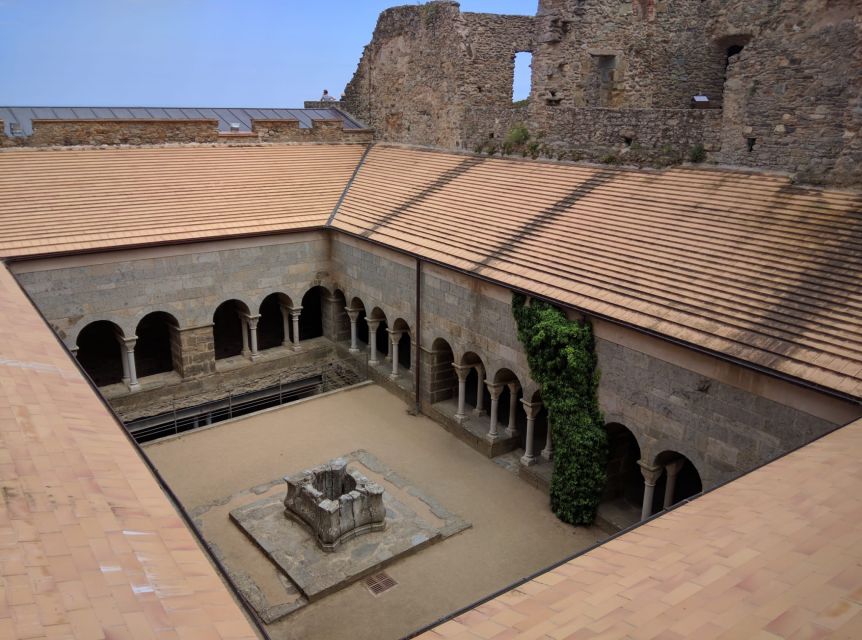
After Cadaqués, the drive to Sant Pere de Rodes takes about 35 minutes. The monastery sits in the Rodes mountain chain at an altitude of about 520 meters, with views toward the Bay of Port de la Selva and the northern part of Cap de Creus.
The setting is a major part of the visit. After the bright sea and white buildings of Cadaqués, the monastery feels remote and elevated. You can look back toward the coast and understand how carefully the site was positioned above the surrounding area.
The guided visit lasts about one hour. Sant Pere de Rodes is considered one of the main examples of Romanesque architecture in Catalonia, with a church noted for its unusual design. The monastery’s origins are tied to legends as well as archaeological and historical questions, which gives the place a slightly mysterious character.
I would pay close attention to the guide here. A Romanesque building can look plain if you do not know what to notice. Details about the church, the monastery’s setting, and the stories surrounding its origins help turn old stone into a readable place.
The entrance ticket costs €6 per person and is not included in the tour price. That is a modest extra charge, but it is easy to overlook when comparing excursions. Add it to the budget, along with lunch and drinks.
The monastery visit is also the part of the day that gives the trip its strongest historical weight. Cap de Creus offers natural drama, and Cadaqués gives you coastal culture and Dalí associations. Sant Pere de Rodes adds medieval Catalonia and Romanesque architecture to the picture.
What the guide can add to the day
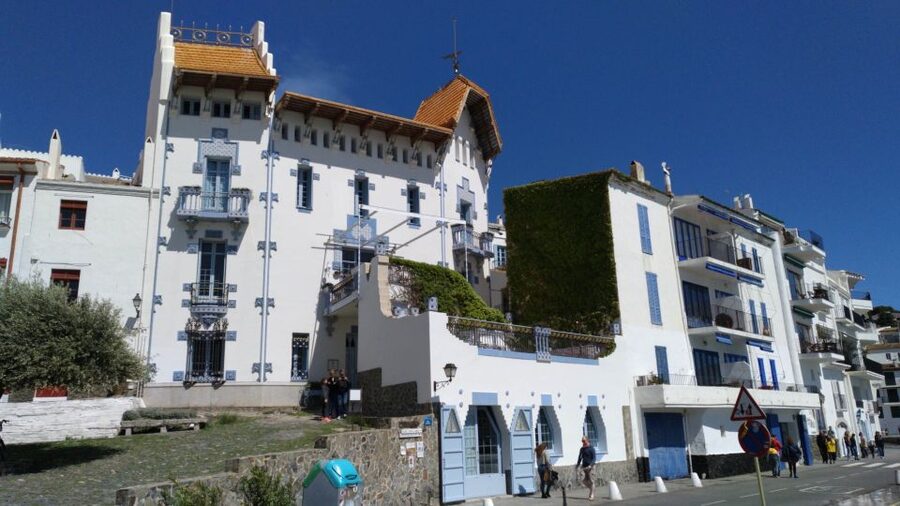
A guide is especially useful on this route because the stops are connected by stories, not just distance. At Cap de Creus, the guide can explain the park and its distinctive rock and plant life. In Cadaqués, the commentary can link the town to Dalí and point out the church and old streets.
At the monastery, guided explanation matters even more. The site’s legends, architectural importance, and mountain position are not always obvious from a quick walk through the church.
The strongest guide feedback names Claudia, Kim, and Pau. Claudia has been praised for speaking excellent English, driving carefully, and adapting the day to a small private party. Kim has been described as genuinely interested in history, while Pau has been praised for using historical anecdotes to make the park and monastery easier to understand.
Those details matter because the experience is not built around long independent visits. You have a set amount of time at each place. A good guide helps you spend those minutes well.
Is the nine-hour schedule comfortable?
The tour begins and ends at Plaça de Sant Feliu, with an overall duration of nine hours. The schedule is efficient, but it is not leisurely in the slow-travel sense.
You will drive for about 1.5 hours at the start, then make short transfers between Cap de Creus, Port Lligat, Cadaqués, and the monastery. The return drive from Sant Pere de Rodes to Girona takes about 70 minutes. The van time gives you breaks between walks, but anyone who dislikes road travel should think carefully before booking.
The schedule works best if you want to see a lot in one day. You get enough time in Cadaqués to feel the town, a clear look at Cap de Creus, and a proper monastery visit. It is not the right choice if you want a long coastal hike, an extended beach stop, or a detailed visit connected to Dalí.
The day also involves walking on village streets and around a historic site. Comfortable shoes are essential. A hat and sunscreen are wise even outside the hottest months because several stops are exposed.
Who should book this experience?
I would recommend this tour to you if you are staying in Girona and want an easy way to reach the northern Costa Brava without renting a car. It suits first-time visitors who want scenery, a famous village, and a major historic site in one outing.
It is also a good match for small groups and couples who prefer conversation and flexibility over a large coach. A maximum of six participants creates a more personal setting, and the guide may be able to respond to your interests more easily.
You should think twice if you have mobility limitations, dislike winding or extended van rides, or want a day with no fixed timetable. You should also confirm the Cap de Creus conditions if booking between June and September, since fire restrictions can close that section of the park.
Free cancellation up to 24 hours before departure and the option to reserve now and pay later add useful flexibility. They do not change the main decision, though: this is a packed sightseeing day with significant driving.
Should you book the Cadaqués and Sant Pere de Rodes tour?
Book it if you want the northern Costa Brava in one carefully connected day. The mix is strong: Cap de Creus for raw coastal scenery, Port Lligat for the Dalí link, Cadaqués for village life, and Sant Pere de Rodes for medieval Catalan architecture.
At $175, the tour earns its price through transport, a six-person group, and live guiding rather than through included meals or entrance fees. Add €6 for the monastery and money for lunch.
I would choose this experience for convenience, variety, and the chance to ask questions in a small group. I would skip it only if you want a slow day, a long hike, or several hours devoted to Cadaqués alone.
FAQ
Where does the tour start and finish?
The tour starts and returns at Plaça Sant Feliu in Girona, beside the River Caffe.
How long does the experience last?
The full tour lasts nine hours.
What languages are available?
The live guide can conduct the tour in English or Spanish.
How large is the group?
The group is limited to six participants.
Is lunch included?
No. Food and additional drinks are not included. A bottle of water is provided.
Is the Sant Pere de Rodes entrance ticket included?
No. The monastery ticket costs €6 per person and must be paid separately.
Is the tour suitable for people with mobility impairments?
No. The experience is not suitable for people with mobility impairments. Comfortable shoes are recommended for the walking portions.
Newly written up around Spain
- Montserrat Monastery Horse Riding & Walk – Small Group (Max 8)★ 5.0 · 45 reviews
- Transfer to Montserrat Monastery from Barcelona★ 4.5 · 94 reviews
- Montserrat & beyond private from Barcelona with different options★ 5.0 · 32 reviews
- Private Montserrat & Hot-Air Balloon Ride with Monastery visit★ 4.5 · 5 reviews
- Montserrat Nature Walk, Monastery and Museum from Barcelona★ 5.0 · 58 reviews
- Montserrat Monastery and Mountain Half Day Hiking from Barcelona★ 4.5 · 6 reviews
- Montserrat Tour with Cogwheel Train, Monastery & Black Madonna★ 4.0 · 10 reviews
- Montserrat Land of Shrines – One Day Small Group Hiking Tour from Barcelona★ 5.0 · 38 reviews
Spain Temple Tours, compared.
Montserrat Monastery Half Day Experience from Barcelona
Read our review →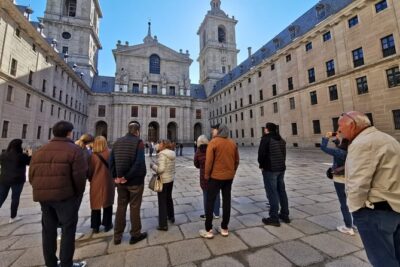
Escorial Monastery and the Valley of the Fallen Tour from Madrid
Read our review →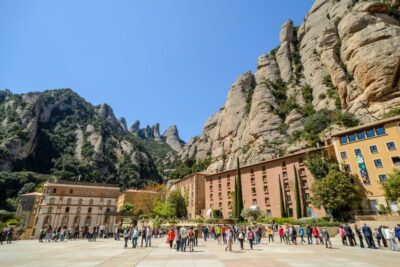
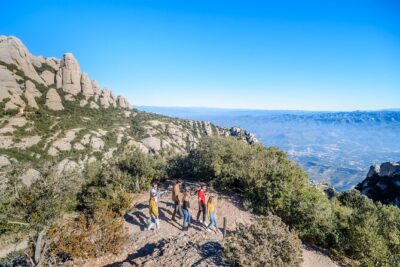
Montserrat Small Group: Monastery, Black Madonna & Natural Park
Read our review →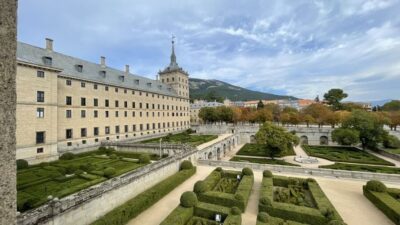
Escorial Monastery and the Valley of the Fallen
Read our review →
Flamenco Show at Tablao Sala Temple with Drink
Read our review →
From Seville: Italica Roman City & Medieval Monastery Tour
Read our review →
Escorial Monastery and the Valley of the Fallen from Madrid
Read our review →Browse the lists this tour appears in