Reviewed · THAILAND TEMPLE TOURS
Chiang Mai: Evening Chanting & Meditation
The most meaningful part of this Chiang Mai evening is that you do not simply watch a temple ceremony from the edge. You sit with the monastic community, listen to the chanting, and take part in a short meditation and Metta practice. Former monk Son has led many sessions, explaining Buddhist ideas in plain English and drawing on his 13 years in the monkhood.
I like the quiet, personal setting and the chance to ask monks questions after the formal practice. I also like the price: at $20, this is a useful introduction to Buddhist thought without the cost or polish of a large cultural show. The main consideration is that the chants are not provided in English, so some of the ritual may feel hard to follow at first.
Key points to know before booking
- Chanting lasts about 40 to 50 minutes, giving you time to settle into the rhythm rather than rushing through a photo stop.
- A 15-minute guided meditation follows the chanting, with help for quieting your thoughts and sitting still.
- Metta practice sends good wishes to loved ones, people who have died, and all living beings.
- Former monks may guide the evening, including Son, Earth, Big, and Paponsonkl, depending on the date.
- The advertised price is $20 per person, with transportation and refreshments left to you.
- The meeting details need checking, since the information names Wat Lok Moli as the meeting point while the experience itself takes place at Wat Chai Sri Phoom.
What this Chiang Mai temple evening is really like
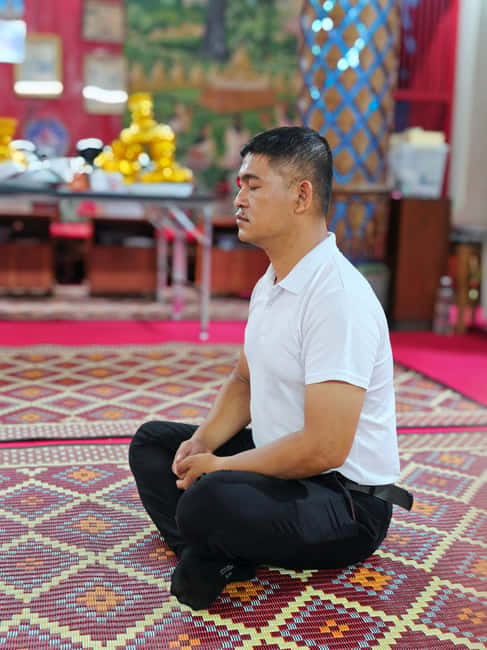
This is a small-scale spiritual and cultural experience, not a sightseeing tour with a long list of monuments. The point is to slow down and listen. For three hours, you move through chanting, meditation, Buddhist teaching, and conversation with monks or lay practitioners.
The evening is conducted in English or Thai. That matters because the value depends heavily on explanation. The chanting itself is in a traditional language rather than everyday English, but your guide helps explain what is happening and why. Son, in particular, is described as a former monk who can speak about both Buddhist philosophy and daily monastic life.
You should arrive at least 15 minutes early. That gives you time to find the guide, settle your mind, and adjust to the temple setting before the ritual begins. Bring water and wear comfortable, modest clothing. This is a place of worship, so covered shoulders and knees are the sensible choice.
The supplied information names Wat Lok Moli as the meeting point, with the guide waiting in front of the temple. It also names Wat Chai Sri Phoom as the setting for the activity and says the location may change. Check your booking confirmation carefully before leaving your hotel. Do not assume that the meeting point and ceremony site are the same place.
Other temple visits near Thailand we have written up
- From Bangkok: Ayutthaya Temples Guided Tour with Lunch
★ 4.7 · 10,535 reviews - Chiang Mai: Chiang Rai Temples, Karen Tribe and Hot Springs
★ 4.7 · 5,401 reviews - Bangkok: City Highlights Temple and Market Walking Tour
★ 4.5 · 3,990 reviews
Sitting with the monks during evening chanting
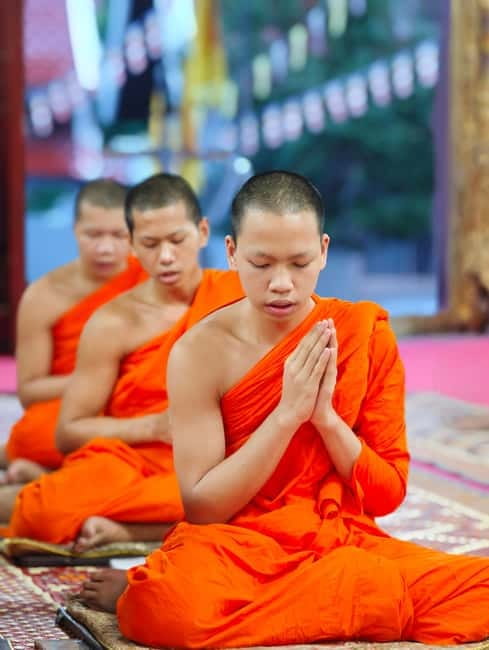
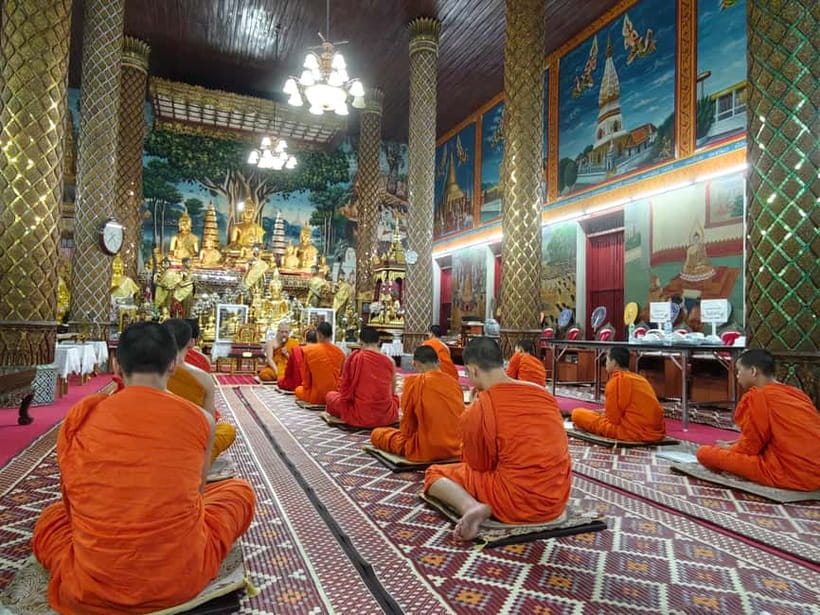
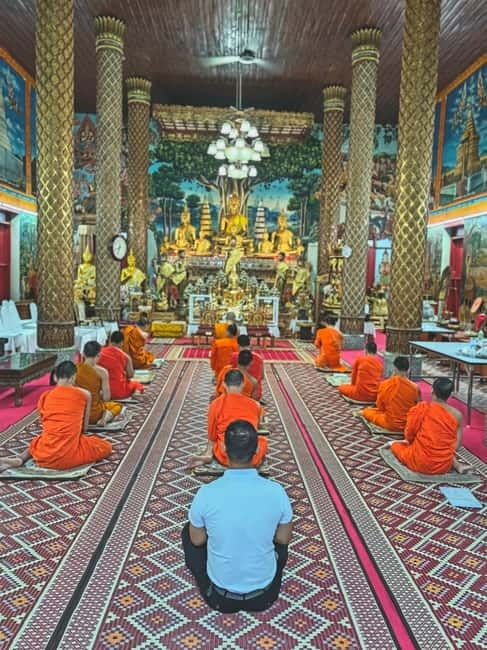
The central part of the experience is the chanting, which usually takes 40 to 50 minutes. You sit with the monks as they recite sacred texts in a steady, sonorous rhythm. The appeal is not that you will understand every word. It is the sound, pace, and shared attention.
You can close your eyes and focus on the voices, or watch the ritual and follow your guide’s explanation. The repeated tones can make it easier to stop thinking about the day’s errands and noise. This is a useful distinction: the chanting is not a performance arranged for tourists. You are being invited to sit near an existing religious practice.
One limitation is clear. The chant does not come with an English version, and one participant specifically wished for a translation. If you need to understand every line as it is spoken, this may feel incomplete. If you are willing to experience the sound first and ask questions later, the format works better.
Show respect by keeping your phone silent and leaving flash photography and smoking out of the evening. You should not treat the ceremony as a photo opportunity. The best approach is simple: sit quietly, follow instructions, and watch how the monks and other participants behave.
A short meditation that asks for stillness
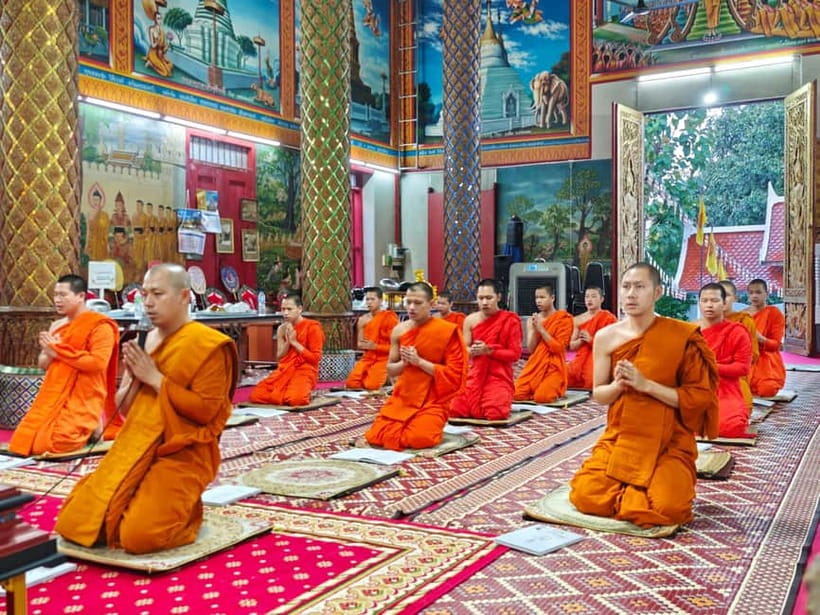
After the chanting, the group moves into a 15-minute silent meditation. Your guide gives instructions intended to quiet the mind and help you pay attention to the present moment.
Fifteen minutes is long enough to feel substantial, but short enough for a first attempt. You do not need previous meditation experience. The session is also not a promise of instant calm. Your back may ache, your mind may wander, and the temple sounds may still reach you. That is normal. The value is in learning how the practice begins, not in performing it perfectly.
The experience is not suitable for people with back problems, and it is not wheelchair accessible. That makes the practical side important. Ask about the sitting arrangement before booking if you need specific support. Children under 10 are not accepted, so this is aimed at older children and adults who can manage a quiet religious setting.
Metta practice and the wider meaning of the evening
Metta is the part that gives the evening an especially warm, human focus. You extend wishes for well-being to people you love, those who have died, and all beings. The practice shifts attention away from personal stress and toward goodwill.
You do not need to be Buddhist to take part. The guide presents the practice as something that can relate to everyday life, not only temple ritual. That makes it easier to understand why this is more than a cultural demonstration. You are being shown a way of directing your thoughts and emotions.
The tone is gentle rather than demanding. You can take the practice seriously without adopting a new religion. For someone curious about meditation, compassion, or Buddhist ideas, this may be more useful than a standard temple visit where you see the architecture and leave without context.
A different set of gates, same trip:
- Bangkok by Night: Temples, Markets and Food Tuk-Tuk Tour
★ 5.0 · 3,752 reviews - Bangkok: Grand Palace, Wat Pho, and Wat Arun Guided Tour
★ 4.8 · 3,632 reviews - Krabi: Tiger Cave Temple, Emerald Pool and Hot Springs Tour
★ 4.8 · 3,616 reviews - Bangkok: Temples, Canals & Local Life Bike Tour
★ 4.9 · 3,511 reviews
Conversation with monks after the formal practice
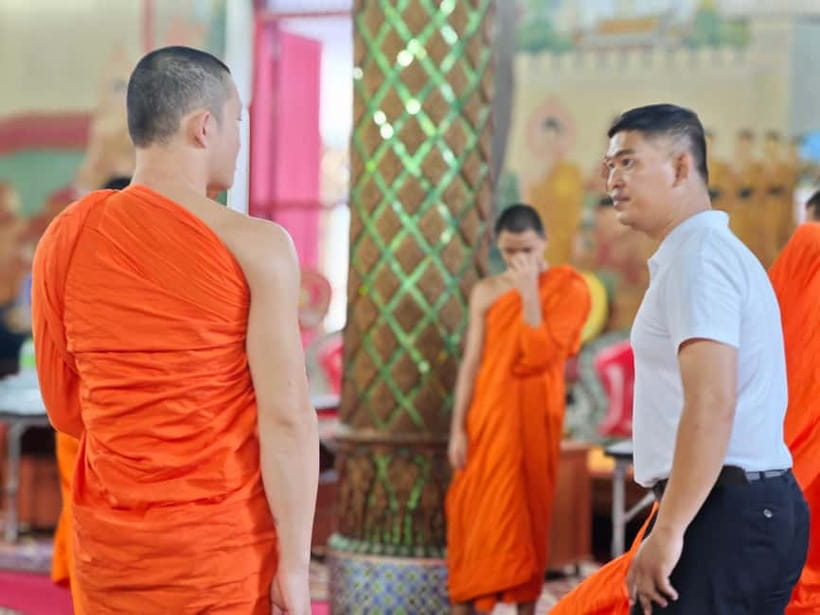
The formal program is only part of the evening. You may hear senior monks speak with younger monks and lay practitioners, and there is time to ask questions about Buddhist philosophy, daily life, and meditation.
This conversation is where the guides’ personal backgrounds matter most. Son is described as a former monk of 13 years, and Paponsonkl also guided visitors through chanting, meditation, the story of the Buddha, and Buddhist practice. Earth and Big have also led sessions, with Big receiving specific praise for patience and understanding.
The exact amount of conversation can vary. The scheduled experience lasts three hours, while the advertised guided portion is listed as two hours. Some sessions may include a longer informal discussion after meditation, but you should not assume that every evening will run far beyond the stated duration.
Topics can include why monks chant, how meditation fits into monastic life, Buddhist philosophy, and the guide’s own experience as a monk. This is the strongest reason to choose this activity over attending a temple service alone. You have someone who can explain the customs and answer the basic questions that signs and guidebooks cannot.
At times, the discussion may be more valuable than the meditation itself. If you are curious about Thai culture and religious life, prepare a few questions before you arrive. You might ask how monks structure their day, what the chanting means, or how Metta is used outside the temple.
What the $20 price includes, and what it does not
At $20 per person, the experience offers a good value if you want direct access to a Buddhist setting and an English-speaking guide. You receive the guided meditation, the chanting experience with monks, and explanations of Buddhist philosophy and practice.
The price does not include transportation to or from Wat Chai Sri Phoom, meals, drinks, or personal expenses. You need to arrange your own way to the meeting point and carry your own water. Because the location information names both Wat Lok Moli and Wat Chai Sri Phoom, allow extra time for checking the precise instructions.
There is no meal attached to the activity, which is appropriate here. You are paying for time, explanation, and access to the ritual, not for a packaged evening of food and entertainment. If you mainly want photographs, a temple visit on your own will cost less. If you want context and a chance to speak with people connected to monastic life, the $20 is easier to justify.
The experience also offers reserve now and pay later booking, and cancellation is available up to 24 hours before the activity for a full refund. Starting times depend on availability, so check the date carefully before planning dinner or another evening event.
The guides make the biggest difference
The strongest feature is the guide’s ability to connect formal Buddhist practice with ordinary life. Son receives especially strong attention for his clear English, kindness, and first-hand experience as a monk. He is not simply translating words. He can explain what the practice feels like and how monastic life works.
That does not mean every session will have Son. The available names include Son, Earth, Big, and Paponsonkl, and the language may be English or Thai. If having a particular guide matters to you, confirm who is scheduled rather than assuming.
A former monk can also make the discussion more personal, but this is not a private spiritual consultation. The session gives you an introduction, not a full course in Buddhism. You should arrive with realistic expectations and allow the conversation to develop naturally.
The strongest feedback is consistent on this point: the guides are praised for clear explanations, patience, warmth, and personal experience. One session included a blessing at the end, but you should treat that as a possible part of the evening, not a guaranteed feature.
Who will get the most from this experience
I would choose this for an adult or older teenager who wants more than a quick temple visit. It suits you if you are curious about Buddhism, meditation, Thai culture, or the daily life of monks. It is also a good fit if you want a calm evening after a busy day in Chiang Mai.
It works especially well for first-time meditators because the session is short and guided. You are not expected to know Buddhist customs before arriving. The guide provides the bridge between the ritual and your own understanding.
I would be more cautious if you dislike sitting quietly, need full English translations during a ceremony, or have physical limitations that make temple sitting uncomfortable. The evening is not built around entertainment, food, or constant movement. Its rewards come from attention and conversation.
Families with children under 10 cannot book this activity. Wheelchair users and people with back problems should also look elsewhere unless the operator gives you different accessibility information directly.
Small details that will improve your evening
Wear loose, modest clothes that let you sit comfortably. Bring water, but avoid making noise with bottles or bags once the chanting begins.
Arrive 15 minutes early. The temple grounds are part of the transition from ordinary sightseeing to a quieter state of mind, and rushing in at the last moment works against the purpose of the evening.
Silence your mobile phone before the session starts. Do not use flash photography, and do not smoke. These are basic signs of respect, but they also help preserve the calm atmosphere for everyone present.
The booking information says skip the ticket line, although this is not a conventional attraction built around an entrance queue. The practical benefit is that your guide should help you enter the activity without dealing with a standard ticket desk.
Check the meeting point on the day of your booking. Wat Lok Moli is listed as the guide’s meeting place, while Wat Chai Sri Phoom is named as the activity location. Since the location may change, this is the one detail I would verify twice.
Should you book this chanting and meditation evening?
Book it if you want a respectful, personal introduction to Buddhist practice and the chance to speak with someone who has lived as a monk. At $20, the combination of chanting, guided meditation, Metta, and conversation offers solid value.
Skip it if you want an English-language ceremony, a sightseeing-heavy itinerary, or a polished show with guaranteed timing and features. The evening asks you to sit quietly, accept some uncertainty, and take the ritual on its own terms.
For the right person, this can become one of the more thoughtful evenings in Chiang Mai. Go for the contact with the monastic community, the practical explanations, and the chance to slow down. Just confirm the meeting location, dress respectfully, and arrive ready to listen.
FAQ
How long does the Chiang Mai chanting and meditation experience last?
The activity is advertised as three hours. The guided portion is listed as two hours, with chanting, meditation, teaching, and conversation making up the evening. The chanting itself usually lasts 40 to 50 minutes, followed by a 15-minute guided meditation.
Where do I meet the guide?
The meeting point is listed as Wat Lok Moli, where the guide will wait in front of the temple. The activity takes place at Wat Chai Sri Phoom, and the location may change, so check the current booking details before you go.
What languages are available?
The live guide is available in English and Thai.
Is transportation included?
No. Transportation to and from Wat Chai Sri Phoom is not included. Meals, beverages, and personal expenses are also your responsibility.
What should I wear and bring?
Wear comfortable, modest clothing suitable for a temple. Bring water, and arrive at least 15 minutes early. Silence your mobile phone before the session begins.
Can children or wheelchair users join?
Children under 10 are not suitable for this activity. The experience is also not suitable for wheelchair users or people with back problems.
Can I cancel or pay later?
You can reserve now and pay later. Cancellation up to 24 hours before the activity is available for a full refund.
Newly written up around Thailand
- 3-Hour Bangkok Walking Tour: Wat Pho and Wat Arun★ 5.0 · 102 reviews
- Bangkok Half Day Guided Tour: Grand Palace, Wat Arun & Wat Pho★ 5.0 · 4 reviews
- Visit Wat Pho and Wat Arun with Local Expert★ 4.0 · 14 reviews
- Bangkok 3 Temple Walking Tour: Wat Arun, Wat Pho, Wat Traimit★ 5.0 · 4 reviews
- Top 3 Bangkok Temples: Multilingual Private Tour [EN,ES,DE,IT,FR]★ 5.0 · 9 reviews
- Visit temples in and around Bangkok with a former monk of 10 years★ 5.0 · 30 reviews
- Bangkok Heritage Highlights: Grand Palace & Three Temples Tour★ 4.5 · 52 reviews
- Grand Palace & Emerald Buddha Private Tour [Optional Luxury]★ 5.0 · 27 reviews
Thailand Temple Tours, compared.
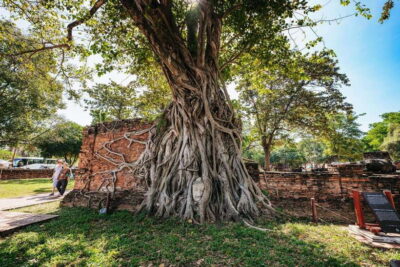
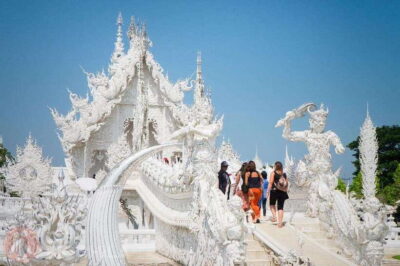
Chiang Rai Temples, Karen Tribe and Hot Springs
Read our review →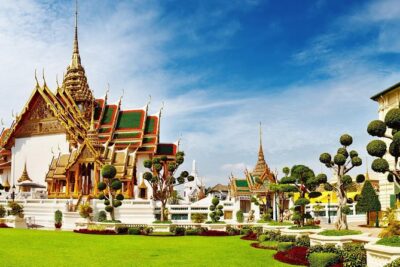
City Highlights Temple and Market Walking Tour
Read our review →
Bangkok by Night: Temples, Markets and Food Tuk-Tuk Tour
Read our review →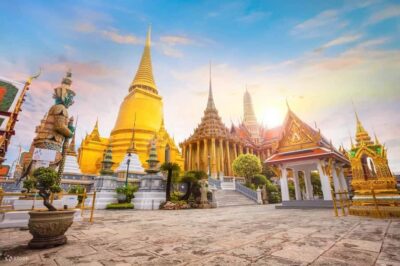
Grand Palace, Wat Pho, and Wat Arun Guided Tour
Read our review →
Tiger Cave Temple, Emerald Pool and Hot Springs Tour
Read our review →