
Reviewed · WHITE TEMPLE & BLUE TEMPLE TOURS
From Chiang Rai: Famous Temples and Golden Triangle Day Tour
Chiang Rai’s best sights are spread well beyond the city center, and this full-day tour packs them into one ambitious loop. You’ll see the glittering White Temple, the blue interior of Wat Rong Suea Ten, the unusual Black House, and the meeting point of Thailand, Myanmar, and Laos.
I like the wide range of stops and the way a good guide turns a long drive into a useful lesson about northern Thailand. I also like the flexibility: guides such as Bank, Mew, Mos, and Ra have been praised for giving people time to look around instead of rushing every photograph.
The trade-off is simple: this is a very long day, often lasting until about 7 p.m. Some extra stops, especially the border markets or Karen village, may not suit everyone. Ask what your chosen option includes before booking.
Key points at a glance
- Four major cultural stops: Visit the White Temple, Wat Huay Pla Kang, Black House, and Blue Temple in one day.
- Golden Triangle context: See where Thailand, Myanmar, and Laos meet, then visit the Hall of Opium for a clearer explanation of the region’s past.
- Lunch included: Stop at a local restaurant serving khao soi, Chiang Rai specialties, and other Thai dishes.
- Flexible guiding: Private and small-group formats are available, and guides are often willing to adjust time at each stop.
- Long but efficient: Hotel pickup, transport, entrance fees on the private option, drinks, lunch, and insurance make this useful when your time in Chiang Rai is limited.
Why this long day works for Chiang Rai
Chiang Rai is easy to explore badly. You can spend half a day reaching one temple, then discover that the Golden Triangle is still a long drive away. This tour solves that transport problem by linking the city’s major sights with northern Thailand’s farthest attractions.
At $57 per person, the value depends on the format you choose. A small group gives you a practical way to see a lot without arranging several separate taxis. A private tour costs more in total, but it includes entrance fees to the White Temple, Black House, and Golden Triangle, along with hotel pickup, lunch, water, an English-speaking guide, and insurance.
The group option does not include entrance fees, and a Karen village visit carries an extra fee if included. Check the exact booking choice carefully. The day can include several places beyond the main temple route, and the details may vary.
Hotel pickup is included in Chiang Rai. Be in the lobby 10 minutes early, since the driver waits no longer than five minutes after the scheduled pickup time. This matters on a tightly packed day, when one late departure can shorten your time at the final stops.
More White Temple and Blue Temple Tours in Thailand:
- Chiang Rai White Temple and Blue Temple Day Tour
★ 4.6 · 3,366 reviews - From Chiang Mai: Chiang Rai Temples and Golden Triangle Tour
★ 4.5 · 1,770 reviews - From Chiang Mai: White Temple & Golden Triangle Day Trip
★ 4.6 · 1,193 reviews
Wat Huay Pla Kang and the Goddess of Mercy
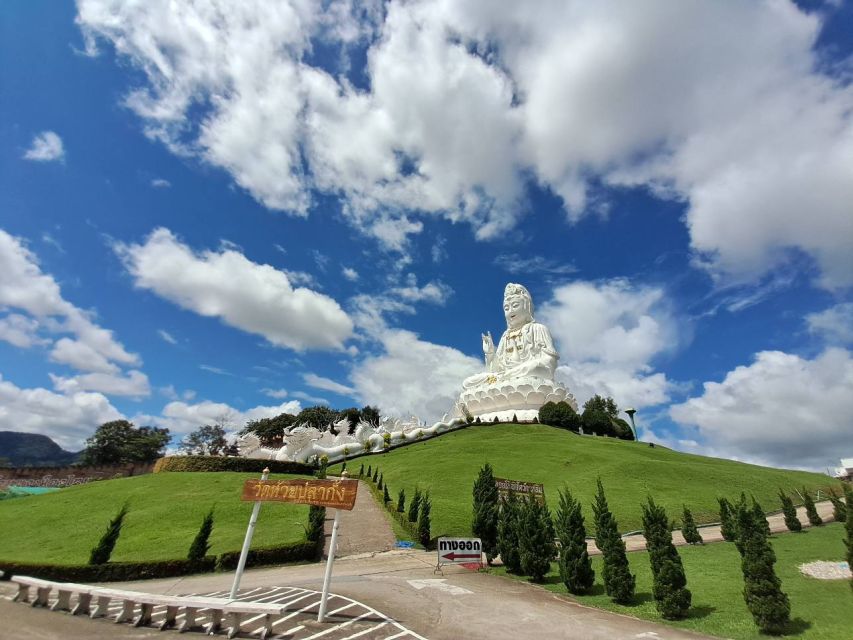
Wat Huay Pla Kang is usually an early highlight. The huge white figure often gets called a giant Buddha, but it is commonly identified as Guan Yin, the Goddess of Mercy. The site combines a large seated figure, a temple, and a tall pagoda with broad views over the surrounding area.
The tower visit adds something beyond another temple photograph. You can ascend for panoramic views and get your bearings before the day moves into the countryside. The scale is impressive, though anyone with limited mobility should take the access requirements seriously. This activity is not suitable for people with mobility impairments or pregnant women.
Your guide can also help explain the difference between the site’s religious images and its modern construction. That context is useful because the enormous white figure can otherwise feel more like a viewpoint than a working religious place.
The White Temple’s strange beauty
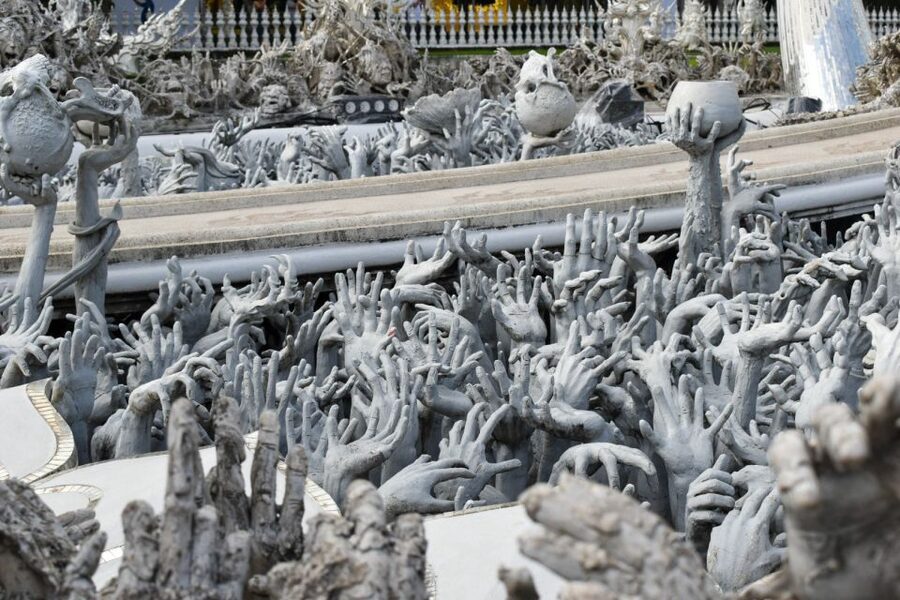
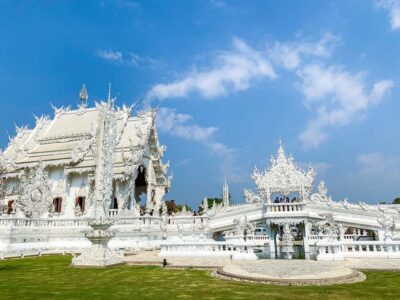
Wat Rong Khun, better known as the White Temple, is Chiang Rai’s signature sight. Its white surfaces, mirrored details, pointed forms, and intricate decoration create a temple that looks almost unreal in strong daylight.
The setting mixes traditional Thai design with contemporary artistic ideas. You’ll see familiar religious themes, but also unsettling and unexpected details. That unusual combination is the reason the temple feels different from older Buddhist sites elsewhere in Thailand.
Give yourself time to look closely rather than taking one quick picture and leaving. The exterior rewards slow viewing, with tiny details built into the ornament. The temple can be visually intense, especially when the sun catches the reflective surfaces, so sunglasses and water are useful.
This is one of the included entrance fees on the private tour. On the join-in option, entrance fees are not included, so budget for them separately.
The Black House and its darker mood
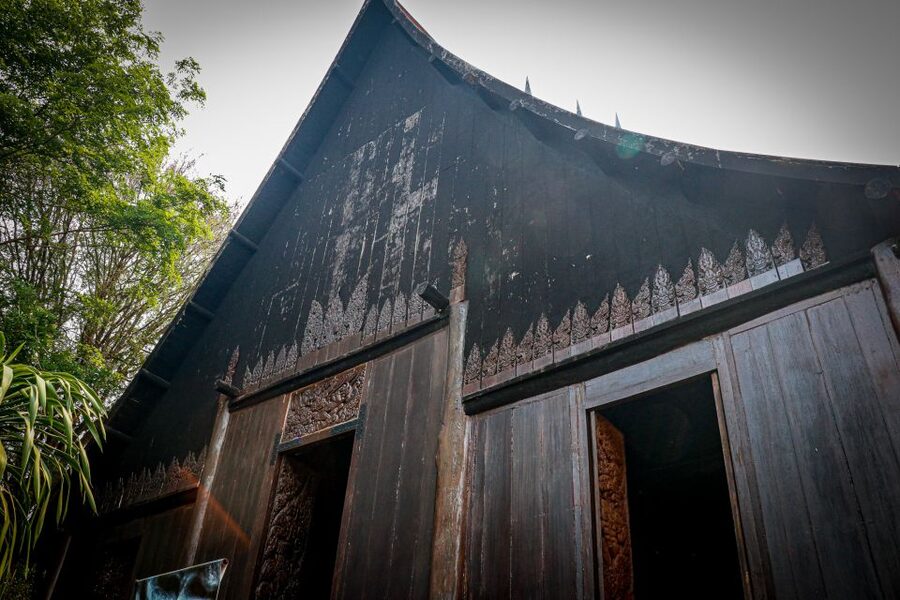
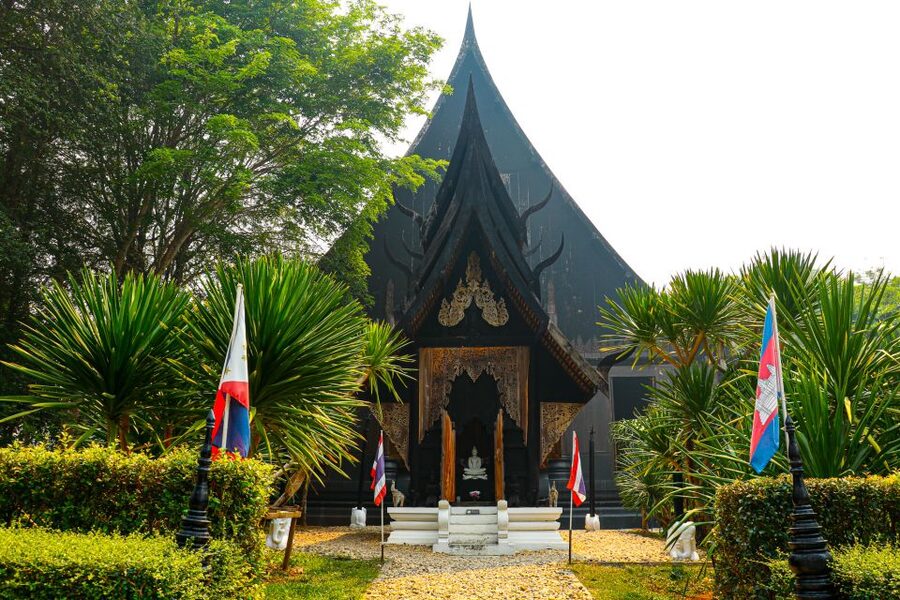
The Black House, or Baan Dam, changes the tone completely. Instead of the bright, polished look of the White Temple, this group of buildings uses dark wood, heavy forms, animal imagery, and a more mysterious artistic style.
It is best understood as a collection of artistic spaces rather than a standard temple. Traditional northern Thai architecture appears beside modern and sometimes disturbing displays. The result is memorable, but it will not appeal to everyone. Some people find the imagery fascinating; others may find it too bleak or theatrical.
I like this stop because it keeps the day from becoming a simple parade of pretty buildings. The contrast between White Temple and Black House gives you a better sense of Chiang Rai’s modern art scene and the range of ideas expressed through local architecture.
The grounds can take time to explore. One useful feature of a private or small-group format is the chance to move at your own pace, within the guide’s schedule. Several guides have been praised for explaining the art, adding local stories, and allowing visitors to wander without constant pressure.
Other temple visits near Thailand we have written up
- From Bangkok: Ayutthaya Temples Guided Tour with Lunch
★ 4.7 · 10,535 reviews - Chiang Mai: Chiang Rai Temples, Karen Tribe and Hot Springs
★ 4.7 · 5,401 reviews - Bangkok: City Highlights Temple and Market Walking Tour
★ 4.5 · 3,990 reviews - Bangkok by Night: Temples, Markets and Food Tuk-Tuk Tour
★ 5.0 · 3,752 reviews
Blue Temple’s bold color and clean design
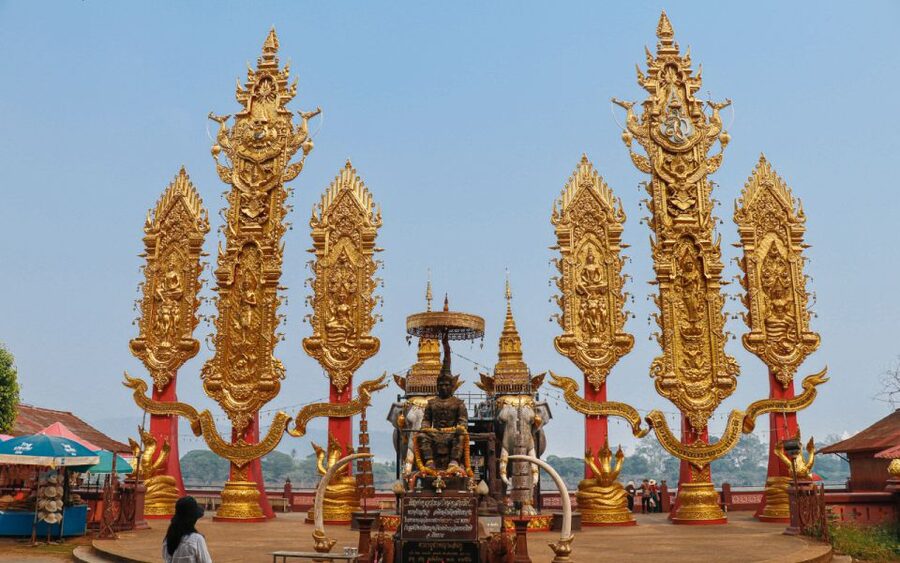
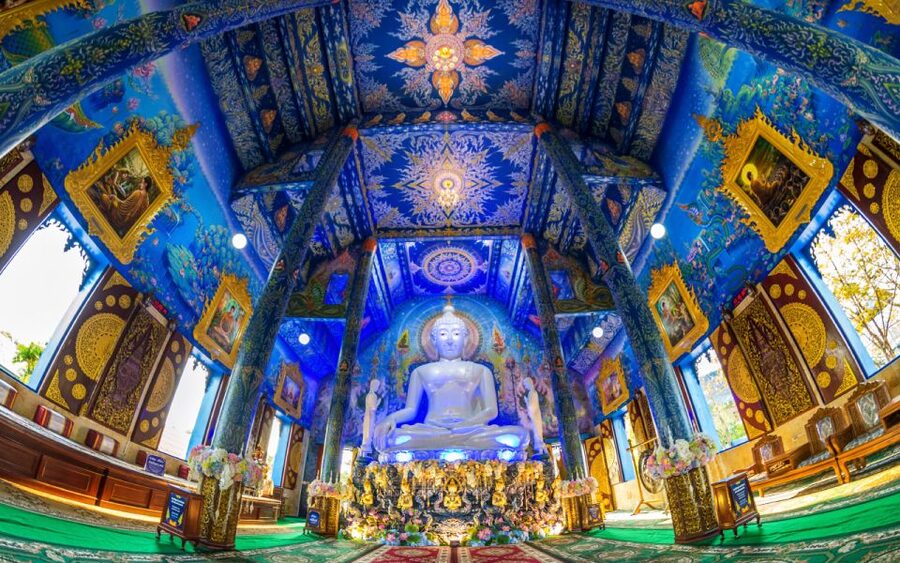
Wat Rong Suea Ten, called the Blue Temple, is another modern Chiang Rai creation. Its deep blue walls, bright gold trim, and dramatic interior make it one of the day’s most photogenic stops.
The color is not a minor decoration here. It shapes the whole visit, from the exterior walls to the large Buddhist image inside. After the White Temple’s reflective white surfaces and the Black House’s dark wood, the Blue Temple completes a useful visual progression.
You’ll probably need less time here than at the White Temple, but do not treat it as a quick roadside stop. Look at the painted details inside and outside, and ask your guide about the design and religious imagery. The temple is especially useful for understanding that Chiang Rai’s cultural attractions are not only old monuments. Many of its most famous places are modern works created in a traditional Thai vocabulary.
Lunch, khao soi, and a proper break
Lunch is included at a local restaurant. The meal may include khao soi, Chiang Rai’s well-known northern noodle dish, along with other Thai food.
That break matters on a day with so much road time. You are not expected to survive on snacks between temple visits, and a seated meal gives you time to reset before the northern border portion of the trip.
Food quality can never be guaranteed in exactly the same way from one departure to another, but the meal is intended to be local rather than a generic international lunch. Drinks and water are also included. One past group even received a playful serving of what they called happy water, though you should not count on that as part of the formal inclusions.
The Golden Triangle and the Hall of Opium
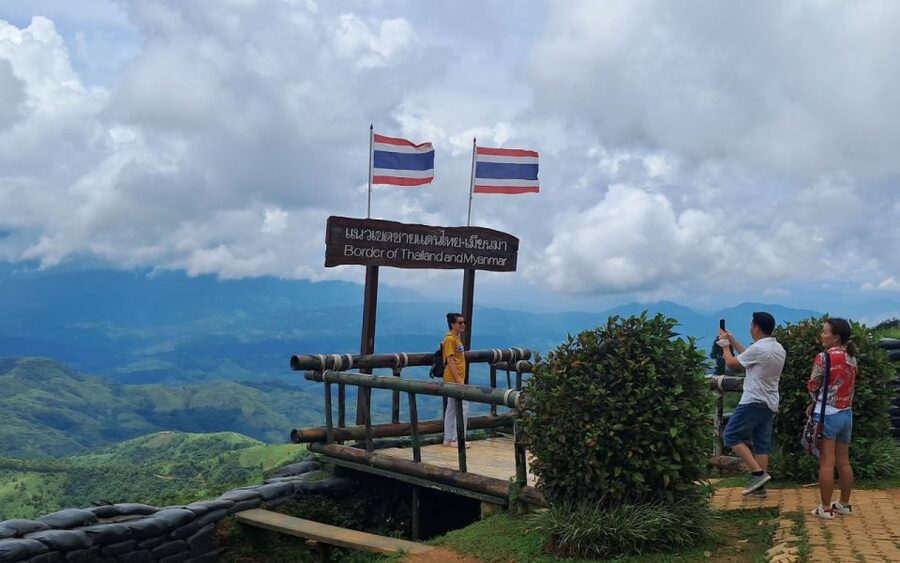
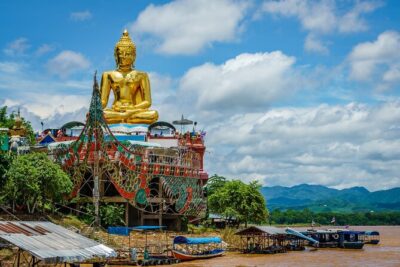
The Golden Triangle is the day’s geographic and historical anchor. This is the area where Thailand, Myanmar, and Laos come close together, and the viewpoint gives you a clear sense of the border region.
The stop can feel more open and scenic than the temple visits, but its real value comes from the story behind the place. The Golden Triangle is closely tied to the opium trade, border politics, and changing economic life in northern Southeast Asia.
The Hall of Opium Museum at Golden Triangle Park provides the needed context. Its multimedia displays and exhibitions make the subject easier to follow than a short talk at a viewpoint. You can learn how opium production shaped the region and how efforts to change the local economy developed over time.
Do not expect the Hall of Opium to be a quick photo stop. It is one of the more educational parts of the day, and it gives meaning to what you see outside. If you only visit the Golden Triangle viewpoint, the place can seem like a sign and a river panorama. The museum helps explain why the location matters.
Mae Sai, tea plantations, and Chiang Saen
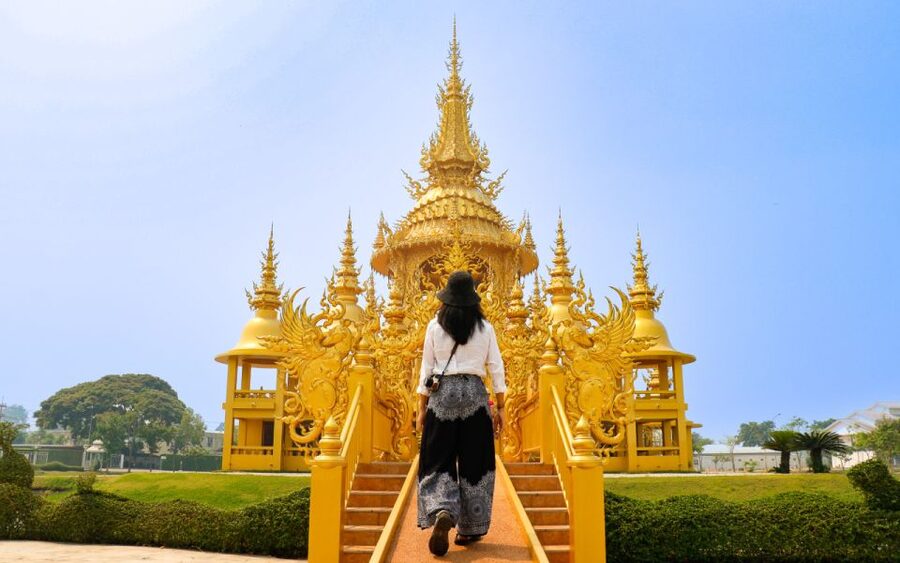
Some departures include extra northern stops such as Mae Sai, a tea plantation, and Chiang Saen. These additions can make the day feel more complete, but they also add to the already long schedule.
Mae Sai brings you near the Thailand and Myanmar border, with markets and border-town activity. This is the part of the route most likely to feel commercial and less rewarding if you prefer temples, museums, or quiet scenery. You may find the market interesting for a short walk, but it can take a fair amount of time.
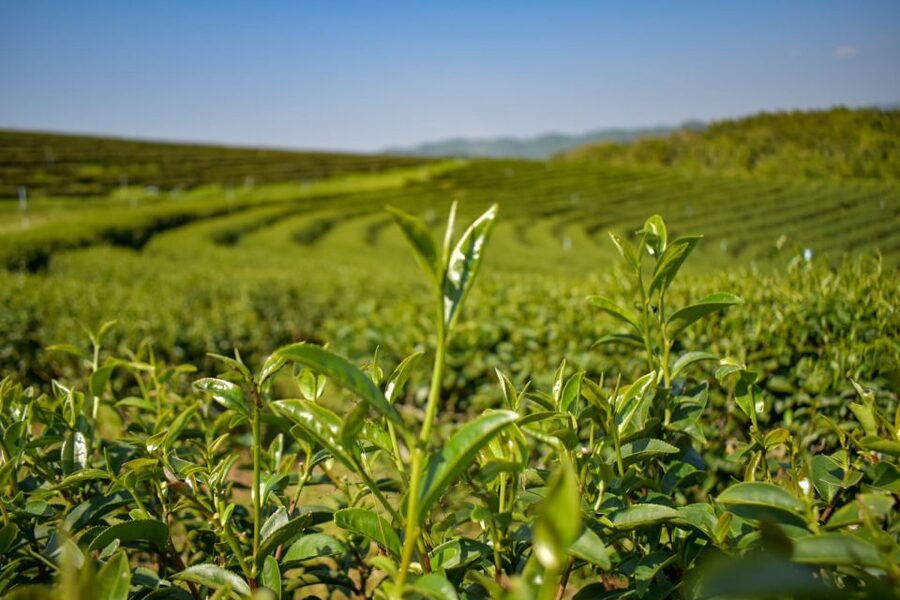
The tea plantation is a pleasant change of pace. It gives you a chance to see another part of northern Thailand’s local economy and provides a calmer setting between the major stops. It was an unexpected favorite for some people on the route, but it should be treated as an added possibility rather than a guaranteed centerpiece.
Chiang Saen offers older-town context near the Golden Triangle. It is worth clarifying before departure if it is included, since one group had been told it was part of the plan and then received it only after the guide adjusted the route. That example also shows the benefit of a private tour: a guide may have more room to respond to reasonable requests.
Should you visit the Karen village?
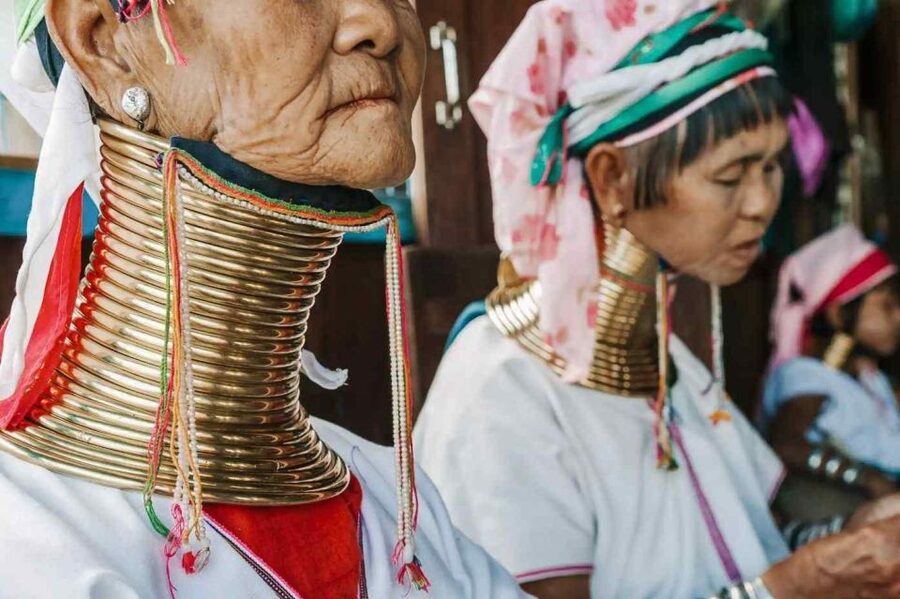
A Karen long-neck village may be included on some versions of the tour, with an additional entrance fee on the join-in option. This is the stop that deserves the most thought before you pay.
You may find the visit culturally interesting, but you may also question how tourism benefits the people living there. The ethical concern is not a small detail, especially if you want your money to support local communities in a direct and respectful way.
If you are uncomfortable with the idea, ask the operator whether the stop can be skipped or replaced. Some guides have adjusted the route for groups, but no change should be assumed. The village is not necessary to enjoy the White Temple, Blue Temple, Black House, or Golden Triangle.
Guides make the difference
The strongest part of this experience is often the guide. Names that have received especially warm praise include Bank, Mew, Mos, Ra, Day, Lew, and Chad, though your guide will depend on the departure.
Bank has been described as funny, engaging, and good at answering questions. Mew was praised for giving people useful information and then allowing them to explore independently. Mos handled both driving and guiding on a private trip, while Ra added extra stops and kept the group engaged.
English ability can vary. One guide was described as friendly and humorous but somewhat limited in English. That is worth keeping in mind if detailed historical explanation is your main reason for booking. Still, the overall pattern is of guides who work hard to explain the sights, manage timing, and make a long day feel less tiring.
You should expect guiding rather than a formal lecture at every stop. The best approach is to ask questions, then use your free time to look around. Several guides have been willing to let people set their own pace within the group schedule.
Who should book this tour?
This tour suits you if you have only one day in Chiang Rai and want to see the main modern temples plus the Golden Triangle without arranging your own transport. It is also a good fit if you enjoy variety: art, religion, border geography, museums, food, and countryside all appear in one day.
It is less suitable if you dislike long drives, prefer deep exploration of one or two places, or need a relaxed schedule. The route covers a lot, and a few stops may feel too long while others may feel too short.
Wear practical clothing for temple visits, bring water, and expect walking at several sites. The activity is not suitable for pregnant women or people with mobility impairments. Free cancellation up to 24 hours before departure and reserve-now, pay-later booking make it easier to keep plans flexible.
Final verdict: a strong one-day Chiang Rai sampler
I would choose this tour if I wanted maximum coverage in limited time. The White Temple, Blue Temple, Black House, Wat Huay Pla Kang, Golden Triangle, and Hall of Opium give you a solid introduction to Chiang Rai’s most distinctive sights.
The $57 price is fair when hotel transport, lunch, water, guiding, insurance, and private-tour entrance fees are included. Confirm the inclusions if you choose the join-in option, especially entrance fees and the Karen village charge.
Book it for efficiency and variety, not relaxation. If you get a guide such as Bank, Mew, Mos, or Ra, the day may feel especially personal and lively. If you want a slower cultural visit, skip the extra border stops and arrange a shorter private route around the temples instead.
FAQ
How much does the Chiang Rai temples and Golden Triangle tour cost?
The listed price is $57 per person. The exact value depends on whether you choose the private or join-in option, since entrance fees are included for the private option but not for the join-in tour.
How long does the tour last?
It lasts one full day. Several departures have returned to Chiang Rai at about 7 p.m., so plan for a long outing rather than a short morning tour.
What is included in the tour?
Hotel pickup and drop-off in Chiang Rai, lunch, drinking water, an English-speaking guide, and insurance are included. For the private option, entrance fees to the White Temple, Black House, and Golden Triangle are also included.
Is lunch included?
Yes. Lunch is served at a local restaurant and may include khao soi, Chiang Rai specialties, and other Thai dishes.
Is the Karen village visit included?
A Karen long-neck village may be included on the join-in route, but the entrance fee is not included. Ask before booking if you want to confirm whether this stop is part of your selected option.
Can I cancel or pay later?
You can cancel up to 24 hours in advance for a full refund. Reserve-now, pay-later booking is also available, so you do not need to pay at the time of booking.
Newly written up around Thailand
- Bangkok: Grand Palace and Wat Arun Guided Walking Tour★ 4.5 · 118 reviews
- Ex-monk city & temples walking tour: (3.5 hours / 1.7 km.)★ 4.8 · 35 reviews
- Visit Dantewada(Angel Land), Blue Temple, and Sticky Waterfall★ 5.0 · 120 reviews
- Doi Suthep and Wat Pha Lat Sunrise Tour (Small Group Only)★ 5.0 · 70 reviews
- One Day Tour Chiang Rai(White Temple , Blue Temple, Black House) Private Tour★ 5.0 · 63 reviews
- 1 day Private Tour to Unseen Temple in Lampang★ 5.0 · 55 reviews
- Doi Suthep Temple and Bau Thong Waterfalls Private Tour★ 5.0 · 114 reviews
- Amazing 3 Temples★ 5.0 · 113 reviews
White Temple & Blue Temple Tours, compared.
Chiang Rai White Temple and Blue Temple Day Tour
Read our review →
Chiang Rai White Temple, Blue Temple and more from Chiang Mai
Read our review →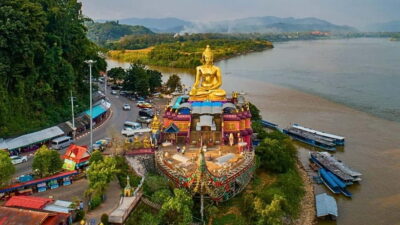
Chiang Rai Temples, Golden Triangle & Boat Tour
Read our review →
Visit Dantewada(Angel Land), Blue Temple, and Sticky Waterfall
Read our review →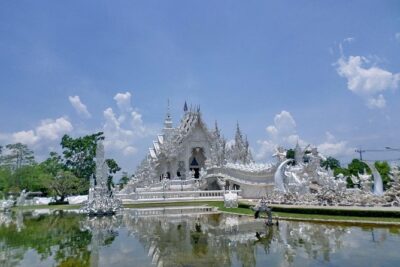
One Day Tour Chiang Rai(White Temple , Blue Temple, Black House) Private Tour
Read our review →Browse the lists this tour appears in