
Reviewed · PRIVATE TEMPLE TOURS
Batalha Monastery: Private Tour
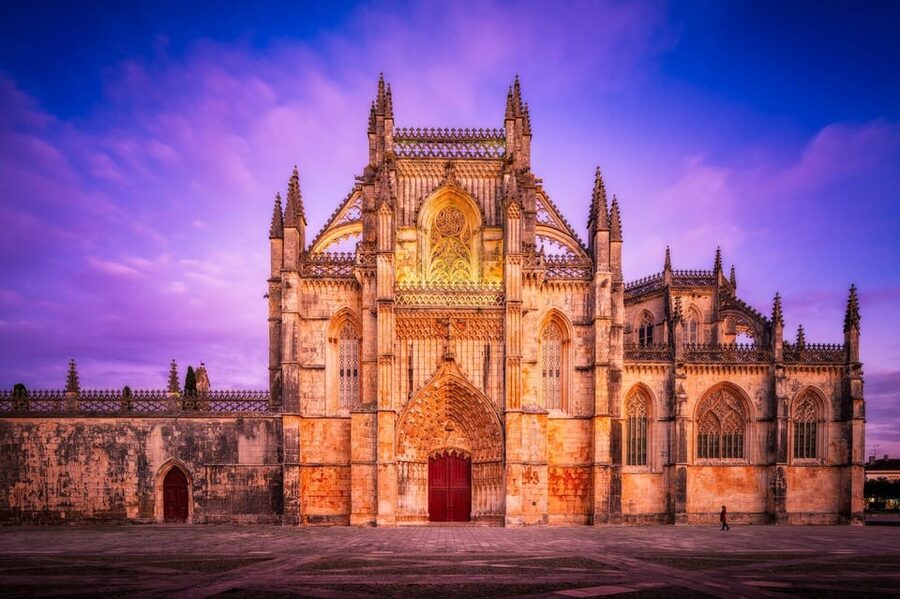
Batalha Monastery is Portugal’s great stone monument to independence. Built after the Portuguese victory over Castile at Aljubarrota in 1386, it combines soaring late Gothic design with later Manueline decoration, royal tombs, and a remarkably personal story of kings, queens, monks, and empire.
I like the private format, which gives you room to ask questions instead of following a fixed speech. I also like the focus on the royal pantheon and Portugal’s overseas expansion. The main drawback is simple: the monastery ticket is not included in the $53 price, so you pay admission separately.
Key points
- A private two-hour visit lets you set the pace and ask about details that catch your eye.
- King João I and Queen Filipa de Lencastre rest in the royal pantheon, alongside other important members of Portugal’s royal family.
- Henry the Navigator and King João II connect the monastery to Portugal’s age of exploration.
- Late Portuguese Gothic and Manueline architecture give the building two distinct visual moods.
- English and Portuguese tours are available, with guides including JP and Joao.
- Insurance is included, but admission to Batalha Monastery is not.
Why Batalha Monastery matters
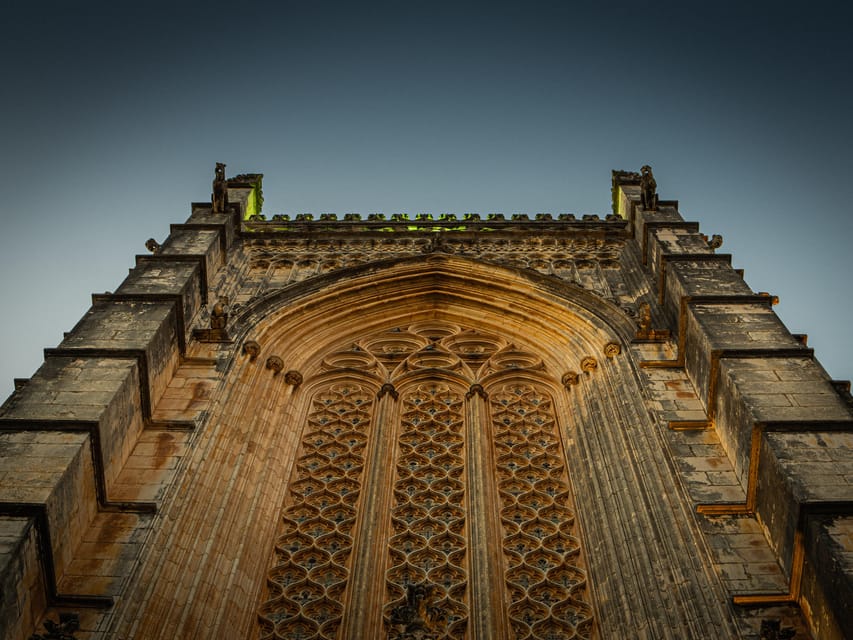
Batalha is not just an old church with impressive stonework. It was commissioned to mark Portugal’s victory against Castile at the Battle of Aljubarrota in 1386, a turning point that secured Portuguese independence and opened a new chapter for the country.
That political story gives the building a clear purpose. You are not looking at decoration added for decoration’s sake. The monastery was meant to proclaim that Portugal had survived a serious threat and had its own royal future.
The Dominican Order ran the monastery for more than 600 years. That long religious life shaped the building as much as the royal connection did. As you move through the church and monastery spaces, the architecture reflects both public ceremony and the quieter daily life of a religious community.
I find that context especially useful because Batalha can seem overwhelming at first. There are pointed arches, carved windows, chapels, tombs, and ornamental stone details competing for your attention. A guide helps you connect those pieces instead of treating the monastery as one large photo stop.
More Private Temple Tours in Portugal
- Fatima, Valinhos, Nazaré, Óbidos on Private tour
★ 5.0 · 158 reviews - Fátima Private Tour: Shrine| Sacred Path |Shepherds House
★ 5.0 · 81 reviews - Fatima Private Tour: Shrine, Sacred Way & Shepherds’ Hometown
★ 5.0 · 41 reviews
Starting at the monastery entrance
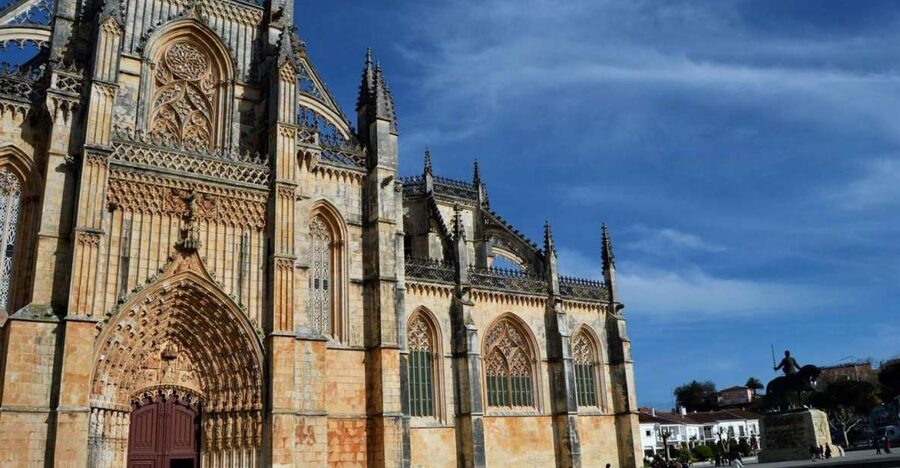
The tour begins at Batalha Monastery itself, so you do not spend the two-hour booking on a transfer from another town. That is helpful if you are already in Batalha or building the monument into a wider visit around central Portugal.
The meeting point is direct, but remember that your guide fee does not cover entry. You need to purchase the monastery ticket separately. That extra cost is worth planning for before you arrive, since the advertised $53 price is for the private guiding service and insurance rather than a complete admission package.
A private group changes the feel of the visit. You can ask for more explanation about royal succession, Portuguese architecture, or the symbolism of the battle. You can also tell your guide when you need a moment to look closely at a window or tomb. In a large group, those small questions often get lost.
The tour lasts two hours. That is enough time for a focused first visit, especially if you want the main architectural and historical points explained. It is not so long that the details blur together. Still, you should not expect to inspect every carved surface at leisure. Batalha rewards a second look.
The church and its Gothic light
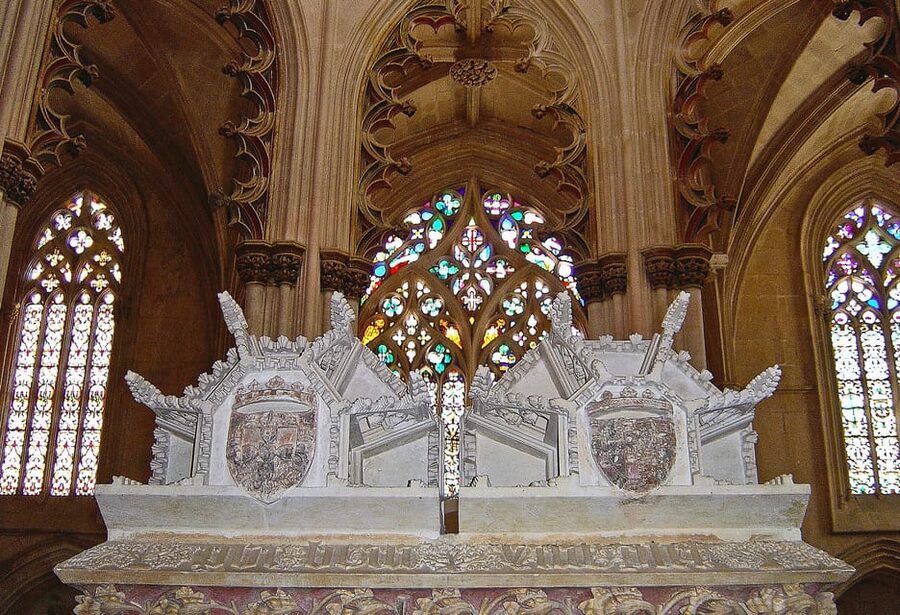
The monastery’s church is one of the strongest parts of the visit. The building belongs to the late Portuguese Gothic tradition, with a sense of height and ceremony that directs your eyes upward. The style is serious and grand, but the stained glass brings color into the interior.
The monastery’s stained glass is described as the first of its kind in Portugal. That makes it more than a decorative feature. The colored light helps explain how the building would have shaped worship, especially for Dominican monks who spent centuries praying and living here.
Your guide can give those details a human scale. Instead of only hearing that the church is Gothic, you can ask how the style supports religious ceremony or why the light matters. This is where the private setup earns its keep.
I would give the church time before rushing toward the royal tombs. Look at the relationship between the pale stone, the tall openings, and the shifting color from the glass. The building’s effect comes from that combination, not from one isolated ornament.
The royal pantheon and Portugal’s ruling family
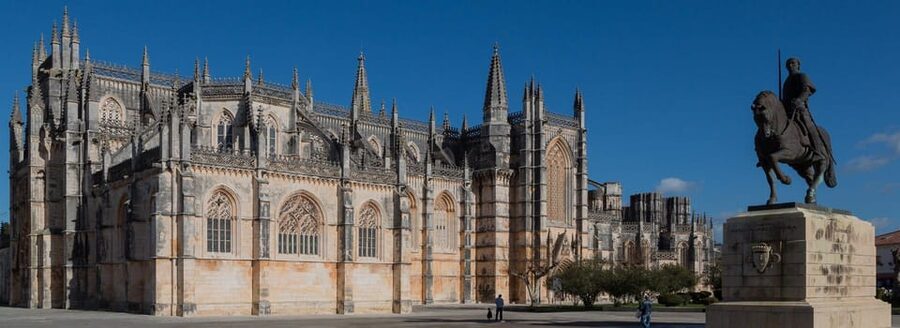
The royal pantheon is the emotional center of the tour. King João I and Queen Filipa de Lencastre are buried here, and their presence ties the monastery directly to the victory it commemorates.
Queen Filipa was born in Britain, an important reminder that Portugal’s royal story was connected to wider European politics. Her marriage to João I was not simply a private family matter. It formed part of the alliances and dynastic ties that shaped medieval Portugal.
Other members of the royal family are also buried in the monastery. Among them are King João II and Henry the Navigator, two figures linked to the Portuguese discoveries that later carried the country far beyond Europe.
The royal tombs give the national story a personal focus. You are no longer dealing only with dates and battles. You are standing near the resting places of the people who ruled Portugal during the years when its independence was defended and its ambitions expanded.
A guide is particularly useful here because royal names can quickly become a blur. JP and Joao are both named as guides for this experience, and the tour is offered in English or Portuguese. If you want the family connections explained clearly, ask early about the rulers connected to the battle, the monastery, and the discoveries.
A different set of gates, same trip:
- Lisbon: Jerónimos Monastery Entrance Ticket
★ 4.1 · 14,164 reviews - Lisbon: Jerónimos Monastery E-Ticket and Audio Guide
★ 3.7 · 660 reviews - Lisbon: Belém Walking Tour with Jerónimos Monastery Ticket
★ 4.9 · 637 reviews - Lisbon: Belem Walking Tour with Jeronimos Monastery Ticket
★ 4.7 · 490 reviews
From Aljubarrota to the age of discovery
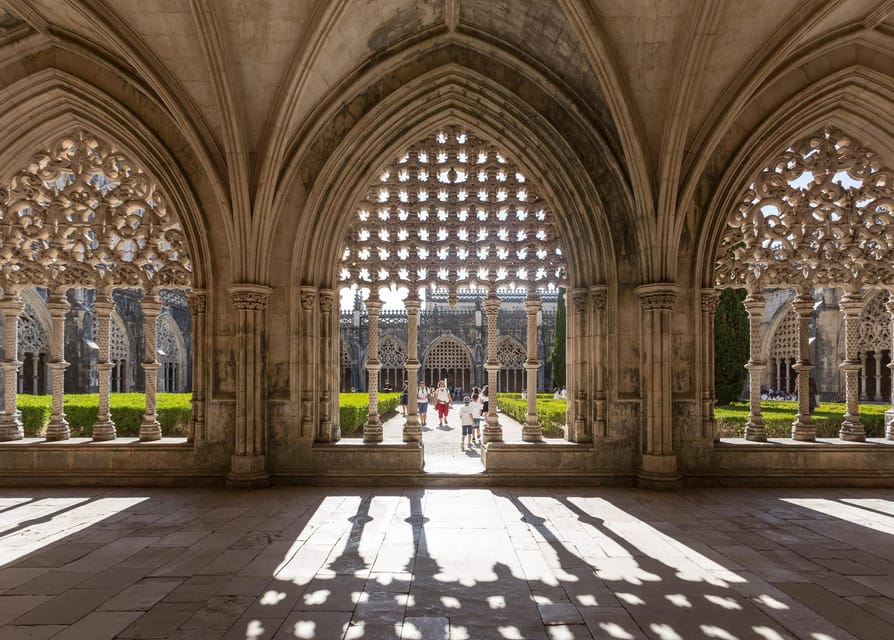
The tour’s historical arc is one of its best features. It begins with a battle for national survival and moves toward Portugal’s later role as the first global empire, according to the description of the experience.
That does not mean every part of the monastery directly depicts ships or overseas trade. Instead, the royal burials provide the link. João I and Filipa represent the generation tied to the victory over Castile. João II and Henry the Navigator point toward the political and maritime ambitions that followed.
This is a useful way to understand Portuguese history. The age of discovery did not appear from nowhere. It grew from a kingdom that had secured its borders, strengthened its monarchy, and developed the confidence to look outward.
I like tours that explain cause and effect rather than presenting famous names as isolated facts. Here, the monastery becomes a bridge between medieval conflict and Portugal’s later global reach.
Gothic structure and Manueline detail
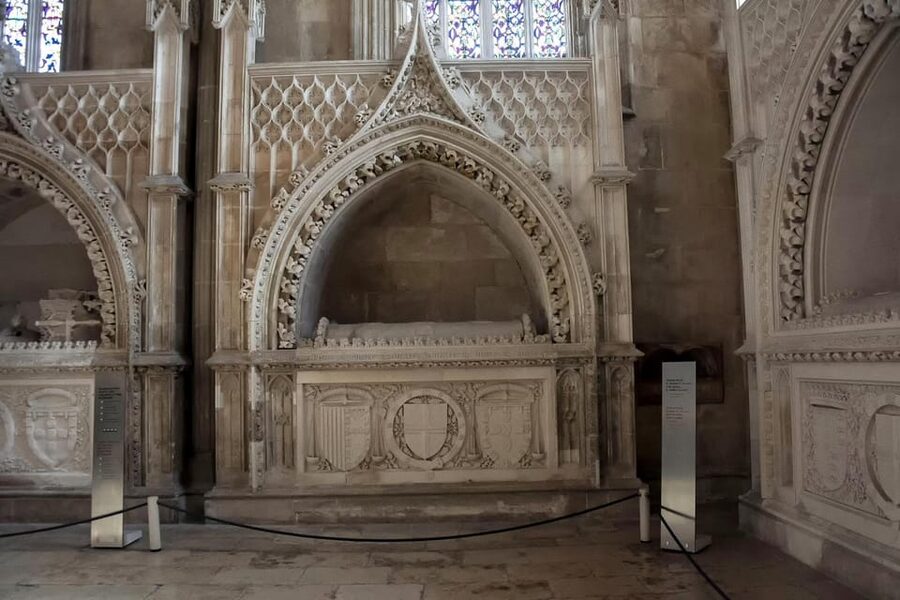
Batalha is often described through two architectural styles: late Portuguese Gothic and Manueline. You do not need a background in art history to notice the change.
The Gothic elements give the building its height, order, and solemn rhythm. The later Manueline details are more ornamental, with an added sense of movement and national identity. The combination makes Batalha more varied than a monument built in one clean phase.
Your guide can help you separate the styles without turning the visit into a technical lecture. This is another benefit of a private tour. If architecture interests you, ask for more detail. If you mainly want the historical story, your guide can keep the focus there.
The building is also a good reminder that major monuments grow over time. The original purpose may be clear, but later generations add their own taste and symbols. At Batalha, that layered appearance is part of the attraction.
What the two-hour route feels like
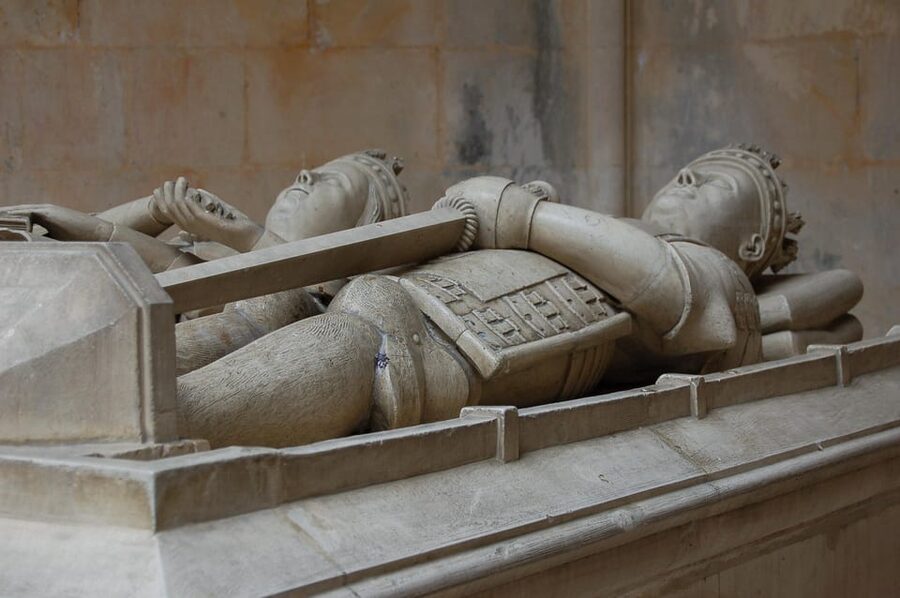
The stated itinerary is straightforward: meet at Batalha Monastery and spend two hours on a guided visit. There is no separate sightseeing stop or transportation segment included.
That simplicity works well for several types of visitors. If you have limited time in central Portugal, you can fit the visit into a day of nearby sightseeing without giving up half the day. If you are already planning to see Batalha, the guide adds structure and background without turning the stop into a long formal excursion.
You should expect a concentrated monument visit rather than a broad tour of the surrounding region. One guide mentioned by name, Joao, is also described as offering tips about other towns to visit. That can be useful if you want to build the rest of your route after Batalha, but those suggestions are an extra benefit rather than a formal part of the itinerary.
The private group format also makes the two hours more flexible. You are not sharing the guide’s attention with a large crowd. That matters most when you want to ask about a particular tomb, architectural feature, or point in Portuguese history.
The guide can make or break the visit
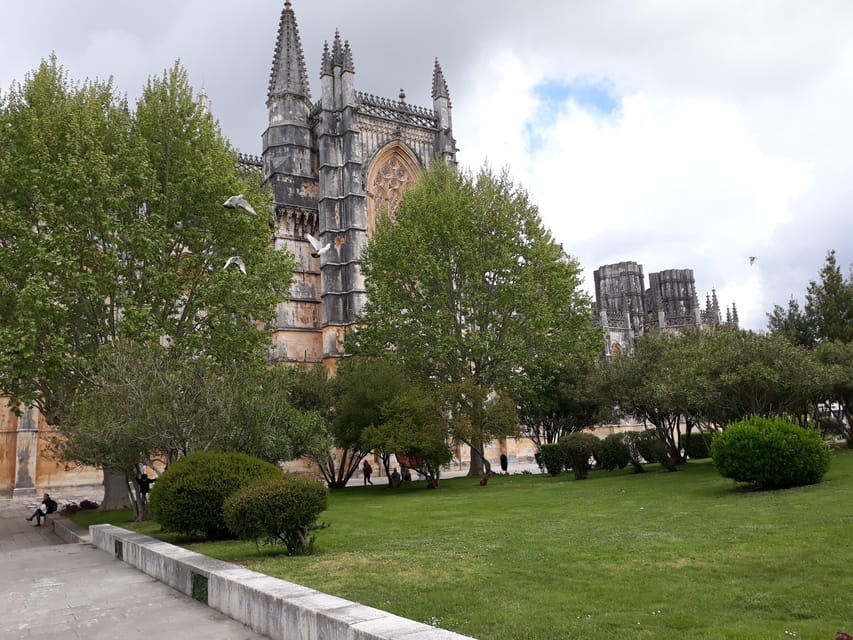
Batalha has enough detail to reward explanation, but it can also become a procession of dates and names if handled poorly. The guide’s role is important.
JP is described as giving the tour in excellent English and making the visit fascinating. Joao is also named as an English-speaking guide and is described as offering clear explanations and useful ideas for other towns. Ana’s guide is described as personable and able to answer questions, while another account praises JP’s clear answers in Dutch.
The practical point for you is not to expect a memorized audio track. This is a live guide experience, available in English or Portuguese, with room for questions. Ask about the Battle of Aljubarrota, the royal family, the Dominican monks, or the difference between Gothic and Manueline work.
Language quality matters at Batalha because much of the value lies in the explanation. The stone is impressive on its own, but the story gives it direction. A good guide helps you see why the monastery is here, who used it, and how it fits Portugal’s wider past.
Is $53 a fair price?
At $53 per person, this is not the cheapest way to walk through Batalha Monastery. You still need to buy the entry ticket, so the final cost is higher than the advertised tour price.
The value depends on how you travel. For a private group, the fee buys two hours of live attention, historical background, and the ability to ask questions. If you would otherwise read a short guidebook and move through the monastery quickly, you may prefer to visit independently.
I think the price makes more sense for first-time visitors who want the royal pantheon and the national story explained properly. It also works well for couples, families, or small groups who can share the private guide cost.
The insurance included in the booking is a useful practical detail, though it is not the main reason to choose the tour. The real value is the interpretation. Batalha is large enough and historically important enough that a guide can change what you notice.
Who should book this private visit?
I would recommend it most strongly if you:
- Want to understand why the Battle of Aljubarrota mattered to Portugal.
- Care about royal tombs and the people connected to them.
- Prefer asking questions to following a large group.
- Need an English or Portuguese tour.
- Have only two hours for the monastery.
- Want suggestions for other towns after the visit.
You might skip the guided option if you mainly want a quick look at the exterior or prefer to explore monuments without commentary. You should also compare the total cost carefully, since admission is not included.
Families can benefit from the private format because children can ask questions without holding up a large group. History fans will appreciate the connection between the medieval monarchy and the later Portuguese discoveries. Architecture fans will get the most from the chance to compare late Gothic and Manueline details in one building.
Practical details before you reserve
The activity lasts two hours, with starting times dependent on availability. It is offered for a private group, and the guide speaks English or Portuguese.
The meeting point is Batalha Monastery. The guide and insurance are included, but the monastery ticket is separate. You can cancel up to 24 hours before the activity for a full refund, and you can reserve now and pay later, which helps if your Portugal route is still changing.
Bring questions. The strongest part of this visit is the conversation, especially if you want more than a list of construction dates. Ask your guide to connect the royal pantheon, the battle, the Dominican community, and the age of discovery.
Should you book Batalha Monastery Private Tour?
Book it if Batalha is important to your Portugal itinerary and you want the monument explained in a personal way. The private group, two-hour length, English and Portuguese options, and guides such as JP and Joao make it a practical choice for a focused visit.
The main caution is cost. At $53 per person plus monastery admission, it is a paid interpretation service rather than a simple entry ticket. For a quick look, go independently. For the royal tombs, Gothic and Manueline architecture, and the story of Portugal’s fight for independence, this tour gives the building much more meaning.
FAQ
Where does the tour begin?
The tour begins at Batalha Monastery.
How long does the tour last?
The guided visit lasts two hours.
Is the monastery admission ticket included?
No. The ticket for Batalha Monastery is not included in the tour price.
What languages are available?
The live guide is available in English or Portuguese.
Is this a private tour?
Yes. The activity is offered for a private group.
What is included in the price?
A guide and insurance are included.
Can I cancel for a full refund?
Yes. You can cancel up to 24 hours in advance for a full refund.
Newly written up around Portugal
- Belém: Jeronimos Monastery, Tickets and Guided tour★ 4.9 · 30 reviews
- Lisbon: Tour of Belem and Jerónimos Monastery★ 3.2 · 5 reviews
- Lisbon: Belém Private Walking Tour & Jerónimos Monastery★ 4.5 · 83 reviews
- Lisbon: Skip-the-line Jerónimos Monastery Tour with Tickets★ 5.0 · 4 reviews
- From Lisbon: Évora, Chapel of Bones, & Roman Temple Tour★ 5.0 · 8 reviews
- Lisbon: Belem Tour with Pastéis at Jerónimos Monastery★ 4.7 · 96 reviews
- From Lisbon: Fátima Sanctuary and Batalha Monastery (UNESCO)★ 5.0 · 5 reviews
- Between Life & Death: Roman Temple, Cathedral & Bone Chapel★ 4.9 · 6 reviews
Private Temple Tours, compared.
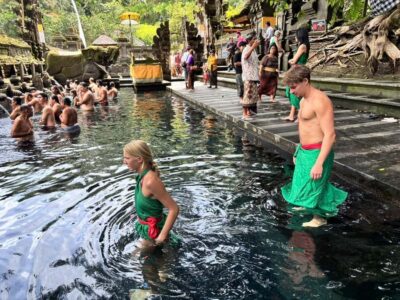
Waterfalls, Water Temple & Rice Terraces Private Tour
Read our review →
Full-Day Angkor Wat Sunrise Private Tour with Guide from Siem Reap
Read our review →
Chiang Rai Temples: Private Tour from Chiang Mai
Read our review →
Private Tour: Teotihuacan and Guadalupe Shrine
Read our review →
Grand Palace, Wat Pho, and Wat Arun Private Tour
Read our review →
Ephesus and Temple of Artemis Private Tour from Kusadasi Port
Read our review →
Browse the lists this tour appears in