
Reviewed · PERU TEMPLE TOURS
Cusco : City Tour of 4 Ruins and Sun Temple
Cusco’s best introduction to Inca stonework comes in one busy half-day: you begin at Coricancha, where an Inca temple sits beneath a Spanish church, then climb above town to massive walls, ritual rocks, water channels, and a former military post. It is a quick way to see how Cusco worked as a sacred center, royal capital, and defensive stronghold.
I like the clear mix of sights and the low $16 tour price. I also like that transportation links the central temple with the uphill ruins, saving you a tiring walk at high altitude. Guide Yako received particular praise for being caring and informative, especially when explaining Inca civilization.
The tradeoff is time. The schedule gives you only a short visit at each place, and the tour may include stops at shops that are not part of the core archaeological route. If you want a slow, detailed look at Sacsayhuaman, this may feel rushed.
Key points to know before you book
- Coricancha brings Inca and Spanish Cusco together: The Sun Temple is the most rewarding first stop, with a clear look at two very different building traditions.
- Sacsayhuaman is the visual star: Massive carved stones and wide views over Cusco make this the most memorable ruin for many people.
- Qenqo is small but unusual: Its carved rock spaces, channels, and ceremonial setting reward close attention rather than a fast photo stop.
- Tambomachay explains the role of water: Stone channels carry spring water through a site linked with ritual purification.
- Puca Pucara completes the defensive picture: The former fortress gives you another high viewpoint over the approaches to Cusco.
- Tickets are not included: Plan for 15 soles for Coricancha and 70 soles for the partial tourist ticket, paid in soles at an archaeological site entrance.
What this five-hour Cusco tour actually covers
This is a compact city and ruins circuit, not a relaxed archaeological study. The morning departure begins around 9:00 a.m. and returns around 2:00 p.m. An afternoon departure begins around 1:00 p.m. and returns around 6:30 p.m.
You meet in or near central Cusco, with hotel pickup available near the historic center. The exact pickup is coordinated in advance. If the meeting point has poor phone coverage, the guide may call your name. From the first meeting point, you walk for about 10 minutes to Coricancha, then use a tourist van for the hilltop sites.
The guide speaks English or Spanish, and the service includes permanent assistance. The tour is best understood as a sampler. You see all five main places, but you do not get long stretches of quiet time at each one.
Other temple visits near the world we have written up
- Lisbon: Jerónimos Monastery Entrance Ticket
★ 4.1 · 14,164 reviews - Angkor Wat Sunrise or Sunset Tour with Guide from Siem Reap
★ 5.0 · 12,109 reviews - Teotihuacan, Guadalupe Shrine & Tlatelolco Day Tour with Lunch
★ 5.0 · 11,603 reviews
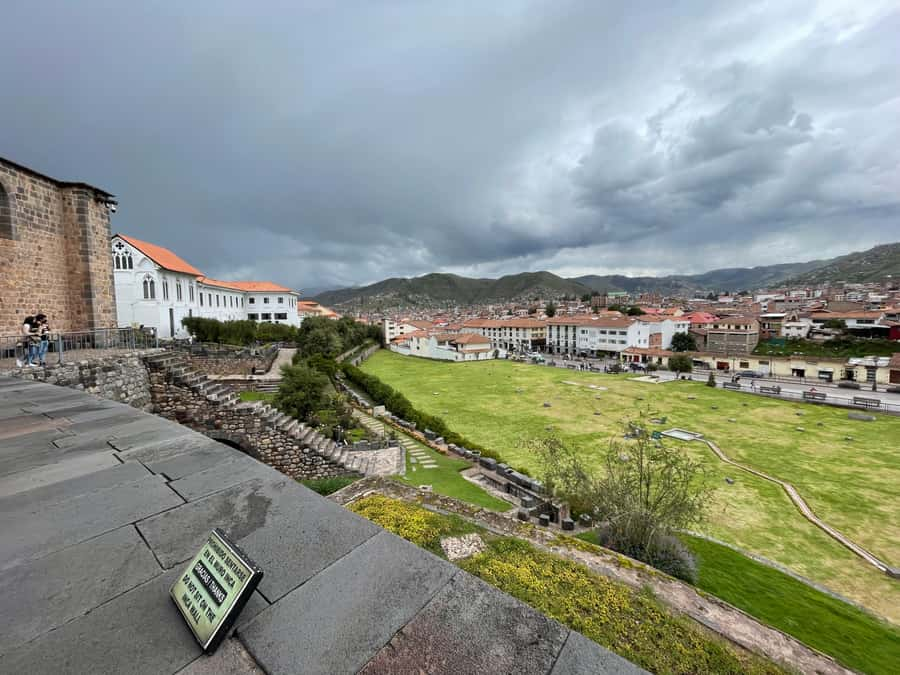
Coricancha: where Inca gold met Spanish stone
Coricancha, also written Qoricancha, is the strongest opening stop because it gives you the basic story of Cusco in one building. It was an Inca temple dedicated to the Sun God. After the Spanish conquest, a colonial church was built on the same site, creating the striking blend of Inca and Spanish architecture.
You spend roughly 40 to 60 minutes here, depending on the timing of your departure. The tour includes a guided visit and time for photographs. Pay close attention to the lower Inca masonry. The stones are fitted with remarkable care, while the later colonial structure rises above and around them.
This stop is not only about pretty walls. It shows how Spanish Cusco was built over the ceremonial core of the Inca capital. That contrast gives you useful context before you reach the larger ruins outside town.
Admission is extra. The stated price is 15 soles, paid in soles at the entrance. Bring cash rather than assuming a card will be accepted.
Sacsayhuaman: the tour’s largest stone puzzle
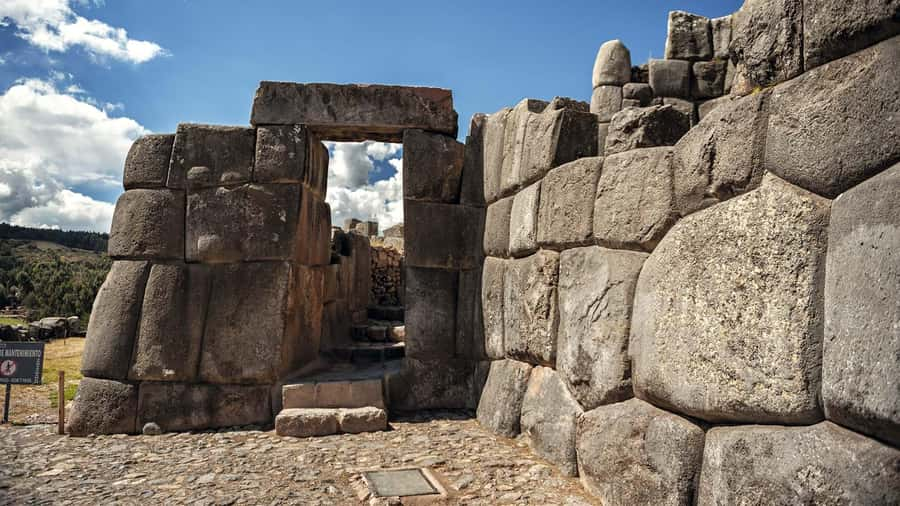
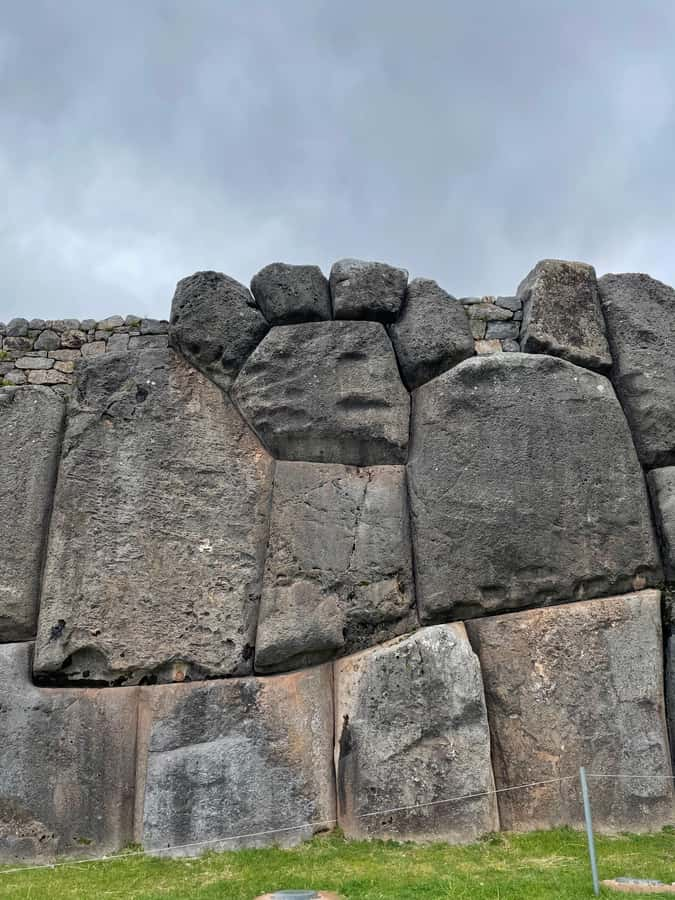
After Coricancha, the van takes you uphill to Sacsayhuaman, usually spelled that way in tour material and also written Saksaywaman or Saqsaywaman. This is the broad, powerful ruin most likely to dominate your photographs.
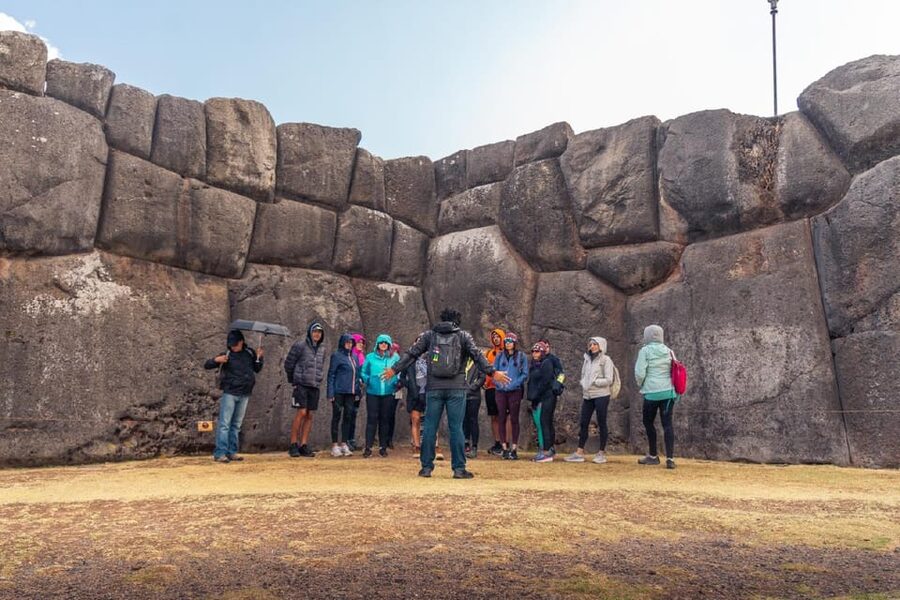
The site is known for enormous carved stone blocks fitted into zigzagging walls. You also get broad views over Cusco, which helps you understand the strategic and ceremonial importance of the high ground above the city.
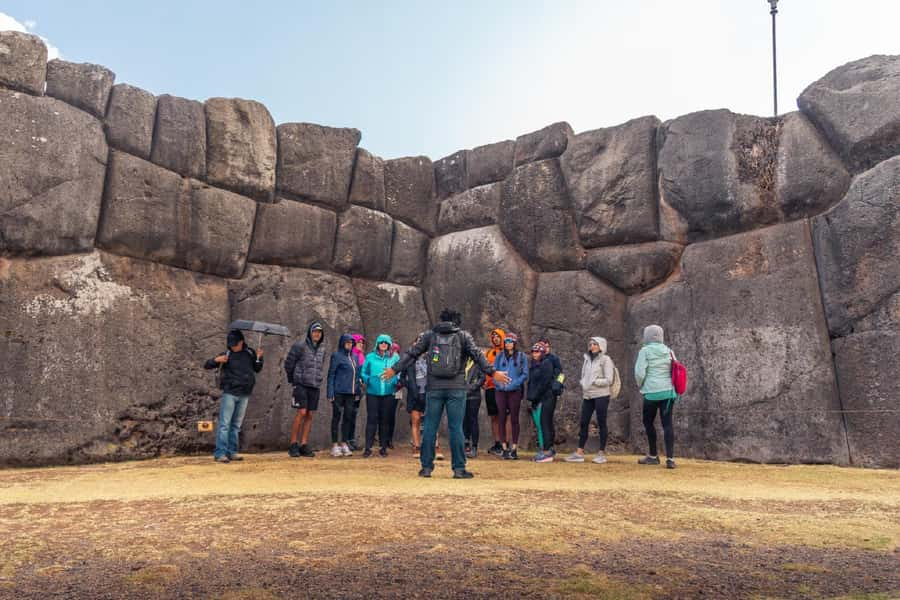
The planned visit lasts about 40 to 45 minutes, with a guided explanation, a walk, free time, and photographs. In practice, timing can be tighter. One account of the tour describes only about 15 minutes at Sacsayhuaman, followed by a hurried visit elsewhere. That matters here because the site is spread out, and a short stop can leave you admiring the walls without understanding much about them.
I would treat Sacsayhuaman as the place where you most need to stay close to the guide. The huge stones are easy to photograph but harder to interpret on your own. If the explanation is shortened, ask a direct question before the group moves on.
The entrance is covered by the partial tourist ticket, listed at 70 soles. That cost is separate from the $16 tour price, so the true budget is higher than the headline fare suggests.
Qenqo: a compact ceremonial site with strange details
Qenqo is a smaller archaeological complex, reached by another short van ride. The visit is planned for around 20 to 45 minutes, depending on the schedule. It is not as imposing as Sacsayhuaman, but it has a different mood.
Here you see carved rock formations, channels, and spaces connected with ceremonial activity. The stone seems to fold into mazes and passageways, making Qenqo a place where a guide’s explanation adds real value. Without context, it can look like a collection of worn rocks. With a good explanation, you begin to see how the carvings and water paths may have shaped ritual use.
This stop is also where the tour’s limited time becomes noticeable. Qenqo rewards a careful look at the carved surfaces, but the group may need to move on quickly to keep the later stops on schedule.
Wear shoes with a firm sole. The site involves walking around uneven archaeological ground, and the recommended packing list also calls for comfortable or hiking shoes.
A different set of gates, same trip:
- From Bangkok: Ayutthaya Temples Guided Tour with Lunch
★ 4.7 · 10,535 reviews - Siem Reap: Angkor Wat: Small-Group Sunrise or Sunset Tour
★ 5.0 · 9,444 reviews - Athens: Cape Sounion & Poseidon Temple Sunset Half-Day Trip
★ 4.8 · 8,241 reviews - Ubud: Monkey Forest, Jungle Swing, Rice Terrace, and Water Temple
★ 5.0 · 7,160 reviews
Tambomachay: stone channels and ritual water
Tambomachay is usually the longest stop, with about an hour set aside. Its appeal is quieter and more focused than Sacsayhuaman’s. Water flows through carefully built stone channels, and the site is associated with purification rituals.
I like Tambomachay because it shows another side of Inca engineering. At Sacsayhuaman, the message is power and scale. At Tambomachay, it is control of water, stone, and sacred space.
You get time for a guided visit, photographs, a walk, and some free time. The site is outdoors, so the weather matters. In the rainy season, take waterproof clothing or buy a poncho in the plaza. Biodegradable sunscreen, a long-sleeved shirt, and breathable clothing are sensible choices in strong high-altitude sun.
The partial tourist ticket covers this archaeological stop as part of the wider ruins circuit. The ticket is purchased at the entrance of an archaeological site, and payment is made in soles.
Puca Pucara: a final look at Cusco’s defenses
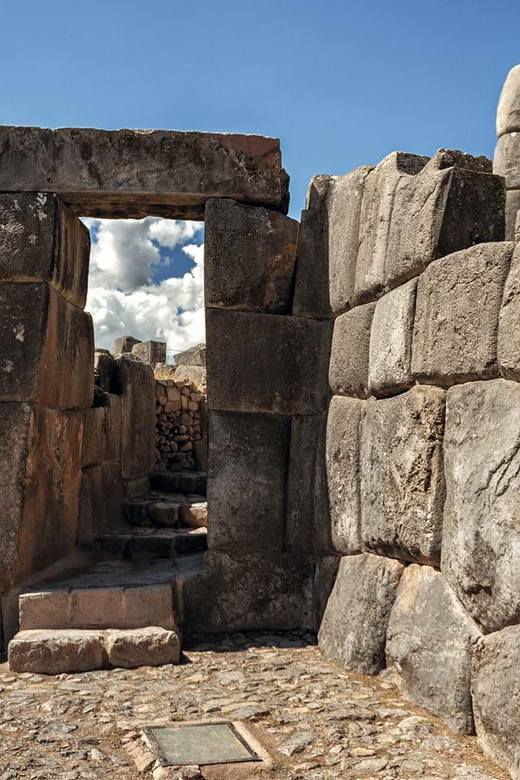
Puca Pucara is scheduled after Tambomachay, only a short van ride away. The visit lasts about 20 to 30 minutes. It is described as a military fortress and strategic control point, with panoramic views over the surrounding area.
Compared with Sacsayhuaman, Puca Pucara is smaller and less dramatic in its stonework. Its value comes from position. From here, you can think about movement into and out of Cusco, and how a high post could help control important routes.
The stop is usually more about a quick explanation and photographs than a long walk. If you want detailed military history, this portion may feel brief. Still, it completes the tour’s sequence nicely: sacred center, massive fortress, ceremonial rock site, ritual water, and defensive lookout.
The tour then returns to central Cusco. The listed finish point is Calle Plateros, though the exact return arrangement can depend on the departure meeting point.
Why the $16 price is attractive, and what it leaves out
At $16 per person, this is an inexpensive way to connect five important sites without arranging separate transport. I see the price as good value for the van, bilingual guide, hotel pickup near the historic center, and the amount of ground covered in five hours.
But $16 is not the full cost. You need to add 15 soles for Coricancha and 70 soles for the partial tourist ticket. Both are paid separately, in soles. Carry enough cash for admissions and any personal purchases, and do not confuse the low tour price with an all-inclusive entry package.
The other cost is time. Some stops may be shortened if the group runs late or if extra stops are added. A textile shop, an alpaca clothing shop, and sales of books or liquor were specifically reported on one departure. These stops can turn a focused ruins tour into something closer to a mixed sightseeing and shopping circuit.
If you dislike sales visits, ask at the start whether any shopping stops are planned. You can also make clear that the archaeological sites are your priority. The tour provider is PeruVibes, and the advertised service includes a professional bilingual guide, but the actual pace can depend on the guide and the day’s schedule.
The guide can make or break the short visits
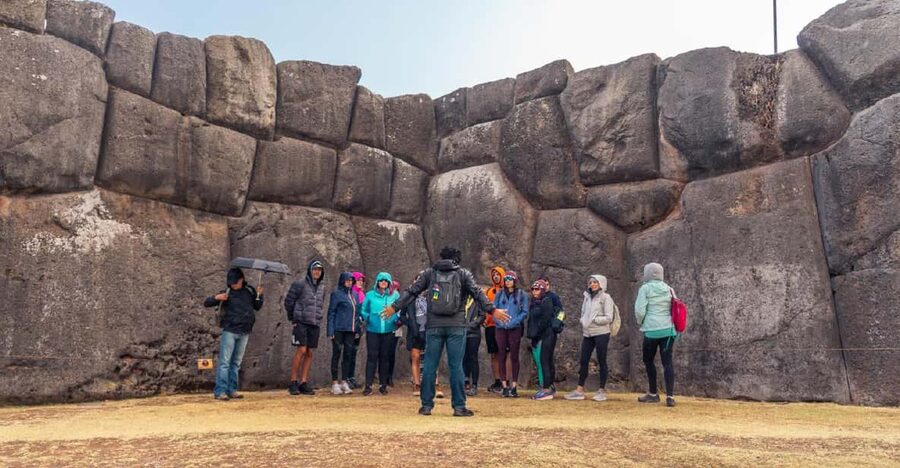
A strong guide matters because each ruin receives only a small slice of the day. Yako was praised for being caring and for explaining ancient Inca civilization clearly. That kind of guide can turn a quick stop into a useful lesson.
The languages are English and Spanish. On a bilingual departure, the guide may explain each point first in Spanish and then in English. One account found that the English explanations became shorter as the day went on. If you are in the English group, pay attention to the first explanation and ask questions when you need more detail.
There was also a complaint about the guide spending free moments on the phone. That does not define every departure, but it is a fair reason to keep expectations practical. This is a budget group tour, not a private archaeology lesson.
How to prepare for altitude, weather, and rough ground
Cusco sits at high altitude, and this tour is not suitable for people experiencing altitude sickness. It is also not designed for babies under one year, children under three, or people over 95 years old.
You should bring:
- Passport or identification card
- Comfortable walking or hiking shoes
- Long pants and clothing that can get dirty
- A long-sleeved shirt and breathable layers
- Biodegradable sunscreen
- Cash in soles
- A charged smartphone and camera
- Waterproof clothing or a poncho during the rainy season
The sites involve walking, uneven ground, and outdoor exposure. Baby strollers and carriages are not allowed, and explosive substances are prohibited. These rules are simple, but they reinforce the point: pack for a ruin walk, not a polished city museum.
Morning or afternoon departure?
The morning option runs from about 9:00 a.m. to 2:00 p.m. The afternoon version starts around 1:00 p.m. and returns around 6:30 p.m.
The morning departure leaves your afternoon open for central Cusco, a meal, or another activity. It also avoids finishing after sunset. The afternoon departure may suit you if you want a slower morning, but the day can feel long once you combine altitude, sun, walking, and several stops.
The supplied schedule contains a repeated 1:00 p.m. meeting reference, so confirm the exact pickup time and location when the provider contacts you the day before. This is especially important if you are staying outside the historic center.
Who should book this Cusco ruins tour?
I would choose this tour if you want a low-cost overview, need transport to the hilltop ruins, and prefer a guide to explain the basic Inca context. It works particularly well early in a Cusco visit because Coricancha gives you an introduction before the larger outdoor sites.
I would hesitate if you want long, quiet visits, detailed history at every stop, or complete control over the route. The possibility of sales stops is the biggest concern, and Sacsayhuaman may receive less time than promised.
Book it if your priority is seeing the main sites in one half-day for a modest price. Skip it in favor of a private or slower tour if you care most about archaeology, photography, or staying at each ruin until you have seen every corner.
FAQ
How long does the Cusco ruins tour last?
The advertised duration is five hours. The morning departure runs approximately from 9:00 a.m. to 2:00 p.m., while the afternoon departure runs from about 1:00 p.m. to 6:30 p.m.
Which archaeological sites are included?
The route includes Coricancha, Sacsayhuaman, Qenqo, Tambomachay, and Puca Pucara.
Is hotel pickup included?
Pickup is included for hotels near the historic center of Cusco. The provider contacts you in advance to arrange the details.
Are admission fees included in the $16 price?
No. Coricancha admission costs 15 soles, and the partial tourist ticket costs 70 soles. These fees are paid separately in soles.
Can I pay for tickets with a card?
The provided information states that payment at the archaeological site entrance is made in soles. Bring cash in the local currency.
What languages does the guide speak?
The tour is offered in English and Spanish with a live bilingual guide.
What should I wear?
Wear comfortable walking or hiking shoes, long pants, breathable clothing, and a long-sleeved shirt. During the rainy season, bring waterproof clothing or a poncho.
Is the tour suitable for someone with altitude sickness?
No. The activity is not suitable for people with altitude sickness.
Can I cancel the booking?
You can cancel up to 24 hours in advance for a full refund. The reserve-now, pay-later option allows you to book without paying immediately.
Newly written up around the world
- Private Day Trip of Forbidden City, Temple of Heaven and Summer Palace★ 4.5 · 3 reviews
- Private Tour to Lama Temple, Tian’anmen Square and Forbidden City★ 5.0 · 3 reviews
- Private Day to T-Square, Forbidden city, Temple of heaven, Summer palace Tour★ 5.0 · 54 reviews
- Private Half-Day Temple of Heaven and Lama Temple Tour★ 5.0 · 13 reviews
- Private Day Tour:Tiananmen Square,Forbidden City Temple of Heaven★ 5.0 · 16 reviews
- Private Tour to the Temple of Heaven and Tea tasting at the Maliandao Tea city★ 5.0 · 3 reviews
- Local’s Beijing: Forbidden City Insider Tour +Temple +Duck Feast★ 4.5 · 66 reviews
- Temple of Heaven Ticket with Optional Guide Service★ 5.0 · 120 reviews
Peru Temple Tours, compared.
Pre Inca Temple of Pachacamac Half-Day Tour from Lima
Read our review →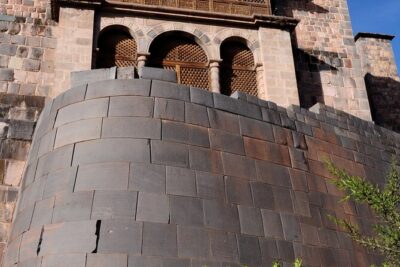
Cusco City Sightseeing, San Pedro Market, Cathedral and Qorikancha Temple
Read our review →
3-Hour Horse Riding Tour to the Temple of the Moon
Read our review →
Horse Riding Chacan Mountain And Temple Of The Moon
Read our review →
Arequipa, Historic and Colonial City and Santa Catalina Monastery
Read our review →
Arequipa: Walking Tour and Santa Catalina Monastery
Read our review →
From Trujillo: Temple of the Moon and Sun and Chan Chan
Read our review →Browse the lists this tour appears in