
Reviewed · CHIANG MAI TEMPLE TOURS
From Chiang Mai: Lamphun and Lampang Temples Tour
The best thing about this day trip is that it takes you beyond Chiang Mai’s usual temple circuit. Lamphun and Lampang offer older, quieter religious sites, with fewer crowds and more time to notice the details. I like the mix of major temples, local food, and a short ride through Lampang in its traditional horse carts.
I also like the small-group format, limited to nine people, and the guides’ focus on history, religion, and everyday northern Thai life. Guides including Wassana, Art, Del, and Sunny have been praised for clear English and patient answers. The main drawback is the long day: nine hours in a van, heat, and several temple visits can be tiring, while lunch and the horse cart cost extra.
Key points to know before booking
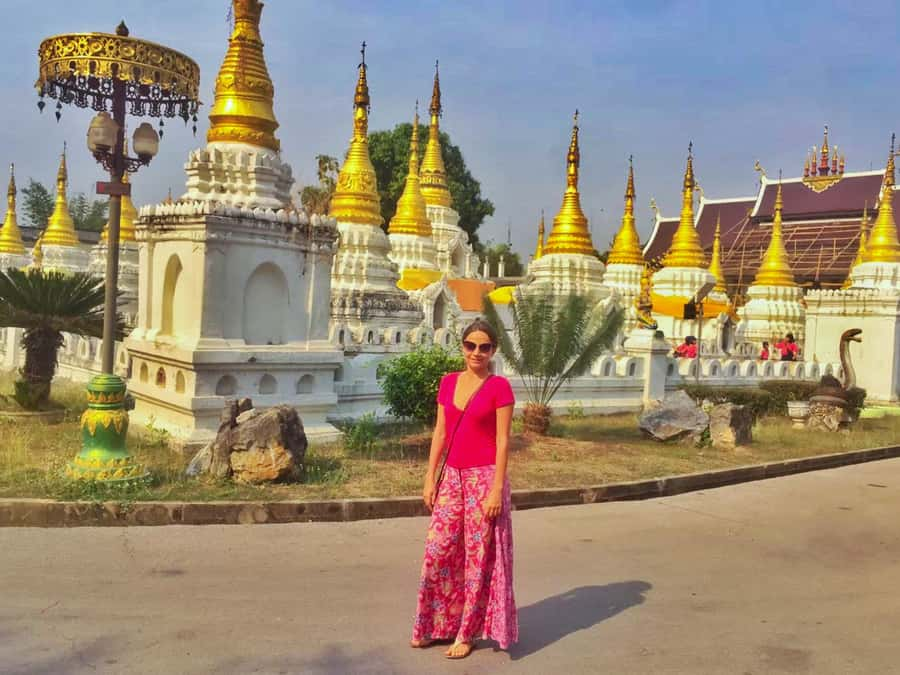
- Lamphun comes first: Visit Wat Chammathewi and Hariphunchai Temple before lunch in Lamphun.
- Lampang’s famous horse carts are optional: A 15 to 30-minute ride costs 500 THB for a two-person cart.
- Wat Phra That Lampang Luang is the grand finale: Expect Lanna architecture, painted prayer halls, brick gateways, and a calm courtyard.
- The group stays small: Transport and guiding are designed for no more than nine participants.
- Lunch is not included: You will have about an hour to eat in Lamphun, with personal spending paid separately.
- The tour reduces some environmental impact: A glass water bottle is provided, and carbon emissions are offset.
Why Lamphun and Lampang make a worthwhile day trip
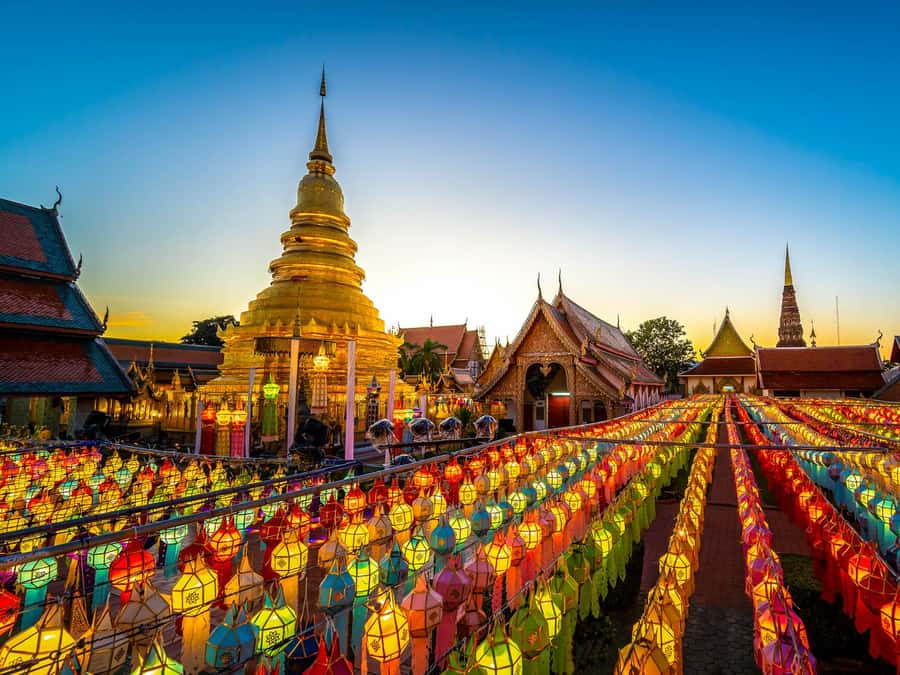
Chiang Mai is northern Thailand’s best-known base, but these two nearby cities tell an older and less polished story. Lamphun grew from the Mon Kingdom of Hariphunchai, which ruled this part of the north from roughly the ninth to the thirteenth century. Lampang is known for its old town, traditional horse carts, and Lanna temples.
This is not a quick photo-stop excursion. The route gives you several chances to look at different periods and styles of northern Thai religious architecture. You move from the unusual stepped pagoda at Wat Chammathewi to the grand riverfront complex of Hariphunchai, then on to Lampang’s powerful Lanna temple buildings.
The route also works well if you have already seen Chiang Mai’s most famous temples. You get a change of pace without needing to arrange a private car, navigate provincial roads, or plan temple opening times yourself.
Other temple visits near Chiang Mai we have written up
- Chiang Mai: Chiang Rai Temples, Karen Tribe and Hot Springs
★ 4.7 · 5,401 reviews - Chiang Rai White Temple and Blue Temple Day Tour
★ 4.6 · 3,366 reviews - Chiang Mai: White, Red/Black & Blue Temples Tour with Lunch
★ 4.2 · 2,017 reviews
The 75-minute ride from Chiang Mai
Pickup is offered from hotels and registered accommodations in central Chiang Mai, mainly within 5 kilometers of Tha Pae Gate, the Old City, and nearby areas such as Chang Klan Road, Thapae Road, Wualai Road, the Night Bazaar, Ton Lam Yai Market, and Warorot Market.
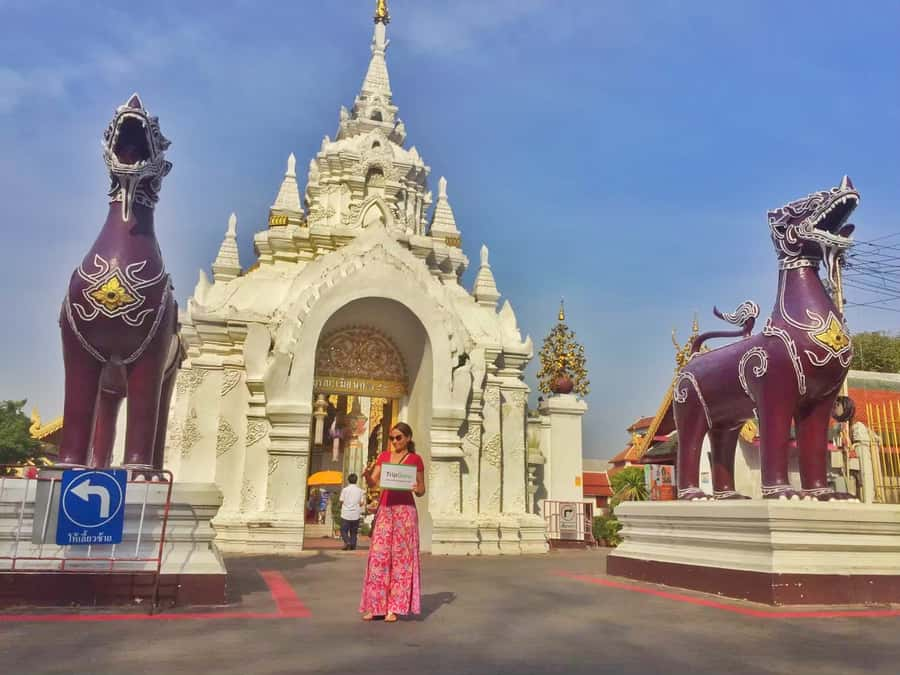
The driver contacts you the evening before with the exact pickup time and meeting point. You need to meet in your hotel lobby, where the guide carries a TripGuru sign. Roadside and shopping-mall pickups are not offered, so check that your accommodation falls within the stated area.
The drive to the first stop takes about 75 minutes. That is a useful detail when judging the value of the day. You are paying for a full regional outing, not a short transfer between nearby Chiang Mai sights. An air-conditioned vehicle helps, but the day still includes a fair amount of sitting, so this tour suits you best if you are comfortable with a full-day road trip.
Wat Chammathewi and the oldest pagoda on the route
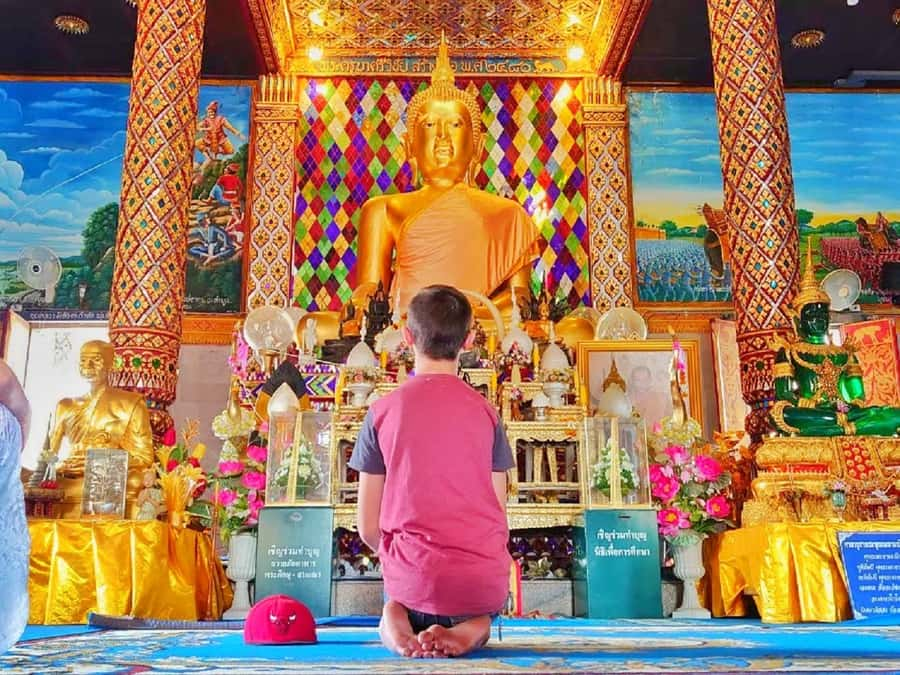
The first temple stop is Wat Chammathewi in Lamphun, scheduled for about 30 minutes. Its main feature is a square, stepped-pyramid pagoda surrounded by arches containing 60 Buddha images.
The stupa is linked with Queen Chama Devi, whose ashes are said to be held inside. Its form is associated with the Dvaravati period, a broad cultural era that influenced much of Thailand from the sixth to the eleventh century. That makes this more than another ornate northern temple. The shape itself gives you a clue to the older Mon and central Thai influences that shaped Lamphun.
Thirty minutes is enough to see the pagoda and listen to an explanation, but not enough for a slow architectural study. If you enjoy taking many photographs or reading every inscription, you may want more time here. The benefit of joining a guided trip is that you get the historical setting quickly, rather than simply seeing an unusual pyramid and moving on without context.
Wear clothing that covers your shoulders and knees. Long pants and a long-sleeved shirt are specifically recommended, and they are useful protection from the sun as well as appropriate temple clothing.
Hariphunchai Temple beside the river
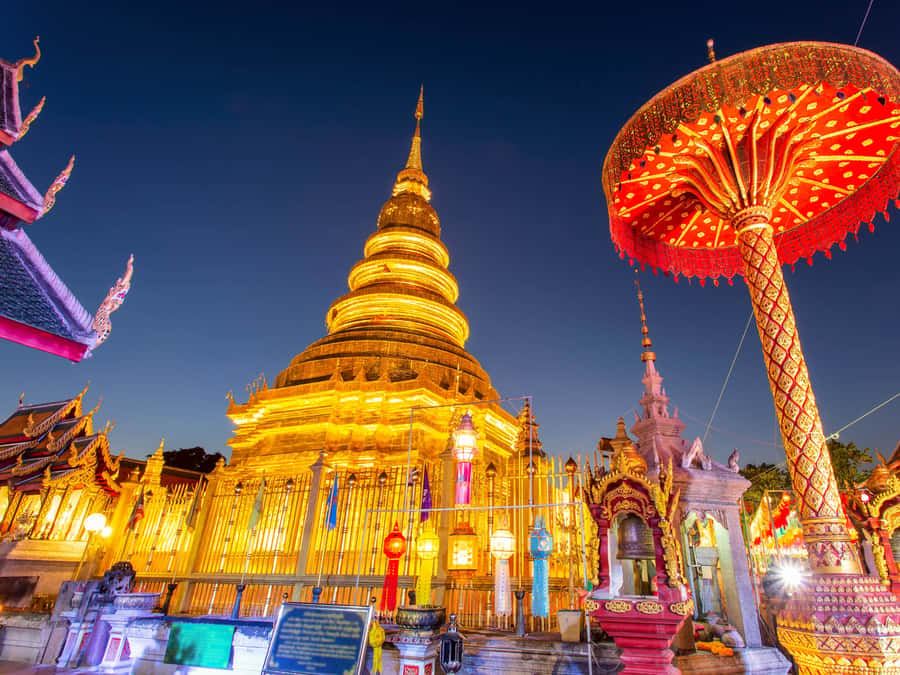
Wat Phra That Hariphunchai Woramahawihan receives about an hour, making it the day’s longer stop in Lamphun. It is described as the city’s largest, oldest, and most attractive temple compound, and its position beside the river adds a pleasant sense of space.
The temple’s name comes from Hariphunchai, the Mon Kingdom that controlled this area for centuries. This is where the broad history lesson becomes easier to understand. You are not only looking at a Buddhist compound in isolation. You are seeing a religious center tied to an earlier northern kingdom and to Lamphun’s role before Chiang Mai became the region’s main power.
An hour gives your guide room to explain the main buildings and lets you look around without being rushed. The pace is one of the strongest parts of this excursion. Guides such as Art and Del have been noted for explaining history, philosophy, and local life rather than delivering only a memorized list of dates.
The stop is still active and religious, so quiet, respectful behavior matters. Keep your shoulders and knees covered, remove shoes where requested, and avoid blocking worshippers while taking photos.
A different set of gates, same trip:
- Chiang Mai: Doi Suthep and Wat Umong Enchanting Evening Tour
★ 4.6 · 1,811 reviews - Chiang Mai: 3 Hour Old City and Temples Guided Walking Tour
★ 4.6 · 1,568 reviews - Chiang Mai: Doi Suthep, Wat Umong, and Pha Lat Sunrise Tour
★ 4.7 · 1,425 reviews - Chiang Rai Temples: Private Tour from Chiang Mai
★ 5.0 · 1,267 reviews
Lunch in Lamphun, with room for local food
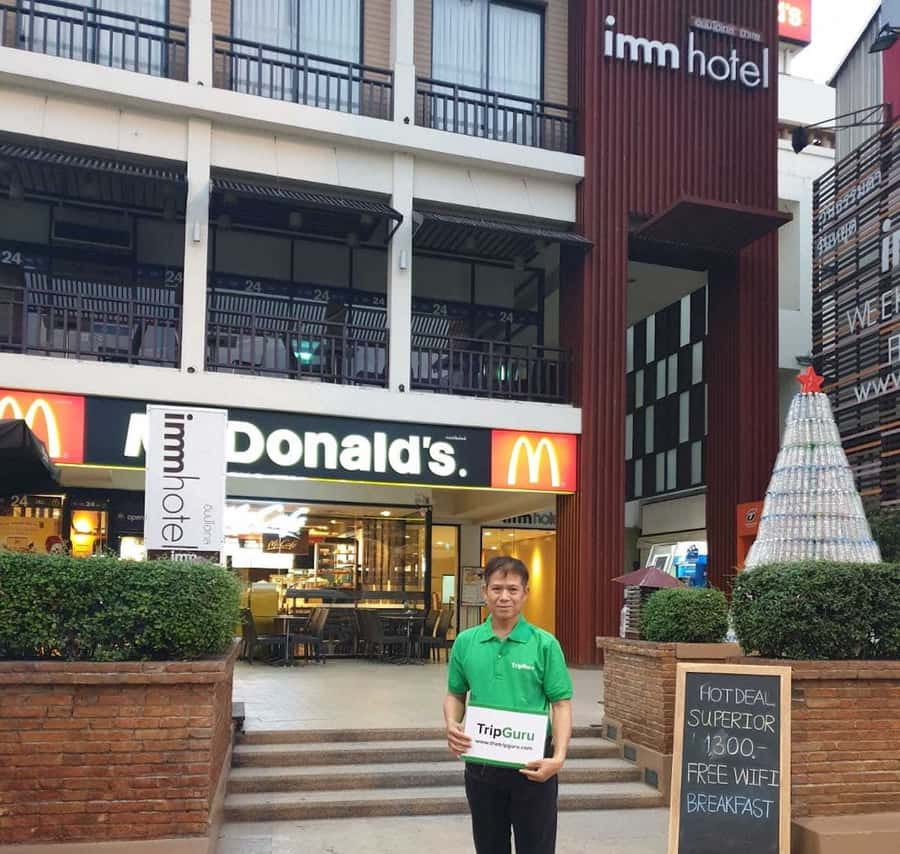
After Hariphunchai, you have about an hour for lunch in Lamphun. Food is not included in the $106 price, so bring cash for your meal and any drinks or snacks.
The exact restaurant is not fixed in the information provided, but the route is designed around local eating rather than a hotel lunch in Chiang Mai. One guide helped the group order at a typical Thai restaurant where staff did not speak English. That can be useful if you want to try local dishes but feel unsure about ordering.
I would treat lunch as part of the cultural value of the day, not simply a break between temples. You can ask the guide about unfamiliar dishes and use the time to experience a less tourist-focused town. At the same time, keep your expectations practical: this is not a food tour, and the meal cost and menu depend on the stop arranged that day.
Bring cash. Personal expenses are not included, and smaller local restaurants or markets may not accept cards.
Wat Phra That Lampang Luang and classic Lanna design
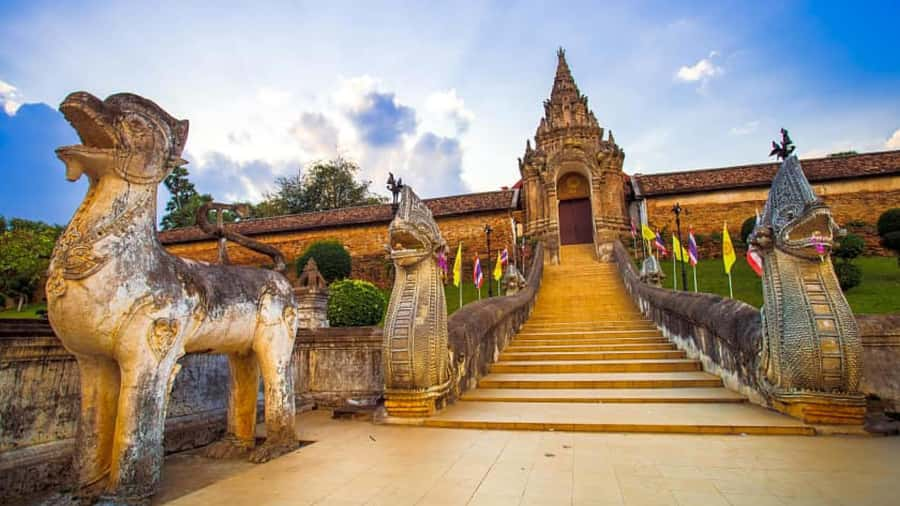
The route then continues to Wat Phra That Lampang Luang, one of northern Thailand’s finest examples of Lanna-style architecture. The visit is listed as 30 minutes, though the temple complex contains enough to reward careful attention.
You can expect a large brick gateway, painted prayer halls, a sand-covered courtyard, and bronze and copper stupas. There is also a historical museum. The setting is especially appealing because it feels quiet and contained, with the different buildings arranged around the courtyard rather than scattered through a modern city.
The painted interiors are among the details worth noticing. Ask your guide to point out how the buildings differ from the older Mon-influenced structures in Lamphun. The comparison helps you see that northern Thai temple design is not one single style.
The short scheduled visit is the chief limitation. You will see the main features, but you may not have time to explore every hall or spend long with the museum displays. If this temple is your main reason for booking, stay close to the group and use the guide’s explanation efficiently.
The optional horse-cart ride in Lampang
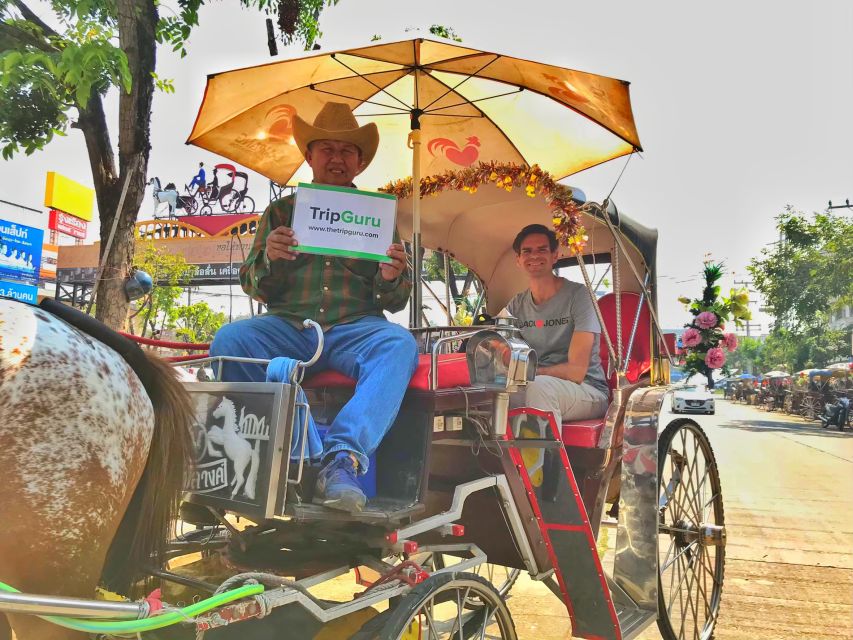
Lampang is widely known in Thailand as Horse Cart City, and the optional cart ride is the day’s most distinctive activity. The ride lasts about 15 to 30 minutes and costs 500 THB for a cart carrying two people.
You may travel along the Wang River or pass some of the city’s familiar sights. This is not a high-speed sightseeing circuit. It is a short, old-fashioned way to get your bearings and see Lampang from the road rather than only from a temple courtyard.
The ride is not included in the tour cost, so decide on the day if it suits your budget and interests. The price is per two-person cart, not per individual, which makes it better value if you are traveling with a companion. If you are alone, confirm how the arrangement works before paying.
The cart should be treated as an optional local experience, not the main reason to choose the tour. The temples provide the historical substance. The horse cart adds character and a memorable change of pace.
Wat Chedi Sao and the market stop
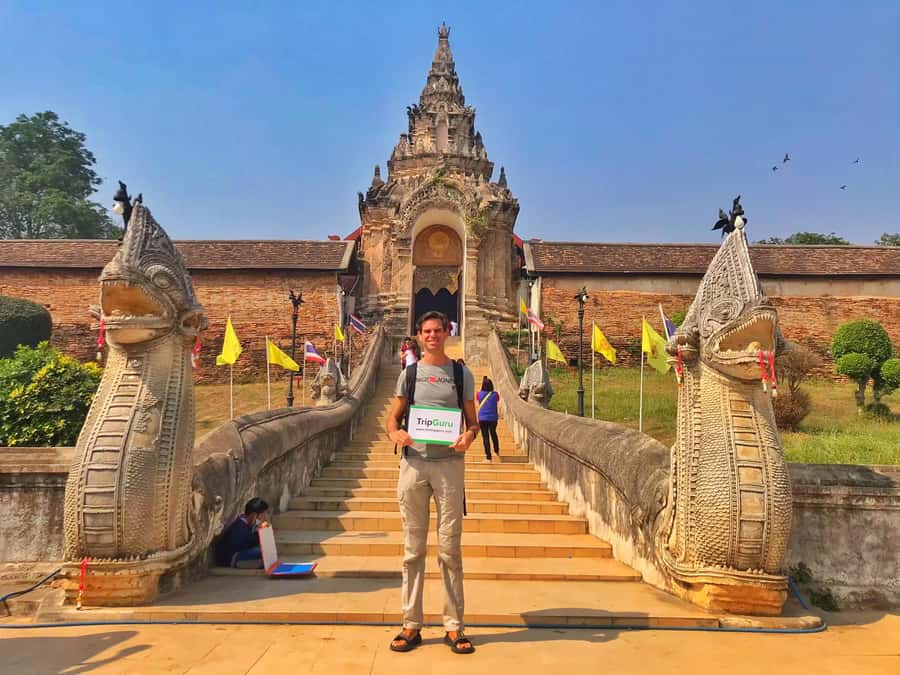
Wat Phra Chedi Sao is scheduled for another 30-minute visit. The supplied details do not specify the temple’s individual features, so you should think of this as an additional Lampang religious stop rather than book it for one particular monument.
The day then includes about an hour at a food market in Lampang Province. This gives you a different view of daily life after several formal temple compounds. You might find snacks, drinks, and local products, but the exact selection can vary.
The market stop is especially useful if you prefer trips that include ordinary local settings. It also gives you a chance to buy food or small items with cash. Do not expect a lengthy shopping session or a formal tasting program. It is simply part of the route and a chance to look around.
The combination of Wat Chedi Sao and the market keeps the Lampang portion from becoming a string of similar temple visits. Still, heat and fatigue can catch up with you by this point. Carry water, use sunscreen, and take shade when you can.
Guide quality and the value of a small group
The strongest practical reason to book this tour rather than arrange a taxi is the guide. You are not only being driven between sites. The guide explains the religious buildings, connects Lamphun and Lampang to northern Thai history, and can help with food choices.
The guide changes by departure. Names attached to this route include Wassana, Art, Del, Sunny, Jackie, and Sam. Wassana has been praised for arriving early, explaining the main road and regional history during the drive, and keeping the mood friendly. Art has been described as structuring the day around the history of the region, while Del has explained local history and philosophy in depth.
Those details matter because temple visits can blur together without good interpretation. Clear English and patience also help if you want to ask questions rather than listen quietly. The German-language feedback specifically notes that the guide spoke clearly enough for real conversation, not only a rehearsed speech.
A maximum of nine participants is a useful middle ground. You get the efficiency of shared transport without the scale of a large coach group. The tradeoff is that departure times and stops are less flexible than they would be on a private tour.
Price, inclusions, and the real cost of the day
At $106 per person, this is not the cheapest way to see Lamphun and Lampang. It includes central Chiang Mai hotel pickup and drop-off, an air-conditioned vehicle, an English-speaking guide, entry to Lampang Luang and Hariphunchai Temple, travel insurance, a glass bottle of water, and carbon-offset credits.
Lunch and the horse cart are extra. Add those costs when comparing this outing with a private driver or a basic shared transfer. The value comes from having the route planned, getting explanations at each major site, and avoiding the work of arranging transport between two provincial cities.
I consider the price reasonable if you want historical context and a guide who can help with local food and customs. It is less convincing if you mainly want transportation and prefer to explore temples at your own pace. The 96 percent perfect score for transport also suggests that the vehicle service is a dependable part of the experience, though no shared day trip can guarantee a particular driver or guide.
Heat, clothing, and responsible travel
Northern Thailand can be hot, and one participant specifically joked that the heat was the hardest part of the day. The route includes outdoor courtyards, temple grounds, and market walking, so sunscreen, water, and breathable clothing will help.
Long pants and a long-sleeved shirt are recommended. They solve two problems at once: temple dress requirements and sun protection. Comfortable shoes are also sensible, although the tour information does not specify the type of footwear required at each stop.
TripGuru describes the experience as GSTC-certified and includes a glass drinking-water bottle and carbon-emission offset credits. These measures do not remove the environmental cost of driving for nine hours, but they are practical steps that reduce disposable plastic and account for transport emissions.
The experience suits you if you value smaller groups, local settings, and cultural explanation. It may not suit you if you want a relaxed half-day, dislike long drives, or need a fully flexible schedule.
Should you book this Lamphun and Lampang tour?
Book it if you want to see an older side of northern Thailand without renting a car or working out a complicated route. The strongest reasons are the quiet historical sites, small group, good English guiding, and the chance to compare Lamphun’s Mon and Dvaravati influences with Lampang’s Lanna architecture.
I would also choose it for a final day in Chiang Mai, when you have already seen the city’s main temples and want one more substantial outing. The horse cart is a pleasant extra, but the temples and guiding are the real value.
Skip it if you want to control every minute, avoid long van rides, or spend a full afternoon at one temple. For everyone else, bring cash, dress for the heat and temple etiquette, keep your schedule open for nine hours, and consider adding the horse cart if the extra 500 THB per two-person cart fits your budget.
FAQ
How long does the tour last?
The tour lasts about nine hours, including transportation between Chiang Mai, Lamphun, and Lampang.
Is hotel pickup included?
Yes. Pickup and drop-off are included for hotels and registered accommodations in central Chiang Mai and the specified areas within and around the Old City.
How far from Chiang Mai can pickup be arranged?
Free pickup is offered in major downtown areas within a 5-kilometer radius of Tha Pae Gate, the Old City, and nearby listed areas including Chang Klan Road, Thapae Road, Wualai Road, the Night Bazaar, Ton Lam Yai Market, and Warorot Market.
How many people are in the group?
The tour is limited to nine participants.
Is lunch included?
No. You have about one hour for lunch in Lamphun, but the meal is paid for separately.
Is the horse-cart ride included?
No. The optional ride costs 500 THB for a two-person cart and lasts about 15 to 30 minutes.
What language is the tour conducted in?
The live tour guide speaks English.
What should I wear?
Long pants and a long-sleeved shirt are recommended. These clothes are suitable for temple visits and help protect you from the sun.
Can I cancel the booking?
Yes. You can cancel up to 24 hours before the activity for a full refund. The reserve-now, pay-later option is also available.
Newly written up around Chiang Mai
- Monk trails hike, Wat Phalat, Monk chanting, Wat Doi Suthep.★ 5.0 · 3 reviews
- Long Neck Village, Silver Temple & Chiang Mai Top Sites★ 4.7 · 17 reviews
- Lalita Cafe & Chiang Rai Temple(White+Blue) from Chiangmai★ 4.8 · 5 reviews
- Private : Sticky Waterfall & Secret Temple & Karen Village.★ 5.0 · 9 reviews
- Chiang Mai: Temples & Culture Tour★ 4.7 · 64 reviews
- From Chiang Mai: White Temple, Blue Temple & Black House★ 4.5 · 15 reviews
- Chiang Mai: Chiang Rai Temples & Black House Discovery Tour★ 4.4 · 12 reviews
- From Chiang Mai: Chiang Rai Famous Temples Guided Tour★ 4.4 · 59 reviews
Chiang Mai Temple Tours, compared.
Chiang Rai Temples, Karen Tribe and Hot Springs
Read our review →
Chiang Rai White Temple and Blue Temple Day Tour
Read our review →
White, Red/Black & Blue Temples Tour with Lunch
Read our review →
Doi Suthep and Wat Umong Enchanting Evening Tour
Read our review →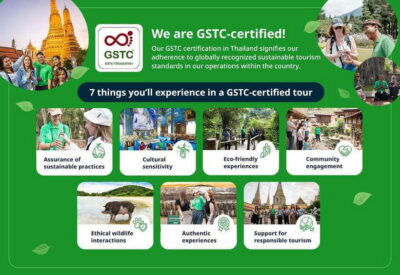
3 Hour Old City and Temples Guided Walking Tour
Read our review →
Doi Suthep, Wat Umong, and Pha Lat Sunrise Tour
Read our review →
Chiang Rai Temples: Private Tour from Chiang Mai
Read our review →
Browse the lists this tour appears in