
Reviewed · MALTA TEMPLE TOURS
Prehistoric Temples of Malta Tour
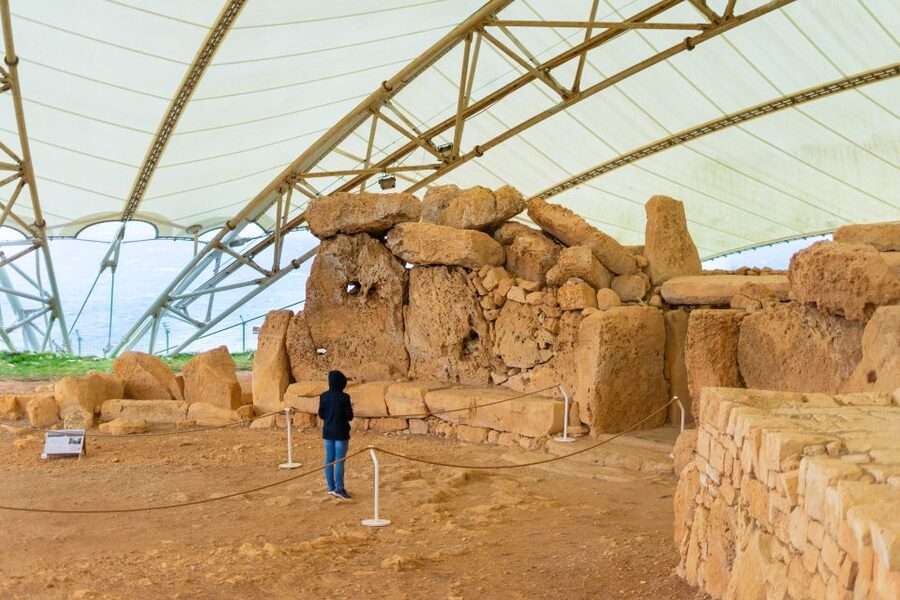
Malta’s prehistoric temples are not modest piles of old stone. At Hagar Qim and Mnajdra, enormous limestone blocks form doorways, chambers, and curved walls built around 3150 BC. You also visit Ghar Dalam, a small cave with a museum full of fossil bones from animals that once lived on Malta.
I like the way this tour combines two very different stops: the temple sites give you open-air archaeology and sea views, while Ghar Dalam explains Malta’s much earlier natural past. I also like the live guides, especially the repeatedly praised Mark, Mario, Marco, and Marlon, who bring context that you will not get from simply walking around with a map. The main tradeoff is time. Four and a half hours covers a lot, but some people want another 20 minutes at the temples, and hotel pickups can make the morning feel longer.
Key points to know
- Hagar Qim uses soft globigerina limestone: The temple’s pale local stone has been shaped into huge, carefully fitted blocks.
- Mnajdra is the architectural star: It is widely considered the finest surviving example of Maltese megalithic architecture.
- Ghar Dalam adds prehistoric wildlife: The cave museum displays bones and fossils from animals that lived on Malta long before the temples.
- The Hamrija Tower adds a later chapter: This 17th-century watchtower was built by Grand Master Martin de Redin.
- The walk matters: The sites are connected by an outdoor path, with an uphill return and some steps.
- Transport saves planning time: Hotel pickup, entry fees, a guide, and return transport are included for $59 per person.
Why Malta’s oldest monuments deserve a half-day
The Megalithic Temples of Malta date back roughly 5,500 years. That makes them older than the pyramids of Giza and among the oldest free-standing stone structures on Earth.
That age can be hard to grasp when you first see the walls. The temples are not intact buildings, and the stones do not come with a neat written explanation. A good guide helps you read the shapes: broad entrance slabs, rounded rooms, altar areas, and walls made from blocks that must have required serious planning and group effort.
This is where a guided visit earns its keep. Guides including Mark, Mario, Marco, and Marlon have been praised for explaining not only the temples, but also the people who built them, Malta’s geology, local plants, and the wider story of the island. Some guides have worked as archaeologists or lecturers, so the quality can be especially strong when you are paired with one of the more experienced presenters.
The sites are not museums in the usual sense. They are exposed ruins on a southern Maltese ridge, surrounded by low Mediterranean scrub called garrigue. You get a strong feeling for the setting, but also sun, wind, uneven ground, and very little shade. Bring comfortable shoes and water.
Other temple visits near the world we have written up
- Lisbon: Jerónimos Monastery Entrance Ticket
★ 4.1 · 14,164 reviews - Angkor Wat Sunrise or Sunset Tour with Guide from Siem Reap
★ 5.0 · 12,109 reviews - Teotihuacan, Guadalupe Shrine & Tlatelolco Day Tour with Lunch
★ 5.0 · 11,603 reviews
Ghar Dalam Cave explains Malta before the temples
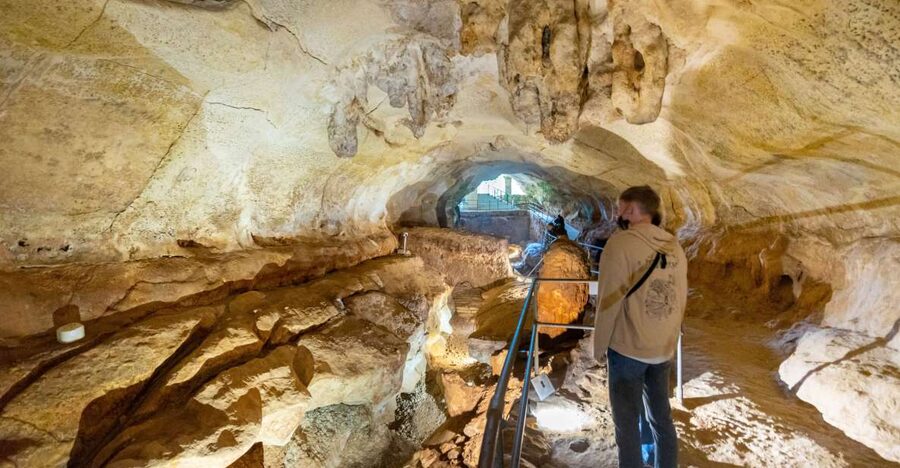
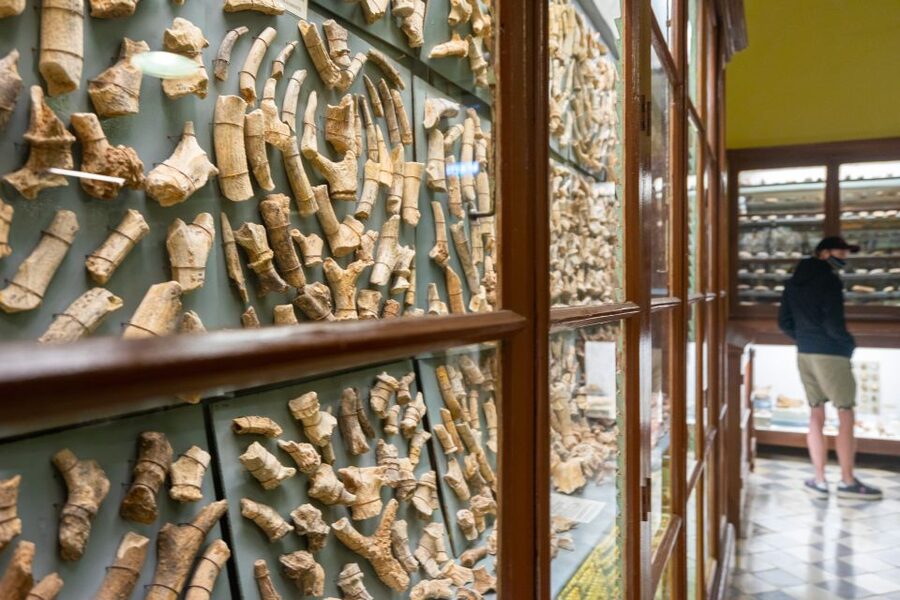
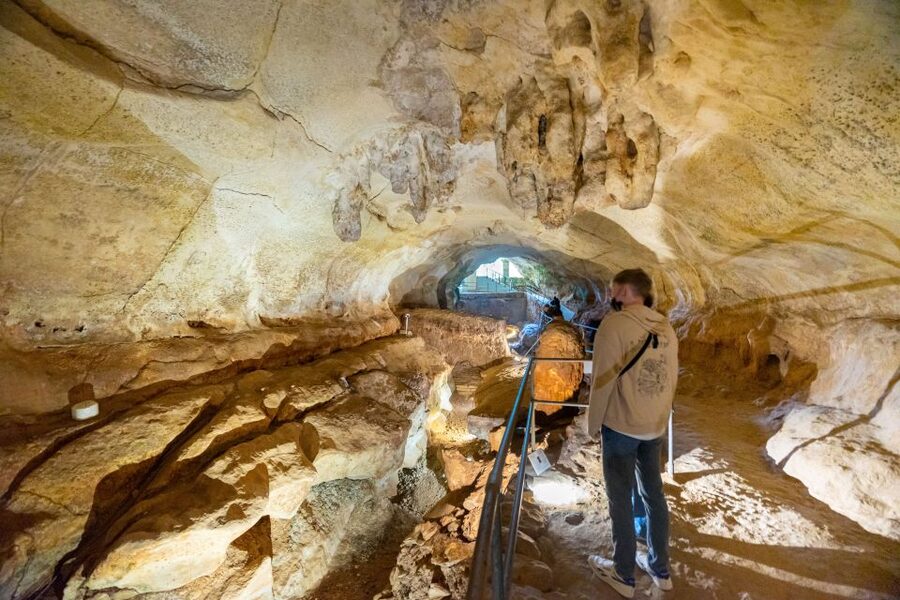
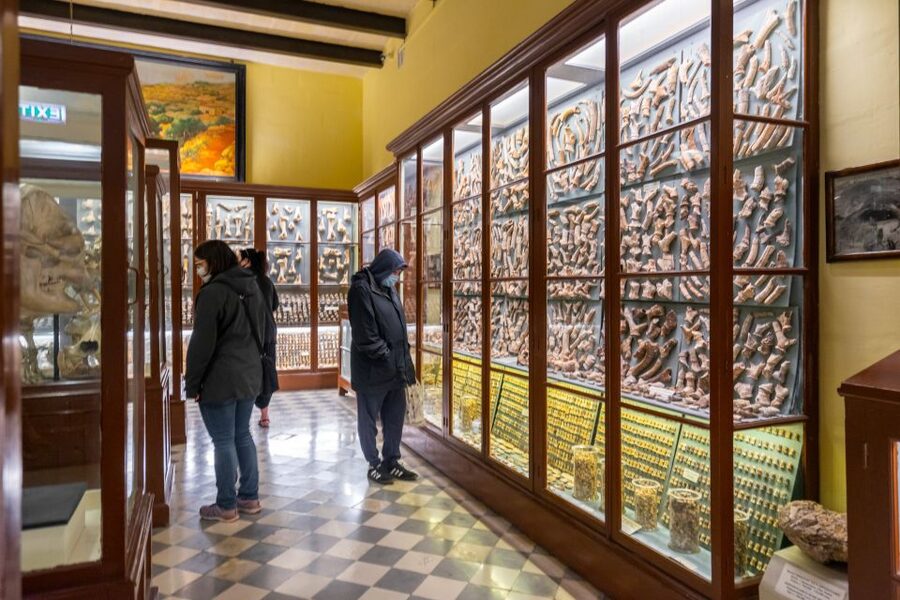
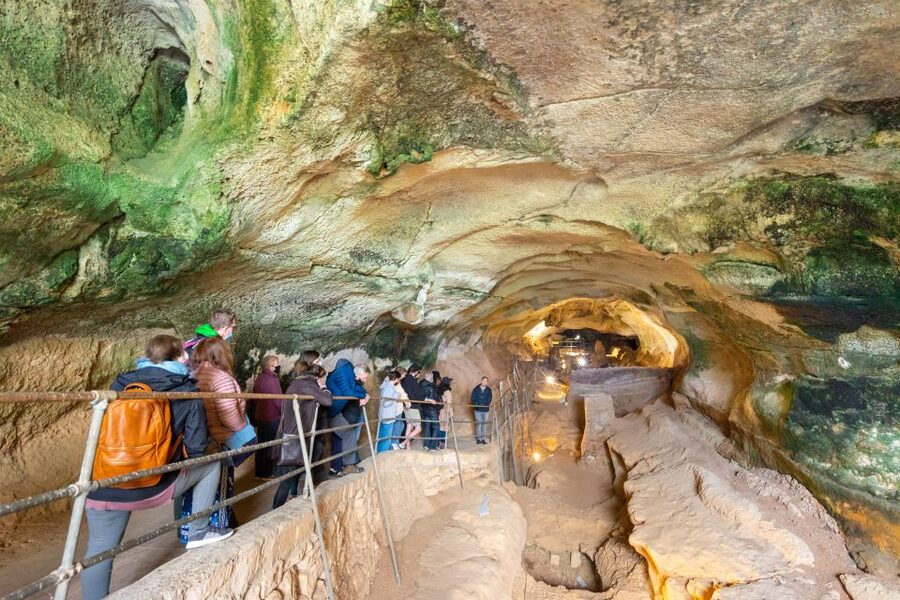
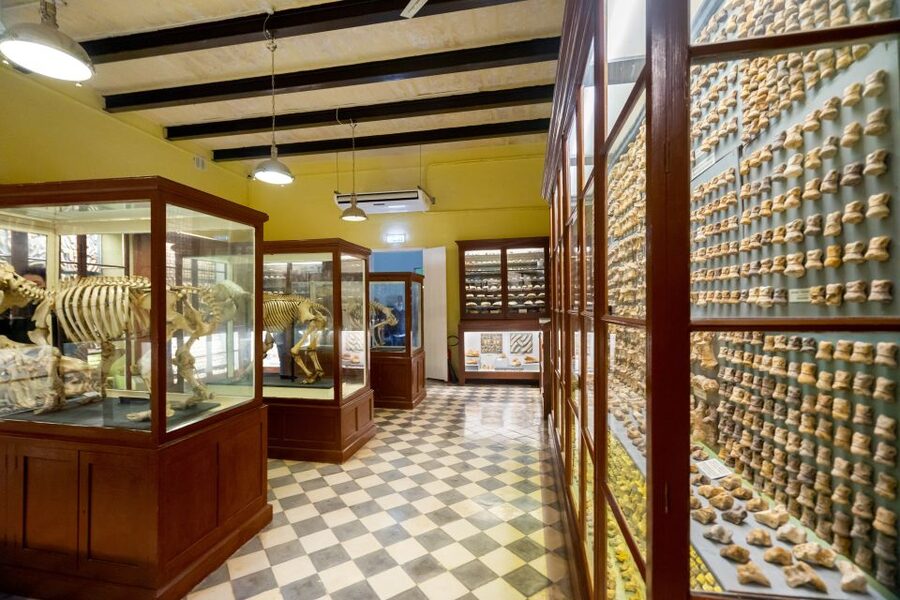
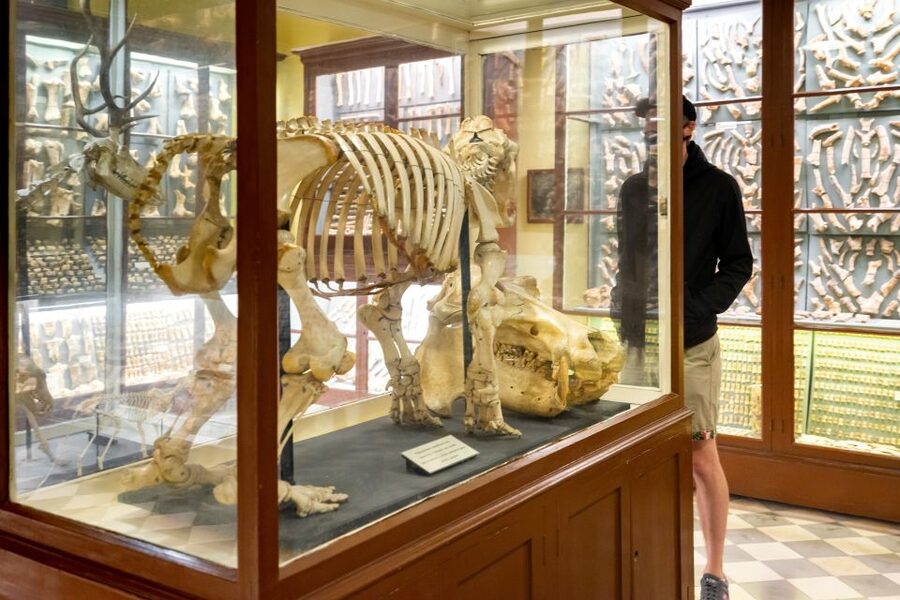
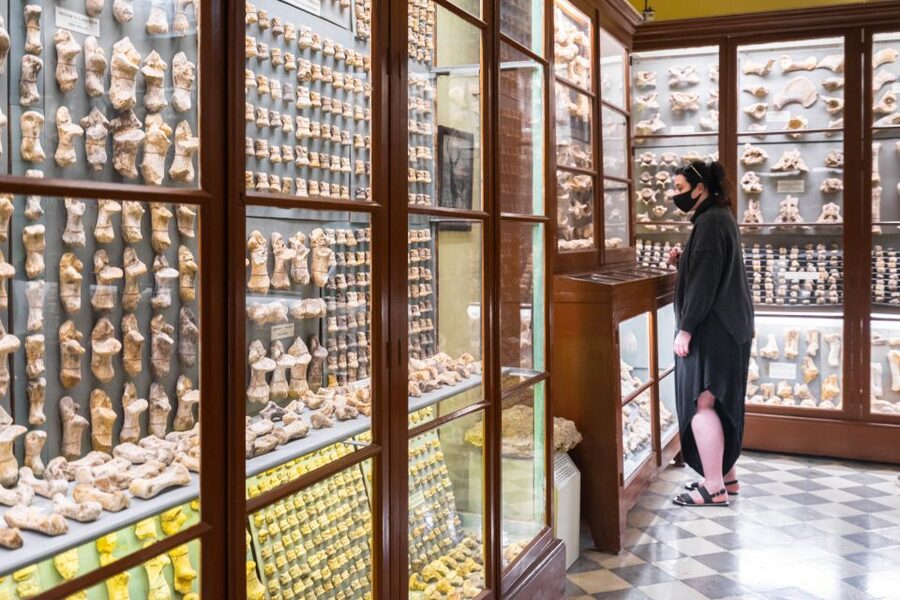
Ghar Dalam is usually the first major archaeological stop, and it gives the morning a useful foundation. The cave is associated with Malta’s prehistoric animal life, while the museum displays bones and fossils from species that lived on the island.
Do not picture a large cave system filled with dramatic stalactites, underground lakes, or grand chambers. The cave itself is relatively small. Its value is the evidence inside and the museum collection nearby, which can include bones and skeletons from animals that once inhabited Malta.
That distinction matters. If you are expecting a show cave, Ghar Dalam may feel brief. If you are interested in how islands change over time, it is a worthwhile stop. One visitor even spotted a chameleon in its natural setting near the cave, though that should be treated as a lucky possibility rather than part of the program.
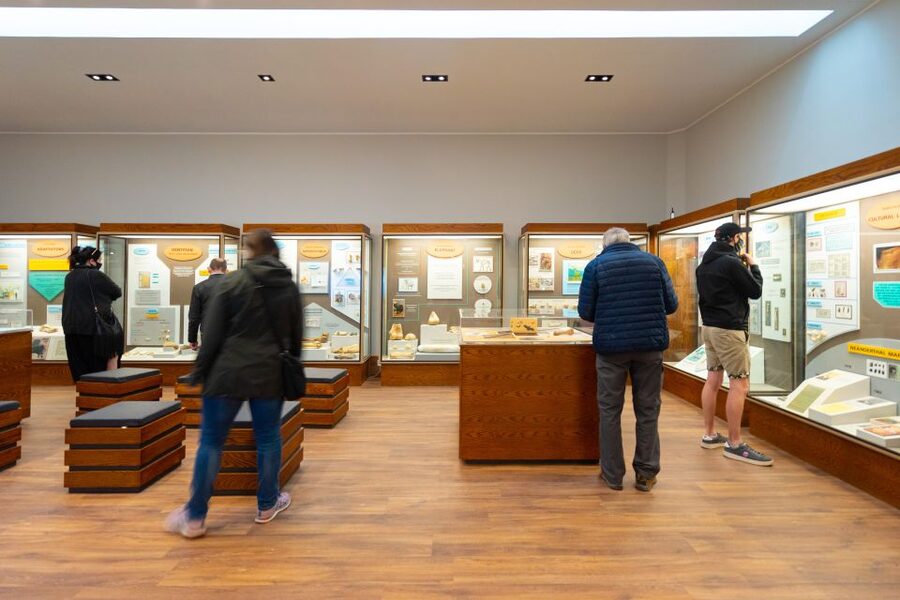
You normally have a limited amount of time for the museum, so focus on the fossil displays first. This is also the place where you can ask your guide to connect Malta’s animal past with its later human settlements. The combination makes the tour more than a procession of stone ruins.
Hagar Qim reveals the scale of Neolithic building
Hagar Qim sits on a ridge of soft globigerina limestone in southern Malta. The temple complex is protected, but you still get close enough to appreciate the size and shape of the blocks.
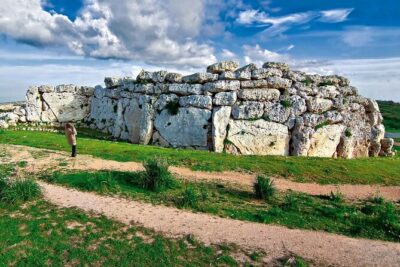
The first thing to notice is the stone itself. Its warm, pale color fits the southern Maltese setting, and the softer limestone allowed prehistoric builders to cut and shape it. Look for the curved plan of the chambers and the way large slabs form entrances and walls.
The temple is called fragile for good reason. Wind, rain, sun, and salt air work slowly on exposed limestone. Protective measures help preserve the site, but they can also mean that some areas are viewed from controlled paths rather than freely explored.
Your guide’s explanation is particularly useful here because the surviving walls can otherwise seem abstract. You may hear about how archaeologists work out the purpose of different spaces, how the temple was assembled, and what can and cannot be known about the people who used it. A strong guide should separate evidence from theory, which is important at a site this old.
The visitor facilities include toilets and a gift shop. The complex also provides a place to pause before continuing toward Mnajdra. The walk is not simply a quick step across a courtyard. It takes you through open scrub and exposed ground, so sturdy footwear is more important than stylish footwear.
Mnajdra is the highlight for architecture and setting
Mnajdra is close to Hagar Qim, but it has its own character. It is often considered the best surviving example of Maltese megalithic architecture, and the setting helps explain why many people regard it as the tour’s main attraction.
The temple sits in a stark area of garrigue above the Mediterranean. From the site, you can look toward the sea and the small island of Filfla. The view is not a side detail. It shows how dramatically the builders placed their monument within Malta’s southern tip.
The complex has a strong sense of order. Rounded rooms open from one another, and the blocks create a careful rhythm of doors, curves, and thresholds. Your guide can point out the carved stonework and explain how archaeologists interpret the layout.
This is also the stop where time can feel tight. The tour gives you time at both temples, and many people find the pacing workable, but some would prefer another 20 minutes to examine the displays and stonework. If photography, archaeology, or ancient building methods matter greatly to you, you may wish for a longer independent visit on another day.
The path between the temple areas includes a longer walk, and the return is uphill. One earlier account noted that visitors with mobility limits could use an open cab for part of the route, but you should ask the operator ahead of time about current arrangements rather than assume that option will be available. Guides have generally been good about explaining the walking demands and alternatives before the group sets off.
A different set of gates, same trip:
- From Bangkok: Ayutthaya Temples Guided Tour with Lunch
★ 4.7 · 10,535 reviews - Siem Reap: Angkor Wat: Small-Group Sunrise or Sunset Tour
★ 5.0 · 9,444 reviews - Athens: Cape Sounion & Poseidon Temple Sunset Half-Day Trip
★ 4.8 · 8,241 reviews - Ubud: Monkey Forest, Jungle Swing, Rice Terrace, and Water Temple
★ 5.0 · 7,160 reviews
Hamrija Tower adds Malta’s Knights-era story
A few hundred meters from the temple area is Hamrija Tower, one of Malta’s 13 watchtowers built by Grand Master Martin de Redin. It belongs to a much later period than Hagar Qim and Mnajdra, when the Knights of Malta were defending the coast.
You may not spend the same amount of time at the tower as at the temples, and the tour description does not promise an interior visit. Its value is as a visible reminder that Malta’s southern coast continued to matter for defense long after prehistoric communities had disappeared.
The tower also helps you read the setting. The temples were placed in a coastal area with wide views, and centuries later those same views were useful for watching ships and warning of danger. In one short morning, you move from prehistoric ritual buildings to the military history of the Knights.
What the guide adds to the experience
The difference between a good temple visit and a merely impressive one is often the explanation. The stones are powerful on their own, but a guide can show you details you might miss, such as the carved surfaces, the shape of the chambers, and the difference between firm archaeological evidence and later interpretation.
The most frequently praised guides include Mark, Mario, Marco, and Marlon. Mark has led groups in several languages and has been praised for making people think about how the sites were discovered and understood. Marco has been described as an archaeologist who explained temple culture clearly and helped organize the group. Marlon, a retired archaeologist and lecturer, brought particular subject knowledge and enthusiasm.
The official languages are English, German, Italian, and French. A multilingual tour can mean that explanations take longer, since the guide may repeat the same material in several languages. One visitor appreciated Mark’s ability to address English, Italian, and French speakers, while another found a guide’s English difficult to follow. Your experience will depend partly on the guide assigned to your departure.
The better guides also explain practical matters. They point out the walking distances, stairs, meeting locations, and where to return to the bus. That simple information reduces stress at open-air sites where it is easy to wander too far from the group.
Transport, pickup times, and the value of $59
The tour costs $59 per person and lasts about 4.5 hours. That includes transportation, hotel pickup and drop-off, an accompanying guide, and entrance fees for Ghar Dalam, Hagar Qim, and Mnajdra.
For many people, this is a fair price. You avoid arranging buses to three separate sites, buying several admissions, and working out the walking route between Hagar Qim and Mnajdra. You also get a guide who can connect the sites into one story.
The value is less clear if you already have a rental car or want to spend a full day at each temple. Several people found the tour convenient but a little expensive for the amount of time on site. The main cost is not only the entrance tickets. It is the ease of having transport and a guide handle the morning.
Pickup times begin early in the north, with Cirkewwa at 8:30 a.m., Mellieha at 8:40, Xemxija and Golden Bay at 8:50, St. Paul’s Bay at 9:00, Bugibba at 9:05, and Qawra and St. Julian’s at 9:10. Sliema is listed at 8:55, Valletta at 8:40, and Attard at 8:30.
Because the vehicle collects people from several areas, pickup can take longer than expected. That is the price of hotel service. Some departures also involve joining another bus, which has caused waits. Once underway, the transport has generally been comfortable, including air conditioning, although a few older reports describe an uncomfortable or worn vehicle on the return journey. Traffic in Malta can also affect the schedule.
Your exact pickup point and time are sent by email one day before the tour. Check that message carefully, especially if your hotel is not directly served and you need to walk to a nearby meeting point. One Valletta pickup was around a 10-minute walk from the hotel, which was manageable but worth knowing in advance.
Walking, heat, and who should book
Wear comfortable shoes. You will walk outdoors between archaeological areas, and the route includes an uphill return. Bring water, particularly in warm weather, since the temple sites are exposed and the tour includes several hours of movement.
This tour is a good fit if you have limited time in Malta, want an introduction to prehistory, or prefer having the complicated parts explained. It also works well for first-time visitors who might otherwise miss the connection between Ghar Dalam, Hagar Qim, and Mnajdra.
It is less suitable if you want a slow, highly detailed archaeological visit. The 4.5-hour format must account for pickups, road traffic, three entrance sites, and the route between the temples. You will see a lot, but you will not have unlimited time at each display.
Mobility needs deserve an honest look. The guides have been praised for explaining stairs, longer walks, and possible alternatives, but the monuments are not a flat indoor museum circuit. Ask the operator before booking if you need specific access information.
Small details that improve the morning
Keep these practical points in mind:
- Check your email the day before for the exact pickup location.
- Wear shoes suited to uneven paths and an uphill walk.
- Carry water, even if the morning begins cool.
- At Ghar Dalam, give the museum displays priority if your time is short.
- At Mnajdra, save time to look beyond the stones toward the sea and Filfla.
- If you want more Neolithic objects after the tour, the National Museum of Archaeology in Valletta has artifacts from Malta’s prehistoric sites.
The tour includes free cancellation up to 24 hours before departure and allows you to reserve now and pay later. Those terms are useful if your Malta plans are still shifting.
Should you book this prehistoric temples tour?
Book it if you want the easiest way to reach Malta’s southern temples and prefer clear explanations over independent guesswork. The combination of Ghar Dalam’s fossils, Hagar Qim’s huge limestone blocks, Mnajdra’s graceful plan, and Hamrija Tower gives you a strong half-day view of Malta’s past.
Skip it if you need long, quiet hours at each monument or dislike pickup routes through several resort areas. In that case, a private visit may suit you better. For most first-time visitors, though, $59 is reasonable for transport, admission, and a live multilingual guide, especially when you have only a few days on the island.
FAQ
How long does the prehistoric temples tour last?
The tour duration is approximately 4.5 hours. The itinerary includes Ghar Dalam Cave and Museum, Hagar Qim Temples, Mnajdra Temples, and the area around Hamrija Tower.
What is included in the price?
The $59 price includes transportation, a live guide, hotel pickup and drop-off, and entrance fees for Ghar Dalam Cave and Museum, Hagar Qim, and Mnajdra.
Which languages are available?
Live guiding is available in English, German, Italian, and French. The guide may provide explanations in more than one language when the group includes different language speakers.
Where is hotel pickup available?
Pickup is listed for Cirkewwa, Mellieha, Xemxija, Golden Bay, St. Paul’s Bay, Bugibba, Qawra, St. Julian’s, Sliema, Valletta, and Attard. You receive the exact pickup point and time by email one day before the tour.
What should I bring?
Bring comfortable shoes for the outdoor paths and uphill walking. Water is also a sensible choice, since the temple sites are exposed and can become hot.
Can I cancel the booking?
You can cancel up to 24 hours before the tour for a full refund. The booking also offers a reserve-now, pay-later option.
Newly written up around the world
- Xi’an: Daci’en Temple(Great Wild Goose Pagoda) E-ticket★ 3.3 · 57 reviews
- Kyoto: Fushimi Inari Taisha Shrine Walking Tour with Guide★ 4.8 · 18 reviews
- Xi’an: Terracotta Army, Lunch, City Wall, Pagoda, Bazaar★ 5.0 · 72 reviews
- Varanasi in a Day Ancient Temples Sarnath and Ghats★ 5.0 · 17 reviews
- Hidden Corners of Varanasi Secret Alleys Temples and Traditions★ 5.0 · 9 reviews
- Terracotta Army, Big Wild Goose Pagoda&City Wall Full Day Tour★ 4.5 · 47 reviews
- Bangkok: Grand Palace and Wat Arun Guided Walking Tour★ 4.5 · 118 reviews
- Ex-monk city & temples walking tour: (3.5 hours / 1.7 km.)★ 4.8 · 35 reviews
Malta Temple Tours, compared.
From Malta: Gozo Day Trip Including Ggantija Temples
Read our review →
From Malta: Gozo Full-Day Tour with Guide, Temples, & Train
Read our review →
Malta: Prehistoric Temples, Limestone Heritage & Blue Grotto
Read our review →
Gozo Guided Day Trip Incl. Ggantija Temples and Lunch
Read our review →
Mysterium Fidei Monastery & Secret Garden in Valletta
Read our review →Browse the lists this tour appears in