
Reviewed · AZERBAIJAN TEMPLE TOURS
Qobustan rock arts, Mud Volcanoes, Fire temple Ateshgah, Yanardag
Azerbaijan’s most curious sights sit outside Baku: 6,000 ancient rock drawings, bubbling mud volcanoes, and natural flames tied to the country’s old fire-worshipping traditions. This private day trip links them in one long outing, giving you a quick but useful picture of why Azerbaijan is called the Land of Fire.
I like the private vehicle for up to seven people, which makes the roughly nine-hour day easier to manage than a large coach trip. I also like the mix of archaeology, geology, and religion. Gobustan explains ancient human life, while Ateshgah and Yanar Dag explain the spiritual meaning of fire.
The main drawback is the amount of driving. The listed sightseeing stops total only about two hours and 45 minutes, so much of the day passes on the road between Baku and the sites. Museum tickets, listed at about $15 per person, and lunch cost extra.
Key points
- Gobustan has more than 6,000 rock drawings on about 1,000 rocks, with a museum and open-air archaeological area.
- Azerbaijan has around 350 of the world’s 800 known mud volcanoes, making this one of the best places to see them.
- Ateshgah Fire Temple connects Zoroastrian tradition with a later Hindu and Sikh community in Baku.
- Yanar Dag is a natural gas fire on a hillside, a simple but memorable sight.
- The $250 price covers the whole group, up to seven people, rather than charging each person separately.
- The tour is private, guided, and offered with pickup, air conditioning, private transport, and WiFi.
Four very different sides of Azerbaijan in one day
This outing is built for people who want to cover several major sights beyond Baku without arranging separate taxis, museum visits, and local explanations. In one day, you move from ancient carvings to mud volcanoes, then to sacred fire sites.
That variety is the tour’s greatest strength. Gobustan gives you evidence of human life stretching back thousands of years. The volcanoes show the unusual geology beneath Azerbaijan. Ateshgah and Yanar Dag help explain how underground gas shaped local beliefs and the country’s identity.
You should also set your expectations correctly. This is not a slow archaeological field trip or a long walking tour. The stops are fairly short, and the day depends on road conditions and weather. You get a broad introduction rather than hours at each location.
The private format helps. Your group alone takes part, and the vehicle is air-conditioned with WiFi onboard. The price is $250 per group of up to seven, so the value improves sharply if you fill the vehicle. For two people, it is a more expensive day than a shared excursion. For five to seven, the cost per person becomes much more reasonable.
Other temple visits near Baku we have written up
- Baku: Gobustan, Mud Volcano, Fire Mount, Temple Lunch Entry
★ 4.9 · 3,246 reviews - Baku: Gobustan, Volcanoes, Fire Temple and Yanardag Day Trip
★ 4.7 · 433 reviews - Gobustan & Mud, Fire Temple, Burning Mountain (Group & Private)
★ 4.5 · 418 reviews
Ateshgah Fire Temple and the old religion of flame
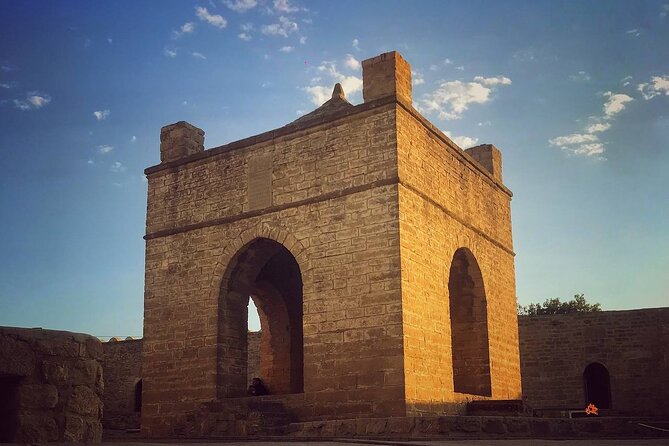
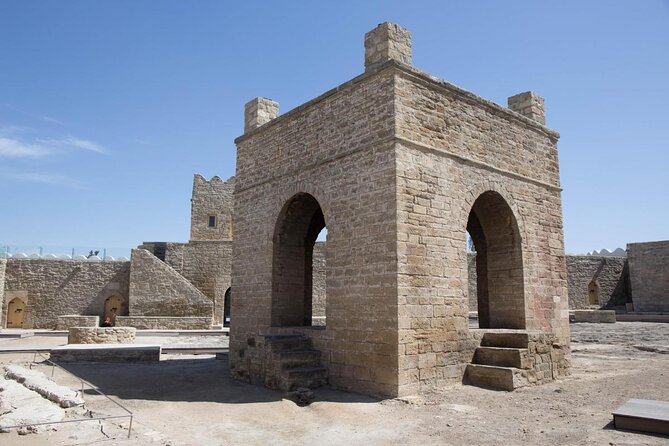
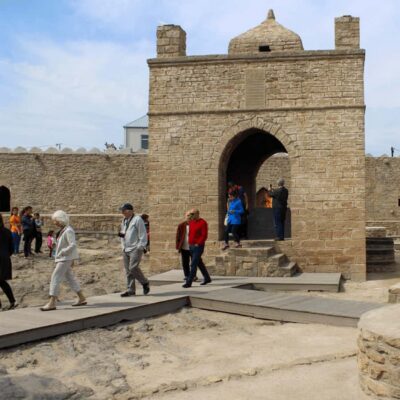
Ateshgah is the best place on this route for understanding the spiritual side of Azerbaijan’s fire traditions. The site is known for natural gas rising through the ground. When the gas meets oxygen, it can catch fire, creating the natural flames that drew worshippers here.
The temple in its present form dates from the 17th and 18th centuries. It was built by a Hindu community based in Baku, associated with Sikhs. That detail is important because the building is not simply an ancient Zoroastrian temple preserved unchanged. Its story includes older Zoroastrian use and later construction connected to Indian religious communities.
The site was considered sacred by Zoroastrians, who treated the lasting fire as a sign of divine power. You will hear about fire worship and the role of these gas outlets in local belief. The guide’s explanation matters here because the courtyard and stone structures alone do not tell the whole story.
The scheduled visit is about 30 minutes. That is enough for a guided introduction and a look around, but not a long, unhurried study of every detail. If religious history interests you, listen closely and ask questions during the stop.
Admission is listed separately from the tour cost. The supplied pricing information gives the total museum tickets as about $15 per person, so allow for that extra expense. Ateshgah is one of the places where the guide can turn a quick visit into something more meaningful.
Yanar Dag, the hillside that burns
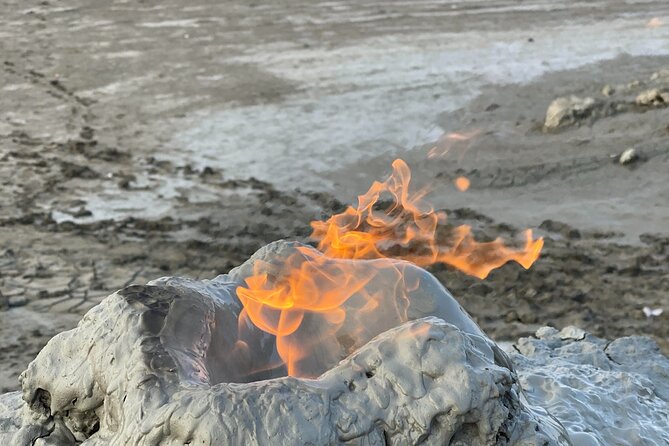
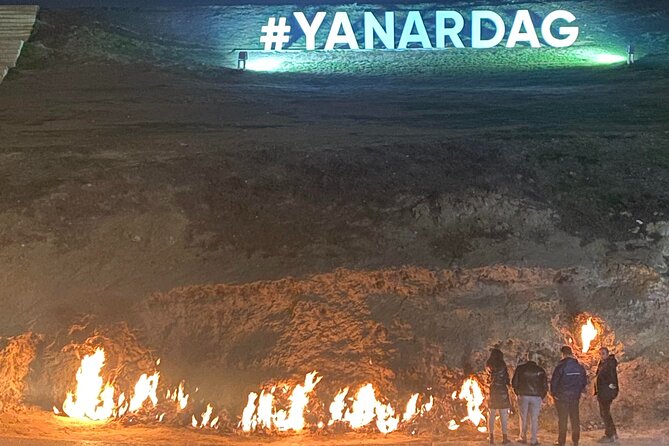
Yanar Dag is a simpler sight than Ateshgah. Here, the focus is a natural gas fire burning on a mountain slope. The flame gives the hillside a striking appearance and makes the old name Land of Fire easy to understand.
The stop lasts about 15 minutes. That is a short visit, but it suits the site. You look at the flame, hear how fire shaped ancient beliefs, and move on. Do not expect a large archaeological complex or a long walk.
The value of Yanar Dag comes from its connection to the rest of the day. Ateshgah shows how people built a sacred place around fire. Yanar Dag shows the natural force itself. Seen together, the two stops make a clearer story than either one would alone.
The old Zoroastrian tradition treated natural flames as signs of divine power. People built altars and temples near these sources. Your guide can connect that belief to Azerbaijan’s older identity and explain why fire appears so often in the country’s culture.
Because the visit is brief, this is likely to be the least substantial stop for anyone focused mainly on archaeology. It is still worth including because it gives you a direct, visual explanation for the tour’s theme.
Mud volcanoes and Azerbaijan’s unusual geology
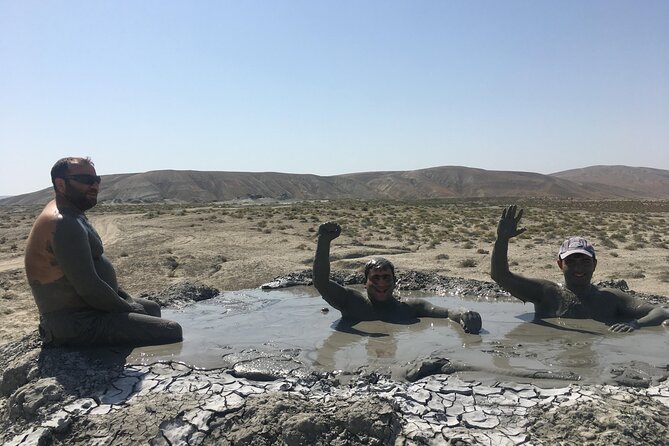
The mud volcano stop changes the pace completely. Instead of carved stone or religious buildings, you see a geological feature linked to underground gas and oil deposits.
Azerbaijan has about 350 of the world’s 800 mud volcanoes, more than any other country according to the supplied information. These formations have been active in the region for around 25 million years. They release mud, liquid, and gases rather than the hot molten rock associated with a classic volcano.
The stop lasts about an hour. That gives you time to look at the formations and hear how they connect to the country’s oil and gas fields. Locations such as Lokbatan, Garadgh, Neft Dashlari, and Mishovdagh are identified with both mud volcano activity and major oil or gas resources.
This is one of the tour’s more unusual attractions. You are not visiting a polished monument. Conditions can be rougher and more exposed, and the appeal comes from seeing a strange natural process in an open setting. The guide’s explanation helps you understand what you are looking at instead of simply seeing a patch of mud.
The material from these eruptions also has practical uses. Mud and liquid have been used as raw materials in chemical and construction industries, as well as in pharmacology. That connection between geology and industry gives the stop more weight than a quick photo opportunity.
The volcanoes are also linked in popular science discussions to geological features studied in relation to Mars. The important point for your visit is that the formations offer a rare chance to see an environment that looks very different from ordinary countryside around Baku.
A different set of gates, same trip:
- Gobustan-Mud Volcan-Fire Temple and Mountain Tour/Entrance inc
★ 5.0 · 267 reviews - Baku:Gobustan Mud Volcanoes Temple & Entry tickets included
★ 4.8 · 178 reviews - Gobustan, Mud volcanoes, Fire temple, Fire mountain PRIVATE TOUR
★ 5.0 · 47 reviews - Gobustan & Mud, Fire Temple, Burning Mountain, H.A. Center
★ 4.6 · 46 reviews
Gobustan’s rock art and the open-air museum
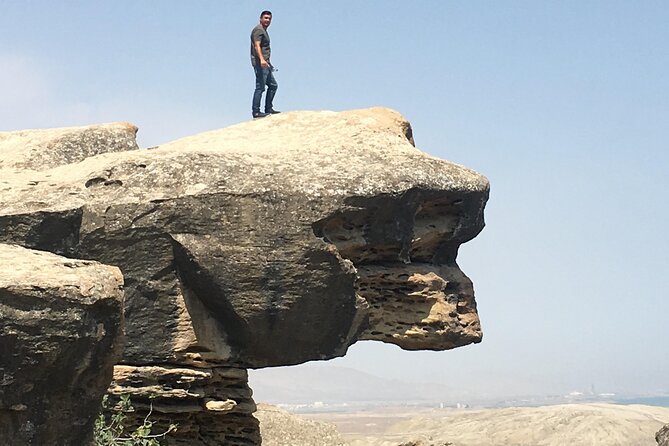
Gobustan is the main historical stop and the place where the day earns its archaeological importance. Located about 60 kilometers from Baku, the State Historical-Artistic Reserve combines a museum with an open-air area of rock carvings.
The site contains more than 6,000 drawings spread across about 1,000 rocks. It also holds more than 100,000 artifacts. The quantity matters, but the real value is the density of the carvings and the window they offer into the lives of ancient people in this part of Azerbaijan.
You will see images cut into stone, with the guide explaining what they reveal about earlier communities. The drawings provide clues about animals, people, movement, and daily life. The museum helps put the outdoor carvings into context before or after you visit the rocks.
Gobustan is included on the UNESCO World Heritage list for the quality and density of its rock art. That status does not mean every part of the visit feels dramatic. Some carvings can be difficult to interpret without help, and the meaning of ancient images is not always certain. A good guide is especially useful here.
The scheduled visit is about one hour. That is enough for a solid introduction, but you may want more time if prehistoric art is a major interest. The tour is designed to show you the essential sites in one day, not to provide a specialist study of every panel.
This is where the professional multilingual guide earns much of the tour price. The carvings are old, weathered, and not always obvious at first glance. Clear explanations help you notice details that you could easily pass without seeing.
What the nine-hour schedule feels like
The full outing lasts approximately nine hours, but the listed visits add up to about two hours and 45 minutes. The balance is travel time, so you should treat this as a full-day road excursion rather than a series of nearby Baku attractions.
Pickup is offered, and transportation is private. That removes the need to find separate transport to Gobustan, the volcanoes, and the fire sites. The air-conditioned vehicle is useful during warmer weather, while WiFi onboard adds a small convenience during the longer stretches between stops.
The order given for the day begins with Ateshgah, continues to Yanar Dag, then heads toward the mud volcanoes and Gobustan. The exact flow may depend on the day’s road conditions and operating details, but the key point is that you cover both the Absheron fire sites and the Gobustan area in one trip.
Lunch is not included. Plan for that additional cost and ask the guide about the day’s timing. Since the schedule is long and the stops are spread out, a meal break matters more than it would on a short city tour.
The tour operates daily between 9:00 a.m. and 6:00 p.m. The listed operating period runs through June 17, 2026. Since the experience requires good weather, poor conditions can lead to a different date or a full refund.
Is $250 good value for your group?
The price is $250 per group, with up to seven people included. That makes the arithmetic important. A group of seven pays about $36 per person before museum tickets and lunch. A group of two pays $125 per person, which is much less attractive unless you place a high value on privacy and convenience.
The price includes an air-conditioned vehicle, private transportation, a professional multilingual guide, pickup, and WiFi. You are paying for the ability to combine four separate sights without arranging your own driver or negotiating transport outside Baku.
The extra museum charge is listed at about $15 per person. Lunch is also separate. Add those costs before you compare this outing with other options.
I would consider the tour good value for a family or group of friends that can fill most of the vehicle. For one or two people, a shared option may cost less, but it may not offer the same privacy or control over the day. The private setup is especially useful if your group wants explanations in a particular language or prefers not to follow a large crowd.
Who will enjoy this day most?
This outing suits you if you have limited time in Azerbaijan and want a broad introduction to the country beyond central Baku. It also works well for anyone interested in ancient societies, unusual geology, religious history, or oil and gas culture.
Families can benefit from the changing subject matter. The rock art, mud formations, and flames offer more variety than a full day of museums. Most people can participate, and service animals are allowed. The tour is also near public transportation, though private pickup is offered.
You may want a different plan if you dislike long drives or prefer spending several hours at one archaeological site. The 15-minute Yanar Dag visit and one-hour Gobustan stop keep the pace moving. This is a sampler of major sights, not a slow, specialist visit.
The guide is central to the experience. The strongest praise in the supplied feedback focuses on a kind guide who explains clearly, with one French-language assessment giving the outing a full 10 out of 10. The overall score is 5 out of 5 from 30 ratings, and the recommendation rate is listed at 100 percent. Those comments point to the human side of the tour: the sites are unusual, but the explanations make them easier to understand.
Should you book this Baku day trip?
Book it if you want to see Gobustan, the mud volcanoes, Ateshgah, and Yanar Dag in one private day. The route gives you archaeology, geology, and fire worship without the work of arranging separate transport.
I would especially recommend it to a group of four to seven, since the $250 price then offers strong value. Before booking, budget about $15 per person for museum tickets and extra money for lunch.
Skip it if your priority is slow exploration or if a long day in a vehicle sounds tiring. For most short visits, though, this is an efficient way to understand the forces, beliefs, and ancient people that shaped Azerbaijan beyond Baku.
FAQ
How long does the tour last?
The tour lasts approximately nine hours.
How many people can join the private tour?
The price covers one private group of up to seven people.
What is included in the tour price?
The price includes an air-conditioned vehicle, private transportation, a professional multilingual guide, pickup, and WiFi onboard.
Are museum tickets included?
No. Museum tickets are listed separately at a total cost of about $15 per person.
Is lunch included?
No. Lunch is not included in the tour price.
What happens if bad weather cancels the tour?
Because the experience requires good weather, you will be offered a different date or a full refund if it is canceled for weather reasons. You can also cancel up to 24 hours before the start time for a full refund.
Newly written up around Baku
- Fire Temple and Fire Mountain Tour★ 5.0 · 22 reviews
- Gobustan, Mud volcanoes, Fire temple, Fire mountain PRIVATE TOUR★ 5.0 · 47 reviews
- Gobustan, Mud volcanoes, Fire temple, Fire mountain GROUP TOUR★ 4.5 · 19 reviews
- Gobustan, Mud volcanoes, Fire temple, Fire mountain PRIVATE TOUR★ 5.0 · 28 reviews
- Ateshgah Fire Temple & Yanar Dag mountain (Group & Private)★ 4.5 · 7 reviews
- Gobustan, Mud Volcano, Burning Mountain and Fire Temple Tour★ 5.0 · 12 reviews
- Baku: Gobustan, Mud Volcano, Fire Temple & Burning Mountain★ 4.0 · 9 reviews
- Ateshgah Fire Temple and Yanardag Fire Mountain Private Tour★ 5.0 · 6 reviews
Azerbaijan Temple Tours, compared.
Gobustan, Volcanoes, Fire Temple and Yanardag Day Trip
Read our review →
Gobustan & Mud, Fire Temple, Burning Mountain (Group & Private)
Read our review →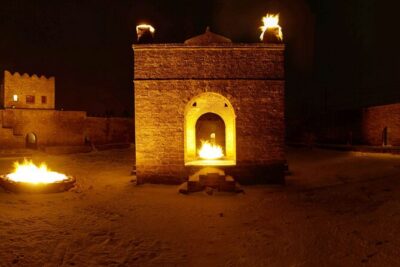
Gobustan-Mud Volcan-Fire Temple and Mountain Tour/Entrance inc
Read our review →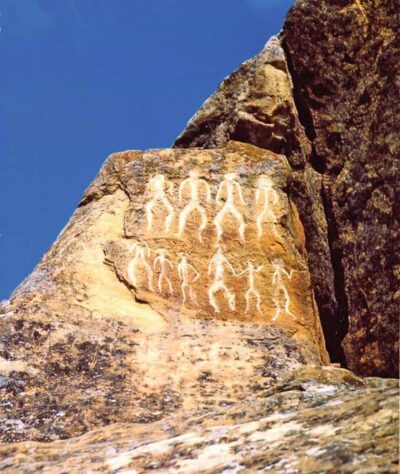
Gobustan Mud Volcanoes Temple & Entry tickets included
Read our review →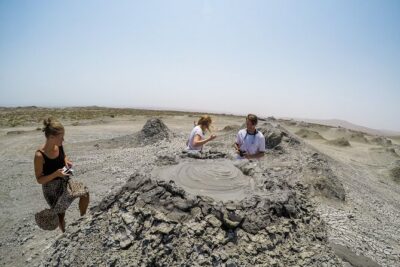
Gobustan, Mud volcanoes, Fire temple, Fire mountain PRIVATE TOUR
Read our review →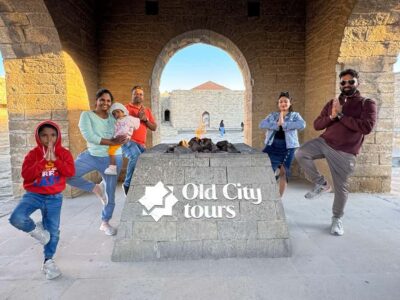
Gobustan & Mud, Fire Temple, Burning Mountain, H.A. Center
Read our review →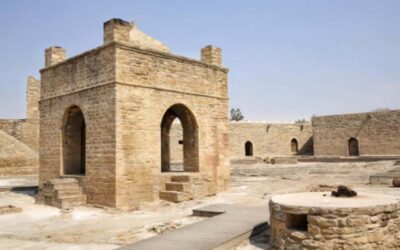
Gobustan, Mud Volcanoes, Fire Temple, & Yanar Dag Tour
Read our review →Browse the lists this tour appears in