
Reviewed · MADRID TEMPLE TOURS
Royal Monastery of the Barefoot nuns: Guided Tour + Tickets
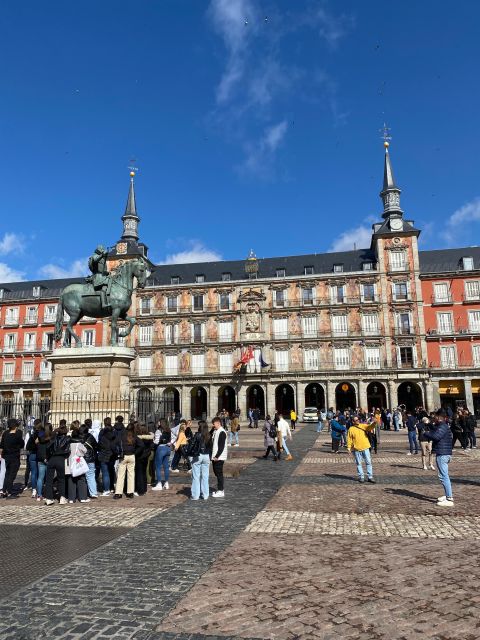
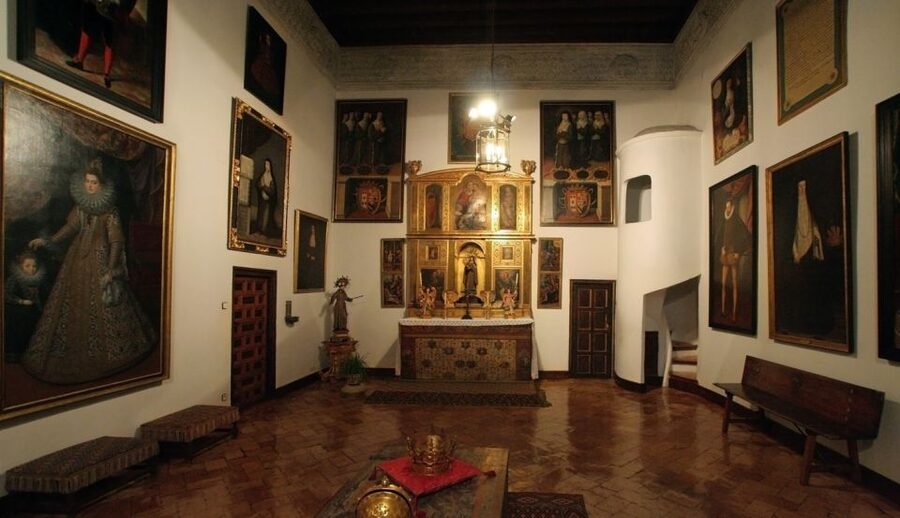
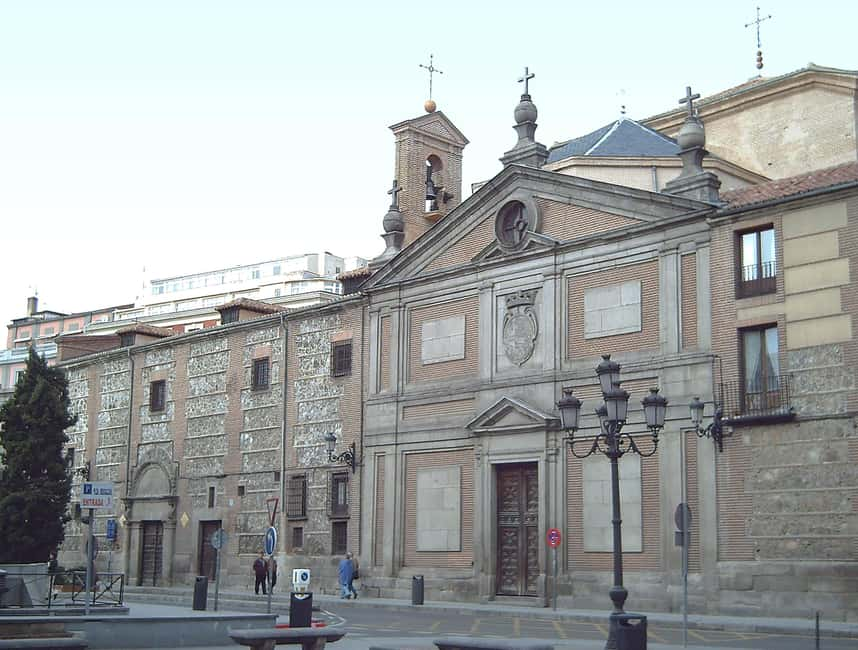
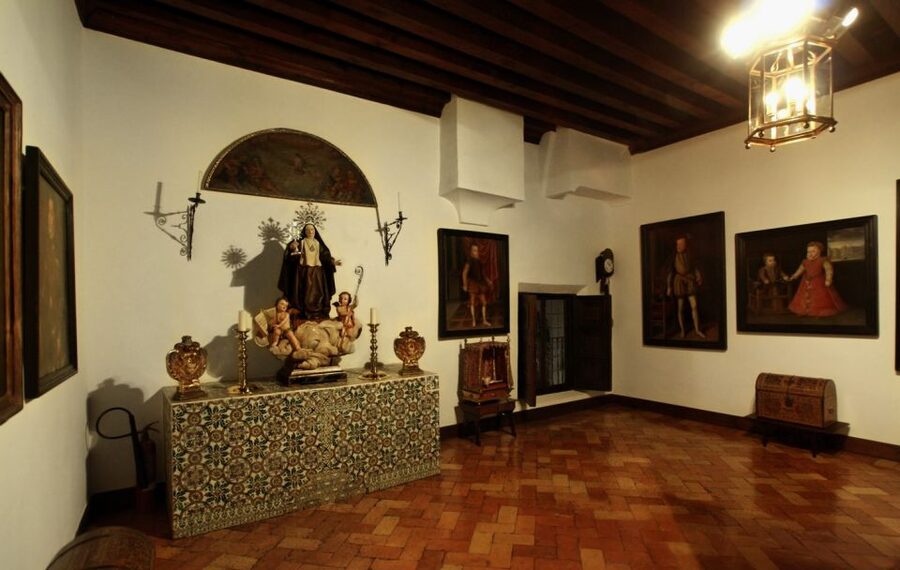
The most surprising part of Madrid’s Descalzas Reales is the contrast: a plain exterior gives little warning of the art inside. The old royal residence is filled with murals, chapels, nativity scenes, relics, sculptures, and paintings, all within a convent that remains in use.
I like two things especially. First, the guide helps you read the building as both palace and convent, rather than treating it as a simple art gallery. Second, the original main staircase, with its sixteenth and seventeenth-century wall paintings, gives the visit a memorable center. The main consideration is value: at $46 per person, you’ll want to make good use of the guide and line-skipping benefit.
Key points at a glance
- A royal palace turned convent: Joanna of Austria founded the monastery, which is now protected as cultural heritage.
- The plain facade hides an ornate interior: Expect murals, chapels, sculptures, reliquaries, nativity scenes, and tapestries.
- The painted main staircase is a major highlight: It belongs to the original palace-house and carries artwork from the sixteenth and seventeenth centuries.
- Major artists are part of the story: The tour includes works associated with Rubens, Luca Giordano, and Crecenzi.
- A working religious site: Cloistered nuns still use the convent, and the choir is connected with their singing during religious services.
- Tickets and a guide are included: The tour is offered in English or Spanish and lasts about one to two hours.
A royal convent hiding behind a sober facade
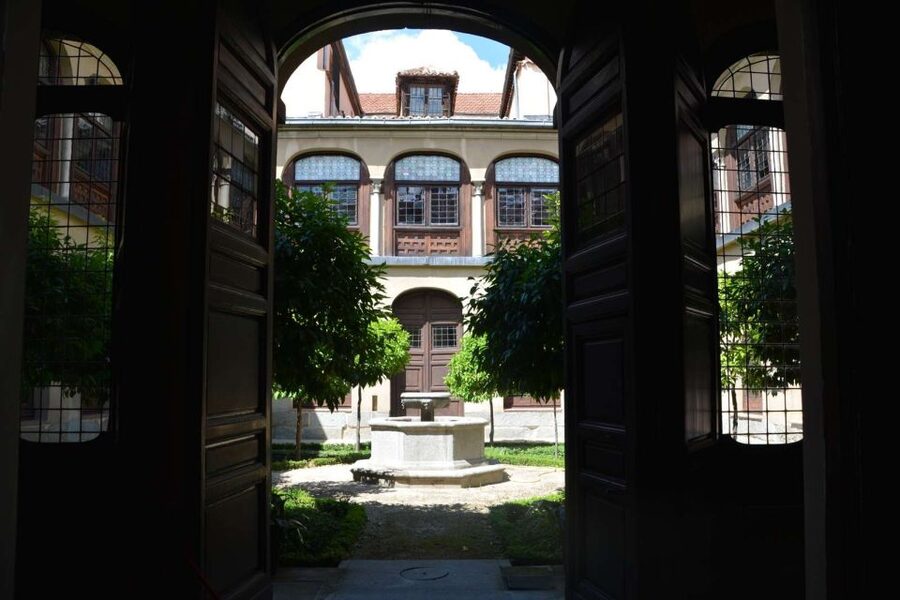
The monastery sits in central Madrid, but its exterior is restrained and easy to underestimate. That is part of its appeal. You approach what looks like a serious, quiet religious building, then enter a much more decorated interior shaped by royal wealth, Catholic devotion, and centuries of use.
Joanna of Austria founded the Descalzas Reales, and the building began as a palace-house before becoming a convent. That mixed identity explains why the visit feels different from a typical church tour. You are not simply walking through a religious building. You are following the remains of a royal home that was adapted for cloistered life.
I find that background useful because it gives every room a bit more meaning. A chapel is not just a room with paintings. A staircase is not just a way to reach another floor. The building shows how royal family members, religious communities, artists, and devotional objects came together under one roof.
The monastery is cataloged as cultural heritage, and more than three hundred years of history remain visible in its rooms. The setting is still active, so this is a place to approach with respect. It is not designed like a modern museum where every part exists only for public viewing.
More Entry Tickets in Spain:
- Montserrat Museum and Monastery Entry Ticket
★ 4.5 · 1,740 reviews - Mallorca: Carthusian Monastery Valldemossa Entrance Ticket
★ 4.2 · 93 reviews - Barcelona: Montserrat Private Trip with Monastery Ticket
★ 5.0 · 74 reviews
The original staircase is the visit’s visual anchor
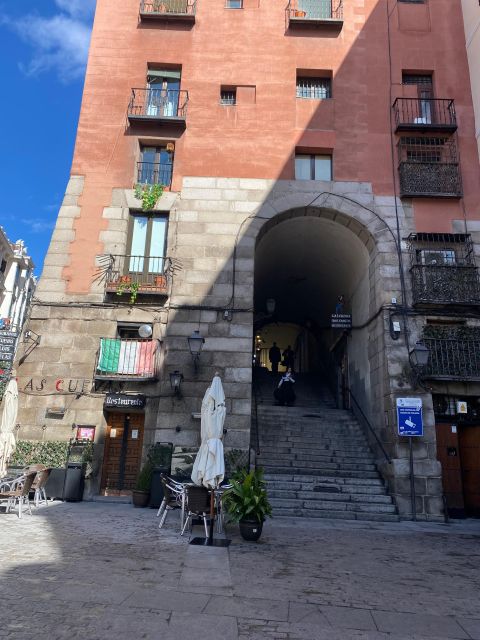
The main staircase of the original palace-house is one of the strongest reasons to take the tour. Its wall paintings date from the sixteenth and seventeenth centuries, giving you a chance to see the building’s age directly on its surfaces.
I like this part because it connects architecture and art. In many historic sites, paintings are placed in galleries and the building becomes a neutral container. Here, the walls themselves carry the story. Look up and around as you move through the stairway. The decoration is part of the structure, not an accessory added later.
This is also where a guide can add real value. Without explanation, you might notice painted walls but miss why the staircase matters as part of the original palace. An official guide can point out the artistic details and explain how the building changed from royal residence to convent.
The tour is guided rather than self-paced, so you will not have unlimited time in every room. That tradeoff works well for anyone who wants context without preparing a long list of artists and dates before arriving.
Art from Rubens, Luca Giordano, and Crecenzi
The monastery contains works associated with several important artists, including Rubens, Luca Giordano, and Crecenzi. These names give the tour an art-history angle, but you do not need specialist knowledge to enjoy it.
I would pay attention to the way the guide links individual works to the rooms around them. Paintings here are part of a devotional setting, not simply examples of technique. Their placement among chapels, relics, sculptures, and religious objects helps explain how the convent was experienced by the people who lived and worshipped there.
The range of objects is one of the building’s strengths. You may see wall paintings alongside nativity scenes, reliquaries, sculptures, and tapestries. That variety makes the visit more engaging than a procession of framed pictures on white walls.
The word variety matters here. The monastery’s interest comes from the combination of art, architecture, faith, and daily religious use. If you enjoy historic buildings where the setting matters as much as individual masterpieces, this tour should suit you better than a quick museum stop.
Chapels, relics, and the choir
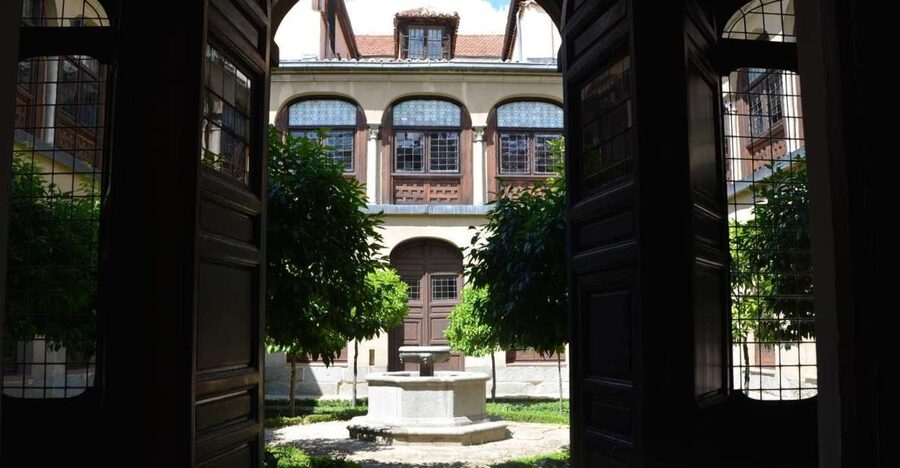
The route includes a large number of chapels, each with its own combination of paintings and sculptures. These smaller spaces help you understand the devotional purpose of the monastery. You are looking at art that was made for worship and contemplation, not only for display.
The reliquaries add another layer. They reflect the importance of relics in Catholic devotion and show how religious objects could also be crafted as works of art. A guide can explain that connection in a way that makes the collection easier to follow, especially if you are unfamiliar with Spanish religious traditions.
The choir is another meaningful part of the visit. Cloistered nuns still sing for the religious office of the church, so the choir connects the historic building with its continuing use. That detail gives the monastery a sense of life beyond its art collection.
You should not expect a performance as part of the tour. The information provided describes the choir’s religious use, not a scheduled concert. Still, knowing that the space remains connected to worship changes the way you see it. This is not a dead historic shell.
Other temple visits near Spain we have written up
- Montserrat Monastery Half Day Experience from Barcelona
★ 5.0 · 6,014 reviews - Montserrat Monastery Small Group or Private Tour Hotel pick-up
★ 5.0 · 5,144 reviews - Escorial Monastery and the Valley of the Fallen Tour from Madrid
★ 5.0 · 2,494 reviews - Montserrat Small Group: Monastery, Black Madonna & Natural Park
★ 5.0 · 1,690 reviews
What the one-hour guided visit feels like
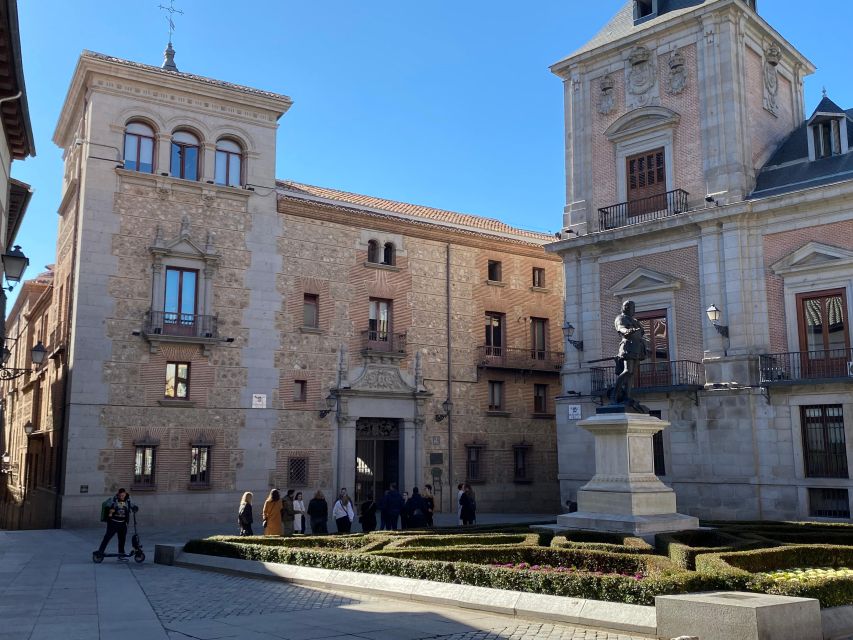
The guided portion lasts about one hour, while the full activity is described as taking one to two hours depending on the starting time and overall arrangements. The visit begins at the Monasterio de las Descalzas Reales, where the guide waits at the door with a Rutas Madrid sign.
The route centers on the convent itself. You can expect an introduction to its foundation, a look at the original palace areas, and explanations of the main works and religious spaces. The guide’s job is particularly useful in rooms where the meaning is not obvious from the decoration alone.
The tour is available in English or Spanish. That matters because the monastery is not the kind of place where every detail can be understood from a quick glance. If you want the visit in English, choose a time that specifically confirms English availability.
The exact group size is not provided, so I would not assume a private or small-group experience. The tour does include an official guide, but the information does not promise a private visit. If small groups matter to you, check before paying.
At the end, drop-off options are listed at Plaza de la Villa and back at the Monasterio de las Descalzas Reales. These are useful points for continuing your time in central Madrid, although hotel pickup and hotel return are not included.
Is $46 a fair price?
The listed cost is $46 per person. That is not a cheap admission for a one-hour guided visit, so the value depends on what you want from the monastery.
If you only want to enter and look around, the price may feel high. One booking record questioned a charge of €25 after comparing it with an €8 admission available at the monastery itself. That difference is worth taking seriously. Before booking, check the current direct admission price and compare it with the cost of this guided option.
The tour becomes easier to justify if you value the official guide, the included ticket, and skipping the ticket line. The building has enough art and historical layers that a guided explanation can make a real difference. You are paying for interpretation and convenience, not just entry.
I would book it if you have limited time in Madrid and want the monastery explained in one organized visit. I would consider going directly instead if you are comfortable researching the building yourself, the line is short, and the guided price feels out of proportion to your budget.
The cancellation terms also reduce some planning risk. You can cancel up to 24 hours in advance for a full refund, and you can reserve now and pay later. Those terms are useful if your Madrid schedule is still moving around.
Who should take this tour?
This experience suits you if you enjoy art, historic religious buildings, and places where the original function still matters. It is also a good choice if you want an English or Spanish explanation rather than trying to make sense of the monastery alone.
I would especially recommend it to:
- First-time visitors who want a clear introduction to the Descalzas Reales
- Art lovers interested in Rubens, Luca Giordano, Crecenzi, and Spanish religious art
- History-minded visitors curious about Joanna of Austria and the building’s change from palace to convent
- People with only a short window in central Madrid
- Anyone who prefers a guided route and wants to avoid the ticket line
The experience is not suitable for people with mobility impairments. The historic building includes stairways and interior areas that may be difficult to access. Since no detailed accessibility information is provided, you should ask the operator for current conditions before booking if mobility is a concern.
Small details that make the visit better
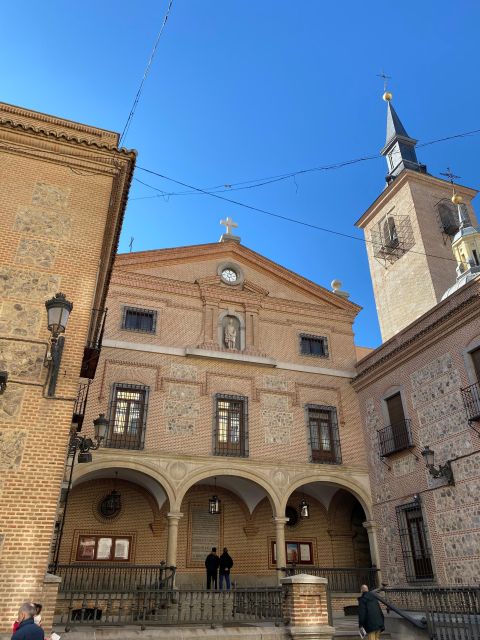
Arrive at the monastery’s door and look for the Rutas Madrid sign. That is the meeting point, and hotel pickup is not included.
Wear comfortable shoes and allow more than the bare one-hour tour time if you want to arrive calmly and continue on foot afterward. The duration is listed as one to two hours, so avoid placing a tight timed attraction immediately afterward.
Do not plan around food or drinks during the visit. Drinks are not included, and the tour is focused on the monastery rather than refreshments.
Keep your expectations centered on art and history, not entertainment. The strongest moments come from the building itself, the painted staircase, the chapels, and the connection with the cloistered community.
The experience has a current rating of 4.6 from seven ratings. The most consistent praise concerns the guide’s attentiveness and ability to explain both the history and the artwork. One guide was described as competent and attentive, while another booking praised the way the monastery was presented in clear English. Those comments support booking for interpretation, not merely for admission.
Should you book the Descalzas Reales tour?
Book this tour if you want the monastery put into context and value an official English or Spanish-speaking guide. The staircase, chapels, works linked to major artists, and continuing religious use make this one of Madrid’s more distinctive historic interiors.
Think twice if you are mainly looking for the lowest admission price. A direct visit may cost less, and the price difference can be substantial. In that case, check the current monastery admission before committing to $46.
My practical call: choose the guided tour when your time is short, the line is long, or art and religious history are central to your Madrid plans. Visit independently when you prefer to move slowly, compare prices carefully, and do not mind supplying your own background information.
FAQ
Where does the tour begin?
The meeting point is at the Monasterio de las Descalzas Reales. The guide waits at the door with a Rutas Madrid sign.
How long does the experience last?
The activity lasts about one to two hours. The guided visit inside the convent is listed as one hour.
Are admission tickets included?
Yes. Tickets are included in the tour price.
Does the tour skip the ticket line?
Yes. Skip-the-line access is included.
Which languages are available?
The live guide is available in English and Spanish.
Is hotel pickup included?
No. Hotel pickup and drop-off are not included.
Where can the tour finish?
The listed drop-off locations are Plaza de la Villa and the Monasterio de las Descalzas Reales.
Can I cancel for a refund?
Yes. You can cancel up to 24 hours in advance for a full refund.
Is the tour suitable for people with mobility impairments?
No. The experience is listed as unsuitable for people with mobility impairments.
Newly written up around Spain
- Montserrat Monastery Horse Riding & Walk – Small Group (Max 8)★ 5.0 · 45 reviews
- Transfer to Montserrat Monastery from Barcelona★ 4.5 · 94 reviews
- Montserrat & beyond private from Barcelona with different options★ 5.0 · 32 reviews
- Private Montserrat & Hot-Air Balloon Ride with Monastery visit★ 4.5 · 5 reviews
- Montserrat Nature Walk, Monastery and Museum from Barcelona★ 5.0 · 58 reviews
- Montserrat Monastery and Mountain Half Day Hiking from Barcelona★ 4.5 · 6 reviews
- Montserrat Tour with Cogwheel Train, Monastery & Black Madonna★ 4.0 · 10 reviews
- Montserrat Land of Shrines – One Day Small Group Hiking Tour from Barcelona★ 5.0 · 38 reviews
Madrid Temple Tours, compared.
Escorial Monastery and the Valley of the Fallen Tour from Madrid
Read our review →
Flamenco Show at Tablao Sala Temple with Drink
Read our review →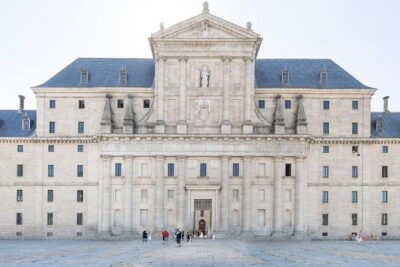
Escorial Monastery and the Valley of the Fallen from Madrid
Read our review →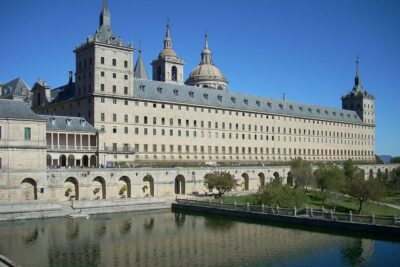
Entrance to the Flamenco Temple Room in Madrid with Tapas Option
Read our review →
Madrid Must-see with Atardeder at the Debod Temple
Read our review →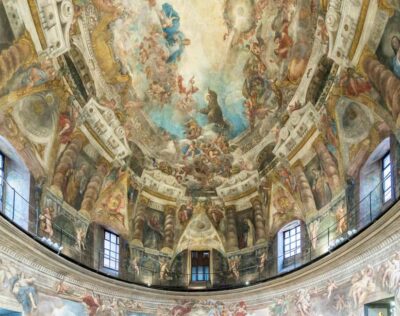
Combined admission to San Antonio de los Alemanes and the Monastery of San Plácido
Read our review →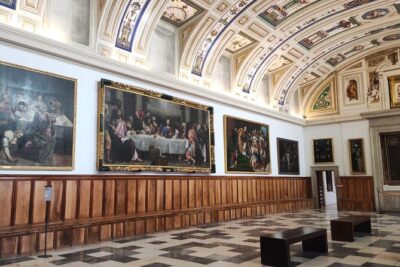
San Lorenzo de El Escorial Monastery Private Tour
Read our review →Browse the lists this tour appears in