
Reviewed · SPAIN TEMPLE TOURS
San Lorenzo de El Escorial: Monastery and Site Guided Tour
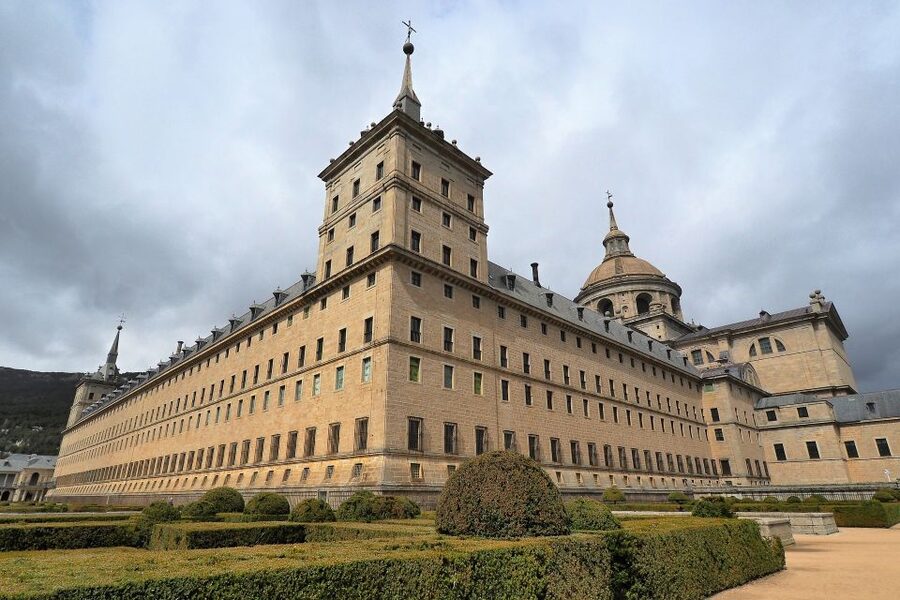
San Lorenzo de El Escorial is far more than a grand palace. Philip II built this vast 16th-century complex as a monastery, royal residence, burial place, library, and political statement. The Royal Library is the surprise star, while the basilica and royal pantheon show how closely Spanish power and Catholic faith were joined.
I like that the guide gives you a clear route through a building that can feel like a maze on your own. I also like the focus on the Spanish Golden Age, since the architecture makes much more sense once you understand Philip II’s ambitions and the ideas behind this unusual grill-shaped plan.
The main drawback is the language: the activity is listed with a Spanish-speaking guide, so check the language offered at booking if you need an English tour. Two hours is efficient, but a little brisk for a monument with this much to see.
Key points at a glance
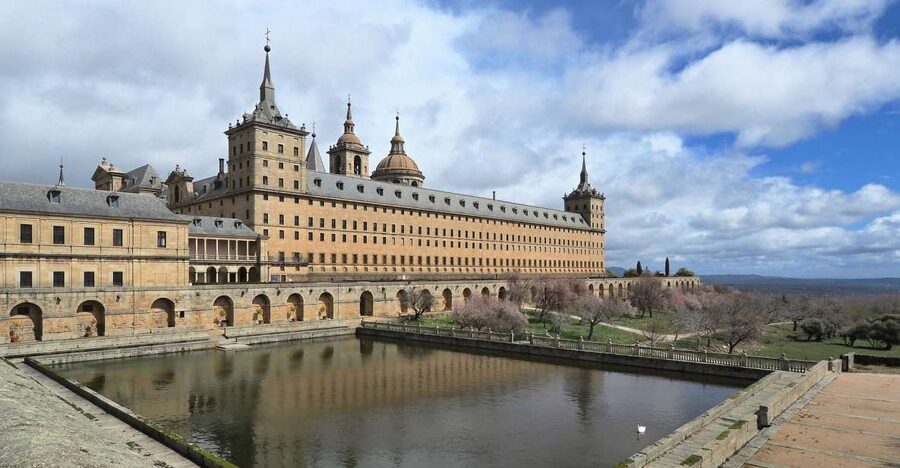
- Philip II’s royal project: See how a monastery became a palace, burial church, library, and symbol of Spanish power.
- A guided route saves time: The building is large and complex, so a guide helps you move from one major room to the next without wandering.
- The Royal Library is a highlight: Philip II collected its books to support humanistic learning and royal authority.
- Major interiors are included: Visit the basilica, Battle Hall, royal pantheon, palatial rooms, and other essential spaces.
- Two hours keeps the visit focused: You get a strong introduction, though not an unhurried look at every corner.
- Practical rules matter: Arrive 15 minutes early, bring your passport or ID, and leave large bags behind.
Why El Escorial matters beyond its grand façade
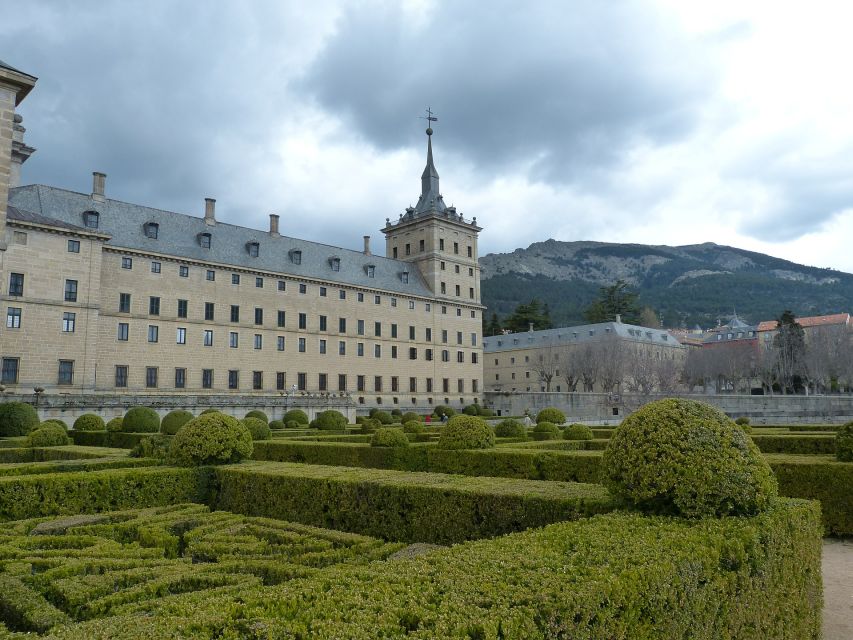
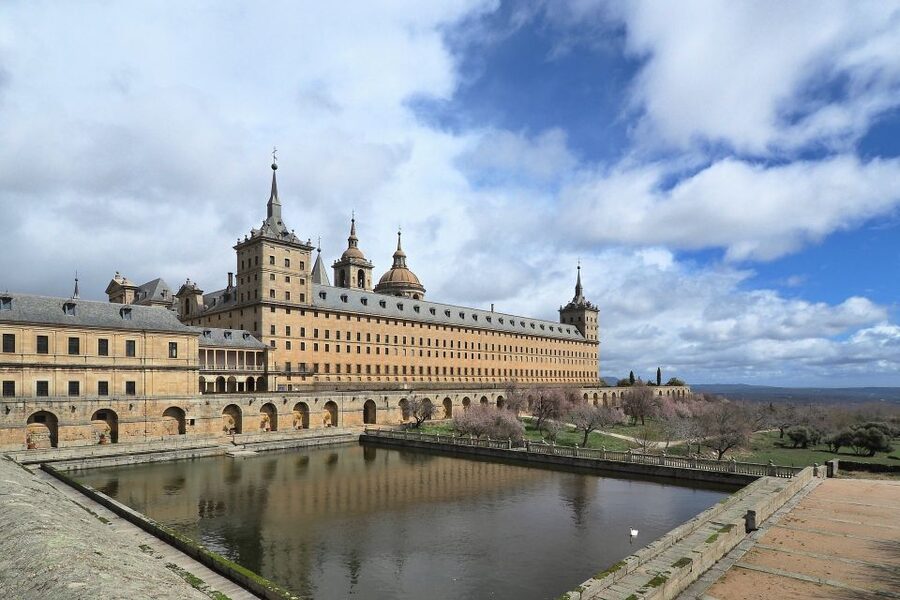
El Escorial sits near Madrid in the Community of Madrid, but it feels like a separate chapter of Spanish history. The complex was built in the 16th century under Philip II, during the period often called the Spanish Golden Age. That was an era of military power, overseas empire, religious authority, literature, art, and intense royal self-definition.
You are not simply walking through an old palace. You are seeing a carefully planned expression of what the Spanish monarchy wanted to be. The monastery joins royal rooms to religious spaces, a library to a burial church, and ceremonial halls to a working monastic foundation.
The building’s grill-shaped design is one of its memorable features. It refers to the gridiron associated with Saint Lawrence, the monastery’s namesake. That unusual plan also helps explain why first-time visitors can lose their sense of direction. Corridors, courtyards, formal rooms, and religious spaces connect in a way that rewards a clear route.
That is where the two-hour guide becomes useful. Instead of trying to understand the entire complex from a floor plan or audio device, you follow a human explanation of what each major room was for and why it mattered.
Other temple visits near Spain we have written up
- Montserrat Monastery Half Day Experience from Barcelona
★ 5.0 · 6,014 reviews - Montserrat Monastery Small Group or Private Tour Hotel pick-up
★ 5.0 · 5,144 reviews - Escorial Monastery and the Valley of the Fallen Tour from Madrid
★ 5.0 · 2,494 reviews
Meeting the guide at the Spanish-flag entrance
Plan to arrive 15 minutes before the scheduled start. You must exchange your voucher at the meeting point, and the guide waits with a blue Todo Tour umbrella at the monastery’s access door.
The instructions identify this as the main entrance with the Spanish flag above it. That detail is worth taking seriously. One person specifically wished the guide had a clearer sign, so give yourself extra time rather than arriving at the last minute and searching around the entrance.
The experience is listed as a live Spanish-language tour. The guides named in past bookings include Alejandro, Isabella, and Marta, with praise for their preparation, humor, energy, and clear explanations. Guide assignments can change, so treat those names as examples of the staff rather than a promise about who will lead your visit.
Bring a passport or ID card. Large bags and luggage are not allowed, and the dress rules prohibit short skirts, sleeveless shirts, and swimwear. The site also asks visitors not to make noise, an important point in the basilica and other solemn rooms.
The basilica and the religious heart of the complex
The basilica gives you the clearest sense of El Escorial as a religious and royal project. Its scale is imposing, but the guide’s explanation helps connect the architecture to Philip II’s Catholic identity and the role the monastery played in Spanish public life.
Look for the way the church fits into the larger complex. This is not an isolated parish church added to a palace. It is part of a plan in which worship, royal duty, burial, learning, and government all belonged together.
A guide can also help you read the building without reducing it to decoration. The paintings, monumental forms, and ceremonial spaces are tied to the monarchy’s religious message. You learn not just what you are looking at, but why it was placed there and what it told people about the king.
The basilica can also be one of the quieter portions of the visit. Respect the request not to make noise, and expect the guide to keep the pace measured rather than treating every room like a photo stop.
The royal pantheon and Spain’s royal memory
The pantheon is one of the most powerful stops because it brings Spanish monarchy down to a human scale. Many of Spain’s kings are buried here, and the space makes the long line of royal succession feel physical rather than abstract.
The value of a guide here is context. Without an explanation, you may see a solemn burial chamber and move on. With a guide, the pantheon becomes part of Philip II’s larger plan to place the monarchy within a sacred and dynastic setting.
This stop may appeal especially to anyone interested in royal history, Catholic Spain, or the way European monarchies used architecture to preserve memory. It is also a place where the two-hour schedule can feel tight. Take in the atmosphere, but do not expect a long private pause at every tomb or chamber.
The pantheon adds emotional weight to the visit. The basilica explains the religious purpose of the complex; the royal tombs show how the monarchy wanted its past to remain present.
A different set of gates, same trip:
- Montserrat Museum and Monastery Entry Ticket
★ 4.5 · 1,740 reviews - Montserrat Small Group: Monastery, Black Madonna & Natural Park
★ 5.0 · 1,690 reviews - From Madrid: Escorial Monastery and the Valley of the Fallen
★ 4.7 · 1,434 reviews - Madrid: Flamenco Show at Tablao Sala Temple with Drink
★ 4.8 · 1,206 reviews
The Battle Hall and the story of Spanish power
The Battle Hall gives the tour a different mood. Here, military victories and royal power take center stage. The room helps explain how Spain presented itself during the era of Philip II, when military success and Catholic authority were central parts of the monarchy’s identity.
This is one of the places where a live explanation matters. A long room filled with battle imagery can blur into a series of names and scenes. A guide can point out the larger message, linking the decoration to the political world that produced the monastery.
The Battle Hall also balances the more reflective portions of the tour. After the basilica and pantheon, you see the outward-facing side of the monarchy: campaigns, victories, and the desire to record power in permanent form.
Do not expect a military museum with weapons and interactive displays. The importance here is visual and political. You are reading how a royal institution wanted its victories understood.
The Royal Library and Philip II’s humanist ambition
For many people, the Royal Library is the tour’s most distinctive stop. Philip II collected its books to expand his humanistic knowledge, but the library also functioned as a display of royal learning and control.
The collection makes an important point about power in the Renaissance. A ruler did not show authority only through armies, palaces, and religious buildings. Books, scholarship, language, science, and classical learning also helped define a sophisticated court.
The library is therefore more than a beautiful room filled with old volumes. It connects El Escorial to the intellectual currents of Renaissance Europe and shows Philip II presenting himself as a learned ruler. This is the sort of detail that can be easy to miss when visiting alone.
You may find the library especially rewarding if you like architecture, books, or the history of ideas. It also provides a useful contrast with the Battle Hall. One room presents force and victory; the other presents learning and the control of knowledge.
The library may not receive as much time as you would give it on a specialist visit, since the tour also covers the basilica, pantheon, and palatial rooms. Still, having it built into the route is a major strength.
Palatial rooms and the private side of monarchy
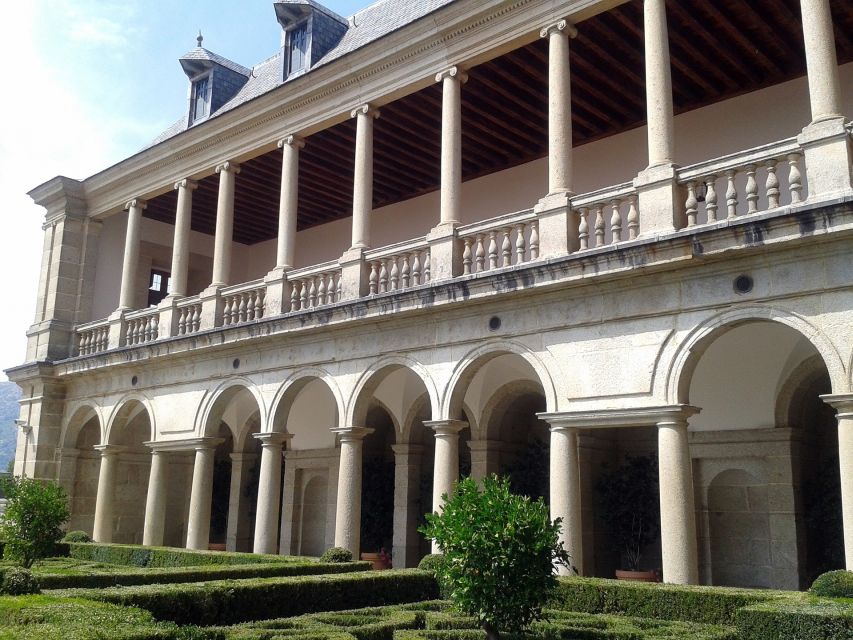
The palatial rooms show another side of El Escorial. The monastery was not only a place for monks and worship. It also served as a royal residence, giving Philip II and the court a direct presence within the complex.
These rooms help you picture how the building worked day to day. The grand public message is balanced by spaces connected to royal life and residence. That combination is one reason El Escorial feels so different from a standard palace tour.
The guide’s job here is to keep the rooms connected to the larger story. You are not just checking off one chamber after another. You are seeing how royal living fitted into a building designed around religion, ceremony, learning, and dynastic memory.
The tour includes other essential parts of the monument as well, though the exact order can depend on the guide and site conditions. Because the visit lasts two hours, it is best understood as a strong overview rather than a detailed study of every room.
Why a guide is worth the $47 price
At $47 per person, this is not the cheapest way to enter El Escorial. The price includes the monastery entry ticket and a live guide, so the real question is how much value you place on structure and explanation.
I think the guided format earns its cost for a first visit. The complex is large, and the route includes several different kinds of spaces. A self-guided visitor using an electronic device may spend more time trying to work out where to go and how the rooms fit together. The guide keeps the visit moving and gives you a single historical thread.
The price is easier to justify if you care about context. You will hear how the building relates to Philip II, the Spanish Golden Age, the Catholic monarchy, military power, royal burial, and Renaissance learning. Those connections are what turn a grand building into an understandable place.
The value is less clear if you prefer to wander slowly, read every label, or spend a long time photographing architectural details. A two-hour group route has a set rhythm. You gain efficiency, but you give up some freedom.
The tour’s very strong overall rating reflects what it does best: guides explain the site clearly and bring energy to a complex subject. Past guides such as Alejandro, Isabella, and Marta were praised for wit, professionalism, clear English in one case, and a talent for separating fact from fiction. Since the listed language is Spanish, confirm your preferred language before paying.
Who will get the most from this visit
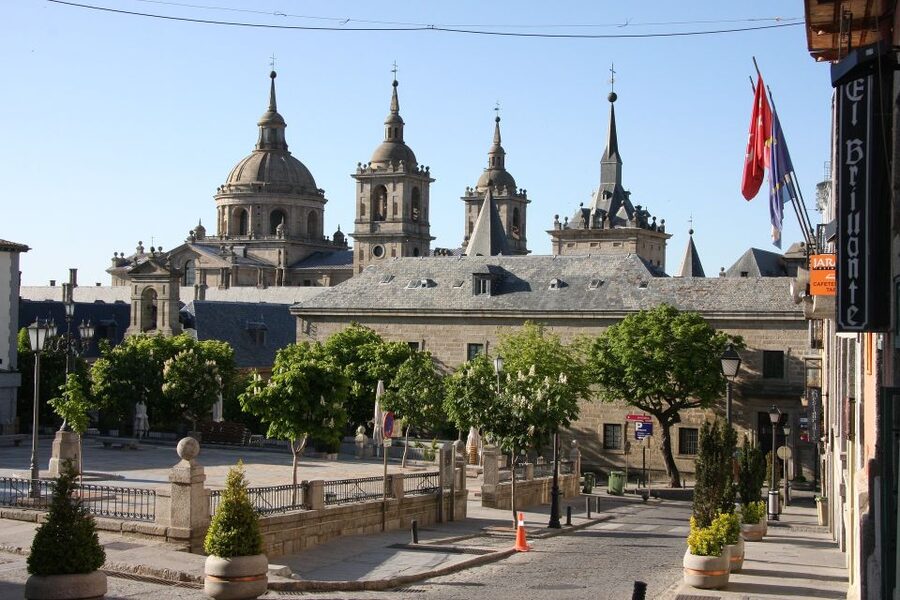
I would choose this tour if you are visiting El Escorial for the first time, have limited time, or want the building’s political and religious meaning explained as you go.
It suits:
- First-time visitors who want an organized route
- Anyone interested in Philip II and the Spanish Golden Age
- People curious about royal burial traditions
- Visitors who enjoy architecture, books, and Renaissance culture
- Anyone who finds large historic complexes confusing without direction
It may be less suitable if you want a silent, independent visit or if you need a tour in a language other than Spanish and cannot confirm availability. It can also feel rushed if your main goal is detailed study of the library, paintings, or royal rooms.
The site is listed as wheelchair accessible. Even so, if you have specific mobility needs, it is sensible to confirm the route and current access arrangements before booking, since the information provided does not describe every interior section.
Timing, cancellation, and useful planning details
The activity lasts two hours and starting times vary, so check availability for your date. Since the tour ends beside the monastery entrance, you can plan whatever comes next without needing to find your way through the complex again.
You can cancel up to 24 hours before the activity for a full refund. The reserve-now-and-pay-later option also gives you some flexibility while your Madrid plans are still taking shape.
Wear respectful clothing that follows the site rules. Do not bring luggage or large bags, and remember your passport or ID card. Arriving early is especially important because you need to exchange your voucher and locate the blue umbrella at the correct entrance.
Should you book the El Escorial guided tour?
Book it if you want the main story of El Escorial in a well-planned two-hour route. The combination of basilica, royal pantheon, Battle Hall, palatial rooms, and Royal Library gives you a rounded view of the complex, while the guide explains how Philip II joined religion, monarchy, learning, and military power in one extraordinary project.
I would be cautious only if you need a confirmed English tour, prefer to explore alone, or want a slow, specialist visit. For most first-time visitors from Madrid, the included entry and focused explanation make $47 a fair price, especially at a site where the scale can otherwise work against you.
FAQ
How long does the San Lorenzo de El Escorial tour last?
The guided tour lasts two hours.
What language is the live tour in?
The activity is listed with a Spanish-speaking live guide. Confirm the available language when booking if you need another language.
What areas of El Escorial are included?
The route includes the basilica, Battle Hall, royal pantheon, palatial rooms, Royal Library, and other essential parts of the monastery.
Where is the meeting point?
Meet at the monastery’s main access door, identified by the Spanish flag above it. The Todo Tour guide waits with a blue umbrella.
What should I bring to the tour?
Bring your passport or ID card. Arrive 15 minutes before the start so you can exchange your voucher and find the guide.
Can I cancel the booking?
Yes. You can cancel up to 24 hours before the activity for a full refund. You can also reserve now and pay later.
Newly written up around Spain
- Private tour: San Lorenzo de El Escorial Monastery★ 5.0 · 20 reviews
- San Lorenzo de El Escorial Monastery Private Tour★ 5.0 · 12 reviews
- Barcelona: Montserrat Private Trip with Monastery Ticket★ 5.0 · 74 reviews
- Semi-Private Montserrat Monastery & Hiking Experience★ 5.0 · 132 reviews
- From Palma: Serra Tramuntana and Lluc Monastery Guided Tour★ 4.5 · 146 reviews
- Full-Day Trip Barcelona to Montserrat Monastery & Cava Winery★ 5.0 · 158 reviews
- From Salou: Montserrat Monastery and Colonia Güell★ 4.5 · 167 reviews
- Semi-Private Montserrat Monastery, Funicular & Scenic Nature Walk★ 5.0 · 172 reviews
Spain Temple Tours, compared.
Montserrat Monastery Half Day Experience from Barcelona
Read our review →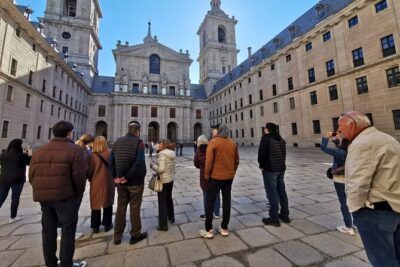
Escorial Monastery and the Valley of the Fallen Tour from Madrid
Read our review →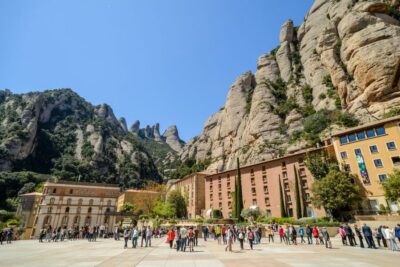

Montserrat Small Group: Monastery, Black Madonna & Natural Park
Read our review →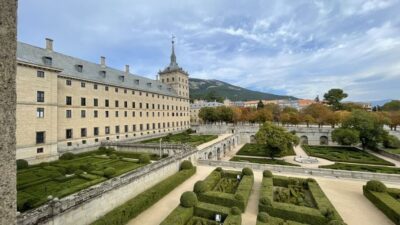
Escorial Monastery and the Valley of the Fallen
Read our review →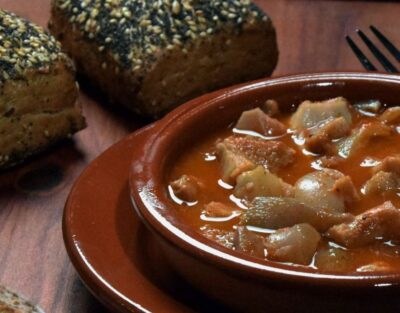
Flamenco Show at Tablao Sala Temple with Drink
Read our review →
From Seville: Italica Roman City & Medieval Monastery Tour
Read our review →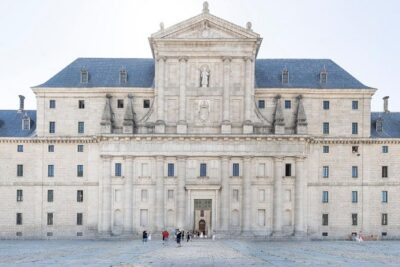
Escorial Monastery and the Valley of the Fallen from Madrid
Read our review →Browse the lists this tour appears in