

Reviewed · CHIANG MAI TEMPLE TOURS
Long Neck Village, Silver Temple & Chiang Mai Top Sites
Chiang Mai’s old city is packed with temples, but seeing three major shrines and a Karen Padaung village in four hours gives you a useful first look at the city’s culture. I especially like the traditional red songthaew, which makes the ride feel local rather than packaged, and the mix of sacred buildings with living craft traditions.
I also like the strong focus on Lanna art. Wat Chedi Luang gives you scale and age, Wat Phra Singh brings fine murals and northern Buddhist worship, and Wat Sri Suphan shows off remarkable silverwork. The main thing to watch is cost: the listed price is $22, but three temple entrances may require about 50 baht each, and two temples reportedly limit women’s access to certain interiors.
Key points to know
- Three important old-city temples: See Wat Chedi Luang, Wat Phra Singh, and Wat Sri Suphan in one compact outing.
- A red songthaew ride: Travel in Chiang Mai’s familiar shared taxi rather than a standard tour bus.
- Karen Padaung traditions: Learn about the community’s history, weaving, clothing, and local crafts at Long Neck Village.
- Extra temple fees: Budget about 50 baht per temple, since the Karen village entrance is included but temple admission may not be.
- Guides praised by name: Magie, also called Margareth, and Mosquito have been singled out for clear information and kind service.
- Temple clothing matters: Cover your shoulders and knees, and bring cash for fees and personal purchases.
What this four-hour Chiang Mai tour is really like
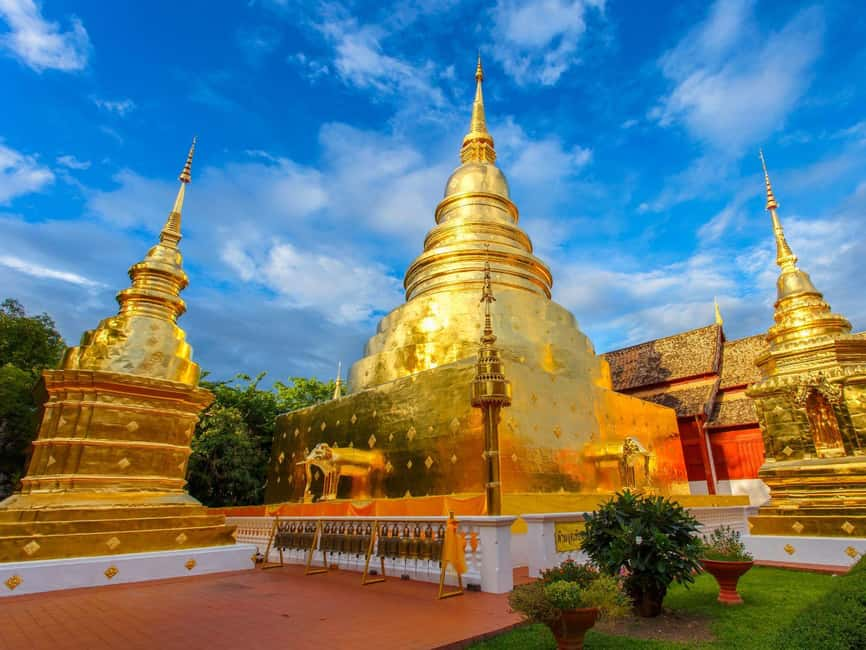
This is a compact culture tour rather than a slow, contemplative day of temple visits. You move from one stop to the next, hear the main stories, take in the key architectural details, and finish at Long Neck Village.
That format works well if you have only a short stay in Chiang Mai or want an introduction before exploring the old city on your own. You will not have unlimited time at each site, so the experience favors travelers who prefer a clear route and local transport over a loose day of wandering.
The tour is conducted in English, and the guide handles the main context at each stop. Guides named in the feedback include Magie, also known as Margareth, and Mosquito. I would pay attention to the guide’s explanations, since the buildings can look similar at first glance if you do not know what details to notice.
Pickup is offered from hotels and accommodations in Chiang Mai’s old city or just outside the center. If you stay beyond that area, you meet in front of Burger King at Thapae Gate. That is a simple central meeting point, but you should allow time to reach it.
Other temple visits near Chiang Mai we have written up
- Chiang Mai: Chiang Rai Temples, Karen Tribe and Hot Springs
★ 4.7 · 5,401 reviews - Chiang Rai White Temple and Blue Temple Day Tour
★ 4.6 · 3,366 reviews - Chiang Mai: White, Red/Black & Blue Temples Tour with Lunch
★ 4.2 · 2,017 reviews
Wat Chedi Luang and the great brick stupa
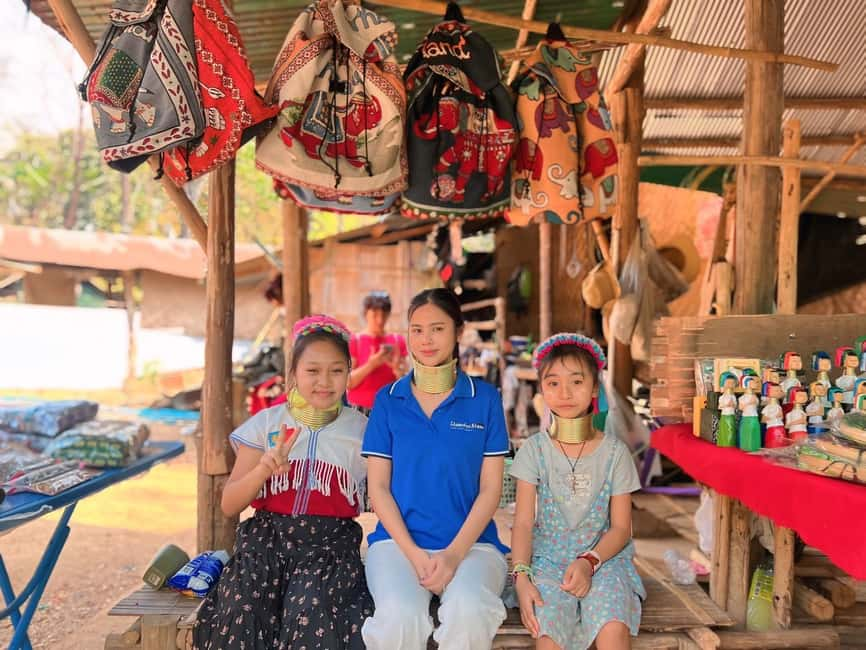
The first temple, Wat Chedi Luang, is the tour’s biggest architectural moment. Its name means Temple of the Great Stupa, and the partially ruined chedi dominates the complex with its broad, weathered form.
The chedi once held the Emerald Buddha, one of Thailand’s most revered images. The statue is now in Bangkok, but knowing it was once kept here gives the site extra weight. Your guide can help connect the massive structure to Chiang Mai’s place in northern Thai religious life.
I like Wat Chedi Luang because its age is easy to read. You see worn surfaces and damaged sections rather than a perfectly restored monument. That roughness gives the temple a sense of time that polished gold buildings sometimes lack.
Look closely at the Lanna design and the scale of the central stupa. The site is not just a quick photo stop. It helps explain why Chiang Mai feels different from Thailand’s central plains, with its own northern forms, religious traditions, and visual style.
You should still keep your expectations in check. Four hours means your visit will be selective. If you want to study every shrine, inscription, and corner of the grounds, you will need to return independently.
Wat Phra Singh, Chiang Mai’s sacred heart
Wat Phra Singh is one of Chiang Mai’s most important temples and another major stop in the old city. Its golden pagodas, painted details, ancient murals, and the Phra Buddha Sihing image give the complex a more refined and ceremonial feel than the weathered bulk of Wat Chedi Luang.
The Phra Buddha Sihing statue is an important symbol of northern Thai Buddhism. Your guide can explain why this image matters rather than leaving you to see it as simply another Buddha figure.
I would slow down around the murals if time allows. Painted temple walls can be easy to overlook when you are focused on gold decoration, but they often provide some of the most telling details about older beliefs and daily life.
Wat Phra Singh is also a good place to practice respectful temple behavior. Keep your voice low, dress properly, and follow any signs about where you may sit or enter. Shoulders and knees need to be covered throughout the temple visits.
One practical point is that the tour’s timing may feel brisk here. The stop gives you a strong introduction, but it is not designed for extended photography or quiet study. If this becomes your favorite temple, make a note to come back later.
Wat Sri Suphan and Chiang Mai’s silver tradition
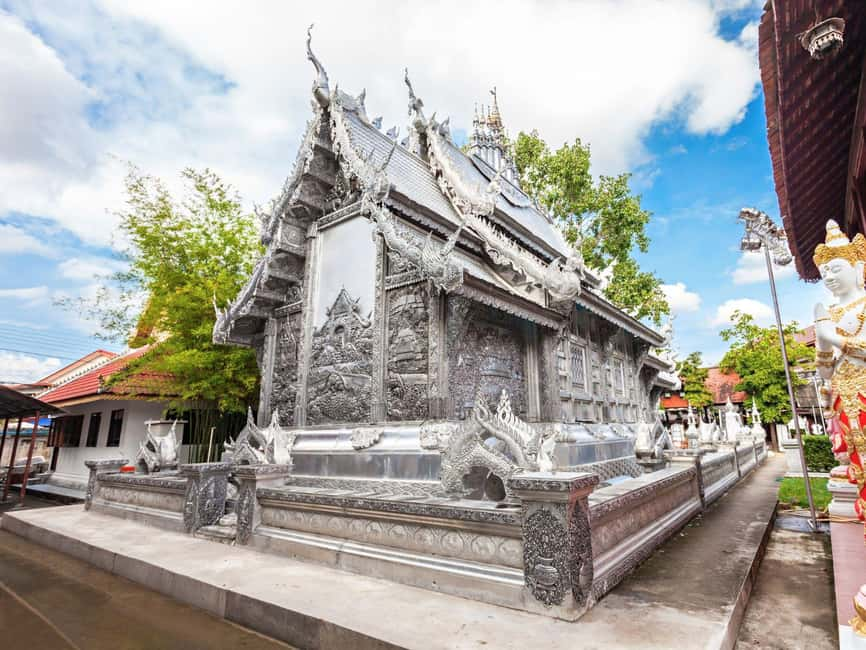
Wat Sri Suphan, often called the Silver Temple, offers the most unusual visual change on the route. Traditional silverwork covers much of the temple’s exterior, creating detailed patterns filled with Lanna designs and Buddhist symbols.
This is where the tour connects architecture with handcraft. Rather than seeing silver as a souvenir alone, you can observe how local artisans use metalwork to express religious stories, protective symbols, and regional identity.
I like this stop for its craftsmanship. The decoration rewards a close look, so do not rush past the walls. Study the repeated shapes and the way the surface catches light. Your guide can help explain what the symbols mean and how the work relates to northern Thai traditions.
There is an important access issue here. Information from the tour indicates that women cannot enter certain interiors at two of the temples, including the Silver Temple. You can still admire the exterior, but this restriction may affect how you feel about the visit. It is best to know before booking rather than discover it at the entrance.
The temple entrance fee may also be extra. The advertised tour price includes admission to Karen Long Neck Village, but not necessarily the three temples. One clear cost estimate is 50 baht per temple, or about 150 baht total if that charge applies at all three sites. That is modest, but the tour should not be treated as a fully all-inclusive $22 experience.
A different set of gates, same trip:
- Chiang Mai: Doi Suthep and Wat Umong Enchanting Evening Tour
★ 4.6 · 1,811 reviews - Chiang Mai: 3 Hour Old City and Temples Guided Walking Tour
★ 4.6 · 1,568 reviews - Chiang Mai: Doi Suthep, Wat Umong, and Pha Lat Sunrise Tour
★ 4.7 · 1,425 reviews - Chiang Rai Temples: Private Tour from Chiang Mai
★ 5.0 · 1,267 reviews
Meeting the Karen Padaung community
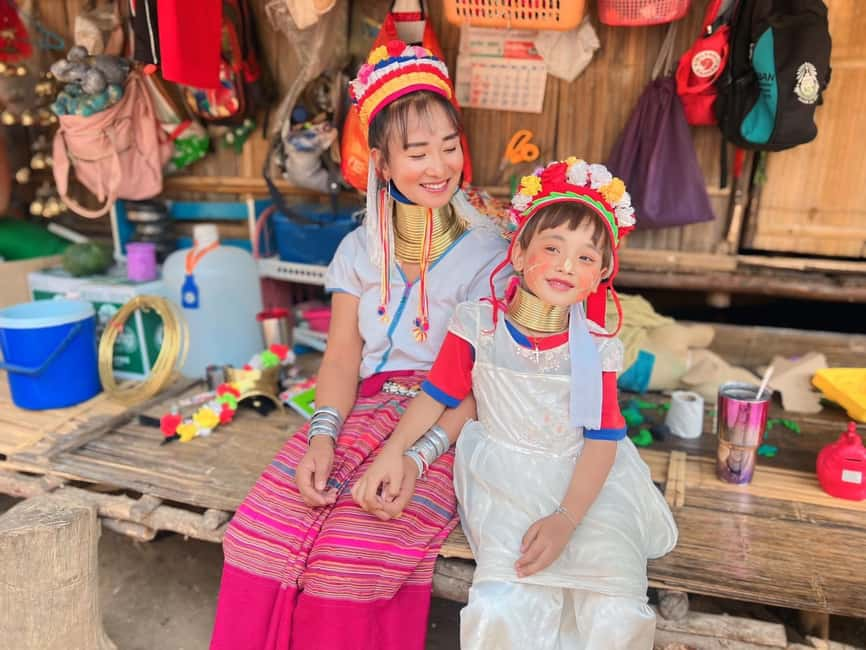
The final stop is Long Neck Village, where you learn about the Karen Padaung people and their cultural traditions. The visit includes an introduction to their history, traditional weaving, clothing, and local crafts.
This part of the tour needs a thoughtful approach. You are not simply visiting a scenic attraction. You are entering a place connected to a living community, so respectful behavior matters. Listen to the guide, ask before photographing people, and treat the craft area as a place where people work rather than as a staged backdrop.
The tour includes an opportunity to support local artisans. You may find woven goods, traditional clothing, and small souvenirs for sale. Buying something directly can be a practical way to support the people whose skills are part of the visit, but you should only purchase items you genuinely want.
The village adds a human dimension that the temple stops cannot provide. The temples show stone, metal, murals, and religious practice. The village shows clothing, weaving, personal histories, and the continuing value of handmade work.
At the same time, Long Neck Village will not suit everyone. Some people may find this kind of cultural visit uncomfortable if it feels too arranged or commercial. Go with an open mind, but keep your judgment and your manners. The quality of the experience depends heavily on how the guide frames the visit and how you approach the community.
The red songthaew makes a difference
Transportation is part of the appeal. Chiang Mai’s red songthaews are shared taxis used across the city, usually fitted with bench seating in the back. Riding one gives the tour a stronger local flavor than moving between temples in a private coach.
The tradeoff is comfort. A songthaew is not a luxury vehicle, and the ride may be less suitable for people with back problems. The activity is also not suitable for pregnant women or wheelchair users.
Because the tour lasts only four hours, the songthaew helps keep the route moving without turning transportation into the main event. You see the city between stops and get a feel for how locals move around, while the guide manages the route.
No group size is provided, so I would not book this expecting a private tour. If you value a personal, flexible pace, ask about the group arrangement before paying. If you prefer an efficient shared outing, the format should work well.
What the $22 price does and does not cover
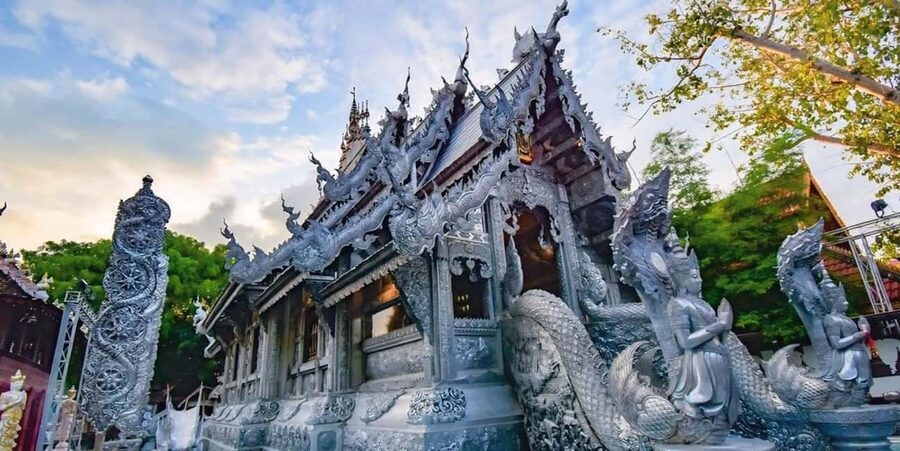
At $22 per person, the tour is priced as an affordable introduction to several of Chiang Mai’s best-known cultural sites. You receive transport by red songthaew, an English-speaking guide, and entrance to Karen Long Neck Village.
The value is strongest if you want several highlights in one morning or afternoon and do not want to arrange local transport yourself. A guide also saves you from having to research the meaning of the chedi, the Phra Buddha Sihing, and the Silver Temple’s decorative details on your own.
The price needs a small adjustment in your mental budget. Temple entrance charges may be separate, at about 50 baht per temple. Meals and drinks are not included, and personal purchases at the village are your responsibility.
Bring cash. The tour information specifically warns that not every place accepts cards, and cash is useful for temple fees, drinks, snacks, and crafts. The extra amount is not large, but knowing about it prevents an awkward surprise.
Free cancellation up to 24 hours before the tour and a reserve-now, pay-later option make this easier to fit into a changing Chiang Mai schedule. Check the available start times when booking, since the exact departure time is not fixed in the information provided.
Dress, walking, and practical comfort
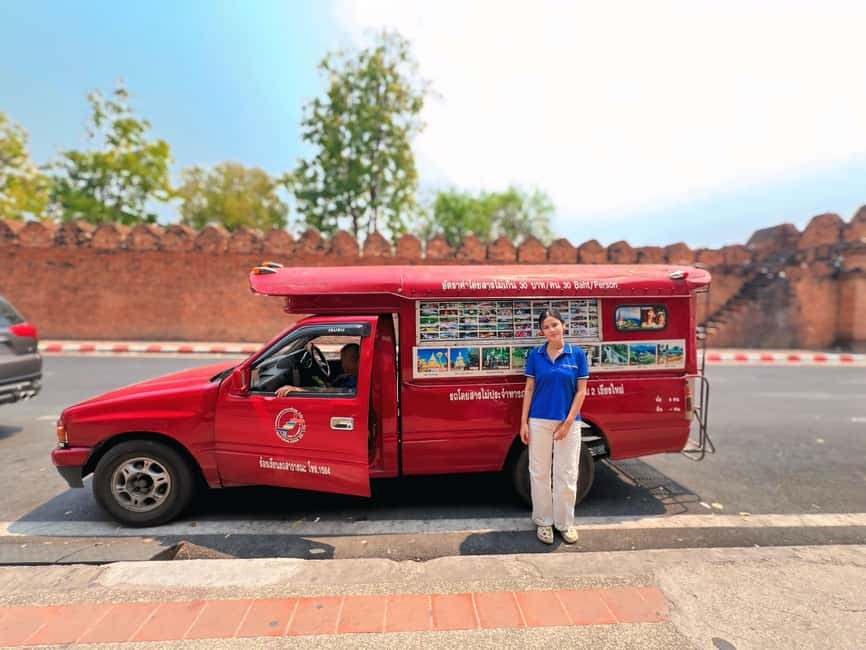
Temple clothing is the main preparation. Cover your shoulders and knees, and choose comfortable clothes that let you move easily between the sites.
Comfortable footwear is also sensible, even though the tour does not provide a detailed walking distance. You will be moving through temple grounds and village areas, and the schedule leaves little room for fussing with clothing or belongings.
Bring:
- Cash for possible temple charges and personal expenses
- Clothing that covers shoulders and knees
- A respectful attitude at religious sites and within the village
- Water or other personal drinks, since beverages are not included
The activity is not suitable for wheelchair users, pregnant women, or people with back problems. The songthaew transport and the pace between stops are the main concerns.
Who will get the most from this tour

I would recommend this outing to a first-time Chiang Mai visitor who wants a simple introduction to northern Thai temples and local craft traditions. It also suits anyone staying in the old city who wants to see several major sites without spending a full day arranging taxis.
It is a good match if you like:
- Historic religious buildings with a guide to explain their meaning
- Lanna architecture and decorative arts
- Local transport and a short, organized route
- Craft shopping that supports local artisans
- A four-hour activity that leaves the rest of the day free
I would be more cautious if you dislike scheduled sightseeing, need wheelchair access, have back problems, or want long, quiet periods at each temple. The village visit also calls for sensitivity. You should be comfortable visiting a community setting where traditional clothing and craft sales are part of the experience.
The named guides give the experience a personal touch. Magie, also called Margareth, and Mosquito have been praised for clear explanations, kindness, and good knowledge of the temple route. Guide quality can vary by departure, but these names are useful if you are able to request a guide.
Should you book this Chiang Mai temple and village tour?
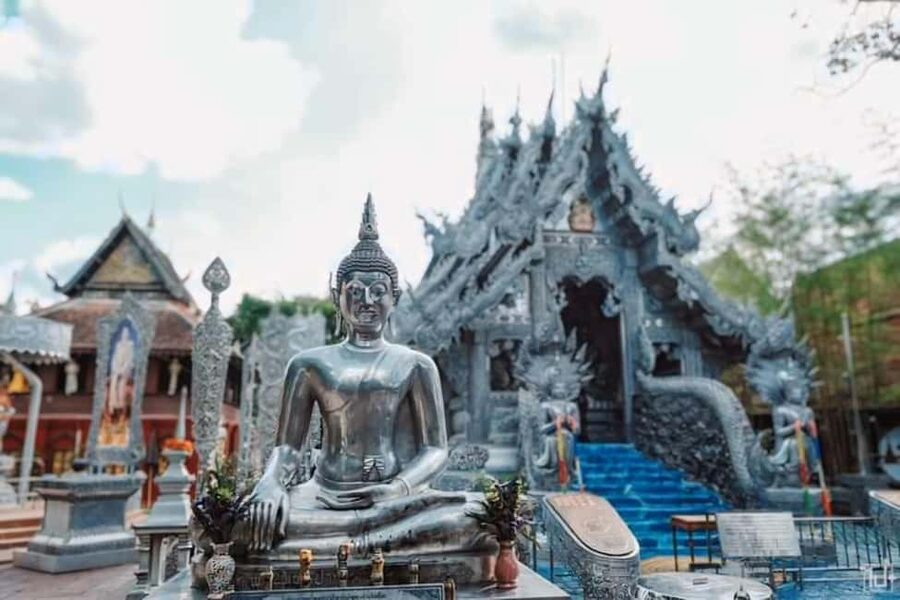
Book it if you want an efficient half-day introduction to Chiang Mai, especially if you are staying in or near the old city. The combination of Wat Chedi Luang, Wat Phra Singh, Wat Sri Suphan, and Long Neck Village gives you architecture, religion, art, transport, and living craft traditions in one outing.
Before booking, add the possible 150 baht in temple fees to the price, pack suitable clothing, and accept that the pace will be brisk. If the Silver Temple access restriction is important to you, ask for clarification before departure.
For $22, this is a fair-value orientation tour rather than a deep study of Chiang Mai. I would choose it early in a visit, then return to the temple that speaks to you most.
FAQ
How long does the tour last?
The tour lasts four hours.
Which temples are included?
The route includes Wat Chedi Luang, Wat Phra Singh, and Wat Sri Suphan, also called the Silver Temple.
Is Long Neck Village included?
Yes. Entrance to Karen Long Neck Village is included in the tour.
Are the temple entrance fees included?
The information states that temple admission may cost extra. A fee of about 50 baht per temple has been noted, so budget for possible charges at all three temples.
Where does pickup take place?
Pickup is available from hotels and accommodations in Chiang Mai’s old city or just outside the city center. If your accommodation is outside the pickup area, meet in front of Burger King at Thapae Gate.
What language is the tour conducted in?
The tour is conducted in English with a live English-speaking guide.
What should I wear?
Wear clothing that covers your shoulders and knees, as required when visiting the temples.
Is the tour suitable for wheelchair users or people with back problems?
No. The activity is not suitable for wheelchair users, pregnant women, or people with back problems.
Newly written up around Chiang Mai
- Monk trails hike, Wat Phalat, Monk chanting, Wat Doi Suthep.★ 5.0 · 3 reviews
- Lalita Cafe & Chiang Rai Temple(White+Blue) from Chiangmai★ 4.8 · 5 reviews
- Private : Sticky Waterfall & Secret Temple & Karen Village.★ 5.0 · 9 reviews
- Chiang Mai: Temples & Culture Tour★ 4.7 · 64 reviews
- From Chiang Mai: White Temple, Blue Temple & Black House★ 4.5 · 15 reviews
- Chiang Mai: Chiang Rai Temples & Black House Discovery Tour★ 4.4 · 12 reviews
- From Chiang Mai: Lamphun and Lampang Temples Tour★ 4.9 · 33 reviews
- From Chiang Mai: Chiang Rai Famous Temples Guided Tour★ 4.4 · 59 reviews
Chiang Mai Temple Tours, compared.
Chiang Rai Temples, Karen Tribe and Hot Springs
Read our review →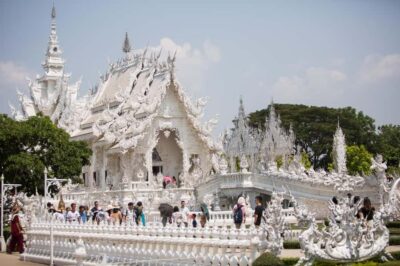
Chiang Rai White Temple and Blue Temple Day Tour
Read our review →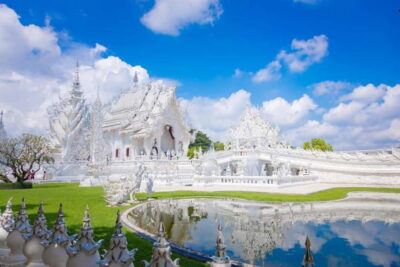
White, Red/Black & Blue Temples Tour with Lunch
Read our review →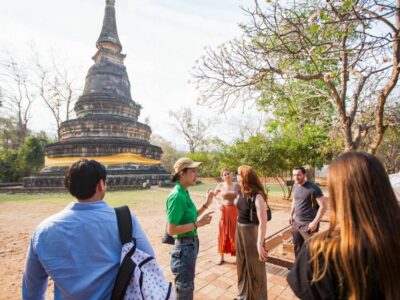
Doi Suthep and Wat Umong Enchanting Evening Tour
Read our review →
3 Hour Old City and Temples Guided Walking Tour
Read our review →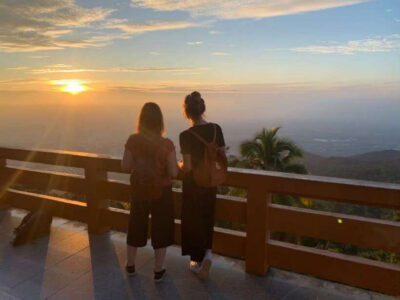
Doi Suthep, Wat Umong, and Pha Lat Sunrise Tour
Read our review →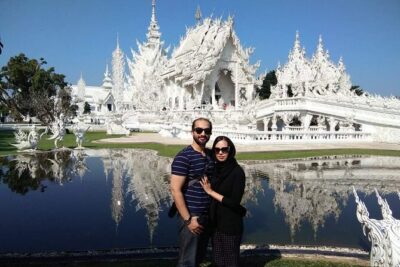
Chiang Rai Temples: Private Tour from Chiang Mai
Read our review →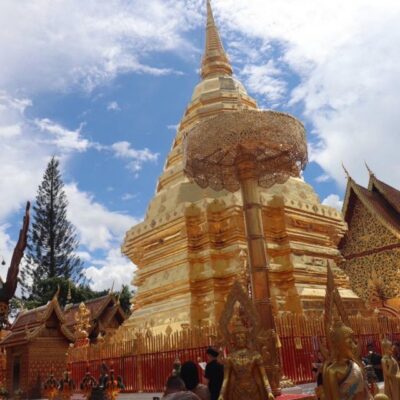
Browse the lists this tour appears in