Reviewed · TOURS
Måløy: Scenic boat tour with guided stop on Selja Monastery
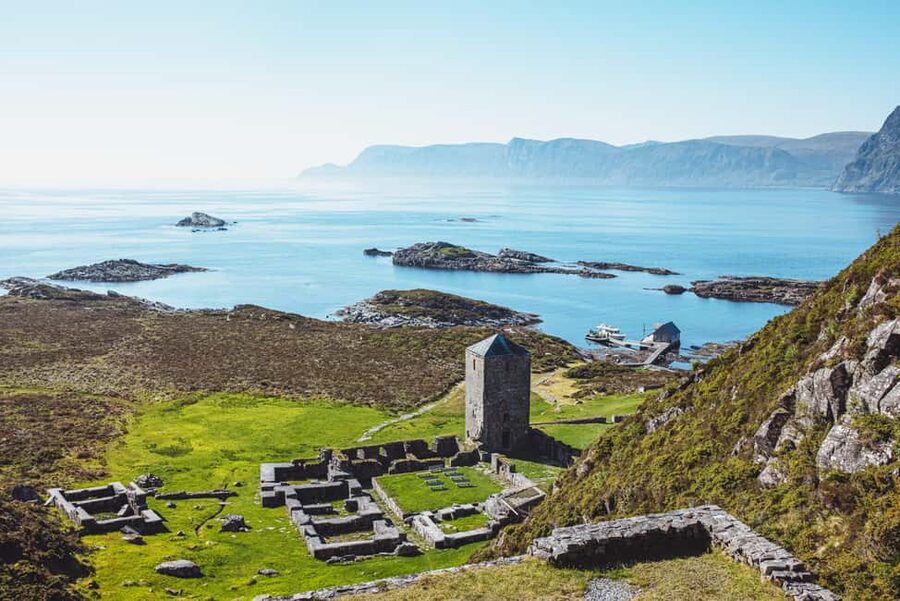
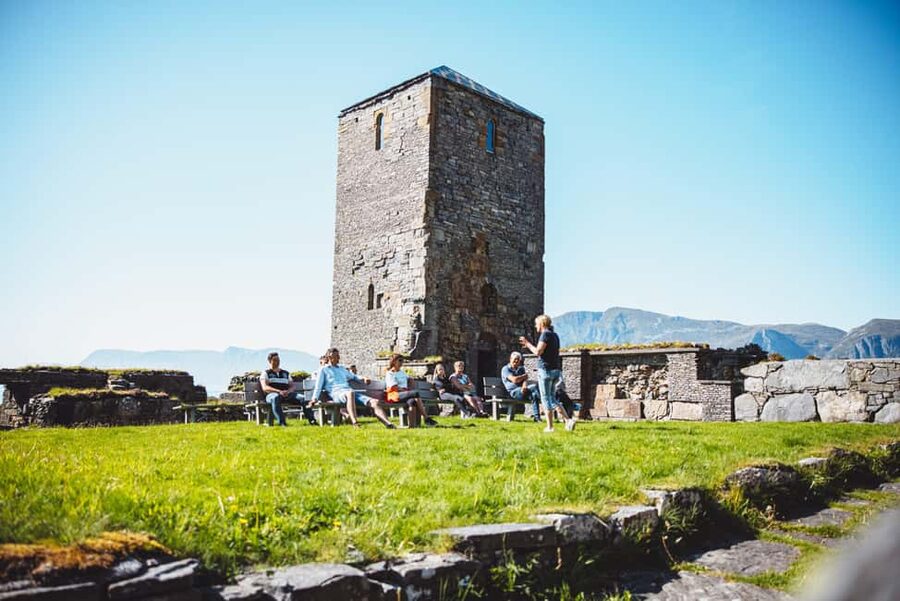
The most striking part of this boat trip is the stop at Selja Monastery, a lonely sacred site reached across the water from Måløy. You can climb to the monastery tower and continue toward Sunnivacave, where steep stairs and rough stone lead to wide views over the island. I like the mix of old legend and wild scenery, and I like that the boat also gives you views of places you cannot properly appreciate from the road.
The main drawback is practical: this is an English-only tour, and the sea can be uncomfortable if you are prone to seasickness. The path around Selja includes slippery stones and steep sections, so good shoes matter more here than polished holiday footwear.
Key points to know before you book
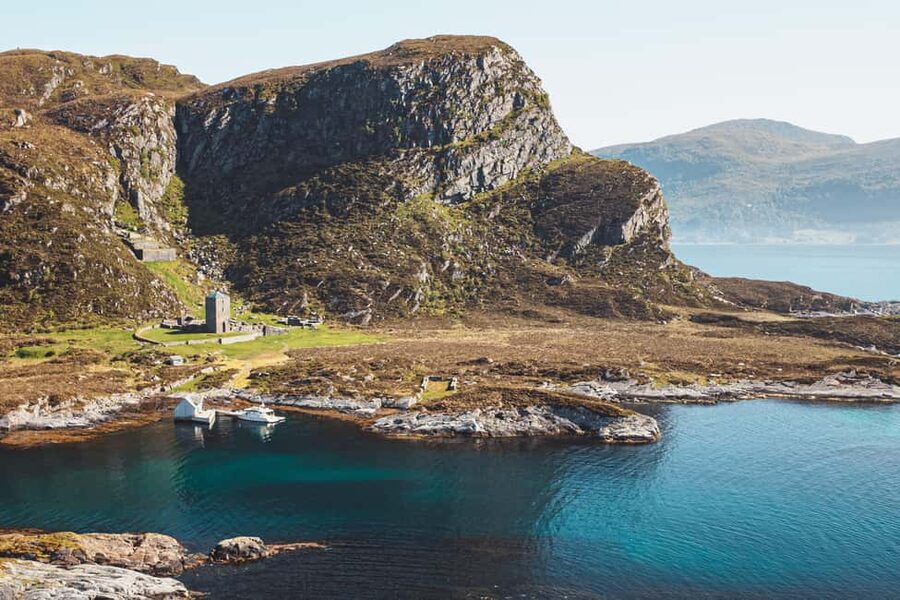
- Selja Monastery and Sunnivacave: The shore stop is the heart of the experience, with a steep climb and memorable views.
- A sea-level view of Stad: The boat passes the rugged Stad Peninsula, several lighthouses, and the site of Norway’s planned ship tunnel.
- A strong Viking connection: Hear how boats were once hauled over the mountain to avoid the dangerous currents around Stad.
- Wildlife and working waters: Watch for white-tailed sea eagles and pass salmon farms along the route.
- Simple port logistics: Meet at Måløy kystrutekai, after the gate and beside the Måløy Tours caravan.
- Bring proper gear: Wear layers, sturdy shoes, and rain protection, and carry water and a snack.
Why Selja Island is the real prize
Selja is not a quick photo stop beside a busy road. You reach it by boat, step ashore, and walk into a place tied to the story of St. Sunniva, Norway’s only female saint. The monastery sits in a striking position above the water, with open views that help explain why this island became a place of worship and pilgrimage.
I like the way the setting does much of the teaching. You are not looking at an old building in isolation. You are seeing the island, the sea passages, and the hard coast around it at the same time. The location gives the religious story a clear sense of place.
The guided stop includes the ancient monastery and Sunnivacave. You can climb the monastery tower for a broader view, then continue toward the cave. One recent visitor specifically praised the view from the top, while also warning that the stairs are steep. Take that advice seriously. The climb is not a casual stroll, and wet weather can make stone surfaces slick.
A second practical point: insect repellent may be useful. One visitor noted that it helped, and the island’s open, natural setting means you should not assume you will be free from insects. Pack a small bottle in your day bag.
Other temple visits near the world we have written up
- Lisbon: Jerónimos Monastery Entrance Ticket
★ 4.1 · 14,164 reviews - Angkor Wat Sunrise or Sunset Tour with Guide from Siem Reap
★ 5.0 · 12,109 reviews - Teotihuacan, Guadalupe Shrine & Tlatelolco Day Tour with Lunch
★ 5.0 · 11,603 reviews
Leaving Måløy by boat
The tour begins at Måløy kystrutekai, the cruise pier. After passing through the gate, look beside the Måløy Tours caravan for a guide holding a Fjord Guiding sign. Arrive at least 15 minutes early. The meeting point is simple, but one person nearly missed the departure because the guide was not immediately obvious, so do not wait quietly if you cannot find the group.
The first minutes give you a water-level view of Måløy. That matters because the town looks different from the harbor than it does from shore. As the boat heads north, you pass Silda, a small fishing island with a long connection to the sea and the North Sea as its nearest neighbor.
The guide speaks English throughout the experience. You will get the most from the trip if you can follow spoken English while the boat is moving. There is no indication of interpretation in Spanish, German, or other languages, so this tour is not a good choice if you need another language to understand the commentary.
The boat ride also gives you time to settle into the rhythm of the coast. This is not a high-speed sightseeing sprint. The value comes from seeing the region from the water, where cliffs, islands, channels, and working marine sites fit together in a way they do not from a bus window.
Silda, Selje, and the view from the water
Silda is one of the early points of interest. Its fishing background adds useful context to the trip, since this part of Norway has long depended on boats, fish, and weather. You will not be visiting the island on foot, but passing it from the water lets you see its position in relation to Måløy and the open sea.
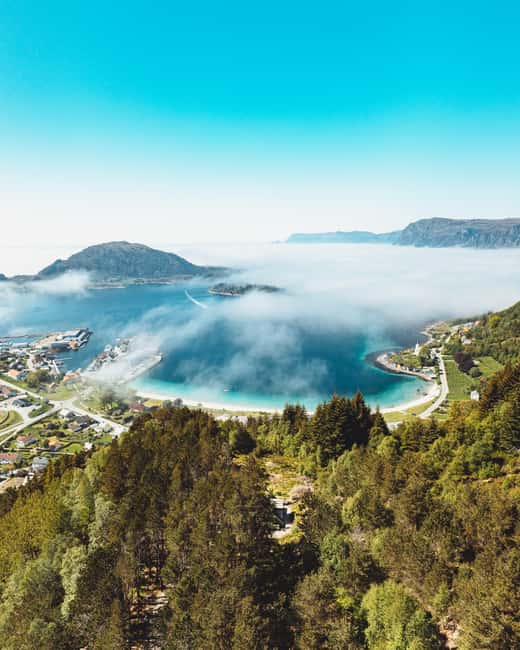
Later, the boat passes the village of Selje and the historic Selje Church. The church is near a white beach, an attractive contrast to the darker rocks and exposed cliffs farther out. This is a photo stop from the boat rather than a land visit, so have your camera ready before the guide points it out.
I like this part of the route because it avoids making the whole trip about one monument. Selja Monastery is the main stop, but the surrounding villages and shorelines explain the wider setting. You get a sense of how settlements, churches, fishing areas, and sea routes sit close together along the coast.
The route also passes local salmon farms. These are working sites, not decorative scenery, and they offer a glimpse of modern Norwegian aquaculture. The trip connects the old coastal economy with a present-day industry that remains important to Norway’s seafood trade.
The Stad Peninsula and its difficult waters
The Stad Peninsula is known for rough conditions and powerful currents. The area around the Sea of Stadt has long been a difficult passage for boats, especially when wind and water work against each other. The guide explains how Vikings dealt with the problem by hauling their boats over the mountain instead of risking the dangerous sea route.
That detail gives the coast a human scale. From the boat, the cliffs can look grand and remote. Learning that people once dragged vessels across land to avoid the water makes the geography feel much more serious.
You will pass the area connected with the planned full-scale ship tunnel through the Stad Peninsula. The tunnel is designed to let ships bypass one of Norway’s most hazardous sea passages. You see the proposed site from the boat, rather than touring an active tunnel, but it is still an interesting engineering point on the route.
The surrounding scenery is rugged and exposed. Weather can change quickly, and the water may be calm one day and uncomfortable the next. Bring warm clothing even if Måløy feels mild when you leave the pier. Layers are the sensible choice because you may be outside on deck, in shade, or moving through a chilly breeze.
A different set of gates, same trip:
- From Bangkok: Ayutthaya Temples Guided Tour with Lunch
★ 4.7 · 10,535 reviews - Siem Reap: Angkor Wat: Small-Group Sunrise or Sunset Tour
★ 5.0 · 9,444 reviews - Athens: Cape Sounion & Poseidon Temple Sunset Half-Day Trip
★ 4.8 · 8,241 reviews - Ubud: Monkey Forest, Jungle Swing, Rice Terrace, and Water Temple
★ 5.0 · 7,160 reviews
Lighthouses that mark the route
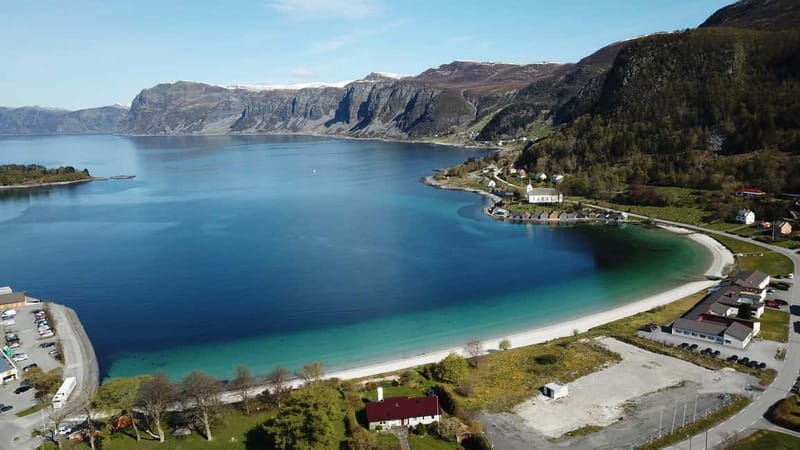
Several lighthouses appear along the coast, each helping ships negotiate the waters around Stad. Ulvesund Lighthouse is one of the notable points on the route. You also look toward Kråkenes Lighthouse, known for breaking wind records, and Skongenes Lighthouse.
The lighthouses are best understood as working markers rather than isolated photo subjects. Their positions tell you where the coast becomes difficult for ships and where safe navigation demands clear signals. Your guide’s explanation adds meaning to what might otherwise be a distant white tower on a headland.
Kråkenes is especially memorable because of its exposure to fierce weather. The boat does not turn this into a separate land excursion, so your view depends on the route and weather. Still, the lighthouse section helps connect the beautiful scenery with the hazards that shaped local sailing.
Keep your camera ready, but do not spend the whole crossing looking through a screen. Some of the best views are broad ones, with the boat, cliffs, islands, and open water all in the same frame.
Walking up to the monastery and cave
Once you reach Selja Island, the guided walk becomes the most active part of the tour. You go ashore to explore the monastery site, then climb toward the tower and Sunnivacave. The stairs are steep, and the stones can be slippery, especially after rain.
Comfortable shoes are essential. Trainers with a decent grip are a better choice than smooth-soled casual shoes. If your balance is poor, take the climb slowly and allow others to pass. The tour is not suitable for wheelchair users, and the uneven ground makes it a poor fit for anyone who needs a fully level route.
The effort is worthwhile because the views open up as you climb. From the tower and upper sections, you can look over the island and the surrounding water. The setting is a major part of the experience, not just an extra reward at the end.
Sunnivacave adds a more mysterious note. The cave is linked to St. Sunniva, and the guide explains the story that gives the place its religious importance. You will not get a polished museum presentation. Instead, the interest comes from standing in a natural site connected to a very old local tradition.
The stop is guided, so stay close enough to hear the explanation. On a breezy island, voices can carry poorly, and the English commentary may be harder to catch if you wander ahead.
Sea eagles and the working coast
The tour includes the chance to see sea eagles over the water. These birds are known for their broad wingspan and are common in the region, but wildlife is never guaranteed on a timed boat trip. Look above the shoreline, offshore rocks, and open water, especially during quieter stretches of the route.
Bring binoculars if you already own a compact pair, though a camera with a strong zoom can also help. Do not expect a staged wildlife encounter. The appeal is the possibility of seeing a large bird moving through its natural coastal setting.
Salmon farms provide another kind of observation. They show that this is not an untouched wilderness removed from daily life. The coast supports fishing, aquaculture, transport, tourism, and communities, all within the same narrow band of land and water.
I find that combination useful. You see old religious sites and Viking stories, but you also see the modern businesses that keep the coast active today.
Is $94 a fair price?
At $94 per person, this is not a cheap harbor cruise. I think the price is reasonable if you want several experiences in one outing: a guided boat ride, a shore visit to Selja Island, a monastery and cave, coastal scenery, lighthouse views, and commentary about Vikings and modern aquaculture.
The 160-minute length also matters. You get roughly two hours and 40 minutes, enough time for a proper island stop rather than a quick landing for photographs. The boat route covers more ground than a simple transfer to Selja, so the price includes both transportation and guided sightseeing.
The value is weaker if you mainly want to sit indoors and watch the coast pass by. It is also a poor buy if you cannot manage the steep, uneven walk on Selja. In that case, you would miss the part that gives the trip its strongest sense of place.
Meals and drinks are not included. Carry water and a snack, especially if you are arriving from a cruise ship and have limited time before or after the tour.
Weather, comfort, and who should go
This trip suits you if you enjoy coastal scenery, local stories, short walks, and boat travel. It is especially useful for cruise passengers who want to see more of the Måløy area during a port call without arranging several separate activities.
You should reconsider it if you are prone to seasickness. The tour spends substantial time on the water, and conditions around Stad can be rough. Bring any seasickness treatment you normally use, although the tour information specifically identifies seasickness as a concern.
Dress for changeable weather. Wear warm layers, bring a waterproof outer layer if rain is possible, and use sturdy shoes for Selja. A camera, water, and snacks belong in your day bag.
Pets and smoking are not allowed. Hotel pickup and drop-off are not included, so you need to reach the cruise pier yourself.
The tour has free cancellation up to 24 hours before departure, and you can reserve now and pay later. Check the available starting time before booking, since the duration is fixed at 160 minutes but departure times can vary.
Should you book the Måløy to Selja tour?
Book it if you want the best combination of coastal views and cultural history in a single outing. Selja Monastery is in a memorable location, the Sunnivacave walk gives the tour a sense of adventure, and the boat route adds lighthouses, sea eagles, Viking stories, salmon farms, and the Stad ship-tunnel site.
Skip it if you need a wheelchair-friendly route, dislike boat travel, or cannot follow an English-speaking guide. Also skip it if your idea of a port excursion means very little walking and no chance of wet or slippery conditions.
For most active visitors with a few hours in Måløy, the monastery stop is the deciding factor. Wear proper shoes, arrive early at the pier, and keep your eyes on the water as well as the shore.
FAQ
Where does the tour start?
It starts at Måløy kystrutekai, the cruise pier. After the gate, look beside the Måløy Tours caravan for a guide holding a Fjord Guiding sign.
How long does the tour last?
The tour lasts 160 minutes, or about two hours and 40 minutes.
What language is the tour conducted in?
The live guide speaks English.
What will I see from the boat?
You can see Måløy from the water, Silda Island, the Stad Peninsula, Selje village, Selje Church, several lighthouses, salmon farms, and the site of the planned Stad ship tunnel.
Do I go ashore during the tour?
Yes. You go ashore on Selja Island for a guided visit to Selja Monastery and the Sunnivacave area.
Is the walk to Sunnivacave difficult?
The route includes steep stairs and slippery stones. Comfortable shoes with good grip are recommended.
Is the tour suitable for wheelchair users?
No. The tour is not suitable for wheelchair users.
Is the tour suitable for people prone to seasickness?
No. People prone to seasickness may find the boat trip uncomfortable, particularly in changeable conditions.
Are food and drinks included?
No. Meals and drinks are not included. Bring water and snacks.
What should I bring?
Bring comfortable shoes, warm layers, a camera, water, and snacks. Check the forecast and dress for changing weather.
Are pets allowed?
No. Pets are not allowed, and smoking is also prohibited.
Can I cancel the booking?
You can cancel up to 24 hours before departure for a full refund. Reserve now and pay later is also available.
Newly written up around the world
- Small Group Tour to Mogosoaia Palace and Snagov Monastery★ 5.0 · 23 reviews
- Mogosoaia Palace & Snagov Monastery: Private tour from Bucharest★ 4.5 · 14 reviews
- Bulgaria Day Trip: Basarabovo Monastery, Tsarevets & Arbanasi★ 5.0 · 3 reviews
- Private Half Day Trip to Snagov Monastery and Mogosoaia Palace from Bucharest★ 4.5 · 13 reviews
- Chicken Church Local Attraction Near Of Borobudur Temple★ 3.5 · 18 reviews
- Transfagarasan Highway Balea Lake and Carta Monastery from Brasov★ 5.0 · 20 reviews
- Private Half Day trip to Slanic Salt Mine and Snagov Monastery★ 5.0 · 8 reviews
- Divine Delhi: Full-Day Tour of Temples & Spiritual Sites★ 4.5 · 3 reviews
Tours, compared.
Angkor Wat Sunrise or Sunset Tour with Guide from Siem Reap
Read our review →
Angkor Wat: Small-Group Sunrise or Sunset Tour
Read our review →
Waterfalls, Water Temple & Rice Terraces Private Tour
Read our review →
Angkor Wat 2-Day Tour with Sunrise and Sunset
Read our review →
City Highlights Temple and Market Walking Tour
Read our review →