Reviewed · ANGKOR WAT TOURS
Siem Reap: Angkor Wat 2-Day Tour with Sunrise and Sunset
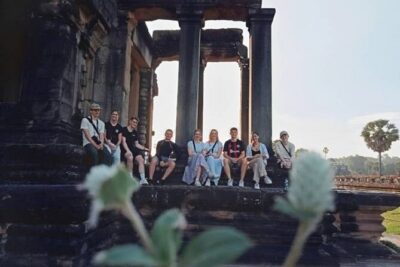
Angkor Wat at sunrise is the headline, but the real value here is the two-day sweep through 11 temples. You get the famous names, such as Ta Prohm and Bayon, along with quieter sites that show how large and varied the Khmer capital once was. Guides including Sary, Sok, Pheap, Sam, Vone, and Nick Kosal are praised for clear explanations, good humor, and knowing where to pause for photos.
I like the sensible split: a 4:30am sunrise day, followed by a later 10:30am start for the second circuit. I also like the cool minibus, chilled water, and wet towels, small comforts that matter after hours in Cambodia’s heat. The catch is stamina. These are long days with plenty of walking, stairs, sun, and temple stones underfoot, and the first morning begins before most people have had breakfast.
Key points to know before booking
- Sunrise at Angkor Wat: Day one starts around 4:30am and returns around 1pm, giving you the cooler morning for the main temples.
- Eleven temples in two days: The route covers Angkor Wat, Ta Prohm, Bayon, Ta Keo, Preah Khan, Neak Pean, Ta Som, East Mebon, Pre Rup, Phnom Bakheng, and Angkor Thom’s South Gate.
- Guides make the difference: Names frequently praised include Sary, Sok, Sam, Pheap, Vone, Nick Kosal, John, and Heang.
- Comfort between stops: Hotel pickup, an air-conditioned minibus, cold bottled water, and refreshing wipe towels are included.
- The temple pass costs extra: You must buy your Angkor Archaeological Park ticket separately, online or at the ticket office.
- A demanding schedule: Expect heat, walking, uneven ground, and a very early start. The tour is best for people who want broad coverage rather than a slow visit to just two or three temples.
Why two days works better than one
Angkor is not one temple. It is a large archaeological park with monuments spread across a wide area, and the buildings differ in age, purpose, faith, and design. A rushed day can give you famous photographs without much sense of how the pieces fit together.
This tour uses the familiar small-circuit and grand-circuit pattern. Day one focuses on the major sights and the classic sunrise. Day two moves farther through a string of temples, many of them calmer and less familiar. That division gives you a useful rhythm: the first day supplies the essential Angkor images, while the second adds detail and variety.
The schedule also lets you use a three-day temple pass without spending a third day in a vehicle. You can rest on day three, revisit a favorite temple, or arrange a private tuk-tuk to see another site. That extra flexibility is a real benefit if you are staying in Siem Reap for several days.
The price is $34 per person, not including the park pass or meals. For that amount, you receive transport over two days, a guide, hotel pickup and drop-off, water, towels, and visits to 11 temples. I consider it strong value if you want a guided introduction and would otherwise need to arrange transport and guiding separately.
More Temple Sunrise Tours in Cambodia
- Angkor Wat Sunrise or Sunset Tour with Guide from Siem Reap
★ 5.0 · 12,109 reviews - Siem Reap: Angkor Wat: Small-Group Sunrise or Sunset Tour
★ 5.0 · 9,444 reviews - Angkor Wat Sunrise tour with Small – Group and Guide tours
★ 5.0 · 3,655 reviews
Day one begins before dawn at Angkor Wat
Pickup begins early, with the planned start around 4:30am. Be ready at your hotel at least 30 minutes beforehand, and make sure the accommodation address is correct. The early departure is not a minor detail. You are leaving while it is still dark, then spending most of the morning walking.
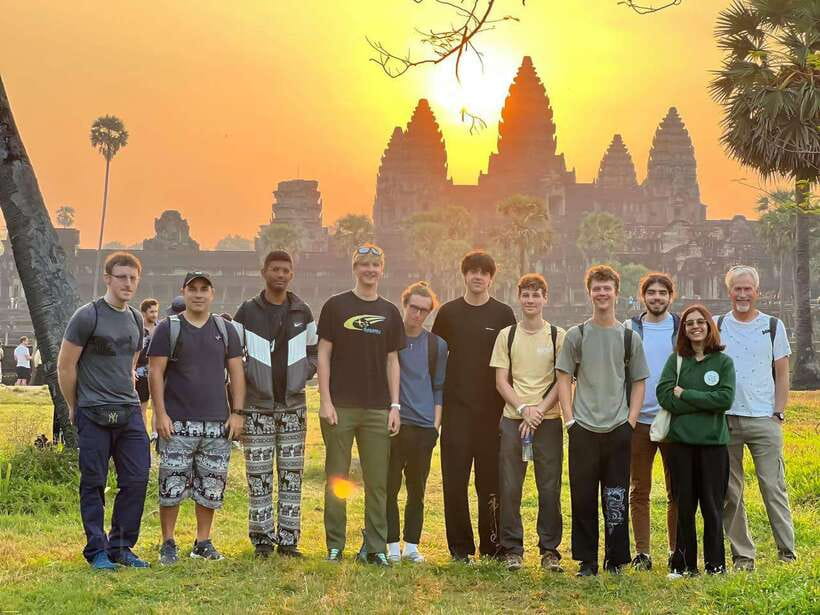
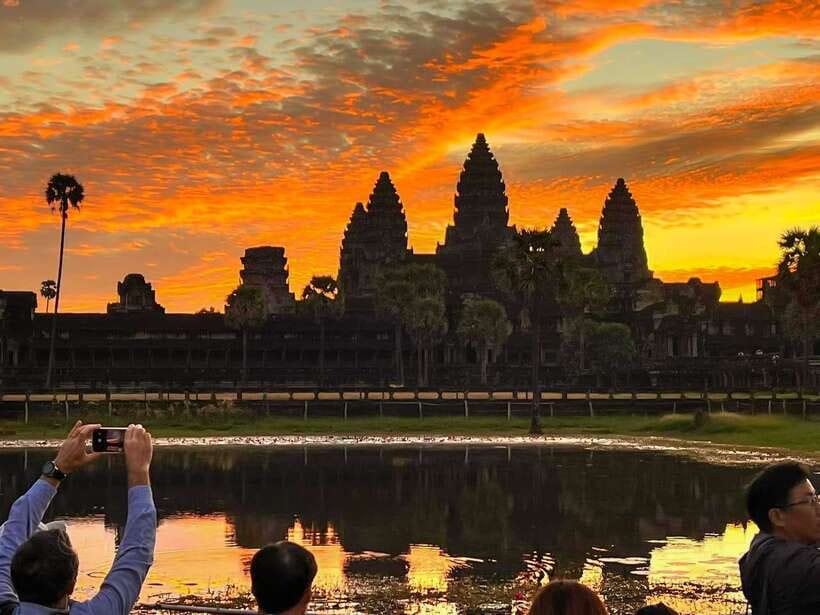
At Angkor Wat, you wait for daylight to spread behind the temple towers and their reflection pool. Weather controls the show, so a cloudy morning can soften or obscure the colors. The temple remains impressive either way, but do not treat a perfect sunrise as guaranteed.
The practical gain from arriving early is just as important as the view. Morning temperatures are easier to handle, and the tour can move through the main sights before the full heat of the day. Guides such as Pheap are praised for knowing different viewpoints and timing the group well, while Nick Kosal and Sayon are noted for keeping the early hours organized and lively.
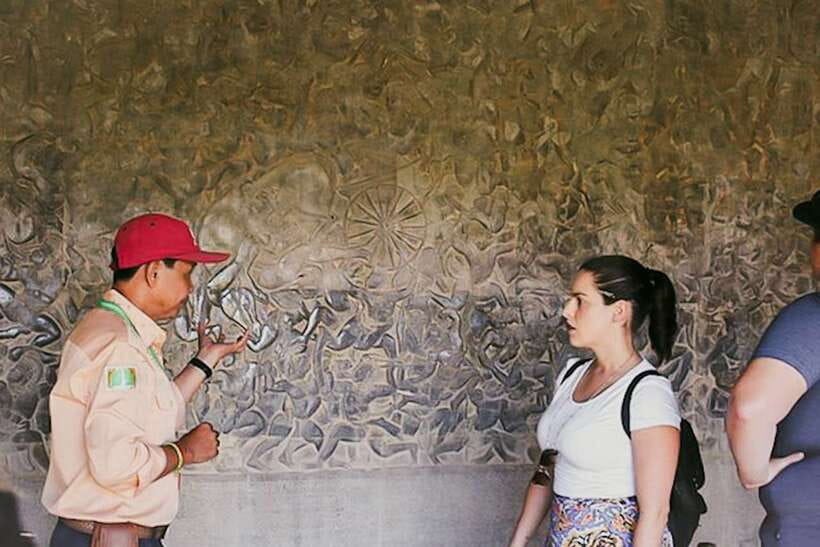
After sunrise, your guide helps explain what you are seeing rather than leaving you with a grand facade and a camera roll. Angkor Wat’s carvings, galleries, towers, and religious symbols make more sense when someone connects them to the Khmer kings and the changing influence of Hinduism and Buddhism.
Ta Prohm shows nature pressing into stone
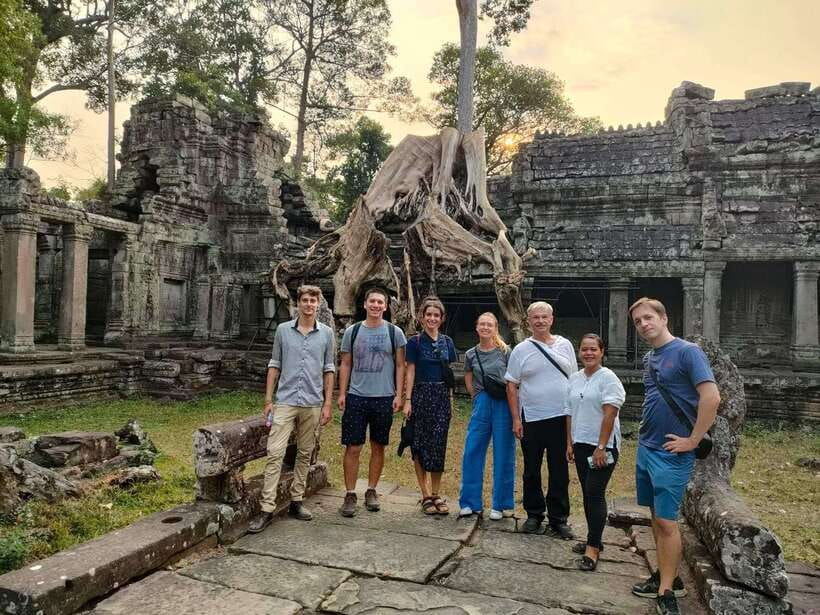
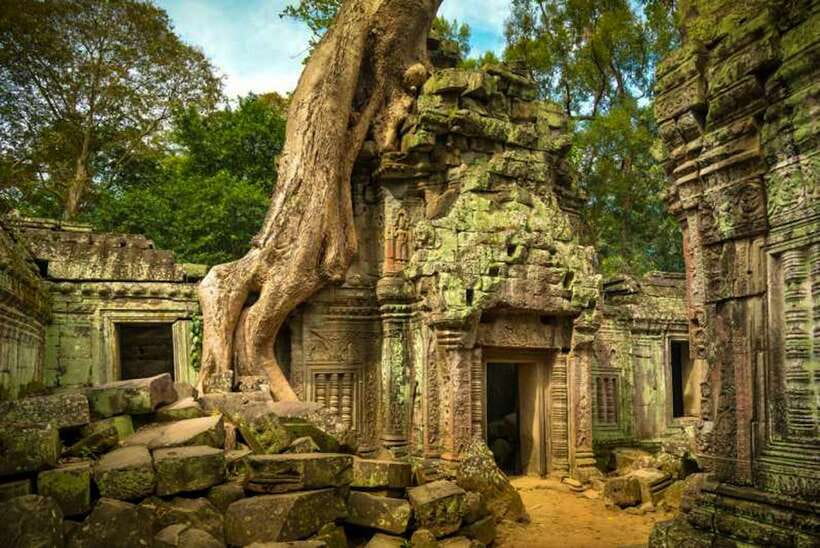
Ta Prohm is the temple most closely linked with the Tomb Raider movie, but its appeal does not depend on film fame. Trees grow over walls and doorways, and roots grip the old masonry in ways that make the site feel unsettled and alive.
The setting also shows why conservation is difficult. The trees help create Ta Prohm’s identity, yet their roots and weight affect the ruins. Your guide can point out carved figures, damaged sections, and details that are easy to miss when the group is moving through a busy path.
The schedule aims to reach Ta Prohm early compared with some other group tours. That may help you find better angles before the busiest periods, though Angkor’s popular temples are never guaranteed to be quiet. Bring patience, and be ready to share the main photo spots.
Bayon gives Angkor a human face
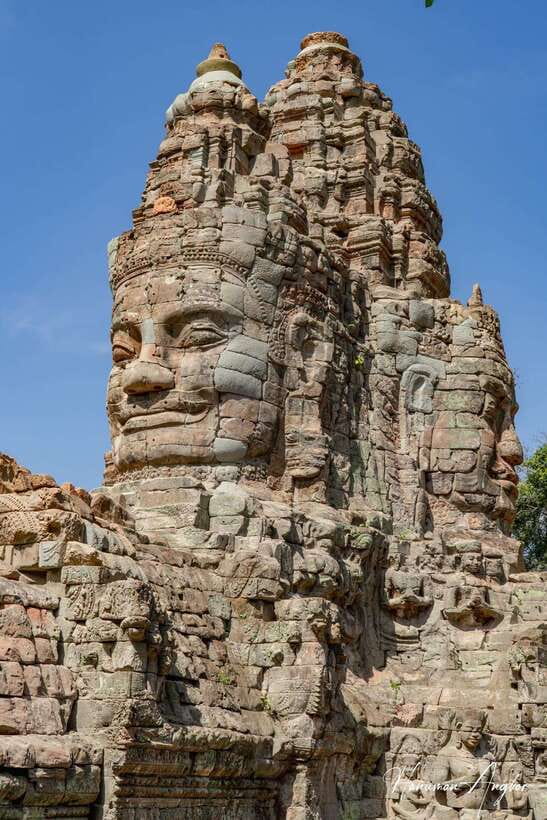
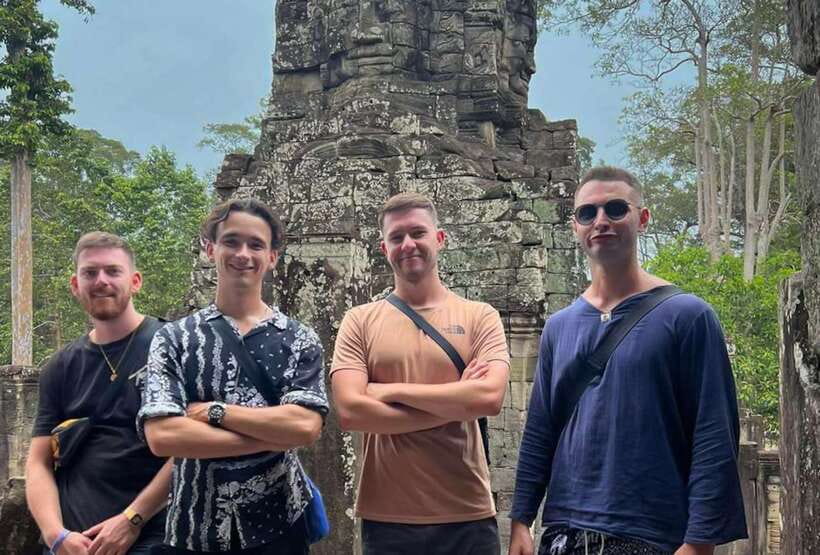
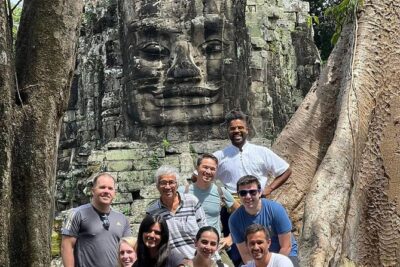
Bayon, inside Angkor Thom, is known for its huge carved faces with calm, smiling expressions. The effect changes as you walk between the towers. Faces appear from different levels and directions, making the temple feel more intimate than its scale suggests.
This is a good stop for a guide who can explain the political and religious setting of the building. Bayon was built during the reign of Jayavarman VII and is described as the only Buddhist state temple and the last major temple built in the Angkor empire. Those details help you see it as more than a collection of stone towers.
The narrow passages and uneven surfaces call for steady footing. You will want time for photographs, but also time to look at the bas-reliefs and the way the towers are arranged. A guide can keep the explanation focused, which matters after an already full morning.
More Temple Sunrise Tours in Siem Reap
- Angkor Wat Highlights and Sunrise Guided Tour from Siem Reap
★ 5.0 · 3,213 reviews - Full-Day Angkor Wat Sunrise Private Tour with Guide from Siem Reap
★ 5.0 · 2,920 reviews - Angkor Wat Sunrise & 3 Main Temples with Breakfast – Small Group
★ 5.0 · 2,857 reviews - Siem Reap: Angkor Wat Sunrise and Full-Day Sightseeing Tour
★ 4.9 · 2,828 reviews
Ta Keo and the South Gate add scale and symbolism
Ta Keo is a 10th-century mountain temple. Its steep climb gives you a physical sense of the design idea: the temple rises in stages toward a sacred summit. The stone steps can be demanding, especially after an early start, so take them slowly.
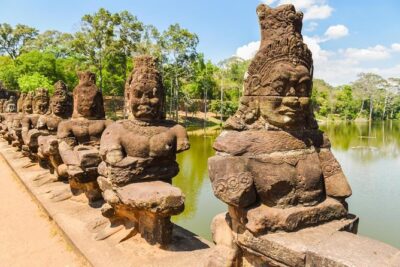
The day finishes at Angkor Thom’s South Gate. A bridge lined with figures of gods and demons leads toward the gate, with both rows holding the body of a seven-headed naga. It is a strong final stop because the approach gives you a clear architectural scene, not just another isolated ruin.
The planned return is around 1pm. That early finish is welcome. You will have time to eat, shower, nap, or simply cool down before the next day. Several people describe the first day as intense, so do not make ambitious evening plans unless you know you recover quickly from heat and lost sleep.
Day two trades the headline temples for quieter detail
The second day starts around 10:30am and runs until roughly 7pm. You lose the early morning chill, but you gain a more reasonable start and a chance to see the temple circuit after the first day’s major sights.
Preah Khan is the largest temple on this route. It was built by King Jayavarman VII for his father and combines long corridors, carved doorways, courtyards, and sections that feel partly reclaimed by time. It rewards a slower look because the building unfolds in layers rather than presenting one single postcard view.
Neak Pean is smaller in scale and different in purpose. The water around the island temple was used for bathing and health during the Angkor period. Its central arrangement gives you a change of pace after the long corridors of Preah Khan.
At Ta Som, look for the large tree over the east gate. The temple also contains many sculptures of dancers with long hair and was built for the king’s sister. The tree and gate make an obvious photograph, but the carved figures give the stop more substance.
East Mebon and Pre Rup explain an older Angkor
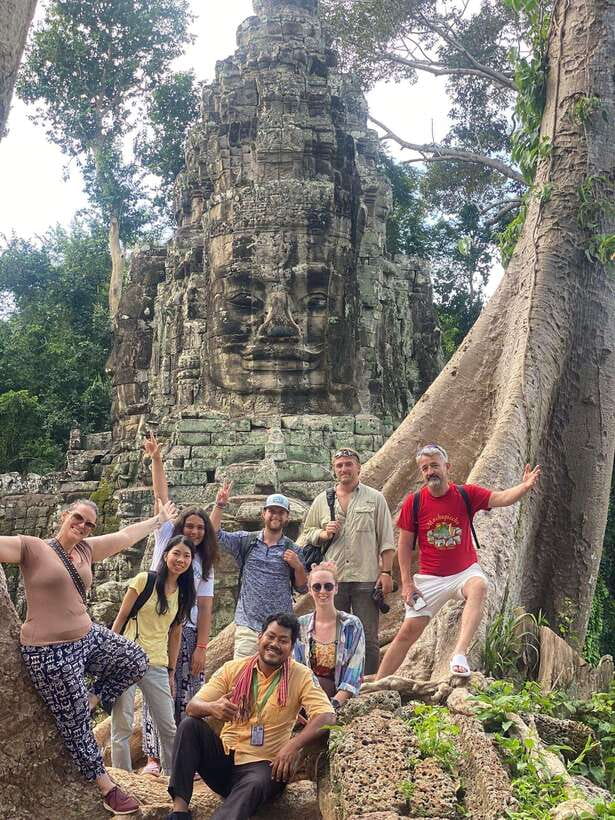
East Mebon was built in the 10th century for the ancestors. It once sat in the middle of a reservoir, a fact that changes how you read the temple today. The surrounding water is gone, so the original setting takes some imagination.
Pre Rup was built by a king for himself. It is sometimes mistaken for a crematorium because of a stone structure resembling a coffin. The supplied explanation places that structure in a Hindu meditation context at the full moon, a useful reminder that modern labels can flatten the purpose of old buildings.
These sites are helpful after the first day because they add chronology and variety. You are not simply repeating Angkor Wat in smaller form. Different rulers commissioned different monuments, and the religious ideas and royal aims changed over time.
Phnom Bakheng supplies the sunset finish
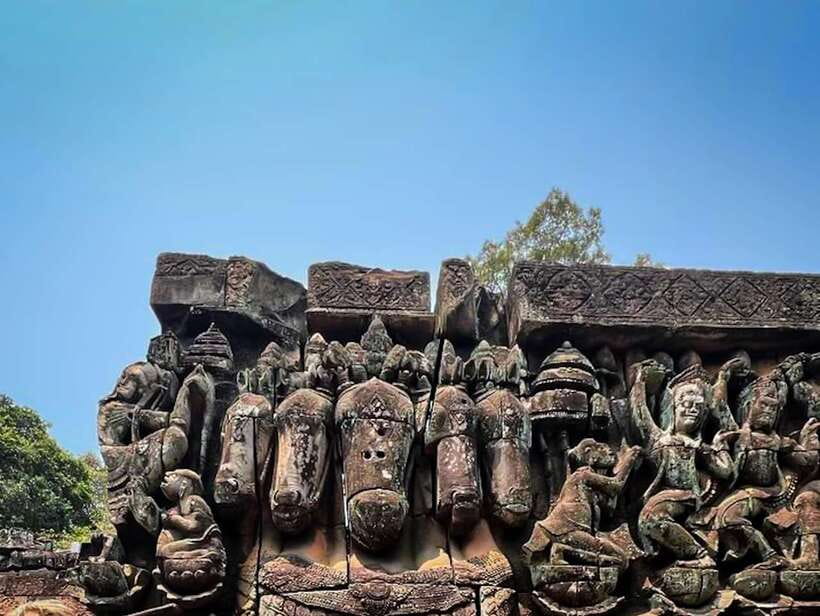
Phnom Bakheng sits on a hill, with 33 towers representing the heavens. The climb gives you a higher view than most stops on the route and makes the final part of the day feel distinct from the enclosed temple corridors.
The sunset is weather dependent, just like sunrise. You may get glowing skies, or you may get a muted evening. Either way, the hill provides a clear ending to a full day, but it can also be tiring after hours of walking.
The planned return is around 7pm. That makes day two a full day, not a casual afternoon outing. Eat when the schedule allows and keep water close. The tour includes cold bottles and wipe towels, and the air-conditioning in the minibus is especially welcome when you return from a hot stop.
The guides are a major part of the experience
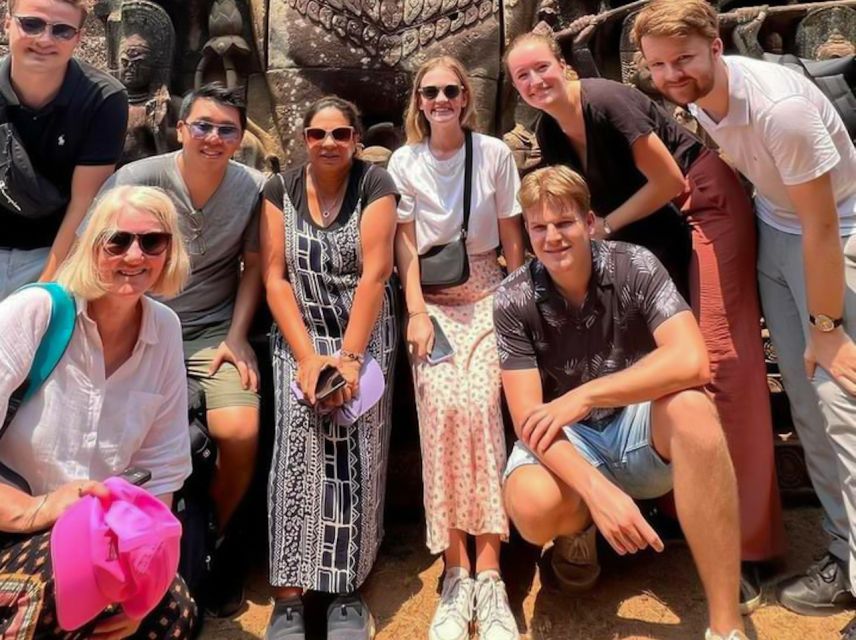
The strongest pattern across the tour is the quality of the English-speaking guides. Sary is praised for noticing small details and answering questions. Sok is described as clear, energetic, and attentive to the group. Pheap combines temple knowledge with humor and takes photographs at useful viewpoints.
Sam is especially suited to anyone who wants more historical and religious context. Vone is praised for explaining architecture, symbolism, and Cambodian culture in an easy-to-follow way, while Nick Kosal is noted for keeping the timing on track and using humor during the early start.
You may have different guides on the two days. That can work in your favor because each person brings a different style. One may focus more on photographs and storytelling, while another spends more time on royal lineages and religious meaning.
The guide also helps with practical matters. Several accounts describe guides taking group photos, finding good viewpoints, answering questions, and slowing down when someone struggled with the heat or temple steps. Still, this is a group tour unless you book a private option, so you should expect a shared pace rather than a fully personal itinerary.
Transport, food, clothing, and the temple pass
Hotel pickup and drop-off are included, along with an air-conditioned minibus. The cool vehicle is not a luxury here. After walking across exposed stone in the heat, it gives you a proper break between sites.
Cold bottled water and wipe towels are supplied. These simple items receive repeated praise because they help you reset before the next temple. Meals are not included, so budget for food separately and use the scheduled rest and food breaks sensibly.
Wear comfortable clothing that covers your shoulders and knees. Shorts, short skirts, and sleeveless shirts are not allowed. Pack sunglasses, sunscreen, and a charged smartphone, and avoid alcohol and drugs during the tour.
The Angkor Archaeological Park entry ticket is extra. You must arrange the temple pass yourself through the Cambodian government website or buy it at the ticket office after pickup, depending on the current procedure. Check the latest ticket rules before departure so the pass does not become a morning surprise.
The information supplied for this activity gives both wheelchair accessible and not suitable for wheelchair users. Those statements conflict. If you use a wheelchair, contact the provider before booking and ask about the actual vehicle, temple paths, steps, and assistance available.
Who should book this two-day Angkor tour?
I would choose it if you are visiting Siem Reap for at least three or four days, want the main temples explained, and prefer not to arrange park transport yourself. It is also a sensible choice for a solo visitor who likes meeting a small group but still wants a structured plan.
Families can manage it if children tolerate heat and early mornings. One guide is specifically praised for helping a nine-year-old slow down, but the schedule remains demanding. Older visitors should consider the walking and stairs carefully, as the activity is not recommended for people over 70.
I would not choose it if you want a slow, private photographic visit, dislike early starts, or prefer to sit down often. Two days of ruins can feel repetitive if you are not interested in architecture, religion, and Cambodian history.
The cancellation policy is forgiving: you can cancel up to 24 hours ahead for a full refund, and reserve now while paying later. That helps with planning, but it does not reduce the physical demands of the schedule.
Should you book it?
Book this tour if you want strong coverage at a low price, a guide to explain what you are seeing, and transport that removes the hassle of moving between distant temples. The sunrise at Angkor Wat is the emotional opening, but day two may become your favorite because Preah Khan, Ta Som, East Mebon, and the other quieter sites give you room to notice the details.
Skip it if you need a gentle pace or complete control over every stop. For most active visitors, though, this is a practical first visit to Angkor: early, hot, busy in places, and very rewarding when you are ready for the work.
FAQ
How long is the Angkor Wat tour?
The experience runs over two days. Day one is scheduled from about 4:30am to 1pm, and day two runs from about 10:30am to 7pm.
What temples are included?
The route includes Angkor Wat, Ta Prohm, Bayon, Ta Keo, Angkor Thom’s South Gate, Preah Khan, Neak Pean, Ta Som, East Mebon, Pre Rup, and Phnom Bakheng.
Is sunrise included?
Yes. Sunrise at Angkor Wat is included on day one.
Is sunset included?
The activity information describes sunset on the second day, with the route ending around Phnom Bakheng.
Is the Angkor temple pass included?
No. You must purchase the Angkor Archaeological Park entry ticket separately, either online through the government website or at the ticket office.
Are meals included?
No. Meals are not included, although the schedule includes occasional food and rest breaks.
Is hotel pickup included?
Yes. Hotel pickup and drop-off are included. You should provide the correct hotel address and be ready at least 30 minutes before the start time.
What transport is used?
The tour uses an air-conditioned minibus. Chilled bottled water and refreshing wipe towels are also included.
What should I wear?
Wear comfortable clothing that covers your knees and shoulders. Shorts, short skirts, and sleeveless shirts are not allowed.
Can I book a private tour?
Yes. Private and small-group options are available.
More Temple Sunset Tours in Siem Reap
- Siem Reap: Full Day Angkor Wat Temple Experience with Sunset
★ 4.9 · 1,490 reviews - Angkor Wat full Day ‘Small Group with sunset & Tour Guide
★ 5.0 · 1,369 reviews - 2 Days Exclusive Temple Highlights with Sunset and Sunrise Tour
★ 5.0 · 1,157 reviews - Siem Reap: 2-Day Temple Highlights Sunrise and Sunset Option
★ 4.9 · 445 reviews
More Temple Sunset Tours in Cambodia
- Siem Reap: Full-Day Angkor Wat Guided Tour with Sunset
★ 4.9 · 3,803 reviews - Angkor Wat Sunset Small Group Tour with Lunch Included
★ 5.0 · 3,059 reviews - Siem Reap: Angkor Wat Sunrise or Sunset Guided Tour
★ 4.9 · 2,123 reviews - Full-Day Guided Sunset Tour of Angkor Wat
★ 5.0 · 1,507 reviews
Newly written up around Siem Reap
- Siem Reap: Angkor Wat Private Tour by Tuk-Tuk★ 4.5 · 117 reviews
- 5-Day All Major Temples & Kulen Mount Waterfall & Koh Ker & Beng Mealea★ 5.0 · 13 reviews
- Phnom Kulen Waterfall and Banteay Srei Temple Tour from Siem Reap★ 5.0 · 30 reviews
- 3-Day Angkor Wat & All Interesting Major Temples & Kulen Mount Waterfall★ 5.0 · 63 reviews
- Angkor Wat Tour Deutsch | Private Führung★ 5.0 · 134 reviews
- Full day exclusive tour for the main temples in Siem Reap★ 5.0 · 135 reviews
- Small-Group Full Day Angkor wat Guide tour with Sun set★ 5.0 · 136 reviews
- Angkor Wat Private Tour by Tuk-Tuk with English Speaking Driver★ 5.0 · 142 reviews
Angkor Wat Tours, compared.
Angkor Wat Sunrise or Sunset Tour with Guide from Siem Reap
Read our review →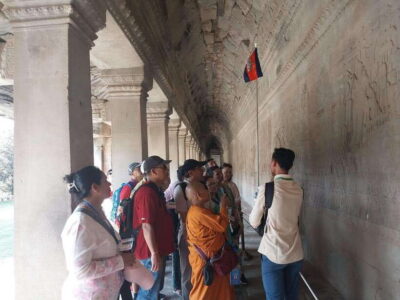
Angkor Wat: Small-Group Sunrise or Sunset Tour
Read our review →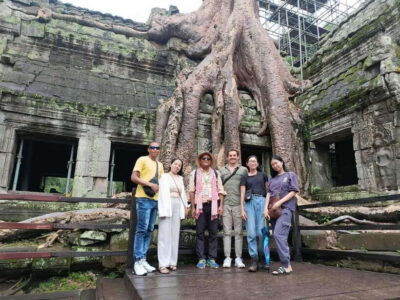
Angkor Wat Sunrise tour with Small – Group and Guide tours
Read our review →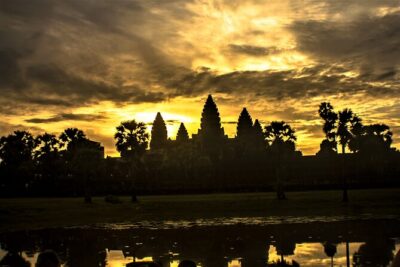
Angkor Wat Highlights and Sunrise Guided Tour from Siem Reap
Read our review →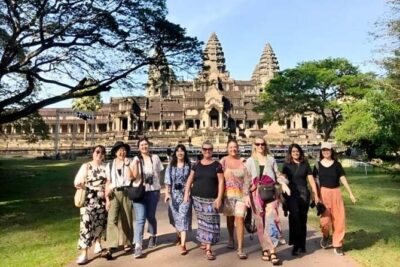
Angkor Wat Sunset Small Group Tour with Lunch Included
Read our review →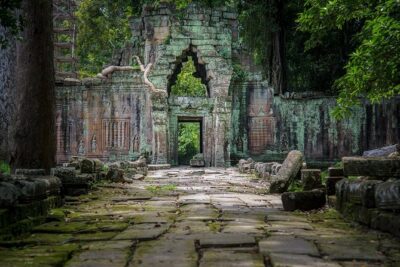
Full-Day Angkor Wat Sunrise Private Tour with Guide from Siem Reap
Read our review →