
Reviewed · NEW DELHI TEMPLE TOURS
Old Delhi Temples and Spiritual Sites Private 6-Hour Tour
Old Delhi’s spiritual life is best understood on the move, from the broad steps of Jama Masjid to the Sikh tradition of free community meals at Bangla Sahib and the quiet geometry of the Lotus Temple. This private six-hour tour gives you a useful sweep across several faiths without asking you to wrestle with Delhi traffic alone.
I like the private car and driver, especially in a city where a short road trip can take patience and nerve. I also like the mix of major monuments and street-level Old Delhi, including a tuk-tuk ride through Chandni Chowk. The main caution is pace: Jama Masjid, the spice market, several temples, Lotus Temple, India Gate, and central Delhi sights make for a full day.
Key points at a glance
- Jama Masjid begins the day: Visit one of India’s largest mosques, dating from the 17th century.
- Chandni Chowk by tuk-tuk: Ride through Old Delhi toward Asia’s largest spice market.
- Several faiths in one route: Sikh, Hindu, Islamic, and Baha’i traditions all appear.
- Bangla Sahib includes langar: The Sikh shrine serves free community food around the clock.
- Private transport saves time: Your driver handles parking, tolls, traffic, and transfers in an air-conditioned car.
- Monday requires a change: Akshardham and Lotus Temple are closed, so the route uses Birla Temple and ISKCON Temple instead.
A six-hour introduction to Delhi’s sacred side

This is not only a temple tour. It is a broad introduction to Delhi’s religious life, architecture, and public spaces, with the old city at its center and New Delhi’s grand avenues near the end.
Your guide and uniformed driver collect you from a Delhi address, or from the airport if you provide flight details when booking. The private format matters here. You can ask questions, slow down at a site, or make a reasonable adjustment without waiting for a large group.
The route covers a lot of ground. Delhi traffic can turn an ordinary transfer into a long pause, so the air-conditioned car is more than a comfort. It gives you a place to sit, cool off, and regroup between visits.
The tour is offered with English or Spanish-speaking guides. Names that appear in the guide roster include Azhar, Kaushal, Lareb, Vimal, Isha, Suhail, and Abhishek. Experiences can vary by guide, but the strongest pattern is clear: guides are praised for explaining culture, answering questions, helping with photography, and adjusting the schedule when traffic or personal interests require it.
Other temple visits near India we have written up
- New Delhi: Akshardham Temple Tour with Water and Light Show
★ 4.8 · 313 reviews - Old Delhi Food-Spice Market-Temples Tour Soon Featured on NETFLIX
★ 5.0 · 304 reviews - Private Guided Spiritual Walk in Banganga Hindu Temples
★ 5.0 · 271 reviews
Jama Masjid and the first look at Old Delhi
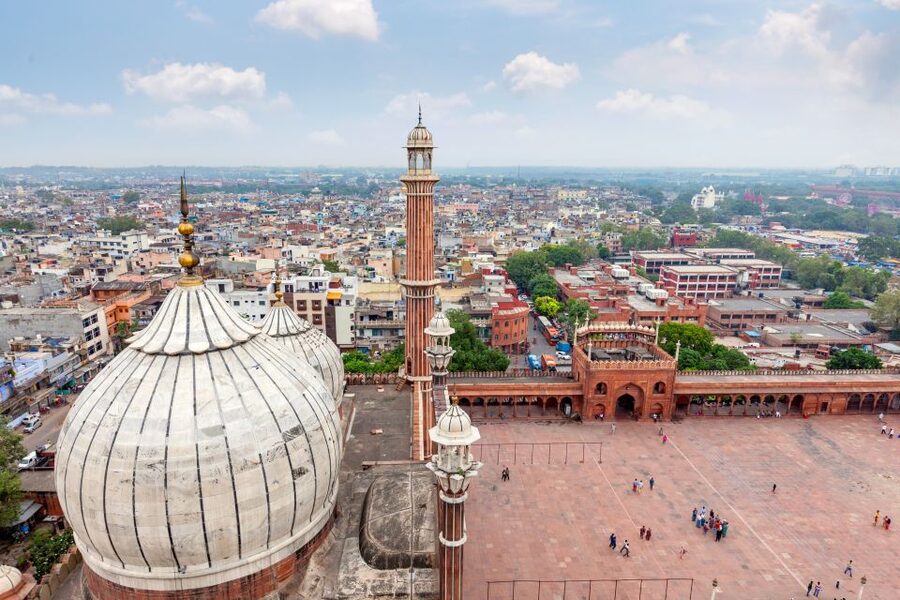
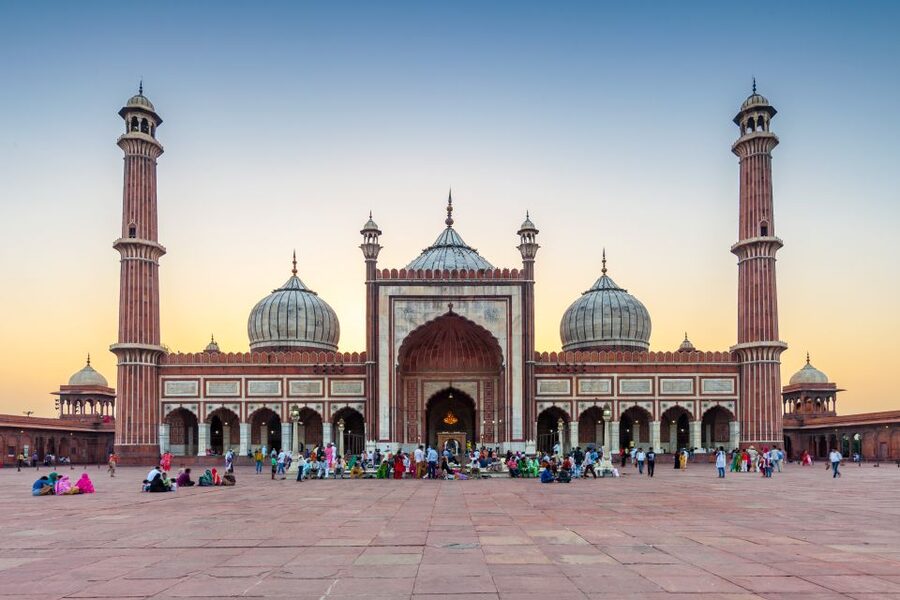
Jama Masjid is the natural opening stop. Built in the 17th century, it introduces you to the scale and religious importance of Old Delhi before the streets become more crowded and compressed.
Expect a major mosque rather than a small devotional site. The setting gives your guide room to explain Islamic practice, Delhi’s Mughal-era development, and the role of the mosque in city life. Wear comfortable shoes, and remember that religious sites call for respectful clothing and behavior.
The visit is followed by a tuk-tuk ride toward Chandni Chowk. This is one of the tour’s most memorable changes of pace. The private car gets you across Delhi efficiently, while the tuk-tuk lets you experience the narrow, busy character of the old city at street level.
You should not expect a peaceful scenic ride. The appeal is the opposite: shopfronts, traffic, people, and the feeling of an old commercial quarter still doing its daily work. Your guide helps make sense of the movement, and the driver takes over again once the rickshaw section ends.
Chandni Chowk and the spice market
Chandni Chowk is one of the places where Delhi feels least like a collection of monuments and most like a working city. The tour connects the area with Asia’s largest spice market, giving you a close look at trade and street life alongside the religious sites.
This portion can be stimulating and tiring. You may find tight lanes, strong smells, uneven walking, and plenty of visual clutter. That is precisely why the guide is useful. You are not simply dropped into the market and left to guess where to go.
Some versions of the day have included extra stops, such as a silk factory or a requested landmark. Do not assume every addition is automatic. If you want time for shopping, photography, or a particular market stop, discuss it with the guide at the start.
One practical point deserves attention: a past participant noted that store visits can occur. They may be enjoyable, but if you do not want shopping stops, say so clearly before the route begins. It is also sensible to ask what optional services or purchases cost before agreeing to them.
Akshardham and the Hindu temple tradition
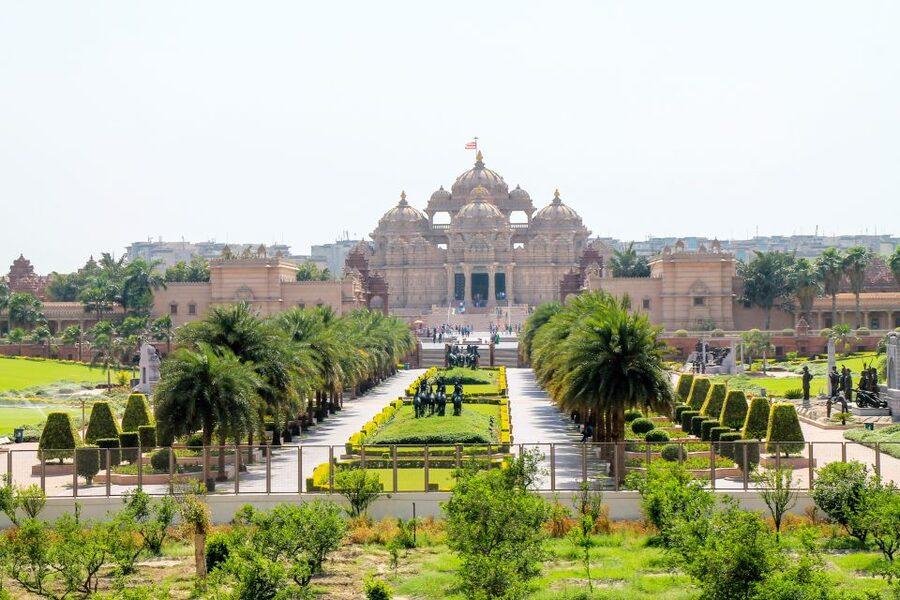
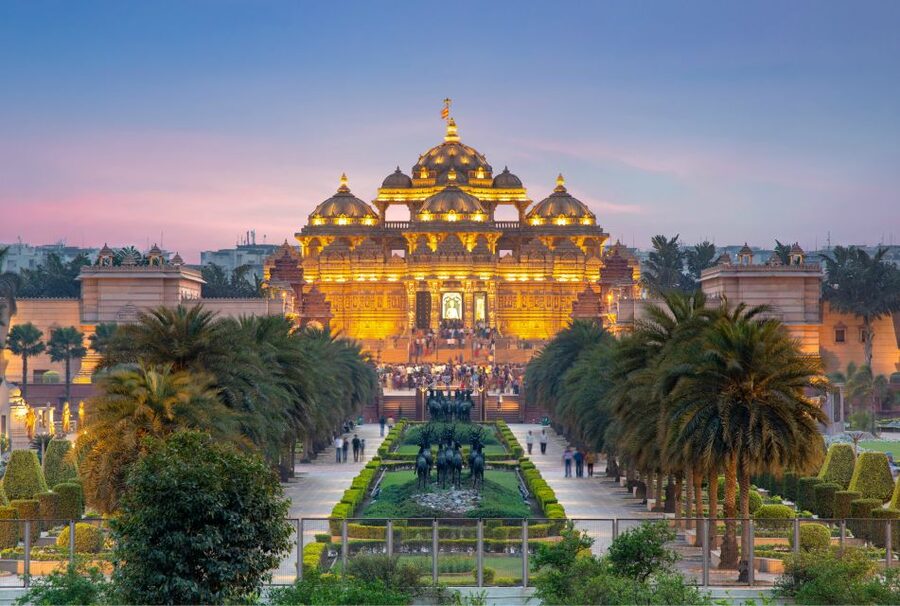
The route then turns to Swaminarayan Akshardham, one of Delhi’s major Hindu temple complexes. Its scale and decorative design offer a sharp contrast with the crowded lanes of Old Delhi.
The important distinction is that this is not just another photo stop. Your guide can explain the Swaminarayan tradition and the meaning of the temple’s design, while you take in the change from mosque to Hindu shrine to Sikh gurdwara later in the day.
Allow for the possibility that the full route feels fast. Six hours is enough for an overview, but not for slow, detailed visits at every stop. If Akshardham matters most to you, tell your guide early so the time can be managed around it.
Akshardham and Lotus Temple are closed on Mondays. On that day, the itinerary changes to Birla Temple and ISKCON Temple. This is not a minor footnote, especially if you have chosen the tour mainly for Akshardham or the Lotus Temple. Check the day of the week before booking.
A different set of gates, same trip:
- Taj Mahal Sunrise with Lord Shiva Temple:- All Inclusive
★ 5.0 · 207 reviews - Private Delhi Temples and Spiritual Sites 6 Hours Tour
★ 5.0 · 171 reviews - Tipu Palace + Koté Vishnu + Fort + KR Market + Jain Temple = Bengaluru Pété Walk
★ 5.0 · 150 reviews - Mumbai: Kanheri Caves and The Golden Pagoda Temple
★ 4.7 · 108 reviews
Bangla Sahib and the meaning of langar
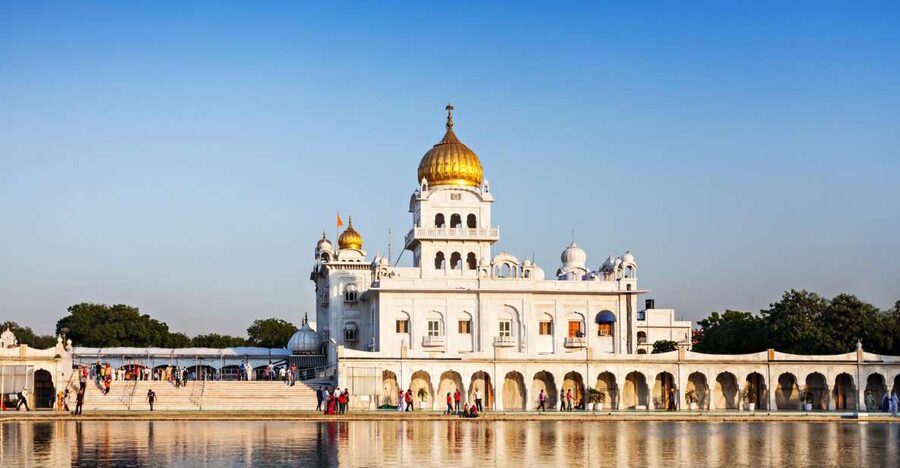
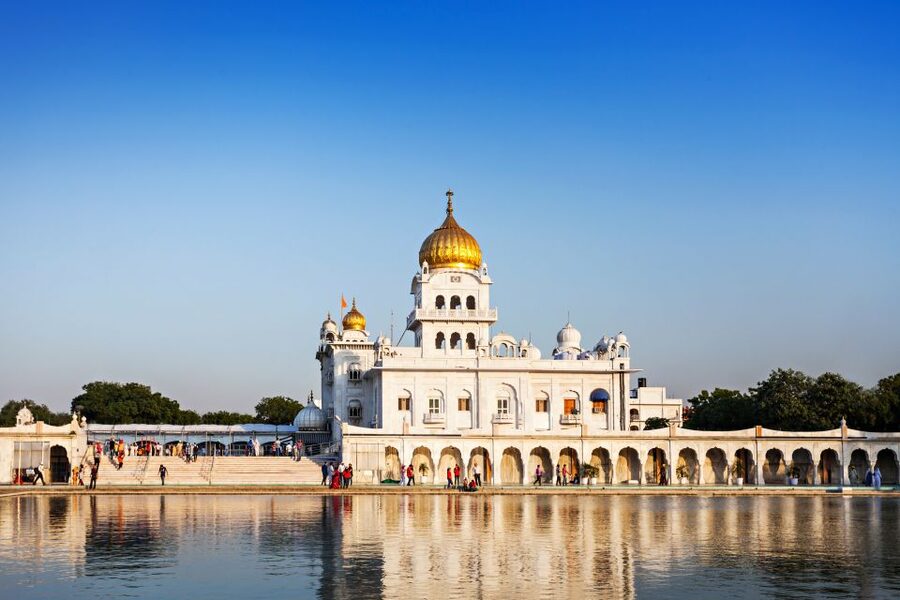
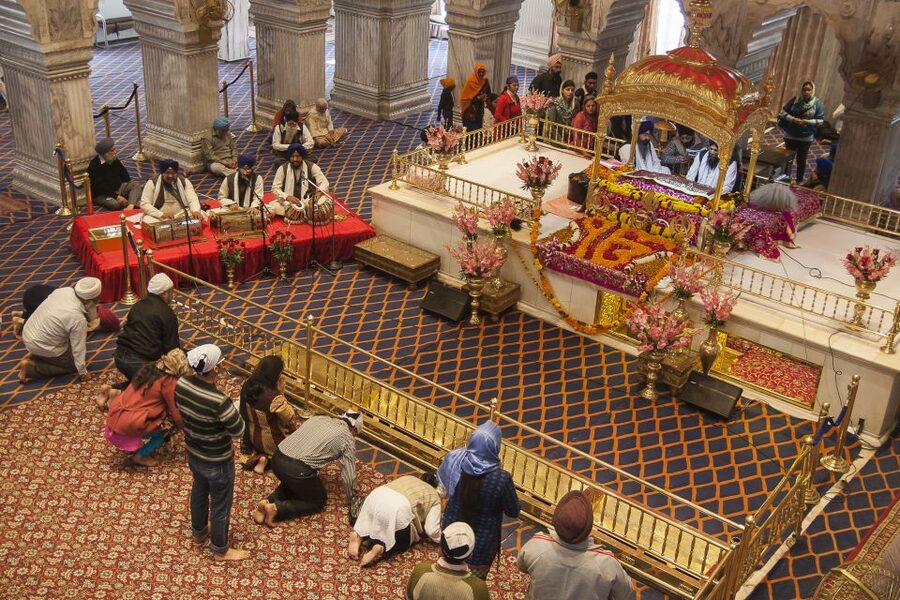
Gurudwara Bangla Sahib gives the tour its most direct look at Sikh service and hospitality. It is described as Delhi’s largest Sikh temple, and its community kitchen, known as langar, provides food 24 hours a day.
The value here is not only the building. Langar expresses the Sikh idea that people should eat together, without distinctions of status or background. Your guide can put the practice into context, but the setting itself helps you understand that a place of worship can also function as a place of care.
Follow instructions about head coverings, footwear, and behavior at the shrine. Comfortable shoes are essential because the day involves several stops and walking between transport and monuments.
This stop can be especially rewarding if you want something more than architecture. The tour moves from grand buildings to a living religious institution where service is part of the daily routine. That gives the day a human focus before lunch.
Lunch and the practical cost question
Lunch is not included in the base price. The tour pauses for a meal after Bangla Sahib, but the exact restaurant and cost should be confirmed with your guide before you sit down.
That small conversation can prevent surprises. One past participant specifically suggested agreeing at the outset about lunch and extra charges, especially if you are keeping to a tight budget. You can also ask whether the restaurant is part of the planned route or simply a convenient stop.
At $40 per person, the value is strongest when you use the private transport, guide, and airport or hotel pickup. The price includes the car, driver, fuel, parking, tolls, taxes, and interstate charges. It also includes monument entry and the rickshaw ride if you select the all-inclusive option.
The exact package choice matters. Some religious sites may not charge a standard entry fee, while other monuments or services can carry costs. Read the selected option carefully, then ask the guide to clarify anything that is not obvious.
Lotus Temple and a quieter change of mood
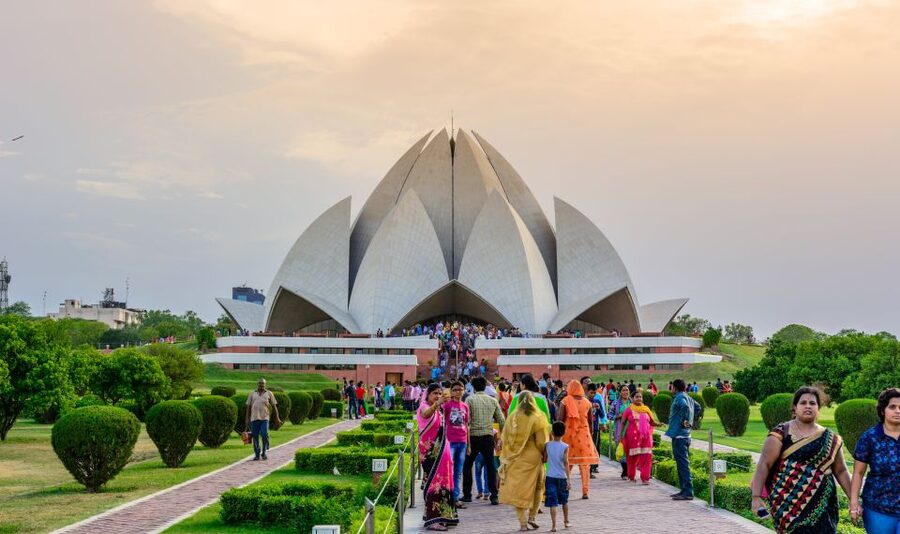
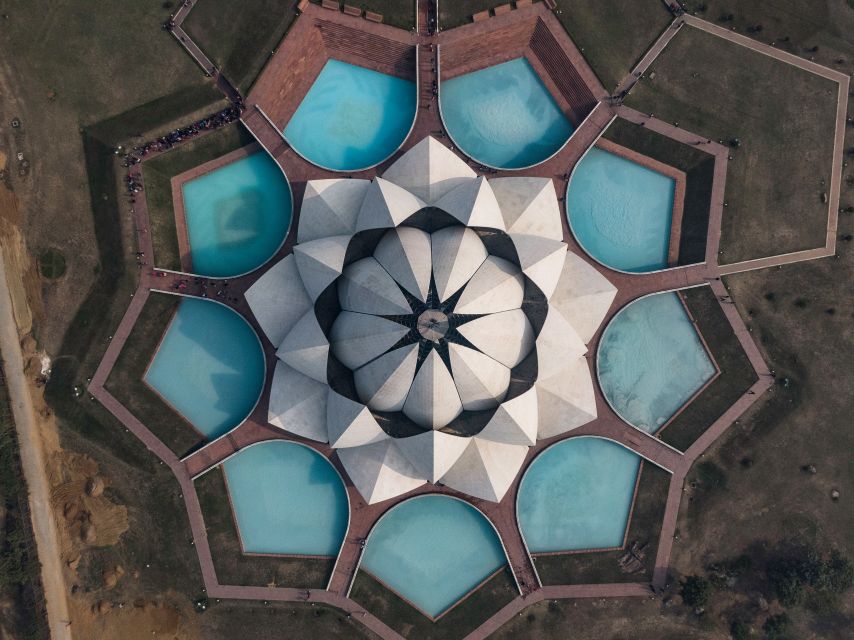
The Lotus Temple is the tour’s most modern architectural stop. Its flower-shaped design gives it an immediate visual identity, and the building offers a calmer contrast to Jama Masjid and Chandni Chowk.
The temple belongs to the Baha’i tradition, which makes this stop useful for understanding another of India’s faith communities. The guide can help connect the building’s form with its spiritual purpose, rather than treating it as a quick architectural photo stop.
The day’s route calls the Lotus Temple the 21st-century Taj Mahal. That is promotional language, so I would treat it as a comparison of visual impact rather than a serious historical claim. The Lotus Temple has its own character, and it is better appreciated on those terms.
Again, Mondays are important. The Lotus Temple closes then, and the replacement visits are Birla Temple and ISKCON Temple. If the Lotus Temple is high on your list, choose another day.
India Gate and the Presidential House
Near the end, the car passes India Gate and the Presidential House. These are not the same kind of spiritual site as Bangla Sahib or the Lotus Temple, but they widen the tour’s view of Delhi.
India Gate is a war memorial, while the Presidential House represents the ceremonial core of modern India. The contrast with Old Delhi is striking. You move from narrow market lanes and historic places of worship to broad government avenues and monumental public buildings.
The wording of the route suggests these are pass-by sights rather than long, guided interior visits. That is useful to know. You will get an overview and photo opportunity, but the schedule does not promise a full exploration of either site.
This final section also helps explain Delhi’s unusual character. Old Delhi and New Delhi can feel like separate cities, yet this tour links them in one continuous route.
What the private guide and driver add
The guide is the heart of the experience. The strongest guide names associated with this route include Azhar, Kaushal, Lareb, Isha, Suhail, Abhishek, Vimal, and Kaif. Specific praise has focused on patience, clear explanations, respectful conduct, photography help, and the ability to answer questions about Indian culture.
Kaif, for example, was praised for explaining not only the monuments but also the areas seen from the car. Lareb has been singled out for warmth, cultural explanation, and flexibility. Kaushal has been appreciated for sharing information while keeping the day comfortable and well organized.
The driver has a different job, and it is an important one. Names such as Ragesh, Faiz, Arun, Balkar, and Faheem appear in the service history. Drivers have been valued for punctual pickups, safe driving, and handling Delhi traffic while the guide focuses on you.
A private guide is especially helpful if you are visiting Delhi for the first time, have a short layover, or want to ask questions without feeling rushed by a group. It also helps if you need the route adjusted. The day has been modified for traffic, personal interests, and requested extra sites.
Who should book this tour
I would choose this tour if you want a first look at Delhi’s major spiritual landmarks and prefer a car to arranging several separate rides. It works particularly well for couples, families, solo visitors, and people stopping in Delhi during a short visit.
It is also a good fit if religious variety matters to you. The route brings together Islam, Hinduism, Sikhism, and the Baha’i faith, with historical mosques, active temples, a gurdwara kitchen, and modern architecture all in one day.
You may want something slower if your priority is extended time inside each monument. The itinerary is ambitious, and traffic can reduce time on foot. You will see more of Delhi, but you will not linger everywhere.
The tour is wheelchair accessible, and pickup is available from any Delhi location or the airport. For airport pickup, provide flight details when booking. Bring a passport or ID card and comfortable shoes.
Free cancellation is available up to 24 hours before departure, and you can reserve now and pay later. Those terms are useful if your Delhi schedule is still changing.
Should you book it?
Book this tour if you want a practical, guided overview with strong transport support and a clear focus on religious sites. At $40 per person, it offers good value when the private car, driver, guide, pickup, tolls, parking, and selected inclusions save you from arranging each part yourself.
Go in with realistic expectations. It is a full six hours, lunch is extra, shopping stops may occur, and the route changes on Mondays. Confirm the all-inclusive option, discuss lunch and extras early, and tell your guide which site matters most.
For a first day in Delhi, a short layover, or anyone uneasy about navigating Old Delhi alone, I would book it. If you want a slow, single-faith pilgrimage or long visits at every monument, choose a narrower tour instead.
FAQ
How long does the tour last?
The tour lasts six hours.
What sites are included?
The planned route includes Jama Masjid, Chandni Chowk and its spice market, Swaminarayan Akshardham, Gurudwara Bangla Sahib, Lotus Temple, India Gate, and the Presidential House.
Is transportation included?
Yes. Transportation is provided in a private air-conditioned car with a uniformed driver. Parking, tolls, fuel, taxes, allowances, and interstate taxes are included.
Is hotel pickup available?
Yes. Pickup and drop-off are available from any location in Delhi.
Can I be picked up at the airport?
Yes. Airport pickup and drop-off are available on request. You must provide your flight details when booking.
Is the rickshaw ride included?
The rickshaw ride is included if you choose the all-inclusive option.
Are monument entrance fees included?
Entrance fees are included if you book the all-inclusive option.
Is lunch included?
No. Meals are not included. The tour includes a lunch stop, but you pay for your meal separately.
What happens if I book for a Monday?
Akshardham and Lotus Temple are closed on Mondays. The itinerary changes to Birla Temple and ISKCON Temple instead.
What languages are available?
Live guides are available in English and Spanish.
Is the tour wheelchair accessible?
Yes. The activity is listed as wheelchair accessible.
What should I bring?
Bring a passport or ID card and comfortable shoes.
Newly written up around India
- Varanasi in a Day Ancient Temples Sarnath and Ghats★ 5.0 · 17 reviews
- Hidden Corners of Varanasi Secret Alleys Temples and Traditions★ 5.0 · 9 reviews
- Transfer from Jodhpur to Udaipur via Jain Temple in Ranakpur★ 4.6 · 28 reviews
- Private Transfer From Jodhpur To Udaipur Via Ranakpur Jain Temple★ 4.5 · 35 reviews
- Akshardham Temple Tour Exhibition, Light & Water Show with Transfers★ 4.5 · 29 reviews
- Private Transfer From Udaipur To Jodhpur Via Jain Temple & Kumbhalgarh Fort★ 4.5 · 63 reviews
- Kunjapuri Temple Sunrise Trek With Professional Guide★ 5.0 · 13 reviews
- Private Guided Trek to Kunjapuri Temple & Waterfall at Sunrise★ 5.0 · 14 reviews
New Delhi Temple Tours, compared.
Akshardham Temple Tour with Water and Light Show
Read our review →
Old Delhi Food-Spice Market-Temples Tour Soon Featured on NETFLIX
Read our review →
Taj Mahal Sunrise with Lord Shiva Temple:- All Inclusive
Read our review →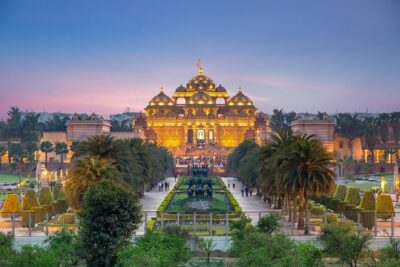
Private Delhi Temples and Spiritual Sites 6 Hours Tour
Read our review →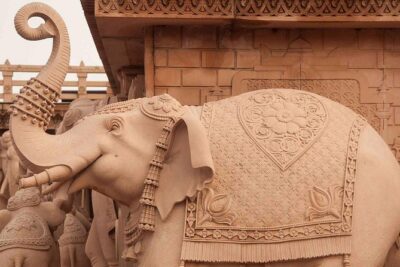
Akshardham Temple Tour Exhibition, Light & Water Show with Transfers
Read our review →Browse the lists this tour appears in