
Reviewed · CHINA TEMPLE TOURS
Shanghai: Yuyuan, City God Temple Old City Tour-Tip Based
Shanghai’s old city is where Shanghai feels least like a modern financial capital and most like a place shaped by temples, markets, family life, and old customs. This compact walking tour links the City God Temple with Yuyuan’s bridges, pavilions, medicine shops, and small street markets, while explaining the Taoist and folk beliefs behind what you see. I like the small group of no more than 10 and the way the route mixes major sights with everyday local details. The main drawback is that it is a walking tour over historic streets, so it is not suitable for people with mobility impairments.
I also like the guide’s practical approach. Jie is praised for clear English, a warm manner, and useful Shanghai advice, not just for reciting dates. You will learn about Chinese zodiac animals, sample a traditional herb, and receive personalized tips. Keep in mind that the listed price of $2.36 is tip based, so this is best viewed as a low-cost introduction rather than a fully paid private tour.
Key points at a glance
- City God Temple explained through Taoism and folk belief: Learn why local gods, rituals, wishes, and celebrations still matter in Shanghai.
- A gentle two-hour route: The schedule gives you several stops without turning the old city into a rushed checklist.
- Traditional medicine in context: Visit Tonghan Chuntang and sample the king of herbs while learning how herbal shops fit into Chinese culture.
- Small group, English guide: With a maximum of 10 people, it is easier to ask questions and stay connected to the guide.
- Yuyuan’s classic sights included: See the 9 Zig-Zag Bridge and Mid-Lake Pavilion Tea House area, along with old streets and market stalls.
- Useful local advice: The tour ends with recommendations tailored to your interests, which can help shape the rest of your Shanghai stay.
Why Shanghai’s old city is worth two hours
Shanghai is known for skyscrapers, shopping streets, and grand colonial avenues. Yet the old city around Yuyuan gives you a different view. Here, temples, narrow lanes, market stalls, garden buildings, and small shops reflect older patterns of urban life.
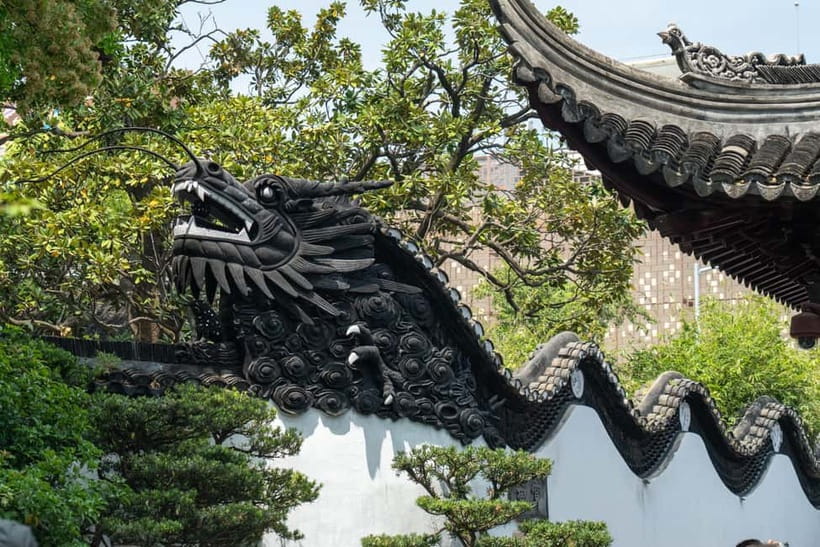
The tour is useful because it explains the transition rather than showing you isolated sights. You will look at how residents’ living spaces changed over time and see how old traditions continue beside commercial streets. That context helps you read the neighborhood. A carved roof, a shrine, a medicinal display, or a zodiac figure becomes more than a photo stop.
This is not a long museum-style lecture. The route lasts two hours and uses several short visits, so you keep moving. I would choose it early in a Shanghai visit, especially if you want a quick sense of the city before deciding where to return on your own.
The group size matters here. A crowded old neighborhood can be hard to manage with a large party, while a group capped at 10 gives the guide room to answer questions. The tour has an informal feel, with time for group photos at attractive landmarks and space for personal recommendations.
Other temple visits near China we have written up
- Mini Group Xian Day Tour to Terracotta Army, City Wall, Pagoda and Muslim Bazaar
★ 5.0 · 1,320 reviews - Beijing: The Temple of Heaven or Summer Palace Entry Ticket
★ 4.6 · 1,286 reviews - Beijing Classic Full-Day Tour including the Forbidden City, Tiananmen Square, Summer Palace and Temple of Heaven
★ 4.0 · 610 reviews
Meeting the guide at Yuyuan Station
The meeting point is Yuyuan Garden metro station Exit 1, written in Chinese as 豫园站1号口. Metro Lines 10 and 14 serve the station. Look for the red umbrella, which is the visual marker for the group.
This detail is worth taking seriously. Shanghai’s old city has many busy entrances, signs, and side streets, and the tour information also lists a different exit number in one place. Use Exit 1, the red umbrella, and the Mandarin address 豫园, 1号出口, 上海市黄浦区 when asking for help.
Arrive in comfortable shoes. The route covers old streets and several stops, and the activity specifically warns that it is not suitable for people with mobility impairments. Keep your personal belongings secure, since you will be walking through busy public areas and market zones.
The guide speaks English. Jie is the guide most closely associated with the experience, and the available feedback highlights her clear explanations, personal manner, and ability to connect Chinese customs with wider cultural ideas. The tour is especially useful if you like asking questions rather than simply following a flag through a crowd.
Yuyuan Old Street and the changing city
The first guided stop is Yuyuan Old Street, with about 30 minutes devoted to the area. This is a good opening because it gives you the visual setting for the rest of the walk.
You will see traditional-style buildings, shops, and public spaces shaped for both local use and visitors. The point is not only to admire old-looking façades. Your guide will talk about how residents’ living spaces changed, giving you a clearer idea of how the ancient city developed.
Old streets can be visually busy, so a guide adds order. You can focus on the details that are easy to miss, such as the relationship between commercial buildings, temple activity, and residential life. I like this part because it begins with ordinary urban history rather than jumping straight to a religious site.
The drawback is that Yuyuan Old Street is also a shopping area. You may encounter plenty of commercial activity, and the setting does not feel like a quiet preserved village. That is part of its value, though. You are seeing an active district where tourism and local culture meet, not a staged historical display.
Tonghan Chuntang and the king of herbs
The visit to Tonghan Chuntang lasts about 20 minutes. This traditional Chinese medicine shop introduces you to herbal practice and includes a sample of what is described as the king of herbs.
The stop gives the tour a sensory change. Instead of only looking at buildings and statues, you encounter the materials and habits connected with Chinese medicine. Your guide can explain the place of herbal remedies in Chinese life and help you understand why these shops remain a familiar part of older neighborhoods.
I would keep your expectations sensible. This is a sampling and introduction, not a medical consultation. The tour does not promise diagnosis, treatment, or a detailed course in herbal medicine. You should also avoid treating the sample as medical advice.
Still, it is a useful stop for anyone curious about Chinese customs beyond temples and food. It connects traditional beliefs with daily routines, which is one reason this route feels broader than a simple garden walk.
A different set of gates, same trip:
- Temple of Heaven Ticket
★ 5.0 · 482 reviews - Temple Heaven, Lama Temple, Summer Palace & Peking Duck Bus Tour
★ 5.0 · 377 reviews - Best of Shanghai Day Tour, including Jade Buddha Temple & Bund & Yuyuan Garden
★ 4.0 · 338 reviews - Temple Heaven, Summer Palace, Lama Temple, Hutong Bus Tour
★ 4.7 · 319 reviews
City God Temple and the beliefs behind the rituals
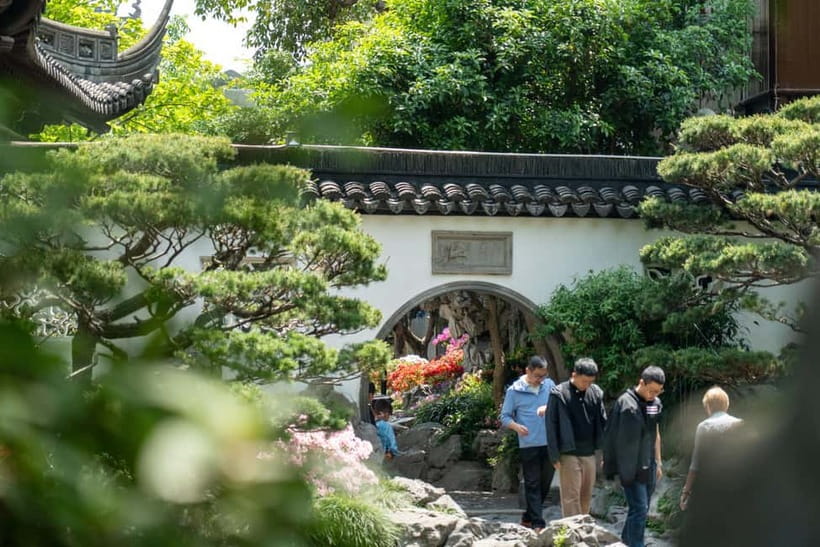
The City God Temple receives the longest visit, about 40 minutes. This is the heart of the tour.
The guide explains Taoism, folk religion, common beliefs, rituals, and celebrations associated with the temple. You will also learn about important gods and the role of wishes and personal devotion. This is the kind of explanation that helps you understand what people are doing, not just what the buildings look like.
The temple is a place where religious practice, local identity, and popular tradition overlap. The tour does not treat Taoism as an abstract subject detached from daily life. Instead, you will see how stories of gods and customs connect with the old city around them.
You will also explore the Chinese 12 Zodiac animals, each presented with its own costume. This is a light, memorable way to discuss Chinese zodiac signs, and the guide can help you identify your own animal sign. If you are visiting with family or friends, it creates an easy point of conversation.
The temple area can be busy, and a two-hour tour cannot cover every detail of Chinese religion. That is not a serious flaw, but you should see this experience as an introduction. If you want long periods for prayer, photography, or private exploration, you may prefer to return after the tour.
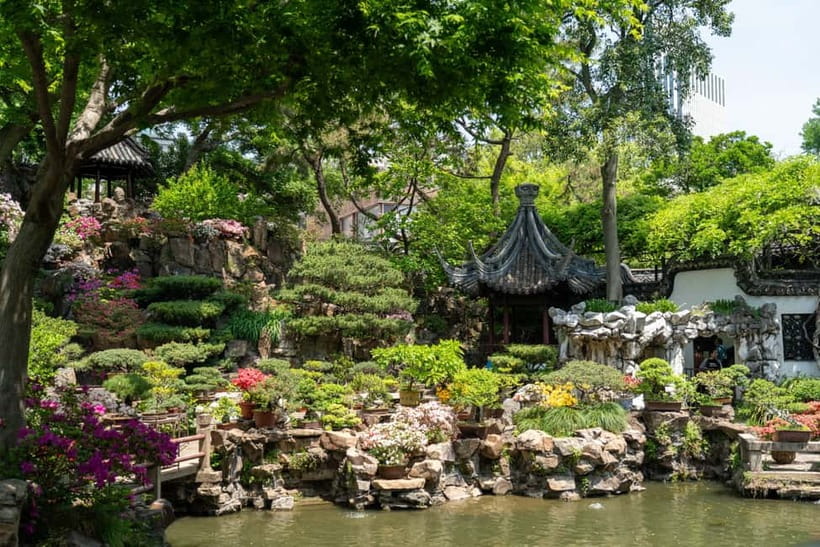
The 9 Zig-Zag Bridge and Mid-Lake Pavilion
The route then moves toward the classic Yuyuan garden scenery, including the 9 Zig-Zag Bridge and Mid-Lake Pavilion Tea House. The guided time here is about 20 minutes.
The bridge is a fine example of how movement through a garden can be designed to shape what you see. Its turns create changing views and slow your pace. The Mid-Lake Pavilion adds another familiar Yuyuan image, with water, traditional architecture, and a calmer mood after the temple visit.
Your guide will explain the garden area rather than simply point out attractive structures. That is useful because Yuyuan can look like a collection of decorative walls and roofs when you first arrive. With some context, you begin to notice how bridges, water, pavilions, and framed views work together.
Do not expect a full visit to every part of Yuyuan Garden. This experience focuses on the wider old-city district and gives the garden area a short guided introduction. If garden design is your main reason for coming, buy a separate entry ticket and allow more time for independent exploration.
Small goods, local craft, and the final park
The Yuyuan Garden Smallware area receives about 20 minutes. Here you can browse small products and see local craftsmanship in a market setting.
This stop works well after the temple and garden because it brings the route back to ordinary commerce. You will see how souvenirs, useful objects, and local products fit into the district’s visitor economy. It is a chance to look around without needing to make shopping the main purpose of the tour.
You may find the market more commercial than cultural, and that is worth noting. It is not a quiet craft workshop with a long demonstration. Think of it as a brief look at the small-product side of the old city, with the guide helping you understand what you are seeing.
The tour finishes at Shanghai Ancient City Park, or 古城公园. This gives the route a calmer ending. Ancient relics and a peaceful setting provide a chance to pause after the temple, streets, shops, and market activity.
Ending in a park is practical. You are not left in the middle of a crowded attraction with no sense of direction. You can take a breath, continue exploring the old city, or use the guide’s recommendations to plan your next stop.
What the $2.36 price really means
At $2.36 per person, this is an unusually inexpensive way to get an English-guided introduction to one of Shanghai’s best-known historic districts. The value comes from the explanations and local orientation, not from included admissions, meals, transport, or a long private visit. Those inclusions are not stated, so you should not assume they are part of the deal.
The title identifies the experience as tip based. That keeps the upfront price low, but you should budget for a tip if the guide provides the friendly, personal service described for this tour. The final cost will depend on what you choose to give.
For the price, I see this as a strong orientation walk. You receive two hours with a live English guide, a small group, several distinct stops, cultural explanation, a medicinal herb sample, and personal travel advice. It is less suitable if you want a private guide, extensive time at each sight, or a formal historical tour with guaranteed depth at every location.
The reserve-now, pay-later option also helps if your Shanghai schedule is still changing. Free cancellation is available up to 24 hours before the activity for a full refund. Check the available starting times before booking, since the tour runs for two hours but the exact departure time can vary.
Who will get the most from this walk
I would recommend this experience to a first-time Shanghai visitor who wants a clear introduction to Yuyuan, the City God Temple, and the old city without giving up half a day. It also suits people who enjoy cultural explanations, local customs, and practical advice more than a fast list of photo stops.
The tour is a good fit for:
- People curious about Taoism, folk religion, and temple customs
- Visitors who want to understand Chinese zodiac signs
- Anyone interested in traditional Chinese medicine
- Solo visitors who prefer a small social group
- Couples and families looking for a short cultural activity
- People who want tips for the rest of their Shanghai stay
I would think twice if you have difficulty walking or standing. Mobility impairments are specifically listed as a reason this activity may not suit you. Smoking is not allowed, and you should keep bags and valuables secure during the walk.
I would also choose a different format if your main interest is detailed garden design. The route visits the most important Yuyuan sights, but the garden and pavilion section is only one part of a broader old-city tour.
Should you book this Yuyuan tour?
Book it if you want a friendly, low-cost introduction to Shanghai’s old city with a guide who can explain temples, zodiac customs, herbal medicine, and local life in clear English. The two-hour length is sensible, the group stays small, and the route covers more than the standard garden photo stop.
Go in knowing what it is: a tip-based orientation walk, not a private luxury tour or a full-day historical study. Wear good shoes, meet at Exit 1 under the red umbrella, keep your belongings close, and allow extra time if you want to explore Yuyuan Garden or shop afterward. For curious first-time visitors, that is a very fair exchange for the price.
FAQ
How long does the tour last?
The tour lasts two hours.
Where does the tour meet?
Meet at Yuyuan Garden metro station Exit 1, written as 豫园站1号口. Look for the red umbrella.
Which metro lines serve the meeting point?
Metro Lines 10 and 14 serve Yuyuan Garden station.
What language is the tour conducted in?
The live tour guide speaks English.
How many people can join the group?
The group is limited to 10 participants.
Is the City God Temple included?
Yes. The route includes a guided visit of about 40 minutes at the City God Temple of Shanghai.
Will I visit a traditional Chinese medicine shop?
Yes. The tour visits Tonghan Chuntang for about 20 minutes and includes a sample of the king of herbs.
Does the tour include Yuyuan Garden sights?
Yes. The route includes Yuyuan Old Street, the 9 Zig-Zag Bridge, the Mid-Lake Pavilion Tea House area, and Yuyuan Garden smallware.
Is the tour suitable for people with mobility impairments?
No. The activity is listed as unsuitable for people with mobility impairments. Comfortable walking shoes are recommended.
Can I cancel for a refund?
Yes. You can cancel up to 24 hours in advance for a full refund. The reserve-now, pay-later option lets you keep your plans flexible.
Newly written up around China
- Private Day to T-Square, Forbidden city, Temple of heaven, Summer palace Tour★ 5.0 · 54 reviews
- Private Day Trip of Forbidden City, Temple of Heaven and Summer Palace★ 4.5 · 3 reviews
- Private Tour to Lama Temple, Tian’anmen Square and Forbidden City★ 5.0 · 3 reviews
- Private Half-Day Temple of Heaven and Lama Temple Tour★ 5.0 · 13 reviews
- Private Day Tour:Tiananmen Square,Forbidden City Temple of Heaven★ 5.0 · 16 reviews
- Private Tour to the Temple of Heaven and Tea tasting at the Maliandao Tea city★ 5.0 · 3 reviews
- Local’s Beijing: Forbidden City Insider Tour +Temple +Duck Feast★ 4.5 · 66 reviews
- Temple of Heaven Ticket with Optional Guide Service★ 5.0 · 120 reviews
China Temple Tours, compared.
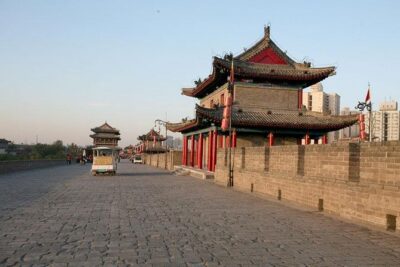
Mini Group Xian Day Tour to Terracotta Army, City Wall, Pagoda and Muslim Bazaar
Read our review →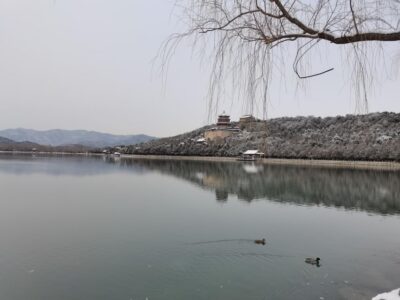
The Temple of Heaven or Summer Palace Entry Ticket
Read our review →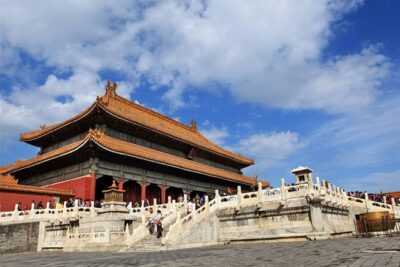
Beijing Classic Full-Day Tour including the Forbidden City, Tiananmen Square, Summer Palace and Temple of Heaven
Read our review →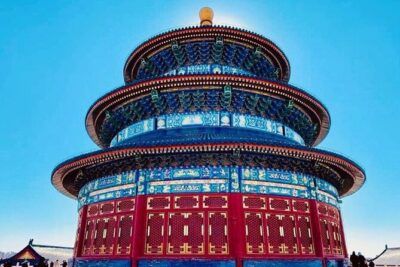
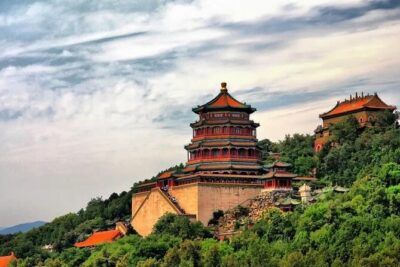
Temple Heaven, Lama Temple, Summer Palace & Peking Duck Bus Tour
Read our review →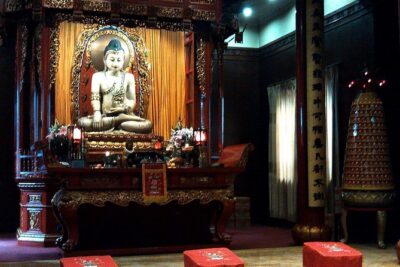
Best of Shanghai Day Tour, including Jade Buddha Temple & Bund & Yuyuan Garden
Read our review →
Temple Heaven, Summer Palace, Lama Temple, Hutong Bus Tour
Read our review →
Browse the lists this tour appears in