Reviewed · ANGKOR WAT TOURS
Siem Reap: Angkor Wat Private Tour with Sunrise
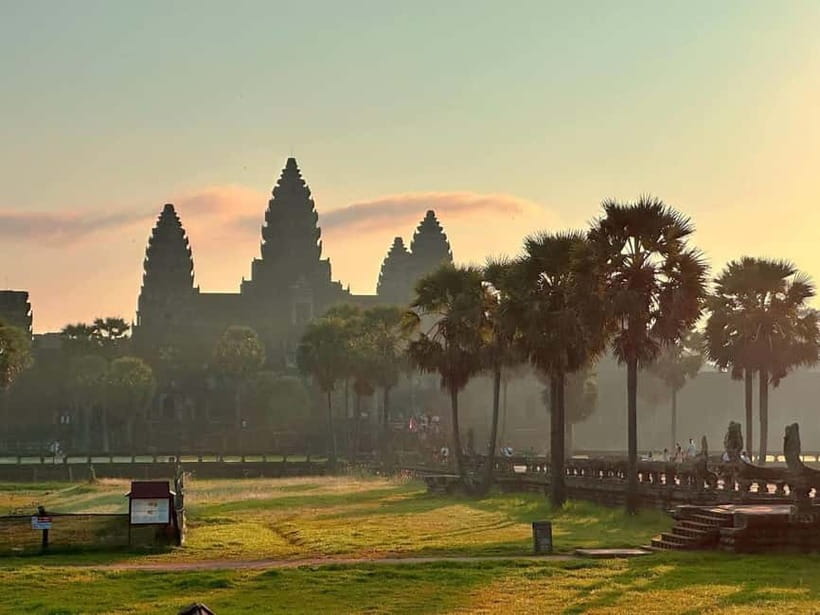
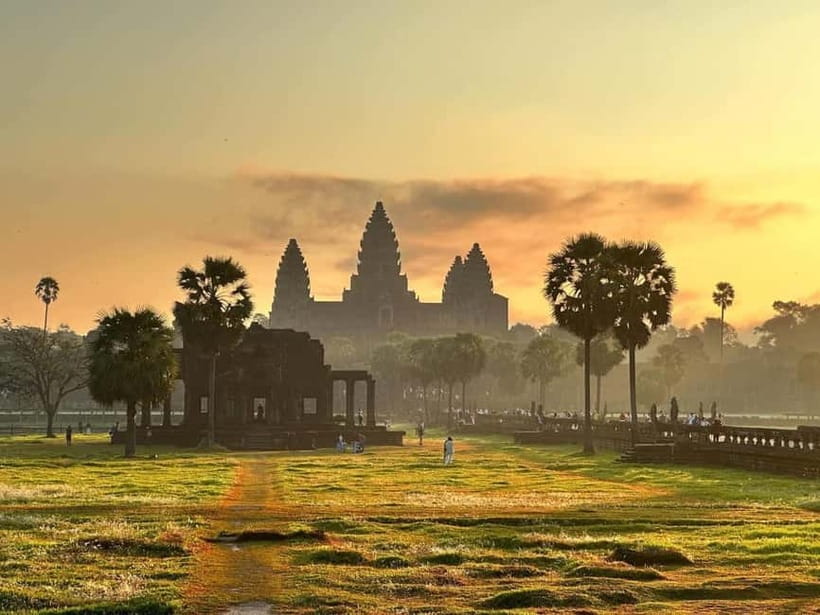
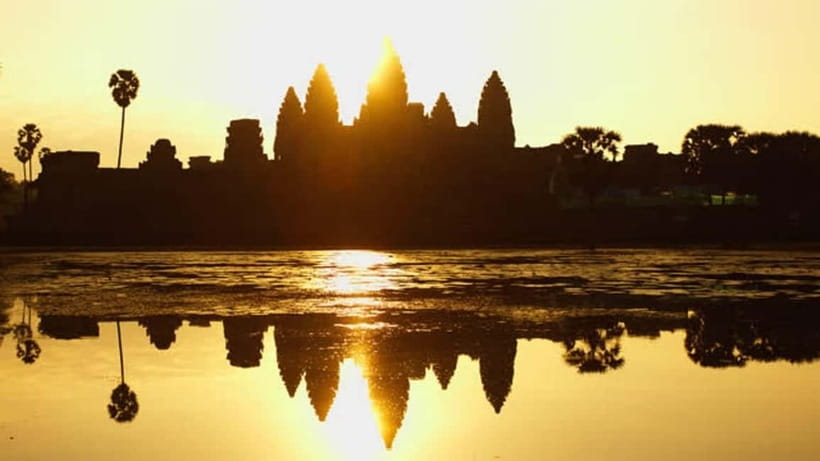
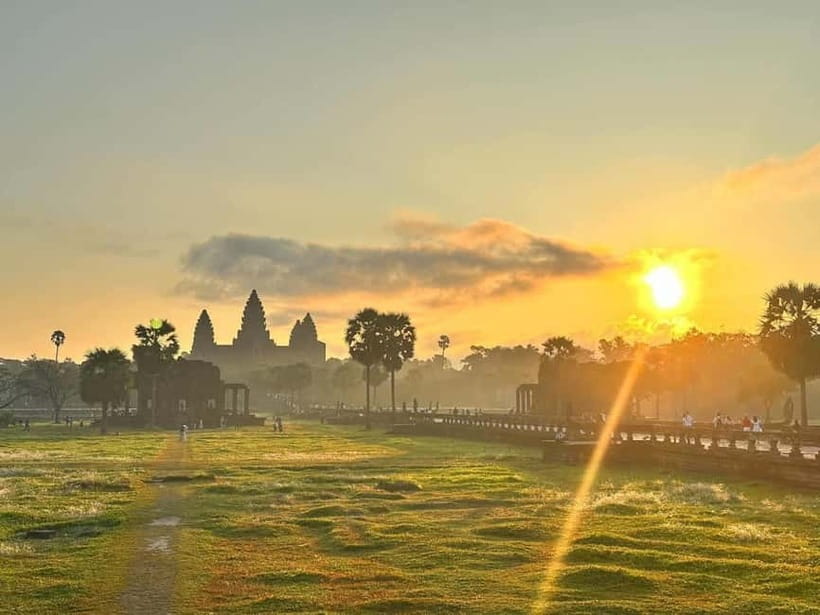
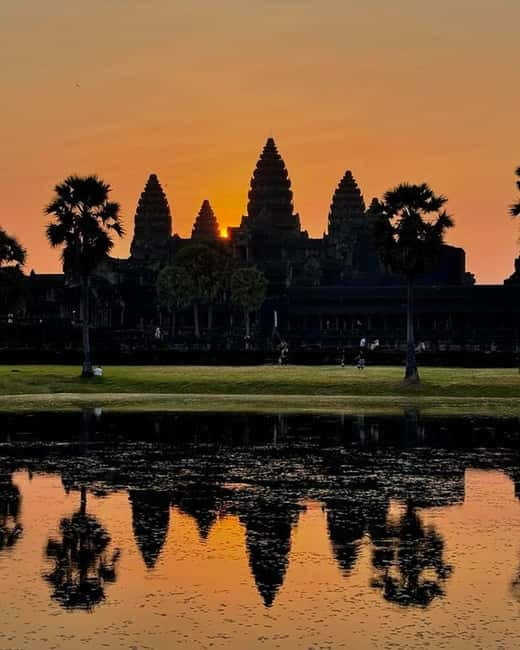
Angkor Wat at sunrise is the reason to choose this tour, but the real strength is how much temple ground it covers without leaving you to arrange tuk-tuks, routes, and timing. A 5:00 AM hotel pickup gets you to the reflecting pools before the day heats up, then your private guide leads you through the main temples.
I like the choice between a fast one-day Small Circuit and a more measured two-day plan. I also like the personal touches: cold water, chilled towels, and guides such as Youk, Ra, and Sovuth Sun who are praised for clear explanations and creative help with photos. The drawback is simple: the price does not include the Angkor ticket, and the one-day schedule is long and very early.
Key points at a glance
- Sunrise pickup at 5:00 AM: Bring a hotel breakfast box and expect a full morning on foot.
- Private transport and guide: One or two people travel by tuk-tuk, while groups of three or more use an air-conditioned van or bus.
- Two useful tour lengths: The one-day option covers the main Small Circuit temples; the two-day option adds the Grand Circuit and Banteay Srei.
- Strong guide service: Youk, Ra, Sovuth Sun, Buth Veasna, and other guides are noted for temple knowledge, humor, photography help, and good communication in several languages.
- Extra costs matter: Add $37 for a one-day Angkor pass or $62 for a two to three-day pass, plus lunch and any unlisted drinks.
- Modest dress is required: Cover your shoulders and knees, and wear proper clothing for temple access.
What this private Angkor tour does well
The tour gives you a practical way to see Angkor without joining a large group. Your guide and driver collect you from your hotel in Siem Reap, handle the route, and keep the day moving. Since the group is private, you can ask questions, spend longer at a favorite carving, or move on when your attention starts to fade.
That matters at Angkor. The temples are spread across a large park, and a poorly planned visit can waste time going back and forth. This route begins with Angkor Wat, continues through the Small Circuit, and returns you to Siem Reap around noon on the one-day plan. The two-day version gives the more distant temples their own day.
The service also pays attention to Cambodia’s heat. Cold water and towels are supplied during the tour. Several guides are especially good at making the photo stops useful rather than rushed. Youk is praised for finding strong picture spots and helping with creative photos, while Sovuth Sun is described as friendly and lively even in hot conditions.
The main caution is the pace. Sunrise requires a 5:00 AM pickup, and the one-day route packs Angkor Wat, Ta Prohm, Angkor Thom, Baphuon, and Bayon into one morning. You get the essential sights, but you do not get a slow, reflective visit at every temple.
More Private Temple Tours in Cambodia
- Full-Day Angkor Wat Sunrise Private Tour with Guide from Siem Reap
★ 5.0 · 2,920 reviews - Angkor Wat one Day Private Tour for All Highlight Angkor Temples
★ 5.0 · 199 reviews - 1-Day Angkor Wat Sunrise & All Interesting Temples Private Tour
★ 5.0 · 174 reviews
Angkor Wat at sunrise, the early start that earns its keep
You leave your hotel at about 5:00 AM. That is early even by sightseeing standards, so order or pack breakfast from your hotel the night before. Breakfast is not included, and you will be glad to have something ready once the sunrise viewing is over.
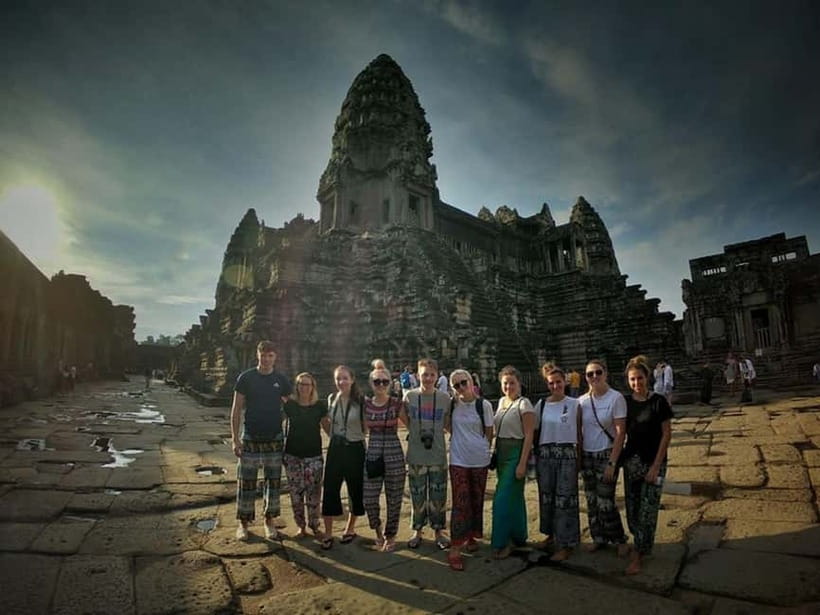
Angkor Wat is more than a quick photo stop. You have about two and a half hours here, including the sunrise and guided visit. After the sky brightens, your guide can point out the temple’s massive layout, galleries, towers, and bas-reliefs. The scale can be hard to grasp at first, so a guide helps you read the building instead of simply walking through it.
Sunrise is beautiful, but it is not guaranteed to produce a perfect sky. The value is also practical: you begin at the coolest part of the day, before the stone walkways and open courtyards become intensely hot. The early hour can bring crowds near the best viewing areas, so patience is part of the experience.
Wear comfortable shoes. Angkor Wat involves walking over uneven surfaces and through large temple spaces. Sunglasses, a hat, sunscreen, insect repellent, and cash are sensible additions to your day bag. Alcohol and drugs are not allowed, and revealing clothing is not suitable for temple visits.
Ta Prohm and the Small Circuit’s unforgettable scenes
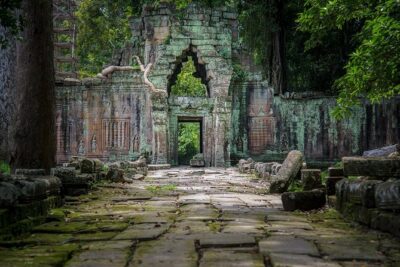
After Angkor Wat, the route moves to Ta Prohm, with about an hour for a guided visit. This is the temple most associated with giant tree roots gripping stone walls. The trees and ruined galleries create a dramatic setting, but the sight is not only about atmosphere. Your guide can help you notice the carvings, passageways, and original purpose behind the famous views.
Ta Prohm is one of the places where a private guide helps with timing and photography. You may find that the most obvious tree-covered doorway is busy, while nearby sections offer better details and quieter moments. The tour description specifically allows time for a full visit, not just a quick stop for one famous picture.
The route then enters Angkor Thom through the Victory Gate. This is a short, 15-minute photo stop, so expect an introduction rather than an extended architectural study. The gate gives you a sense of the monumental entrances used to reach the former royal city.
Inside Angkor Thom, the Terrace of the Elephants receives about 20 minutes. Elephant carvings line the royal viewing platform, and the terrace helps explain how ceremony and royal display shaped the city. It is a short stop, but its location fits neatly with the nearby temples.
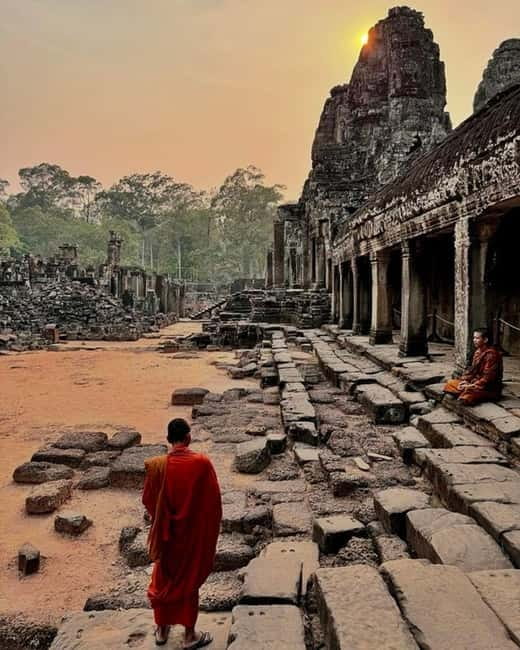
Baphuon gets about 40 minutes. This restored temple mountain is associated with Mount Meru, the sacred center of the Hindu and Buddhist worlds. Its steep structure gives the visit a different feel from the flat galleries of Angkor Wat. Take care on the steps and allow your guide to explain the restoration and design.
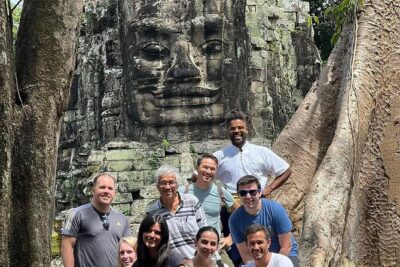
Bayon closes the principal temple sequence, with roughly 45 minutes. Its towers carry serene stone faces, making it one of Angkor’s most memorable buildings. The faces can appear from different angles as you move through the temple, so do not rush straight to one viewpoint. This is another stop where an explanation adds meaning to what might otherwise look like a maze of gray stone.
The one-day tour returns to Siem Reap around noon. That early finish is useful if you want an afternoon nap, a meal in town, or time for another activity. It also means the plan focuses on the major sights rather than trying to cover every corner of the park.
The two-day route gives Angkor room to breathe
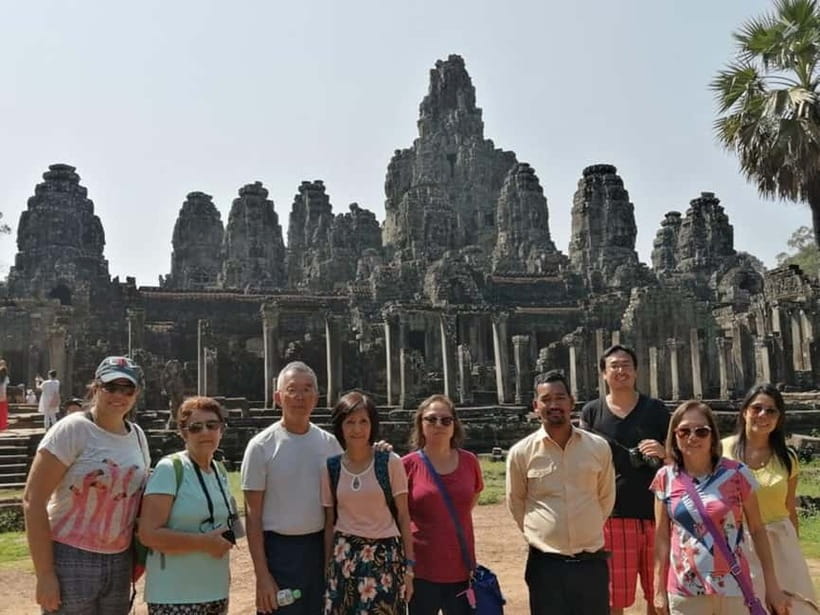
Choose the two-day option if you want more than a greatest-hits visit. The first day includes sunrise, Angkor Wat, and the Small Circuit. The second day turns to the Grand Circuit and Banteay Srei, finishing around 4:00 PM.
Preah Khan begins the second day. It is a large former monastic complex with long corridors, carved stone, and a more enclosed feeling than Angkor Wat. The size of the site rewards a slower pace. You can follow the guide through its layered spaces and see how the temple combines religious and practical areas.
Neak Pean is smaller and more unusual. The temple sits among pools, giving the stop a calm change of rhythm after the larger complexes. The central feature is reached across a causeway, and the surrounding water is part of the design rather than a mere backdrop. Expect a shorter visit, but one with a different mood.
Ta Som is known for its tree-covered gate. Like Ta Prohm, it shows nature pressing against old stone, but the setting is more compact. This is a good stop for seeing how similar ideas can feel different from one temple to the next.
East Mebon once stood on an island in an ancient reservoir. Today, its elevated position helps you understand the water systems that supported Angkor. The temple is also a good reminder that the park was not simply a collection of isolated shrines. Water control, movement, worship, and royal power were linked across the area.
Pre Rup is a mountain-style temple with broad views toward the Cambodian countryside. Its upper levels provide a strong final look at the temple architecture before the route heads to Banteay Srei. The steps can be demanding, so take your time and use the breaks offered by the guide.
Lunch is not included on the second day. You stop at a nearby restaurant and pay for your Cambodian meal separately. Carry cash, since lunch and drinks are outside the tour price.
More Private Temple Tours in Siem Reap
- Angkor Wat Private Tour by Tuk-Tuk with English Speaking Driver
★ 5.0 · 142 reviews - Siem Reap: Angkor Wat Private Tour by Tuk-Tuk
★ 4.5 · 117 reviews - Angkor Wat Full-Day Private Tour with Sunrise
★ 4.6 · 83 reviews - Full-Day Angkor Wat Sunrise and Sunset Private Tour
★ 5.0 · 50 reviews
Banteay Srei is the artistic prize of day two
Banteay Srei, often translated as Citadel of Women, is one of the most detailed temples in the Angkor area. Its pink sandstone carvings are smaller and more intricate than the broad compositions at Angkor Wat. You will see finely cut figures and decorative work that reward close attention.
This temple is a strong reason to select two days. It lies beyond the core group, so adding it to an already packed sunrise morning would make little sense. With a separate day, you can reach it after the Grand Circuit rather than sacrificing the main temples.
The name can create the wrong impression. Banteay Srei is not a vast complex, but its scale is part of its appeal. Look closely at the carvings instead of judging the site by size. A guide who can explain the figures and design details will make this stop more useful.
Guides, vehicles, and the private format
Guide languages include English, Spanish, French, Portuguese, and Japanese. Specific guides praised for the experience include Youk, Mario Moreno, Sovuth Sun, Cantinflas, Buth Veasna, and Ra. The strongest pattern is not just language ability. Good guides here add humor, explain details rather than reciting a script, and help you make better use of the light and temple angles.
Youk is noted for combining historical explanation with creative photography. Cantinflas is described as entertaining and detailed, while Buth Veasna is recommended for learning about Angkor and other Siem Reap areas. These names can help you request a preferred guide language or ask the operator about guide availability, though the exact guide is not guaranteed.
Transport depends on group size. One or two people use a tuk-tuk, while three or more use an air-conditioned van or bus. The tuk-tuk offers open-air views and a classic Siem Reap feel, but the van gives larger groups relief from the heat. In either case, hotel pickup and return are included.
A private group is especially useful for families with older children, couples, and small groups of friends. It is less useful if you prefer to wander entirely alone or dislike fixed sightseeing times. The early pickup and temple order are built into the experience, so flexibility exists within the route, not outside it.
Price, tickets, and the real value
The tour price is $57 per person. That covers the private tour, guide, transport, hotel transfers, sunrise, the stated temple visits, cold water, and towels. It does not cover the Angkor Archaeological Park ticket, lunch, or drinks beyond those supplied.
Add $37 per person for a one-day Angkor pass. That brings the basic one-day cost to $94 before lunch and personal spending. For the two-day option, the two to three-day pass costs $62, bringing the combined tour and admission cost to $119 per person, again before meals.
That is fair value if you want a private guide and door-to-door transport. You are paying more than a shared group outing, but you gain a personal guide, a planned route, and less work arranging transport between widely separated temples. The two-day option gives the better value for people who care about Banteay Srei and do not want to cram every major site into one morning.
Children under 12 do not need an entrance ticket, but a passport must be shown as proof. Confirm the correct ticket option when booking, since the park admission is purchased separately.
Free cancellation is available up to 24 hours before the tour, and you can reserve now and pay later. The service does not suit wheelchair users, and it is not suitable for people over 95.
What to wear and pack for temple access
Dress conservatively from the start. Short skirts, shorts, tank tops, sleeveless shirts, and other revealing clothing are not permitted. A scarf may help cover your shoulders and knees in some situations, but the supplied guidance says that proper pants or a knee-covering skirt and a shoulder-covering shirt are required at most temple areas, with stricter rules noted for Angkor Wat.
Pack:
- Comfortable walking shoes
- Sun hat and sunglasses
- Sunscreen
- Camera
- Insect repellent, preferably biodegradable
- Cash for lunch and other personal costs
- A breakfast box from your hotel
- A light covering for shoulders and knees
Cold water and towels are supplied, but you still need protection from the sun. The one-day route ends around noon, while the two-day route can run until about 4:00 PM, so the second day deserves extra attention to water, clothing, and pace.
Who should book this Angkor Wat tour?
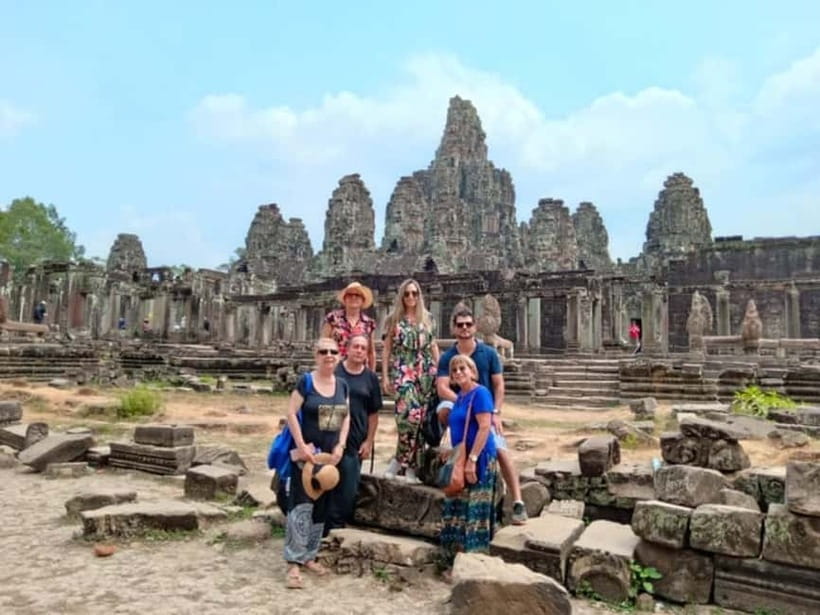
I would choose the one-day plan if you have limited time in Siem Reap and want the essential temples in a well-organized morning. It includes the sights most first-time visitors want: Angkor Wat, Ta Prohm, Angkor Thom, the Victory Gate, the Elephant Terrace, Baphuon, and Bayon.
I would choose two days if Banteay Srei matters to you, if you want more time for temple details, or if you dislike rushing from one major site to the next. The second day adds Preah Khan, Neak Pean, Ta Som, East Mebon, Pre Rup, and Banteay Srei, creating a fuller picture of the Angkor complex.
This is not the right choice if you want a late start, a completely unstructured day, or step-free access. It is also not a cheap all-in admission price once the park ticket and meals are added. But for a small private group that values a strong guide, clean planning, and relief from transport worries, the $57 tour fee is sensible.
Should you book it?
Book this tour if you want Angkor’s major temples explained by a private local guide, with sunrise handled and transport waiting at your hotel. Pick one day for speed and the headline sights. Pick two days for a calmer schedule and the fine carvings at Banteay Srei.
Before paying, budget for the separate Angkor pass, bring proper clothing, and arrange breakfast for the early start. If possible, request a guide in your preferred language and ask about guides such as Youk, Ra, Sovuth Sun, or Buth Veasna. The early alarm is the one real test, but sunrise, cooler walking conditions, and a well-planned route make it worthwhile.
FAQ
What time does the Angkor Wat sunrise tour begin?
Hotel pickup is at about 5:00 AM. The one-day tour returns to Siem Reap around noon, while the two-day second day finishes around 4:00 PM.
Does the tour price include the Angkor entrance ticket?
No. The Angkor Archaeological Park ticket must be purchased separately. It costs $37 per person for one day or $62 per person for two to three days.
What temples are included in the one-day option?
The one-day route includes Angkor Wat, Ta Prohm, Victory Gate, the Terrace of the Elephants, Baphuon, and Bayon.
What additional temples are included in the two-day option?
The second day includes Preah Khan, Neak Pean, Ta Som, East Mebon, Pre Rup, and Banteay Srei, in addition to the first day’s sunrise and Small Circuit temples.
Is lunch included?
No. Lunch is not included. On the second day, you stop at a nearby restaurant and pay separately for your meal and drinks.
What transport is used?
One or two people travel by tuk-tuk. Groups of three or more use an air-conditioned van or bus. Hotel pickup and drop-off are included.
Which languages are available for the guide?
Guides are available in English, Spanish, French, Portuguese, and Japanese.
What clothing is allowed at the temples?
You should wear clothing that covers your shoulders and knees. Short skirts, shorts, sleeveless shirts, tank tops, and other revealing clothing are not permitted. A scarf may help cover your knees and shoulders in some areas, but proper temple clothing is the safer choice.
More Temple Sunrise Tours in Siem Reap
- Angkor Wat Highlights and Sunrise Guided Tour from Siem Reap
★ 5.0 · 3,213 reviews - Angkor Wat Sunrise & 3 Main Temples with Breakfast – Small Group
★ 5.0 · 2,857 reviews - Siem Reap: Angkor Wat Sunrise and Full-Day Sightseeing Tour
★ 4.9 · 2,828 reviews - Siem Reap: Angkor Wat Sunrise or Sunset Guided Tour
★ 4.9 · 2,123 reviews
More Temple Sunrise Tours in Cambodia
- Angkor Wat Sunrise or Sunset Tour with Guide from Siem Reap
★ 5.0 · 12,109 reviews - Siem Reap: Angkor Wat: Small-Group Sunrise or Sunset Tour
★ 5.0 · 9,444 reviews - Siem Reap: Angkor Wat 2-Day Tour with Sunrise and Sunset
★ 4.9 · 4,429 reviews - Angkor Wat Sunrise tour with Small – Group and Guide tours
★ 5.0 · 3,655 reviews
Newly written up around Siem Reap
- Sunrise at Angkor Wat Temple: 3-Hour Private Tour★ 4.7 · 30 reviews
- Small-Group Explore Angkor Wat Sunrise Tour with Guide★ 5.0 · 3 reviews
- Siem Reap : Private Tuk-Tuk Tour of the Magnificent Temples.★ 4.9 · 14 reviews
- Siem Reap: Ultimate Angkor Wat Offbeat Experience by Jeep★ 4.9 · 8 reviews
- SiemReap: Private Angkor Wat Tour in English or German guide★ 5.0 · 5 reviews
- Siem Reap: 1-Day Angkor Wat Tour in Portuguese★ 5.0 · 4 reviews
- Angkor Wat: Sunrise 2.5 Days Temples & Tonle Sap-Small Group★ 5.0 · 10 reviews
- Siem Reap: Grand Circle Temples Tour With Private Tuk-Tuk★ 5.0 · 4 reviews
Angkor Wat Tours, compared.
Angkor Wat Sunrise or Sunset Tour with Guide from Siem Reap
Read our review →
Angkor Wat: Small-Group Sunrise or Sunset Tour
Read our review →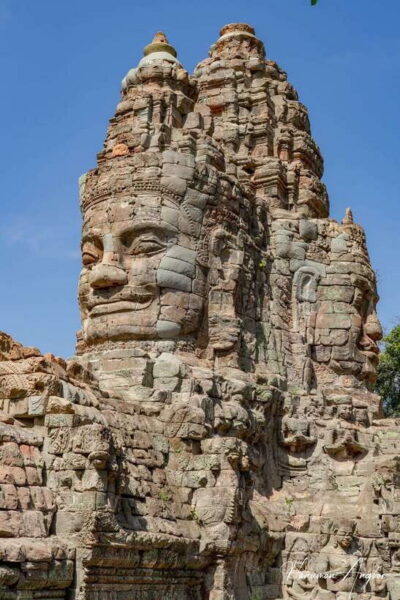
Angkor Wat 2-Day Tour with Sunrise and Sunset
Read our review →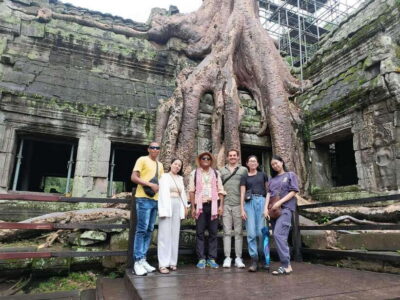
Angkor Wat Sunrise tour with Small – Group and Guide tours
Read our review →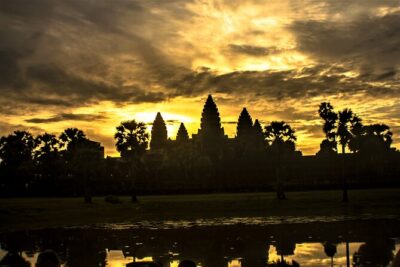
Angkor Wat Highlights and Sunrise Guided Tour from Siem Reap
Read our review →
Angkor Wat Sunset Small Group Tour with Lunch Included
Read our review →