Reviewed · TOURS
Debre Libanos Monastery and Jemma River Gorge – Day Tour from Addis Ababa
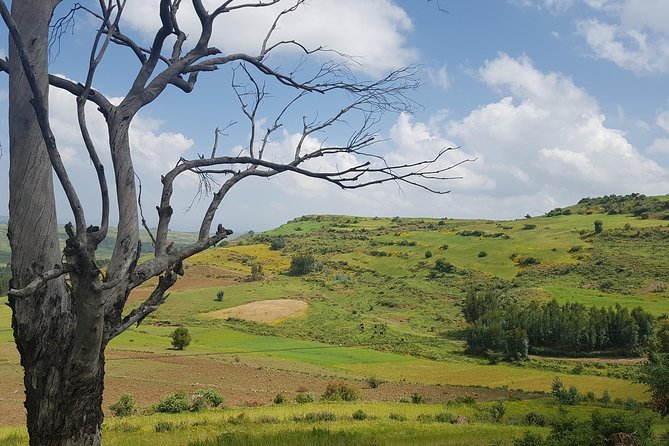
The striking part of this day is how quickly Addis Ababa gives way to open countryside, mountain views, and the huge cut of the Jemma River Gorge. At Debre Libanos, you also get a close look at Ethiopia’s Orthodox Christian tradition, not just another scenic stop.
I like the private door-to-door transport, especially if you are fitting this trip around a short stay or an airport connection. I also like the Oromo family visit and coffee ceremony, which give the day a human side that a simple monastery-and-viewpoint outing would miss.
The main trade-off is the long road day. You will spend several hours in the vehicle, admission fees are extra, and the small local restaurant may not suit every diet. Women should bring clothing that covers the body and hair for the monastery.
The Day’s Essential Details
- About 100 kilometers north of Addis Ababa: Expect a full day away from the capital, usually lasting 7 to 9 hours.
- Private group of up to six: Your party travels together, with pickup from a hotel, the airport, or another location in Addis Ababa.
- Debre Libanos Monastery: Visit one of Ethiopia’s most important Orthodox Christian sites, founded in the 13th century.
- Portuguese Bridge and Jemma Gorge: Spend time near the historic 16th-century bridge and take in the dramatic gorge scenery.
- Gelada baboons: Keep watch for Ethiopia’s endemic baboon, usually seen around the highland scenery.
- Oromo culture and coffee: Meet a local family, eat an Ethiopian lunch, and attend a traditional coffee ceremony.
Why This Addis Ababa Day Trip Works
This is a good choice if you want to get beyond Addis Ababa without arranging a complicated private itinerary. The route combines religious history, mountain scenery, wildlife, local food, and a family visit in one day.
That mix matters. A monastery alone may appeal mainly to history and religion fans. A gorge viewpoint alone can feel brief. Here, the day changes pace several times: city pickup, countryside drive, sacred site, gorge walk, wildlife viewing, lunch, and time with an Oromo family.
I also like the scale of the tour. With a maximum of six people, you are not being moved around in a large coach. The guide can answer questions about Ethiopian history, culture, daily life, and current affairs, subjects that several guides associated with this experience, including Biruk and Muluken, are praised for explaining clearly.
Still, keep your expectations sensible. This is not a slow walking tour with hours at each site. It is a packed day trip, and the distance means the drive is part of the experience. You see more than you would inside Addis Ababa, but you pay for it with time on the road.
Other temple visits near the world we have written up
- Lisbon: Jerónimos Monastery Entrance Ticket
★ 4.1 · 14,164 reviews - Angkor Wat Sunrise or Sunset Tour with Guide from Siem Reap
★ 5.0 · 12,109 reviews - Teotihuacan, Guadalupe Shrine & Tlatelolco Day Tour with Lunch
★ 5.0 · 11,603 reviews
Leaving Addis Ababa for the Highlands
Pickup is offered from your hotel, another place in Addis Ababa, or the airport. That flexibility is useful if your schedule is tight. One person even used an 18-hour layover to get a first taste of Ethiopia, though you should make sure your own flight schedule leaves enough room for a 7 to 9-hour outing and airport formalities.
The vehicle is air-conditioned, and bottled water and local snacks are provided. The drive covers roughly 100 kilometers north of the capital. That distance may not sound great on paper, but road conditions, stops, and time spent at the sites make this a full-day commitment.
The drive is not dead time. You pass from the urban center into farming country, with changing views of highland terrain and rural life. Your guide can use this stretch to explain Ethiopia’s history, politics, culture, and the daily routines of people living outside the capital.
Because this is a private tour, you can ask for explanations at your own pace. If a guide such as Biruk or Muluken is assigned, you may find the day especially strong on conversation and context. Guide assignments can vary, so confirm who will lead your group before departure if that matters to you.
Debre Libanos Monastery and Ethiopian Orthodox Tradition
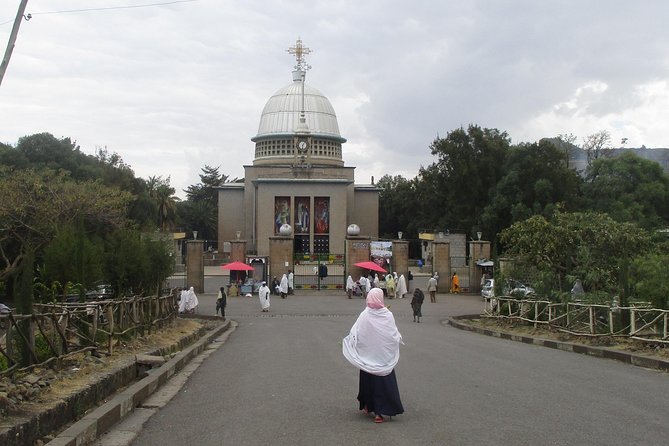
The first main stop is Debre Libanos Orthodox Church and Monastery, founded in the 13th century. It is described as the largest monastery of Ethiopian Orthodox Christianity in Ethiopia, and its importance is clear from the setting and the religious activity around it.
Allow about an hour here. That is enough for an introduction, though not an exhaustive study of every building or religious object. The stop can include the church, museum material, and explanations of the site’s place in Ethiopian Christianity.
This is an active religious location, not a staged historic attraction. You may see worshippers and religious activity, particularly during a festival or special observance. That can make the visit more immediate, but it may also mean a busier and less controlled atmosphere.
Dress with care. Women are expected to wear clothing that fully covers them and to cover their hair when visiting the monastery. This is not a minor suggestion. Bring a scarf and conservative clothing so you can enter respectfully and avoid spending the stop worrying about what you are wearing.
Admission is not included in the tour price, so carry money for entrance charges and other personal expenses. The exact fee is not given in the tour information, so confirm it when booking or with the operator before setting out.
The Portuguese Bridge Above Jemma River Gorge
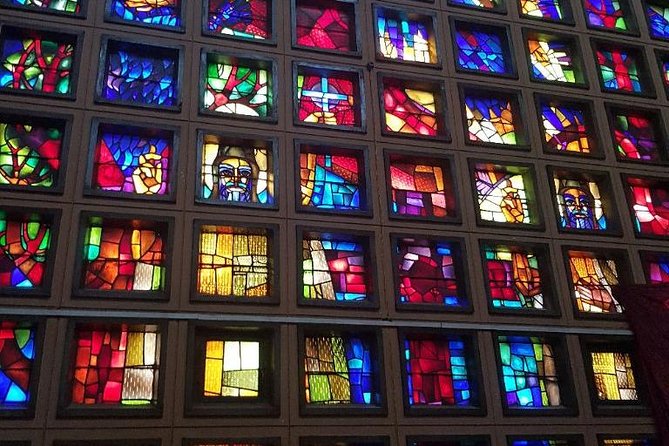
The day then moves to the Portuguese Bridge, a 16th-century structure near the Jemma River Gorge. The bridge provides the historical anchor, while the gorge supplies the visual drama.
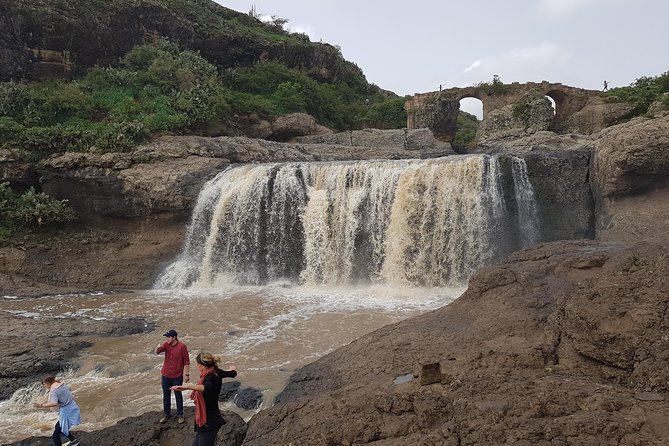
You have about two hours for this part of the trip. That is the strongest block of the day for scenery and walking. The gorge opens into broad mountain views, and the route may include a walk down toward a waterfall. Wear shoes that are comfortable for uneven ground and bring water, even though bottled water is supplied in the vehicle.
The bridge itself is not just a photo stop. It gives you a sense of how older routes crossed difficult terrain, and the surrounding gorge shows why this part of Ethiopia is worth leaving the capital to see. The scale is much greater than a city viewpoint, with open country rather than buildings filling your view.
Weather changes the mood of this stop. From June through September, wet conditions are expected. Rain can make paths slippery and may limit clear views, but cloudy mountain scenery can also look striking. Pack a rain layer and protect your phone or camera.
Do not expect an advanced trek. The tour is designed for most people to participate, but the walk toward the waterfall may still feel tiring for anyone unused to uneven paths. If you need a slower pace, tell the guide early.
A different set of gates, same trip:
- From Bangkok: Ayutthaya Temples Guided Tour with Lunch
★ 4.7 · 10,535 reviews - Siem Reap: Angkor Wat: Small-Group Sunrise or Sunset Tour
★ 5.0 · 9,444 reviews - Athens: Cape Sounion & Poseidon Temple Sunset Half-Day Trip
★ 4.8 · 8,241 reviews - Ubud: Monkey Forest, Jungle Swing, Rice Terrace, and Water Temple
★ 5.0 · 7,160 reviews
Gelada Baboons in Their Highland Home
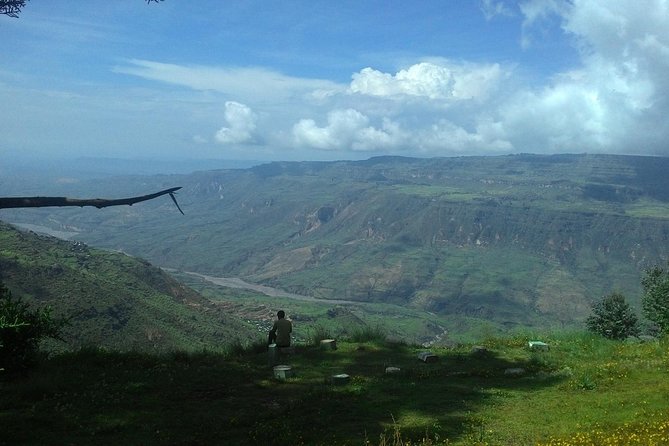
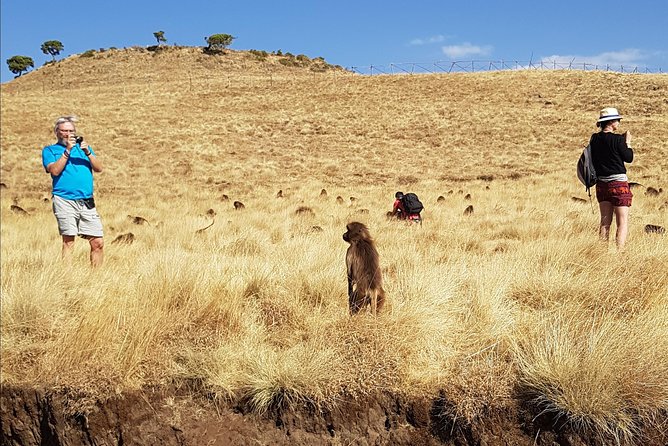
Gelada baboons are one of the day’s most memorable possibilities. They are an Ethiopian endemic mammal, and the highland setting around the gorge offers a chance to see them in the wild.
Wildlife is never guaranteed, so treat this as an important opportunity rather than a promise of a close encounter. Your guide and local contacts can help you watch in the right places, but animals move on their own schedule.
The Gelada sighting also adds meaning to the scenery. You are not simply looking at a gorge from a viewpoint. You are seeing a place that supports a species found only in Ethiopia. Bring binoculars if you have them, and keep your camera ready without letting photography take over the stop.
This part of the outing works best for people who enjoy patient observation. If you need a guaranteed animal display or a formal wildlife drive, this is not that. The reward is the possibility of seeing the baboons in a natural mountain setting.
An Oromo Family Visit and Coffee Ceremony
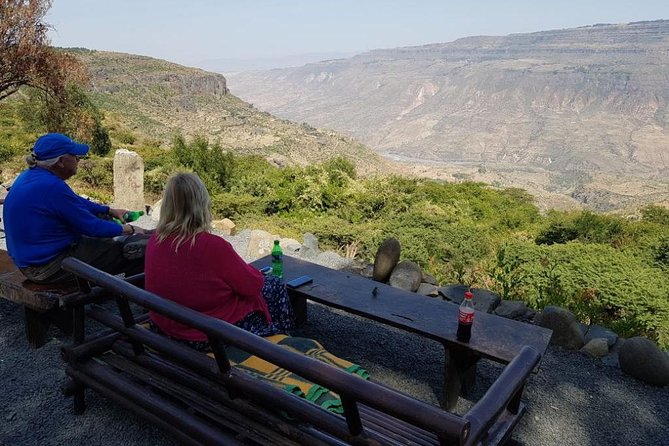
The local family visit is what gives the tour its personal character. You are taken to meet an Oromo family, described in the tour details as a local farmer and his household in some arrangements. This is a chance to see rural life through conversation and hospitality rather than from behind a vehicle window.
The visit should be approached with respect and curiosity. Ask before taking photographs, listen to the guide’s explanations, and remember that you are entering someone’s home or family setting, not a museum display.
The Ethiopian coffee ceremony adds a warm pause to the day. Coffee preparation is a social ritual, and attending it helps you understand how food and drink fit into local hospitality. Coffee is included, as are local snacks in the vehicle.
This is one of the parts I value most because it connects the big sights with ordinary life. A monastery tells you about faith. A gorge tells you about geology and geography. A family visit gives you a glimpse of how people live and welcome visitors in the countryside.
Lunch, Food Choices, and What to Pack
Lunch is included at a local restaurant and consists of Ethiopian food. That is a practical benefit because there may not be many convenient meal stops along the route.
If you enjoy trying local dishes, this meal is part of the experience rather than a simple fuel break. If you do not eat Ethiopian food at small local restaurants, bring a packed lunch instead. The tour information gives this advice directly, and it is worth following rather than hoping a familiar alternative will appear.
You should also carry any snacks you rely on, particularly if you have dietary restrictions. Bottled water and local snacks are provided in the van, but the details do not promise special meals or a broad menu.
The coffee ceremony does not replace lunch. Plan for both, and tell the operator about food concerns before the trip if you need a specific arrangement.
What the $272.77 Group Price Buys You
The listed price is $272.77 per group of up to six people, not per person. That changes the value considerably. A full group of six pays less than $46 per person before entrance fees, while a solo visitor or couple will pay more per head.
For that cost, you get private transportation, an English-speaking professional guide, a driver, hotel or airport pickup and drop-off, local on-site guides, lunch, bottled water, snacks, a family visit, and the coffee ceremony. The private vehicle also saves you from arranging taxis, negotiating rural transport, or fitting several separate bookings into one day.
I consider the price reasonable for a small group that wants transport and guiding handled in one package. It is less compelling if you already have a car, driver, and local contacts. Remember to add entrance fees and any other expenses not listed as included.
The best value comes when several people share the group rate. If you are alone, compare the price with other private day trips, but also account for the airport pickup option and the time saved by having the whole day organized.
Who Should Book This Experience
I would choose this outing if you want a strong first look at the countryside north of Addis Ababa and prefer a private tour over a large group. It suits families, couples, small groups, and people with a layover long enough to handle a full day outside the city.
It is also a good match for you if you care about conversation. Guides connected with the experience are noted for discussing more than monuments, including Ethiopian culture, politics, history, and everyday life. That makes the drive more useful and helps the stops make sense.
You may want another option if you dislike long drives, avoid local food, or want a relaxed schedule with lots of time at one site. The tour packs several experiences into one day, and entrance fees are not covered.
People planning a June to September visit should expect rain. People visiting during a religious festival may find the monastery busier, but that can also offer a closer look at living Ethiopian Orthodox practice.
Practical Advice Before You Go
Wear comfortable shoes for the gorge and waterfall walk. Bring a rain layer during the wet season, sun protection during dry weather, and a scarf or other hair covering for women visiting the monastery.
Keep your camera and phone charged. The day includes mountain scenery, rural life, a historic bridge, a gorge, and possible Gelada sightings.
Confirm pickup details carefully, especially if you are collecting at the airport. The experience offers door-to-door transfers, but your exact pickup point and timing still need to be clear.
The booking can be canceled for a full refund if you cancel at least 24 hours before the start time. Cancellations or changes made within 24 hours are not refunded or accepted.
Should You Book the Debre Libanos Day Tour?
Book it if you want variety in one private day: a major Orthodox site, a historic bridge, mountain scenery, possible Gelada baboons, Oromo hospitality, Ethiopian food, and coffee.
I would especially recommend it for a small group that can share the $272.77 price and for anyone with limited time in Ethiopia. The main caution is simple: this is a long road day, not a short outing from Addis Ababa. Bring suitable clothing, accept the extra entrance fees, and pack food if local Ethiopian meals are not for you.
FAQ
How long does the Debre Libanos and Jemma Gorge tour last?
The tour lasts approximately 7 to 9 hours.
How far is Debre Libanos from Addis Ababa?
The route covers about 100 kilometers north of Addis Ababa.
Can I be picked up from Addis Ababa airport?
Yes. Pickup and drop-off are available from the airport or from locations around Addis Ababa.
Is this a private tour?
Yes. Only your group participates, with a maximum group size of six people.
Is lunch included?
Yes. Ethiopian food at a local restaurant is included. If you do not eat Ethiopian food at small local restaurants, bring a packed lunch.
Are entrance fees included?
No. Entrance fees and expenses not listed as included are paid separately.
What should women wear at Debre Libanos Monastery?
Women are expected to wear clothing that fully covers them and to cover their hair while visiting the monastery.
Can I see Gelada baboons?
The tour includes a chance to see Gelada baboons, an Ethiopian endemic mammal, but wildlife sightings cannot be guaranteed.
What happens if I visit between June and September?
You should expect wet weather and prepare with suitable clothing and footwear. The tour information specifically advises visitors to be ready for rain during this period.
Newly written up around the world
- Small Group Tour to Mogosoaia Palace and Snagov Monastery★ 5.0 · 23 reviews
- Mogosoaia Palace & Snagov Monastery: Private tour from Bucharest★ 4.5 · 14 reviews
- Bulgaria Day Trip: Basarabovo Monastery, Tsarevets & Arbanasi★ 5.0 · 3 reviews
- Private Half Day Trip to Snagov Monastery and Mogosoaia Palace from Bucharest★ 4.5 · 13 reviews
- Chicken Church Local Attraction Near Of Borobudur Temple★ 3.5 · 18 reviews
- Transfagarasan Highway Balea Lake and Carta Monastery from Brasov★ 5.0 · 20 reviews
- Private Half Day trip to Slanic Salt Mine and Snagov Monastery★ 5.0 · 8 reviews
- Divine Delhi: Full-Day Tour of Temples & Spiritual Sites★ 4.5 · 3 reviews
Tours, compared.
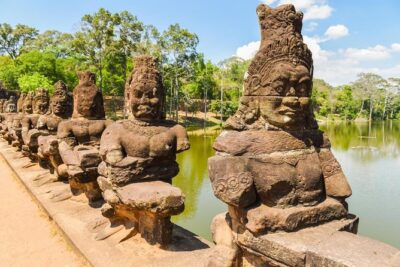
Angkor Wat Sunrise or Sunset Tour with Guide from Siem Reap
Read our review →
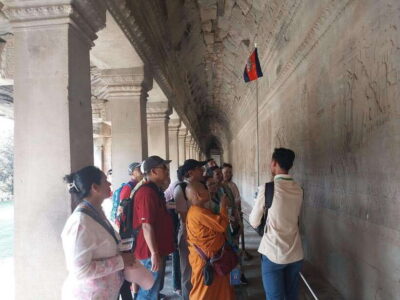
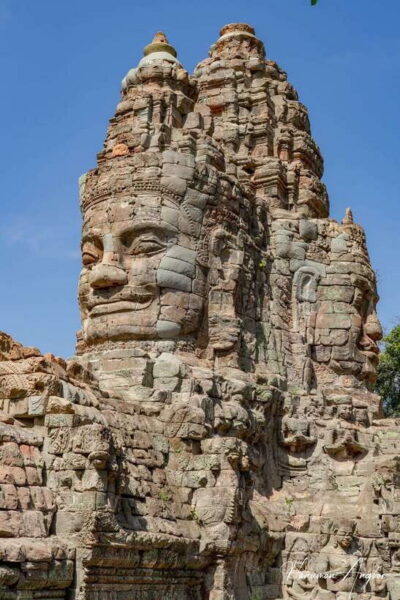
Angkor Wat: Small-Group Sunrise or Sunset Tour
Read our review →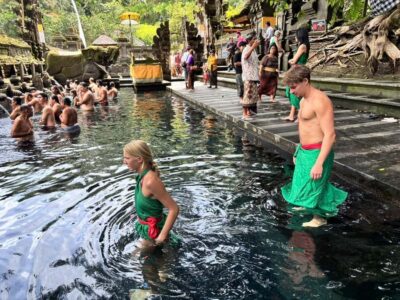
Waterfalls, Water Temple & Rice Terraces Private Tour
Read our review →
Angkor Wat 2-Day Tour with Sunrise and Sunset
Read our review →
City Highlights Temple and Market Walking Tour
Read our review →