
Reviewed · AZERBAIJAN TEMPLE TOURS
Baku: Gobustan, Mud Volcanoes, Fire Temple, & Yanar Dag Tour
Azerbaijan’s strangest sights sit beyond Baku: prehistoric carvings, bubbling mud cones, a former fire-worship temple, and a hillside where gas flames burn day and night. This full-day outing gathers them into one practical route, giving you a quick look at the ancient Gobustan carvings and the otherworldly geology of the Absheron Peninsula.
I like two things here. First, the route covers four very different sights in one day, which is useful if your time in Baku is short. Second, guides such as Vahid have been praised for sharing plenty of background and keeping the trip well organized. The main caution is the price: the advertised $6 is only the starting cost, since entry tickets and the required off-road ride add 50 AZN in total.
Key points to know before booking
- Gobustan’s rock art is the cultural heart of the day, with carvings dating from roughly 5,000 to 20,000 years ago.
- The mud volcanoes require a separate 25 AZN cash payment, even if rain changes the stop to the Mud Volcanoes Complex.
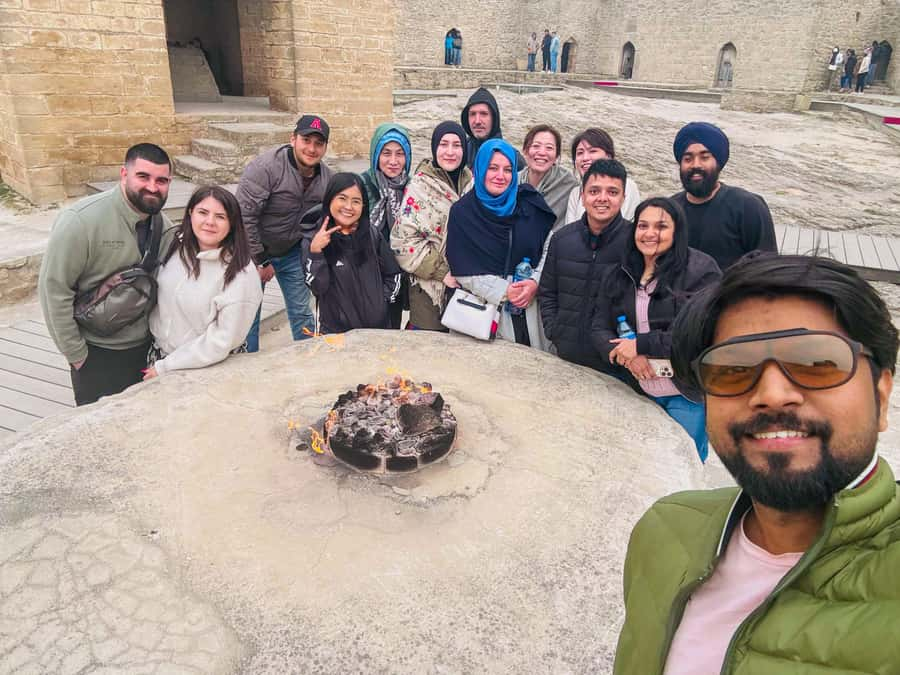
- Ateshgah mixes several religious traditions, including Zoroastrian, Hindu, and Sikh connections.
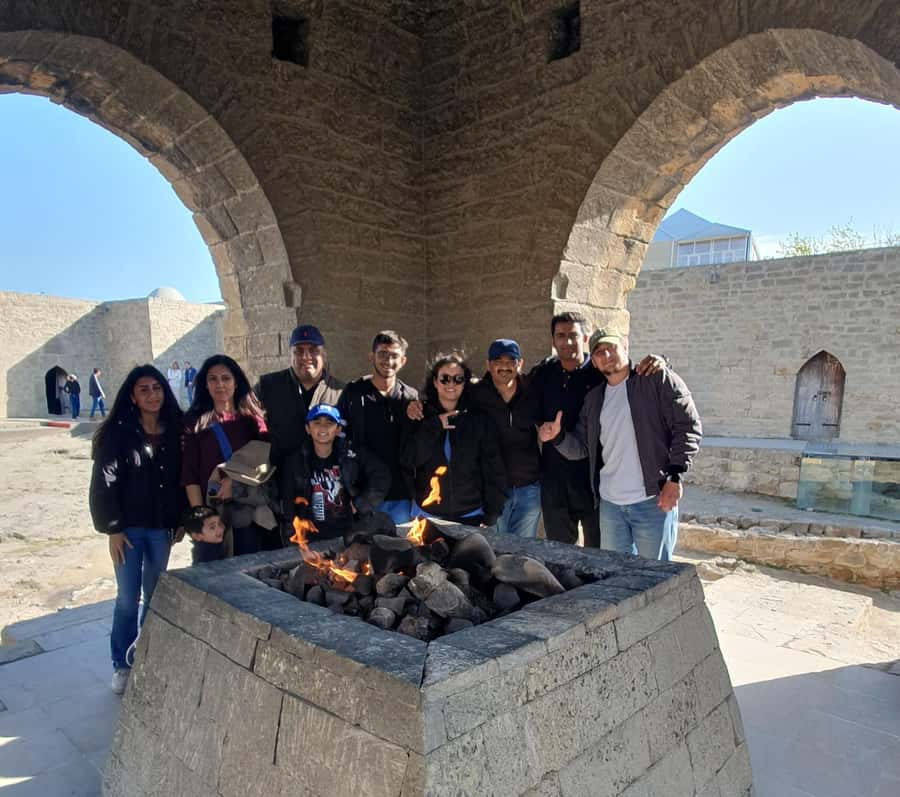
- Yanar Dag is a real natural-gas fire, not a staged flame, though modern gas piping now supports the fire.
- The tour uses car transport and includes a guide, with English and Russian available.
- The base fare looks extremely cheap, but the required admission costs should be included in your budget before you compare tours.
Gobustan gives the day its human story
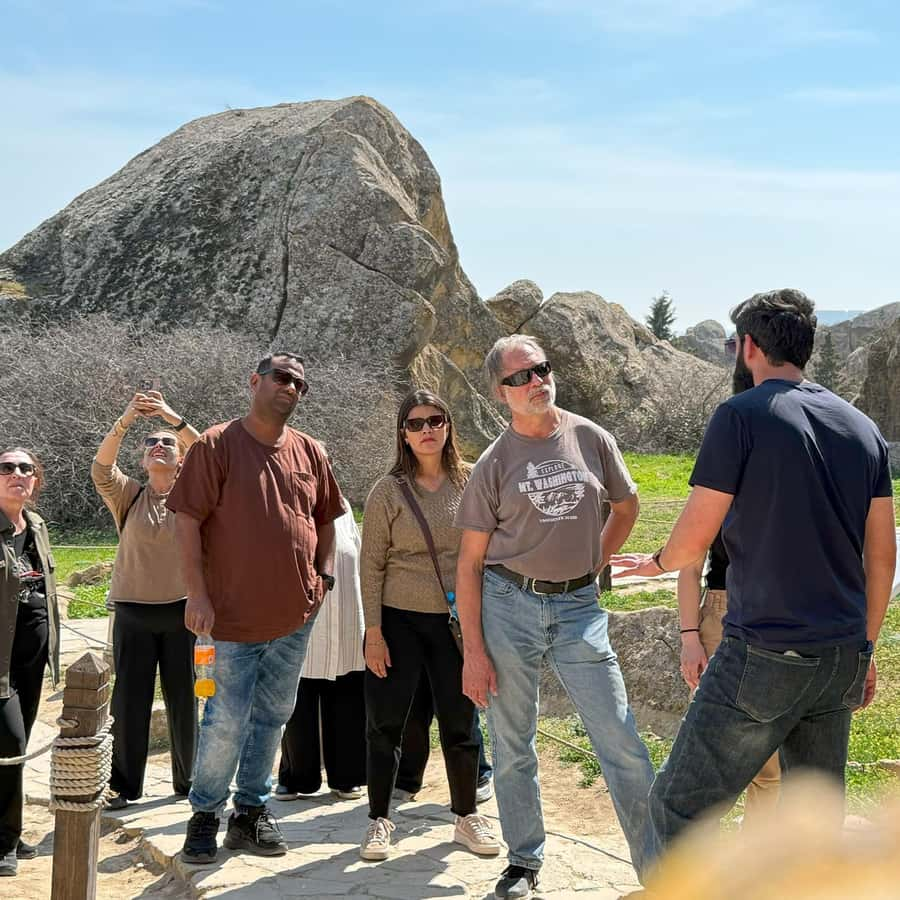
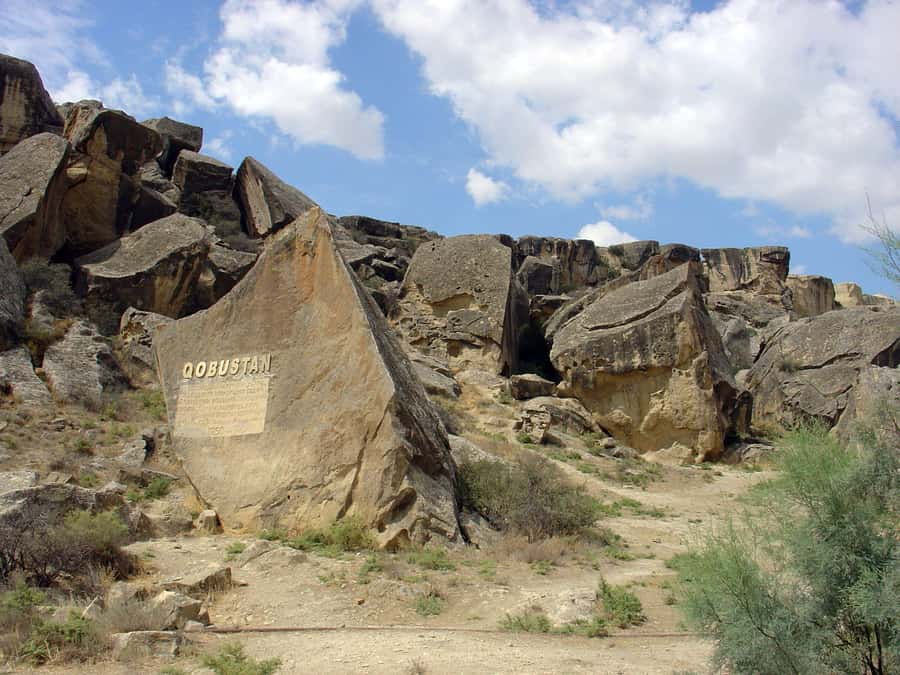
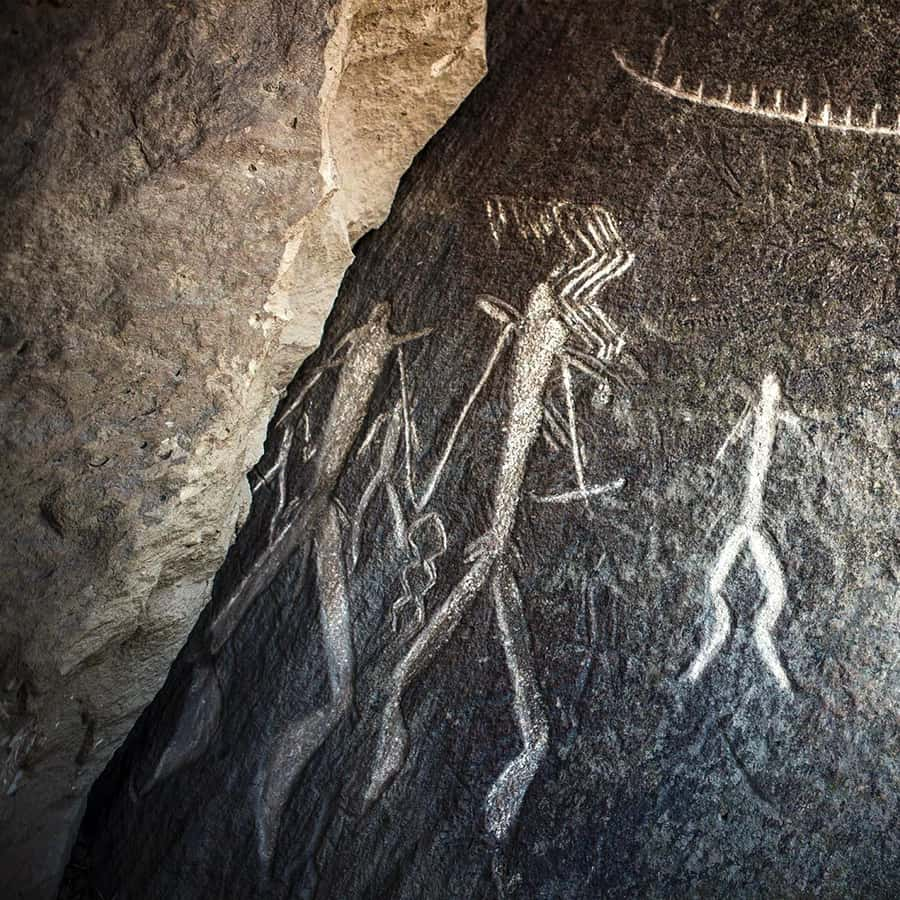
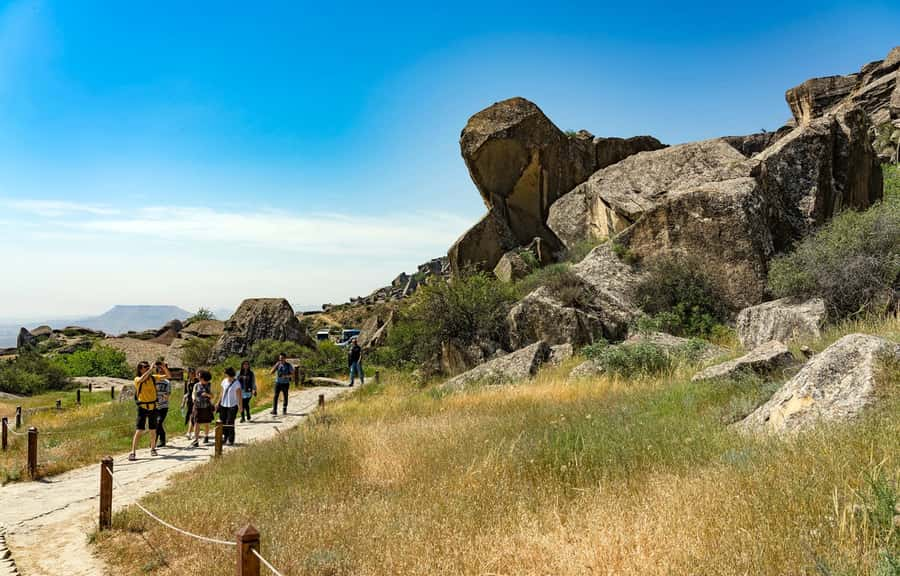
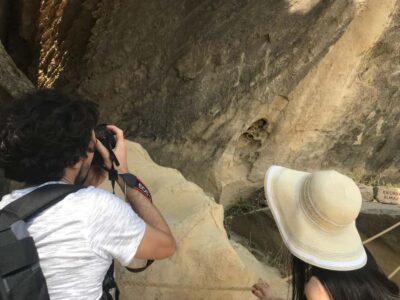
Your first major stop is Gobustan Rock Art Cultural Landscape, a UNESCO World Heritage Site outside Baku. The rock shelters and stone surfaces carry drawings of people, animals, hunting scenes, ritual dances, bull fights, camel caravans, and symbols linked with the sun and stars.
The dates are what make this stop special. Some carvings reach back 20,000 years, while others are much later. You are not simply looking at old scratches in stone. You are seeing fragments of how people moved, hunted, worshipped, and pictured the world long before written records explained their lives.
The planned visit lasts about an hour. That is enough for a guided introduction and a look at the main carvings, but it is not a slow archaeological study. I would listen closely to the guide here, since the meaning of the figures is easier to grasp when someone points out the human forms, animals, and scenes.
The site is also a good reason to wear proper shoes. You should expect uneven ground and outdoor walking. A hat, sunscreen, and water are sensible, especially in warm weather, since the tour moves between open-air stops with limited shelter.
One practical detail matters: the Gobustan admission fee is not included in the base fare unless you choose the option that includes entrance fees. The listed cost is 10 AZN. Check which package you select before departure so the cheap headline price does not catch you off guard.
Other temple visits near Baku we have written up
- Baku: Gobustan, Mud Volcano, Fire Mount, Temple Lunch Entry
★ 4.9 · 3,246 reviews - Baku: Gobustan, Volcanoes, Fire Temple and Yanardag Day Trip
★ 4.7 · 433 reviews - Gobustan & Mud, Fire Temple, Burning Mountain (Group & Private)
★ 4.5 · 418 reviews
The mud volcanoes are Azerbaijan’s oddest stop
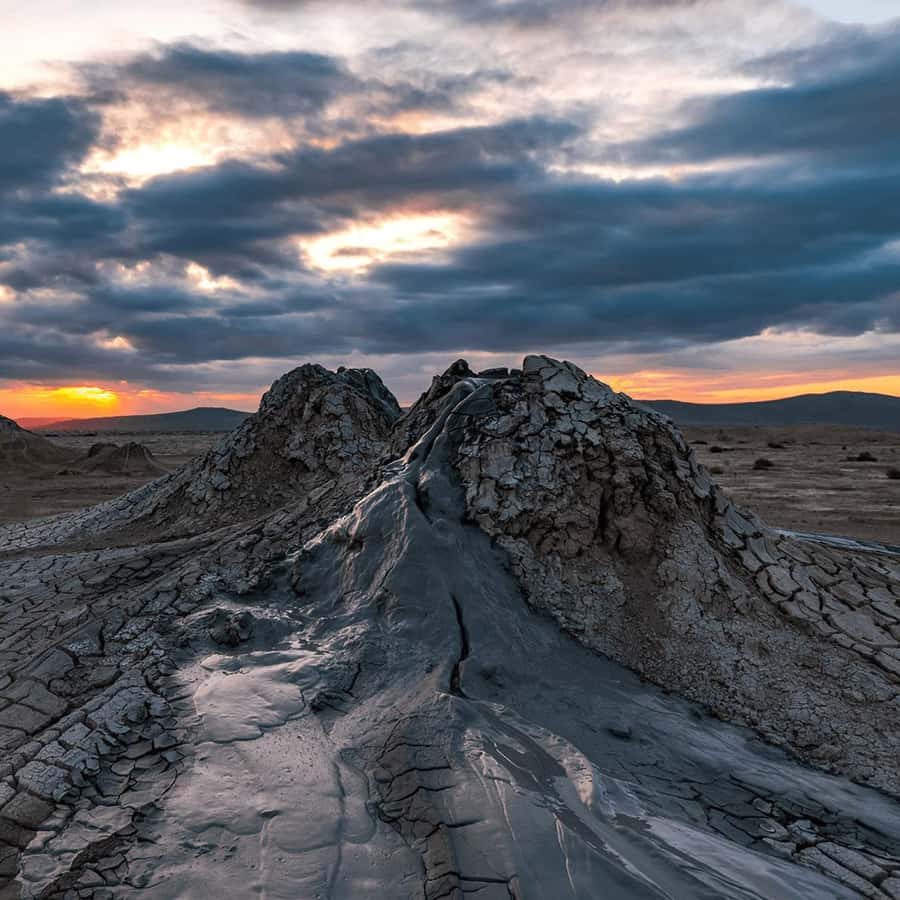
After Gobustan, the route continues to Azerbaijan’s mud volcanoes. The country has about 350 of the world’s roughly 700 mud volcanoes, so this is not a minor curiosity in local terms. These low cones and muddy vents are part of the country’s unusual geology, and they look very different from the fire sights later in the day.
The planned visit lasts about 20 minutes. That is brief, but it works as a quick stop to see the formations and take photographs. Do not expect a long walk or a full geology lesson. The appeal is visual and immediate: gray mud, rough ground, and small volcanic forms spread across an exposed setting.
The transfer to the volcanoes uses off-road cars, and that vehicle fee is mandatory. It costs 25 AZN in cash and is collected at the start of the tour to avoid delays. This is the single most important extra charge to understand before booking.
Rain changes the exact destination. In wet weather, the tour visits the Mud Volcanoes Complex instead, but the 25 AZN charge still applies. You should bring cash specifically for this cost, along with a card for other personal spending. The tour instructions also recommend water and comfortable shoes.
I like this stop because it shows a side of Azerbaijan that a standard city tour misses. The drawback is time. Twenty minutes can feel short if you want to study the formations closely, and the mud-volcano ride may not suit you if rough roads are uncomfortable. Still, as part of a wider day, it adds a memorable bit of natural oddness.
Lunch is a useful pause back in Baku
The schedule includes a one-hour lunch break in Baku. Lunch is not included, so you pay for your own meal. This pause breaks up a day that otherwise moves from one outdoor or historic site to the next.
Because the tour combines several distant stops, the lunch hour also gives you a chance to rest, use facilities, and refill your water. I would not treat it as a long food experience. It is simply a planned break, and the exact restaurant or meal is not specified.
The overall timing needs a little clarification. The activity information lists a duration of 8 minutes, but the route itself is clearly described as a full-day tour with several visits and a lunch break. That 8-minute figure appears to be a display error. Check the confirmed starting time and return time before booking, especially if you have evening plans in Baku.
Ateshgah explains the region’s fire traditions
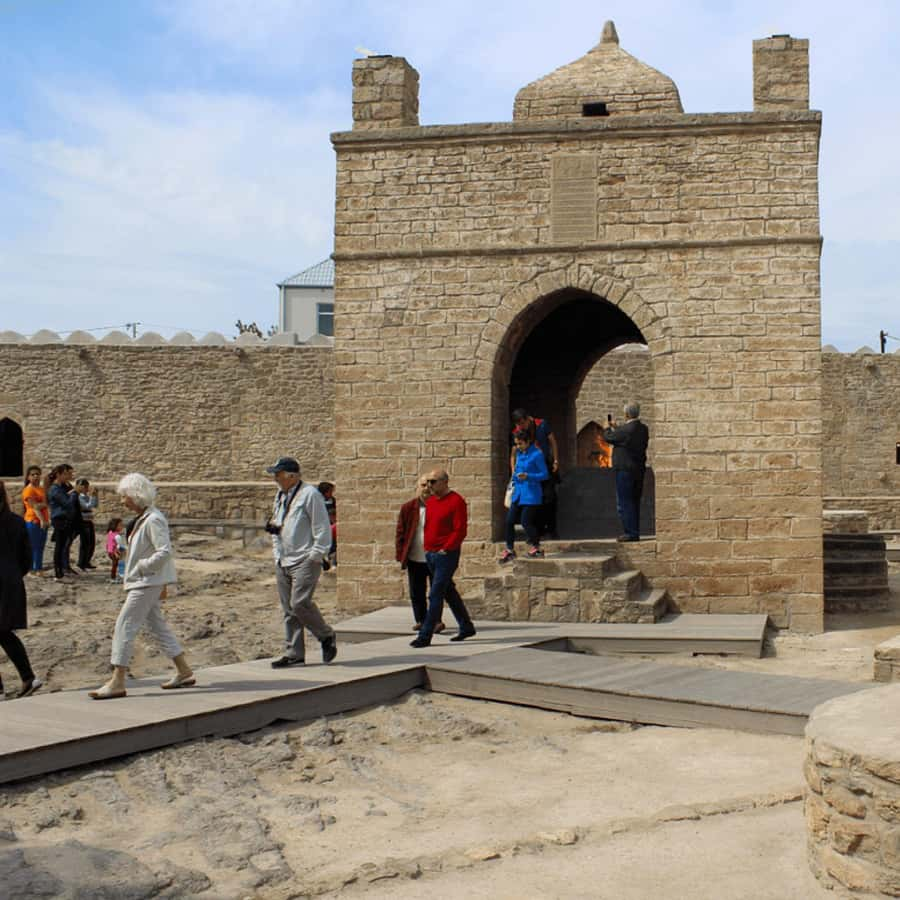
Ateshgah, often called the Fire Temple of Baku, is in Surakhany. The complex has a castle-like, pentagonal form, with small rooms around a central courtyard and an altar in the middle.
Its story is more layered than the name suggests. Inscriptions connect the site with Iranian and Indian traditions, and it served as a place of worship for Zoroastrians, Hindus, and Sikhs. The building visible today dates mainly from the 17th and 18th centuries.
The temple was abandoned in the late 19th century, probably as the Indian population in the area declined. The natural flame that once burned here went out in 1969 after the local petroleum and gas supplies were used up. The fire you see today is maintained with gas piped from nearby Baku.
That modern detail does not make the temple uninteresting. It helps you separate the site’s religious history from the current flame. You are looking at a historic place built around natural fire, but the present-day flame is not the untouched original gas vent.
The visit lasts about 45 minutes. That is enough time to walk through the courtyard, see the surrounding cells, and hear how the site served different faiths. A good guide makes a real difference here. Vahid has been singled out for clear explanations and helpful attention, while another guide, Aqil, received criticism for giving very little information and speaking English that was difficult to follow. If guide quality matters greatly to you, this is worth considering when you choose a private option or communicate your language needs.
A different set of gates, same trip:
- Gobustan-Mud Volcan-Fire Temple and Mountain Tour/Entrance inc
★ 5.0 · 267 reviews - Baku:Gobustan Mud Volcanoes Temple & Entry tickets included
★ 4.8 · 178 reviews - Gobustan, Mud volcanoes, Fire temple, Fire mountain PRIVATE TOUR
★ 5.0 · 47 reviews - Gobustan & Mud, Fire Temple, Burning Mountain, H.A. Center
★ 4.6 · 46 reviews
Yanar Dag is the visual finish
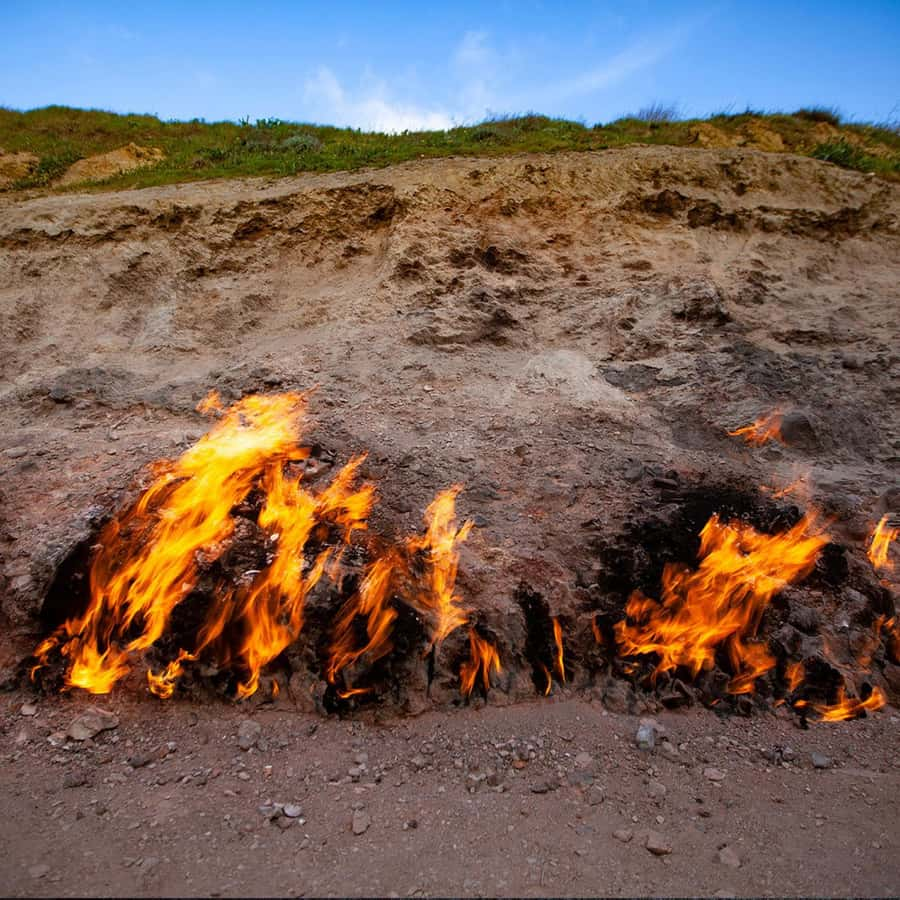
The last major stop is Yanar Dag, or Burning Mountain, on the Absheron Peninsula near the Caspian Sea. Natural gas escapes through porous sandstone and burns along the hillside. Flames can rise several meters, and the fire is described as continuous.
This is the quickest of the main visits, with about 20 minutes set aside. That is usually enough to see the flames, take photographs, and feel the heat from the burning slope. The air around the fire carries a gas smell, which is part of the experience.
The fire area is described as a thin sandstone layer with vents that feed flames along a scarp. The information provided gives different height descriptions, including flames reaching about 3 meters and references to a 10-meter rise at the base of the slope. Either way, this is not a tiny pilot flame. It is a visible line of fire on an open hillside.
Yanar Dag makes a strong final stop because it brings together the area’s natural gas, religious traditions, and modern energy story. Ateshgah shows how people built worship around fire. Yanar Dag shows the raw phenomenon itself, now protected and maintained as a public attraction.
Again, the admission price is separate unless you choose the package with entrance fees included. Ateshgah and Yanar Dag together cost 15 AZN according to the tour information.
What the $6 price really means
At $6 per person, the advertised base price is remarkably low for a day of transport and guided visits. It includes car transport and professional guiding service, but not lunch, personal spending, or the main entrance costs.
The listed extra fees are:
- Gobustan Rock Art: 10 AZN
- Off-road car for the mud volcanoes: 25 AZN in cash
- Ateshgah and Yanar Dag: 15 AZN
That comes to 50 AZN in required additional costs. The tour says there are no hidden charges, and these fees are clearly identified in advance. Still, the total price you pay matters more than the headline fare, so compare the full amount with other day trips.
You can choose an entrance-fee-included option. That costs more at booking but removes the need to buy the tickets separately. It also includes a complimentary Baku Old City Tour, which could make that package better value if you already plan to see the Old City.
Guides can shape the whole day
The tour offers English and Russian guiding. Several guide names appear in the available booking information, including Vahid and Aqil, but you may not be able to select a particular person when reserving.
The strongest feedback centers on friendly, informative guiding. Vahid is praised for explaining the sites and helping throughout the day. Another booking describes the trip as well organized, with a guide who provided plenty of historical background.
There is also a clear warning. One poor experience involved a guide who gave very short explanations, seemed rushed, added unlisted stops at a mosque and an oil extraction site, and repeatedly pressed for a positive rating. Those extra stops made the trip about an hour longer while reducing time at the main sights.
That means you should confirm the route at the start. Ask the guide how long you will spend at Gobustan, the volcanoes, Ateshgah, and Yanar Dag. A short unscheduled stop can be interesting, but too many can make the official sights feel hurried.
Transport, comfort, and practical limits
Transport is by car, and the tour begins and ends at Gosha Gala Gapysy in Baku. The exact departure time is confirmed after booking, so do not rely on the generic time shown during an initial search.
Bring:
- Comfortable shoes
- A hat
- Water
- Sunscreen
- A camera
- Cash and a credit card
The car is important because the route covers several places beyond the city. One booking reported that the outside of the vehicle was very dirty, making it hard to see through the windows. That is a small issue, but it matters on a sightseeing day. If views from the car are important to you, check the vehicle condition when you meet the driver.
The activity is not suitable for wheelchair users, electric-wheelchair users, or people over 95. Pets, smoking, alcohol, drugs, feeding animals, and explosive substances are not allowed. Alcoholic drinks are also prohibited inside the vehicle.
You can cancel up to 24 hours ahead for a full refund, and a reserve-now, pay-later option is available. These policies are useful if your Baku schedule is still moving around.
Who should book this day trip?
I would choose this tour if you want to see the major sights outside Baku without arranging several separate rides. It suits first-time visitors, short-stay visitors, and anyone curious about archaeology, fire traditions, and unusual geology.
It is less suitable if you want long, quiet visits at each place. The schedule gives you a strong overview, but Gobustan and Yanar Dag are both relatively short stops, and the mud volcano visit is especially brief.
The tour also works best for people who are comfortable with a packed day and changing conditions. You will be outdoors, walking on uneven ground, riding to the volcanoes in an off-road vehicle, and paying close attention to a guide’s explanations. If you need a slower pace, a private tour with an arranged guide may be worth the higher cost.
Should you book it?
Book it if you want maximum variety for one day and are willing to budget the additional 50 AZN in listed fees. Gobustan and Yanar Dag are the main reasons to go, while Ateshgah adds cultural depth and the mud volcanoes provide the day’s strangest photographs.
Before paying, check three things: the full price option, the confirmed duration, and the guide language. If you can get a guide such as Vahid, the experience may be especially strong. If your booking assigns a less communicative guide, the day could feel rushed and underexplained. This is a good-value sightseeing route, but only when you judge it by the total cost and the quality of the guiding, not by the $6 headline price.
FAQ
Where does the tour start and finish?
The tour starts and returns at Gosha Gala Gapysy in Baku.
How long does the tour take?
The route is described as a full-day tour. The activity information also shows a duration of 8 minutes, which conflicts with the detailed schedule, so you should confirm the exact timing and return time before booking.
Which languages are available?
Guiding is available in English and Russian.
Is lunch included?
No. The schedule includes a one-hour lunch break in Baku, but lunch is not included in the price.
Are entrance tickets included?
Not in the base price. Gobustan, Ateshgah, and Yanar Dag tickets must be purchased separately unless you choose the entrance-fees-included option.
How much are the listed entrance and transport fees?
Gobustan costs 10 AZN, the off-road car for the mud volcanoes costs 25 AZN in cash, and Ateshgah plus Yanar Dag cost 15 AZN. The listed extra total is 50 AZN.
What happens if it rains?
The tour visits the Mud Volcanoes Complex instead of the usual mud-volcano site. The 25 AZN off-road vehicle fee still applies.
Is the tour suitable for wheelchair users?
No. The activity is not suitable for wheelchair users or people using electric wheelchairs.
Can I cancel the booking?
You can cancel up to 24 hours in advance for a full refund.
Can I pay later?
Yes. A reserve-now, pay-later option is available, so you can book without paying immediately.
Newly written up around Baku
- Qobustan rock arts, Mud Volcanoes, Fire temple Ateshgah, Yanardag★ 5.0 · 30 reviews
- Fire Temple and Fire Mountain Tour★ 5.0 · 22 reviews
- Gobustan, Mud volcanoes, Fire temple, Fire mountain PRIVATE TOUR★ 5.0 · 47 reviews
- Gobustan, Mud volcanoes, Fire temple, Fire mountain GROUP TOUR★ 4.5 · 19 reviews
- Gobustan, Mud volcanoes, Fire temple, Fire mountain PRIVATE TOUR★ 5.0 · 28 reviews
- Ateshgah Fire Temple & Yanar Dag mountain (Group & Private)★ 4.5 · 7 reviews
- Gobustan, Mud Volcano, Burning Mountain and Fire Temple Tour★ 5.0 · 12 reviews
- Baku: Gobustan, Mud Volcano, Fire Temple & Burning Mountain★ 4.0 · 9 reviews
Azerbaijan Temple Tours, compared.
Gobustan, Volcanoes, Fire Temple and Yanardag Day Trip
Read our review →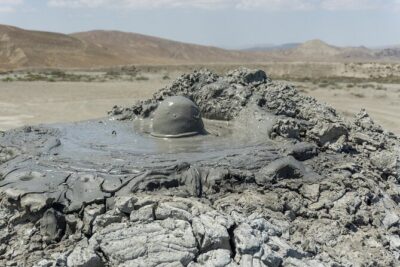
Gobustan & Mud, Fire Temple, Burning Mountain (Group & Private)
Read our review →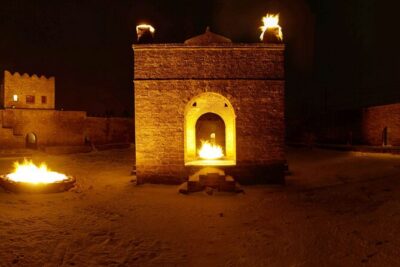
Gobustan-Mud Volcan-Fire Temple and Mountain Tour/Entrance inc
Read our review →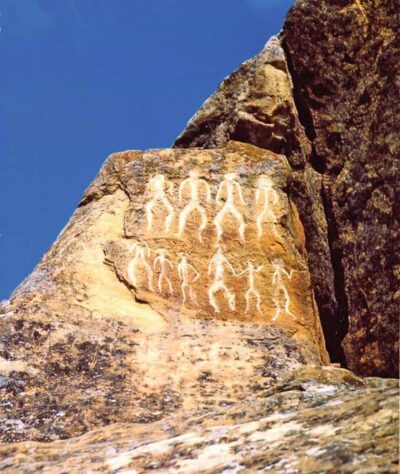
Gobustan Mud Volcanoes Temple & Entry tickets included
Read our review →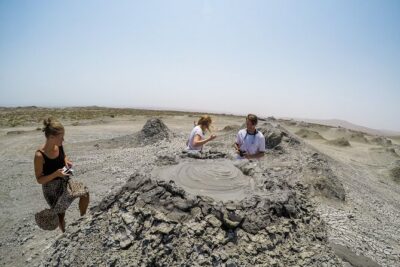
Gobustan, Mud volcanoes, Fire temple, Fire mountain PRIVATE TOUR
Read our review →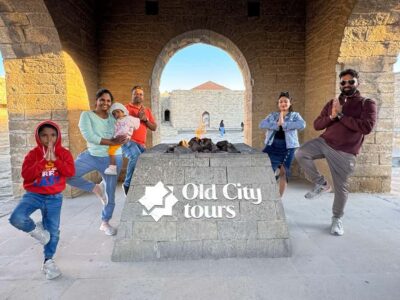
Gobustan & Mud, Fire Temple, Burning Mountain, H.A. Center
Read our review →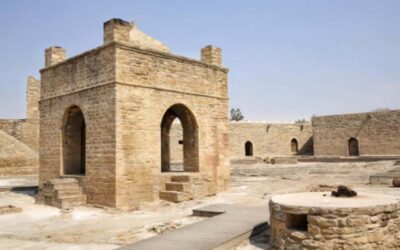
Atashgah Fire Temple & Burning Mountain Half-Day Tour
Read our review →Browse the lists this tour appears in