
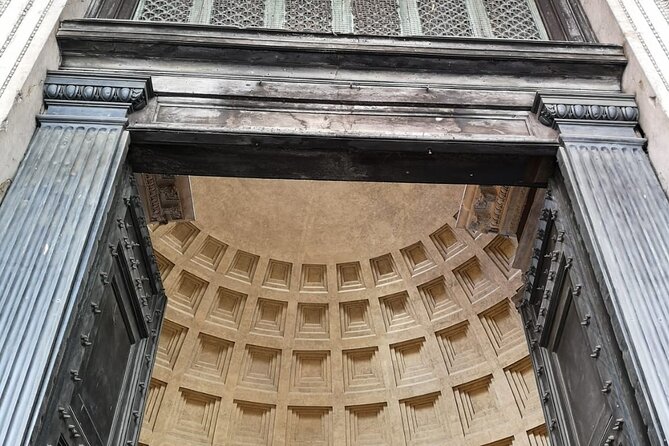
Reviewed · PRIVATE TEMPLE TOURS
Pantheon: The Iconic Ancient Roman Temple – Semi-Private Tour
The Pantheon is one of Rome’s rare monuments where the ancient world still feels close. On this short tour, archaeologist Olga Di Cagno explains its architecture, symbols, and changing meaning, using visual material to help you see details you might miss alone.
I like the small-group format, which allows room for questions, and Olga’s use of iPad images and archaeological drawings. The main consideration is time: 50 minutes to an hour gives you a focused introduction, not a long, leisurely study of every corner.
Key points to know
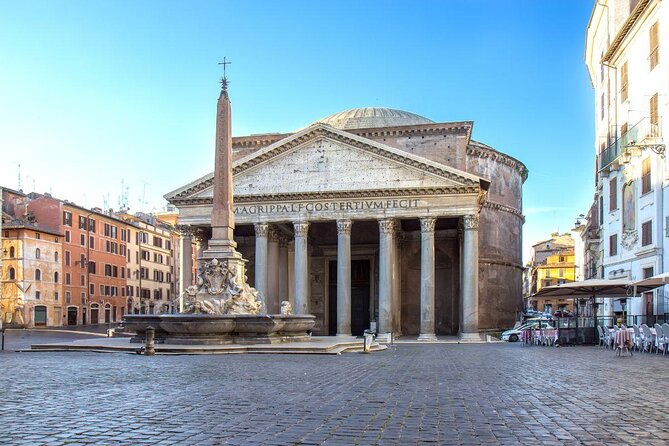
- Meet in Piazza della Rotonda: The guide meets you outside at the Pantheon’s main square, and the tour returns there.
- Led by Olga Di Cagno: Olga is an archaeologist with a strong focus on Roman architecture, history, and the Pantheon.
- Short but packed with context: Expect 50 minutes to one hour inside and around one of Rome’s most important monuments.
- English-language tour: The experience is offered in English and includes a mobile ticket.
- Small-group setting: The advertised group size is limited, though the booking details give both 10 and 15 as maximum figures.
- Dress matters: You need to cover your shoulders, and service animals are allowed.
Why the Pantheon deserves a guided visit
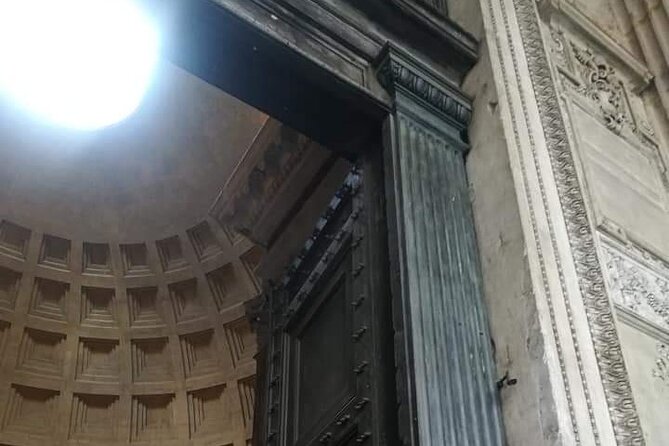
You can walk into the Pantheon and admire its scale without help. The columns, vast interior, and sense of age do plenty of work on their own. But a bare look at the building leaves out the questions that make it memorable: What did its symbols mean? How did Roman builders create such a powerful space? How did the building’s role change over time?
That is where this tour earns its keep. Olga Di Cagno is an archaeologist, and her approach goes beyond naming dates or pointing at famous features. She explains Roman construction, architectural traditions, and the way the Pantheon has been understood across different periods.
I especially like that Olga uses an iPad with drawings and other images. A large ancient building can be hard to understand from the floor, especially when you are trying to picture earlier forms or construction methods. Visual material gives you something concrete to compare with what is in front of you.
The visit also looks at the Pantheon as more than a frozen Roman relic. The building carries layers of meaning, including its later Christian use. Olga’s explanations connect the ancient temple with the changes that allowed the monument to remain part of Rome’s living story.
More Private Temple Tours in Italy
- Agrigento; Valley of the Temples, Scala dei Turchi from Palermo, Private Tour
★ 5.0 · 68 reviews - Agrigento: Valley of the Temples Private Tour
★ 4.6 · 66 reviews - Paestum: Private Tour of Greek Temples and Archaeological Museum
★ 5.0 · 60 reviews
Meeting at Piazza della Rotonda
The meeting point is Piazza della Rotonda, the square directly associated with the Pantheon. This is a practical start because you do not need to search for a distant office or navigate a complicated transfer. You meet the guide in the square, then finish back at the same location.
Give yourself time to find the exact meeting spot. Piazza della Rotonda can be crowded, and the Pantheon is one of central Rome’s busiest landmarks. A few extra minutes will help you arrive calm rather than rushing through the square looking for Olga.
The meeting point is also useful for planning the rest of your day. After the tour, you are already in central Rome and can continue on foot to other sights, cafés, churches, and piazzas. The activity itself does not include transportation, so its convenience comes from its central location.
The tour is offered in English. That matters here because the subject involves architectural terms and historical interpretation, not just a quick introduction. If you want to ask questions, confirm that you are comfortable following a detailed explanation in English before booking.
What Olga brings to the Pantheon
The guide is the heart of this experience. Olga’s background in archaeology gives the tour a more focused angle than a basic sightseeing talk. She explains the structure and its meaning with the enthusiasm of someone who has spent serious time studying Roman buildings.
Her style appears to work well for mixed-age groups. The tour is suitable for adults and children, and Olga adjusts her explanations so they can engage different ages. Families should still remember that the content is concentrated. Younger children who need constant movement may find an hour inside one monument demanding, while curious children with an interest in buildings or ancient Rome should have plenty to follow.
Olga also welcomes questions. That is a real benefit in a small group. You are not simply listening from the back of a large crowd, hoping to catch every word. The limited size gives the visit a more personal feel and makes it easier to ask about a symbol, a building technique, or the Pantheon’s later religious role.
The booking information gives two different group limits: one part says a maximum of 15 people, while the additional details say 10. Either figure is small compared with a large city tour, but I would confirm the exact limit if the group size is important to you.
Reading the Pantheon’s architecture
The Pantheon is presented as a monument to Roman skill in building on a grand scale. The point of the tour is not simply that the building is old. It is that its design expresses power, ambition, and technical confidence.
Olga explains the architectural traditions behind the monument and helps you look at the building as an engineered space. Her archaeological drawings and iPad visuals can make a difference here. You may understand a structure more easily when you see a reconstruction or diagram beside the real walls and interior.
The tour also explores ancient Roman symbols. These details can be easy to overlook when you are focused on taking photographs or managing the crowds. A guide gives you a way to connect what you see with the ideas the builders wanted the monument to express.
I appreciate this kind of explanation because it changes the visit from look around and leave into a more active reading of the building. You begin to ask why the space feels so imposing, how the parts relate to one another, and what the monument was meant to communicate.
The drawback is the short schedule. An hour is enough for a strong overview, but it is not enough for a slow study of every feature. If you already have a serious interest in Roman engineering, archaeology, or church history, you may wish the tour lasted longer. For most first-time visitors, the compact format is easier to fit into a busy Rome itinerary.
A different set of gates, same trip:
- Agrigento: Valley of the Temples Skip-the-Line Sunset Tour
★ 4.5 · 1,512 reviews - Pantheon Elite Guided Tour – Rome’s Iconic Ancient Temple
★ 5.0 · 1,447 reviews - Palermo: Agrigento and the Valley of the Temples Day Tour
★ 4.2 · 1,240 reviews - Rome’s Iconic Temple: Pantheon Audio Guided Tour with Fast Access
★ 4.0 · 1,188 reviews
From ancient temple to living monument
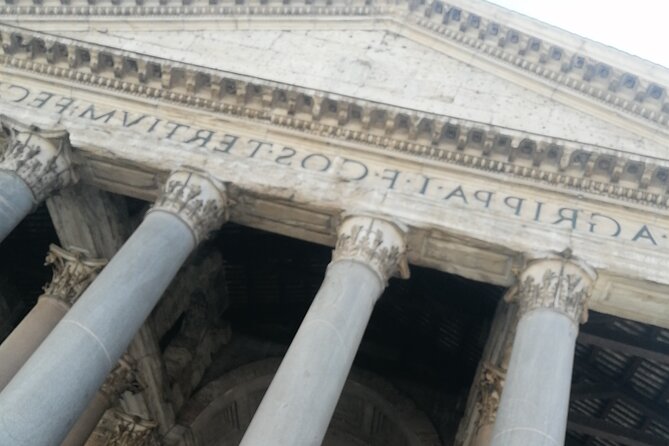
One of the most useful parts of the tour is the attention to the Pantheon’s changing meaning. Olga explains the relationship between its ancient Roman identity and its later Christian role, helping you see how the building has been interpreted across the centuries.
That layered reading gives the Pantheon more depth. You are not only looking at an ancient monument preserved in place. You are looking at a building that continued to matter after the Roman period and became part of the city’s later religious and cultural life.
The tour also asks you to change your perspective. Instead of treating the Pantheon as a single historical moment, you see it as a structure with several lives. That is a useful idea for Rome, where ancient buildings were reused, reinterpreted, and folded into later periods.
Olga’s enthusiasm is important here. Her passion for the monument is frequently evident in the way she explains its architecture and history. That energy helps keep a compact tour from becoming a list of facts.
How much time the one-hour format gives you
The stated duration is approximately 50 minutes to one hour. That makes this a good choice for a first look at the Pantheon or for a day when you are fitting several sights together.
The schedule is short enough to suit many families and visitors with limited time. You can learn the building’s main story without committing half a day. It also leaves space for you to return to the Pantheon afterward and look around on your own, although the tour itself ends back at the meeting point.
The tradeoff is depth. A 50-minute visit moves at a steady pace. You should expect a guided overview with selected details rather than a full academic lecture or an extended exterior-and-interior study.
The Pantheon can also be crowded. The tour takes place in a public monument surrounded by other people, so you may not have a quiet, private view at every moment. A small group helps, but it cannot remove the city around you.
Price and what you receive for $66.54
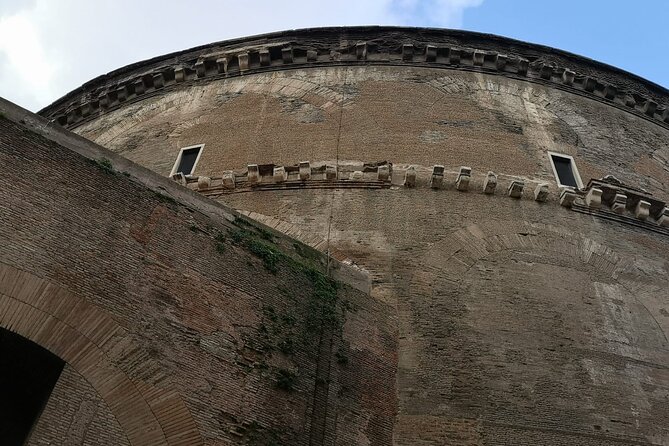
At $66.54 per person, this is not the cheapest way to enter the Pantheon. The admission ticket is listed as free, so the price is mainly for Olga’s guidance, interpretation, and the small-group format rather than for the entrance itself.
That can still be good value if you want context. The Pantheon is easy to visit independently, but it is also easy to leave with only a general impression of a large, old building. A trained archaeologist can help you understand the construction, symbols, and changes in meaning that are not obvious at a glance.
The price makes less sense if you only want a quick look and a few photographs. You may be perfectly happy to enter on your own, especially if you have already studied the Pantheon or plan to use your own guidebook.
For a first visit, I would view the cost as payment for interpretation rather than admission. The strongest value comes from Olga’s subject knowledge, visual aids, and willingness to answer questions. The tour’s high rating, 4.9 from 173 ratings, and 98 percent recommendation rate suggest a consistently strong experience, but your value calculation should still depend on how much explanation you want.
Practical details before you book
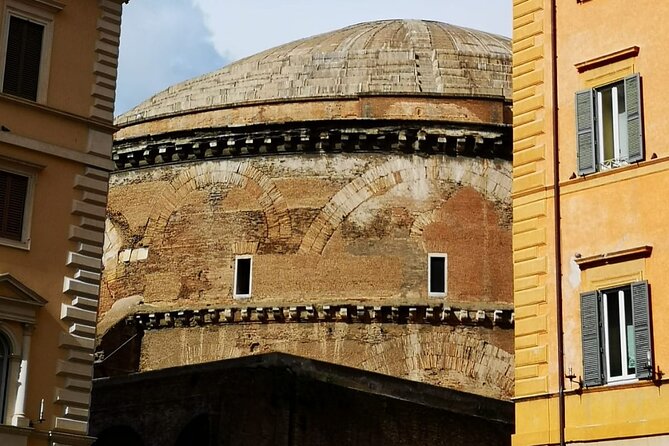
Confirmation is normally sent at booking. If you book within one day of the start time, confirmation is sent as soon as possible and depends on availability. Since the experience is often booked about 53 days ahead, planning early is sensible if your Rome dates are fixed.
The tour is available as a mobile ticket, which is useful when you are moving around Rome with only your phone. It is also near public transportation, though no specific route or transfer is included.
You must cover your shoulders. This is an important clothing tip for anyone building a Rome sightseeing day around the Pantheon and other religious sites. A light layer in your day bag solves the problem and saves you from an awkward change of plans.
Most people can take part, and service animals are allowed. The activity returns to the starting point, so you are not left at a different part of the city.
Free cancellation is available up to 24 hours before the start time for a full refund. Changes or cancellations made less than 24 hours before the start time are not accepted for a refund. The activity also requires a minimum number of participants, so if the operator cancels because that minimum is not met, you are offered another date or experience, or a full refund.
Who will enjoy this Pantheon tour most
I would choose this experience if you want a short, focused lesson from a specialist rather than a broad walking tour of Rome. It suits first-time visitors who want the Pantheon to make sense, not just look impressive.
It is also a good fit for:
- Families with children who enjoy history, architecture, or visual learning
- Adults who want to ask questions in a small group
- Visitors interested in Roman construction and archaeology
- People who prefer an English-language explanation
- Anyone with less than an hour to spare
- Visitors who want to understand the Pantheon’s ancient and Christian layers
I would think twice if you prefer to explore silently at your own pace or if the $66.54 cost feels high when admission is listed as free. The short duration may also disappoint anyone hoping for a slow, exhaustive examination of the monument.
Should you book it?
Book this tour if you want the Pantheon explained by an archaeologist who can connect its architecture, symbols, construction, and later religious meaning. Olga Di Cagno appears to be the main reason this experience works so well, and her iPad visuals add something useful rather than simply filling time.
Skip it if you only want to step inside, take photographs, and move on. The Pantheon is accessible without a guide, but you will get far more from this visit if you enjoy history, ask questions, and want to understand why the building matters.
For most first-time visitors with room in the budget, I think the small-group setting and specialist guide justify the price. Just allow extra time to find Olga in Piazza della Rotonda, cover your shoulders, and remember that this is a sharp one-hour introduction rather than a full morning study.
FAQ
Where does the Pantheon tour begin?
The tour begins at Piazza della Rotonda in Rome, at the Pantheon.
Where does the tour end?
The activity ends back at the meeting point in Piazza della Rotonda.
How long does the tour last?
The tour lasts approximately 50 minutes to one hour.
Is the tour offered in English?
Yes. The experience is offered in English.
What is the maximum group size?
The booking information lists a maximum of 10 in the additional details and up to 15 in the tour summary. Confirm the exact group limit when booking if this matters to you.
Can I cancel for a full refund?
Yes. You can cancel at least 24 hours before the start time for a full refund. Cancellations or changes made less than 24 hours before the start time are not refunded.
Newly written up around Italy
- Sunset visit Valley of the Temples Agrigento★ 4.5 · 93 reviews
- Agrigento: Valley of the Temples Private Tour★ 4.6 · 66 reviews
- Paestum: Private Tour of Greek Temples and Archaeological Museum★ 5.0 · 60 reviews
- Agrigento; Valley of the Temples, Scala dei Turchi from Palermo, Private Tour★ 5.0 · 68 reviews
- Agrigento Valley of the Temples and Villa Romana del Casale Tour from Palermo★ 4.5 · 134 reviews
- Valley of the Temples and Villa Romana del Casale Day Trip from Taormina★ 4.0 · 137 reviews
- Catania: Valley of the Temples & Piazza Armerina with Snack★ 4.5 · 136 reviews
- Agrigento and Valley of the Temples Day Trip from Palermo★ 4.0 · 140 reviews
Private Temple Tours, compared.

Waterfalls, Water Temple & Rice Terraces Private Tour
Read our review →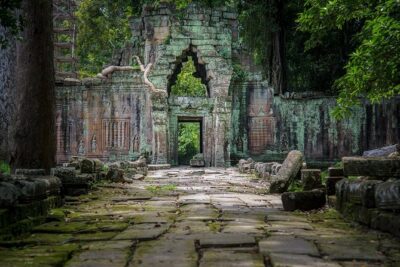
Full-Day Angkor Wat Sunrise Private Tour with Guide from Siem Reap
Read our review →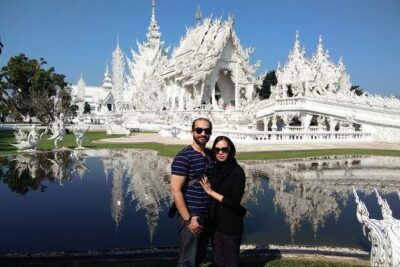
Chiang Rai Temples: Private Tour from Chiang Mai
Read our review →
Private Tour: Teotihuacan and Guadalupe Shrine
Read our review →
Grand Palace, Wat Pho, and Wat Arun Private Tour
Read our review →
Ephesus and Temple of Artemis Private Tour from Kusadasi Port
Read our review →
Browse the lists this tour appears in