
Reviewed · MUSEUMS
Chengdu: Wuhou Shrine Museum From Three Kingdoms Era
Chengdu’s Wuhou Shrine Museum takes you into the world of the Three Kingdoms era, where Shu Han ruler Liu Bei and his famous chancellor, Zhuge Liang, remain central figures. The site combines historic buildings, statues, relics, exhibitions, and peaceful grounds, so it feels like more than a standard museum visit.
I like the chance to connect famous figures from Chinese history with the ancient red-walled architecture surrounding them. I also like the freedom of a one-day admission ticket, which lets you study the exhibits at your own pace. The main catch is the booking process: your passport name and passport number must be supplied on time, and the GetYourGuide QR code is not valid for entry by itself.
Key points at a glance
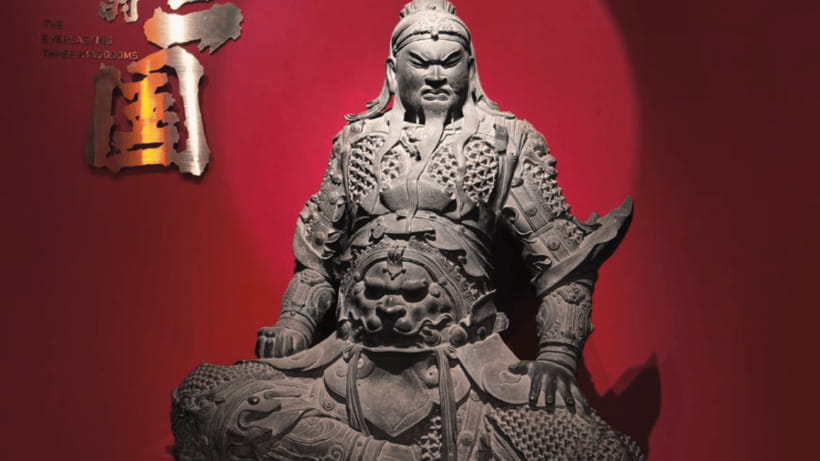
- See a site devoted to Zhuge Liang and Liu Bei: The museum focuses on two major figures of the Shu Han Dynasty.
- Explore Three Kingdoms exhibitions: Admission includes access to displays and historical relics connected with the era.
- Photograph red walls and leafy grounds: The setting gives you plenty to look at beyond the indoor exhibits.
- Use the one-day ticket at your own pace: Starting times depend on availability, so check before booking.
- Plan carefully with your passport: Your full passport name and passport number are required to complete the reservation.
- Pay about $17 per person: The price covers admission and free guided services, but not food, souvenirs, or special exhibitions.
Why Wuhou Shrine matters in Chengdu
The Wuhou Shrine Museum is tied to the Shu Han Dynasty and the wider Three Kingdoms period, one of the best-known chapters in Chinese history. Its focus on Zhuge Liang and Liu Bei gives your visit a clear theme instead of leaving you to sort through unrelated objects.
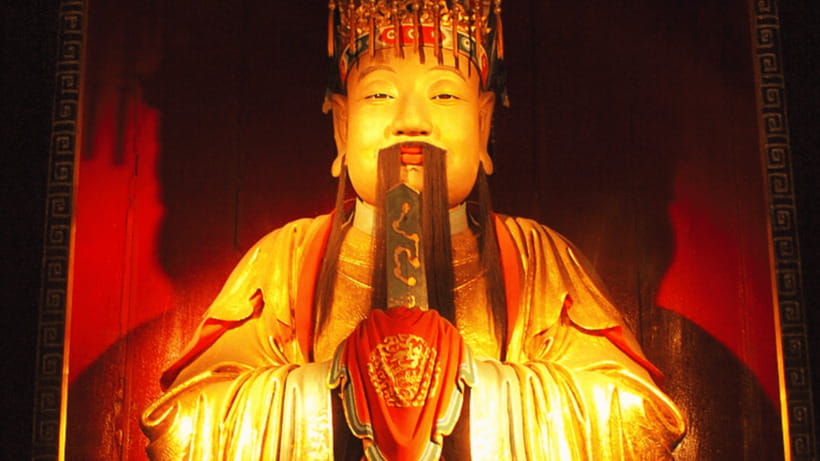
Liu Bei was the Shu Han emperor, while Zhuge Liang served as his chancellor. The museum commemorates both men and uses artifacts, statues, historical displays, and old structures to explain their place in Shu Han culture.
You do not need to arrive as a Three Kingdoms expert. The attraction is designed to give you a direct look at the people, objects, and cultural ideas connected with the period. Still, you will get more from the visit if you know the basic names before you arrive.
The museum also helps explain why the Shu Han Dynasty still matters in Chinese culture. Its importance is not limited to a few political events. The displays connect the dynasty with architecture, art, storytelling, and the long memory of ancient Chinese civilization.
More Museum Visits in China:
- Beijing: Lama Temple, Confucius Temple and Guozijian Museum
★ 5.0 · 23 reviews - Montserrat Museum and Monastery Entry Ticket
★ 4.5 · 1,740 reviews - Lisbon: Belem, Jeronimos Monastery, and Coach Museum Tour
★ 4.8 · 478 reviews
Entering the red-walled museum grounds
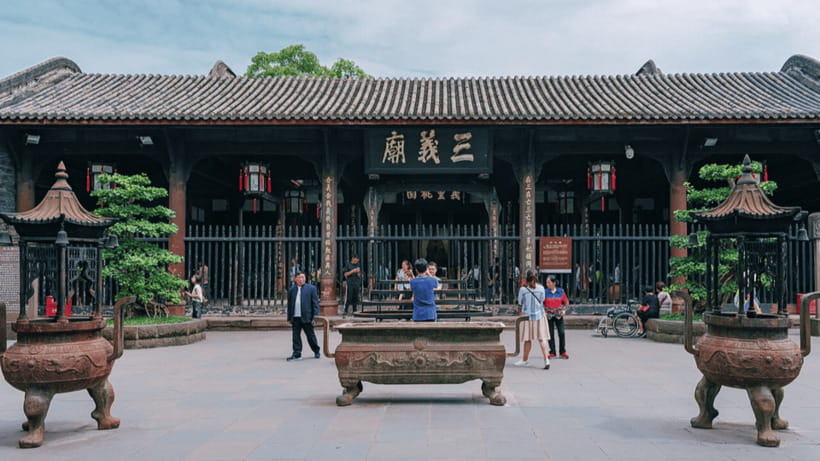
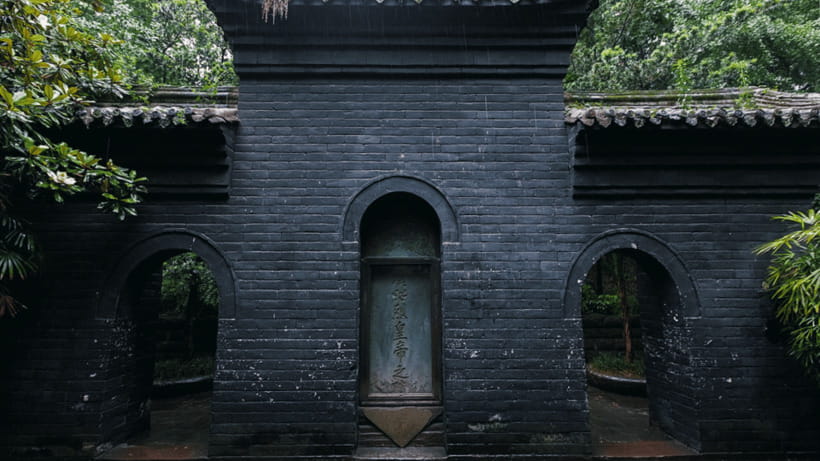
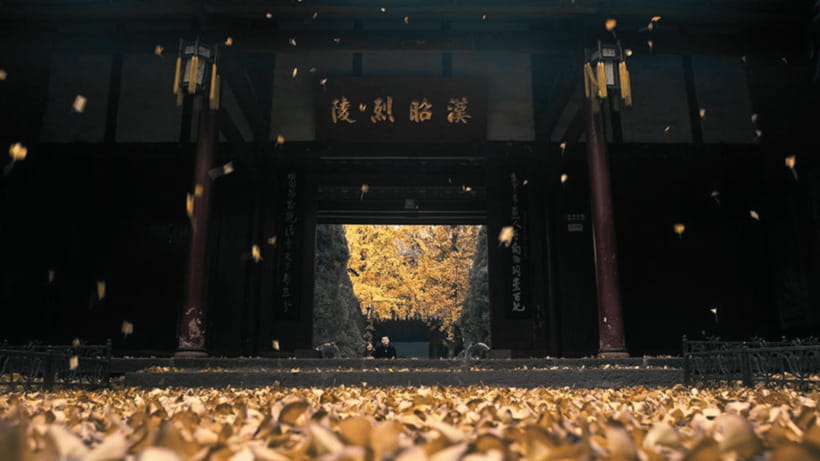
The red walls are one of the clearest visual features of the visit. They frame the historic buildings and create strong photo subjects, especially when paired with the leafy grounds and traditional architectural details.
I would give yourself time to enjoy the setting before rushing toward the exhibits. The scenery gives the museum a calmer feel than a modern indoor gallery, and the old walls help you sense the age of the place even before you begin reading about the Three Kingdoms.
Photography is one of the easy pleasures here. Bring your camera, as recommended, and look for views that combine the red walls, ancient structures, and planted areas. The experience is not only about collecting facts. The physical setting helps make those facts easier to remember.
The grounds are also useful if one person in your group is more interested in photographs or architecture than military and political history. You can spend extra time with the buildings while another person studies the exhibits.
Following the Three Kingdoms exhibitions
Admission includes the Three Kingdoms exhibitions, where you can examine materials connected with the era. These displays are the most important part of the visit if you want context rather than only attractive buildings.
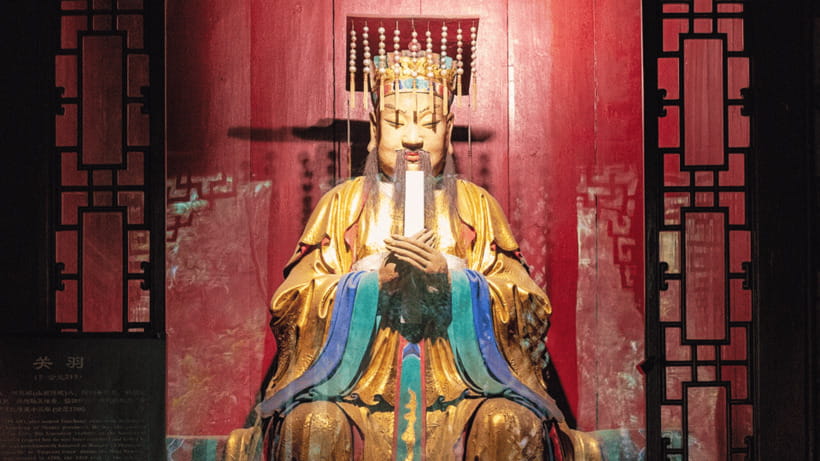
Expect the exhibitions to focus on the Shu Han Dynasty and its cultural impact. Historical relics and related objects help show how the period is remembered and interpreted today. Statues and written displays add faces and names to the story.
The museum is especially useful for putting Zhuge Liang into context. He is often remembered as a brilliant chancellor, but the museum’s focus places him within the larger story of Shu Han and Liu Bei’s rule. That gives you a better sense of why both figures are honored at the same site.
Some visitors will want to read every display carefully. Others will prefer a broad look at the artifacts and architecture. The one-day validity gives you flexibility, but the booking information does not promise a specific visit length. Check the available starting time and plan your day around the amount of attention you want to give the exhibitions.
Seeing Liu Bei and Zhuge Liang in the same place
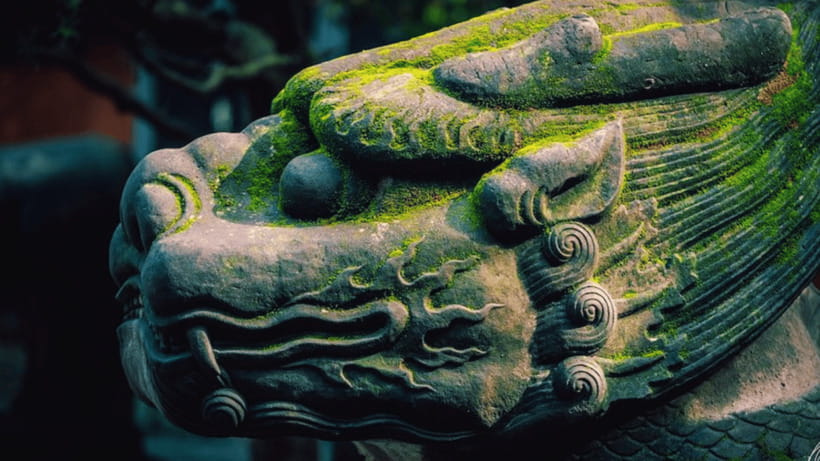
The museum’s dedication to both Liu Bei and Zhuge Liang is a major reason to choose it over a general history museum. You are not simply looking at old objects. You are visiting a place built around the relationship between a ruler and his chancellor, and around the wider memory of the Shu Han state.
That focus makes the experience appealing if you already enjoy Three Kingdoms stories, historical novels, Chinese political history, or traditional architecture. It also gives first-time visitors a simple way into a large subject.
I recommend paying attention to how the museum links personal figures with a wider dynasty. Liu Bei and Zhuge Liang are the names that draw you in, but the displays also point toward ancient Chinese civilization and the cultural life of Shu Han.
The site is not described as a performance or interactive attraction. You should expect a cultural visit centered on exhibits, relics, statues, buildings, and grounds. That is a strength for anyone who prefers a quiet, self-paced stop, but it may feel less entertaining if you want shows or hands-on activities.
Other temple visits near China we have written up
- Mini Group Xian Day Tour to Terracotta Army, City Wall, Pagoda and Muslim Bazaar
★ 5.0 · 1,320 reviews - Beijing: The Temple of Heaven or Summer Palace Entry Ticket
★ 4.6 · 1,286 reviews - Beijing Classic Full-Day Tour including the Forbidden City, Tiananmen Square, Summer Palace and Temple of Heaven
★ 4.0 · 610 reviews - Temple of Heaven Ticket
★ 5.0 · 482 reviews
What the free guided service adds
Free guided services are included, which can help you make sense of the exhibits and the people they honor. The available information does not provide guide names, a fixed route, a language list, or a guaranteed start time for the guided service, so you should not book this expecting a named private guide.
Instead, think of the guiding as useful support during a museum visit. If you are unfamiliar with the Three Kingdoms period, an explanation of the relics and architecture may help you connect the displays to Shu Han history.
The exact format matters. Since the ticket is valid for one day and the activity information lists starting times based on availability, check the details before you go. If a guided service is important to you, confirm how it operates when arranging the booking.
You can still enjoy the attraction without treating the guiding as the whole experience. The old architecture, red walls, exhibitions, and grounds give you plenty to see at your own speed.
Is the $17 ticket good value?
At about $17 per person, the ticket is reasonably priced for a major cultural attraction built around one of China’s best-known historical periods. Your admission covers the Three Kingdoms exhibitions, historical relics, ancient architecture, and free guided services.
The value is strongest if you have a real interest in Chinese history or want a cultural stop in Chengdu that is more focused than a broad city museum. You are paying for access to a historic setting as well as indoor displays, so the experience offers variety.
The price does not cover food or souvenirs. Special exhibitions may also require an extra fee. Those costs are easy to manage if you treat the included admission as the main visit and decide on optional additions only after you arrive.
Seniors over 60 and children under 1.3 meters can enter free without reservation. If that applies to someone in your group, compare the free entry rule with the paid booking before purchasing a ticket for that person. Advance booking is still recommended on weekends and holidays.
The booking detail you must not overlook
This experience has an unusual but important passport requirement. You must send your full name exactly as it appears on your passport, along with your passport number, to complete the booking.
The name and number are not a minor formality. If they are not received in time, the booking can be canceled and a cancellation fee may apply. Give yourself enough time to provide the information correctly.
Do not rely on the GetYourGuide QR code as your entry ticket. The booking instructions specifically say that the QR code is not valid, so communicate with the provider or wait for the email containing the proper information.
Bring your passport with you on the day of the visit. It is listed among the required items, and keeping it available is the sensible choice when the reservation is tied to passport details.
Planning your visit around comfort and crowds
Comfortable shoes are recommended. The museum includes historic buildings, exhibition areas, red-walled paths, and outdoor grounds, so you will likely spend time walking rather than sitting in one gallery.
The ticket is valid for one day, but the information does not specify a fixed duration or a single required route. That works well for a flexible Chengdu itinerary. You can check available starting times, visit the museum as your main stop, and avoid forcing the experience into a short window.
Weekends and holidays deserve extra planning. Advance booking is recommended during those periods, even though seniors over 60 and children under 1.3 meters can enter free without reservation.
Pets are not allowed. Food and souvenirs are not included, so plan to handle those separately. Special exhibitions also fall outside the standard admission if an additional charge applies.
Who will enjoy Wuhou Shrine Museum most?
This is a strong choice for anyone interested in the Three Kingdoms era, the Shu Han Dynasty, Zhuge Liang, Liu Bei, or traditional Chinese architecture. It also suits photographers who want red walls, old buildings, and leafy outdoor views.
Families can use the site as a simple introduction to Chinese history, though younger children may need help with the names and political background. The free entry rule for children under 1.3 meters may also make the cost easier for families to manage.
History students and scholars may value the concentration of relics and displays connected with Shu Han. General sightseers can enjoy the architecture and grounds without studying every panel.
I would be less likely to recommend it to someone who wants a tightly scheduled guided tour with a published itinerary, a named guide, or a performance. Those details are not provided here. This visit is better for a self-paced cultural stop with optional free guiding.
Should you book this Chengdu museum visit?
Book it if you want a focused look at Zhuge Liang, Liu Bei, and Shu Han culture in a setting that combines relics, exhibitions, ancient buildings, red walls, and outdoor beauty. At roughly $17, the admission offers solid value for a full-day ticket, especially if you enjoy history and prefer to set your own pace.
Skip it if your main goal is food, shopping, or an activity with lots of entertainment and interaction. Also take the passport rules seriously. Send the correct name and number in time, wait for the valid entry information, and bring your passport.
Free cancellation is available up to 24 hours in advance for a full refund, and you can reserve now and pay later. Those flexible terms help, but they do not remove the need to complete the passport details promptly.
FAQ
How much does admission to Wuhou Shrine Museum cost?
The listed price is $17 per person. Admission includes the Three Kingdoms exhibitions, historical relics, ancient architecture, and free guided services.
How long is the experience?
The ticket is valid for one day. A fixed visit duration is not provided, so check the available starting times and decide how much time you want to spend with the exhibitions and grounds.
What does the ticket include?
It includes admission to the Three Kingdoms exhibitions, viewing of historical relics and ancient architecture, and free guided services.
Are food and souvenirs included?
No. Food and souvenirs are not included in the ticket price.
Are special exhibitions included?
Not necessarily. Additional fees may apply for special exhibitions.
Do I need to bring my passport?
Yes. You should bring your passport, and you must provide your full passport name and passport number to complete the booking.
Is the GetYourGuide QR code valid for entry?
No. The booking information says the GetYourGuide QR code is not valid. Contact the provider or wait for the email with the correct entry information.
Can seniors and children enter free?
Seniors over 60 and children under 1.3 meters can enter free without a reservation. Advance booking is recommended on weekends and holidays.
Can I cancel the booking?
You can cancel up to 24 hours in advance for a full refund. You can also reserve now and pay later, keeping your plans flexible.
Newly written up around China
- Private Day to T-Square, Forbidden city, Temple of heaven, Summer palace Tour★ 5.0 · 54 reviews
- Private Day Trip of Forbidden City, Temple of Heaven and Summer Palace★ 4.5 · 3 reviews
- Private Tour to Lama Temple, Tian’anmen Square and Forbidden City★ 5.0 · 3 reviews
- Private Half-Day Temple of Heaven and Lama Temple Tour★ 5.0 · 13 reviews
- Private Day Tour:Tiananmen Square,Forbidden City Temple of Heaven★ 5.0 · 16 reviews
- Private Tour to the Temple of Heaven and Tea tasting at the Maliandao Tea city★ 5.0 · 3 reviews
- Local’s Beijing: Forbidden City Insider Tour +Temple +Duck Feast★ 4.5 · 66 reviews
- Temple of Heaven Ticket with Optional Guide Service★ 5.0 · 120 reviews
Museums, compared.


Belem, Jeronimos Monastery, and Coach Museum Tour
Read our review →
Rila Monastery and Optional Museum, Cave or Spa
Read our review →
Takua Pa: Food Market, Tsunami Museum, Temple, & Old Town
Read our review →
Phnom Penh City Tour, Silver Pagoda, Genocide Museum, Killing Fields
Read our review →
Archeology Museum, Gunung Kawi & Goa Gajah Temple Tour
Read our review →
Golden Temple, Jallianwala Bagh, Partition Museum & Wagha Border – #Travellouge
Read our review →
Paestum: Private Tour of Greek Temples and Archaeological Museum
Read our review →Browse the lists this tour appears in