
Reviewed · ANGKOR WAT TOURS
From Siem Reap: Banteay Srei Temple & Grand 5 Temple Tour
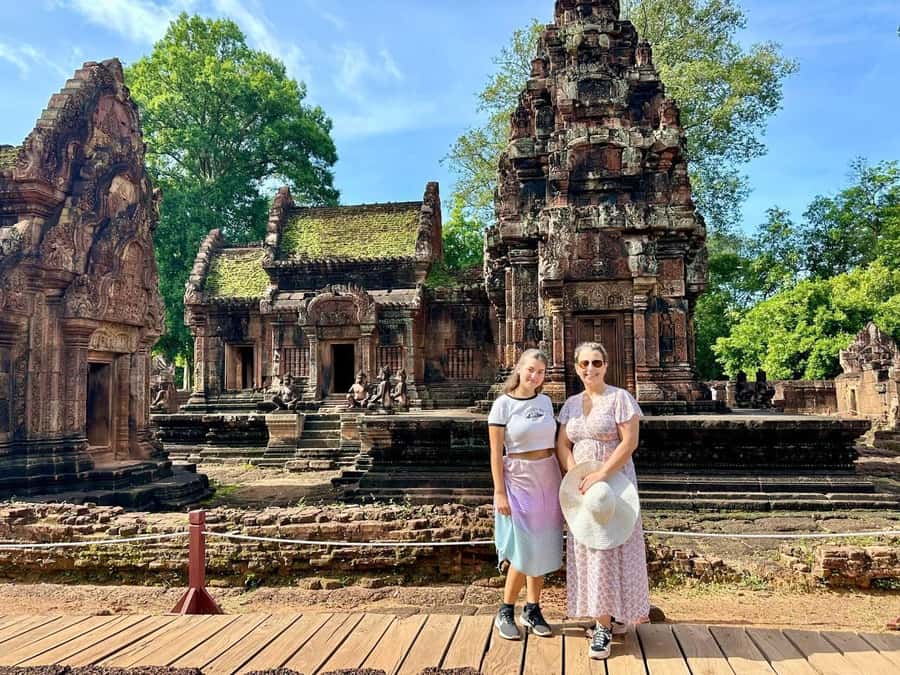
Banteay Srei is the star here: a small temple covered in unusually fine pink-sandstone carvings. But the day earns its $20 price by adding five very different sites, from the mountain-like Pre Rup to the tree-wrapped gate at Ta Som. I especially like the way guides such as Phyrom, Ry, Nara, and Narath connect the carvings to Khmer religion, rather than simply pointing at stones.
I also like the practical touches: hotel pickup, air-conditioned transport, bottled water, and cold towels after temple walks. The main catch is the pace and heat. This is a full day of walking on uneven ground, and the $20 price does not include your Angkor Pass or lunch.
Key points to know before you book
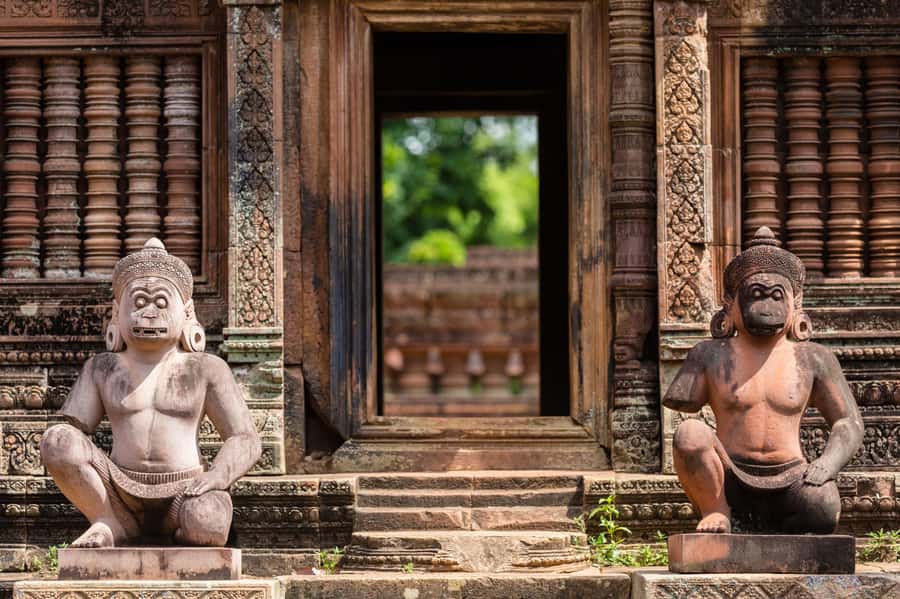
- Banteay Srei brings the finest carving: Its compact scale and delicate pink sandstone make it quite different from the larger Angkor monuments.
- Five Grand Circuit temples fill out the day: You visit Pre Rup, East Mebon, Neak Pean, Ta Som, and Preah Khan, with each offering a different setting and design.
- The guide makes the difference: Guides including Phyrom, Ry, Nara, Narath, Tola, Lok, and Dara Try are praised for clear English, temple knowledge, patience, and help with photos.
- Preah Dak adds a local stop: You get a look at everyday village life outside the temple walls.
- The cost is low, but extras matter: At $20 per person, transport and guiding are good value, but you still pay for the Angkor entrance pass and lunch.
- This suits active adults best: Uneven paths, heat, and a long day make it a poor choice for wheelchair users or anyone with limited walking ability.
Why Banteay Srei deserves the early attention
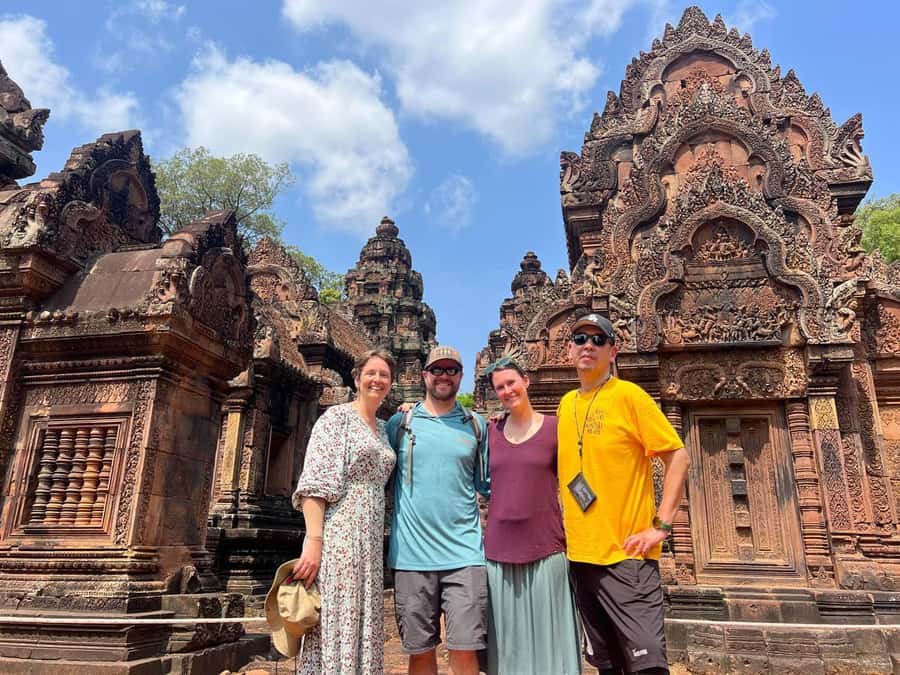
The tour leaves Siem Reap in the morning, with pickup scheduled for about 7:50 AM. You first travel out toward the wider Angkor area, then reach Banteay Srei, often called the Citadel of Women.
This temple is smaller than Angkor Wat, but that is part of its appeal. Its pink sandstone walls carry tightly cut scenes, floral patterns, figures, and religious stories. The detail rewards a slow look. At a huge monument, you may spend your time trying to grasp the scale. At Banteay Srei, you can study the carving itself.
Your guide should explain how the temple relates to Hindu belief and Khmer kingship, as well as why its stonework is so admired. Several guides on this route, including Ry, Lok, Phyrom, and Nara, are praised for explaining the religious symbols and showing how the temples connect to one another.
Banteay Srei is also farther from the central Angkor group than the main temples. That means more road time, but the distance helps create a different mood. You leave the busiest temple circuit behind and see more of the countryside on the way.
Do not expect solitude. Banteay Srei is one of the best-known stops in the area, and its fame brings other groups. Still, the smaller scale makes it easier to focus on the workmanship, especially if your guide points out details you might otherwise walk past.
More Angkor Wat Tours in Siem Reap:
- Angkor Wat Sunrise or Sunset Tour with Guide from Siem Reap
★ 5.0 · 12,109 reviews - Siem Reap: Angkor Wat: Small-Group Sunrise or Sunset Tour
★ 5.0 · 9,444 reviews - Siem Reap: Angkor Wat 2-Day Tour with Sunrise and Sunset
★ 4.9 · 4,429 reviews
Pre Rup gives the day a strong start
Pre Rup is one of the first major temple stops. Its stepped form and brick towers give it a more severe, upward-looking character than Banteay Srei. The name is often linked with turning or transforming a body, and your guide may connect the structure to Khmer funerary beliefs and Hindu ritual practice.
The temple has a strong sense of height. You climb steps and look back across the surrounding area, though the experience is physical rather than effortless. Bring shoes with a firm grip, particularly if the stones are wet.
Pre Rup is a useful introduction to the day because it shows you how Khmer builders used tiers, towers, and central sanctuaries to shape a sacred space. It is not as polished in appearance as Banteay Srei, and that contrast helps you see that Angkor architecture is not one single style.
This is one of the places where a guide adds real value. A quick walk around the towers will give you photographs. A good explanation gives you a way to read the building.
A village stop adds a human scale
The route includes a visit to Preah Dak Village. This is not another monumental ruin. It gives you a chance to observe local life beyond the temple grounds and see how the modern countryside sits alongside the remains of the Khmer Empire.
The stop is brief, so keep your expectations sensible. You are not signing up for a long cultural workshop or a detailed village tour. Instead, it breaks up the stonework and road travel with a look at daily life.
Some guides also share small details about Cambodia, their families, work, and local habits during the drive. That informal conversation can be as useful as a formal lecture, especially if you want to understand more than the dates and names of kings.
One practical point: stay respectful and follow your guide’s lead when taking photographs. The purpose is to observe, not to treat the village as a stage set.
East Mebon recalls a vanished reservoir
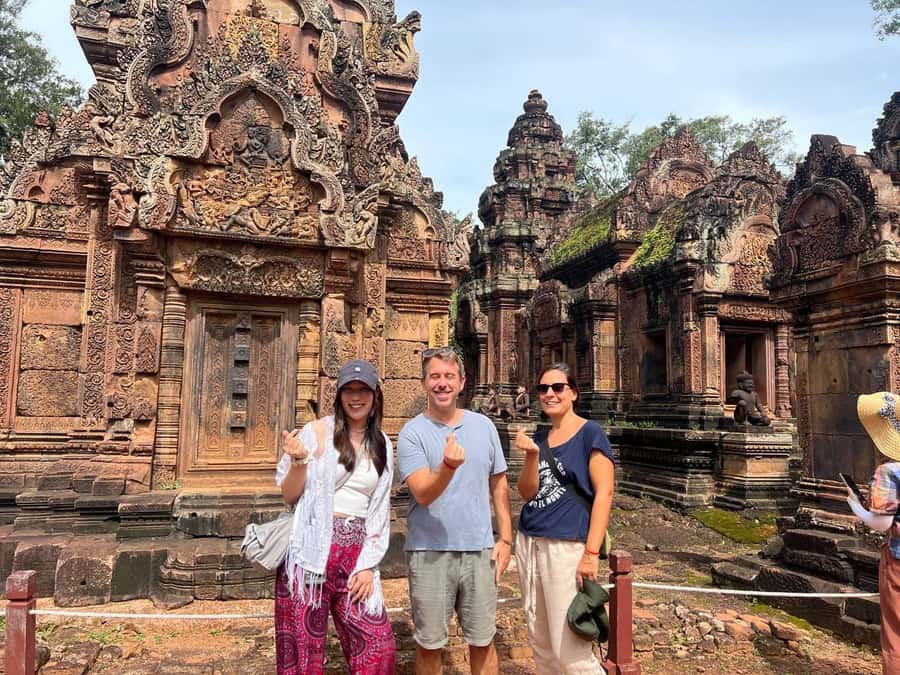
East Mebon once stood on an island in the middle of a huge reservoir. The water is no longer the defining feature it once was, but the temple’s position makes sense once your guide explains the ancient water system.
The site is built in a more compact and fortress-like manner, with brick towers, stone elephants, and carved details. It gives you a useful lesson in how water shaped the Khmer capital. Reservoirs were not just decorative pools. They supported farming, transport, ceremony, and the city’s wider design.
By this point in the day, the heat may be noticeable. East Mebon is one of several outdoor stops, so use the transport breaks to drink water. The supplied bottles and cold towels are simple but welcome, especially after walking over hot stone.
I would not treat each temple as an isolated attraction. Ask your guide how East Mebon fits into the wider system. Guides such as Phyrom and Tola are praised for explaining those links, which makes the Grand Circuit feel less like a string of disconnected ruins.
Other temple visits near Siem Reap we have written up
- Siem Reap: Full-Day Angkor Wat Guided Tour with Sunset
★ 4.9 · 3,803 reviews - Angkor Wat Sunrise tour with Small – Group and Guide tours
★ 5.0 · 3,655 reviews - Angkor Wat Highlights and Sunrise Guided Tour from Siem Reap
★ 5.0 · 3,213 reviews - Angkor Wat Sunset Small Group Tour with Lunch Included
★ 5.0 · 3,059 reviews
Neak Pean is small, strange, and memorable
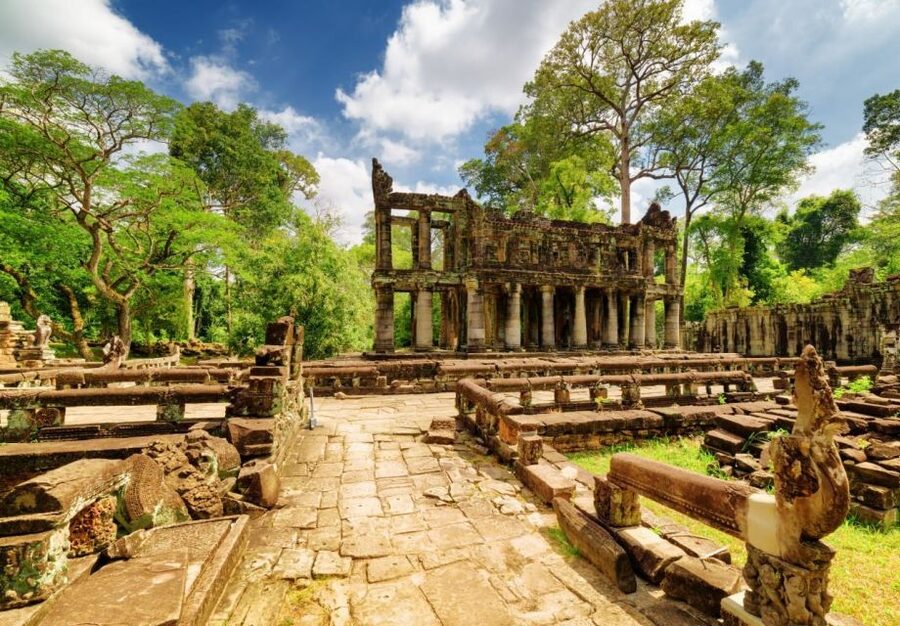
Neak Pean is one of the more unusual stops. It sits on an island in Jayatataka Baray, reached by a walkway across the water. The temple is associated with a mythical Himalayan lake and healing waters, giving the site a different spiritual character from the larger temple mountains.
The approach matters here. You see the structure from a distance before reaching the central area, and the water changes the feel of the visit. Instead of climbing through a dense complex, you follow a more open route toward a small sanctuary.
Neak Pean is not a place to spend hours wandering through rooms. Its value lies in the setting, symbolism, and story. Your guide can explain the connection between the four surrounding pools, healing traditions, and Buddhist ideas.
The walkway may feel exposed in strong sun, and the site offers less shade than you might want. A hat, sunscreen, and water are not optional extras on this route. They are part of the basic kit.
Ta Som pairs ruins with living trees
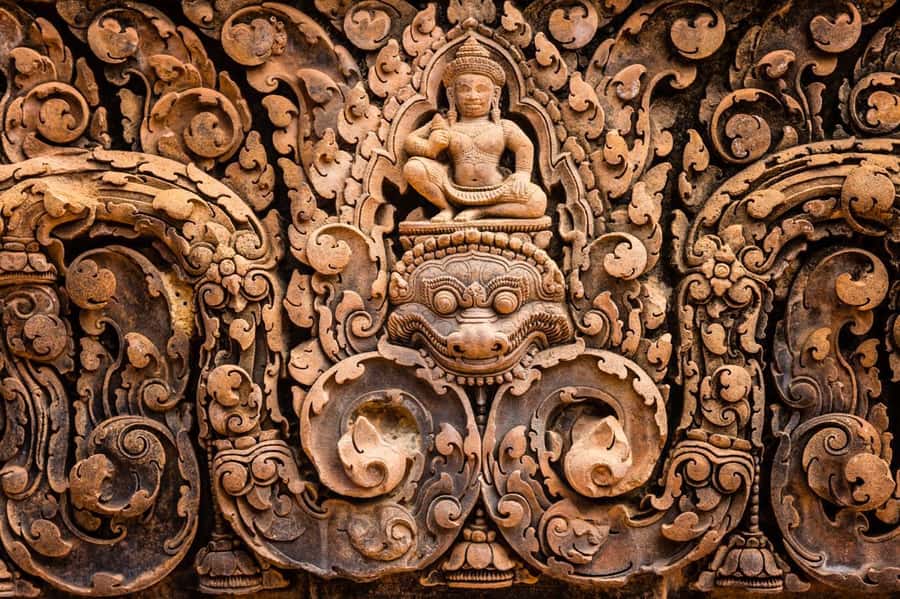
Ta Som is smaller than Preah Khan, but it has one of the day’s most memorable images: a stone gate partly embraced by large tree roots. The vegetation has become part of the way many people picture the temple, though it is worth looking beyond the famous doorway.
The quiet scale makes Ta Som a pleasant contrast to the grander sites. You can look closely at the carvings, walk through the remaining structures, and see how nature has altered the ruins over time.
This is also a good place for photographs. Guides such as Chenda and Dara Try are praised for knowing useful picture spots and helping visitors get group photos without turning the whole day into a photo session. If you want pictures, ask early and be clear about how much time you would like.
The tree roots are attractive, but they also show the pressure that vegetation can place on old stone. Your guide can help you separate romantic temple imagery from the practical work of preserving the site.
Preah Khan closes the circuit on a large scale
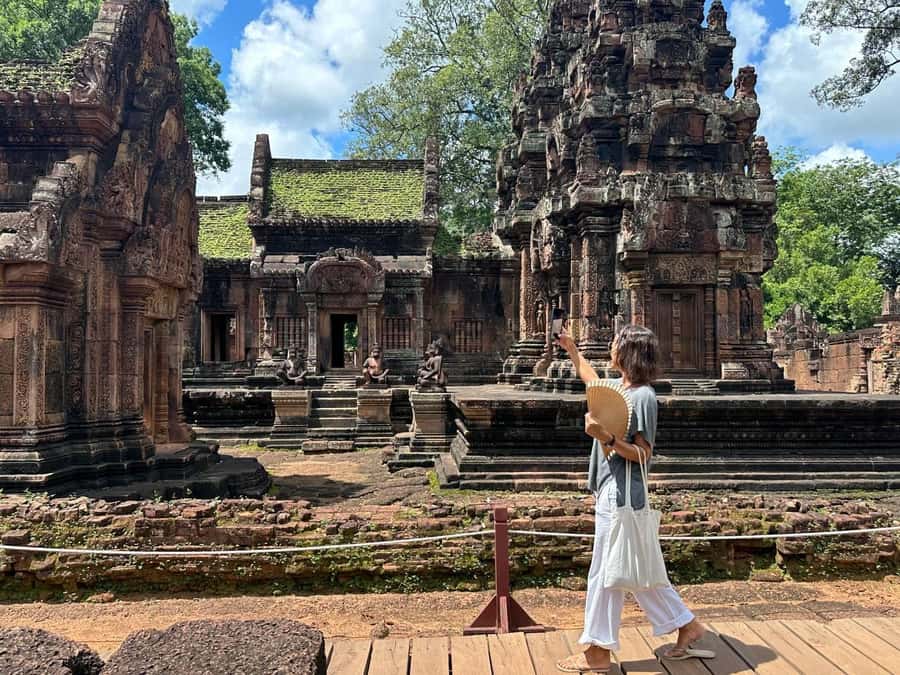
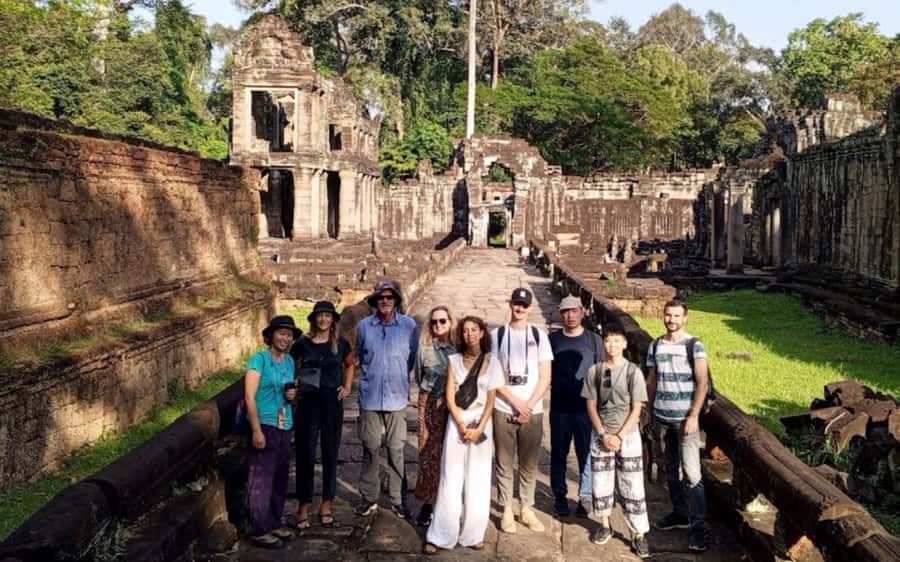
Preah Khan is the final major temple on the route and one of the largest. It was a monastic complex with long galleries, carved walls, courtyards, and multiple layers of religious meaning. The layout can feel confusing at first, so this is another stop where an organized explanation helps.
You may see Hindu and Buddhist elements together here. Guides often explain how religious practice changed over time and how later additions altered earlier spaces. That makes Preah Khan a fitting end to a day focused on Hindu rituals, Buddhist traditions, and Khmer beliefs.
The complex rewards walking, but it also asks a lot from your legs. By the afternoon, you have already crossed several temple grounds. Take your time rather than trying to inspect every corner. A good guide should keep the group moving without rushing the important sections.
Preah Khan also gives you a final chance to compare the temples. Banteay Srei is compact and finely carved. Pre Rup is vertical and imposing. Neak Pean depends on water and symbolism. Ta Som is remembered for trees and atmosphere. Preah Khan gives you scale and complexity.
What the $20 price really covers
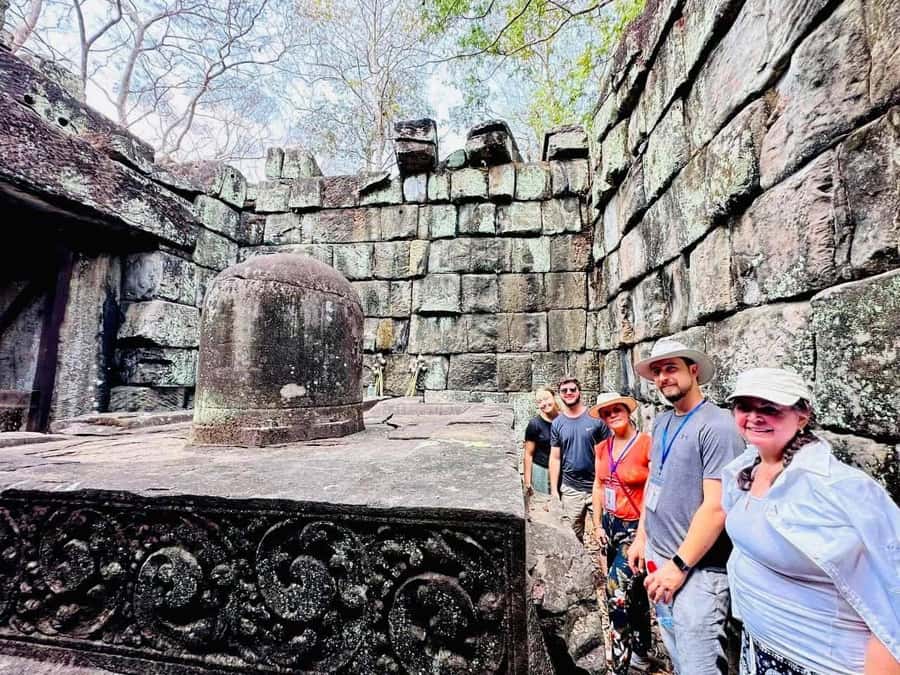
At $20 per person, this is a strong value for a full day of transport, an English-speaking guide, hotel pickup and drop-off, local taxes, bottled water, and cold towels. You are paying for access to a planned route that would be harder to manage on your own, especially because several temples sit outside the central Angkor Wat and Bayon area.
The price does not include the Angkor Temple Pass. You stop at the Apsara Authority ticket office to buy it, so budget for that separately. Lunch is also your responsibility.
The midday meal is taken at a nearby restaurant, with Cambodian choices such as curries, soups, and stir-fries. You pay for your own food. This arrangement gives you some choice, but it means the final cost is higher than the headline price.
Shared transportation is part of the value. One account describes an initial shuttle to a meeting point, followed by boarding the day’s tour bus. That may add a little organization at the start, but it allows the operator to gather people efficiently. If you prefer a private vehicle and guide, a private option is available, but the private guide is an add-on rather than part of the basic price.
The guide shapes the whole day
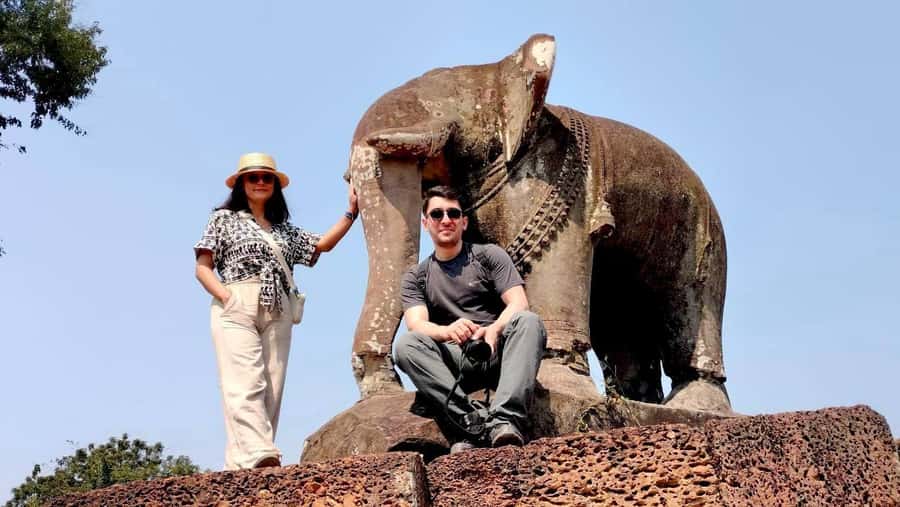
The strongest part of this experience is the guiding. Names that appear repeatedly across the operation include Phyrom, Ry, Nara, Narath, Tola, Lok, Dara Try, Ra, Pip, Chenda, and Kim.
The praise is specific. Guides explain Khmer history in clear English, connect Hindu and Buddhist symbolism, answer questions, adjust the pace, and sometimes help with photographs. Phyrom is noted for using maps and images to show how the sites fit together. Nara is praised for adding details about Cambodia and even sharing fresh mangoes during the journey. Chenda is singled out for both temple explanations and thoughtful photography.
Guide quality can vary from one departure to another, as it does with any shared tour. Still, the operation appears to have a broad pool of English-speaking guides with the skills this route needs. If temple history is important to you, listen closely during the drive, not just at the ruins. Much of the wider context may be explained between stops.
The drivers also matter. Visitors describe careful driving, comfortable vehicles, prompt pickups, and helpful service in rain. Cold water and towels may sound minor before the trip. After walking across hot temple grounds, they are one of the day’s best comforts.
Heat, clothing, and walking demands
This is not a gentle sightseeing loop. You walk on uneven stone, climb steps, cross exposed paths, and spend most of the day outdoors. The tour is not recommended for people with walking disabilities and is not suitable for wheelchair users.
The shared option is also not suitable for infants or children under 12. Older children may enjoy the ruins, but parents should consider the heat, long road time, and amount of walking before booking.
Wear sturdy hiking shoes or other footwear with a firm sole. Bring sunscreen, insect repellent, cash, and a small water bottle. Large bags and luggage are not allowed, and smoking and pets are not permitted.
Temple clothing rules are strict. Men and women must cover their knees and shoulders, so leave shorts and sleeveless tops at the hotel. A light, loose shirt and longer trousers or a long skirt are a sensible choice.
The tour operates in all weather. Rain may cool the day but can make stone surfaces slippery. Sun can make the open sites tiring. Dress for conditions, and do not count on the vehicle to remove the need for basic preparation.
Who should choose this tour
I would choose this day if you have already seen, or plan to see, the main Angkor Wat and Bayon highlights and want a wider view of the temple complex. It shows you a more varied set of monuments, with less emphasis on one famous centerpiece and more on how the ancient capital worked as a whole.
It also suits solo visitors. Shared transport gives you company, and the guides make an effort to keep the group involved. The route works well for people who enjoy history, architecture, photography, and religious symbolism.
I would hesitate if you want a slow morning, a short outing, or a luxury experience with no group movement. The day is long, the heat is real, and lunch and the temple pass cost extra. You also need to accept that the exact guide and group rhythm are not fully under your control.
Should you book the Banteay Srei Grand Circuit tour?
Book it if you want six contrasting temples in one organized day and care about understanding what you see. At $20, the included transport, guide, water, and cold towels make it good value, even after adding the entrance pass and lunch.
Skip it if your mobility is limited, you are traveling with a child under 12 on the shared option, or you prefer to explore at your own pace. For most active visitors with only a few days in Siem Reap, this is a practical way to move beyond the best-known temples and see why Banteay Srei, Ta Som, Neak Pean, and Preah Khan deserve time of their own.
FAQ
What temples are included in the tour?
The route includes Banteay Srei, Pre Rup, East Mebon, Neak Pean, Ta Som, and Preah Khan. The five Grand Circuit temples are Pre Rup, East Mebon, Neak Pean, Ta Som, and Preah Khan, with Banteay Srei added as the main highlight.
Is the Angkor Temple Pass included?
No. You stop at the Apsara Authority Ticket Office to buy the Angkor entrance pass separately.
Is lunch included in the price?
No. Lunch is taken at a nearby restaurant and must be paid for separately. Available dishes can include Cambodian curries, soups, and stir-fries.
What time is hotel pickup?
You should be ready in your hotel lobby at 7:50 AM for pickup.
Is the tour suitable for wheelchair users?
No. The tour is not recommended for people with walking disabilities or wheelchair users because of the uneven temple paths and amount of walking.
Can children join the shared tour?
The shared tour is not suitable for infants or children under 12 years old.
What should I wear to the temples?
Your knees and shoulders must be covered. Shorts and sleeveless tops are not permitted for men or women, and entry may be refused if you do not follow the dress code.
Newly written up around Siem Reap
- Siem Reap: Angkor Wat Private Tour by Tuk-Tuk★ 4.5 · 117 reviews
- 5-Day All Major Temples & Kulen Mount Waterfall & Koh Ker & Beng Mealea★ 5.0 · 13 reviews
- Phnom Kulen Waterfall and Banteay Srei Temple Tour from Siem Reap★ 5.0 · 30 reviews
- 3-Day Angkor Wat & All Interesting Major Temples & Kulen Mount Waterfall★ 5.0 · 63 reviews
- Angkor Wat Tour Deutsch | Private Führung★ 5.0 · 134 reviews
- Full day exclusive tour for the main temples in Siem Reap★ 5.0 · 135 reviews
- Small-Group Full Day Angkor wat Guide tour with Sun set★ 5.0 · 136 reviews
- Angkor Wat Private Tour by Tuk-Tuk with English Speaking Driver★ 5.0 · 142 reviews
Angkor Wat Tours, compared.
Angkor Wat Sunrise or Sunset Tour with Guide from Siem Reap
Read our review →
Angkor Wat: Small-Group Sunrise or Sunset Tour
Read our review →
Angkor Wat 2-Day Tour with Sunrise and Sunset
Read our review →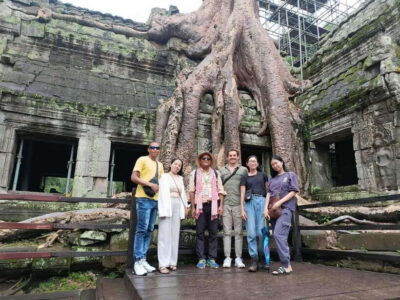
Angkor Wat Sunrise tour with Small – Group and Guide tours
Read our review →
Angkor Wat Highlights and Sunrise Guided Tour from Siem Reap
Read our review →
Angkor Wat Sunset Small Group Tour with Lunch Included
Read our review →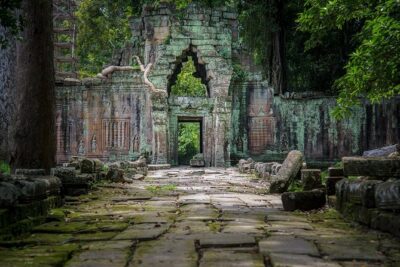
Full-Day Angkor Wat Sunrise Private Tour with Guide from Siem Reap
Read our review →Browse the lists this tour appears in