
Reviewed · AZERBAIJAN TEMPLE TOURS
Gobustan and Fire temple Tour with Polish speaking guide
Gobustan’s bubbling mud volcanoes and thousands of-year-old rock carvings give this outing its real punch. You move from strange natural formations to early human art, then across Absheron for fire temples, a burning hillside, and the story of Azerbaijan’s oil boom. It is a busy day, but the stops have a clear thread: earth, fire, faith, and industry.
I like the Polish-speaking guide, especially because these sites make more sense when someone explains what you are seeing. I also like the practical hotel pickup, return transport, and included water. The main drawback is the number of stops. You get a broad look at the region, but you should expect sightseeing visits rather than long, leisurely time at each place.
Key points to know before booking
- Gobustan combines mud volcanoes and ancient rock art, giving you both unusual geology and traces of early settlement.
- Ateshgah and Yanardagh show Azerbaijan’s fire culture through a former worship site and a continuously burning hillside.
- Bibiheybat Mosque adds a strong architectural stop between the outdoor sites.
- The oil well visit explains Azerbaijan’s modern transformation and why petroleum shaped Baku.
- A Polish-speaking guide is available, with hotel pickup, roundtrip transport, and bottled water included.
- Entry tickets are extra unless you choose the ticket option, with the listed total at 30 AZN.
Why this route works for a day from Baku
This is not a single-site excursion. It is a regional sampler that links several parts of Absheron and Gobustan. You begin with nature and archaeology, then shift to religion, oil, and modern Baku. That variety keeps the day from feeling repetitive.
I would choose this tour if you have limited time in Azerbaijan and want to see more than central Baku. It gives you access to places that are difficult to combine by walking or ordinary city transport. The included pickup and return service also remove much of the planning work.
The trade-off is simple: breadth replaces depth. You will not have unlimited time to study every petroglyph, linger at the mosque, or sit quietly near the fires. If you prefer one museum or archaeological site explored at a slow pace, this schedule may feel full.
The tour costs $65 per person before entry fees, unless you select an option that includes tickets. For that price, the value comes mainly from the transport, guide, and number of major sights covered. The extra 30 AZN listed for entry tickets is divided into 15 AZN for Gobustan rock art and mud volcanoes, and 15 AZN for Ateshgah and Yanardagh.
Other temple visits near Baku we have written up
- Baku: Gobustan, Mud Volcano, Fire Mount, Temple Lunch Entry
★ 4.9 · 3,246 reviews - Baku: Gobustan, Volcanoes, Fire Temple and Yanardag Day Trip
★ 4.7 · 433 reviews - Gobustan & Mud, Fire Temple, Burning Mountain (Group & Private)
★ 4.5 · 418 reviews
Gobustan mud volcanoes: strange ground outside Baku
The first major stop takes you into the Gobustan region, famous for its mud volcanoes. These formations bubble and ooze mud rather than sending out the hot lava associated with traditional volcanoes. The result is an unusual, almost otherworldly setting.
The appeal is not polish or comfort. It is the chance to see a rare geological feature in an open setting. The mud moves slowly, and the colors and shapes make the stop feel very different from the urban streets of Baku.
You should wear practical shoes and be ready for an outdoor visit. The tour information does not specify the walking distance or ground conditions, so plan for uneven outdoor terrain rather than a paved museum-style experience. Your guide can add the context that makes the formations more than a quick photo stop.
The mud volcanoes are included in the Gobustan ticket category. If you do not select an option with entrance fees included, expect the 15 AZN Gobustan charge to cover the rock art and mud volcano portion listed for the tour.
Gobustan rock art and the lives behind it
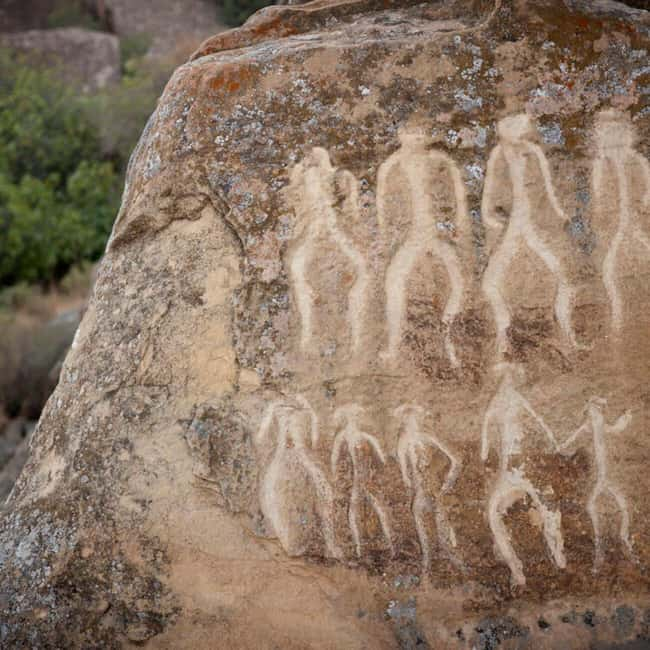
Gobustan’s petroglyphs are the historical heart of the excursion. The carvings date back thousands of years and show how early human communities recorded aspects of their lives. You are not simply looking at old marks on stone. You are looking at evidence of people who lived, worked, hunted, and expressed ideas in this region long before modern Azerbaijan.
This is where the guide matters most. Rock art can be easy to miss when you view it without explanation, especially when carvings are weathered or spread across a large site. A Polish-speaking guide can point out the details and place them in a wider story of early settlement.
I would give this part your full attention, even if you are more excited about the fires later in the day. The petroglyphs provide the oldest human connection on the route, and they help you understand why Gobustan is more than a scenic stop.
You should also keep expectations sensible. The tour description does not promise an extended archaeological session or a particular museum visit. The schedule covers several major attractions, so your time here will be part of a larger day.
Bibiheybat Mosque and a change of pace
Bibiheybat Mosque brings a different mood. After the open ground and carved rocks of Gobustan, you see an important religious building with distinctive architectural beauty and a strong place in Azerbaijan’s cultural story.
This stop gives the itinerary welcome balance. You move from ancient outdoor remains to a living religious and architectural setting. The mosque is not just a backdrop for photographs. Its importance comes from the way it connects faith, local identity, and Baku’s wider history.
Dress and behavior should be respectful at a religious site. The supplied information does not give specific clothing rules, opening times, or interior access details, so your guide will be the best source of practical direction during the visit.
For photographers, this is likely one of the most visually appealing stops. Still, remember that the day is not built around a long architectural tour. You are visiting one important site among several, so the mosque portion may be more about seeing the building and learning its significance than studying every detail.
A different set of gates, same trip:
- Gobustan-Mud Volcan-Fire Temple and Mountain Tour/Entrance inc
★ 5.0 · 267 reviews - Baku:Gobustan Mud Volcanoes Temple & Entry tickets included
★ 4.8 · 178 reviews - Gobustan, Mud volcanoes, Fire temple, Fire mountain PRIVATE TOUR
★ 5.0 · 47 reviews - Gobustan & Mud, Fire Temple, Burning Mountain, H.A. Center
★ 4.6 · 46 reviews
Azerbaijan’s first drilled oil well
The oil well stop explains the force that changed Azerbaijan’s economy and Baku’s identity. The tour presents this location as the site of the world’s first drilled oil well, linking the excursion to the beginnings of the oil industry.
This is an especially useful addition because it gives the day a modern historical layer. Gobustan shows ancient human activity. The oil well shows the moment when industrial development began to reshape the region. Together, the two stops help you see Azerbaijan as more than a destination of old monuments and natural fires.
Do not expect an active industrial attraction based on the information provided. The value lies in the story and location. Your guide can explain why oil became so important and how the discovery connects with Azerbaijan’s later development.
I like this stop because it prevents the tour from becoming a string of scenic viewpoints. It asks you to think about work, technology, wealth, and change. Those themes are essential to understanding Baku.
Ateshgah Fire Temple and its shared spiritual past
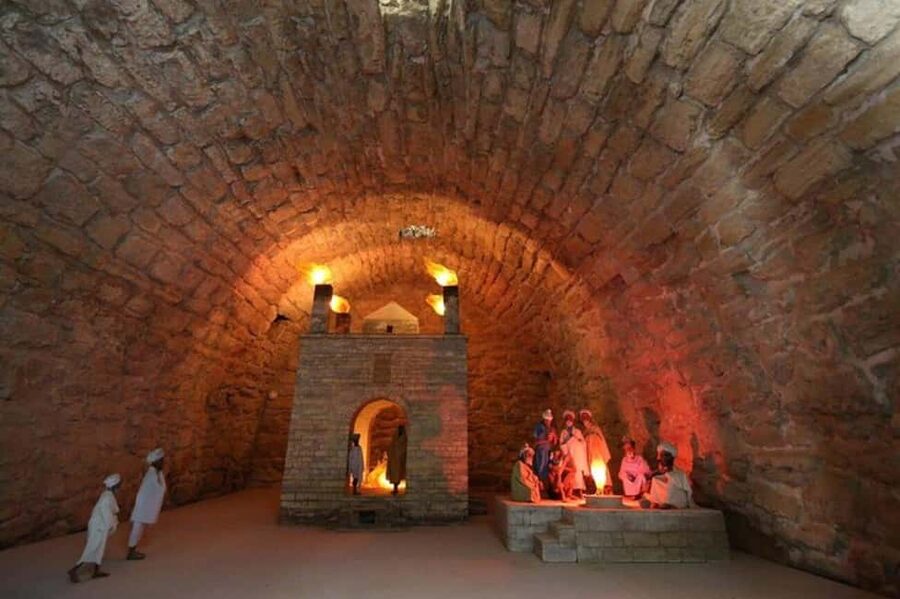
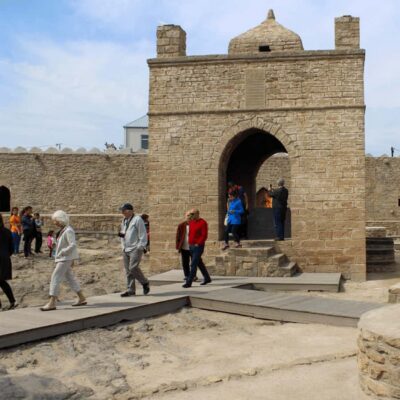
Ateshgah, often called the Fire Temple of Baku, is one of the most distinctive sites on the route. It was used by Zoroastrians, Hindus, and Sikhs, and its identity is tied to natural gas fires in the area.
The temple offers a window into the region’s religious connections. Fire was not simply a natural oddity. At Ateshgah, it became part of worship and spiritual practice. That gives the site an atmosphere different from the mosque, the petroglyphs, and the oil well.
Look for the contrast between the building itself and the natural force that inspired its use. The site makes the most sense when you understand that religion, trade, travel, and local geology met here. A guide’s explanation helps connect those subjects without turning the visit into a dry list of dates.
Ateshgah is included in the second ticket group with Yanardagh. If you pay separately, the listed cost is 15 AZN for both sites. The tour description does not specify how long you will have inside the temple, so expect a focused visit rather than a full-day exploration.
Yanardagh, the Burning Mountain
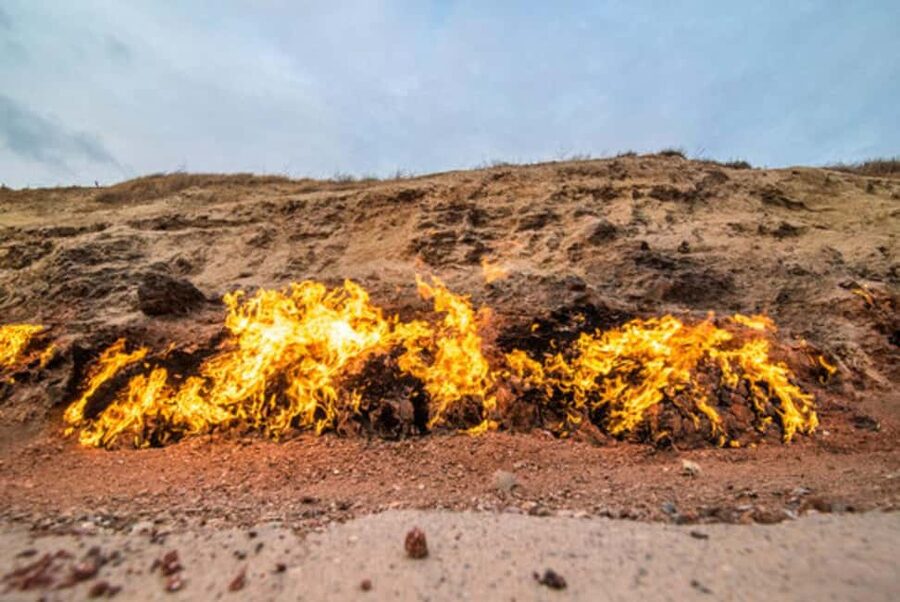
Yanardagh is the route’s most dramatic natural sight. Natural gas burns continuously on a hillside, creating the effect known as the Burning Mountain. The flame has drawn attention for centuries, and it gives the final outdoor part of the tour a memorable finish.
This is a different kind of fire experience from Ateshgah. At the temple, fire is tied to human worship and a built setting. At Yanardagh, the flame appears directly from the hillside. Seeing both in one day lets you compare nature and culture without needing a specialist background.
The fire itself is the attraction, so this stop is likely to be short and visual. You will want photographs, but the guide’s explanation adds the reason the site matters. Without that context, you might see only a flame on a slope. With it, the stop becomes part of the region’s long connection with underground gas.
The extra ticket charge for Ateshgah and Yanardagh is listed at 15 AZN when tickets are not selected in advance. It is worth checking the booking option carefully so you know if the entrance cost is already covered.
The Heydar Aliyev Center photo stop
The Heydar Aliyev Center is listed as the final point of the day. Groups visit it for sightseeing and photographs, but they do not enter the building because of time limits.
That distinction matters. The center is a striking piece of modern architecture, but this tour only gives you an exterior stop. If the building is high on your Baku wish list, plan a separate visit when you can explore the inside at your own pace.
As a closing photo point, it gives the day a modern finish. You begin with ancient carvings and geological formations, then end at one of Baku’s most recognizable contemporary buildings. The contrast is useful and visually strong.
Guide, transport, and the practical side
The Polish-speaking guide is one of the most useful features for anyone who prefers to receive explanations in Polish. The tour also lists a multilingual guide service, so confirm the exact language option when booking if your reservation depends on Polish commentary.
Hotel pickup and drop-off are included, along with roundtrip transport. You can also be collected from a central location. This matters because Gobustan, the Absheron fire sites, and the Baku stops are spread across different areas. Organizing them independently would require more planning and separate transport decisions.
A bottle of water is provided. That is a small detail, but it is welcome on a day that includes outdoor stops. I would still bring any extra drinks or snacks you need, since the supplied details only promise one bottle of water and do not describe meal arrangements.
No group size or exact tour length is provided. I would not book this expecting a private experience or a slow custom schedule. Think of it as a guided group outing with a fixed route and several planned stops.
Who will get the most from this experience?
I would recommend it to first-time visitors who want a broad introduction to the Baku region. It suits you especially well if you are interested in archaeology, geology, religion, oil history, and unusual natural sights all at once.
It is also a strong choice for Polish-speaking visitors who want more than a driver and a map. The guide’s explanations should help you connect sites that might otherwise feel unrelated.
Families and mixed-interest groups may also appreciate the variety. One person can focus on rock art, another on architecture, and another on the fires. The main concern is pace. Anyone who needs long breaks or extended time at each attraction may find the itinerary demanding.
I would be less likely to choose it if I had several days in Baku and wanted to explore each site carefully. In that case, separate outings could give you more control. At $65 per person, though, the route offers solid value for a visitor with limited time, especially with transport and hotel service included.
Should you book this Gobustan and Fire Temple tour?
Book it if you want one organized day covering Gobustan’s mud volcanoes and rock art, Bibiheybat Mosque, the first drilled oil well, Ateshgah, Yanardagh, and a Heydar Aliyev Center photo stop. The Polish-speaking guide and included transfers make it particularly practical for visitors who do not want to arrange the route alone.
Before paying, check two things: the language option and the entrance-ticket choice. If tickets are not included, budget an additional 30 AZN for Gobustan plus Ateshgah and Yanardagh. Choose this tour for variety and convenience, not for slow, detailed study of one site.
FAQ
What is included in the tour price?
The price includes hotel pickup and drop-off, roundtrip transportation, a multilingual guide, and one bottle of water.
Is a Polish-speaking guide available?
Yes. The tour is offered with a Polish-speaking guide.
How much does the tour cost?
The listed price is $65 per person.
Are entrance tickets included?
Entrance tickets are extra unless you select an option that includes them.
How much do the entrance tickets cost if they are not selected?
The listed total is 30 AZN. This is divided into 15 AZN for Gobustan rock art and mud volcanoes, and 15 AZN for Ateshgah and Yanardagh.
Which sites are included?
The route includes Gobustan mud volcanoes, Gobustan rock art, Bibiheybat Mosque, the site of the first drilled oil well, Ateshgah Fire Temple, and Yanardagh Burning Mountain.
Is the Heydar Aliyev Center included?
The Heydar Aliyev Center is the final sightseeing and photo stop. Groups do not enter the building because of time limits.
Is hotel pickup available?
Yes. Pickup and drop-off at your hotel are included, and a central pickup location is also possible.
Is transportation included?
Yes. Roundtrip transportation is included.
Can I cancel the booking?
You can cancel up to 24 hours in advance for a full refund. The tour also offers a reserve-and-pay-later option.
Newly written up around Baku
- Qobustan rock arts, Mud Volcanoes, Fire temple Ateshgah, Yanardag★ 5.0 · 30 reviews
- Fire Temple and Fire Mountain Tour★ 5.0 · 22 reviews
- Gobustan, Mud volcanoes, Fire temple, Fire mountain PRIVATE TOUR★ 5.0 · 47 reviews
- Gobustan, Mud volcanoes, Fire temple, Fire mountain GROUP TOUR★ 4.5 · 19 reviews
- Gobustan, Mud volcanoes, Fire temple, Fire mountain PRIVATE TOUR★ 5.0 · 28 reviews
- Ateshgah Fire Temple & Yanar Dag mountain (Group & Private)★ 4.5 · 7 reviews
- Gobustan, Mud Volcano, Burning Mountain and Fire Temple Tour★ 5.0 · 12 reviews
- Baku: Gobustan, Mud Volcano, Fire Temple & Burning Mountain★ 4.0 · 9 reviews
Azerbaijan Temple Tours, compared.
Gobustan, Volcanoes, Fire Temple and Yanardag Day Trip
Read our review →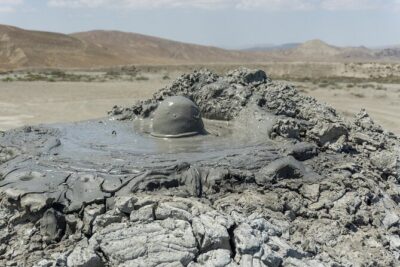
Gobustan & Mud, Fire Temple, Burning Mountain (Group & Private)
Read our review →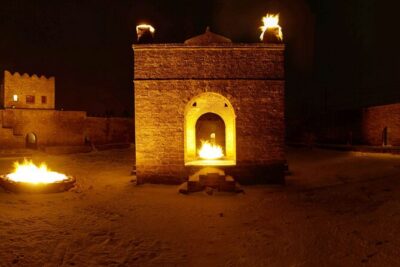
Gobustan-Mud Volcan-Fire Temple and Mountain Tour/Entrance inc
Read our review →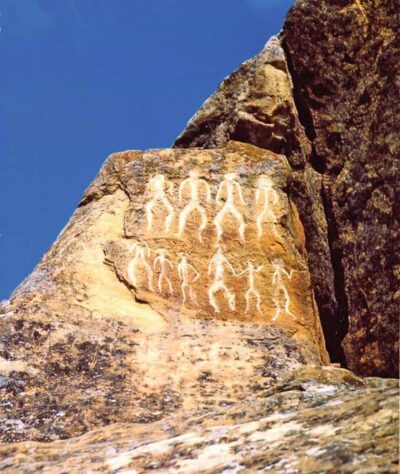
Gobustan Mud Volcanoes Temple & Entry tickets included
Read our review →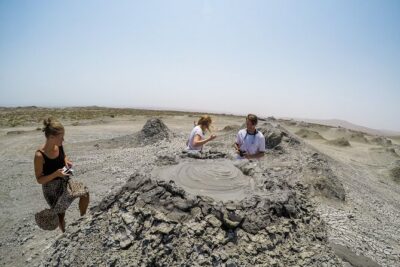
Gobustan, Mud volcanoes, Fire temple, Fire mountain PRIVATE TOUR
Read our review →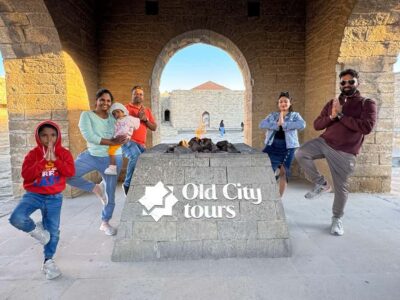
Gobustan & Mud, Fire Temple, Burning Mountain, H.A. Center
Read our review →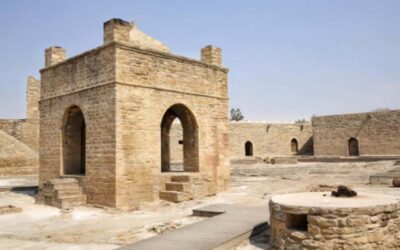
Gobustan, Mud Volcanoes, Fire Temple, & Yanar Dag Tour
Read our review →Browse the lists this tour appears in