
Reviewed · MONKEY FOREST TEMPLE TOURS
Jaipur: Full-Day City Tour with Camel Ride and Monkey Temple
Jaipur’s big sights arrive in one long, colorful sweep here, from the hilltop walls of Amber Fort to the 953 windows of Hawa Mahal and the monkey pools of Galtaji Temple. I like the mix of grand architecture and odd little pleasures, especially the camel ride at Jal Mahal and the chance to see astronomical instruments at Jantar Mantar.
I also like the hotel pickup and the flexible format. One guide has adjusted the day to replace a planned stop with another temple, while another tour included a visit to the Sun Temple instead of the usual Monkey Temple. The main concern is pace: nine hours is a lot of ground, and poor handling of rain, food around the monkeys, or the steep temple approach can make the day feel rushed and uncomfortable.
Key points
- Amber Fort gives the day its strongest historical setting, with gates, courtyards, and royal rooms spread across a large hill complex.
- Jantar Mantar is more than a photo stop, showing how large stone instruments measured time and tracked celestial positions.
- The camel ride at Jal Mahal adds novelty, though the palace itself is viewed from beside Man Sagar Lake.
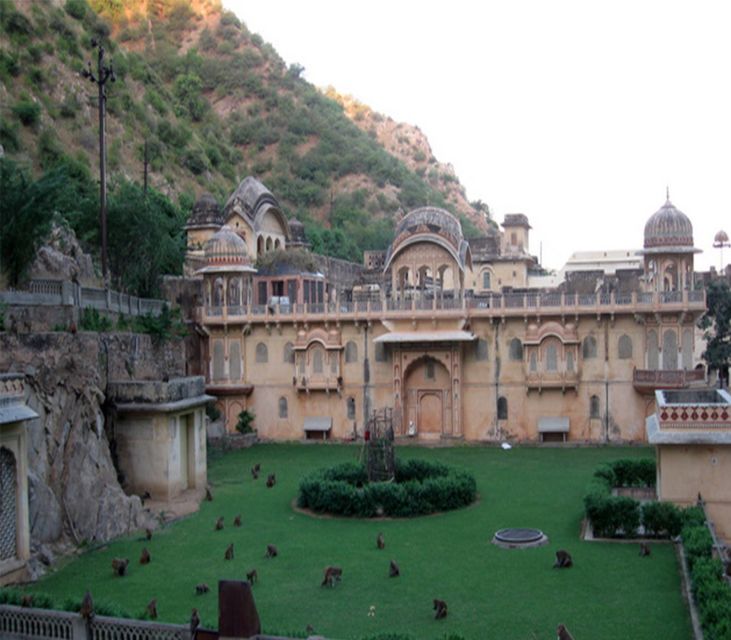
- Galtaji Temple is a lively religious site, with seven holy pools and monkeys moving through the grounds.
- The itinerary can be flexible, but the exact order and some stops may change with your hotel location or the day’s timing.
- At $113 per person, the value depends heavily on the guide, vehicle, and how carefully the nine-hour schedule is managed.
Amber Fort gives Jaipur its grand opening
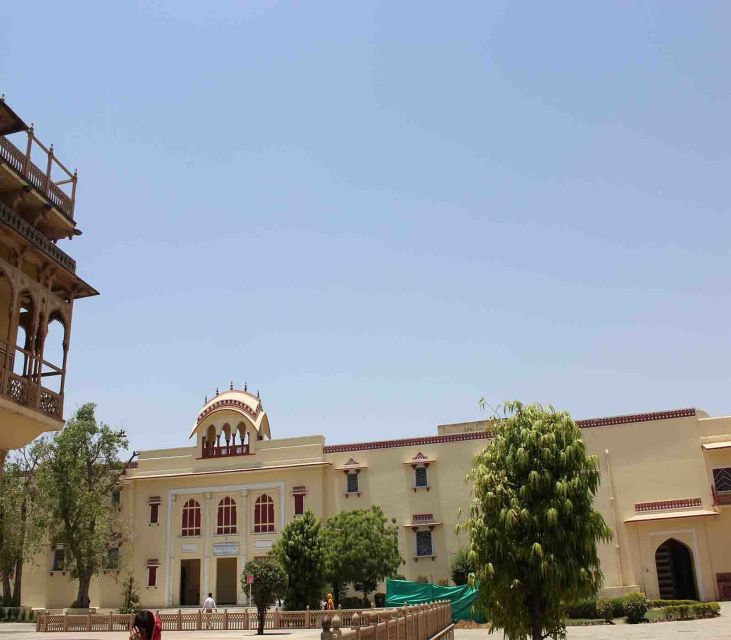
Your driver collects you from your hotel at 8 AM and takes you toward Amber Fort, the day’s most substantial sight. The fort sits among the hills outside Jaipur, and its scale helps explain the power of the Rajput rulers who built and expanded it.
The protective design is tied to Man Singh, a Rajput king. Every gate, courtyard, and palace has its own purpose and story, so this is not a place to rush through with only a few photographs. You will want your guide to explain how the spaces worked together, since the walls, entrances, and palace areas can otherwise blur into one large stone complex.
I would give Amber Fort the most time possible within the schedule. It offers the clearest sense of Jaipur’s royal past, while later stops are more focused on individual buildings or displays. The tradeoff is physical effort. The fort is enormous, and moving through it takes more energy than simply stepping out for a quick look.
A strong English-speaking guide matters here. One guide on this experience was described as humorous, easygoing, and able to explain the fort clearly. That kind of personality can make a long morning far easier, especially when the architecture is impressive but the details are easy to miss.
More Monkey Forest Temple Tours in India:
- Jaipur Guided Tour with Monkey Temple
★ 5.0 · 55 reviews - Jaipur: Private Evening Tour with Monkey Temple Sunset
★ 4.6 · 27 reviews - Jaipur sightseeing tour with monkey temple (Galta ji temple)
★ 5.0 · 15 reviews
Jal Mahal pairs a camel ride with royal objects
After Amber Fort, the route continues to Jal Mahal, or Water Palace, set in the middle of Man Sagar Lake. The palace gives you a very different Jaipur view: instead of courtyards and defensive walls, you see a pale structure surrounded by water.
The experience includes a camel ride near the Water Palace. This is a short, unusual break from palace interiors and temple visits, and it gives the day a lighter moment. If you have never ridden a camel in Rajasthan, this may be one of the most memorable parts of the outing, even though it is not the main historical attraction.
The description also includes palace exhibitions with weapons, royal costumes, Mughal miniatures, antiques, and paintings. These objects help connect the grand buildings to the people who used them. I would ask your guide how much exhibition time is available, since the day includes many stops and the exact order can change.
There is an important point of clarity here. Jal Mahal is presented as the place where the royal family of Jaipur still resides, while the practical focus for you is the setting, camel ride, and exhibits. Do not expect a broad palace tour with unlimited interior access. Treat this stop as a scenic and cultural pause within a larger city tour.
Lunch is useful, but the timing affects the afternoon
A local restaurant lunch comes after the Jal Mahal portion. The meal is included in the rhythm of the day, giving you a chance to sit down before the afternoon sights.
The supplied details do not specify the restaurant, menu, or dietary options, so I would not book this tour expecting a particular dish or dining style. The value is mainly convenience. With a nine-hour schedule, stopping for a meal saves you from losing time arranging food on your own.
Still, lunch can become one of the points that shortens the later visits if the morning runs late. Amber Fort deserves attention, and the camel ride and exhibits also take time. I would keep your afternoon expectations realistic: this is a broad introduction to Jaipur, not an unhurried food tour or a slow museum day.
Hawa Mahal is best understood from its famous facade
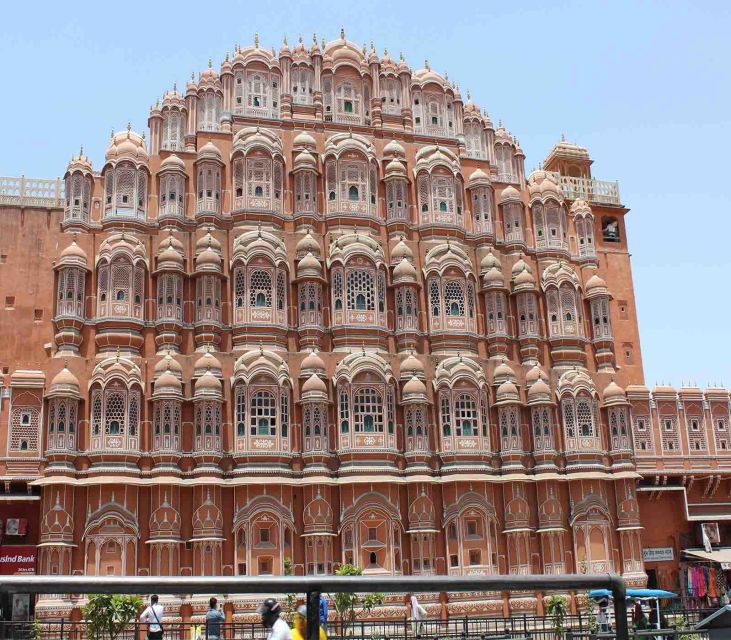
The next major sight is Hawa Mahal, the Air Palace, built by Maharaja Sawai Pratap Singh, a Kachwaha ruler of Jaipur. Its best-known feature is the facade filled with 953 small windows, each framed by delicate latticework.
The windows are the reason this building is so recognizable. They allowed air to pass through and created the visual effect that gives the palace its name. Look closely at the repeating pattern rather than treating Hawa Mahal as a quick stop for one photograph.
The tour gives you a chance to connect the building to Jaipur’s royal world and architectural style. The visit may be relatively brief compared with Amber Fort, since Hawa Mahal is one stop among several. That is not necessarily a problem, but you should know what kind of experience this is: a focused architectural visit rather than a full day inside one palace.
Your guide can add useful context about Maharaja Sawai Pratap Singh and the Kachwaha rulers. If you enjoy design, symmetry, and unusual building details, this may be one of the day’s most satisfying stops. If you prefer long interior visits, you may find the time here limited.
More Full-Day Tours in India:
- Full Day Varanasi Private Tour with Temples, Ghats & Rituals
★ 4.5 · 105 reviews - Full-Day Private Tour to the Kanchipuram Temples from Chennai
★ 5.0 · 73 reviews - Kolkata: Full-Day Spirituality & Temples Tour
★ 4.4 · 18 reviews - Private Full-Day Amritsar Tour: The Golden Temple & Wagah Border
★ 5.0 · 14 reviews
Jantar Mantar turns astronomy into architecture
Jantar Mantar was built by Maharaja Jai Singh II, a mathematician and ruler who wanted accurate observations of time, planets, and other celestial bodies. The site uses large architectural instruments rather than small handheld tools, making astronomy visible at an almost monumental scale.
This stop gives the tour intellectual variety. After fort walls and palace windows, you are looking at devices designed to measure celestial positions and time. The instruments can seem puzzling without an explanation, so this is another place where the guide’s communication makes a real difference.
I like Jantar Mantar because it shows that Jaipur’s royal story was not only about armies, palaces, and ceremony. It also included mathematics and careful observation of the sky. You can see how scientific work was given a permanent place in the city.
The site is best for you if you enjoy learning how old technology worked. If you mainly want decorative architecture, it may feel less immediately exciting than Amber Fort or Hawa Mahal. Give it a little patience, and ask your guide to explain what each major instrument measured.
Galtaji Temple brings monkeys and sacred pools
The final major sight is Galtaji Temple, commonly called the Monkey Temple because large numbers of monkeys live around the site. The Hindu temple has seven water pools filled with holy water, where people come to bathe and wash away their sins.
This is a different kind of Jaipur attraction. You are not simply looking at a royal monument. You are entering a living religious setting where worship, water, animals, and old temple structures share the same space.
The approach can matter a great deal. One account of the tour describes being taken to an entrance with a steep, rough stone path. If you have concerns about uneven ground, ask the guide and driver which entrance you will use before setting off. The provided information does not promise an easy route.
Take care around the monkeys. Food can draw them close, and poorly handled feeding can create an uncomfortable situation. Do not treat the animals as a simple photo prop. Follow your guide’s instructions, keep food controlled, and avoid encouraging them to crowd around you.
This stop can be atmospheric and memorable, but it is also the place where the day’s organization matters most. A thoughtful guide should explain the religious setting and help you move through it with respect. A careless approach can turn the visit into a rushed animal encounter.
Flexibility can improve the day, but ask clear questions
The tour is not locked into one rigid sequence. The order of the places can change according to your hotel location, and the guide may adjust the plan if time permits. One particularly flexible version of the day replaced City Palace with another temple after the group requested a change. Another included the Sun Temple on Monkey Mountain rather than the expected Monkey Temple.
That flexibility is useful if you already know Jaipur or have a strong preference. It also helps when weather affects the route. But it needs good communication. One poor experience involved rain, a request to change the schedule, and a delay before the itinerary was reconsidered.
At the start of the morning, tell your guide which stops matter most. I would say plainly if Amber Fort, Jantar Mantar, or Galtaji Temple is non-negotiable. Ask how much time is planned at each stop, and confirm whether the camel ride and exhibits are both included in the actual day’s route.
The stated tour has an English-speaking guide and a driver, which is important for a full day. The strongest version of this experience depends on a guide who explains the sites, watches the clock, and listens when conditions change.
Shopping finishes a very full Jaipur day
After the main sights, you browse famous local shops before returning to your hotel. The details do not identify the shops or specify what you will see, so you should regard this as general shopping time rather than a guaranteed visit to a particular market or artisan workshop.
Shopping can be a pleasant final stop, especially if you want souvenirs after seeing royal costumes, paintings, and Mughal miniatures. It can also feel like an added sales stop if you are tired or not looking to buy anything. Be clear with your guide about your interest level.
Because the day already includes Amber Fort, Jal Mahal, lunch, Hawa Mahal, Jantar Mantar, and Galtaji Temple, the shopping portion may be brief. I would not choose this tour mainly for shopping. Its strength is the range of Jaipur sights, with shopping as a final extra.
Is $113 a fair price for nine hours?
At $113 per person, this is not a bargain-priced sightseeing loop. The price makes more sense if you value hotel pickup, a dedicated driver, an English-speaking guide, a full nine-hour schedule, the camel ride, lunch, and help arranging several major stops in one day.
It is less compelling if you want to explore slowly or prefer to choose a single fort, palace, and temple on your own. The day covers a lot, but the pace can become tight. You are paying for convenience and coordination as much as for admission and activities.
The guide is the swing factor. A well-informed and flexible guide can turn the same route into a clear introduction to Jaipur. A guide who rushes, resists reasonable weather changes, or fails to manage the Monkey Temple approach can make the cost feel high.
I would compare the price against your group size and priorities. For someone with only one day in Jaipur, the ability to leave from and return to your hotel has real value. For a person staying several days, a slower plan with fewer sights may offer better value.
Who should book this Jaipur tour?
I would recommend it to you if this is your first Jaipur visit and you want the major sights handled in one day. It suits people who like variety: forts, palace architecture, astronomy, religious sites, animals, a camel ride, lunch, and shopping all appear on the same route.
It also suits you if you want an English-speaking guide rather than relying on signs or arranging every transfer yourself. The flexible guide style shown on some departures is a real plus when you are open to swapping a stop for another temple or local sight.
I would think twice if you dislike rushed sightseeing, uneven temple paths, animal encounters, or shopping stops. You should also be ready for the exact order to change and for one attraction to be substituted if timing or circumstances require it.
Free cancellation up to 24 hours before the tour and the option to reserve now and pay later reduce the commitment. The meeting point is your hotel lobby, with pickup listed for 8 AM. Confirm your hotel details and the day’s priorities early, then ask the guide to protect the stops you care about most.
FAQ
What time does the tour begin?
Pickup is scheduled for 8 AM from your hotel lobby.
How long does the experience last?
The tour lasts approximately nine hours.
Which language is the tour conducted in?
The live tour guide speaks English.
Which sights are included?
The planned sights include Amber Fort, Jal Mahal, Hawa Mahal, Jantar Mantar, and Galtaji Temple, also called the Monkey Temple.
Is a camel ride included?
Yes. The experience includes a camel ride at the Water Palace area, near Jal Mahal.
Is lunch included?
Yes. The schedule includes lunch at a local restaurant.
Can the itinerary change?
Yes. The order of the stops can change depending on your hotel location, and the guide may adjust the route.
Can I cancel the booking?
You can cancel up to 24 hours in advance for a full refund. You can also reserve now and pay later.
Newly written up around India
- Bandipur Tiger Reserve with Somnathpur Temple Tour★ 5.0 · 21 reviews
- Day trip from Bangalore to Lepakshi for Temple architecture & paintings★ 5.0 · 15 reviews
- Full Day Private Tour of Temples of Bengaluru★ 5.0 · 5 reviews
- Lepakshi Temple and Nandi Hills Day Trip from Bangalore★ 4.5 · 3 reviews
- Bull temple layout Heritage walk★ 5.0 · 13 reviews
- Lepakshi Temple Day Tour from Bangalore★ 5.0 · 3 reviews
- Lalbagh+Bull Temple+Tipu Palace+Market+Lunch=Bangalore City Tour★ 5.0 · 9 reviews
- Private Full-Day Amritsar Tour: The Golden Temple & Wagah Border★ 5.0 · 14 reviews
Monkey Forest Temple Tours, compared.
Monkey Forest, Jungle Swing, Rice Terrace, and Water Temple
Read our review →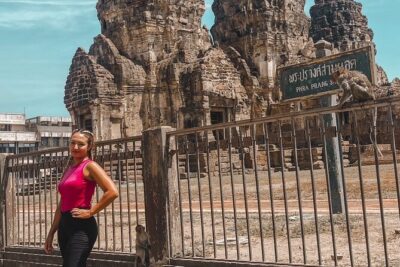
Lopburi Monkey Temple & Ayutthaya Old City Tour From Bangkok
Read our review →Monkey Forest, Water Temple, Rice Terrace, Waterfall
Read our review →
Ubud Tour with Monkey Forest Waterfalls Temples and More
Read our review →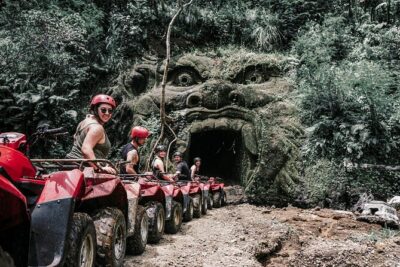
Gorilla Cave ATV Bali Ubud, Monkey Forest, Temple, and Lunch
Read our review →
Saraswati Temple, Monkey Forest, Ubud Waterfalls
Read our review →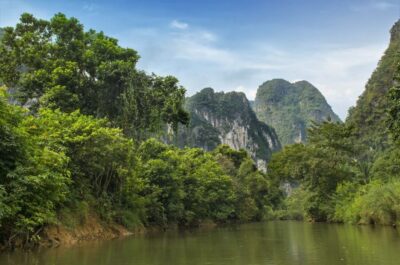
Sok River: Bamboo Raft Ride, Monkey Temple & View Point Tour
Read our review →
Ubud Tour with Swing, Temple, Monkey Forest, and Waterfall
Read our review →Browse the lists this tour appears in