
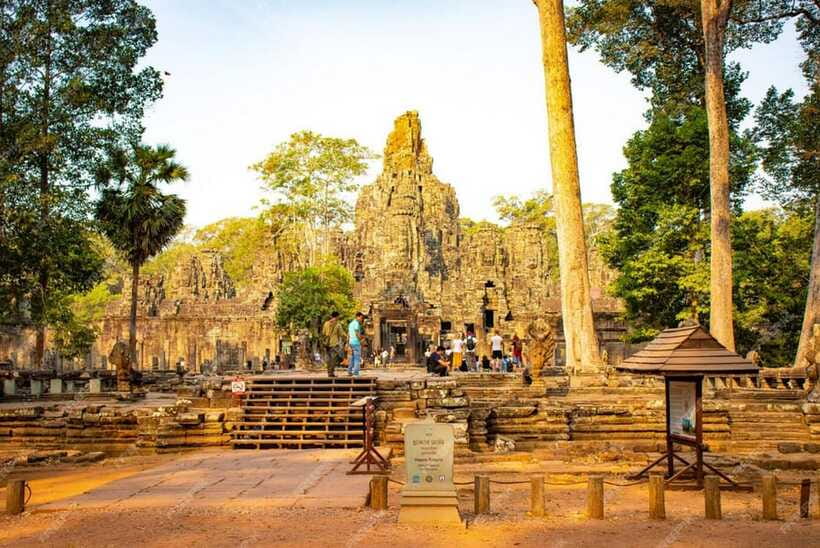
Reviewed · ANGKOR WAT TOURS
Sunrise at Angkor Wat and Small Tour with Tours Guide
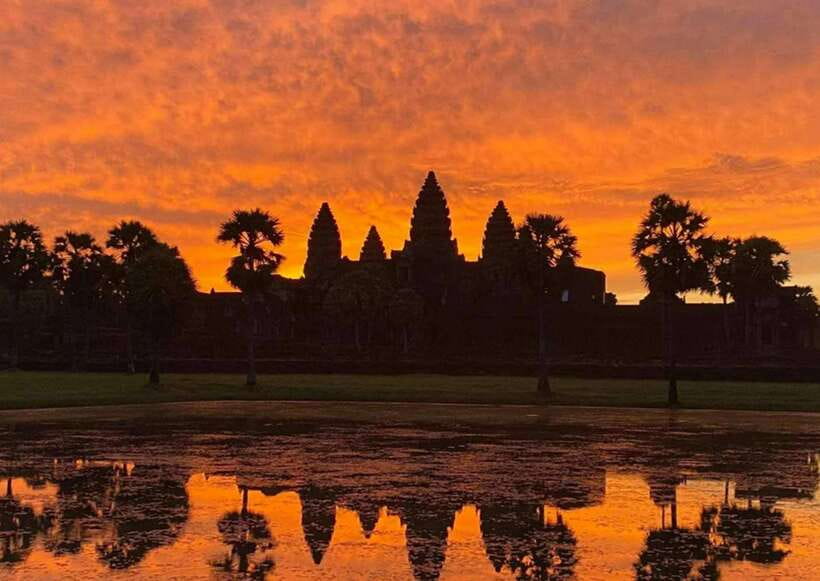
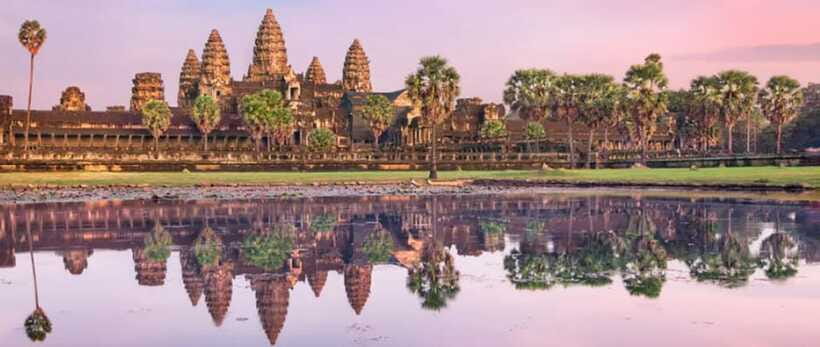
Angkor Wat at sunrise is the star here. You leave Siem Reap at 4:30 AM, reach the temple before daylight, and watch the sky brighten behind one of Southeast Asia’s most famous monuments. I like the early start because it gives you the best chance of seeing the temple before the heat takes over.
I also like the low tour price and the chance to visit several major temples in one day, including Bayon, Ta Prohm, and Banteay Kdei. A local English-speaking guide adds useful context, and guides such as Ounra have been praised for finding good sunrise viewpoints and taking photos. The catch is simple: the $6 price does not include the Angkor pass, which costs $37 for one day, or your meals.
Key points to know
- Sunrise begins before dawn: Hotel pickup is scheduled for 4:30 AM, so this is a serious early start.
- The $6 price excludes admission: Add the required one-day Angkor pass, priced at $37, plus food and drinks.
- Several major temples fit into one day: You visit Angkor Wat, Angkor Thom, Bayon, Ta Prohm, the Elephant Terrace, the Terrace of the Leper King, and Banteay Kdei.
- Guiding is part of the value: The English-speaking guide explains Khmer culture, temple design, and the Angkor empire.
- Shared or private touring is available: A large group can cost less, while a private group gives you more control.
- Comfort items are included: You receive hotel transfers, bottled water, and a cold towel, though you should confirm these at pickup.
Sunrise at Angkor Wat requires an early alarm
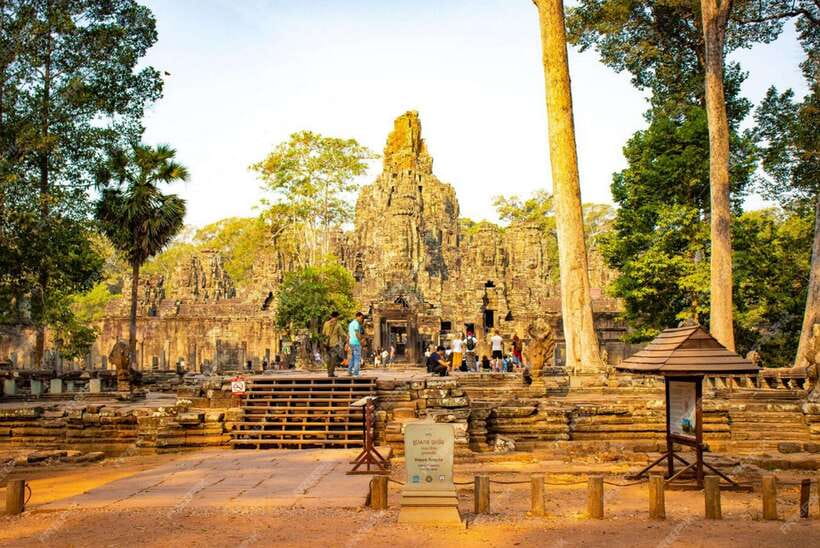
The day begins while Siem Reap is still dark. Pickup is arranged from your hotel, and the exact meeting point depends on your booking. You need to provide the hotel name and room number in advance by email or WhatsApp so the driver can find you.
The ride takes place in an air-conditioned vehicle. That matters later, when the Cambodian heat builds, but do not expect the air conditioning to make the whole day cool. You will spend much of the tour walking outdoors on stone paths, temple steps, and open courtyards.
At Angkor Wat, you have time to watch the sunrise and explore the temple area with your guide. The first visit is listed at about two hours, followed by additional sightseeing time inside the complex. The timing allows you to see the changing light, get photos, and hear an introduction to the site before moving on.
Sunrise is never guaranteed to produce a perfect red sky. Clouds may soften the colors, and the view can vary from morning to morning. The real value is being inside Angkor Wat at first light, when the towers and pools take on a different mood from the bright midday scene.
This is also the busiest part of the day in terms of anticipation. Many people arrive for sunrise, so a guide who knows where to stand can make a real difference. Ounra has been specifically praised for choosing good viewpoints and helping with photographs. Your guide may be different, but it is worth asking for a clear photo plan before the crowd gathers.
More Temple Sunrise Tours in Cambodia
- Angkor Wat Sunrise or Sunset Tour with Guide from Siem Reap
★ 5.0 · 12,109 reviews - Siem Reap: Angkor Wat: Small-Group Sunrise or Sunset Tour
★ 5.0 · 9,444 reviews - Siem Reap: Angkor Wat 2-Day Tour with Sunrise and Sunset
★ 4.9 · 4,429 reviews
Breakfast comes after the first temple visit
After the sunrise visit, there is a scheduled breakfast break of about 30 minutes, along with a shorter break later. Food is not included, so bring money and be prepared to pay for breakfast and drinks yourself.
The tour information does not set a fixed breakfast menu or price. That gives you less certainty than a tour with meals built into the cost. It also means you can choose how much to spend. Since the day is long, do not rely on a quick coffee alone. Water, fruit, or a more filling breakfast will make the later walking easier.
Bottled drinking water is included, and a cold towel is listed among the inclusions. One booking specifically reported that the water and towel were missing, so I would check for both early in the morning rather than waiting until the afternoon. A cold towel is a small thing, but after several hours in the sun, it is welcome.
Angkor Thom begins at the South Gate
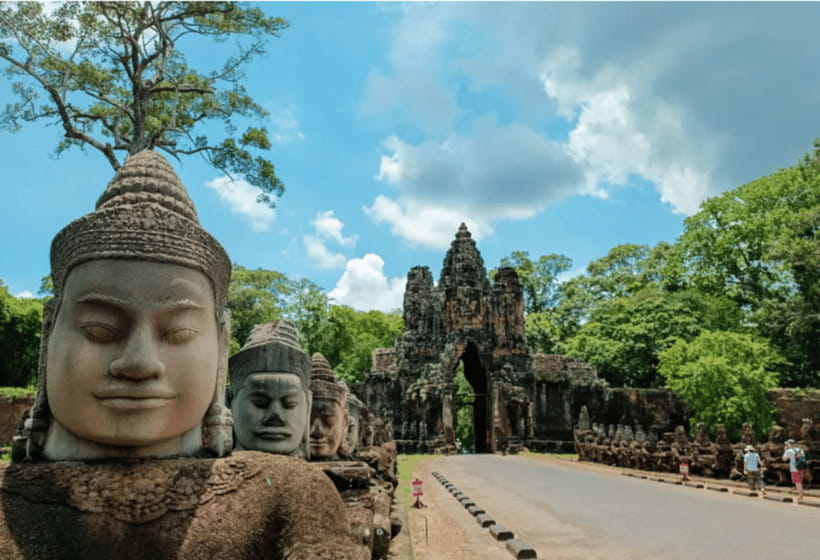
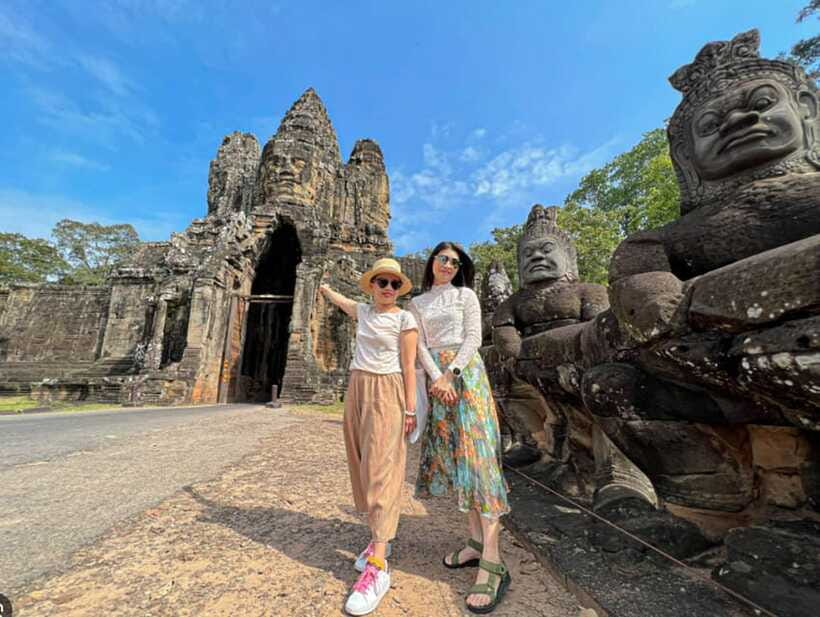
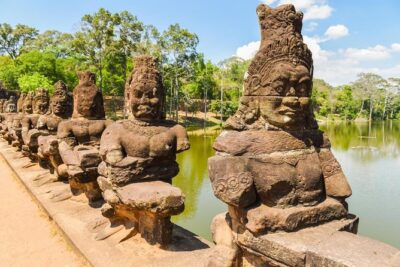
The next major stop is the South Gate of Angkor Thom. This entrance is one of the most recognizable approaches in the Angkor area, with monumental figures lining the way toward the ancient city.
The stop is scheduled for about an hour, followed by another guided visit and photo stop of roughly 45 minutes. You get time to walk, take pictures, and hear how the gate fits into the wider Khmer imperial city.
Angkor Thom was associated with King Jayavarman VII, and the guide uses the gate and surrounding monuments to explain the period’s religious ideas, royal power, and artistic style. This is where a good guide earns the modest tour price. Without context, the stone faces, towers, and carvings can blur together. With an explanation, you can begin to see how the temples served religious, political, and ceremonial purposes.
The South Gate is also a useful place for orientation. You are not simply being driven from one famous ruin to another. The guide connects the entrance, the city, the central temple, and the royal terraces into one large complex.
Bayon’s stone faces need time and patience
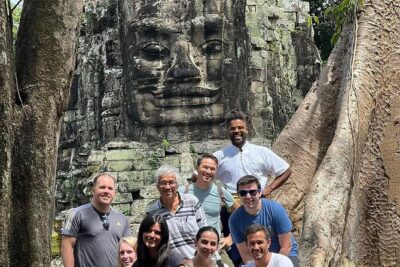
Bayon is one of the day’s strongest stops. Its towers carry the famous large stone faces associated with Avalokitesvara, a Buddhist figure often linked to the image of Jayavarman VII. The tour description refers to 54 towers and 216 faces, though the number of visible faces can vary because some towers are damaged or partly restored.
Bayon is compact compared with Angkor Wat, but it can feel crowded and confusing. Towers crowd around narrow passages, and the best views often come from simply slowing down. Your guide can point out faces that are easy to miss and explain how the temple’s layout differs from Angkor Wat.
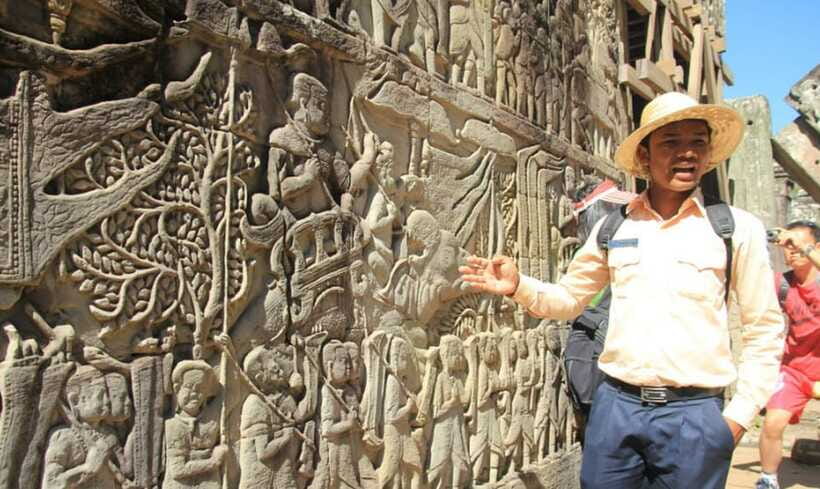
I would pay attention to the carvings as well as the faces. The temple is not only a photogenic stop. Its stone scenes help show daily life, warfare, ceremonies, and the world of the Khmer court. The exact level of detail depends on your guide and the group pace, so a private booking may suit you if you want a longer explanation.
The visit is scheduled for about 90 minutes. That is enough for a useful introduction and photographs, but it may feel short if you want to examine every corridor. In a shared group, stay close to the guide. Bayon’s passages make it easy to lose sight of a larger party.
More Temple Sunrise Tours in Siem Reap
- Angkor Wat Sunrise tour with Small – Group and Guide tours
★ 5.0 · 3,655 reviews - Angkor Wat Highlights and Sunrise Guided Tour from Siem Reap
★ 5.0 · 3,213 reviews - Full-Day Angkor Wat Sunrise Private Tour with Guide from Siem Reap
★ 5.0 · 2,920 reviews - Angkor Wat Sunrise & 3 Main Temples with Breakfast – Small Group
★ 5.0 · 2,857 reviews
The Elephant Terrace and Leper King show royal Angkor
The Elephant Terrace and Terrace of the Leper King are described as royal viewing platforms. These were linked to the king’s public ceremonies and great audience hall, giving you a glimpse of how the city worked as a royal center, not only as a collection of religious buildings.
The Elephant Terrace is known for its carved elephants and long raised platform. The Leper King terrace has detailed carvings and a more enclosed feel. Together, the two sites help fill in the civic side of Angkor Thom.
This part of the day is less about entering a vast temple and more about reading the remains of royal life. You may find the stops quieter and easier to photograph than Angkor Wat or Bayon, though the schedule does not give a separate long visit for each one.
The heat is a practical concern. By this point, you have already been awake for several hours and walking since dawn. Wear shoes with a firm grip, carry water, and use the breaks. The tour is not suited to people over 70 according to the activity information, and anyone with limited mobility should consider the amount of walking and uneven stone.
Ta Prohm brings the jungle into the ruins
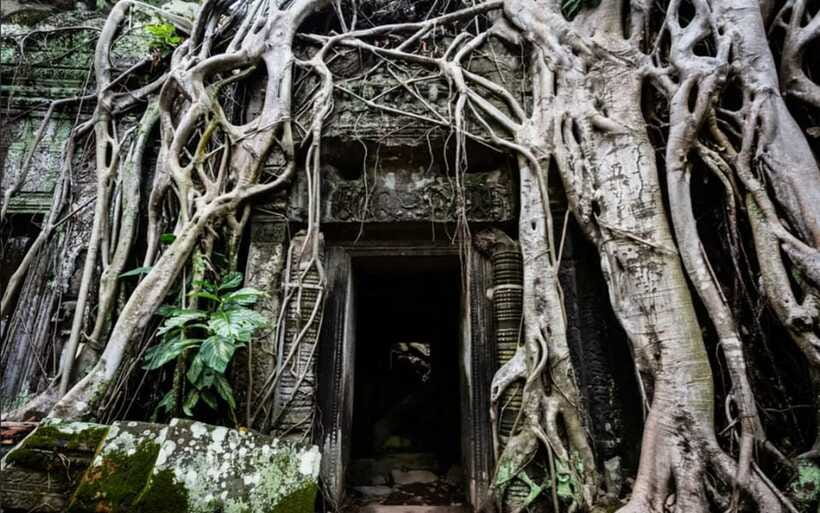
Ta Prohm is the temple many people remember most clearly after Angkor Wat. Trees grow around and over sections of the stone buildings, with roots pressing against walls and galleries. The setting gives the temple a dramatic appearance without needing much explanation.
The scheduled visit is about two hours, making Ta Prohm one of the day’s longer stops. That is useful because the temple has multiple courtyards and passageways. You have time to see the famous tree-covered sections, but also to look beyond the most photographed corners.
Ta Prohm was built during the reign of Jayavarman VII. Your guide can explain its place within the king’s building program and the temple’s Buddhist connections. The combination of carved stone and living trees makes the site visually different from Bayon and Angkor Wat.
Expect uneven ground and narrow routes. Some sections may feel crowded, especially around the best-known tree roots. A guide can help keep the group moving and point out less obvious carvings, but a shared group of 20 or more people will not always move at the same pace. One booking described a group of 22, so ask about expected group size if personal space matters to you.
Banteay Kdei adds a quieter final temple
The final temple named in the experience is Banteay Kdei, built by Jayavarman VII in the late 12th century. It is less famous than Angkor Wat, Bayon, and Ta Prohm, but that is part of its appeal. The stop gives you another example of the period’s temple design without relying only on the biggest names.
Banteay Kdei has a more worn and open character. You can compare its galleries, courtyards, and carvings with the grander monuments visited earlier. By the time you reach it, you may appreciate having a final site that feels less overwhelming.
The exact length of the Banteay Kdei visit is not specified separately. It forms part of the full-day route before the return to Siem Reap. If you are tired, this can be a good place to focus on a short walk and a few careful photographs rather than trying to inspect every stone.
You return to one of two drop-off locations in Siem Reap. Confirm your preferred hotel drop-off when arranging pickup, especially if your accommodation is not in the usual central area.
What the $6 price really covers
The advertised price is unusually low for an eight-hour temple tour, but it is not the full cost of the day. The $6 covers the organized tour elements, including an English-speaking guide, round-trip hotel transfers, bottled water, and a cold towel.
You must buy an Angkor pass separately. The stated prices are:
- One-day pass: $37
- Three-day pass: $62
- Seven-day pass: $72
The three-day and seven-day passes must be used on consecutive days. For this tour alone, most people will choose the one-day pass. That makes the known minimum cost $43 per person before breakfast, lunch, and other drinks.
At that total, the tour can still be good value if you want transport and a guide rather than arranging everything yourself. The vehicle saves you from negotiating several separate rides, and the guide helps you understand what you are seeing. The value is weaker if you already have transport, already know Angkor well, or prefer to spend long stretches at one temple.
Lunch and beverages are not included. Some departures have used a restaurant for lunch, and one account praised the food while also finding the restaurant expensive for the area. Treat the lunch stop as a convenience, not part of the bargain price.
Shared group or private group?
A shared tour is the cheaper and more social choice, but the pace belongs to the group. A group of 22 has been reported, and a group that size can make it harder to hear every explanation or linger at a favorite carving.
A private group is better if you want to control the pace, ask many questions, or spend extra time taking photographs. It may also suit families and couples who do not want to keep track of a large party. The available information confirms that private groups are offered, but it does not state the private supplement, so check the final price before booking.
The quality of the day depends partly on communication. One English-speaking guide was praised for helpful explanations and photography, while another booking found the guide’s English difficult to follow at times. That is not a reason to reject the tour, but it is a reason to ask questions early and tell the guide what matters most to you.
Practical preparation for the temple day
Set out clothes and shoes the night before. The pickup is at 4:30 AM, and a slow morning can make you late before the day has even started.
Dress respectfully for temple visits. The supplied information does not state a detailed dress code, but you are visiting active religious and historic sites, so modest clothing is the sensible choice.
Bring:
- Your Angkor pass or money to buy one
- Cash for breakfast, lunch, and drinks
- A phone or camera with enough battery
- Comfortable walking shoes
- Sun protection
- A small amount of personal medication if needed
Alcohol and drugs are not allowed. The tour is also not suited to people over 70, according to the stated conditions. Anyone who finds long walks, uneven surfaces, or an eight-hour day difficult should think carefully before booking.
Cancellation is flexible if your plans change: you can cancel up to 24 hours before the activity for a full refund. You can also reserve now and pay later, which is useful when your Siem Reap schedule is still moving around.
Who should book this Angkor tour?
I would choose this tour if you have one main temple day in Siem Reap and want the major sights handled in a clear order. It gives you the essential sunrise, a guide, hotel transport, and a broad look at the Angkor complex without requiring you to plan every road and entrance yourself.
It suits first-time visitors, photographers who want sunrise, and people who enjoy hearing the story behind the stones. The route also works well if you want Ta Prohm and Bayon on the same day as Angkor Wat.
I would hesitate if you dislike early mornings, large groups, or a fixed schedule. You may also want a private option if you need a slower pace or expect detailed explanations in English. Remember that the $6 headline price is only the tour fee, not the complete day’s spending.
Should you book it?
Book it if you want a low-cost, full-day introduction to Angkor with sunrise, hotel transfers, and a local guide. The strongest parts are the early access to Angkor Wat, the range of major temples, and the chance to get practical help with photographs and navigation.
Before paying, confirm your pickup details, group size, guide language, and whether the bottled water and cold towel will be provided. Add the $37 one-day Angkor pass and a food budget to the advertised price. With those costs in mind, this is a sensible choice for a first visit, especially if you select a private group and want more control over the pace.
FAQ
What time does hotel pickup begin?
Pickup begins at about 4:30 AM. You need to provide your hotel name and room number in advance by email or WhatsApp.
How long does the tour last?
The activity lasts about eight hours, including the temple visits, breaks, and return transfer to Siem Reap.
Is an Angkor pass included?
No. You must buy an Angkor pass separately to enter the temples.
How much does the one-day Angkor pass cost?
The stated price for a one-day pass is $37. Three-day passes cost $62, and seven-day passes cost $72.
Is breakfast included?
No. Breakfast and other meals are not included in the tour price.
Is lunch included?
No. Meals and beverages are excluded. A lunch stop may be part of the day, but you pay for your own food.
Is the tour private?
You can choose between a shared group and a private group. The private option is available, but the private supplement is not stated.
What language does the guide speak?
The live guide speaks English.
Which temples are visited?
The route includes Angkor Wat, the South Gate of Angkor Thom, Bayon, the Elephant Terrace, the Terrace of the Leper King, Ta Prohm, and Banteay Kdei.
What is included in the tour fee?
The fee includes an English-speaking guide, bottled drinking water, round-trip hotel transfers, and a cold towel.
More Angkor Wat Tours in Siem Reap
- Siem Reap: Full-Day Angkor Wat Guided Tour with Sunset
★ 4.9 · 3,803 reviews - Angkor Wat Sunset Small Group Tour with Lunch Included
★ 5.0 · 3,059 reviews - Siem Reap: Angkor Wat Sunrise and Full-Day Sightseeing Tour
★ 4.9 · 2,828 reviews - Siem Reap: Angkor Wat Private Tuk-Tuk Tour
★ 4.9 · 2,222 reviews
Newly written up around Siem Reap
- Sunrise at Angkor Wat Temple: 3-Hour Private Tour★ 4.7 · 30 reviews
- Small-Group Explore Angkor Wat Sunrise Tour with Guide★ 5.0 · 3 reviews
- Siem Reap : Private Tuk-Tuk Tour of the Magnificent Temples.★ 4.9 · 14 reviews
- Siem Reap: Ultimate Angkor Wat Offbeat Experience by Jeep★ 4.9 · 8 reviews
- SiemReap: Private Angkor Wat Tour in English or German guide★ 5.0 · 5 reviews
- Siem Reap: 1-Day Angkor Wat Tour in Portuguese★ 5.0 · 4 reviews
- Angkor Wat: Sunrise 2.5 Days Temples & Tonle Sap-Small Group★ 5.0 · 10 reviews
- Siem Reap: Grand Circle Temples Tour With Private Tuk-Tuk★ 5.0 · 4 reviews
Angkor Wat Tours, compared.
Angkor Wat Sunrise or Sunset Tour with Guide from Siem Reap
Read our review →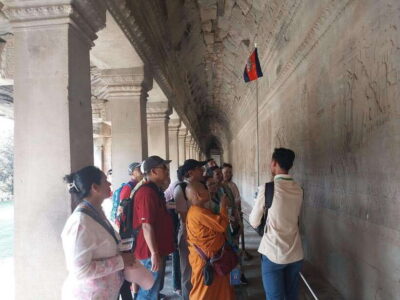
Angkor Wat: Small-Group Sunrise or Sunset Tour
Read our review →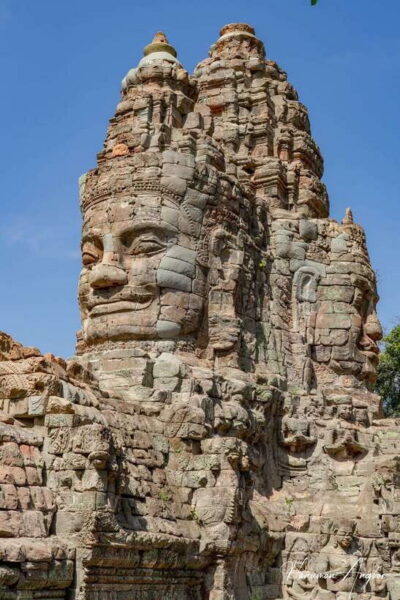
Angkor Wat 2-Day Tour with Sunrise and Sunset
Read our review →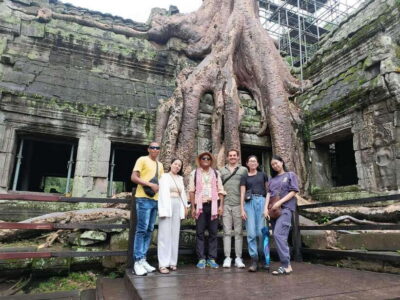
Angkor Wat Sunrise tour with Small – Group and Guide tours
Read our review →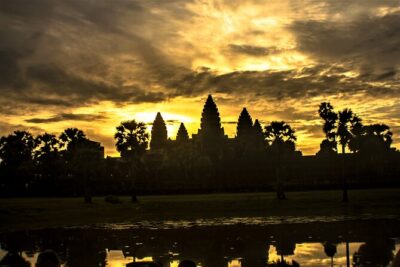
Angkor Wat Highlights and Sunrise Guided Tour from Siem Reap
Read our review →
Angkor Wat Sunset Small Group Tour with Lunch Included
Read our review →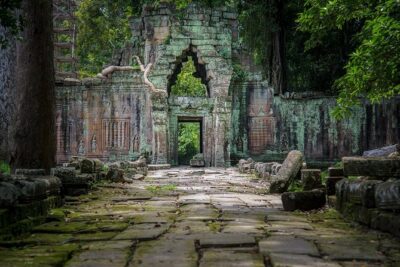
Full-Day Angkor Wat Sunrise Private Tour with Guide from Siem Reap
Read our review →Browse the lists this tour appears in