
Reviewed · MUSEUMS
Tokyo War History Tour: Yasukuni Shrine & War Museum
Yasukuni Shrine is not just another Tokyo shrine. It is a place of worship, mourning, political debate, and national memory, all in one setting. I like that this tour explains those layers without asking you to accept a single political view. I also like the chance to compare Yasukuni with Chidorigafuchi National Cemetery, a secular memorial for unidentified war dead.
The main consideration is the subject matter. The museum presents a distinct view of Japan’s wars, and parts of the visit may feel difficult or unsettling. You need comfortable shoes, patience, and an interest in modern history rather than a quick photo stop.
Key points to know before you book
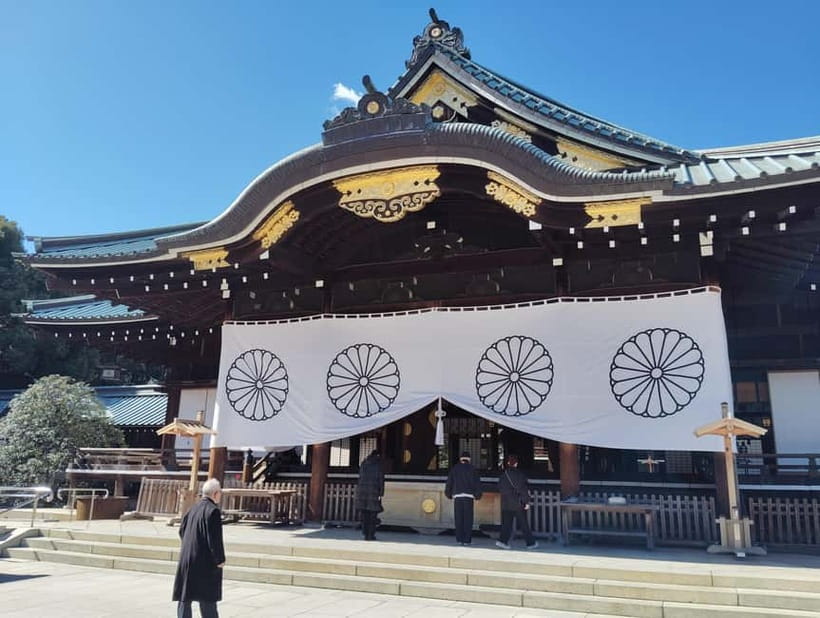
- Yasukuni Shrine was founded in 1869 to honor people who died in conflicts from the Meiji Restoration through the Asia-Pacific War.
- The Yushukan Museum presents Japan’s military story in its own terms, so your guide’s historical framing matters.
- The extended tour adds Chidorigafuchi National Cemetery, giving you two very different approaches to national remembrance.
- The tour is private, so your group receives the guide’s attention rather than sharing a fixed commentary with strangers.
- The museum admission fee is included, while food, drinks, and transport to the meeting point are not.
- Guide Tatsuo is praised for linking early Japanese history with modern life, including an intriguing explanation of why people traditionally keep to the left on pavements and escalators.
Why Yasukuni Shrine requires more than a quick visit
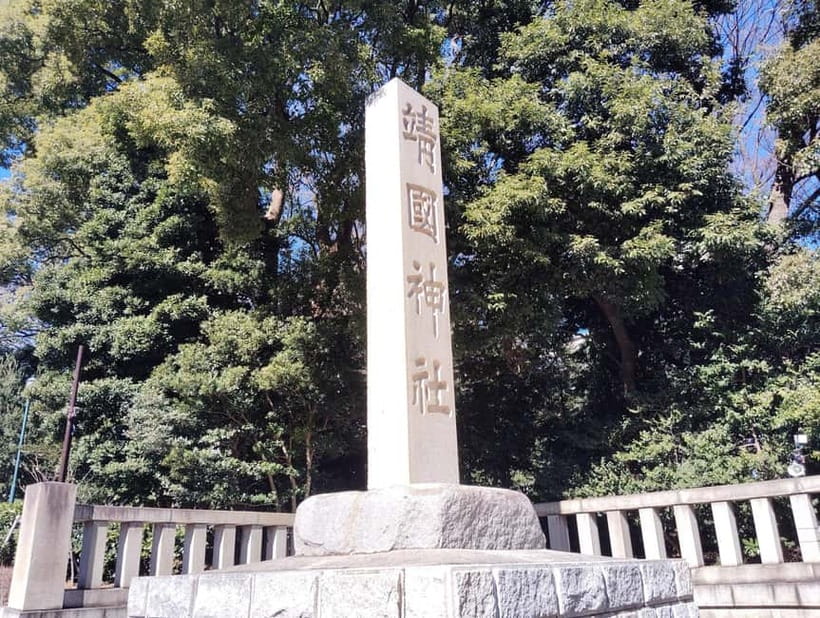
Yasukuni was established in 1869, during the period when Japan was moving from a feudal system toward a centralized modern state. Its purpose was to commemorate those who died in the conflicts that helped shape that new nation.
That makes the shrine different from the usual Shinto site. It is not primarily devoted to a traditional deity. Instead, it enshrines the spirits of war dead. For many Japanese families, that gives the grounds a personal and solemn meaning. For others, the shrine raises questions about nationalism, imperial power, and the way Japan remembers its wartime past.
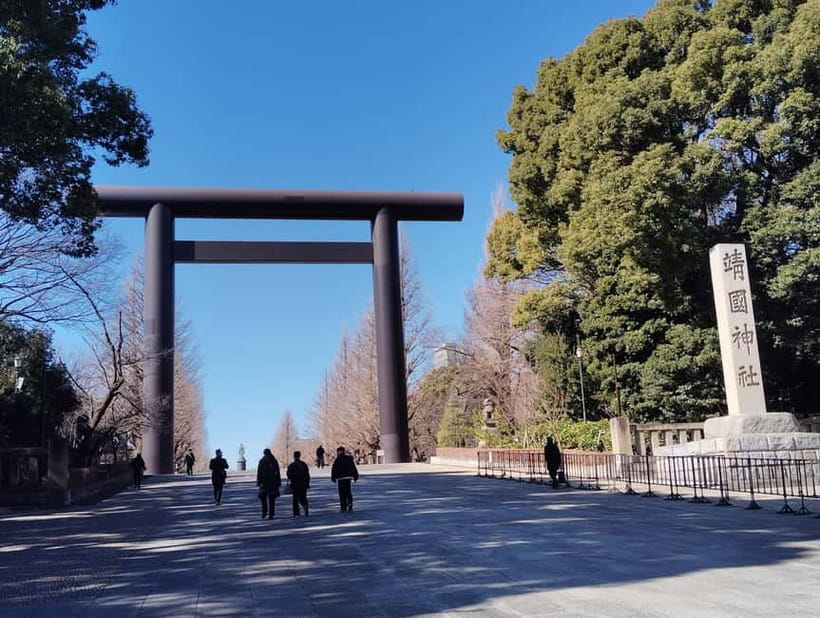
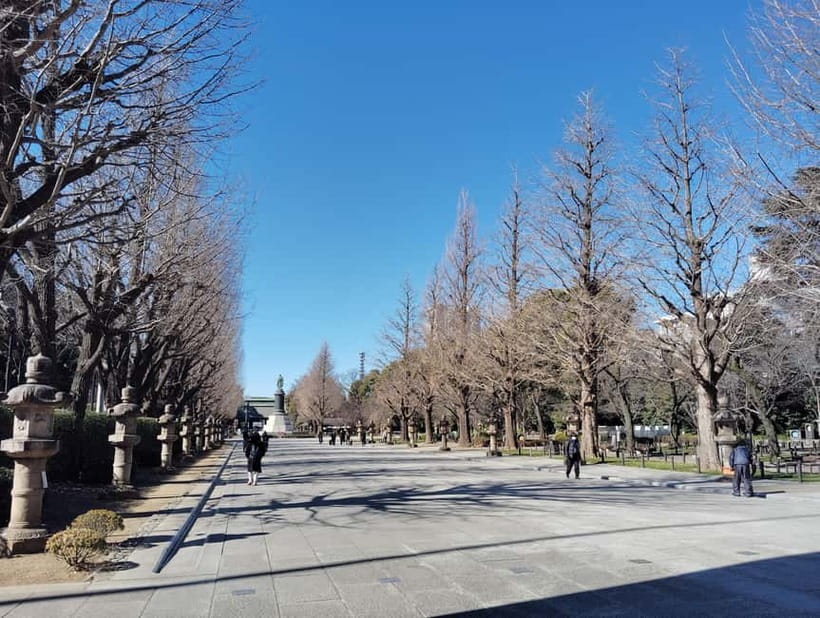
I like that the tour begins at the imposing First Torii rather than rushing straight indoors. The approach gives you time to see the shrine as a public symbol. Your guide can explain how architecture, ritual, and national history meet here before you even reach the main buildings.
You will also take part in standard shrine etiquette. That small act matters. It lets you see how a living religious practice connects the present with people and events from more than a century ago. You are not simply looking at an old monument. You are watching how remembrance is practiced.
The walking portion at Yasukuni lasts about 40 minutes. That is enough time for a clear introduction without making the shrine visit feel like a full-day lecture. Still, keep in mind that the tour deals with sacrifice, war, and national identity. It is not designed as light sightseeing.
More Museum Visits in Tokyo:
- Tokyo: Mt. Fuji, Owakudani, Hakone Shrine, & Open-Air Museum
★ 4.7 · 25 reviews - Montserrat Museum and Monastery Entry Ticket
★ 4.5 · 1,740 reviews - Lisbon: Belem, Jeronimos Monastery, and Coach Museum Tour
★ 4.8 · 478 reviews
The First Torii and the making of modern Japan
The opening section places Yasukuni within Japan’s rapid modernization. Your guide discusses the Meiji Restoration, samurai ethics, imperial ideology, and the growth of Japan’s military power.
This background is useful because the later museum displays can otherwise feel disconnected. You may see military objects, photographs, and documents, but the important question is how they fit into the creation of a modern Japanese state.
A strong guide will help you separate several ideas that are often blended together:
- Traditional warrior values and the later political use of those values
- Personal grief and official commemoration
- Japan’s modernization and its military expansion
- Religious ritual and state power
- Private family remembrance and public national identity
The tour does not present Yasukuni as either simply sacred or simply political. Both readings matter. That balance is one of the experience’s best features, especially if you are approaching the site for the first time.
Inside the Yushukan Museum for about 110 minutes
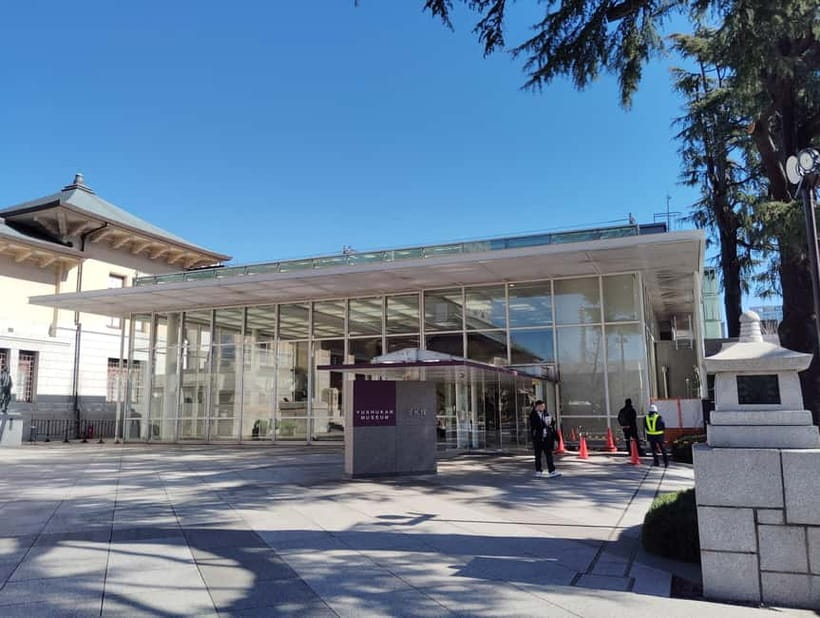
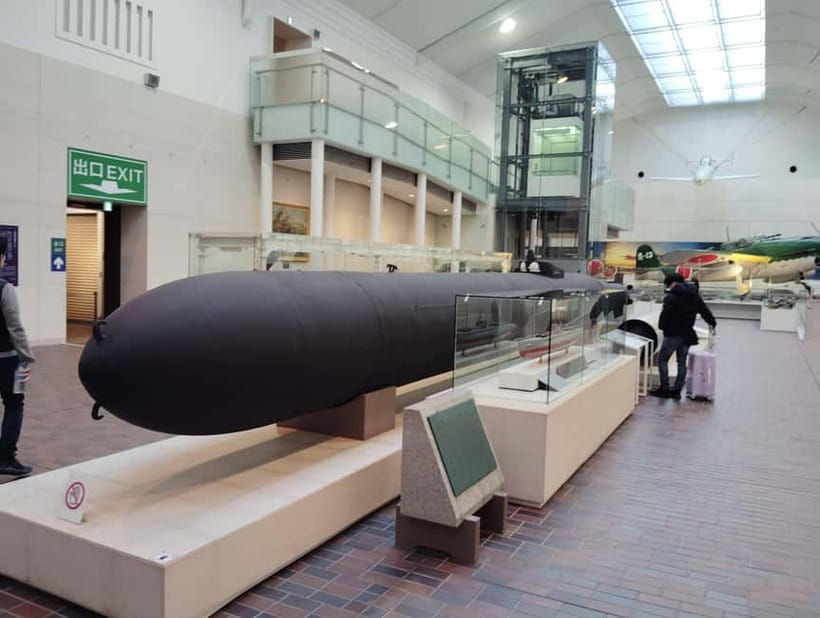
The Yushukan is the central part of the experience, and you should allow time to absorb it. The guided museum visit lasts about 110 minutes, making it much more than a short walk through a few display rooms.
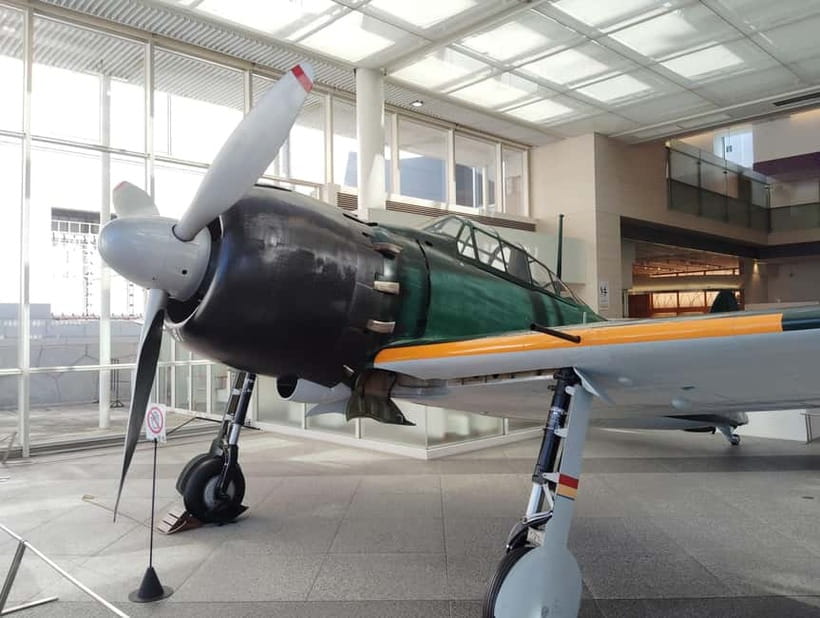
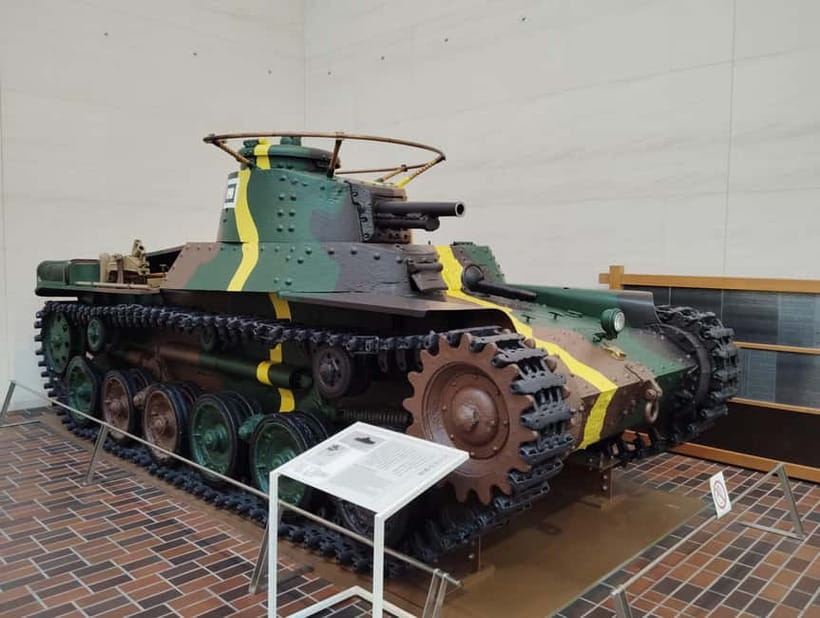
The museum traces Japan’s military history from the late Tokugawa period through World War II. Exhibits include artifacts, photographs, and documents. You might find the material useful for understanding how Japan presents its military past, but you should also pay close attention to what the museum emphasizes and what it leaves less prominent.
The museum uses terminology associated with Japan’s own wartime framing, including the phrase Greater East Asia War. That wording is part of the subject itself. Your guide’s job is to place the museum’s narrative beside broader historical context, including the conflicts of the Pacific War and the experiences of countries affected by Japanese expansion.
This is where the private format earns its price. In a large group, you might simply move from display to display. With a private English-speaking guide, you can ask why a certain object matters, how an event is framed, or how a museum narrative differs from other accounts.
A guide named Tatsuo is associated with this experience and is noted for linking historical details to present-day Japanese customs. One particularly memorable line of inquiry concerns why people keep to the left on pavements and stand on the left side of escalators. The answer is connected to older social and historical habits, not simply modern traffic rules. Details like this can make a long museum visit feel connected to everyday life.
You should not expect the Yushukan to present a neutral textbook account in every room. That is not a reason to skip it. It is a reason to visit with context and questions. The value lies partly in seeing how a major institution presents Japan’s military past, then discussing that presentation with someone who can explain its wider setting.
Photography may be limited in some museum areas, and flash photography is not allowed. Bring a camera if you wish, but be ready to put it away when requested.
The extended route to Chidorigafuchi
The longer version adds about one hour at Chidorigafuchi National Cemetery. The cemetery was established in 1959 as a secular, state-administered memorial for unidentified war dead repatriated from overseas battlefields.
This stop changes the tone of the tour. Yasukuni uses Shinto religious enshrinement. Chidorigafuchi uses a secular national memorial. Both relate to war dead, but they express remembrance in different ways.
That comparison is the clearest reason to choose the extended option. At Yasukuni, the dead are connected with ritual and the spiritual life of the shrine. At Chidorigafuchi, the focus is on unidentified remains and state responsibility. You can consider how religion, government, family grief, and national identity overlap without treating them as the same thing.
The cemetery also gives you a quieter counterpoint to the museum’s objects and historical narrative. After 110 minutes indoors, the change of setting can help you process what you have seen.
The published duration is 150 to 210 minutes. The shorter version covers Yasukuni and the Yushukan. The extended route adds Chidorigafuchi and reaches about three and a half hours. Check the option carefully when booking, since the meeting point and final drop-off can vary.
More History Tours in Tokyo:
- Mt. Fuji Heritage Tour: Traditional Villages, Lakes & Shrine
★ 4.5 · 509 reviews - Tokyo History: Sensoji Temple & Asakusa District Private Tour
★ 5.0 · 28 reviews - Chiang Mai: Historic Temples and City Guided Walking Tour
★ 4.7 · 650 reviews - Malta: Prehistoric Temples, Limestone Heritage & Blue Grotto
★ 4.2 · 412 reviews
A private format that suits serious questions
This is a private group tour, not a standard shared walk. That matters most inside the Yushukan, where your questions may lead the discussion in a useful direction.
You can ask for more detail on Japan’s modernization, imperial ideology, the Pacific War, postwar memory, or the difference between a religious shrine and a state memorial. You can also ask your guide to slow down if a display needs more explanation.
The English-speaking guide is licensed, and the experience is designed for people interested in history, international relations, research, or modern Japanese society. You do not need to be a specialist. You do need to be willing to listen closely and think about more than one interpretation.
The private format may be less valuable to you if you only want attractive shrine buildings and a quick museum visit. You are paying for interpretation and discussion, not just entry.
Is $87 a fair price?
At $87 per person, the tour is not the cheapest way to visit Yasukuni. You could enter the grounds independently and explore at your own pace. The difference is the guide’s time, the private setting, and the included Yushukan admission.
For a single person or a couple, the price makes the most sense if you care about historical context and want to ask questions. For a small private group, it can offer better value because the guide serves only your party.
The tour lasts 150 to 210 minutes, so you are paying for a substantial half-day activity rather than a brief introduction. The extended option is especially useful if you want the religious and secular memorial comparison. If you choose the shorter route, you still receive the main shrine and museum experience.
Transport to and from the meeting point is not included. You are responsible for reaching the selected starting location and arranging your onward plans. Drop-off may be at Chidorigafuchi National Cemetery or the Yushukan, depending on the option.
Free cancellation is available up to 24 hours in advance, and you can reserve now while paying later. Those terms are useful if your Tokyo schedule is still moving around.
Timing, walking, and what to bring
Moderate walking is required, both outdoors and inside the museum. Comfortable shoes are the most important item. Add water, a hat, and sunscreen, especially if you visit in warm weather.
Bring a camera if you want, but do not use flash and expect some museum areas to restrict photography. Smoking is not allowed.
The starting location may vary between the two listed options at Yasukuni Shrine’s First Torii. Confirm the exact meeting point before setting out. Since transport is not provided, give yourself enough time to arrive without hurrying into a serious discussion.
The three-hour extended version can feel long if you have already spent the day visiting museums. It works best when you give the subject your full attention. I would avoid placing it between several rushed attractions.
Who will get the most from this tour?
I would choose this experience if you want to understand how modern Japan talks about war and sacrifice. It is a good fit for students of history, military affairs, international relations, religion, or memory studies.
It also suits culturally curious people who want to look beyond temples, shopping streets, and food. The tour connects a major public site with questions about identity that still matter in Japan and abroad.
I would be more cautious about booking it for young children or anyone expecting a cheerful sightseeing stop. The subject is sensitive, the museum’s interpretation can be challenging, and the indoor visit is long.
You should also be open to hearing a museum’s distinct point of view without treating it as the whole story. The guide’s balanced explanation is important, but the experience still asks you to think critically.
Should you book it?
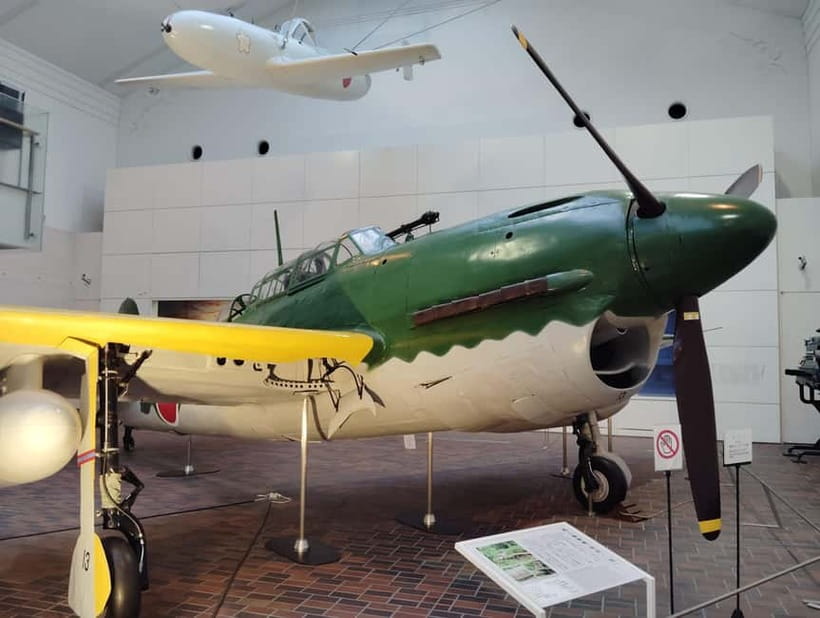
Book this tour if you want an informed visit to one of Tokyo’s most debated historical sites and prefer discussion over simply reading labels. The combination of Yasukuni Shrine and the Yushukan gives you religious ritual, military objects, photographs, and national memory in one focused visit.
Choose the extended option if the comparison with Chidorigafuchi matters to you. Skip the extension if you need a shorter schedule or prefer to spend more time exploring the museum alone.
At $87, the value depends on your interest. For a casual shrine visit, it is more than you need. For a serious look at Japan’s wartime memory with a private English-speaking guide, it is a fair half-day investment.
FAQ
How long does the Tokyo War History Tour last?
The tour lasts between 150 and 210 minutes, depending on the option you book. The longer option includes Chidorigafuchi National Cemetery.
What places are included?
The tour includes Yasukuni Shrine and the Yushukan War Museum. The extended option also includes Chidorigafuchi National Cemetery.
Is the tour private?
Yes. Only your group participates in the private tour.
Is the guide English-speaking?
Yes. The tour includes a licensed, live English-speaking guide.
Is admission to the Yushukan Museum included?
Yes. The Yushukan War Museum admission fee is included.
Is transportation included?
No. Transportation to and from the meeting point is not included.
What should I bring?
Bring comfortable shoes, a hat, a camera, sunscreen, and water.
Is photography allowed?
Flash photography is not allowed, and photography may be restricted in certain parts of the Yushukan Museum.
Can I cancel the tour for a refund?
Yes. You can cancel up to 24 hours in advance for a full refund. Reserve now and pay later is also available.
Newly written up around Tokyo
- Tokyo: Snow Monkey and Zenkoji Temple Day Trip In Low Price★ 5.0 · 5 reviews
- Tokyo: Gotokuji Culture Walk & Lucky Cat Temple Experience★ 4.9 · 5 reviews
- :Tokyo,Shibuya /Meiji Shrine tour in KIMONO/English-friendly★ 5.0 · 4 reviews
- Tokyo: Sensoji Temple & Street Food: Private Tour with guide★ 4.6 · 8 reviews
- Tokyo: Visit 5 Shrines & Collect Goshuin on Private Tour★ 5.0 · 3 reviews
- Tokyo: Shibuya Sky, Harajuku & Meiji Shrine Highlights Tour★ 4.5 · 9 reviews
- Tokyo: Private Meiji Shrine & Harajuku Highlights Tour★ 4.5 · 4 reviews
- Tokyo: Mt. Fuji, Owakudani, Hakone Shrine, & Open-Air Museum★ 4.7 · 25 reviews
Museums, compared.

Belem, Jeronimos Monastery, and Coach Museum Tour
Read our review →
Rila Monastery and Optional Museum, Cave or Spa
Read our review →
Takua Pa: Food Market, Tsunami Museum, Temple, & Old Town
Read our review →
Phnom Penh City Tour, Silver Pagoda, Genocide Museum, Killing Fields
Read our review →
Archeology Museum, Gunung Kawi & Goa Gajah Temple Tour
Read our review →
Golden Temple, Jallianwala Bagh, Partition Museum & Wagha Border – #Travellouge
Read our review →
Paestum: Private Tour of Greek Temples and Archaeological Museum
Read our review →Browse the lists this tour appears in