
Reviewed · 2-DAY EXPERIENCES
2-Days in temples and other areas
Angkor is far too large for a quick photo stop, and this two-day private tour gives you time to see its famous temples plus quieter ruins beyond the main circuit. Guide Narin is known for adjusting the pace, starting early when needed, and adding places such as the landmine museum or less-visited temples.
I like the flexible private format, especially for families or small groups. I also like that the route includes both grand sites such as Angkor Wat and Bayon, and more distant places such as Banteay Srey and Preah Khan. The drawback is cost: at $261, you still pay separately for temple tickets, meals, and the Tonle Sap boat.
Key points at a glance
- Private touring with Narin: Your guide can adjust the start time, pace, and stops to suit your group.
- Major temples in two days: Angkor Wat, Angkor Thom, Bayon, and Ta Prohm anchor the first day.
- Quieter ruins on day two: Preah Khan, Neak Pean, Pre Rup, and Banteay Srey offer a broader view of Angkor.
- Tonle Sap as an optional-cost finish: The floating villages require a separate boat payment.
- Transport and water included: Pickup, a car or van, a guide, and water are provided.
- Bring suitable clothing: Angkor Wat requires covered knees and shoulders.
Two days gives Angkor room to breathe
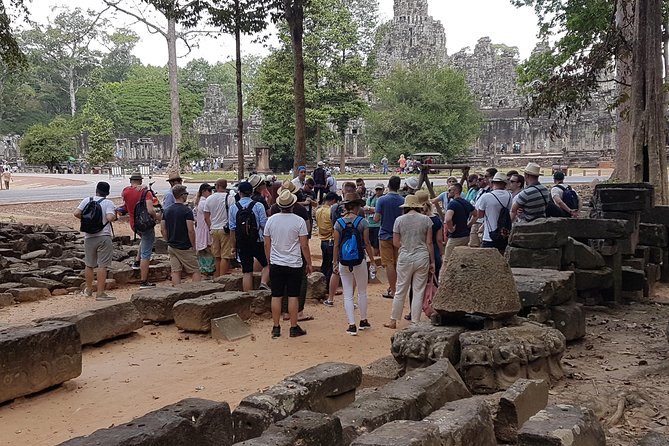
Angkor is not one temple. It is a wide archaeological area with major monuments spread across the Siem Reap region. A one-day visit can cover the headline sites, but it tends to feel like a race between stone towers, stairways, and photographs.
This tour uses the first day for the core sights and the second day for a wider loop. That division makes sense. You get the grand scale of Angkor Wat, Angkor Thom, Bayon, and Ta Prohm first, then use the next day for sites with a different mood and setting.
The private arrangement matters here. You are not tied to the pace of a large bus group. Narin has adjusted departure times for family groups and helped people avoid the hottest part of the day. If your group wants more explanation at one temple and less time at another, this format gives you a better chance of making that work.
The tour is priced at $261, but the value depends on your group size. Split among several people, the private vehicle, guide, two days of transport, and route planning can make sense. For one person, it is a much larger expense, especially since admission, meals, and the boat ride are not included.
More two-day temple trips in Cambodia:
- Siem Reap: Angkor Wat 2-Day Tour with Sunrise and Sunset
★ 4.9 · 4,429 reviews - 2 Days Exclusive Temple Highlights with Sunset and Sunrise Tour
★ 5.0 · 1,157 reviews - Siem Reap: Angkor Sunrise 1- or 2-Day Guided Temples Tour
★ 4.9 · 1,132 reviews
Day one: Angkor Thom, Bayon, Ta Prohm, and Angkor Wat
The first morning begins with hotel pickup in Siem Reap. The route takes you toward Angkor Thom, the ancient city that contains several important temples.
Angkor Thom and the Bayon complex
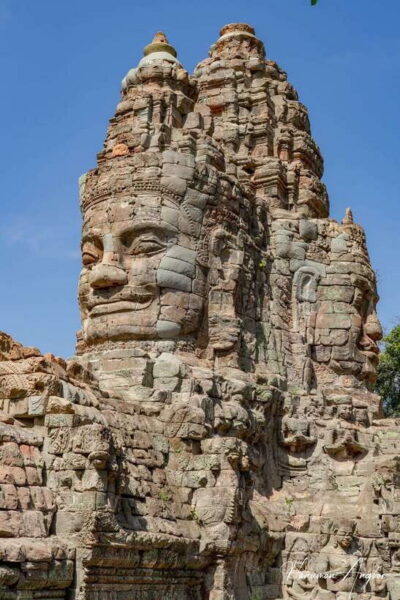
Angkor Thom gives you a sense of scale before you even study individual carvings. Inside the ancient city are several monuments, with Bayon as the main stop. Bayon is known for its large carved faces, which appear on the temple’s towers and create one of Angkor’s most memorable scenes.
This is a place where a guide adds real value. The towers can look confusing at first, with galleries, stairways, carved faces, and narrow passages competing for your attention. A good explanation helps you notice how the temple was organized and why it differs from Angkor Wat.
Allow time for uneven walking and steps. The tour requires a moderate level of fitness, so you should be comfortable walking around temple grounds for much of the day. Narin’s ability to adjust the pace is useful if someone in your group needs more breaks.
Ta Prohm and the power of trees and stone
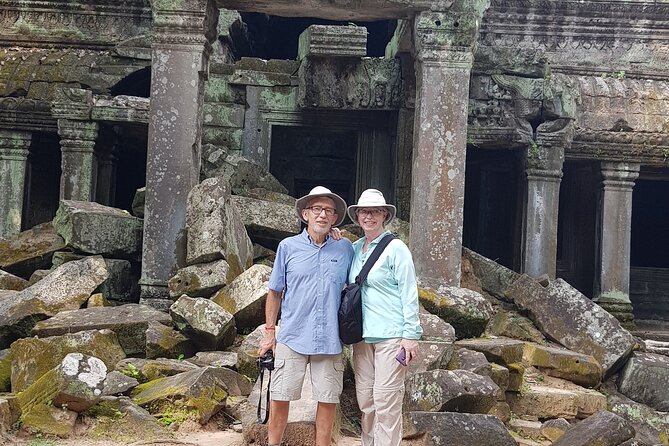
Ta Prohm offers a sharp change from Bayon. The temple is famous for trees growing through and around the ruins, giving the site a more tangled appearance. It is one of the places where nature and architecture are seen together rather than as separate attractions.
Ta Prohm can be one of the busiest stops on the route, so your experience will depend on timing and how long you stay. A private guide cannot remove the crowds, but Narin can help you spend your time sensibly and move at a pace that suits your group.
The temple’s damaged walls and roots make it important to watch your footing. This is not a smooth museum visit. You will be walking over old surfaces and moving through areas that require care.
Other temple visits near Cambodia we have written up
- Angkor Wat Sunrise or Sunset Tour with Guide from Siem Reap
★ 5.0 · 12,109 reviews - Siem Reap: Angkor Wat: Small-Group Sunrise or Sunset Tour
★ 5.0 · 9,444 reviews - Siem Reap: Full-Day Angkor Wat Guided Tour with Sunset
★ 4.9 · 3,803 reviews - Angkor Wat Sunrise tour with Small – Group and Guide tours
★ 5.0 · 3,655 reviews
Angkor Wat, the essential stop
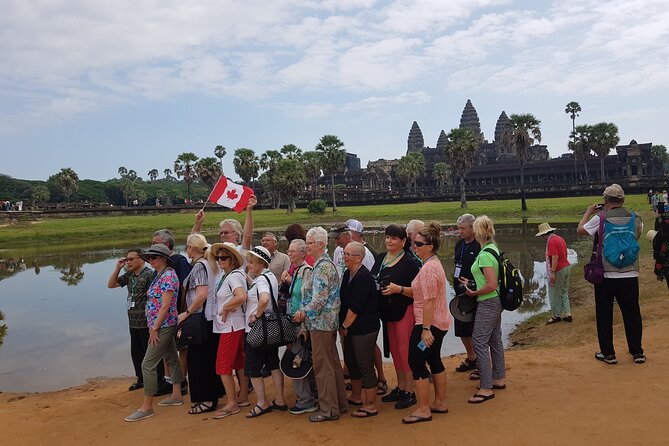
Angkor Wat is the major prize of the first day. Its galleries, towers, courtyards, and carvings reward a slower visit than a quick stop for a photograph. You can expect your guide to explain the temple and help connect its design to the wider Khmer setting.
Dress properly before leaving your hotel. One person on the tour arrived in shorts without realizing that Angkor Wat requires covered knees and shoulders. Narin helped by finding a guide friend who could lend suitable clothing, but it is better to avoid that problem. Wear clothes that cover your knees and shoulders from the start.
The first day also includes a lunch stop in the Angkor Archaeological Park. Lunch is not part of the $261 price, so budget separately. The tour then returns you to your hotel after the temple visits.
For the evening, the operator recommends a Khmer dancing show or Khmer circus, along with local restaurants. These are suggestions rather than included activities. You pay for them yourself, and they are not part of the two-day temple route.
Day two: Preah Khan and the northern temple route
The second day moves beyond the most familiar monuments. The schedule includes Preah Khan, Neak Pean, Pre Rup, and Banteay Srey, followed by Tonle Sap and its floating villages.
This is a fuller day of driving and sightseeing, so the private vehicle is important. You have a place to leave bags, water, and extra clothing, and you do not need to coordinate with a large group at every stop.
Preah Khan, a large and layered ruin
Preah Khan was built by King Jayavarman VII and served, probably, as a temporary residence while Angkor Thom was being built. Its central sanctuary was dedicated in AD 1191.
The temple has a broad, layered plan that can take time to understand. It is less immediately iconic than Angkor Wat, but that is part of its appeal. You can spend more time looking at corridors, doorways, carvings, and the way the structure extends through the site.
This is one of the stops where a private guide can keep the visit from becoming a simple walk through old stone. Narin’s explanations about the area’s rulers and religious changes help give meaning to what you are seeing.
Neak Pean, the island temple
Neak Pean is an island temple in the center of the Jayatataka baray, an ancient reservoir. The water setting gives the stop a different character from the enclosed galleries of Bayon or Preah Khan.
The site is relatively focused, so it provides a useful change of pace during a temple-heavy day. You see a central structure associated with water and the reservoir around it rather than another sprawling complex.
Conditions can vary by season and site management, and the supplied details do not specify how close you can get to every part of the monument. Treat this as a shorter, distinct stop within the wider route rather than a place that will occupy the whole morning.
Pre Rup and the older Hindu tradition
Pre Rup was built as the state temple of Khmer King Rajendravarman and dedicated in 961 or early 962. It is a Hindu temple, so it adds useful balance to a route otherwise strongly associated with the later temples of Jayavarman VII.
The stop helps you see that Angkor was built across different periods and religious traditions. A guide can point out those changes without forcing you to piece the chronology together on your own.
As with the other temples, expect walking and some uneven surfaces. The tour is not designed for a completely sedentary day, and you should plan on spending much of your time outside the vehicle.
Banteay Srey, smaller scale and fine carving
Banteay Srey dates from the 10th century and is dedicated to the Hindu gods Shiva and Parvati. It is often treated as a highlight because its smaller scale and detailed decoration create a different experience from the huge temple cities.
The drive to a more distant site also broadens your sense of Angkor. You are not seeing only the most famous monuments near the main visitor routes. One strong feature of this tour is its willingness to include less central temples, and Narin has taken groups to remote ruins where large tour groups do not usually go.
That flexibility is worth confirming when you book. The exact order can change with timing, heat, road conditions, and your group’s interests. The listed route includes Banteay Srey, but the guide may shape the day around the time available.
Tonle Sap and the floating villages
After lunch, the route continues to Tonle Sap Lake and its famous floating villages. This part of the day is separate from the temple admission arrangements and requires a boat payment from you.
Tonle Sap adds a human and geographic side to the trip. After two days of stone temples, a boat ride and floating village visit offer a change in subject and setting. You should treat it as an added experience rather than assume it is covered in the tour price.
The available information does not specify which floating village you will visit, how long the boat ride lasts, or the exact boat charge. Ask for those details before departure so you can budget properly. The boat is not included, and neither are meals.
What the private guide and vehicle add
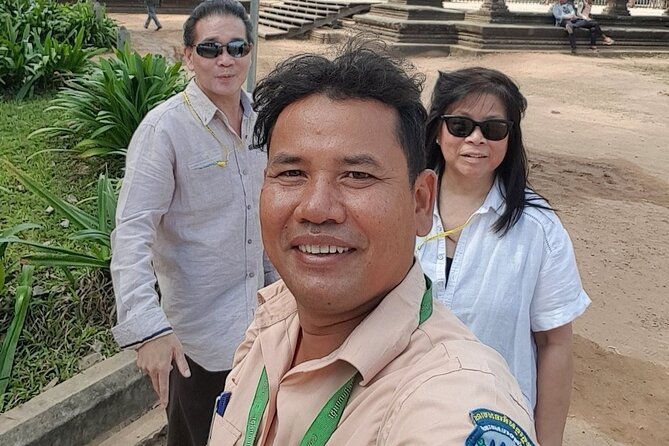
The strongest reason to choose this tour is control over your day. Narin has been praised for being friendly, helpful, flexible, and willing to adapt the route to a group’s interests. That matters in Angkor, where heat, walking, and temple fatigue can change your plans by lunchtime.
A private vehicle also gives you a break between sites. The included car or van is not a luxury extra. It is practical support for a route that covers many temples and then continues to Tonle Sap.
Water is included, which is a small but useful detail. You should still arrive prepared for outdoor sightseeing, with clothing that meets temple rules and footwear suitable for walking.
The experience is for your group alone, not a shared departure. That makes it a good fit for families, couples, and friends who want to pause for photographs or shorten a stop without waiting for strangers.
What the $261 price really covers
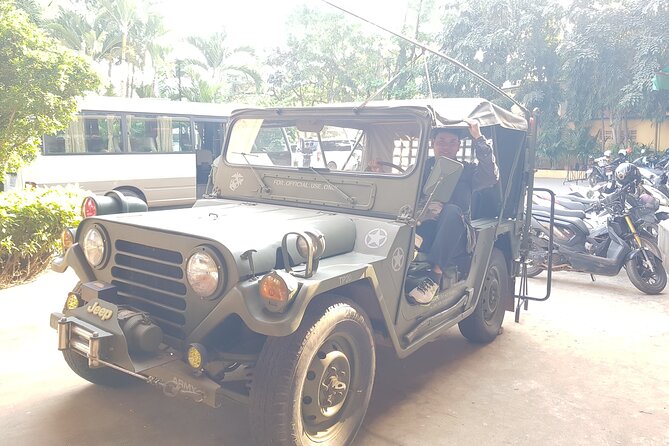
The $261 price includes the guide, car or van, pickup, and water for approximately two days. It does not include the temple ticket, food, or boat.
That division is important. Angkor admission can be a significant extra cost, and you need to add lunch on both days. Tonle Sap requires another payment if you take the boat. Evening entertainment, such as a Khmer dance show or circus, is also outside the tour.
For a small family or group, the price can be reasonable because the cost is shared while you receive private transport and a dedicated guide. For a solo visitor, it is harder to call it a bargain. The clearest value comes from the route planning, flexibility, and coverage of both famous and less-visited sites.
The tour has free cancellation up to 24 hours before the start time. Changes or cancellations inside that window are not refunded, and poor weather can lead to a new date or full refund.
Who should book this two-day route?
I would choose this experience if you want a structured visit but do not want to be locked into a large group. It suits anyone with only a short stay in Siem Reap who wants the major temples plus a broader selection of ruins.
Families may especially appreciate the flexible pace. So will anyone who prefers early starts or wants to avoid being outside during the hottest hours. The tour also works well for people who value explanation, since Narin provides context rather than leaving you to guess what each monument was built for.
You should think twice if you want every expense bundled into one price. Tickets, meals, and the Tonle Sap boat are extra. You should also be ready for substantial walking, outdoor conditions, and two full sightseeing days.
Should you book it?
Book this tour if you want private, flexible temple touring and a guide who can adapt the plan to your group. Its best feature is the mix: Angkor Wat and Bayon for the grand landmarks, Ta Prohm for its unusual ruins, then Preah Khan, Neak Pean, Pre Rup, Banteay Srey, and Tonle Sap for a wider look at the area.
The $261 price is easiest to justify when shared among several people. Before booking, confirm the temple ticket cost, lunch arrangements, the Tonle Sap boat fee, and the expected start times. If you are comfortable paying those extras, this is a strong way to see Angkor without rushing through it in a single day.
FAQ
How long does the tour last?
The experience lasts approximately two days. The second-day itinerary is listed as about seven hours, while the first day covers several major temples and includes hotel drop-off.
Is hotel pickup included?
Yes. Pickup is offered from hotels in Siem Reap, with the meeting point listed as Krong Siem Reap, Cambodia.
Is this a private tour?
Yes. This is a private activity, and only your group participates.
Which temples are included?
The route includes Angkor Wat, Angkor Thom, Bayon, Ta Prohm, Preah Khan, Neak Pean, Pre Rup, and Banteay Srey.
Is the temple admission ticket included?
No. The temple ticket is not included in the tour price. A paper ticket is used.
Are meals included?
No. Food is paid for separately by you. Lunch stops are planned during the tour.
Is the Tonle Sap boat ride included?
No. The boat is not included. You pay separately if you take the floating village boat trip.
What is provided during the tour?
The tour includes a guide, car or van, and water.
What should I wear to Angkor Wat?
You need clothing that covers your knees and shoulders at Angkor Wat. The tour requires a moderate level of physical fitness, so comfortable clothing and footwear are sensible.
Newly written up around Cambodia
- Full-day: Wat Banan. Old bamboo train. Bat Cave. Killing cave★ 5.0 · 13 reviews
- Morning Tour,Ak Phnom temple,Rice wine,Rice Paper, killing Field★ 5.0 · 22 reviews
- Grand Tour-Ek Phnom. Baset. Bamboo Train. Wat Banan. Phnom Sampov★ 5.0 · 20 reviews
- Two Days Angkor Wat Park-Beng Mealea and Kampong Phluk Village★ 5.0 · 14 reviews
- Sunrise at Angkor Wat Temple: 3-Hour Private Tour★ 4.7 · 30 reviews
- Small-Group Explore Angkor Wat Sunrise Tour with Guide★ 5.0 · 3 reviews
- Siem Reap : Private Tuk-Tuk Tour of the Magnificent Temples.★ 4.9 · 14 reviews
- Siem Reap: Ultimate Angkor Wat Offbeat Experience by Jeep★ 4.9 · 8 reviews
2-Day Experiences, compared.
Angkor Wat 2-Day Tour with Sunrise and Sunset
Read our review →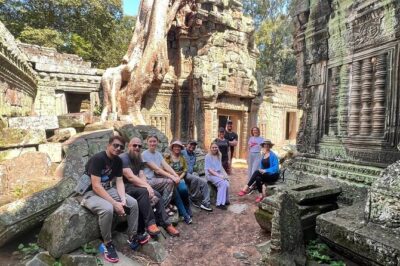
2 Days Exclusive Temple Highlights with Sunset and Sunrise Tour
Read our review →
Angkor Sunrise 1- or 2-Day Guided Temples Tour
Read our review →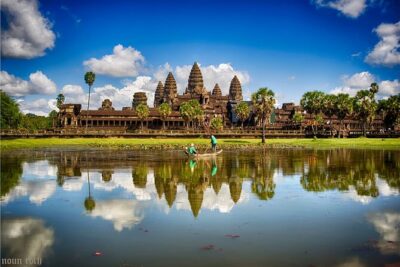
2-Day Angkor Wat With Small, Big Circuit and Banteay Srei Tour
Read our review →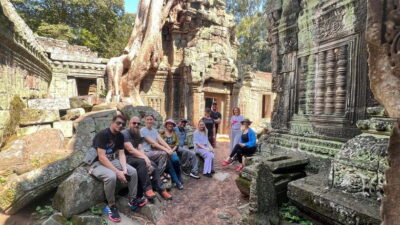
2-Day Temple Highlights Sunrise and Sunset Option
Read our review →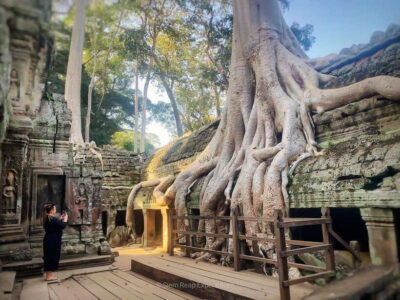
Angkor Wat 2-Day complex Sun rise & Sun set with Guided Tour
Read our review →
2-Days Angkor Wat with Sunrise Small-Group Tour
Read our review →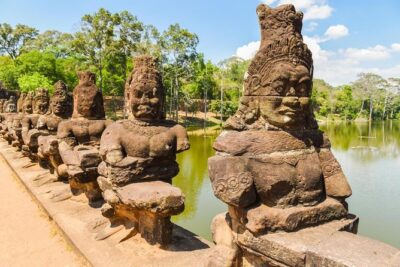
Browse the lists this tour appears in