
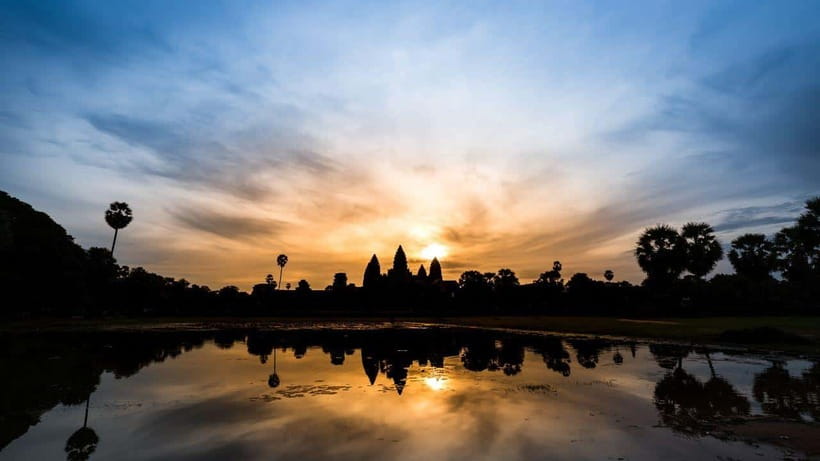
Reviewed · ANGKOR WAT TOURS
Angkor Wat: Sunrise: Ta Prohm and Bayon Temple Tour
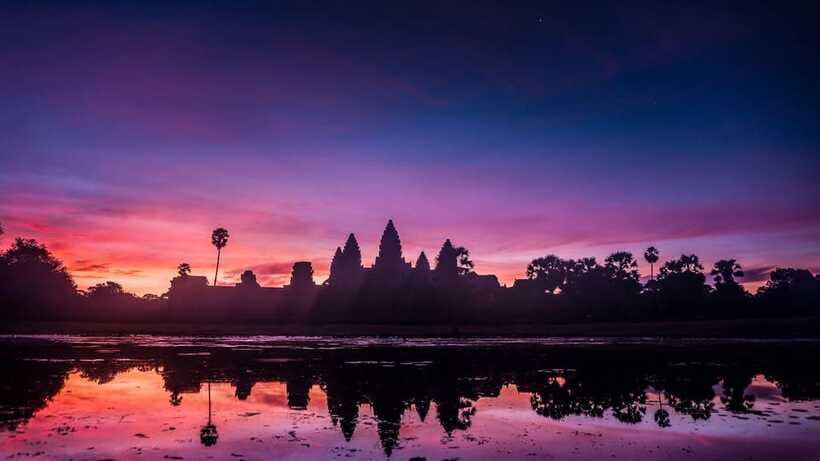
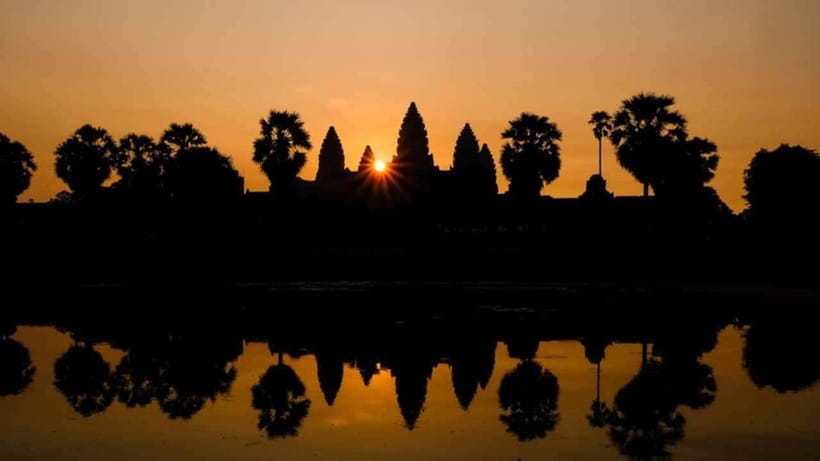
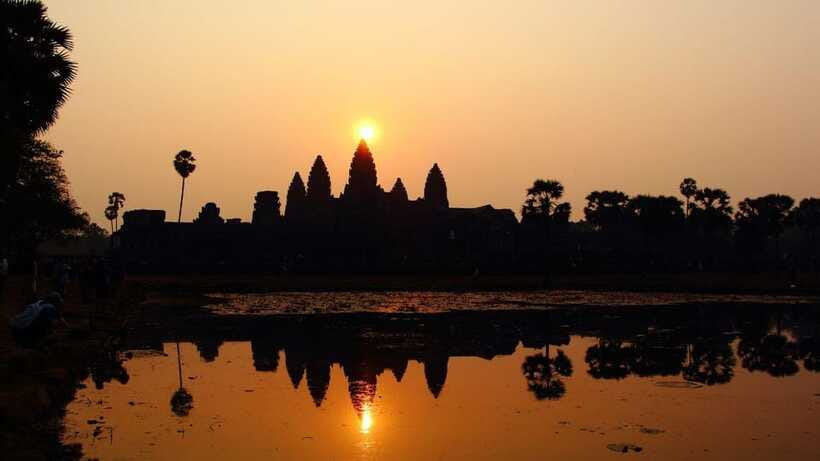
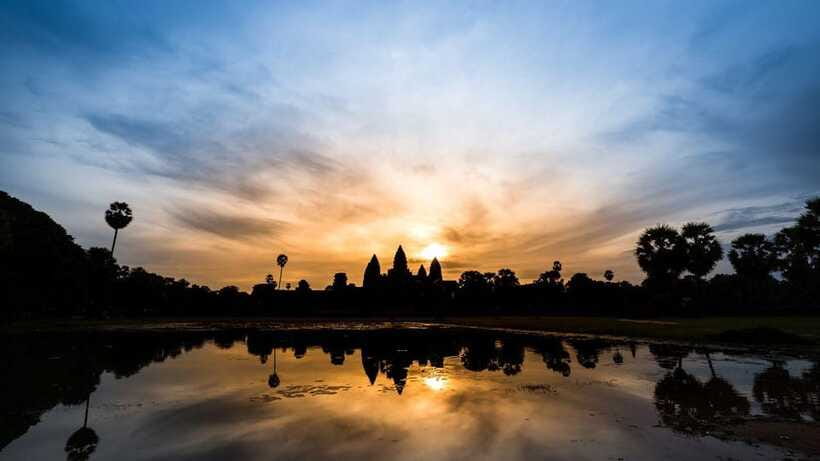
Angkor Wat at sunrise is the main event here. You leave Siem Reap before dawn, enter the temple grounds in darkness from the eastern side, and reach the pools as the sky begins to brighten behind the famous towers. The early alarm is severe, but the first light on the stone is worth the lost sleep.
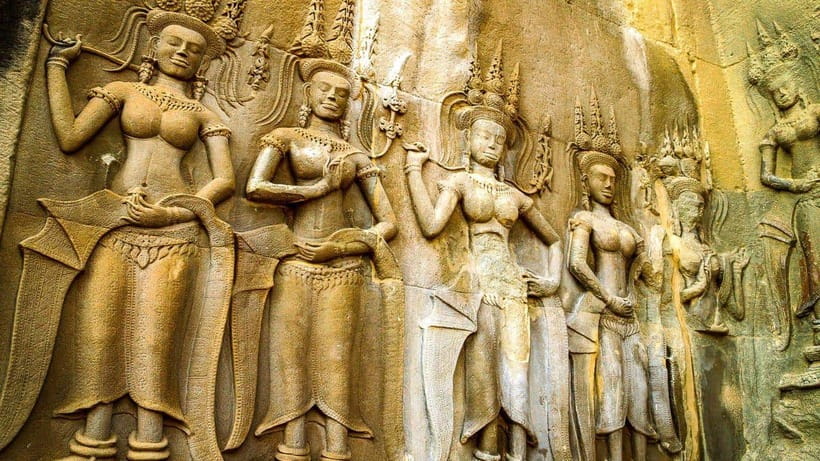
I like the two-hour visit inside Angkor Wat, where a guide can explain the bas-reliefs, central chambers, and upper terraces instead of leaving you to puzzle over them alone. I also like the sensible route through Ta Prohm and Bayon, two very different temples that give you a fuller picture of Angkor in one morning.
The catch is simple: this is a long, early, hot day on your feet, and the $16 tour price does not include the required $37 temple pass or breakfast. Bring cash, comfortable shoes, and a torch for the dark start.
Key points
- Sunrise from the Angkor Wat pools: Arrive early enough to seek a good position for the temple reflection.
- Two hours inside Angkor Wat: See the cloisters, bas-reliefs, central chambers, and upper terraces with an English-speaking guide.
- Ta Prohm before the midday heat: Walk among roots and crumbling stone at the temple once home to 2,740 monks.
- Bayon’s giant stone faces: Study more than 200 carved faces in the center of Angkor Thom.
- Comfort between temple stops: Air-conditioning, bottled water, cool towels, hotel pickup, and drop-off are included.
- A low tour fee with an extra entrance cost: Pay $16 for the tour, then add the $37 one-day Angkor pass and breakfast.
The real value of leaving before dawn
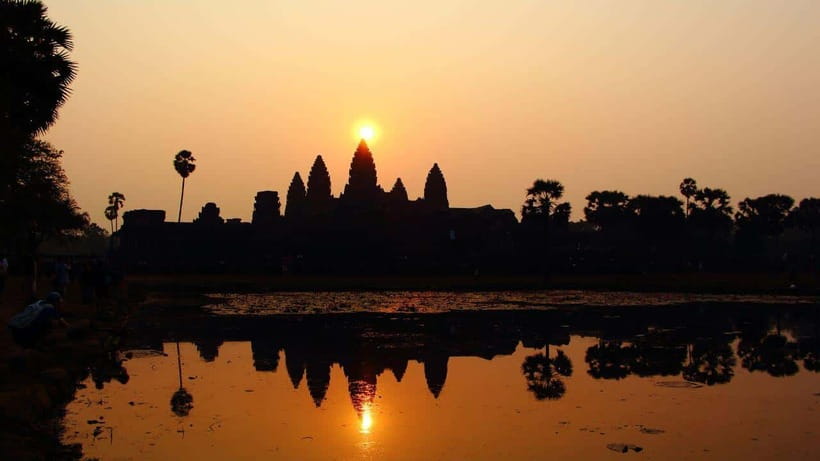
This tour works because it handles the hardest part of an Angkor day for you: getting moving in the dark. Pickup is in Krong Siem Reap, followed by about 20 minutes in an air-conditioned van. The exact starting time depends on availability, but expect a pre-dawn departure and a return between 12:30 and 1:30 p.m.
The sunrise stop is not a quick roadside photo. You enter Angkor Wat through the eastern side, described as less visited than the main western approach, then walk through old cloisters while it is still dark. A small torch is a useful addition to your bag.
The famous view is from near one of the ancient library pools. On a clear morning, the temple towers and their reflection gradually separate from the darkness. Clouds can soften or partly hide the sunrise, of course, but arriving early still matters. Atsuko’s experience points to one practical benefit: an early arrival gives you a better chance of finding a useful position for photographs.
You should keep your expectations sensible. This is a popular sight, and a good viewpoint does not mean private silence. The value lies in having transport, a planned entry, and a guide who can get you oriented before the day becomes confusing.
More Temple Sunrise Tours in Cambodia
- Angkor Wat Sunrise or Sunset Tour with Guide from Siem Reap
★ 5.0 · 12,109 reviews - Siem Reap: Angkor Wat: Small-Group Sunrise or Sunset Tour
★ 5.0 · 9,444 reviews - Siem Reap: Angkor Wat 2-Day Tour with Sunrise and Sunset
★ 4.9 · 4,429 reviews
Two hours inside Angkor Wat
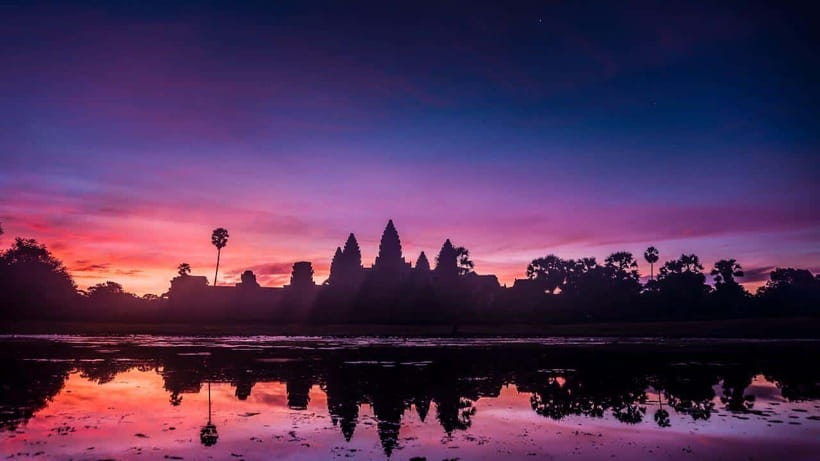
After the first photographs, the tour moves into the temple itself. Two hours is a worthwhile amount of time here. Angkor Wat is too large and detailed for a rushed circuit, and the interior can feel like a maze if you only follow signs.
Your guide explains the long bas-relief galleries, which tell stories through carved stone rather than written captions. The carvings also offer clues about religion, royal power, warfare, and daily life during the height of the Khmer Empire. A good guide turns an impressive wall into a readable scene.
The route includes corridors, central chambers, and upper terraces. These higher areas can involve steps and uneven walking, so comfortable shoes matter. The tour is not suitable for wheelchair users, and the amount of walking makes it a poor fit for anyone looking for a gentle sightseeing ride.
Guides named in the tour’s recent bookings include Mr. Sokpee, Sopheaprath, Chhay, Kiz, Sam, and Lucky, also called Samnung. Their styles vary, but the useful pattern is clear: the strongest part of the experience depends on the person leading you. Chhay is described as mixing history with humor, while Sopheaprath is noted for photo advice and close attention to the group. Mr. Sokpee is praised for explaining religion, architecture, and the different kingdoms connected with the temples.
That human element matters at Angkor. You can see the towers without a guide, but you may miss why the carvings were made, how the temple was used, and how later religious changes shaped the site. If you prefer complete independence, the group structure may feel restrictive. If you want context without arranging a private guide, it is a fair trade.
Breakfast at Srah Srang is a useful pause
After Angkor Wat, you stop around Srah Srang for about an hour. Breakfast is not part of the $16 price, but you can eat at a local restaurant. The meal is an extra expense, not a hidden inclusion, so budget for it.
You can also bring a boxed breakfast from your hotel. Eliza did exactly that and found time to eat and rest after the long Angkor Wat visit. This is a smart choice if you have dietary needs, want to save money, or simply prefer to eat before ordering at a roadside restaurant.
Srah Srang gives you a chance to cool down and reset before the next temples. Water and cool towels are supplied during the day, and several named guides and drivers are praised for handing them out after stops. Three bottles of water were appreciated by Atsuko, though your exact supply should be confirmed with the operator if you need more.
Do not treat this as a leisurely breakfast tour. The pause is practical, not luxurious. You are breaking up a demanding morning, using the time to eat, drink, and recover before more walking.
Ta Prohm shows Angkor at its most atmospheric
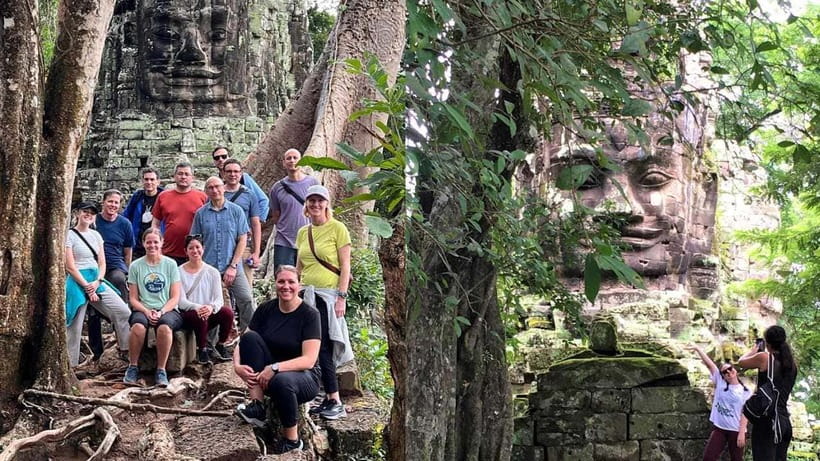
The next stop is Ta Prohm, reached after the breakfast break. You spend about an hour walking through the temple, which is famous for its trees, broken galleries, and roots pressing against old stone.
Ta Prohm once housed 2,740 monks. Today, its partly overgrown appearance gives you a strong sense of how the site looked when French explorer Henri Mouhot encountered it in the early 1850s. The temple is not simply an overgrown ruin. Its condition helps you picture the long period in which Angkor’s buildings were no longer maintained as a working religious center.
I like Ta Prohm as the middle stop because it changes the mood. Angkor Wat is formal and grand, with long lines and carefully planned spaces. Ta Prohm feels more enclosed and unpredictable, with trees and collapsed sections competing with the carved stone.
You will walk on uneven ground and may need to wait briefly at popular viewing points. The route is manageable for people who can walk comfortably, but it is not ideal for young children under eight, who are not accepted on this tour. Wear clothes that cover your shoulders and knees inside the temples. Shorts are not allowed, and casual clothing is fine as long as it meets the temple rules.
More Angkor Wat Tours in Cambodia:
- Siem Reap: Full-Day Angkor Wat Guided Tour with Sunset
★ 4.9 · 3,803 reviews - Angkor Wat Sunrise tour with Small – Group and Guide tours
★ 5.0 · 3,655 reviews - Angkor Wat Highlights and Sunrise Guided Tour from Siem Reap
★ 5.0 · 3,213 reviews - Angkor Wat Sunset Small Group Tour with Lunch Included
★ 5.0 · 3,059 reviews
Bayon and Angkor Thom make a strong final chapter
The tour then goes to Angkor Thom, the fortified city that contains Bayon. Before reaching the temple, you pass the Terrace of the Leper King and the Terrace of Elephants. These stops add scale to the visit. Angkor was not only a collection of isolated shrines. It was a planned royal city with ceremonial spaces, defensive gates, and large public monuments.
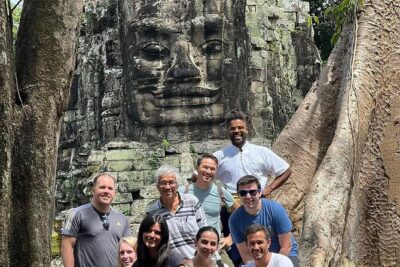
Bayon is the visual change-up after Ta Prohm. Its central towers carry more than 200 enormous carved faces. From different angles, the faces seem to look across the stone towers and down toward the paths below. Your guide can help you notice how the faces fit into the temple’s design rather than treating them as a series of identical photo props.
The visit to Bayon lasts about an hour and includes walking around the temple. This is a good place to ask questions because the site can be confusing at first. A guide such as Chhay or Kiz can help connect the architecture with the religious and political history of the Khmer Empire.
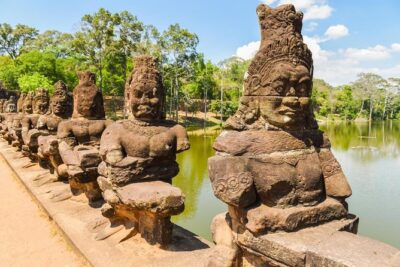
The last listed stop is Tonle Om Gate, also called the Southern Gate, for about 20 minutes. A row of 54 stone figures lines each side of the approach, with gods on one side and demons on the other. The gate gives you a clear view of Angkor Thom’s fortified character and makes a fitting end to the temple circuit.
Transport, timing, and the cost in real terms
The headline price is $16 per person. That is good value for an eight-hour guided outing with hotel pickup, drop-off, an air-conditioned vehicle, bottled water, cool towels, and an English-speaking guide.
The important calculation is the total cost. Add the required one-day temple pass of $37, plus breakfast if you buy it locally. Your basic day therefore starts at $53 per person before food. The pass covers the temples visited in this tour for one day, so its value improves if you plan to visit Angkor on another day using the same pass.
The van is a practical advantage, especially after the sunrise start. You will move between Siem Reap, Angkor Wat, Srah Srang, Ta Prohm, Bayon, and the southern gate without having to arrange separate transport. The tour also has a highly rated transport record, with every listed transport rating receiving a perfect score.
The tradeoff is that a shared vehicle can make the day less flexible than a private car and guide. The supplied information does not specify the group size, so ask if that matters to you. Pickup and drop-off are convenient, but the day follows a set order and pace.
The experience has a current rating of 5 from 27 reviews. That is a strong signal, particularly for the guide and transport side of the day, but you should still judge the format honestly. An early group tour cannot promise clear skies, empty paths, or unlimited time at each temple.
The guides are a major part of the experience
Several guide names appear in the booking record, including Mr. Sokpee, Sopheaprath, Chhay, Kiz, Sam, and Lucky, also known as Samnung. You cannot necessarily request a particular guide unless Tourme ANGKOR confirms it, but these names give you an idea of the personal style attached to the tour.
The strongest praise centers on clear historical explanations, good communication before pickup, humor, and practical care. One guide used a playful reminder about staying together like mango sticky rice, which is more useful than it sounds when a group is moving through large temple grounds.
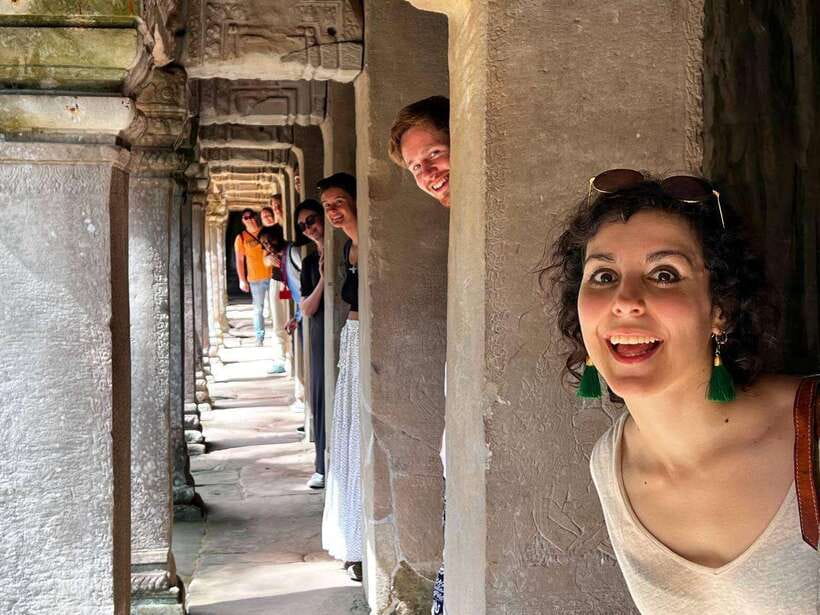
That communication matters at 4 a.m. A message the day before with the pickup time and expectations can remove a lot of stress. Guides also help with photographs, point out good positions, answer questions, and keep the route moving.
I would book this tour for someone who wants history in plain English and does not want to organize temple transport. I would not choose it for someone who wants to sleep late, linger alone at every carving, or avoid walking on uneven surfaces.
What to pack for a more comfortable morning
Pack light, but do not leave out the basics. You should bring:
- Comfortable walking shoes
- A camera or phone
- A small torch for the pre-dawn entry
- Biodegradable sunscreen
- Cash for the temple pass and breakfast
- Clothing that covers your shoulders and knees
- Water if you prefer to carry more than the supplied bottles
A boxed breakfast from your hotel is worth considering. It gives you control over timing and food, and the stop near Srah Srang provides time to eat. You should also prepare for changing conditions: the morning begins in darkness and can become hot by the time you reach Bayon.
The tour is not suitable for children under eight or wheelchair users. Those restrictions are important, not minor footnotes. Angkor involves steps, uneven paths, long walks, and temple entrances that are not designed for wheeled access.
Should you book this Angkor Wat sunrise tour?
I would book it if you have one full morning in Siem Reap and want the major Angkor sights covered without paying for a private day. The combination of sunrise, two hours inside Angkor Wat, Ta Prohm, Bayon, Angkor Thom, and the southern gate gives you a strong first look at the park.
The best reasons to choose it are the early entry plan, the time inside Angkor Wat, the included vehicle and hotel service, and the care shown by guides such as Chhay, Sokpee, Sopheaprath, Kiz, and Lucky. The $16 tour fee is appealing once you understand that the $37 temple pass and breakfast are separate.
Skip it if the pre-dawn departure sounds miserable, if you need wheelchair access, or if you want a private schedule. For most active visitors who want useful history, reliable transport, and the essential temples in one carefully timed morning, this is a sensible Angkor introduction.
FAQ
How long does the Angkor Wat sunrise tour last?
The tour lasts about eight hours and usually ends between 12:30 and 1:30 p.m.
What time does the tour start?
It begins before dawn. Starting times vary, so you should check availability when booking.
Is the Angkor temple entrance fee included?
No. The one-day temple pass costs $37 and covers all temples visited during the day.
Is breakfast included?
No. Breakfast is available at a local restaurant near Srah Srang, or you can bring a boxed breakfast from your hotel.
Which temples and sites are included?
The route includes Angkor Wat, Srah Srang, Ta Prohm, Bayon Temple, Angkor Thom, the Terrace of the Leper King, the Terrace of Elephants, and Tonle Om Gate, also called the Southern Gate.
What language does the guide speak?
The live guide speaks English.
What should I wear to the temples?
Wear comfortable clothing that covers your shoulders and knees. Shorts are not allowed inside the temples.
Is the tour suitable for children and wheelchair users?
Children under eight are not accepted, and the tour is not suitable for wheelchair users.
Newly written up around Cambodia
- Full-day: Wat Banan. Old bamboo train. Bat Cave. Killing cave★ 5.0 · 13 reviews
- Morning Tour,Ak Phnom temple,Rice wine,Rice Paper, killing Field★ 5.0 · 22 reviews
- Grand Tour-Ek Phnom. Baset. Bamboo Train. Wat Banan. Phnom Sampov★ 5.0 · 20 reviews
- Two Days Angkor Wat Park-Beng Mealea and Kampong Phluk Village★ 5.0 · 14 reviews
- 2-Days in temples and other areas★ 5.0 · 101 reviews
- Sunrise at Angkor Wat Temple: 3-Hour Private Tour★ 4.7 · 30 reviews
- Small-Group Explore Angkor Wat Sunrise Tour with Guide★ 5.0 · 3 reviews
- Siem Reap : Private Tuk-Tuk Tour of the Magnificent Temples.★ 4.9 · 14 reviews
Angkor Wat Tours, compared.
Angkor Wat Sunrise or Sunset Tour with Guide from Siem Reap
Read our review →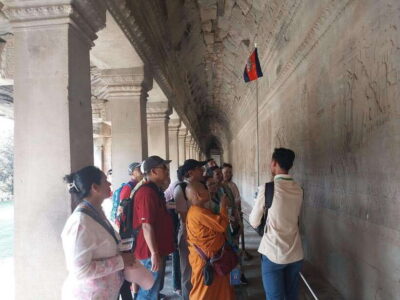
Angkor Wat: Small-Group Sunrise or Sunset Tour
Read our review →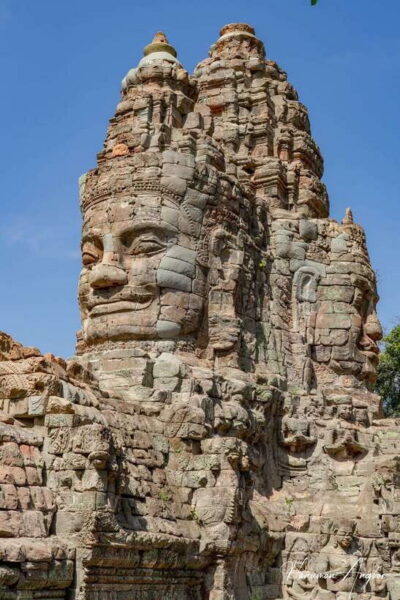
Angkor Wat 2-Day Tour with Sunrise and Sunset
Read our review →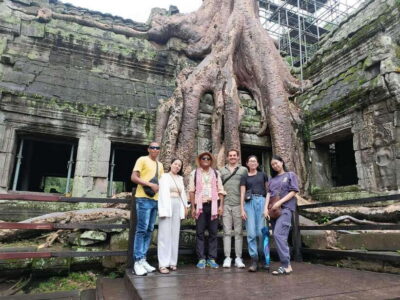
Angkor Wat Sunrise tour with Small – Group and Guide tours
Read our review →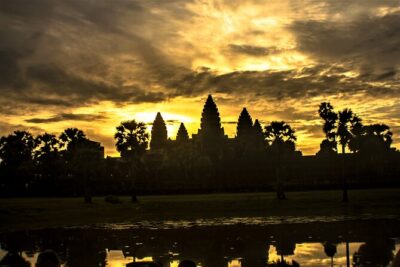
Angkor Wat Highlights and Sunrise Guided Tour from Siem Reap
Read our review →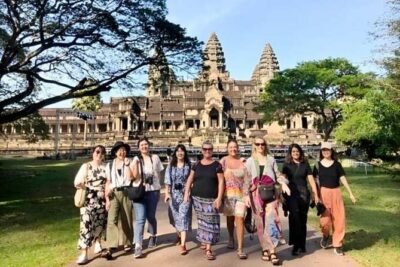
Angkor Wat Sunset Small Group Tour with Lunch Included
Read our review →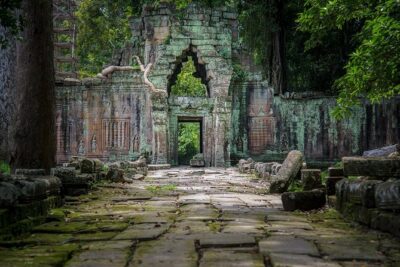
Full-Day Angkor Wat Sunrise Private Tour with Guide from Siem Reap
Read our review →Browse the lists this tour appears in