
Reviewed · TEMPLE OF HEAVEN TOURS
Private City Tour By Public Transportation: Temple Of Heaven, Tiananmen Square and Forbidden City
Beijing’s grandest sights make more sense when you connect them by public transportation. This private tour takes you from the Temple of Heaven to Tiananmen Square and the Forbidden City by metro, bus, and on foot, giving you a useful lesson in getting around the capital as well as a day of major sights.
I like the chance to see locals doing morning exercises at the Temple of Heaven, and I like having a guide beside me in the Forbidden City, where the scale and repeated courtyards can blur together. Guides including Roy, Alice, and Coco have been singled out for clear English, patient pacing, and strong answers to children’s questions.
The tradeoff is physical: plan on more than 15 kilometers of walking in some conditions, with time outdoors under the summer sun. Tiananmen Square security can also cause a long wait, and the square may close without notice for government events.
Key points to know before booking
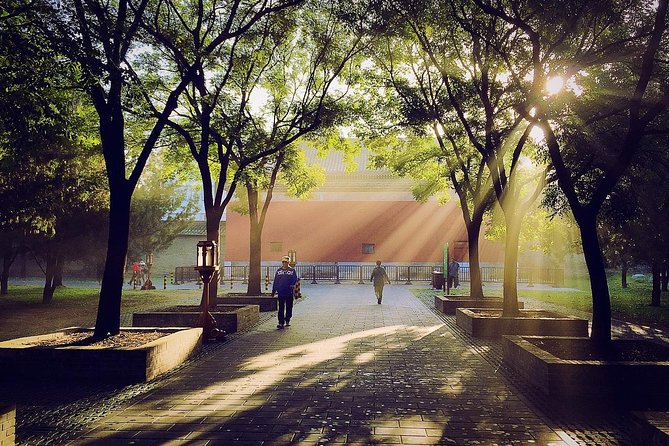
- Morning life at the Temple of Heaven: See local residents exercising, socializing, and using the park before touring its imperial buildings.
- Three major sights in one private day: Cover the Temple of Heaven, Tiananmen Square, and the Forbidden City in roughly six hours.
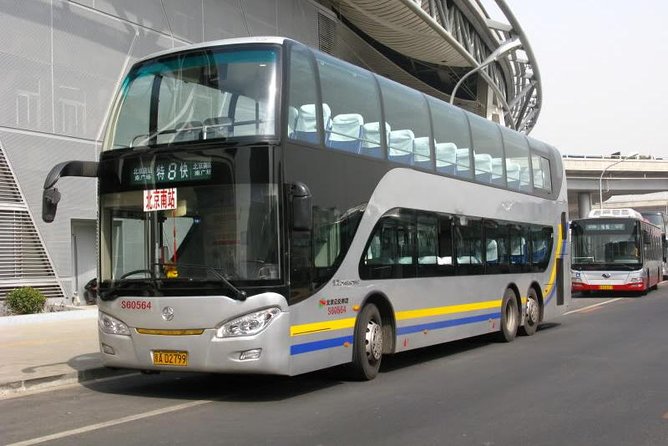
- Public transport is part of the lesson: Ride the metro and buses with a guide, including a double-decker bus toward Tiananmen Square.
- Private guiding makes a difference: Ask questions freely and request more or less time at individual sights.
- The Forbidden City requires advance details: Your passport name and number are needed to arrange the entrance ticket.
- Tiananmen Square is not guaranteed: Strict security or an unexpected closure can change this part of the route.
Why this Beijing tour works well
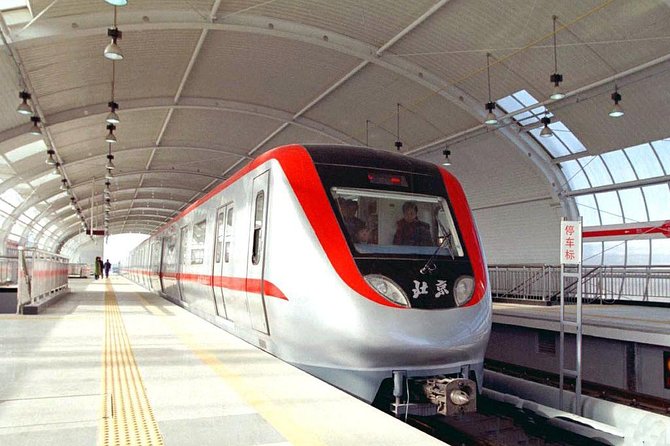
This is not simply a car ride between photo stops. The point is to move through Beijing as residents do, using the metro and city buses rather than staying inside a private vehicle. That gives you a practical sense of the city and may help you feel more confident using public transportation later in your trip.
You are collected at your hotel at about 8:30 a.m. with your private guide. The exact first ride depends on your hotel’s location, so the day may begin with either the metro or a bus. Public transportation costs are included, as are the main entrance fees and the English-speaking guide.
The group is private, so you do not have to match the pace of a large tour. That matters at the Forbidden City, where you may want to stop for an explanation, ask about imperial life, or take a few extra photographs. The guide can also adjust the emphasis to suit your interests, within the fixed time and opening arrangements.
The tour price is $110 per person. That is not the cheapest way to see these sights, especially for a single person, but it includes hotel pickup, transportation, admission, and a private guide. For two or more people, the cost buys help with navigation, ticket arrangements, translation, and historical context. Group discounts are offered, so the value improves as your party grows.
More Temple of Heaven Tours in Beijing:
- Beijing: The Temple of Heaven or Summer Palace Entry Ticket
★ 4.6 · 1,286 reviews - Beijing Classic Full-Day Tour including the Forbidden City, Tiananmen Square, Summer Palace and Temple of Heaven
★ 4.0 · 610 reviews - Temple of Heaven Ticket
★ 5.0 · 482 reviews
Temple of Heaven: start with Beijing’s morning rhythm
The first stop is the Temple of Heaven, one of Beijing’s most important imperial religious sites. The timing is useful. In the morning, the surrounding park is not only about old buildings. Local people gather for exercise and social activity, giving you a look at ordinary city life before the day’s formal sightseeing takes over.
I like this opening because it places the architecture in a living public setting. Your guide explains how the temple was used by emperors for ceremonies connected with heaven, harvests, and the well-being of the empire. You also get time for photographs before moving into the principal buildings.
The Temple of Heaven visit is listed at about one hour, followed by shorter stops within the complex. The park is spread out, so you should expect steady walking rather than a quick look at one building. Comfortable shoes are important from the first hour of the day.
Hall of Prayer for Good Harvests and the central ceremonial buildings
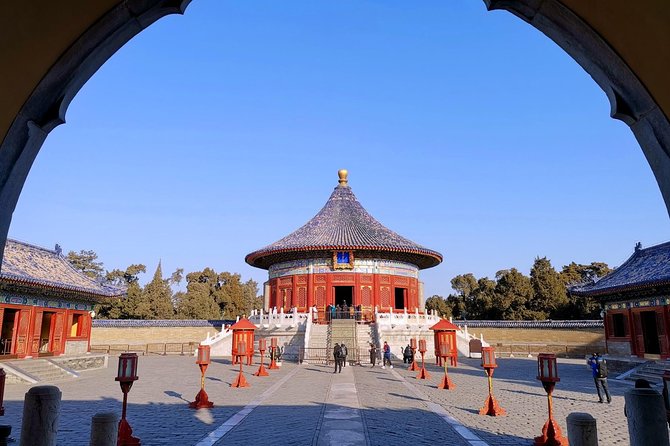
The Hall of Prayer for Good Harvests is the visual centerpiece of the Temple of Heaven. Its circular form and layered roof make it easy to recognize, but your guide adds the part that photographs cannot provide: how the building fit into the emperor’s ritual role and the traditional idea that the ruler acted as a link between heaven and earth.
You also visit the Hall of Imperial Zenith and the Circular Mound Altar. Each has a different purpose and design, so the tour is more than a single famous building followed by a quick exit. The listed time for this portion is about 30 minutes, with additional short stops for the Echo Wall and nearby ritual sites.
At the Echo Wall, your guide may explain how the curved enclosure is associated with the transmission of sound. The Hall of Imperial Zenith was a smaller building used as a resting place before major ceremonies. It is less imposing than the main hall, but that contrast helps explain the sequence of imperial rituals.
The Yuanqiutan, or Circular Mound Altar, is tied to the winter solstice sacrifice to heaven. Its three-tiered white marble platform reflects the old belief that heaven is round and earth is square. This is a brief stop, but it gives you a concrete example of how religious ideas shaped imperial architecture.
Getting to Tiananmen Square by bus
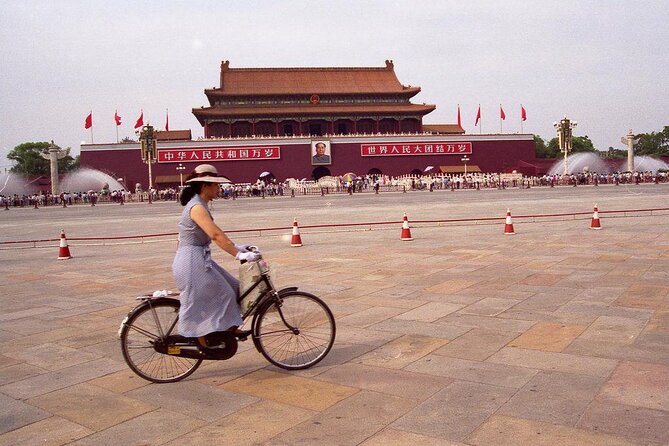
After the Temple of Heaven, you continue toward Tiananmen Square, traveling by city bus. The route includes a double-decker bus, which can offer a higher view of the streets and a change of pace after walking through the temple grounds.
This is one of the tour’s most distinctive features. You are not only being delivered to a landmark. You are watching how Beijing’s transport system works, following your guide through the practical details of boarding, riding, and transferring. One useful benefit is that you can learn a route you may later repeat on your own.
Tiananmen Square itself is free to enter, but security is strict. The wait can exceed an hour, and that can eat into the time available for the Forbidden City. The tour instructions allow for an alternative of taking a bus past the square if the security line becomes unreasonable.
The square can also close without notice because of government activity. If that happens, it will be skipped, and there is no refund for this part because the square has no admission charge. This is an important condition to accept before booking. The tour includes the square when access allows, but no operator can guarantee entry on a given morning.
Other temple visits near Beijing we have written up
- Temple Heaven, Lama Temple, Summer Palace & Peking Duck Bus Tour
★ 5.0 · 377 reviews - Temple Heaven, Summer Palace, Lama Temple, Hutong Bus Tour
★ 4.7 · 319 reviews - Beijing: Entry to Temple of Heaven Park
★ 4.6 · 314 reviews - Temple of Heaven, Summer Palace, Lama Temple, Hutong Tours
★ 5.0 · 311 reviews
Tiananmen Square: a short stop with major political weight
When open, the square is usually a 30-minute stop. Your guide explains its place in modern Chinese public life and points out the surrounding government and ceremonial setting. Because the space is so large, the guide’s commentary helps you understand what you are seeing rather than simply crossing an enormous paved area.
You then walk toward the Forbidden City. This transition matters. The square and palace occupy the heart of Beijing, but they represent very different periods and functions. Moving from one to the other on foot gives the day a natural historical sequence.
Expect more security procedures and outdoor walking here. Keep your passport details consistent with the information submitted for your Forbidden City ticket, and follow your guide’s instructions at checkpoints.
Entering the Forbidden City through the imperial axis
The Forbidden City is the main event, and about two hours are set aside for the Palace Museum. The complex served as the imperial palace of the Ming and Qing dynasties and dominated central Beijing for centuries. Its Chinese name, Zijin Cheng, refers to the Purple Forbidden City, with the purple association linked to the North Star and the celestial realm.
The first impression is scale. Broad courtyards, formal gates, painted roofs, and repeated halls can make it hard to remember what belongs to which period or purpose. A private guide helps turn the sequence into a story about court ceremony, government, family life, and restricted access.
The route follows the principal buildings, beginning with the outer court. You should expect plenty of open space and little shade in some courtyards, so sun protection and water are sensible. Even though the tour lasts only half a day, the combination of walking, waiting, and standing can feel demanding.
The main admission is included. Additional fees for certain inner sites or special attractions inside the Forbidden City are not included, so ask your guide what is covered before paying for anything extra.
The Hall of Great Harmony and the outer court
The Hall of Great Harmony is the largest and most prestigious of the three major halls in the outer court. It was used for important ceremonies, and its position helps explain the palace’s strict order. The Hall of Central Harmony and the Hall of Preserving Harmony complete the main ceremonial group.
About 50 minutes are assigned to these major buildings. That is enough for an explanation of the court layout and time for photographs, but not enough for every side hall or museum collection. If you are passionate about palace architecture, you may wish the tour had more hours. For a first visit, the focus keeps the day from becoming an exhausting march through every available room.
This is where a private guide earns much of the price. Roy, one of the guides used for this experience, has been praised for making historical figures and court customs easy to follow. Another strong point is the ability to ask questions as you go instead of waiting for a scheduled group stop.
The inner court and life behind the ceremonies
The route continues to the inner court, where the emphasis shifts from public ceremonies to the emperor, empress, and concubines. You see the Palace of Heavenly Purity, the Hall of Union, and the Palace of Earthly Tranquility.
This section helps balance the grand scale of the outer court. You begin to think about the palace as a working residence, not only a stage for official ritual. Your guide can explain the different roles of the buildings and how imperial household life was organized.
Only about 20 minutes are assigned here, so the treatment is necessarily selective. If family life and palace customs interest you most, tell the guide early in the day. The private format gives you some room to shape the discussion, although the overall schedule still has to reach the final gate and the return journey.
The Imperial Garden and exit through the North Gate
The final palace stop is the Imperial Garden. It uses classical Chinese garden elements, including winding paths, Taihu stone rockeries, and old cypress trees. Some of the cypresses are more than 400 years old, adding a softer finish after the straight lines and huge courtyards of the outer palace.
The garden stop is listed at about 10 minutes, so do not expect a long garden walk. It is a compact final look before leaving through the North Gate. From there, you return toward your hotel by public transportation with the guide.
Hotel drop-off is not included, even though hotel pickup is. The guide accompanies you on the return trip, but you should be prepared to continue independently after the tour ends. This is less convenient than a private vehicle, yet it fits the tour’s main purpose: learning how Beijing’s public system works.
Walking, weather, and pacing
The advertised duration is five to six hours, with the schedule often reaching about six hours once transport and security are counted. One participant reported walking more than 15 kilometers during a summer outing, so treat this as an active sightseeing day rather than a gentle introduction.
Wear comfortable walking shoes. The tour operates in all weather, and the itinerary includes open plazas, large temple grounds, long palace courtyards, and public transport stops. In hot weather, carry water and dress for sun. In poor weather, you will still be moving between buses, stations, and outdoor areas.
The guides are not all identical in style. Roy is noted for lively explanations and for handling many questions from children. Alice is described as informative, helpful, and unhurried. Coco has been praised for accommodating a late arrival and adjusting the start when needed. One past guide had to address excessive phone use during the tour, so if communication and attention matter greatly to you, mention that preference when arranging your booking.
Who should book this experience?
I would choose this tour if you want the three major central Beijing sights in one day and prefer a private guide to a large coach group. It is especially useful for first-time visitors who want help with subway and bus travel, families with children who ask many questions, and people staying in Beijing long enough to use public transportation again.
It also suits you if you care about context more than simply collecting photographs. The guide connects temple ritual, modern national symbolism, and imperial palace life in one route.
I would hesitate if you dislike long walks, crowded public transport, strict security, or fixed morning starts. A private car would be easier on the feet, though it would remove the local transport lesson that gives this experience its character.
Confirmation is provided when you book. You must supply the passport name and number for every participant so the Forbidden City entrance can be arranged in advance. Chinese citizens, including those from Hong Kong, Macau, and Taiwan, must book at least seven days ahead and provide a Chinese name and ID number, then show the ID on the day.
Free cancellation is available until 24 hours before the start time. Changes or cancellations inside that period are not accepted for a refund.
Should you book the $110 tour?
Book it if you want a private, guided introduction to Beijing’s central sights and see value in learning the bus and metro system along the way. The included transport, admission, hotel pickup, and personal guide make the price reasonable for couples, families, and small groups, especially with a group discount.
Skip it if Tiananmen Square is your main reason for going and you cannot accept the possibility of a closure or long security wait. Also skip it if you need a slow-paced day. For everyone else, this is a practical way to connect three defining Beijing sights while getting a useful first lesson in moving around the city.
FAQ
How long does the tour last?
The experience lasts approximately five to six hours. The planned start is around 8:30 a.m.
Is hotel pickup included?
Yes. Pickup from your Beijing hotel is included. Hotel drop-off is not included, although the guide accompanies you on public transportation toward your hotel at the end.
How do we travel between the sights?
You travel with the guide by metro and public bus. The route toward Tiananmen Square includes a double-decker bus. The exact first ride depends on your hotel location.
Is the tour private?
Yes. Only your group participates in the private tour.
Are admission fees included?
The main entrance fee is included, including the Temple of Heaven and Forbidden City admission. Additional entrance fees for inner sites or major attractions inside the Forbidden City are not included.
Is food included?
No. Food and drinks are not included.
What information is needed when booking?
You must provide the passport name and passport number for every participant so the Forbidden City ticket can be arranged in advance.
Is Tiananmen Square guaranteed to be open?
No. Security checks may cause a wait of more than one hour, and the square may close without notice for government activities. If it is closed, the square may be skipped without a refund because admission is free.
What is the cancellation policy?
You can cancel up to 24 hours before the experience starts for a full refund. Cancellations or changes made less than 24 hours before the start time are not accepted.
Newly written up around Beijing
- Private Day Trip of Forbidden City, Temple of Heaven and Summer Palace★ 4.5 · 3 reviews
- Private Tour to Lama Temple, Tian’anmen Square and Forbidden City★ 5.0 · 3 reviews
- Private Day to T-Square, Forbidden city, Temple of heaven, Summer palace Tour★ 5.0 · 54 reviews
- Private Half-Day Temple of Heaven and Lama Temple Tour★ 5.0 · 13 reviews
- Private Day Tour:Tiananmen Square,Forbidden City Temple of Heaven★ 5.0 · 16 reviews
- Private Tour to the Temple of Heaven and Tea tasting at the Maliandao Tea city★ 5.0 · 3 reviews
- Local’s Beijing: Forbidden City Insider Tour +Temple +Duck Feast★ 4.5 · 66 reviews
- Temple of Heaven Ticket with Optional Guide Service★ 5.0 · 120 reviews
Temple of Heaven Tours, compared.
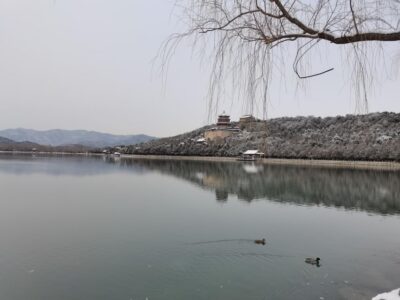
The Temple of Heaven or Summer Palace Entry Ticket
Read our review →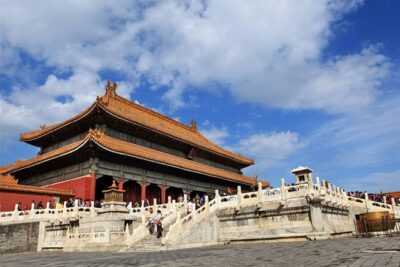
Beijing Classic Full-Day Tour including the Forbidden City, Tiananmen Square, Summer Palace and Temple of Heaven
Read our review →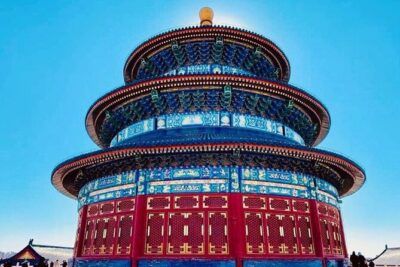
Temple Heaven, Lama Temple, Summer Palace & Peking Duck Bus Tour
Read our review →
Temple Heaven, Summer Palace, Lama Temple, Hutong Bus Tour
Read our review →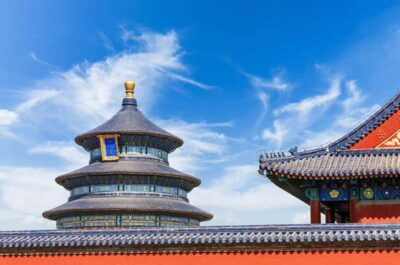
Temple of Heaven, Summer Palace, Lama Temple, Hutong Tours
Read our review →
Browse the lists this tour appears in