Reviewed · TEMPLE SUNRISE TOURS
2 Days Exclusive Temple Highlights with Sunset and Sunrise Tour
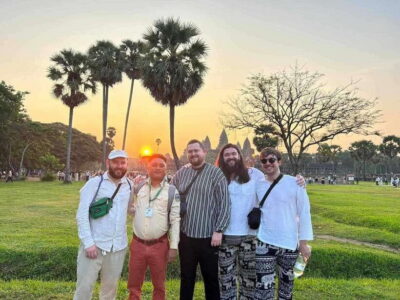
Angkor Wat at sunrise is the great prize here, but the clever part is the timing: you see the famous temple at the end of the second day, after getting your bearings at smaller and less crowded sites. Banteay Srei’s fine carvings and the tangled stones of Ta Prohm add variety to the grand main event.
I like the well-planned route and the steady help from guides such as Pal Saruon, Chhay, Sokpee, and Sak, who explain temple history while leaving time to look around. I also like the practical care: air-conditioning, regular bottled water, cool towels, and drivers who keep the day moving without making it feel frantic.
The main catch is cost and stamina. The advertised $49 does not include the required $62 temple pass, and meals are extra. Two days involve plenty of walking, early starts, heat, and stairs, so this suits an active schedule more than a lazy Siem Reap break.
Key points at a glance
- Angkor Wat sunrise on day two: Leave before dawn and enter from the eastern side, so bring a torch.
- A strong mix of temples: The route covers Banteay Srei, Preah Khan, Neak Pean, Ta Prohm, Ta Nei, and Angkor Thom.
- Guides make the difference: Guides including Pal Saruon, Chhay, Sokpee, Sak, and Saruon Pal are praised for clear explanations, photo help, and good time control.
- Comfort in the heat: Air-conditioning, bottled water, and cool towels are included.
- Sunset depends on the option: Small groups go to Phnom Bakheng, while the private option includes a rice-field sunset at Baitang.
- Budget beyond the headline price: Add the $62 pass, meals, drinks, and any personal spending to the $49 tour cost.
Why the two-day order works so well
A one-day Angkor visit can feel like a race between towers, courtyards, and photo stops. This two-day plan gives the major temples room to breathe. You still cover a lot, but the schedule spreads the walking and explanations across two days.
The order is especially useful if you want to finish with Angkor Wat rather than see it on the first morning and spend the rest of your visit comparing everything with it. Day one introduces you to several different temple styles. Day two brings the sunrise, jungle ruins, and the old royal city.
You should still expect a full schedule. The stated stops add up to many hours outside the vehicle, and the sunrise departure makes day two an early one. The pace is organized rather than slow, with bathroom and refreshment breaks built into the day according to the practical experience described by past customers.
More Temple Sunrise Tours in Cambodia
- Angkor Wat Sunrise or Sunset Tour with Guide from Siem Reap
★ 5.0 · 12,109 reviews - Siem Reap: Angkor Wat: Small-Group Sunrise or Sunset Tour
★ 5.0 · 9,444 reviews - Siem Reap: Angkor Wat 2-Day Tour with Sunrise and Sunset
★ 4.9 · 4,429 reviews
Day one: Pre Rup, Banteay Srei, and the northern temples
Pre Rup gives you a quick start in Khmer temple design
Pre Rup is a Hindu temple built as the state temple of King Rajendravarman, around 961 or 962. Its brick, laterite, and sandstone construction gives it a different look from the large sandstone monuments later in the route.
You have about an hour here. That is enough to examine the temple mountain and hear how it functioned, but not enough for a long, unhurried study of every detail. Wear shoes with a firm grip, especially if you climb the uneven steps.
Banteay Srei rewards careful looking
Banteay Srei is one of the day’s best stops. It is smaller than Angkor Wat, but its pinkish sandstone carvings are unusually fine and well preserved. The scale makes the details easier to appreciate, and two hours gives you time to look closely rather than simply take a quick photograph.
This is where a good guide earns the fee. A guide can point out figures, stories, and carving patterns that are easy to miss when you walk through alone. The temple is also a good reminder that Angkor is not only about giant monuments. Small, precise work can be just as memorable.
More Temple Sunrise Tours in Siem Reap
- Angkor Wat Sunrise tour with Small – Group and Guide tours
★ 5.0 · 3,655 reviews - Angkor Wat Highlights and Sunrise Guided Tour from Siem Reap
★ 5.0 · 3,213 reviews - Full-Day Angkor Wat Sunrise Private Tour with Guide from Siem Reap
★ 5.0 · 2,920 reviews - Angkor Wat Sunrise & 3 Main Temples with Breakfast – Small Group
★ 5.0 · 2,857 reviews
Neak Pean changes the mood
Neak Pean sits on an artificial island and contains a Buddhist temple. The approach gives you a change of pace after the stronger stone structures earlier in the day.
You have roughly an hour here. Expect the setting and water features to be as important as the central temple itself. If you prefer nonstop ruins, this stop may feel lighter than Banteay Srei or Preah Khan. If you enjoy a calmer pause, it breaks up the day nicely.
Preah Khan is atmospheric without being polished
Preah Khan is one of the most rewarding stops for atmosphere. It is a ruined temple complex where tree roots, broken walls, long corridors, and crumbling stone create a more raw feeling than the cleaner monuments.
The two-hour visit matters. This is not a single compact building. You can walk through layers of galleries and courtyards while your guide explains its role and design. The uneven ground also makes comfortable walking shoes important.
Preah Khan can be tiring late in the day, particularly in hot weather. The air-conditioned vehicle and regular water stops are not minor extras here. They help you keep enough energy for the second day.
Day one sunset: Phnom Bakheng or the rice fields
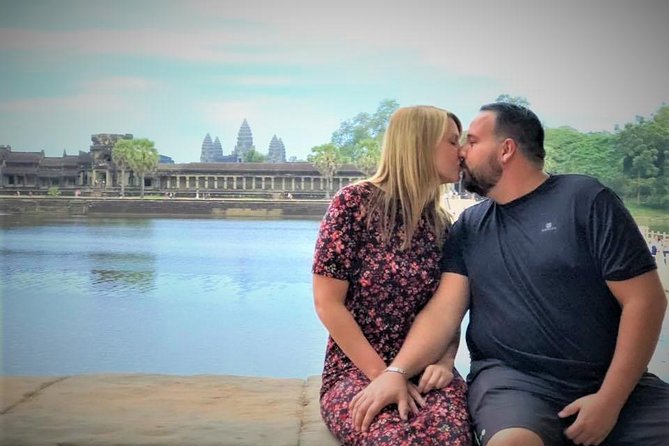
The sunset plan changes with the booking option. Small-group participants go to Phnom Bakheng, while the private option includes Baitang in the Siem Reap rice fields.
Phnom Bakheng is a popular sunset viewpoint, so the experience depends heavily on timing and crowd levels. It gives you a high view over the surrounding area and a classic end to a temple day. The climb and waiting can add effort after several hours on your feet, so consider your energy before treating sunset as an optional extra.
The private option is quieter in character. At Baitang, you relax among rice fields, sip a cold drink, and enjoy a light local snack while the sun goes down. It is less about a famous temple view and more about seeing a simple slice of life outside the ruins.
This difference is worth checking before you book. If you want the iconic temple viewpoint, choose the small-group sunset arrangement. If you prefer a slower countryside pause and private service, the rice-field option may suit you better.
Day two begins before dawn at Angkor Wat
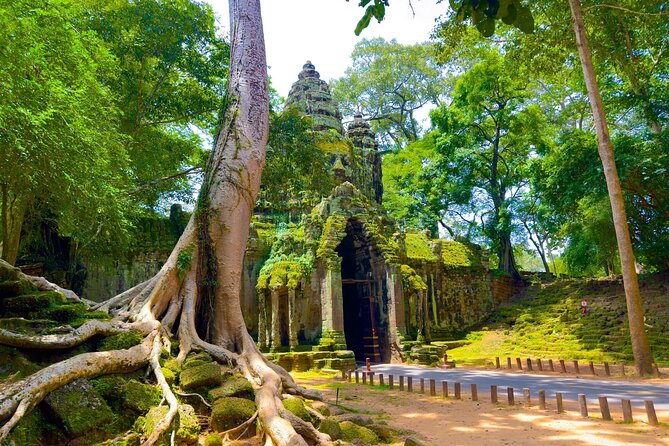
Sunrise starts from the quieter eastern side
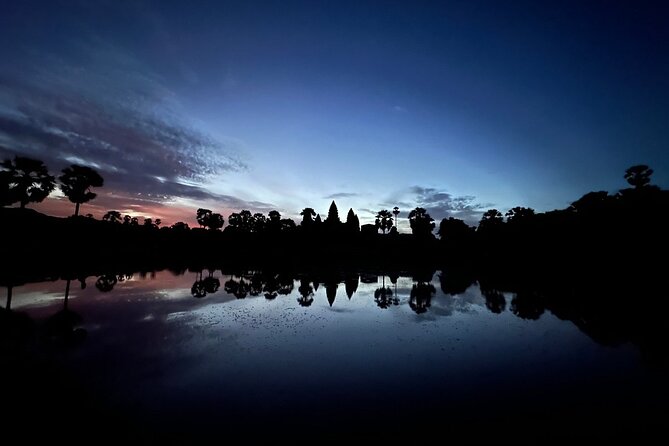
The second day begins before sunrise. You enter Angkor Wat in darkness from the eastern side, described as a less-used approach, and walk through cloistered corridors before reaching the familiar view.
Bring a torch. This is specifically important because parts of the early approach are dark. You should also prepare clothing and shoes the night before. The pre-dawn departure is the price of admission for the reflection pools, towers, and changing sky that make sunrise the tour’s signature moment.
You have about three hours at Angkor Wat. That gives you time for the sunrise setting and a proper look inside the temple rather than a quick stop at the outer view. Your guide can explain the building’s religious purpose, layout, and carvings, then give you room to explore and take photographs.
The practical drawback is obvious: sleep. If you have arrived in Siem Reap after a long journey, this morning will test you. Still, ending the two-day program with Angkor Wat gives the whole schedule a strong finish.
Ta Prohm brings the jungle atmosphere
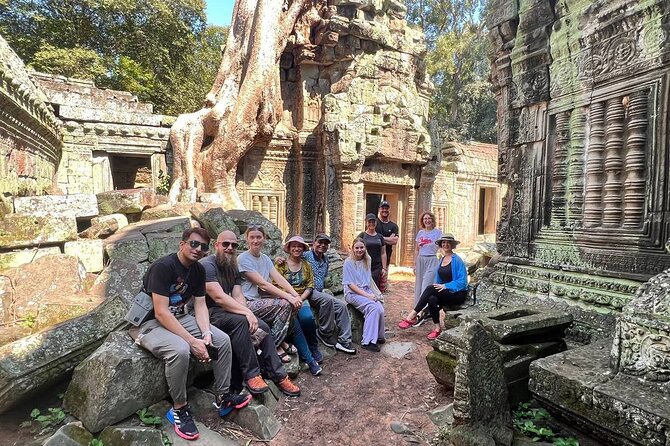
After Angkor Wat, the route moves to Ta Prohm, the temple often linked with the Tomb Raider film. Its appeal comes from the way trees and stone share the same space, with roots pressing across walls and galleries.
The stop lasts about two hours. That is useful because Ta Prohm can feel confusing if you rush. You can follow the main paths, examine doorways and courtyards, and listen to the story of a temple that once housed 2,740 monks.
Ta Prohm is also one of the busiest-feeling sites in the program. Your guide’s route choices matter. Several people specifically praised guides for finding good photo spots and allowing personal exploring, which is helpful at a place where crowds can bunch up around the most famous tree-covered sections.
Ta Nei offers a quieter stone temple
Ta Nei is a late 12th-century temple in Angkor, reached during the afternoon. With about an hour here, you get a more restrained stop after the major draw of Ta Prohm.
Do not expect the same scale or visual drama as Angkor Wat. That is precisely the point. Ta Nei adds contrast and gives you a look at a smaller temple without making every stop feel like another version of the same monument.
Angkor Thom: the old capital in one concentrated hour
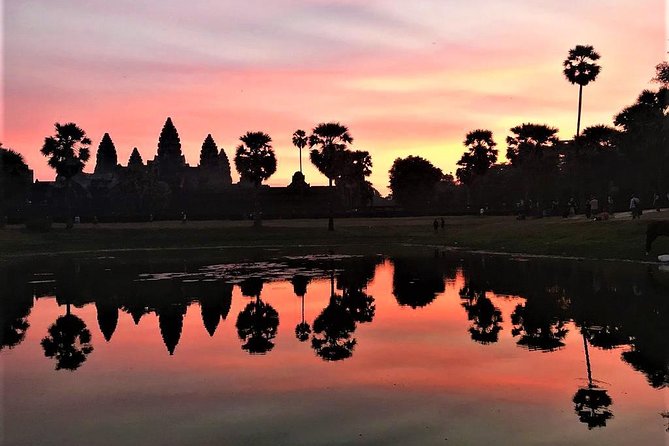
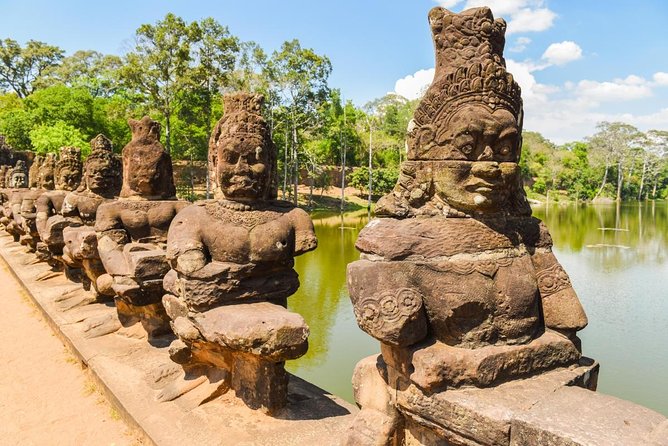
Angkor Thom was the Khmer Empire’s capital city, and the route gives you a short introduction before moving through the South Gate. You also pass the Terrace of the Elephants and the Terrace of the Leper King.
The program lists about 90 minutes for Angkor Thom, plus 30 minutes at the South Gate. That is enough to understand the scale of the walled city and see the key features, but it is not a full archaeological study.
The Bayon is the main visual reward here, with its famous carved faces. The terraces add political and ceremonial context. I like this section because it shifts the focus from individual temples to the city that supported them.
The timing can feel tight. One piece of useful advice is to tell your guide early if you care most about photographs, inscriptions, or architectural details. Guides such as Pal and Chhay are praised for balancing explanations with free time, and that balance matters most at a large site like Angkor Thom.
Guides, drivers, and the comfort factor
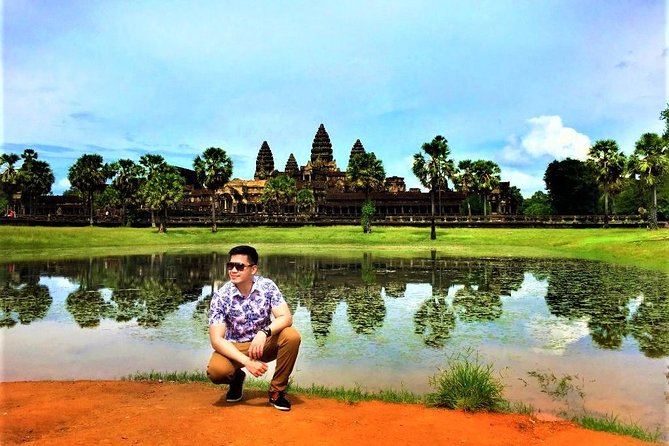
The guide is central to this experience. Names repeatedly praised for clear explanations and friendly service include Nang, Pal Saruon, Chhay, Sokpee, Sak, Sokha, Bun, Vantha, and Saruon Pal. You may not receive one specific guide, but the consistent pattern is a guide who explains Cambodian history, temple purpose, local customs, and daily life rather than simply pointing out buildings.
Photo help is another useful touch. Several guides offer to take pictures at viewpoints, which means you do not have to rely only on awkward arm-length shots. You still get time to explore on your own, a balance that keeps the tour from becoming a nonstop lecture.
The driver matters just as much in the heat. Air-conditioning, bottled water, and cool towels are included. Several named drivers, including Seyha, Vichet, Mao, Ro, Keal, and Benly, are praised for careful driving, punctual service, and keeping the vehicle supplied with drinks.
The vehicle arrangement needs a quick check before payment. The information describes an air-conditioned private vehicle, while the tour choices also refer to a small-group option and a private upgrade. Confirm whether your selected price is for a small group or a private departure, since that affects both the sunset plan and the level of personal service.
Price, temple pass, and what you really pay
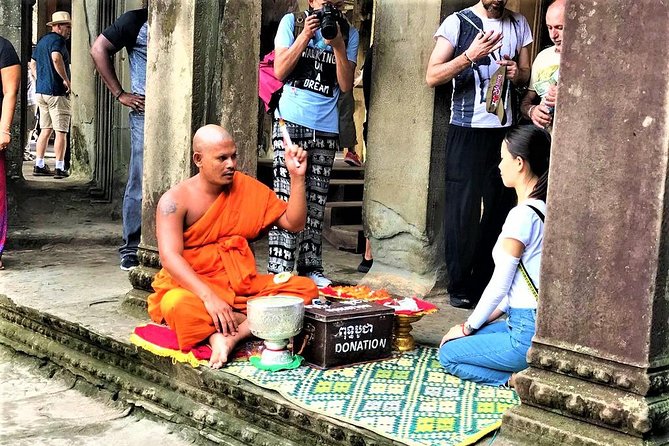
The listed tour price is $49 per person. That is a reasonable starting price for two days of guided transport and a broad Angkor route, but it is not your total cost.
The required two to three-day temple pass costs an additional $62 per person and is paid directly at the site. That brings the known base cost to $111 per person before meals and drinks. Food is not included, although stops at restaurants or cafés are built into the day.
One practical caution concerns meal stops. They are convenient, but one detailed account found the breakfast and lunch locations more expensive and less satisfying than similar places in town. You can treat the meal breaks as a useful chance to rest, but budget with the understanding that convenience may cost more.
For the price, you are paying for more than a ride between temples. You get an English-speaking guide, hotel pickup and drop-off when that option is selected, water, towels, and a route that would take careful planning to arrange alone. The value is strongest if this is your first Angkor visit or if you want the major sites covered without spending time comparing transport choices.
What to pack and how to handle the rules
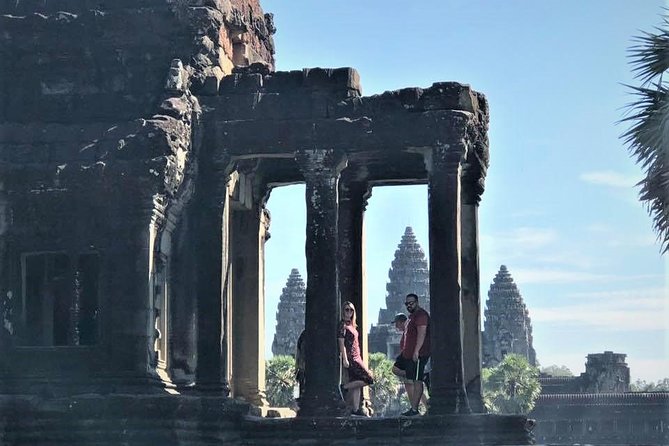
Wear comfortable walking shoes. The route includes uneven stone, temple paths, and stairs, and you will spend long periods outside.
Dress with shoulders and knees fully covered for both men and women. A scarf over bare shoulders is not accepted, so bring clothing that meets the rule rather than relying on a quick cover-up. You risk being refused entry if your clothing does not comply.
Pack a small torch for the pre-dawn Angkor Wat approach. Bring sun protection and personal snacks if you prefer not to rely on the meal stops, though the tour supplies bottled water and cool towels.
Children must be accompanied by an adult. Most people can take part, but the schedule is active, and the early morning departure may not suit everyone in a family group.
Free cancellation is available when you cancel at least 24 hours before the start time. Changes or cancellations inside that window are not accepted for a refund, and cut-off times use local time.
Who should book this Angkor tour?
I would choose this tour if you have two days, want the major temples covered, and prefer a guide to explain what you are seeing. It is particularly useful for first-time visitors who want Banteay Srei, Ta Prohm, Angkor Thom, and Angkor Wat in one organized plan.
It also suits you if comfort matters. The air-conditioned vehicle, water, cool towels, hotel transfer option, and helpful drivers take care of the small problems that can wear you down in Cambodian heat.
I would hesitate if you want a slow, private archaeological study of each temple. The schedule is full, the sunrise is very early, and the pass and meals add to the advertised price. You should also confirm the small-group or private format before booking, especially if the sunset setting matters to you.
FAQ
Is the temple pass included in the $49 price?
No. A two to three-day temple pass costs an additional $62 per person and is paid directly to the site.
Does the tour include hotel pickup and drop-off?
Hotel pickup and drop-off are included when that option is selected.
Is the tour private or small group?
The available information refers to both small-group and private options. The private option includes a private vehicle and a rice-field sunset, while the small-group option includes sunset at Phnom Bakheng. Confirm your chosen option when booking.
What language does the guide speak?
The tour includes an English-speaking guide.
Is Angkor Wat visited at sunrise?
Yes. Day two begins with a pre-dawn departure for sunrise at Angkor Wat.
Should I bring a torch?
Yes. The early Angkor Wat entry uses a dark eastern approach, so a torch is recommended.
Are meals included?
No. Food and drinks are not included. They are available at your own expense during the day.
Is bottled water provided?
Yes. Bottled water and cool towels are included.
What clothing is required?
Your shoulders and knees must be covered. This rule applies to both men and women, and a scarf over bare shoulders is not accepted.
Can children join the tour?
Yes, but children must be accompanied by an adult.
Should you book it?
Book this tour if you want a strong first look at Angkor without sorting out transport, temple order, sunrise timing, and guide services yourself. The route is broad, the guides are a major strength, and the practical care from drivers helps during two demanding days.
Before paying, add the $62 temple pass and meal costs to your budget, confirm the group format, and make sure you are ready for an early morning and plenty of walking. If those details suit you, this is a well-organized way to see Angkor Wat at sunrise while still giving Banteay Srei, Preah Khan, Ta Prohm, and Angkor Thom the time they deserve.
More Temple Sunset Tours in Siem Reap
- Siem Reap: Full Day Angkor Wat Temple Experience with Sunset
★ 4.9 · 1,490 reviews - Angkor Wat full Day ‘Small Group with sunset & Tour Guide
★ 5.0 · 1,369 reviews - Siem Reap: 2-Day Temple Highlights Sunrise and Sunset Option
★ 4.9 · 445 reviews - Angkor Wat Small Group Tour and Sunset with Lunch Included
★ 5.0 · 398 reviews
More Temple Sunset Tours in Cambodia
- Siem Reap: Full-Day Angkor Wat Guided Tour with Sunset
★ 4.9 · 3,803 reviews - Angkor Wat Sunset Small Group Tour with Lunch Included
★ 5.0 · 3,059 reviews - Siem Reap: Angkor Wat Sunrise or Sunset Guided Tour
★ 4.9 · 2,123 reviews - Full-Day Guided Sunset Tour of Angkor Wat
★ 5.0 · 1,507 reviews
Newly written up around Siem Reap
- Siem Reap: Angkor Wat Private Tour by Tuk-Tuk★ 4.5 · 117 reviews
- Phnom Kulen Waterfall and Banteay Srei Temple Tour from Siem Reap★ 5.0 · 30 reviews
- 5-Day All Major Temples & Kulen Mount Waterfall & Koh Ker & Beng Mealea★ 5.0 · 13 reviews
- 3-Day Angkor Wat & All Interesting Major Temples & Kulen Mount Waterfall★ 5.0 · 63 reviews
- Angkor Wat Tour Deutsch | Private Führung★ 5.0 · 134 reviews
- Full day exclusive tour for the main temples in Siem Reap★ 5.0 · 135 reviews
- Small-Group Full Day Angkor wat Guide tour with Sun set★ 5.0 · 136 reviews
- Angkor Wat Private Tour by Tuk-Tuk with English Speaking Driver★ 5.0 · 142 reviews
Temple Sunrise Tours, compared.
Angkor Wat Sunrise or Sunset Tour with Guide from Siem Reap
Read our review →
Angkor Wat: Small-Group Sunrise or Sunset Tour
Read our review →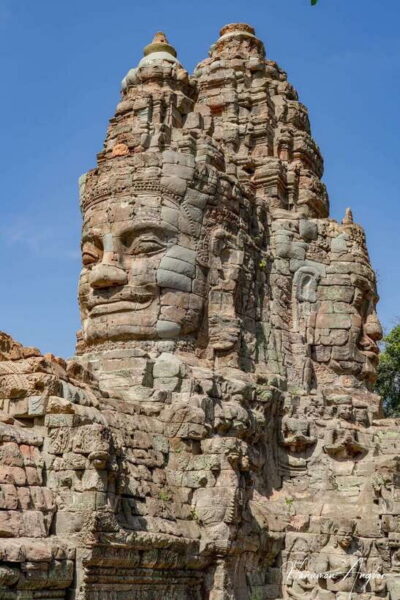
Angkor Wat 2-Day Tour with Sunrise and Sunset
Read our review →
Angkor Wat Sunrise tour with Small – Group and Guide tours
Read our review →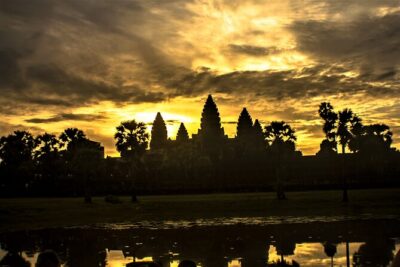
Angkor Wat Highlights and Sunrise Guided Tour from Siem Reap
Read our review →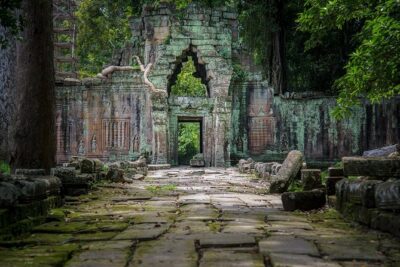
Full-Day Angkor Wat Sunrise Private Tour with Guide from Siem Reap
Read our review →
Angkor Wat Sunrise & 3 Main Temples with Breakfast – Small Group
Read our review →