
Reviewed · VALLEY OF THE TEMPLES TOURS
Agrigento: Valley of the Temples Premium Guided Tour
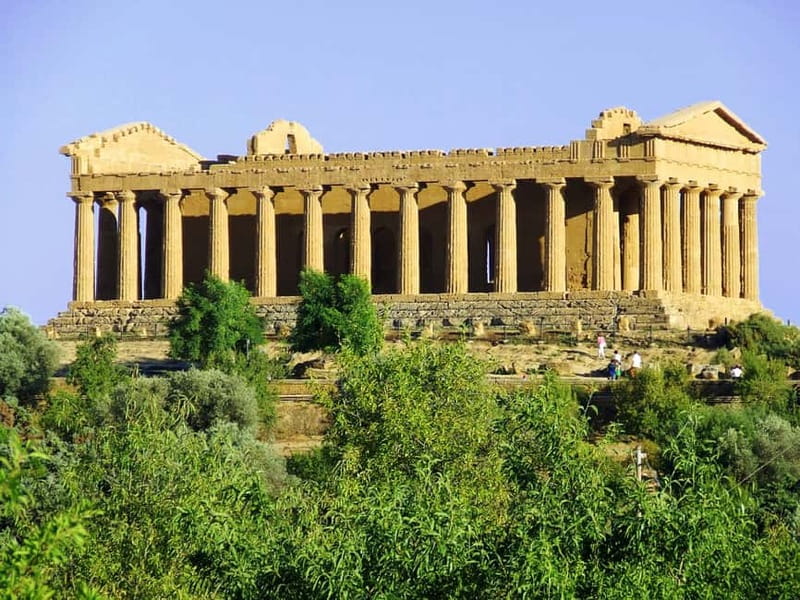
The best part of this two-hour walk is the way the temples appear along an open Sicilian ridge, with olive groves, warm stone, and wide views around you. The Temple of Concordia is the star, but the walk between the ruins gives you a better feel for ancient Agrigento than a quick photo stop ever could.
I like the licensed local guides, who bring in myths, building methods, farming, botany, and daily life instead of firing dates at you. I also like the choice of daytime or sunset departures, when the Doric columns shift from pale stone to honey gold. The catch is simple: the site is spread out, the path is not suitable for wheelchair users or people with impaired mobility, and you must reach Porta di Giunone on your own.
Key points at a glance
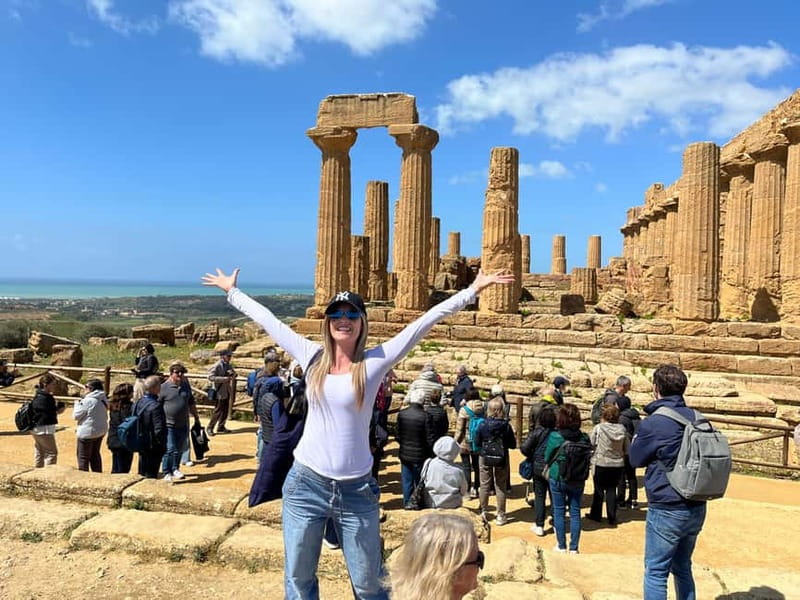
- See three major temple areas: Hera Lacinia, Concordia, and Olympian Zeus form the main route.
- Hear the story behind the stones: Guides explain Greek religion, local life, construction, agriculture, and the rise of Agrigentum.
- Temple of Concordia is the visual prize: It is one of the best-preserved Greek temples in existence.
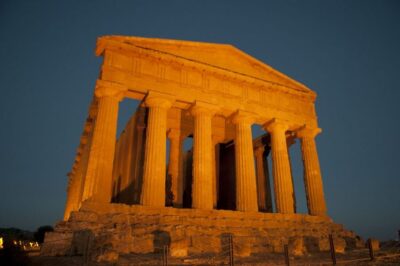
- Sunset can transform the visit: Late light gives the ruins a soft golden color, though departure times depend on availability.
- Entrance is included: Your ticket to the Archaeological Park is covered, and the tour skips the ticket line.
- Plan your arrival carefully: Meet in front of Porta di Giunone, not at an unspecified city-center location.
Why a guide helps at Agrigento
The Valley of the Temples is not a single monument with a neat entrance, staircase, and exit. It is a large archaeological park where ruined temples, paths, farmland, trees, and long views share the same setting. Without context, you can admire the columns but miss what made the old city important.
Your guide turns the walk into a connected story. Agrigentum was one of the powerful Greek colonies of Magna Graecia, and its temples reflect wealth, ambition, worship, and competition. You hear why sacred places were built on the ridge, how the temples were used, and what daily life may have looked like around them.
The strongest guides also move beyond the standard Greek mythology lesson. Enza is praised for answering many questions without burying the group in dates. Mario is noted for explaining building techniques, climate, and ecology. Rino has a lively way of tying sunset views to the site’s past, while Alessio is remembered for making the material easy to follow.
That variety matters because the quality of a two-hour tour depends heavily on the person leading it. The experience is consistently well rated, but one practical point comes through clearly: some guides speak quickly, especially when excited. If English is not your first language, ask politely for a slower pace at the start.
More Valley of the Temples Tours in Italy:
- Agrigento: Valley of the Temples Skip-the-Line Sunset Tour
★ 4.5 · 1,512 reviews - Palermo: Agrigento and the Valley of the Temples Day Tour
★ 4.2 · 1,240 reviews - Agrigento: Valley of the Temples Ticket & App Audioguide
★ 4.3 · 1,160 reviews
Starting at Porta di Giunone
The meeting point is Porta di Giunone, at the Valle dei Templi ticket office. Look for the guide in front of the entrance. This detail deserves attention because the park has two entrances, and arriving at the wrong one can mean an extra shuttle ride, extra time, and an added cost.
The tour includes your entrance ticket and skip-the-line access, but it does not include transport to or from the meeting point. If you are driving, parking is not free. One report puts the cost at roughly five euros, though prices can change.
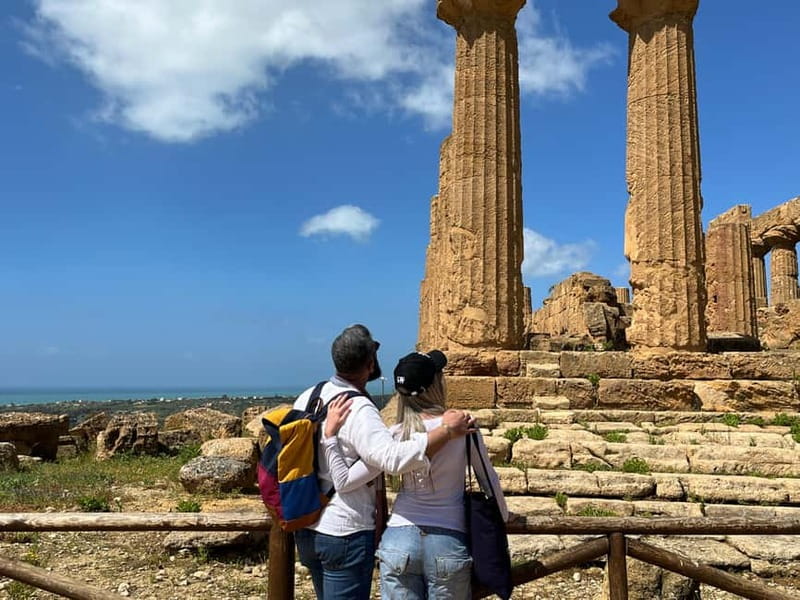
Once you meet the guide, the route begins near the Temple of Hera Lacinia. Starting here gives you an immediate sense of the park’s scale. You are not dropped beside one isolated ruin and sent away. You begin on a historic route with temples ahead, countryside around you, and the old city spread along the ridge.
Wear comfortable shoes and bring water. The supplied information does not give a precise distance, but the tour involves walking through an open archaeological park for about two hours. In summer, the stone and sun can feel intense. A guide may use shade when available, but you should still plan for direct exposure.
Temple of Hera Lacinia: the first grand view
The Temple of Hera Lacinia, also called Juno, is the first major stop. It sits high enough to give you scenic views along the route, and its position helps explain the visual power of the whole park.
This temple was linked with sacred rituals, so the guide can place the ruins in the world of ancient worship rather than treating them as a pile of columns. You learn about the gods, ceremonies, and beliefs that shaped Greek life in Sicily.
The stop is also a good introduction to Doric design. The columns are sturdy and restrained, with none of the decorative fuss associated with some later classical styles. The guide can point out how the builders handled stone, proportion, and weight. Those details are much easier to understand when someone shows them to you on the actual building.
You will have time for photographs and views, but this is not a long private exploration of every corner. The guide keeps the group moving toward Concordia. That is sensible for a two-hour tour, though visitors who want every inscription and side path should plan extra time in the park on their own.
Temple of Concordia: the essential stop
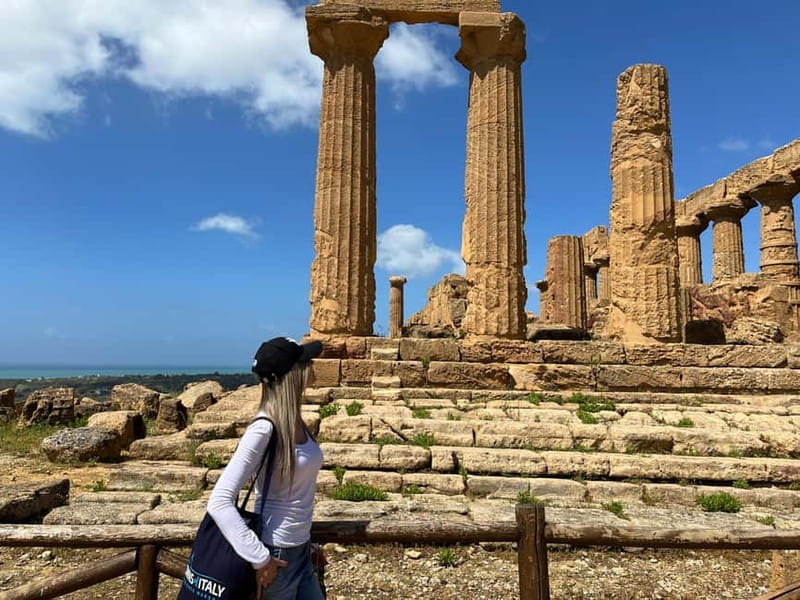
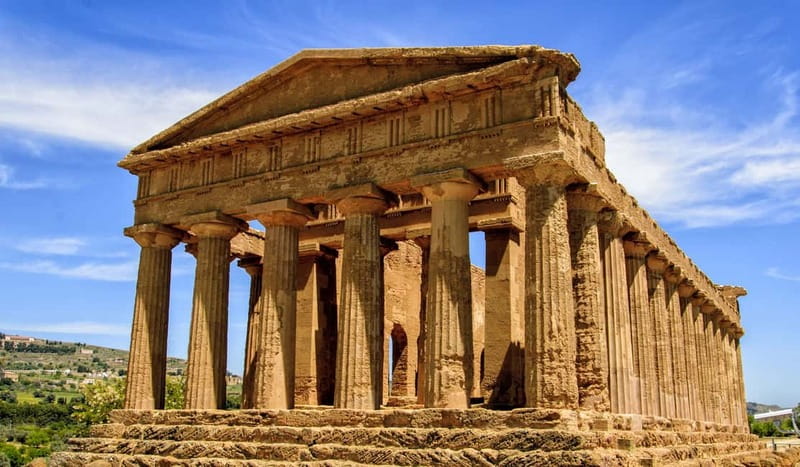
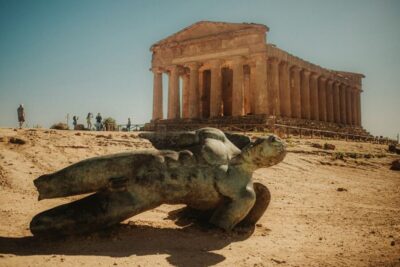
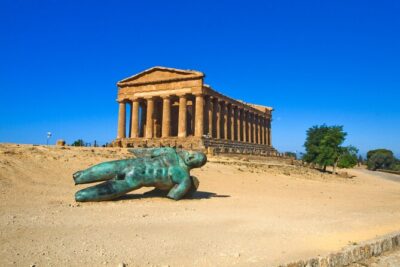
The Temple of Concordia is the emotional center of the walk. It is one of the best-preserved Greek temples in the world, and its survival gives you a rare chance to read the shape of an ancient Doric building with your eyes.
Here, the columns, steps, and overall form still make architectural sense. You can see why the structure has such force even without its original decoration. It is not merely a picturesque ruin. It shows the discipline of Greek design, where repeated columns create order and a strong sense of balance.
This is where a good guide earns the admission price. You can ask about construction, religious use, the lives of people connected to the temple, and the changes the site went through over time. The best explanations tie those subjects together instead of delivering a list of dates.
Allow time for photographs, but do not spend the entire stop looking at your phone. The light changes quickly, particularly near sunset. The columns can look cream-colored in bright sun, then warmer as the day fades. The setting is one reason the tour feels more than a standard archaeological lecture.
One point of balance: the Temple of Concordia is so impressive that it can overshadow the other stops. If your main goal is a detailed visit to Concordia alone, a self-guided visit with more time may suit you better. If you want the temple placed in the story of the entire valley, the guided format is stronger.
Other temple visits near Italy we have written up
- Pantheon Elite Guided Tour – Rome’s Iconic Ancient Temple
★ 5.0 · 1,447 reviews - Rome’s Iconic Temple: Pantheon Audio Guided Tour with Fast Access
★ 4.0 · 1,188 reviews - Colosseum Special Access Tour, with Ancient Temples & Tombs
★ 4.8 · 747 reviews - Agrigento: Valley of the Temples E-Scooter Tour
★ 4.6 · 557 reviews
Temple of Olympian Zeus: scale, ambition, and ruin
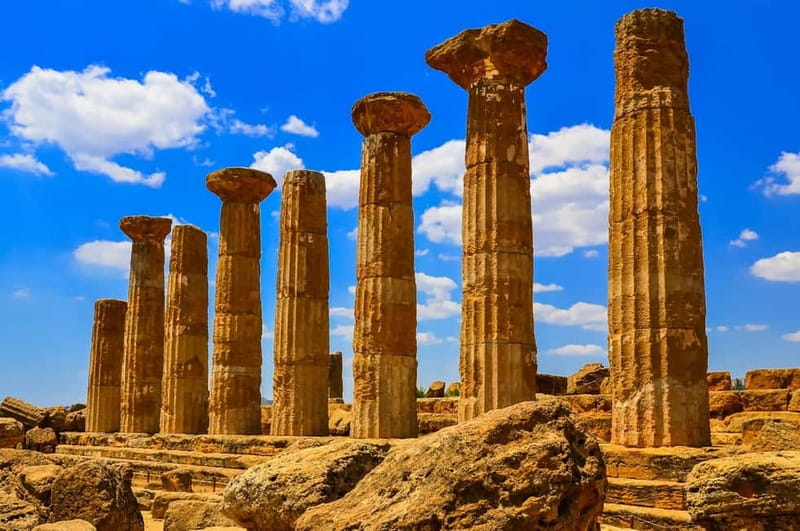
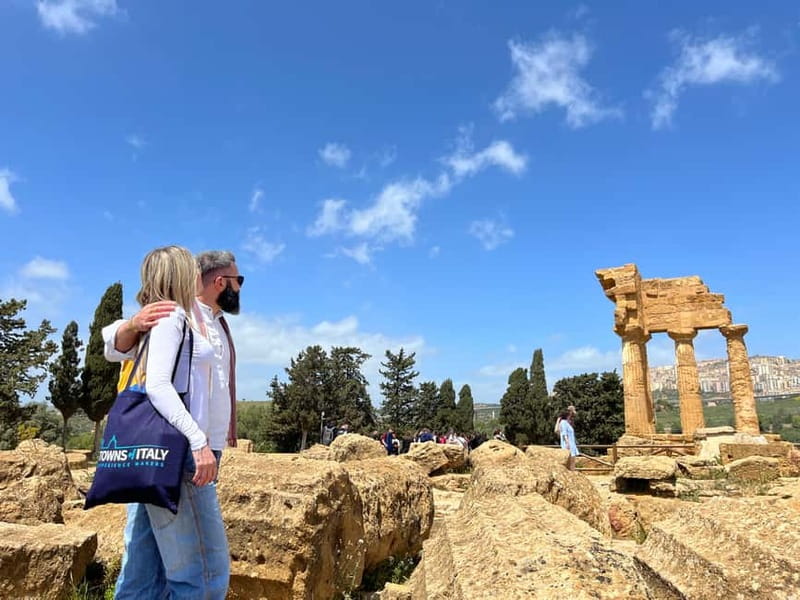
The route continues to the Temple of Olympian Zeus, a monument remembered for its huge ambition. It was once considered the largest temple built by the Greeks, though today you encounter monumental fragments and fallen remains rather than a complete building.
That contrast is useful. Concordia shows what a Greek temple looked like when much of it survived. Olympian Zeus shows the limits of human ambition, earthquakes, later damage, and the slow collapse of a massive project. Your guide can help you picture the scale from the remaining pieces.
This stop also adds variety to the route. Instead of seeing three similar rows of columns, you move from a relatively complete temple to a site where size matters more than intact form. The guide’s explanation of building methods is especially valuable here because the scattered blocks are hard to interpret without help.
You will again have time for photographs and a guided explanation. The tour then returns to the Porta di Giunone ticket office. Since the route is designed to fit two hours, do not expect a full survey of every temple and excavation in the park.
What the two-hour pace feels like
The pace is one of the tour’s strengths. It is long enough to give the main sites meaning, but short enough to fit into a busy day in Agrigento. Several guides are praised for keeping the walk easy and engaging, with the full two hours passing quickly.
You should not confuse an easy pace with a short stroll. This is an outdoor archaeological visit, not a seated museum talk. There are paths, gravel, open stretches, and walking between the temples. The activity is specifically not suitable for wheelchair users or people with mobility impairments.
The timing can shape the entire mood. A daytime tour gives you the clearest view of the ruins and surrounding countryside. A later departure may offer sunset colors, cooler air, and a more dramatic atmosphere. Sunset is presented as a possible feature, not a guarantee for every booking, so check the available start time before you pay.
If you visit in hot weather, a morning or later-day departure is likely to be more comfortable than the strongest midday sun. The tour information does not promise shade throughout, though one guide was praised for finding shaded spots during a warm visit.
How much value do you get for $53?
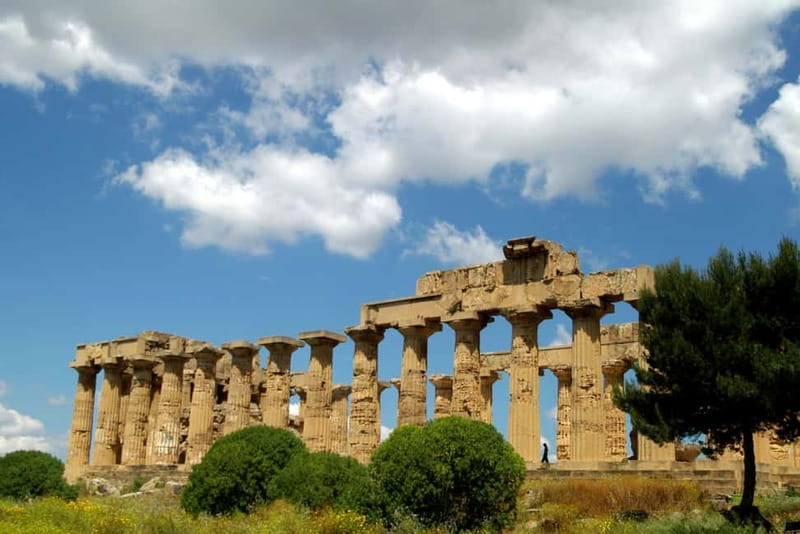
At $53 per person, this is not the cheapest way to enter the Valley of the Temples. But the price includes the archaeological park entrance, a live licensed guide, and skip-the-line access. For a first visit, that package can be good value because the site is broad and the meaning of the ruins is not always obvious on your own.
The value depends on how you like to travel. If you enjoy reading signs, moving at your own pace, and spending a long time at one temple, buy admission and explore independently. If you want the key ruins explained in clear English or Spanish, two hours with a local guide makes better use of your time.
The guides add value when they connect the temples to ordinary life. One particularly strong approach includes local agriculture, nature, food, and traditions alongside the ancient material. That keeps the tour rooted in Sicily rather than turning it into a textbook lesson about Greece.
You also get the practical benefit of someone who knows the best viewpoints and photo locations. Do not expect a private tour at this price, however. The available details do not promise a private group or a fixed group size, so the experience may feel less personal when attendance is high.
Language, guide style, and the small practical issues
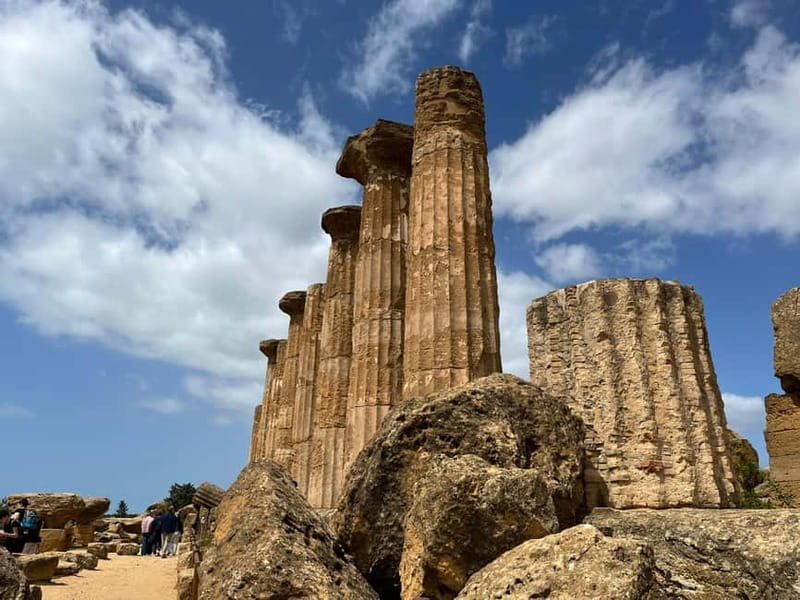
The tour is offered in English or Spanish with a live guide. Guides including Enza, Mario, Rino, Alessio, Sergio, Rossana, and Benedetto have been praised for enthusiasm, clear explanations, humor, and patience.
That does not mean every guide will have the same style. Some are story-driven and expansive. Others focus on the essential sites and keep the commentary concise. One guide was described as slightly disorganized, while another was asked to slow down. These are small cautions, but they matter if you need a very structured explanation or speak English as a second language.
The tour does not include transport from your hotel, station, or cruise port. You need to arrange your own way to Porta di Giunone. The meeting instructions are clear once you know the name of the gate, but less useful if you simply search for Valley of the Temples without checking the exact entrance.
You can cancel up to 24 hours before the activity for a full refund, and you can reserve now and pay later. Those policies make the booking less risky when your Sicily plans are still shifting.
Who should book this experience?
I would choose this tour for a first visit to Agrigento, especially if you have only a few hours and want the important temples explained without doing extensive research first. It also suits anyone who enjoys history but prefers stories, myths, and building details over a long academic lecture.
Families with older children may find the ruins easier to appreciate with a guide who can explain gods, rituals, and construction in plain language. The two-hour length is also more manageable than a much longer archaeological excursion.
It is a strong choice for photographers who can book a suitable late start. The golden light around Concordia and the views from the ridge give the walk a special mood. Just remember that sunset timing depends on the available departure.
I would be more cautious if you use a wheelchair, have limited mobility, or dislike walking on open archaeological paths. The tour is not suitable for wheelchair users or people with impaired mobility, and there is no transfer service included.
Should you book the Valley of the Temples tour?
Book it if you want the main temples explained by a local guide, value a clear two-hour route, and do not want to spend your visit working out what each ruin once was. The combination of Concordia, sunset possibility, included admission, and lively guides gives you a strong introduction to Agrigento.
Skip it if you want a slow, all-day archaeological study or complete freedom to wander. Also check the entrance carefully before setting out, and allow for parking or other transport costs.
For most first-time visitors, I think the guide is worth the extra money. The stones are impressive on their own, but the right explanation helps you see the city, religion, engineering, and Sicilian setting behind them.
FAQ
How long does the Valley of the Temples tour last?
The guided visit lasts two hours.
What temples are included?
The route includes the Temple of Hera Lacinia, the Temple of Concordia, and the Temple of Olympian Zeus.
Where does the tour begin?
It begins at Porta di Giunone, Valle dei Templi. Meet the guide in front of Porta di Giunone at the ticket office.
Where does the tour finish?
The tour returns to the ticket office at the Temple of Juno, near the starting point.
Is entrance to the archaeological park included?
Yes. The price includes entrance tickets and the guided visit of the Agrigento Archaeological Park.
Is transport to the meeting point included?
No. You must arrange your own transfer to and from the meeting point.
What languages are available?
The tour is offered with a live guide in English or Spanish.
Can I visit at sunset?
Sunset departures may be available, and the experience includes the chance to see the temples in late golden light. Check the available starting times when booking.
Is the tour suitable for wheelchair users?
No. The tour is not suitable for wheelchair users or people with mobility impairments.
Can I cancel the booking?
Yes. You can cancel up to 24 hours in advance for a full refund. A reserve-now, pay-later option is also available.
Newly written up around Italy
- Sunset visit Valley of the Temples Agrigento★ 4.5 · 93 reviews
- Agrigento; Valley of the Temples, Scala dei Turchi from Palermo, Private Tour★ 5.0 · 68 reviews
- Agrigento: Valley of the Temples Private Tour★ 4.6 · 66 reviews
- Paestum: Private Tour of Greek Temples and Archaeological Museum★ 5.0 · 60 reviews
- Agrigento Valley of the Temples and Villa Romana del Casale Tour from Palermo★ 4.5 · 134 reviews
- Catania: Valley of the Temples & Piazza Armerina with Snack★ 4.5 · 136 reviews
- Valley of the Temples and Villa Romana del Casale Day Trip from Taormina★ 4.0 · 137 reviews
- Agrigento and Valley of the Temples Day Trip from Palermo★ 4.0 · 140 reviews
Valley of the Temples Tours, compared.
Valley of the Temples Skip-the-Line Sunset Tour
Read our review →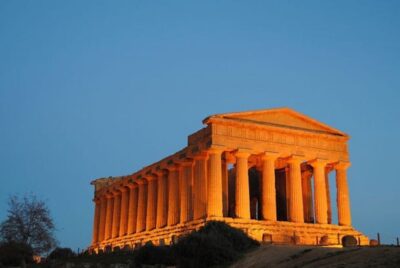
Agrigento and the Valley of the Temples Day Tour
Read our review →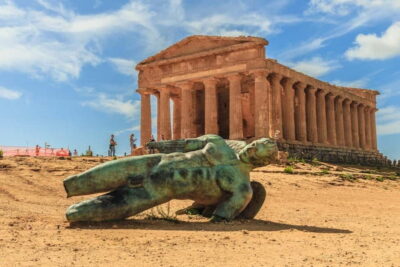
Valley of the Temples Ticket & App Audioguide
Read our review →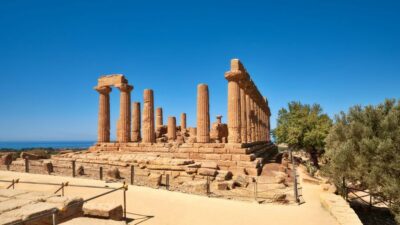
Valley of the Temples and Scala dei Turchi Day Trip
Read our review →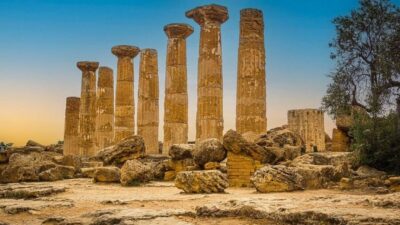
Valley of the Temples and Turkish Steps with Snack
Read our review →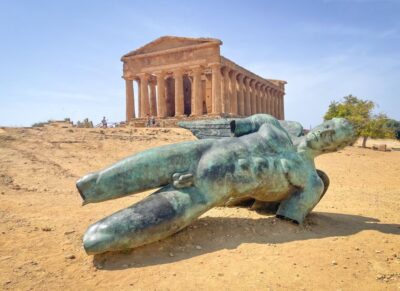
Valley of the Temples Entry Ticket & Audio Guide
Read our review →Browse the lists this tour appears in