
Reviewed · KATHMANDU TEMPLE TOURS
Kathmandu: Pashupatinath Temple Evening Aarati Tour
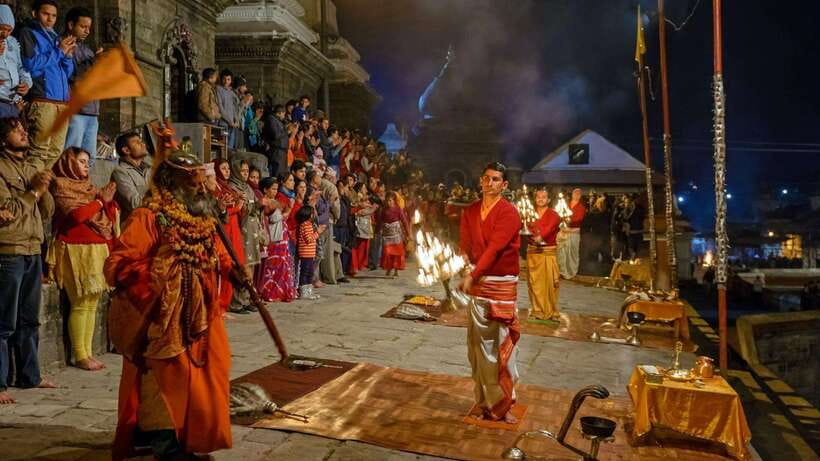
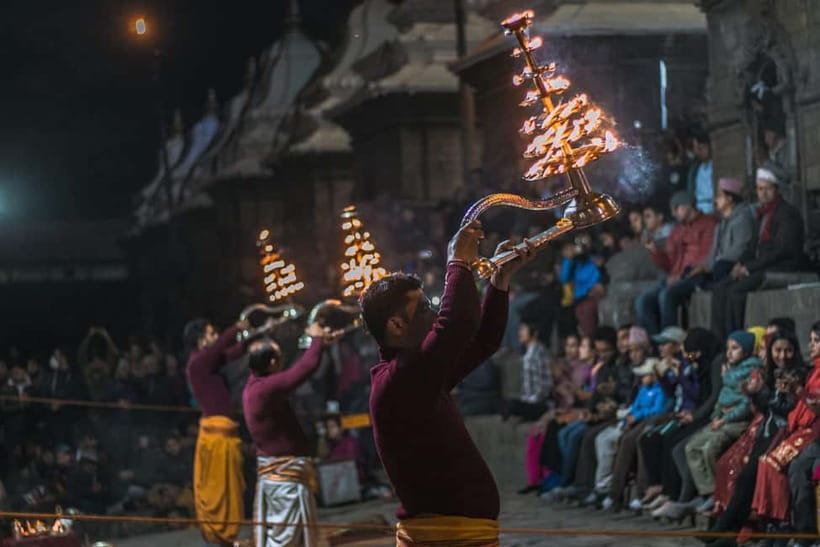
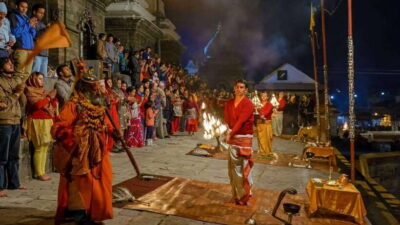
Pashupatinath’s evening Aarati is a ritual of fire, song, bells, and prayer beside the Bagmati River. Priests circle oil lamps before the temple as worshippers sing bhajans, while the river and cremation ghats give the ceremony a serious, unmistakably Nepalese setting. The sacred atmosphere is the main reason to come.
I like the hotel pickup, which saves you from sorting out Kathmandu traffic at dusk, and I like having an English-speaking guide explain the Hindu symbols as they appear. Guides such as Razz, Rag, Ravi, and Shankar have been praised for clear explanations and for helping visitors find a good place to sit. The main consideration is access: non-Hindus cannot enter the inner temple, and the ceremony can become crowded on Saturdays, weekends, and festival days.
Key points to know before you go
- Aarati begins around 6:00 to 6:30 PM, with the exact time changing by season.
- The ceremony takes place beside the Bagmati River, not inside the main temple.
- NPR 1,000 monument entry is extra, so budget for it in addition to the $22 tour price.
- Hotel pickup and drop-off are included from central Kathmandu, Thamel, or Boudhha.
- Guides such as Razz and Shankar add useful religious context, including explanations of Hindu worship and cremation customs.
- Modest clothing matters, with shoulders and knees covered at this sacred site.
Why the Bagmati Aarati is worth your evening
Aarati is a Hindu prayer ritual using lamps, chanting, music, and movement. At Pashupatinath, the ceremony honors both Lord Shiva and the Bagmati River, a waterway regarded as holy. Hindu belief holds that bathing in the river can wash away sins, though the riverbank itself is not a place for casual sightseeing.
The ritual began in 2000 and became a regular tradition in 2006. It now draws large crowds, especially on Mondays, holidays, Maha Shivaratri, and Haritalika Teej. You will see priests move oil lamps in slow circles while religious songs fill the riverbank. The effect is less like a staged performance and more like a public act of worship that you are allowed to witness.
I especially like the way the ceremony brings several parts of Hindu belief together. The lamps represent devotion to the divine, the songs create a shared prayer, and the closing words ask for the well-being of all souls. A divine dance called Tandav may also form part of the homage to Lord Shiva.
Do not expect a quiet, private meditation. Chanting, incense smoke, crowds, and the nearby cremation area all shape the setting. That combination can feel powerful, but it can also feel intense if you are looking only for a calm temple visit.
Other temple visits near Kathmandu we have written up
- Kathmandu Spiritual Sites: Bodhnath & Pashupatinath Tour
★ 5.0 · 185 reviews - Kathmandu: Chandragiri Cable Car and Monkey Temple Tour
★ 4.8 · 139 reviews - From Kathmandu: 2 Stupas and Kopan Monastery Spiritual Tour
★ 4.8 · 115 reviews
Starting from Thamel, Boudhha, or central Kathmandu
The tour offers pickup from three useful parts of the city: Thamel, Boudhha, and central Kathmandu. A private air-conditioned vehicle takes you to Pashupatinath and returns you afterward. For an evening activity in Kathmandu, that transport is a real benefit, since traffic can make a short distance feel much longer.
Pickup from a hotel in central Kathmandu is included. If your hotel lies outside the city center, an additional charge may apply, so check this before booking rather than assuming every address is covered.
The tour lasts about three hours. That gives you time to travel, walk through the Pashupatinath area, hear the guide’s explanations, and attend the Aarati without turning the outing into a full-day commitment. It also fits well after daytime sightseeing, although you should keep your late afternoon fairly open because the ceremony time changes with the season.
Walking through the Pashupatinath temple area
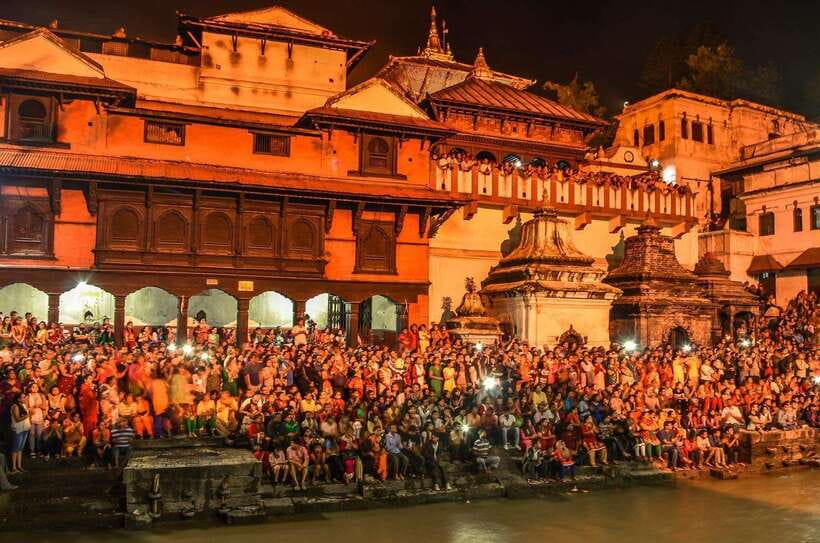
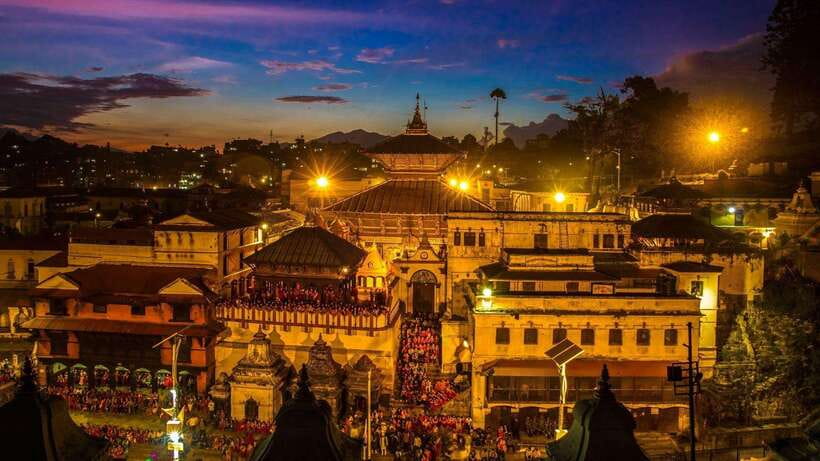
Pashupatinath is one of Nepal’s most important Hindu sites. The temple complex sits beside the Bagmati River and includes shrines, courtyards, river steps, and cremation ghats. Your guide leads a sightseeing visit through the area and explains the religious setting before the Aarati begins.
The most important access rule is simple: non-Hindus cannot enter the main temple. You can still see the temple from permitted viewpoints and watch the Aarati from the Bagmati River banks. This is not a tour where you enter every shrine or walk freely through every sacred space.
That restriction may disappoint anyone expecting an interior temple visit, but it is also part of visiting responsibly. Pashupatinath is an active place of worship, not a museum arranged for tourists. Dress with care by covering your shoulders and knees, and follow your guide’s instructions about where to stand, sit, and take photographs.
The guide’s role matters here. Razz has been praised for explaining both Hindu and Buddhist traditions in clear English, while Shankar has been noted for discussing religion, deities, and cremation customs. Ravi has been associated with efficient hotel transfers. Guide assignments can vary, but these names give you an idea of the level of local explanation the tour aims to provide.
Understanding the cremation ghats respectfully
The Bagmati riverbank is also associated with Hindu cremation ceremonies. Depending on the timing of the visit, you may see cremations taking place, and one account of this tour described viewing them at close range before the Aarati.
This is a serious part of the visit, not an attraction to treat casually. Cremation is a sacred Hindu rite, and your guide can explain its place in the cycle of life, death, and prayer. Keep your voice low, avoid intrusive photography, and follow any instructions about distance and respect.
For some people, this context makes the Aarati more meaningful. The ceremony’s prayers for all souls carry different weight when you have seen how the riverbank is used in daily religious life. For others, the proximity to cremation rites may feel uncomfortable. If you prefer a simple temple ceremony without confronting death directly, this may not be the right evening outing.
The supplied tour details do not promise that a cremation will take place during every visit. Treat it as something you might encounter, not a scheduled part of the program.
A different set of gates, same trip:
- Lunch with Nuns – Monastery
★ 5.0 · 75 reviews - Kathmandu: Pashupatinath Temple Evening Aarati Tour
★ 5.0 · 36 reviews - Chandragiri Cable Car & Monkey Temple Tour- Private/Group
★ 5.0 · 32 reviews - Kathmandu: Pashupatinath Temple Aarti Night Tour
★ 4.8 · 29 reviews
Finding a good place for the 6:00 PM ceremony
The Aarati normally starts around 6:00 to 6:30 PM, depending on the season. Arrive early if you want a better view, especially on a Saturday, weekend, holiday, or festival day. One guide, Razz, was specifically praised for finding a good place to sit during a very busy Saturday evening.
A good position matters because the ceremony takes place on the riverbank and crowds can gather around the viewing area. You may be standing or sitting among worshippers, families, pilgrims, and other sightseers. The guide can help you understand where the action is and when to settle into a respectful viewing place.
Photography is generally allowed, but use common sense. Ask before photographing people at prayer, do not interrupt the ritual, and avoid treating the priests or cremation area as a backdrop. A phone can record the lamps, but it cannot capture the full force of the chanting, bells, smoke, and crowd around you.
The ceremony itself follows a clear rhythm. Priests chant and move lamps in circular motions. Devotees sing bhajans, and the gathering joins in prayer. The final prayers focus on the welfare of all souls and gratitude for divine kindness. Even if you do not follow Hindu beliefs, the shared purpose is easy to understand.
What the $22 price really covers
At $22 per person, this is a reasonably priced way to handle an evening visit to Pashupatinath. The fee includes hotel pickup and drop-off, a private air-conditioned vehicle, an English-speaking guide, and taxes. Those inclusions matter in Kathmandu, where traffic, unfamiliar streets, and the temple’s customs can make an independent visit less simple than it first appears.
The price does not include the monument entrance fee. You must pay NPR 1,000 per person on the day. Meals, drinks, shopping, and personal expenses are also separate. The extra entry cost is substantial compared with the tour price, so include both amounts in your budget.
The value depends on what you want. If you only need transport to the temple and plan to watch the ceremony on your own, the tour may cost more than arranging a simple taxi. If you want explanations of Hindu worship, Shiva, the river, cremation practices, and the ritual itself, the guide adds the part that is hardest to arrange independently.
The tour is also useful for first-time visitors who want an organized return to their hotel. You are not paying for a long list of stops. You are paying for transport, timing, cultural context, and help with a crowded sacred site.
Strengths and limitations to weigh
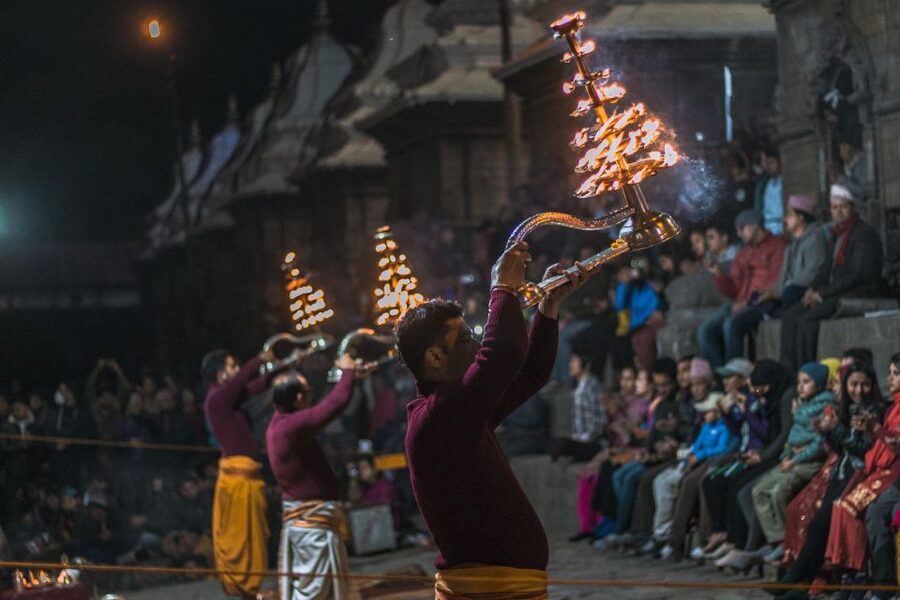
The strongest feature is the combination of ceremony and explanation. The Aarati is compelling on its own, but the guide helps you understand why the lamps move in circles, why the river matters, and how the closing prayers fit Hindu belief. Clear English and a respectful manner are important here, and guides including Razz and Shankar have been praised for those qualities.
The second strength is the practical handling of the evening. Hotel pickup, air-conditioning, and return transport remove several small hassles. A guide who can help you find a seat is especially useful when the riverbank fills up.
There is one clear limitation in the service record. One poor account described a guide taking a customer to a Rudraksha seller and allegedly encouraging an overpriced purchase for commission. This is not a criticism of every guide, and other accounts describe professional, kind service, but it is useful advice: keep shopping separate from the religious visit, compare prices, and never feel pressured to buy beads or souvenirs.
The tour also has limits that are not really faults. Non-Hindus cannot enter the main temple. Crowds may block part of your view. Incense smoke and chanting are part of the setting. The experience is not polished entertainment, and that is precisely why it feels connected to daily worship.
Who will get the most from this tour
I would choose this tour if you are visiting Kathmandu for the first time and want a guided introduction to Hindu practice without committing to a full-day excursion. It suits people interested in ritual, religious art, local customs, and the meaning of public prayer.
It is also a good fit if you are staying in Thamel, Boudhha, or central Kathmandu and prefer a planned evening with hotel transport. The three-hour length leaves room for other meals or activities later, although traffic and the changing ceremony time mean you should not schedule something tightly afterward.
You may want to skip it if you need wheelchair-free certainty, private access inside the temple, or a quiet, uncrowded setting. The available information does not provide accessibility details, so ask the operator directly if that is important for you. You should also reconsider if you are uncomfortable seeing cremation rites or being close to incense smoke.
The tour works best when you arrive with the right expectations. You are not being promised an interior temple tour or a private ceremony. You are being brought to a public riverbank ritual and given context for what you see.
Practical tips for a respectful visit
Wear clothing that covers your shoulders and knees. This is not only a matter of etiquette; it helps you move through the temple grounds without drawing unwanted attention.
Arrive ready for smoke, chanting, and crowds. Bring only what you need, keep valuables secure, and follow the guide’s instructions around the riverbank and cremation areas.
Keep cash available for the NPR 1,000 entrance fee. The fee is not included in the $22 price, and personal spending, food, and drinks are also your responsibility.
If photography is important to you, ask your guide where it is acceptable. Photographing the lamps and temple views is generally allowed, but worshippers and families at the cremation ghats deserve privacy.
The booking terms are flexible: you can cancel up to 24 hours ahead for a full refund, and you can reserve now and pay later. Check the exact start time for your date because the Aarati changes with the season.
Should you book the Pashupatinath Aarati Tour?
Book it if you want the religious meaning behind the ceremony, not just a quick look at lamps beside the river. The guide, transport, and help with the crowded viewing area make the $22 fee reasonable, provided you also allow for the NPR 1,000 entry charge.
I would be especially comfortable recommending it to first-time visitors staying in Thamel, Boudhha, or central Kathmandu. Go with modest clothing, patience, and respect for the cremation setting. If you need guaranteed temple access, a private ceremony, or a shopping-free experience with no possibility of sales pressure, ask careful questions before booking or choose a simpler independent visit.
FAQ
How long does the Pashupatinath Aarati Tour last?
The tour lasts three hours, including transportation, the guided visit to Pashupatinath Temple, and time for the evening Aarati.
What time does the Aarati begin?
The evening Aarati usually starts around 6:00 to 6:30 PM. The exact time can vary by season.
Is the Pashupatinath entrance fee included?
No. The monument entry fee is NPR 1,000 per person and must be paid on the day of the visit.
Can non-Hindus enter Pashupatinath Temple?
Non-Hindus are not permitted inside the main temple. The Aarati can be viewed from the Bagmati River banks.
Where does hotel pickup take place?
Pickup is available from hotels in central Kathmandu, Thamel, and Boudhha. Hotels outside the city center may require an additional fee.
Is photography allowed during the ceremony?
Photography is generally allowed, but you should remain respectful during the rituals and avoid intrusive photographs of worshippers or cremation rites.
What does the $22 tour price include?
The price includes hotel pickup and drop-off, private air-conditioned transportation, an English-speaking guide, and taxes. Meals, drinks, personal expenses, and the NPR 1,000 monument fee are not included.
Newly written up around Kathmandu
- Sacred Pashupatinath: Aarati,Cremation Rites & Boudha Stupa★ 5.0 · 18 reviews
- Pashupatinath: Evening tour of temple and Aarati ceremony★ 5.0 · 3 reviews
- Kathmandu: Pashupatinath Temple Aarti Night Tour★ 4.8 · 29 reviews
- Kathmandu: Pashupatinath Temple Evening Aarati Tour★ 5.0 · 36 reviews
- Kathmandu: Chandragiri Cable Car and Monkey Temple Tour★ 5.0 · 9 reviews
- Kathmandu: Guided Walking Tour with Monkey Temple★ 5.0 · 18 reviews
- Pokhara: Pagoda, Waterfall & Cave – Private Short Trip★ 3.9 · 3 reviews
- Chandragiri Cable Car & Monkey Temple Tour- Private/Group★ 5.0 · 32 reviews
Kathmandu Temple Tours, compared.
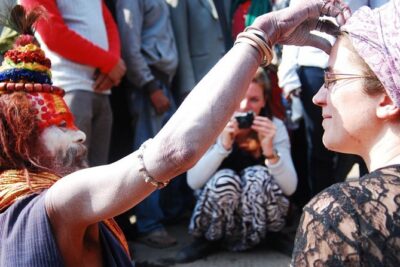
Kathmandu Spiritual Sites: Bodhnath & Pashupatinath Tour
Read our review →
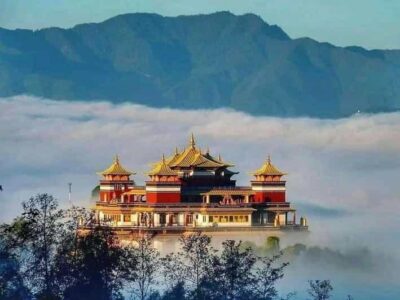
Chandragiri Cable Car & Monkey Temple Tour- Private/Group
Read our review →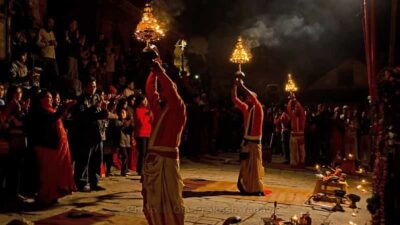
Browse the lists this tour appears in