
Reviewed · KATHMANDU TEMPLE TOURS
Kathmandu: Pashupatinath Temple Evening Aarati Tour
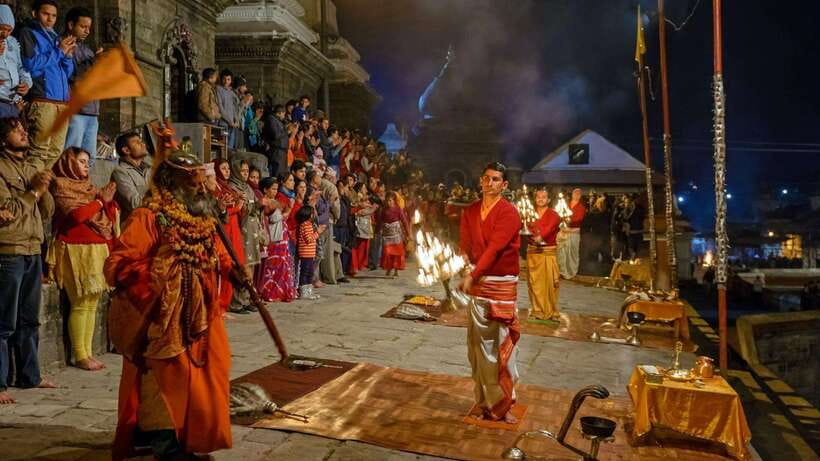
Pashupatinath’s evening Aarati is a sensory ceremony: oil lamps rise and fall, bells ring, incense curls into the dusk, and Vedic mantras carry across the Bagmati River. The ritual begins around 6 p.m., after you have time to see the temple area with a guide and find a good viewing position.
I like the way this tour pairs clear cultural explanation with the ceremony itself. I also like the practical setup: private transport, hotel pickup, temple entry, and a three-hour schedule mean you do not have to puzzle out Kathmandu traffic or local customs alone.
The main consideration is that this is a religious gathering, not a staged show. You need to watch respectfully, follow photography rules, and accept that the ceremony may feel crowded and visually intense. At $45 per person, the value depends largely on how much you want a guide to explain what you are seeing.
Key points at a glance
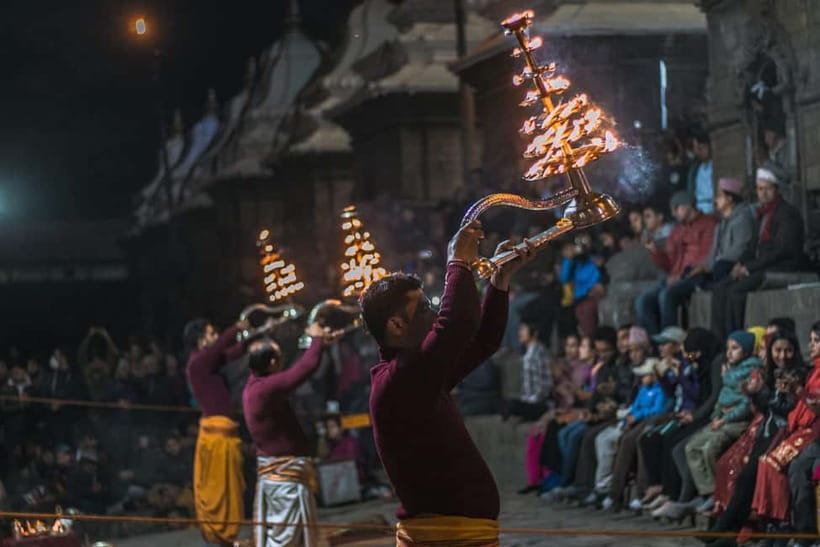
- The Aarati begins around 6 p.m. and features priests, oil lamps, incense, bells, Vedic mantras, hymns, and classical instruments.
- The ceremony takes place beside the Bagmati River, on the eastern side of the Pashupatinath Temple complex.
- You get a guided temple visit before the ritual, so the evening is more than a quick photo stop.
- Private transport and hotel pickup are included, a useful benefit in Kathmandu’s busy streets.
- English-speaking guides such as Ramesh, Rajat, and Anjan have been praised for patient explanations and friendly conversation.
- The $45 price includes entry, transport, guide service, taxes, and drop-off, but not food or drinks.
Why Pashupatinath’s evening ritual matters
Pashupatinath is one of Nepal’s most important Hindu temples, and the evening Aarati offers a glimpse into a living religious tradition. Aarati means a worship ritual involving light. Here, priests wave burning oil lamps before Lord Shiva while prayers and music fill the riverbank.
You are not simply looking at an old monument. You are watching a ceremony that matters to local worshippers. That distinction is important. The best approach is to treat the event as a religious service that you are permitted to observe, not as a performance arranged for outsiders.
The ceremony brings several elements together. Priests recite Vedic mantras, bells ring, incense burns, oil lamps move in careful patterns, and a musical group plays classical instruments and sings hymns. The effect is both calm and powerful, with the light becoming more noticeable as daylight fades.
A guide adds useful meaning. Without one, you may understand the broad idea of a candlelit Hindu ceremony but miss why each action matters. With an explanation, the bells, lamps, chanting, and gestures become connected parts of a religious practice rather than a series of attractive images.
Other temple visits near Kathmandu we have written up
- Kathmandu Spiritual Sites: Bodhnath & Pashupatinath Tour
★ 5.0 · 185 reviews - Kathmandu: Chandragiri Cable Car and Monkey Temple Tour
★ 4.8 · 139 reviews - From Kathmandu: 2 Stupas and Kopan Monastery Spiritual Tour
★ 4.8 · 115 reviews
Arriving from Kathmandu in the late afternoon
The tour begins with pickup in Kathmandu and a drive to Pashupatinath Temple. Transport is a modest but important part of the experience. Kathmandu traffic can make a short distance feel slow, and having a driver handle the route saves you from arranging a taxi at the busiest time of day.
The timing is sensible. You arrive in the late afternoon, before the Aarati starts, rather than turning up just as the lamps are raised. That gives you time to walk through the temple complex, hear the background, and settle beside the Bagmati River.
The tour is offered as a private group, which gives the outing a more personal feel than a large walking tour. You can ask questions as you go, and the guide can respond to your interests. This is especially helpful if you want to understand Hindu customs rather than simply take pictures.
Transport returns you to your Kathmandu hotel after the ceremony. The complete outing lasts about three hours, so it fits neatly into an evening without taking over your whole day.
Exploring the Pashupatinath Temple complex
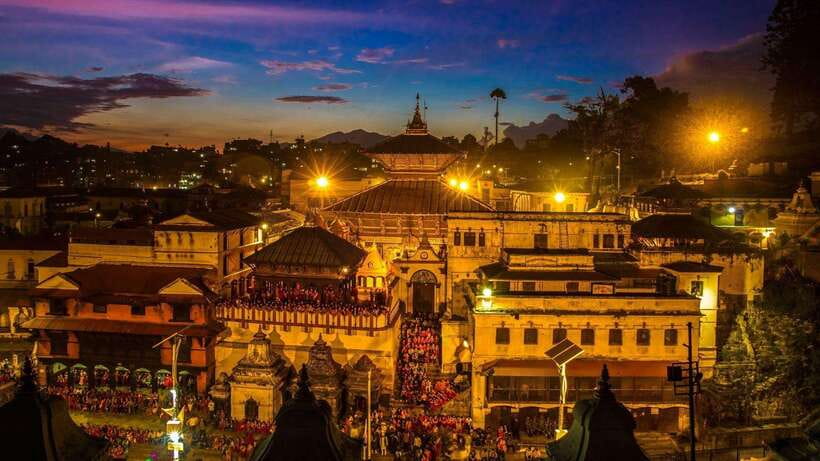
Before the Aarati, your guide leads a sightseeing visit around Pashupatinath. The temple area is set along the Bagmati River, with views toward the main temple and the surrounding religious buildings.
The guide’s role is the heart of this part of the tour. You receive background on the temple’s religious importance, local traditions, and the customs connected with Hindu worship. The best guides do not just list facts. They explain what you are seeing in a way that helps you understand the difference between a sacred act and a tourist attraction.
Several guides have been singled out by name in past bookings. Ramesh is described as warm, patient, and especially good at explaining Hindu culture and rituals. Rajat is praised for his friendly manner and ability to answer questions. Anjan has also guided the experience in clear English and helped explain the Aarati ceremony. Your assigned guide may differ, but the operator has a useful pool of experienced English-speaking guides.
You have some time for independent exploration before the ritual begins. This is a welcome detail because a guided visit can sometimes feel rushed. You can pause, look across the river, take permitted photographs, or simply watch the area prepare for the evening service.
The temple itself is an active place of worship. You should expect religious activity rather than a quiet museum visit. Keep your voice low, follow directions from your guide, and ask before photographing people or sacred moments.
Watching the Aarati beside the Bagmati River
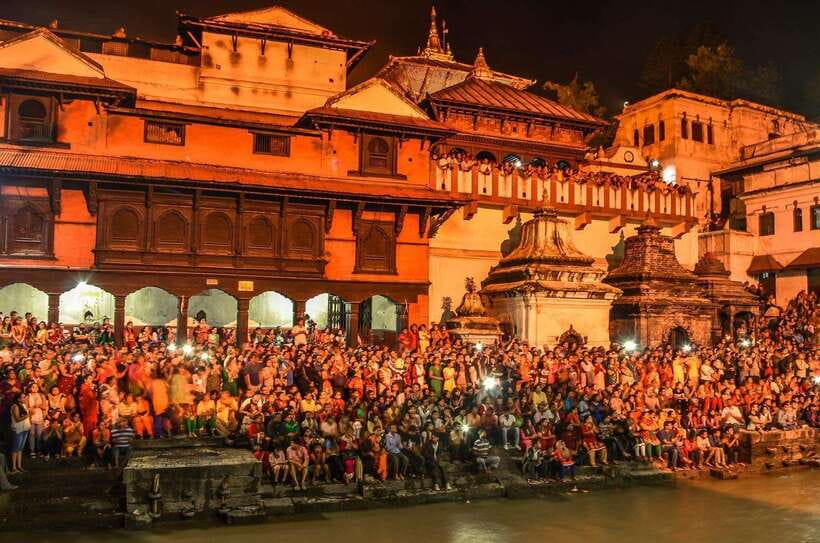
The ceremony takes place on the riverbank on the eastern side of the temple complex. People gather before the start, so your guide’s help with timing and positioning matters. One of the strongest features of this tour is the chance to arrive early enough to get oriented before the main event.
Around 6 p.m., priests begin the ritual. They chant prayers and wave oil lamps before Lord Shiva. Bells, incense, hymns, and classical music add layers of sound and movement, while the lamps provide the ceremony’s central visual focus.
The riverbank setting gives the Aarati its special character. You are looking toward the temple area while the Bagmati forms part of the scene. As evening settles, the lamps and flames become more striking, and the ceremony feels very different from a daytime visit.
This is also the point where the tour asks something from you. The ceremony may be crowded, and there is a lot to take in at once. You may want photographs, but it is better to stay aware of the religious setting and use a camera only in permitted areas. The strongest memory may not be a perfect image. It may be the sound of the chanting and bells carrying over the river.
The ritual is described as moving and unforgettable by people who have taken the tour, but your response will depend on your interest in religious ceremony. If you prefer fast sightseeing and a long list of monuments, this evening may feel slow. If you enjoy observing customs and learning why they matter, the pace works in your favor.
A different set of gates, same trip:
- Lunch with Nuns – Monastery
★ 5.0 · 75 reviews - Chandragiri Cable Car & Monkey Temple Tour- Private/Group
★ 5.0 · 32 reviews - Kathmandu: Pashupatinath Temple Aarti Night Tour
★ 4.8 · 29 reviews - Sacred Pashupatinath: Aarati,Cremation Rites & Boudha Stupa
★ 5.0 · 18 reviews
What the guide adds to the evening
A guide is particularly useful here because Hindu worship can be difficult to read from the outside. A priest lifting a lamp, a bell ringing, or a hymn beginning may look simple, but each action sits within a larger tradition.
Ramesh has been noted for giving extra cultural information and taking time with questions. He has also accommodated photography requests, which is useful if you want to make images without feeling rushed. Rajat is described as conversational and well prepared, while Anjan has helped explain the religion and ceremony in accessible English.
These details matter because the tour is short. Three hours is enough for a temple visit and Aarati, but not enough for a long classroom-style lesson. A patient guide can use the limited time well, giving you context before the ceremony and answering questions afterward if time allows.
The guide also helps you behave appropriately. You can ask where photography is permitted, where to stand, and which parts of the complex are open to visitors. That guidance is more valuable than another few minutes of unsupervised wandering.
The tour is conducted in English. One guide has also been able to speak Spanish and English, but Spanish service should not be assumed when booking. If language is important to you, confirm it before paying.
Is $45 a fair price?
At $45 per person, this is not the cheapest way to reach Pashupatinath. You are paying for more than admission, though. The price includes hotel pickup and drop-off, transport, a licensed English-speaking guide, temple entry, taxes, and service charges.
For a solo visitor or first-time visitor to Kathmandu, that package offers useful convenience. You do not need to negotiate a taxi, locate the temple entrance, work out where the Aarati takes place, or guess what the ritual means. The private group format also makes the experience more flexible than a large shared excursion.
The value is less clear if you already know Pashupatinath well or only want to watch the ceremony. In that case, you may prefer to arrange your own visit. The tour makes the most sense when cultural explanation and smooth transport are part of what you want.
Food and drinks are not included, but that should not be a serious drawback for a three-hour evening outing. Plan to eat before or after the tour rather than expecting refreshments during the ceremony.
The booking terms add flexibility. You can cancel up to 24 hours before the activity for a full refund, and the reserve-now, pay-later option lets you hold a place without paying immediately. Starting times should be checked when booking, since the ceremony itself is tied to the evening schedule.
Who will enjoy this experience most?
I would recommend the tour to you if you are visiting Kathmandu for the first time, want help understanding Hindu practice, or prefer an evening activity with a strong local focus. It also suits photographers who want time to prepare and ask about permitted shooting areas.
The tour is a good fit for people who enjoy guided interpretation. You will hear about the temple, the rituals, and local customs rather than simply stand at the riverbank for a few minutes.
It may be less suitable if you dislike crowds, religious ceremonies, or fixed timing. The Aarati begins around a set time, and the most interesting part cannot be hurried or rearranged. You also need to accept that the evening is about observation and respect, not active participation in the ritual.
Families and older visitors may appreciate the included transport and short duration, though the supplied details do not specify accessibility arrangements. If you have mobility needs, ask the operator for current information before booking.
Practical tips for a respectful visit
Arrive ready for an outdoor religious setting. The ceremony takes place beside the Bagmati River, so your attention will be on the riverbank, temple views, lamps, and gathering crowd rather than indoor comfort.
Wear clothing suitable for a place of worship and keep your behavior quiet during prayers. Ask your guide before taking close photographs, especially of priests, worshippers, or sacred objects.
Keep your schedule reasonably open around the three-hour duration. Kathmandu traffic can affect the drive, and the ceremony itself should not be treated like a show with a quick exit the moment the lamps are lowered.
Use the guide before the Aarati. This is when you can ask what you are about to see, where to stand, and which details deserve your attention. Once the chanting begins, it may be harder to stop for a long explanation.
If photography is your main goal, say so early. One guide, Ramesh, has been especially accommodating with photography requests, but no guide can guarantee every position or image. Religious rules and crowd conditions come first.
Final call: book it for meaning, not just photos
I would book this tour if you want Pashupatinath to make sense, not merely appear in your camera roll. The combination of a temple visit, an English-speaking guide, private transport, and the riverbank Aarati gives you a well-organized introduction to one of Kathmandu’s major Hindu sites.
The best reason to choose it is the explanation. Guides such as Ramesh, Rajat, and Anjan have been praised for patience, cultural insight, and clear answers, and that human connection can turn an unfamiliar ritual into a meaningful evening.
Skip it if you only want a quick stop or prefer to explore religious sites without a guide. At $45, the tour earns its price through convenience and interpretation. For a first visit to Kathmandu, that is a fair trade.
FAQ
How long does the Pashupatinath Aarati tour last?
The tour lasts about three hours, including hotel pickup, transport to Pashupatinath Temple, the guided visit, the Aarati ceremony, and the return to Kathmandu.
What time does the Aarati begin?
The ceremony begins around 6 p.m. The tour starts in the late afternoon so you can visit the temple area before the ritual.
Where does the Aarati take place?
The Aarati takes place on the bank of the Bagmati River, on the eastern side of the Pashupatinath Temple complex.
Is hotel pickup included?
Yes. Hotel pickup and drop-off in Kathmandu are included, along with transport to and from Pashupatinath Temple.
Is the temple entry ticket included?
Yes. The entry ticket to Pashupatinath is included in the tour price.
What language is the tour conducted in?
The tour includes a live English-speaking guide. The listed tour language is English.
Is this a private tour?
Yes. The activity is arranged for a private group rather than a large shared group.
Are food and drinks included?
No. Food and drinks are not included in the $45 price.
Can I cancel the tour for a refund?
You can cancel up to 24 hours in advance for a full refund. The reserve-now, pay-later option is also available.
Newly written up around Kathmandu
- Sacred Pashupatinath: Aarati,Cremation Rites & Boudha Stupa★ 5.0 · 18 reviews
- Pashupatinath: Evening tour of temple and Aarati ceremony★ 5.0 · 3 reviews
- Kathmandu: Pashupatinath Temple Evening Aarati Tour★ 4.7 · 11 reviews
- Kathmandu: Pashupatinath Temple Aarti Night Tour★ 4.8 · 29 reviews
- Kathmandu: Chandragiri Cable Car and Monkey Temple Tour★ 5.0 · 9 reviews
- Kathmandu: Guided Walking Tour with Monkey Temple★ 5.0 · 18 reviews
- Pokhara: Pagoda, Waterfall & Cave – Private Short Trip★ 3.9 · 3 reviews
- Chandragiri Cable Car & Monkey Temple Tour- Private/Group★ 5.0 · 32 reviews
Kathmandu Temple Tours, compared.

Kathmandu Spiritual Sites: Bodhnath & Pashupatinath Tour
Read our review →
Chandragiri Cable Car & Monkey Temple Tour- Private/Group
Read our review →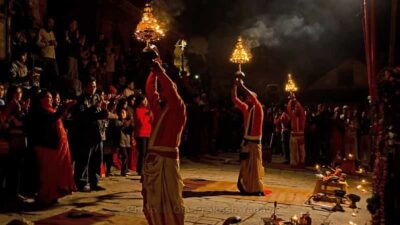
Sacred Pashupatinath: Aarati,Cremation Rites & Boudha Stupa
Read our review →Browse the lists this tour appears in