
Reviewed · MASSAGE
Osaka Temple :Warm Bamboo Oil Massage – Deep Restore〈60min〉
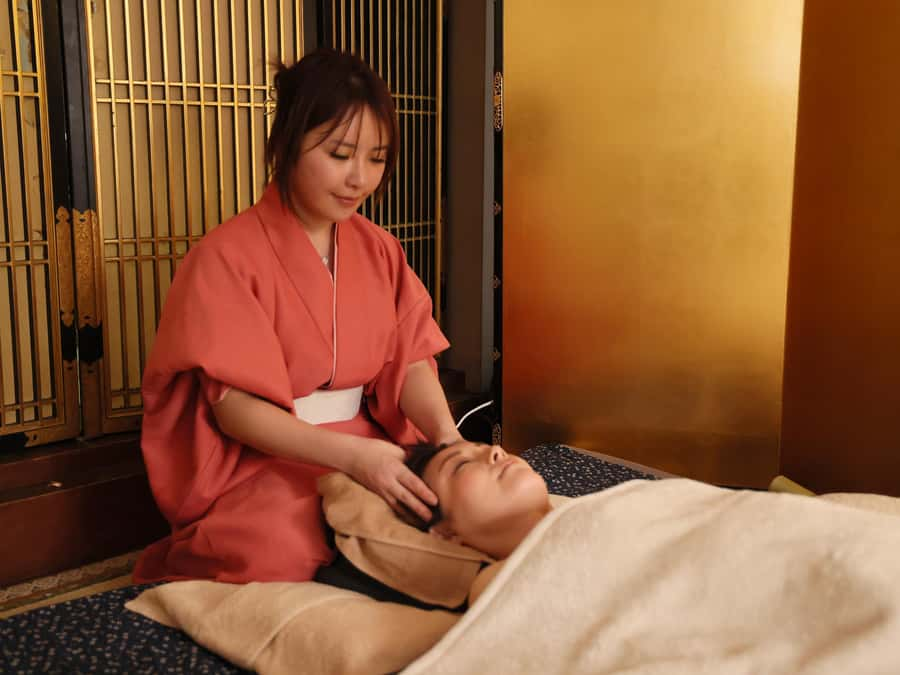
A warm bamboo massage inside a traditional Osaka temple is a fine way to press pause after several days of walking. Heated bamboo tools work along tight muscles and fascia, while oil massage helps your hands and other sore areas loosen up. The temple setting gives this short treatment a cultural touch without turning it into a long formal ceremony.
I like the one-hour format, which fits neatly into a sightseeing day, and I like the individual treatment within a small group of no more than three people. The incense offering, welcome drink, and complimentary smartphone photos add a little more meaning than a standard hotel massage.
The main thing to watch is the package wording. Matcha and yukata rental are not included, and any tea ceremony experience may be shared with other people. Also, the meeting point can be confusing if you search only for the temple name.
Key points to know before booking
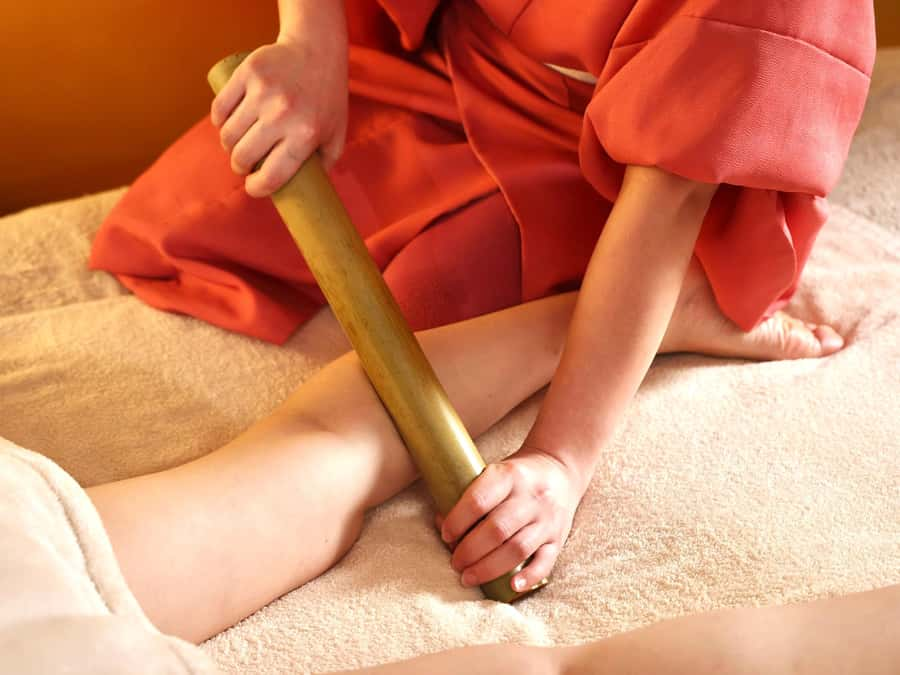
- Warm bamboo tools target tight muscles and fascia, making this especially useful after long days on foot.
- The massage takes place in a traditional temple, with an incense offering to begin the cultural side of the visit.
- Your treatment is individual, but the small group can include up to three people.
- The $96 price covers 60 minutes, a welcome drink, oil massage, bamboo fascia release, and smartphone photos.
- English and Japanese are available, which helps when explaining where you feel stiff or sore.
- Use the correct map search, Japanese Massage -the one&only-, or search for Tossa de coracao nearby.
A temple setting for tired legs and tight shoulders
Osaka rewards walking. You may spend a morning around a market, cross several shopping streets, and keep going long after your feet have had enough. This treatment is aimed at that exact problem: travel fatigue, stiff muscles, and the familiar feeling that your body is lagging behind your sightseeing plans.
The massage uses warmed bamboo sticks rather than only hands. The tools are used for fascia release, with pressure directed at tight areas. Fascia is the connective tissue around muscles, so this is not designed as a feather-light spa treatment. If you want gentle relaxation with almost no pressure, explain that before the massage begins.
Oil massage is also included, with attention to muscle relief and circulation. The hand massage is a useful detail for anyone carrying luggage, holding a phone for directions, or walking with a camera all day. You can also ask the practitioner to focus on particularly tight areas.
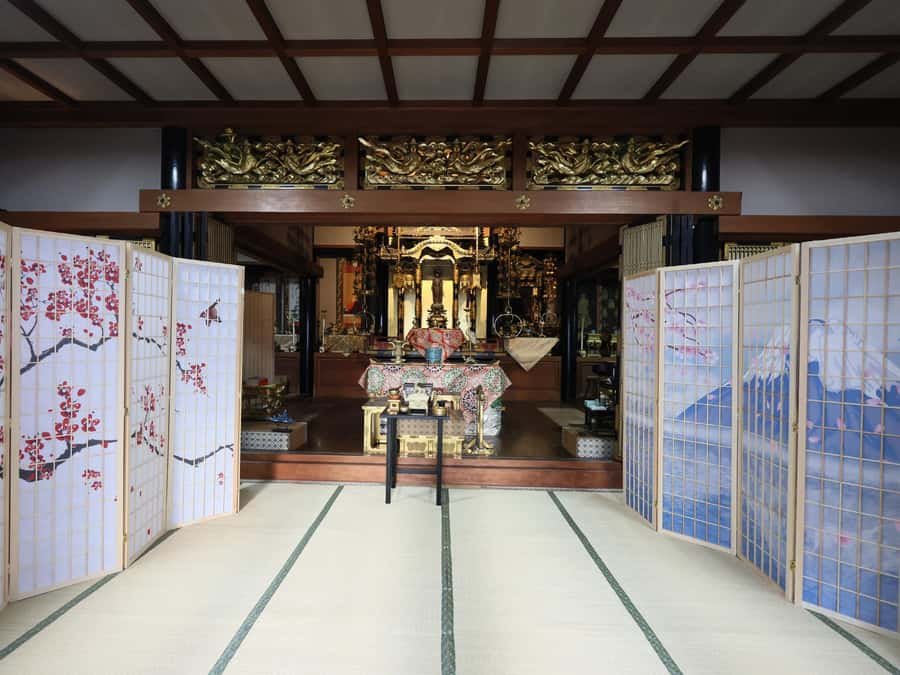
The setting changes the feel of the hour. Instead of entering a generic treatment room, you visit a traditional Japanese temple and take part in an incense offering. The cultural element is brief, but it gives the appointment a sense of place. You are not simply stopping at a spa between attractions.
More temple days that end with a massage in Osaka:
- Osaka Temple Head Spa &Matcha Facial – Refresh & Glow〈90min〉
★ 5.0 · 24 reviews - Osaka Temple :Warm Bamboo Oil Massage – Deep Restore〈90min〉
★ 5.0 · 14 reviews - Osaka: Japanese Zen Massage and Facial at the Temple/180-min
★ 4.8 · 10 reviews
What happens during the 60-minute visit
The experience begins with a welcome drink. This gives you a moment to arrive, settle down, and prepare for the treatment rather than rushing straight from a train or shopping street onto a massage table.
The temple visit includes an incense offering. This is the cultural heart of the appointment, and it offers a respectful pause before the bodywork. It is important to keep your expectations in proportion: this is primarily a massage experience with a temple ritual, not a full day of temple study or a long tea ceremony.
The main treatment combines warm bamboo and oil hand massage. The bamboo tool is used to work on muscle tension and fascia, while oil massage provides a smoother, more familiar massage feel. The treatment is intended to help circulation and loosen areas that have become stiff from walking or sitting during transport.
The session is individual, so your own treatment does not have to be shared with another person. The overall group is limited to three participants, which keeps the appointment small. This arrangement may suit couples or friends who want to visit together while still receiving their own treatment.
At the end, you receive complimentary smartphone photos of the experience in the temple. These are a pleasant keepsake, especially because the setting is part of what makes this appointment different from a regular massage. The photos are not a substitute for a longer temple visit, but they give you something to take home.
Why the bamboo work matters after heavy sightseeing
The strongest reason to book this experience is practical. Walking through Osaka can leave your calves, thighs, hips, shoulders, and hands feeling tight. One person who had been walking continuously for several days found the treatment helped with stiff tendons and made the rest of the trip more comfortable.
That detail points to the best timing. I would schedule the massage near the middle or end of a busy Osaka stay, rather than first thing on your arrival day. It can work as a reset after several days of museums, shopping, food stops, and train connections.
Warm bamboo tools also give the treatment a different pressure pattern from a standard hand-only massage. The bamboo can cover a broader area and apply firm pressure along tense sections. If your body is sore from walking, this may feel useful. If you are sensitive to strong pressure, speak up early and ask for a lighter approach.
The experience is not presented as medical treatment, and you should not book it expecting a diagnosis or rehabilitation session. Its purpose is straightforward: help relieve muscle tension and travel fatigue in a short period.
A quiet cultural pause inside Osaka
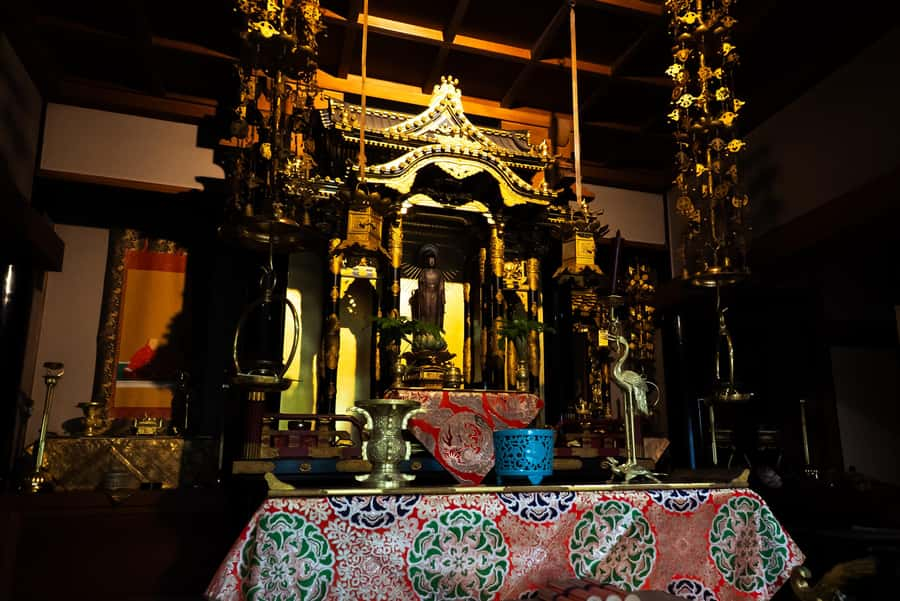
Many cultural activities in Japan require a larger time commitment. A tea ceremony, formal garden visit, or temple tour can take a full portion of your day. This appointment offers a shorter cultural pause, with the incense offering and temple surroundings built around a one-hour massage.
That makes it easy to pair with other plans. You can place it before dinner, after sightseeing, or near the end of a long day. The timing also suits people who want to try something Japanese in a relaxed way without committing to a full yukata or tea program.
The experience does not include the matcha activity or a yukata rental. Do not assume those items are waiting for you as part of the $96 package. If wearing traditional clothing or taking part in a tea experience is important to you, you will need to check separately.
There is also a note that a tea ceremony experience may be shared with other people. Since the massage itself is individual, the distinction matters. You can contact the provider, Japanese Massage 唯一無二, also written as the one&only, if you want a completely private arrangement.
More temple trips with a massage in Osaka:
- Bangkok: Wat Pho Thai Massage in Your Hotel Room
★ 4.6 · 68 reviews - The Grand Palace, Wat Phra Kaew, Wat Pho Tour with Massage option
★ 4.5 · 14 reviews
The meeting point requires care
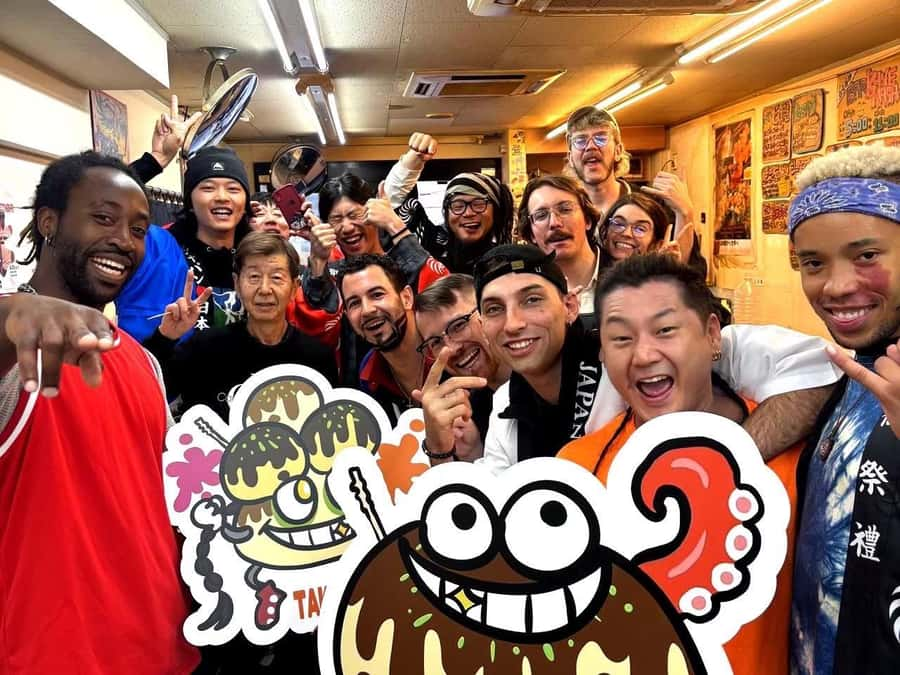
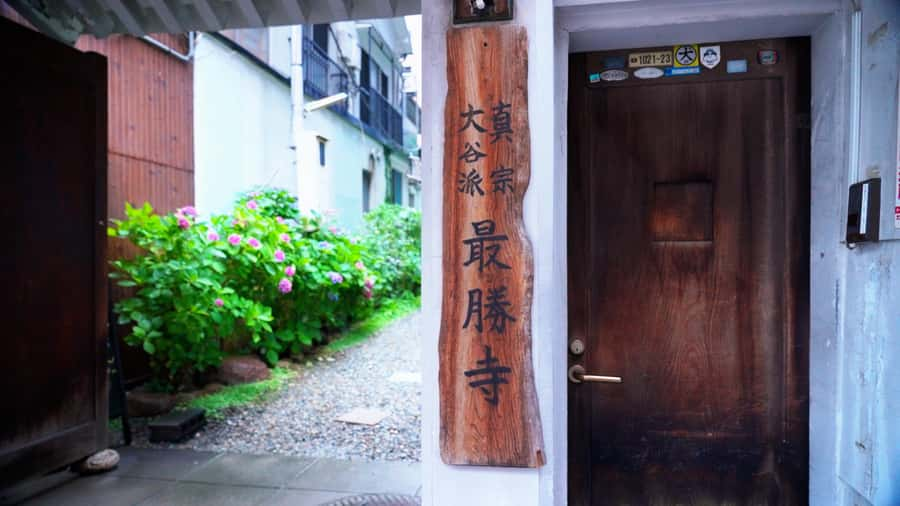
The directions deserve special attention. Do not enter only the temple name into Google Maps. That can send you to the back entrance, where you may have trouble finding the massage location.
Instead, search for Japanese Massage -the one&only-. If that does not work, search for the restaurant Tossa de coracao. The massage location is right next to it.
I would save the meeting point before leaving your hotel and allow extra time to find the correct entrance. This is a small practical step, but it prevents the most avoidable problem with the experience. A temple can have more than one approach, and a back entrance is not always obvious to someone visiting for the first time.
Is $96 a fair price?
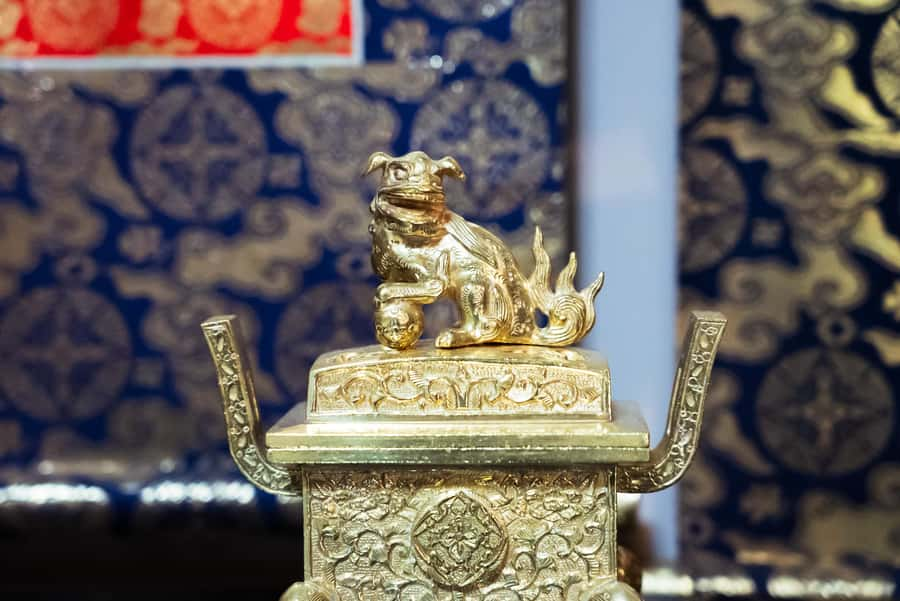
At $96 per person, this is not a budget massage. The value comes from the combination of services rather than the bodywork alone. You receive a full 60-minute treatment, warm bamboo fascia work, oil massage, a temple visit, an incense offering, a welcome drink, and smartphone photos.
The setting is the key part of the price. If you only want muscle work and do not care about the temple, you may find a regular local massage easier to justify. If you want a short wellness appointment with a Japanese cultural element, the package makes more sense.
The treatment also suits a pair of friends or a couple who want to schedule the same activity. Since the group is limited to three and each treatment is individual, you can share the occasion without having to receive a group massage.
The price is easier to accept when you think of it as a travel recovery stop rather than a luxury spa day. You are paying for an hour of bodywork in a distinctive setting, not for a long sequence of treatments, meals, clothing rental, or a full tea program.
Who will get the most from this experience
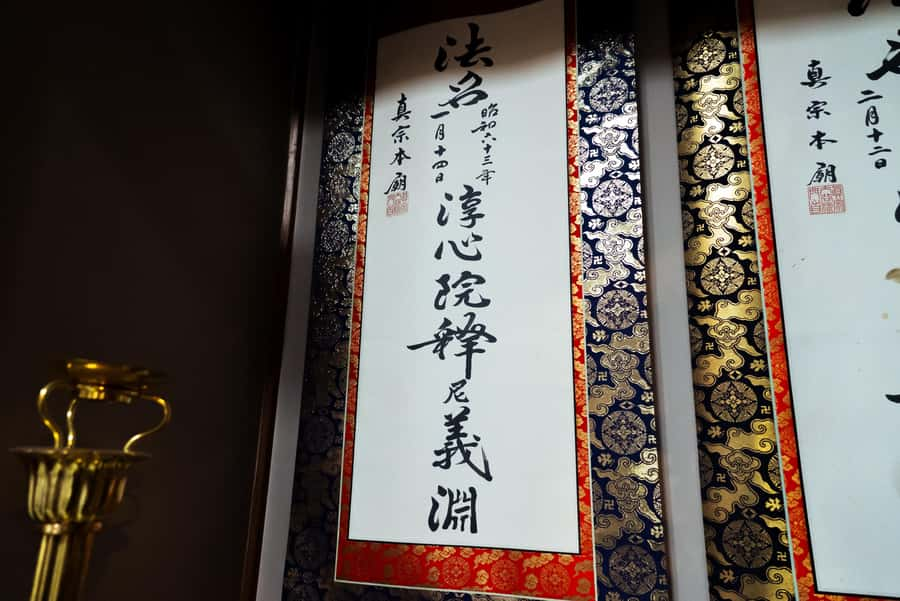
I would recommend it most strongly to:
- People whose legs, feet, hands, or shoulders are tight after several days of walking
- Couples and friends looking for a calm shared activity
- First-time visitors who want a small cultural ritual alongside a massage
- People who prefer a short one-hour appointment to a full spa day
- Visitors who want English support when explaining pressure and problem areas
It may be less suitable if you want a complete temple tour, a full tea ceremony, or a yukata photo session. Those are not included in the stated package.
It may also be a poor match if you dislike firm bodywork. The bamboo fascia technique is designed to release tension, so ask about pressure before the treatment begins. The staff speak English and Japanese, making that conversation possible.
Small details that improve the visit
Schedule this for a day when you can take things slowly afterward. The treatment is meant to relieve tension, and rushing straight into another packed block of sightseeing may reduce the benefit.
Wear clothing that makes you comfortable before and after the appointment. The supplied information does not specify a dress code, so you should confirm any clothing questions directly with the provider rather than assume a particular outfit is required.
Tell the staff where you feel most tired. One useful feature of this treatment is the ability to direct attention toward tight areas. If your calves are the problem, say so. If your shoulders and hands are worn out from carrying bags and using your phone, mention that as well.
Keep the temple setting in mind. The incense offering calls for a respectful attitude, even though the appointment is designed for international visitors and includes practical bodywork. You can enjoy the cultural side without treating it as a long religious tour.
Cancellation is flexible if your plans shift: you can cancel up to 24 hours in advance for a full refund. You can also reserve now and pay later, which helps if your Osaka schedule is still changing.
Should you book the warm bamboo temple massage?
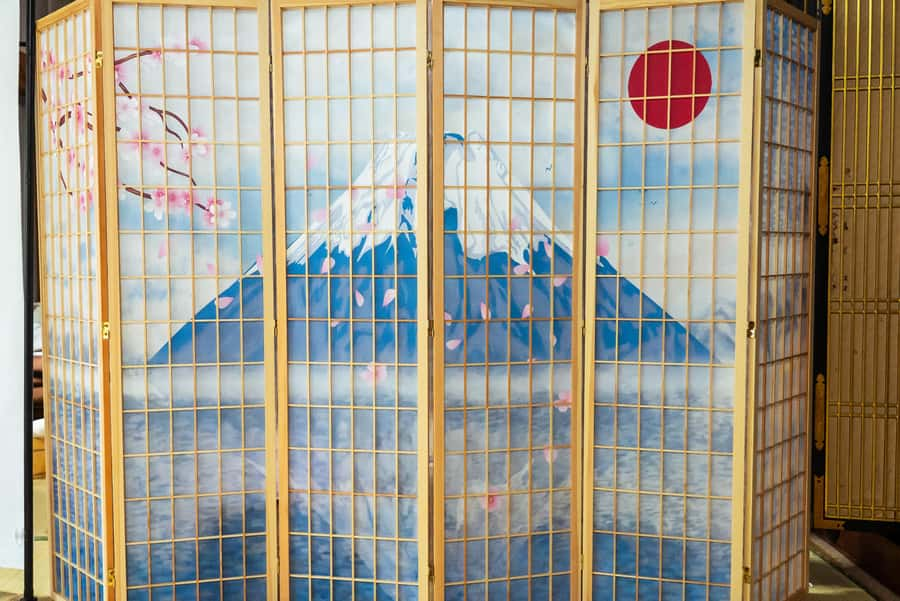
Book it if you want a practical one-hour recovery session with something more distinctive than a standard massage room. The heated bamboo work, individual treatment, incense offering, and temple setting make this a useful break during an active Osaka trip.
I would especially choose it after several walking-heavy days, or as a gentle final activity before dinner. The strongest appeal is the mix of firm muscle work and a calm cultural setting, backed by English and Japanese support.
Skip it if your main goal is matcha, a yukata rental, or a complete private tea ceremony. Those extras are not part of the stated price, and the tea element may be shared. For everyone else, the $96 cost is reasonable when you value both the treatment and the setting, not just the massage itself.
FAQ
How long does the warm bamboo massage last?
The treatment lasts 60 minutes.
What is included in the massage?
The appointment includes warm bamboo fascia release, oil massage, a welcome drink, an incense offering, and complimentary smartphone photos of the experience in the temple.
Is matcha included?
No. The matcha experience is not included.
Is a yukata rental included?
No. Yukata rental is not included.
Is the massage private?
The treatment is individual, but the overall group is limited to three participants. Any tea ceremony experience may be shared with other people. You can contact the provider about a completely private experience.
What languages are spoken?
The experience is offered in English and Japanese.
Where should I search on Google Maps?
Search for Japanese Massage -the one&only-. Do not search only for the temple name, since that may take you to the back entrance.
Is there a nearby landmark for the meeting point?
Yes. If you cannot find the location, search for the restaurant Tossa de coracao. The massage location is right next to it.
Can I cancel for a full refund?
Yes. You can cancel up to 24 hours in advance for a full refund.
Can I reserve now and pay later?
Yes. The booking option allows you to reserve your place and pay later.
Newly written up around Osaka
- Osaka: Mind & Spirit Balance Temple Reiki Healing★ 5.0 · 41 reviews
- Osaka Temple :Warm Bamboo Oil Massage – Deep Restore〈90min〉★ 5.0 · 14 reviews
- Osaka: Temple Tour and Traditional Calligraphy Lesson★ 4.9 · 24 reviews
- Osaka Temple Head Spa &Matcha Facial – Refresh & Glow〈90min〉★ 5.0 · 24 reviews
- Osaka Morning Tour: Shitennoji Temple, Shinsekai &Doutonbori★ 5.0 · 23 reviews
- Osaka: Minoh Waterfall & Katsuo-ji Temple Half-Day Tour★ 4.7 · 27 reviews
- Osaka: Private Tour of Shitennoji, Osaka’s Oldest Temple★ 4.5 · 6 reviews
- Osaka: Japanese Zen Massage and Facial at the Temple/180-min★ 4.8 · 10 reviews
Massage, compared.
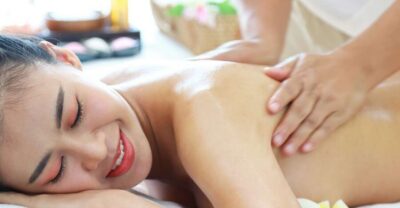
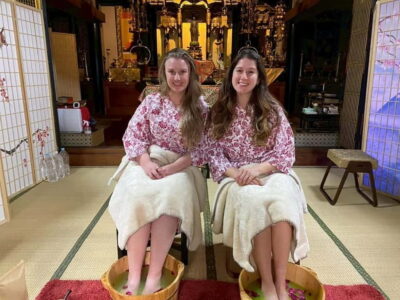
Osaka Temple :Warm Bamboo Oil Massage – Deep Restore〈90min〉
Read our review →
The Grand Palace, Wat Phra Kaew, Wat Pho Tour with Massage option
Read our review →
Japanese Zen Massage and Facial at the Temple/180-min
Read our review →Browse the lists this tour appears in