
Reviewed · OSAKA TEMPLE TOURS
Osaka Morning Tour: Shitennoji Temple, Shinsekai &Doutonbori
Osaka’s best introduction may be a plate of hot food in a small neighborhood eatery, followed by a temple visit and a walk through old-fashioned Shinsekai. This private tour brings those pieces together, with guides such as Ben, Hiro, and Sena leading one group at a time.
I like the mix of Shitennoji’s 1,400-year story and the everyday food stops, especially the included takoyaki, croquette, and drink. I also like the private format, since you can ask questions, pause for photos, and shape the walk around your interests. The main point to check is the route: Dotonbori appears in the tour title, but the detailed description focuses on Tennoji and Shinsekai.
Key points at a glance
- Start at Tenno-ji Station: Meet at the North Exit, where your GOEN JAPAN guide will be holding the company logo.
- See Japan’s oldest Buddhist temple: Shitennoji gives the walk a serious historical anchor, with a 1,400-year story to explore.
- Eat Osaka classics: Your package includes takoyaki, one drink, and a croquette, with additional local dishes available at your own cost.
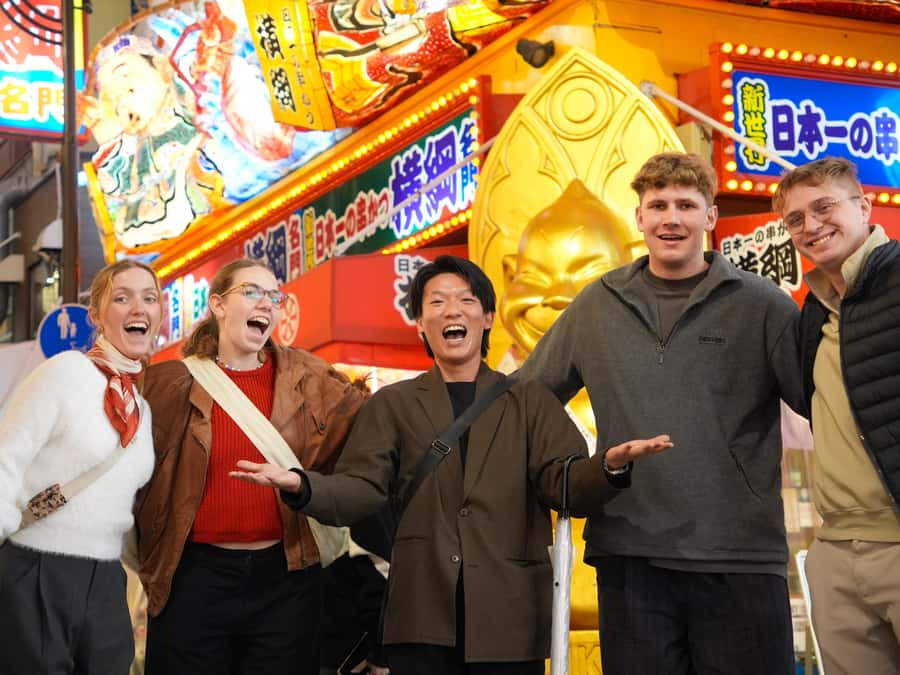
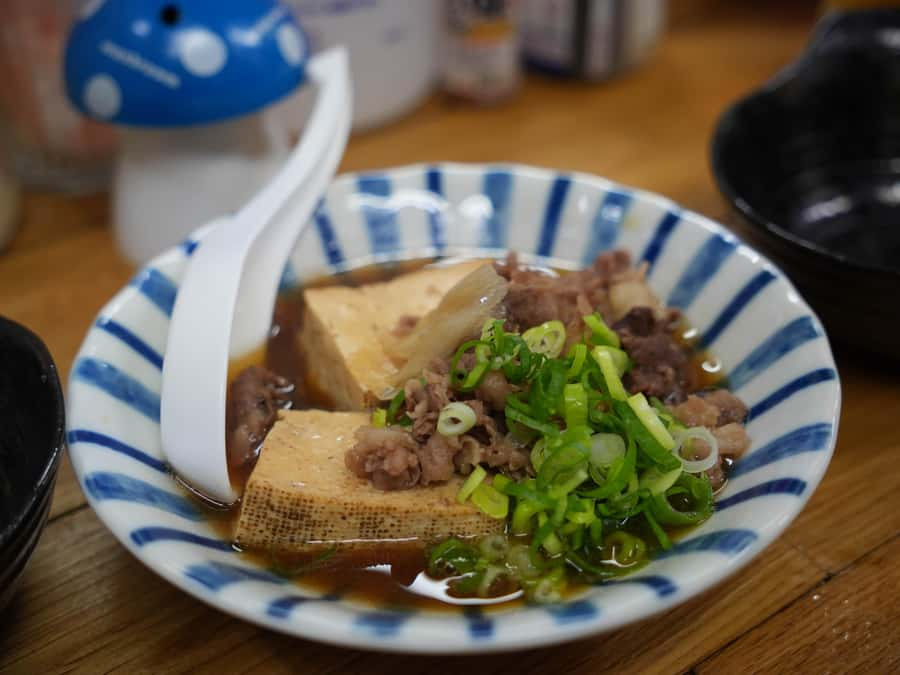
- Walk through retro Shinsekai: Expect neon streets, quirky shops, game arcades, and kushikatsu at a local eatery.
- Travel privately: This is a one-group-only tour, with personalized recommendations and room for questions.
- Choose your guide carefully if possible: Ben receives especially warm praise for local food knowledge and personal attention, while Hiro and Sena are also named as strong guides.
A private walk through Osaka’s food-and-history core
This tour works because it does not treat Osaka as only a food city or only a sightseeing city. You move between quiet green space, a major Buddhist site, old entertainment streets, and local restaurants. The changes in mood are the point.
You begin at Ten-ji Station’s North Exit. Look for the guide holding the GOEN JAPAN logo. Since the meeting point is specific and the tour returns there, this is easy to fit into a day when you are staying near Tennoji or using the station as your base.
The private setup matters here. You are not being pulled along with a large group. You can ask why a dish is important, stop for a photograph, or spend more time on the parts that interest you. The guide can also offer personalized suggestions for the rest of your Osaka stay.
The tour is offered in English. Guides named in the supplied information include Ben, Hiro, and Sena. Ben receives the strongest repeated praise, particularly for showing local food spots and explaining Osaka in a friendly, personal way. Hiro is noted for combining history, food, and photo stops, while Sena is praised for thoughtful planning and stories about Tennoji.
Other temple visits near Osaka we have written up
- Osaka: Minoh, Katsuoji Temple, & Minoh Falls Full-day Tour
★ 4.9 · 172 reviews - Full Day Kyoto Tour : Bamboo Forest, Golden Temple, Fushimi Inari
★ 5.0 · 84 reviews - Osaka Temple Cool Foot Bath & Matcha Experience〈45min〉
★ 4.9 · 82 reviews
Tennoji Park, a calm opening in the city
The first major stop is Tennoji Park. It gives you a softer start than plunging straight into the neon and noise of Shinsekai. You walk along its paths while the guide explains parts of Osaka’s past and points out details you might otherwise pass without noticing.
I like this opening because it lets you get your bearings. A park also gives the guide room to explain the area before the day turns toward food and crowded streets. The tour description mentions colorful murals, tea houses, and small snack shops near Tennoji and Shinsekai, so the exact walk can vary with your group’s interests.
Do not expect a formal garden tour based on the information provided. The park is used as a peaceful setting and a doorway into the district’s story. If you want a detailed botanical visit, ask your guide at the start. If you want context before the food stops, this is a useful beginning.
Shitennoji Temple and 1,400 years of Buddhist history
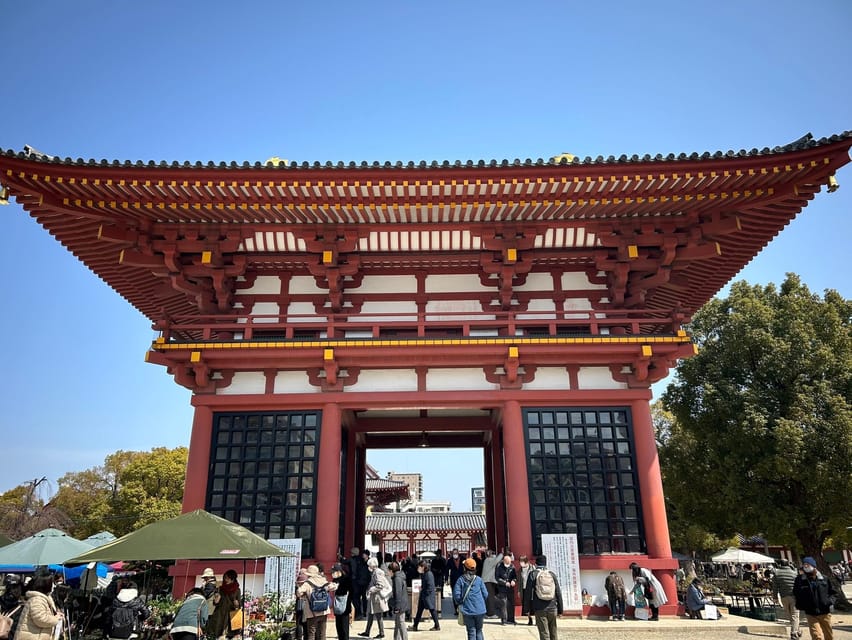
Shitennoji is the cultural centerpiece. It is described as Japan’s oldest Buddhist temple, with a history reaching back 1,400 years. That gives the guide plenty to talk about, from the temple’s place in Japanese religious life to the way old sacred sites fit into a modern city.
The value here is not simply seeing an attractive temple. A guide can explain what you are looking at and why it matters. Without that context, a temple visit can become a quick photograph and a short walk through an unfamiliar space. With an English-speaking local guide, you can ask questions in the moment and connect the site to Osaka’s wider past.
The temple stop also balances the food-focused parts of the outing. You are not moving from one restaurant to another all morning. The route gives you a historic pause, then returns to streets where food and local routines take center stage.
Allow some flexibility around the temple. The detailed information does not provide a fixed duration or a list of specific buildings included. Your guide may spend more time on the site if you are interested in history, or keep the visit shorter if your priority is street food and neighborhood life.
Shinsekai’s retro streets and old Osaka character
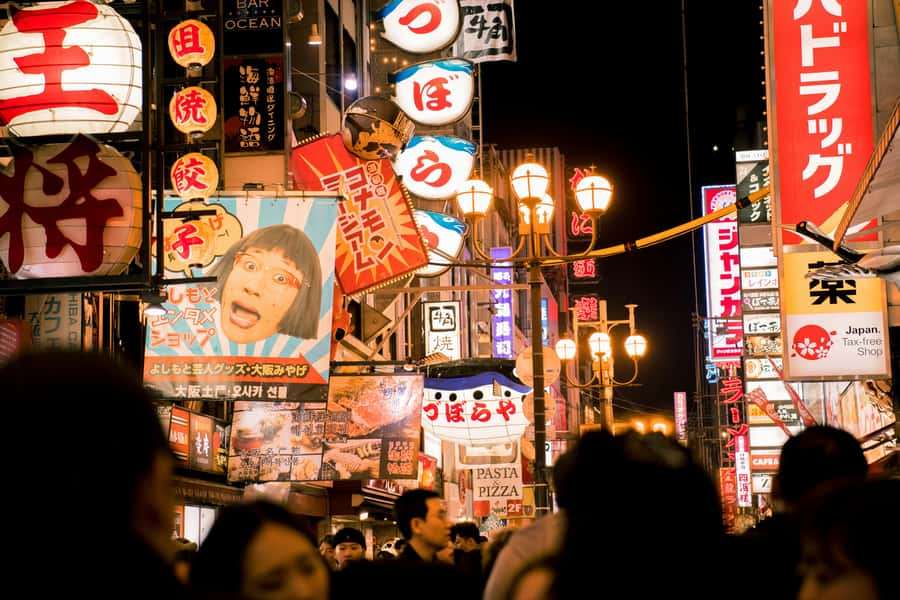
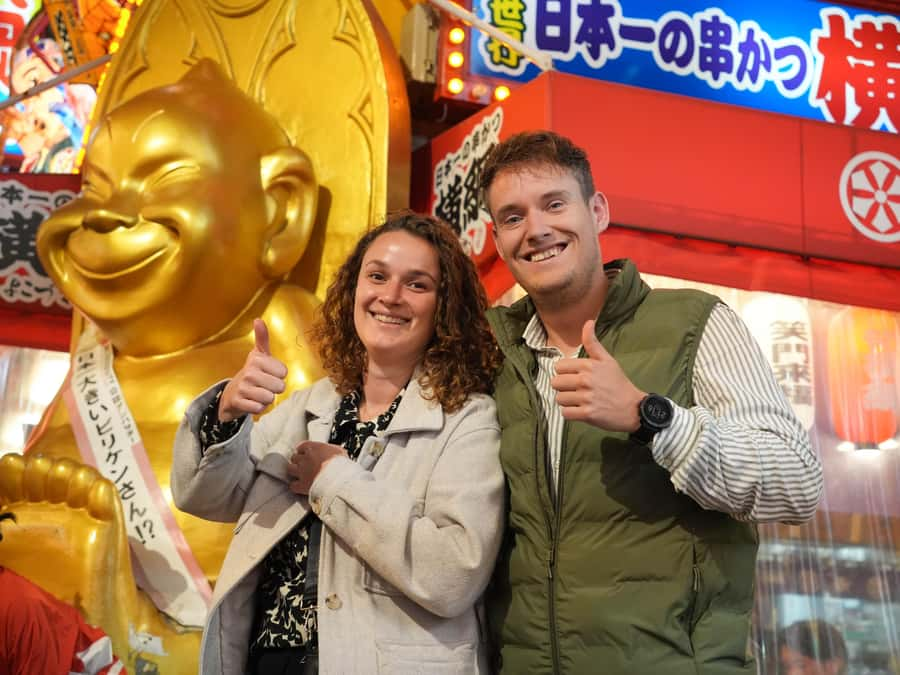
From the temple area, the tour heads into Shinsekai. This is where Osaka’s playful side comes forward: neon-lit lanes, unusual shops, retro game arcades, and the familiar signs of a district built around food and entertainment.
The appeal of Shinsekai is its atmosphere. It feels less polished than a modern shopping quarter, and that is exactly why it is useful for a first look at Osaka beyond the big-name streets. Your guide can point out small details, explain local habits, and lead you toward places you might not find by simply following a major road.
The route may include colorful murals, small tea houses, and snack shops. These are not presented as guaranteed, fixed stops, so treat them as possible discoveries within the private walk rather than promises of a set checklist.
Shinsekai is also a good place to ask for practical food advice. The guide can explain which Osaka dishes are being served, how to approach a small restaurant, and what other foods you should seek out later. That advice can be as useful as the meal included in the tour.
A different set of gates, same trip:
- Osaka: Mind & Spirit Balance Temple Reiki Healing
★ 5.0 · 41 reviews - Osaka: Minoh Waterfall & Katsuo-ji Temple Half-Day Tour
★ 4.7 · 27 reviews - Osaka Temple Head Spa &Matcha Facial – Refresh & Glow〈90min〉
★ 5.0 · 24 reviews - Osaka: Temple Tour and Traditional Calligraphy Lesson
★ 4.9 · 24 reviews
Takoyaki, croquette, and the first taste of Osaka
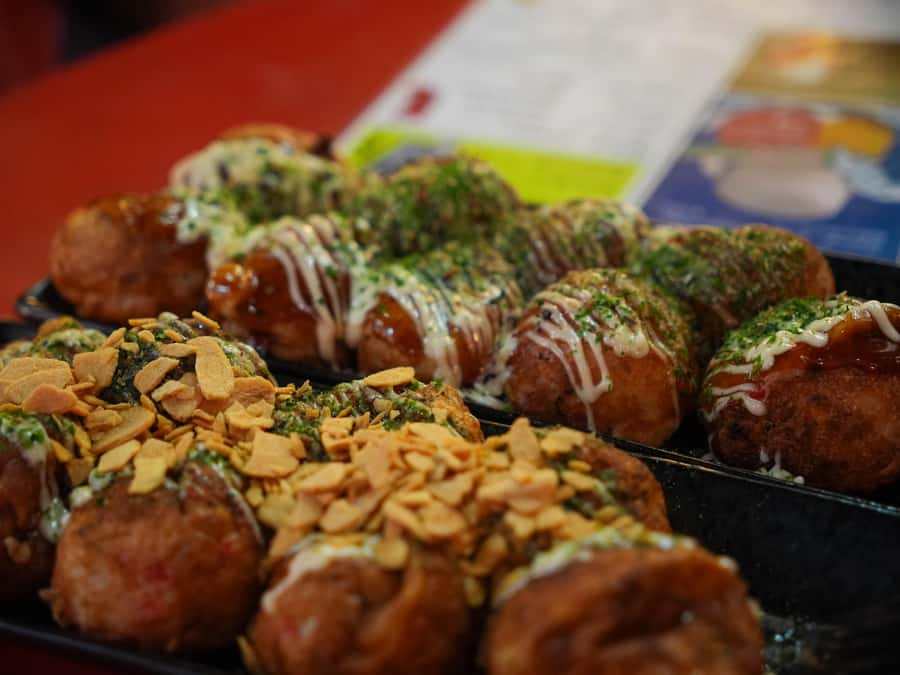
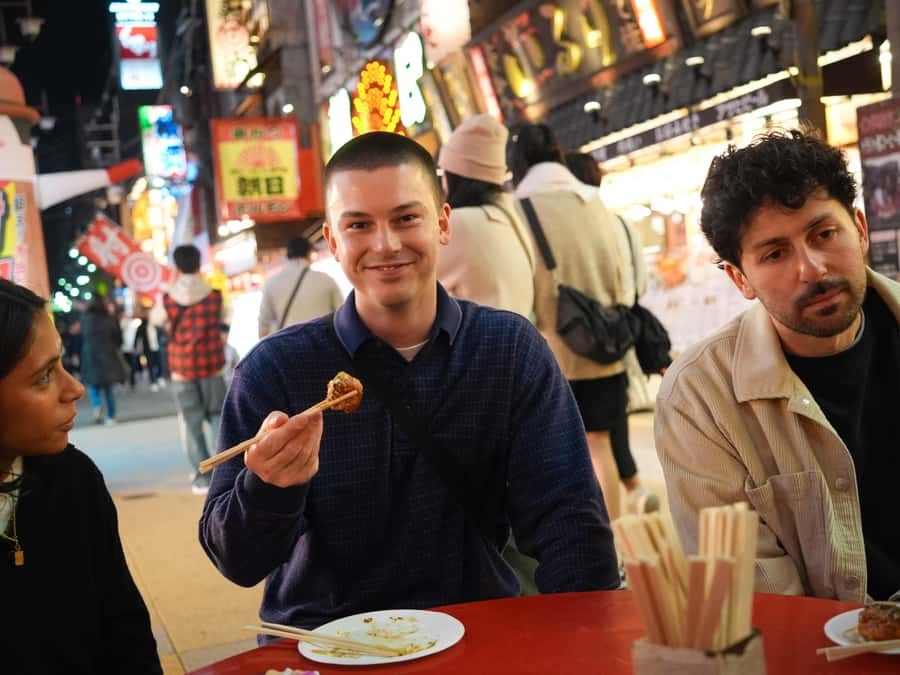
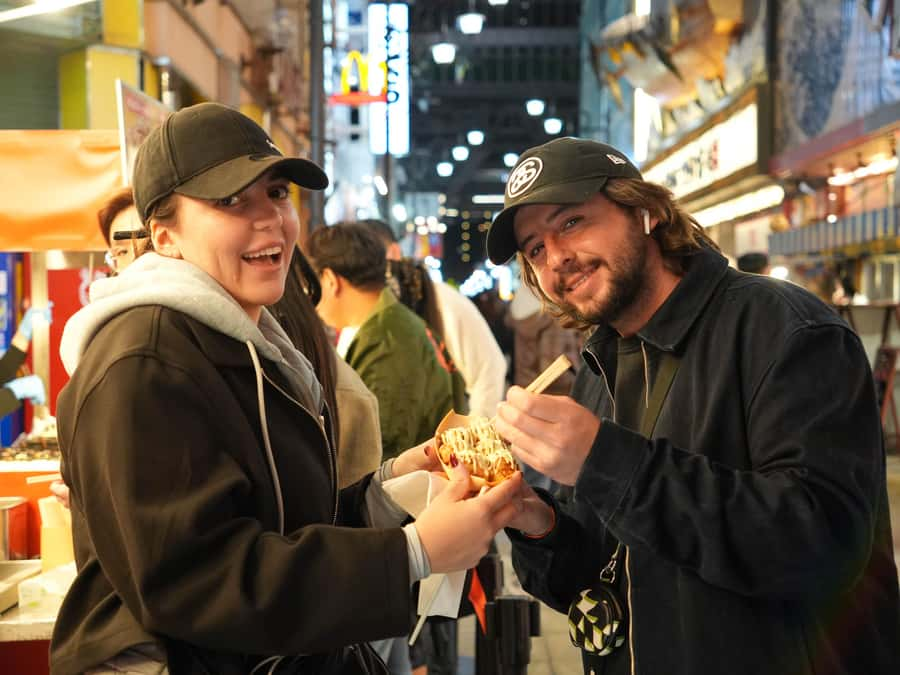
Your package includes a box of takoyaki, one croquette, and one drink. The takoyaki are round fried pieces made from batter with tender octopus inside. They are a classic Osaka snack, usually eaten hot, so take care with the first bite.
The drink may be alcoholic or non-alcoholic. Since the information does not specify a brand, size, or exact venue, you should confirm any preference with the guide when you meet. The croquette adds another simple local bite and helps make the included food feel like part of the walk rather than a single sit-down meal.
These inclusions are modest, but useful. You get a taste of Osaka without having to order immediately in an unfamiliar restaurant. Then, if you want more, the guide can steer you toward further dishes.
Additional food and drinks at a second or third restaurant are not included. That is important for budgeting. The $74 price covers the private walking service and the listed food and drink, but it is not an all-you-can-eat food tour.
Kushikatsu and local restaurant time
Shinsekai is closely linked with kushikatsu, skewered ingredients coated and fried. The tour includes a stop at a local eatery for this Osaka specialty, along with other dishes that show the city’s food culture.
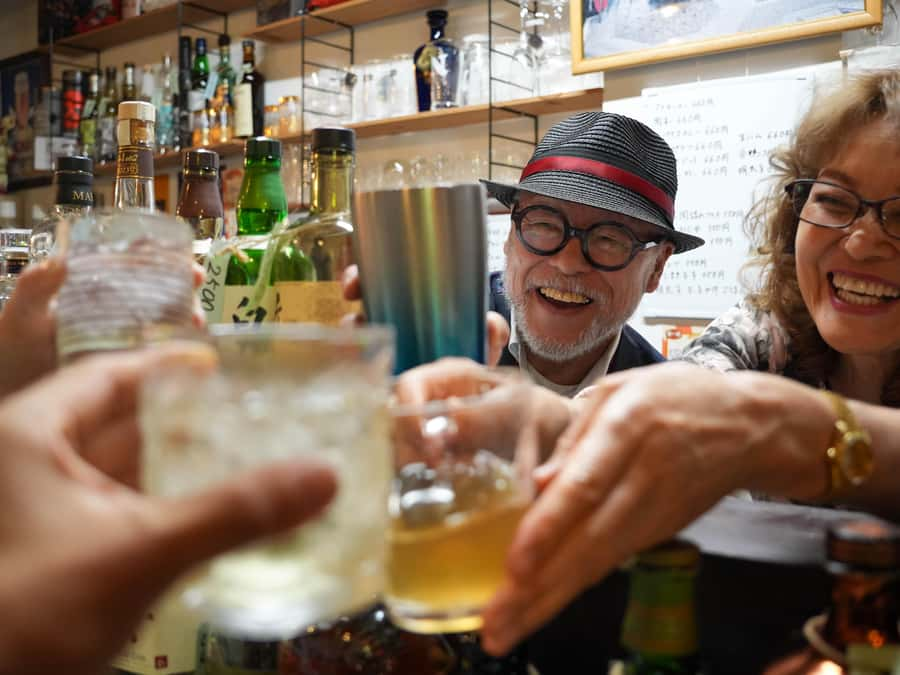
This is one of the strongest parts of the experience. A meal in a small local place gives the guide a chance to explain what you are eating and how it fits into Osaka life. It also turns the tour from sightseeing into a shared activity. Food becomes a natural reason to talk, ask questions, and compare tastes.
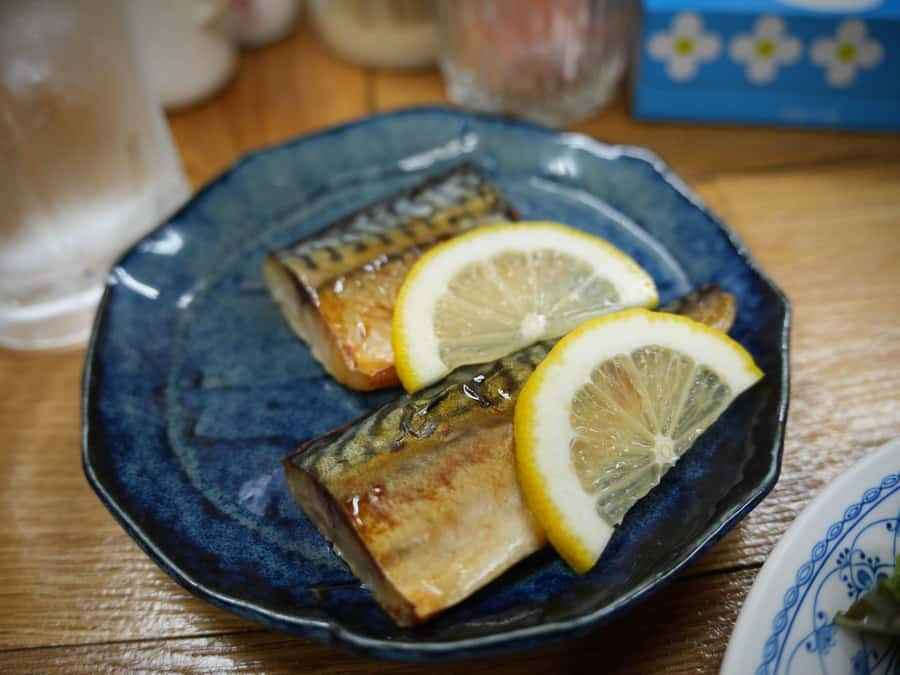
The exact menu is not fixed in the supplied details. One description also highlights okonomiyaki, a savory pancake-style dish, as a particularly good part of the meal. Other food mentioned includes typical Osaka dishes, but you should not assume every item is included in the $74 price.
If you are hungry, budget extra for a second or third restaurant. If you mainly want a taste of local food with cultural explanation, the included items may be enough. Tell the guide about dietary concerns or dislikes at the start, though the available information does not promise specific substitutions.
What the private format adds
A private, one-group-only tour costs more than joining a large walking group, but the difference buys flexibility. You are not waiting for strangers to take photographs or following a fixed pace that may not suit you.
I see the private format as especially useful for families, couples, and small groups with mixed interests. One person can ask about temple history while another asks where to eat later. You can also tell the guide if you want more time in Shinsekai, more cultural background, or more food advice.
The guides are presented as local experts with personal stories and connections to places outside the standard route. That does not mean every stop will be secret or completely unknown. It means the experience is built around local explanation and flexible choices rather than a simple list of famous sights.
There is also practical value after the walk. Personalized recommendations can help you decide where to eat and what to see next. Ben, in particular, is praised for sharing places locals use and for making the experience feel personal. Hiro is singled out for good conversation and photo locations, while Sena is described as thoughtful in planning the route.
Is $74 a fair price?
At $74 per person, this is not the cheapest way to see Tennoji. You are paying for a private English-speaking guide, not just entry to a temple or a self-guided food crawl.
The price makes more sense if you value interpretation and personal attention. You receive a guided walk, takoyaki, a drink, and a croquette, plus a local restaurant experience that includes kushikatsu and possibly okonomiyaki or other Osaka dishes. The additional restaurant food is extra, so plan for that if you want a larger meal.
For a solo visitor, $74 may feel steep compared with exploring Shinsekai alone. For two or more people sharing a private booking, the cost can feel more reasonable, particularly if you want a smooth introduction to Osaka without handling every menu, turn, and cultural question yourself.
The tour also saves planning time. You do not need to research which streets connect Tennoji, Shitennoji, and Shinsekai, or decide where to sample local dishes. The value depends on how much you want a person to shape the experience for you.
A few practical points before booking
The tour begins at Tenno-ji Station North Exit and ends back at the meeting point. That return makes it easier to continue your day from the same transport hub.
The activity is in English. The detailed information does not state the total duration, walking distance, admission arrangements, or a fixed hour-by-hour schedule, so ask for those details before paying if they affect your plans.
The tour can be canceled up to 24 hours in advance for a full refund, and you can reserve now and pay later. Those terms are helpful if your Osaka plans are still shifting.
The title includes Dotonbori, but the detailed route information concentrates on Tennoji, Shitennoji, and Shinsekai. If Dotonbori is important to you, confirm whether it is included on your date. Do not assume the tour covers that district simply because it appears in the name.
Who should book this Osaka walk?
I would choose this tour if you want history and food in the same outing, especially if you prefer conversation over a large group format. It is a strong fit for a first Osaka visit, food-focused travelers, couples, families, and anyone who wants help finding local restaurants.
It also suits repeat visitors who have already seen the major shopping areas and want a different side of the city. The Tennoji and Shinsekai focus gives you a neighborhood-based experience rather than a checklist of Osaka’s biggest sights.
You may want another option if you need a tightly timed itinerary, a fully specified food menu, or a tour built around Dotonbori alone. The private format is flexible, but that also means some details are best confirmed directly with GOEN JAPAN.
Should you book it?
Book this tour if the idea of eating takoyaki and kushikatsu, hearing the long story of Shitennoji, and walking Shinsekai with a local guide sounds better than navigating it alone. The strongest reason to go is the combination of personal guidance and ordinary neighborhood food.
Before booking, ask about the total duration, the exact food stops, any extra meal costs, and whether Dotonbori is part of your route. If those points fit your plans, the private format and highly praised guides make $74 a reasonable price for a focused introduction to Osaka’s Tennoji side.
FAQ
Where does the Osaka morning tour begin?
The tour begins at the North Exit of Tenno-ji Station. Your guide will be holding the GOEN JAPAN company logo.
Where does the tour end?
The activity ends back at the meeting point at Tenno-ji Station.
Is the tour private?
Yes. It is a one-group-only tour, so the experience is private and can be customized for your group.
What language is the tour offered in?
The tour is offered in English.
What food and drinks are included?
The package includes a box of takoyaki, one drink that may be alcoholic or non-alcoholic, and one croquette. Additional food and drinks at a second or third restaurant cost extra.
Does the tour visit Shitennoji Temple and Tennoji Park?
Yes. The route includes Tennoji Park and Shitennoji Temple, described as Japan’s oldest Buddhist temple with a 1,400-year history.
Can I cancel the booking for a refund?
Yes. You can cancel up to 24 hours in advance for a full refund. You can also reserve and pay later.
Newly written up around Osaka
- Osaka: Mind & Spirit Balance Temple Reiki Healing★ 5.0 · 41 reviews
- Osaka Temple :Warm Bamboo Oil Massage – Deep Restore〈90min〉★ 5.0 · 14 reviews
- Osaka Temple :Warm Bamboo Oil Massage – Deep Restore〈60min〉★ 4.9 · 19 reviews
- Osaka: Temple Tour and Traditional Calligraphy Lesson★ 4.9 · 24 reviews
- Osaka Temple Head Spa &Matcha Facial – Refresh & Glow〈90min〉★ 5.0 · 24 reviews
- Osaka: Minoh Waterfall & Katsuo-ji Temple Half-Day Tour★ 4.7 · 27 reviews
- Osaka: Private Tour of Shitennoji, Osaka’s Oldest Temple★ 4.5 · 6 reviews
- Osaka: Japanese Zen Massage and Facial at the Temple/180-min★ 4.8 · 10 reviews
Osaka Temple Tours, compared.
Minoh, Katsuoji Temple, & Minoh Falls Full-day Tour
Read our review →Full Day Kyoto Tour : Bamboo Forest, Golden Temple, Fushimi Inari
Read our review →
Osaka Temple Cool Foot Bath & Matcha Experience〈45min〉
Read our review →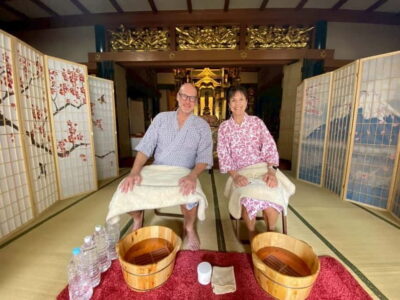
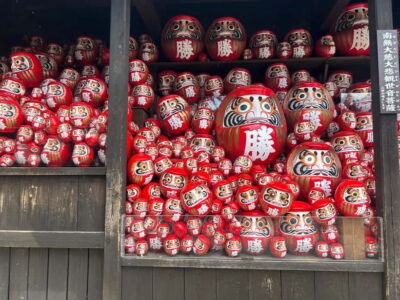
Minoh Waterfall & Katsuo-ji Temple Half-Day Tour
Read our review →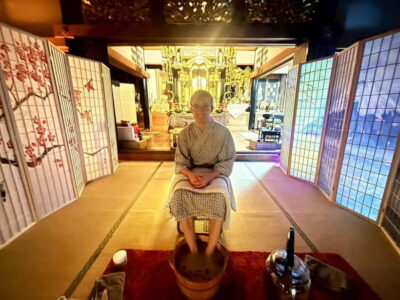
Osaka Temple Head Spa &Matcha Facial – Refresh & Glow〈90min〉
Read our review →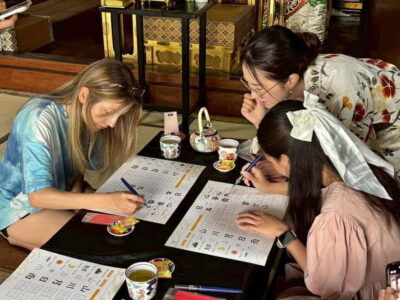
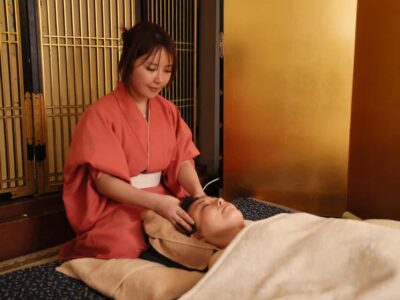
Osaka Temple :Warm Bamboo Oil Massage – Deep Restore〈60min〉
Read our review →Browse the lists this tour appears in