
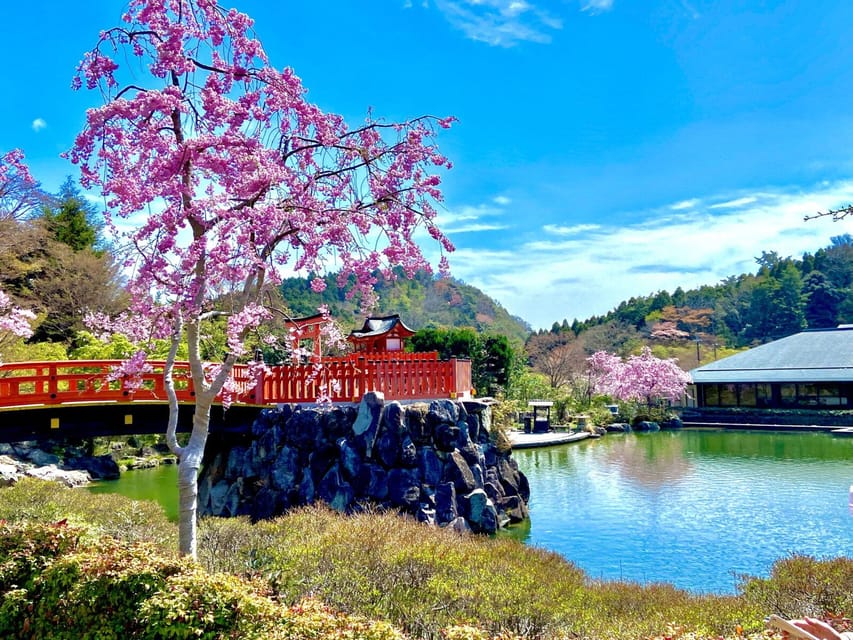
Reviewed · FULL-DAY
Osaka: Minoh, Katsuoji Temple, & Minoh Falls Full-day Tour
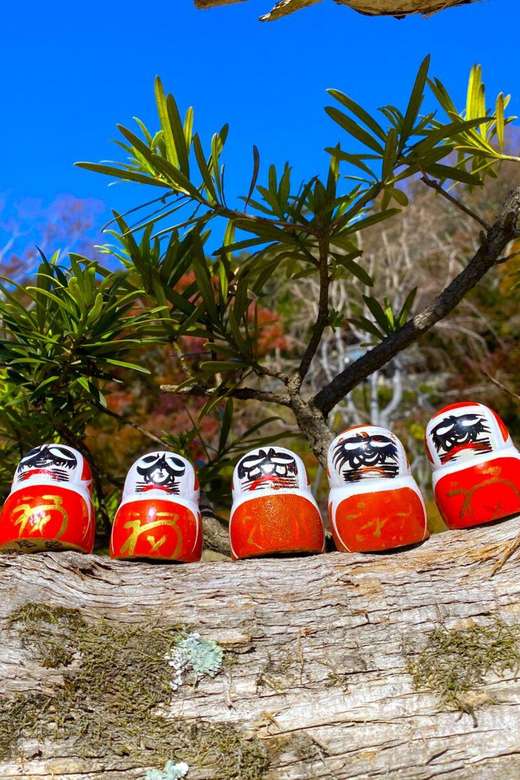
The Daruma-filled grounds of Katsuoji Temple are the star here. Hundreds of red good-luck dolls perch on steps, walls, and garden corners, creating a playful contrast with the temple’s quiet mountain setting. Then you get a waterfall, a forested valley, and a slow walk back toward the station.
I like two things especially: you use Osaka’s public transport rather than being sealed inside a tour bus, and the day has room to breathe. Guides such as Warren, Adam, and Justin have been praised for clear explanations, humor, patience, and a steady pace. The main catch is simple: this is a long outdoor day with moderate walking, steps, and some uphill sections, so it is not suited to wheelchair users or anyone who struggles with extended walking.
Key points to know before booking
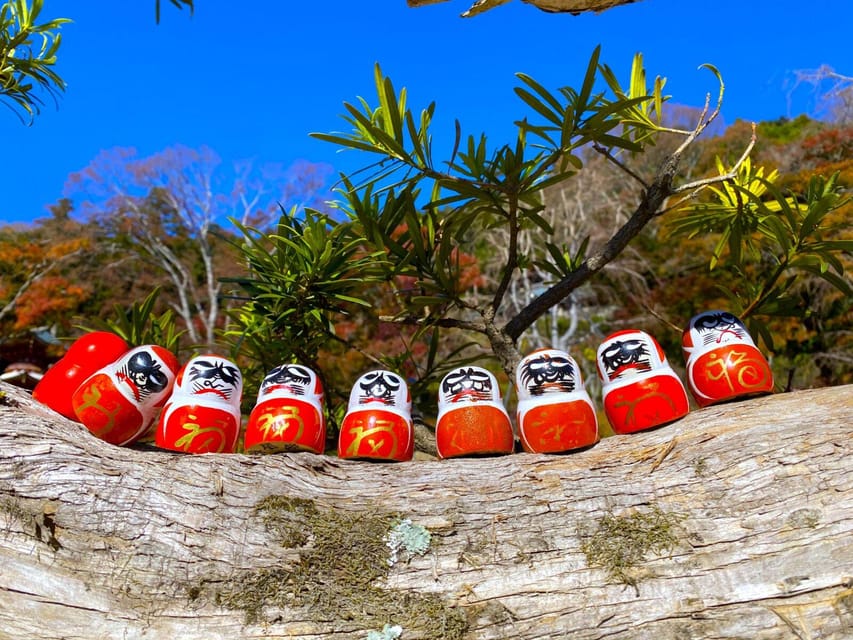
- Daruma dolls everywhere: Katsuoji Temple gives you a memorable look at Japan’s symbols of perseverance and good luck, with the option to buy one as a keepsake.
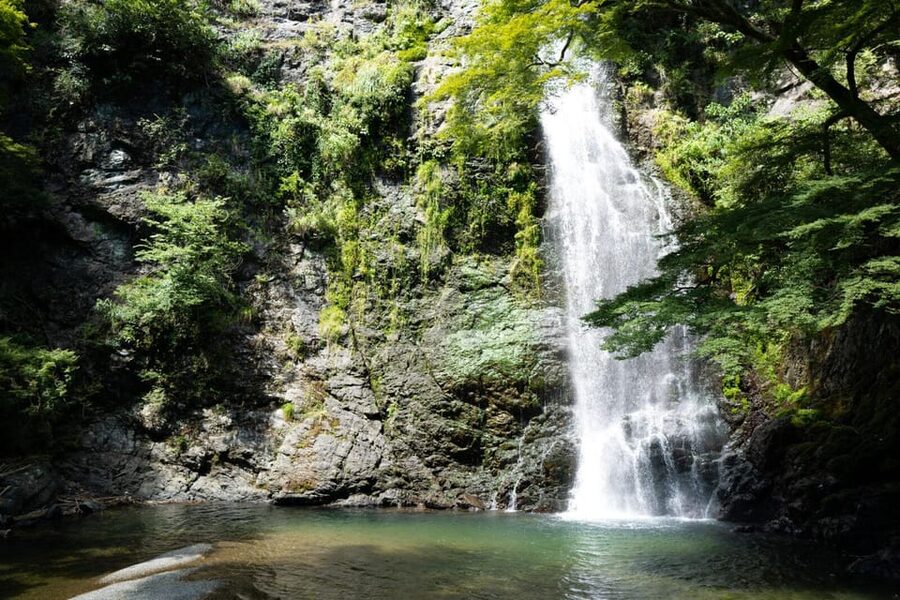
- A 33-metre waterfall: Minoh Falls provides a calm place to sit, eat your own lunch, and listen to the water.
- Public transport is part of the experience: You travel by subway or metro, bus, taxi, and train, just as local residents do.
- A gentle but lengthy walk: The route from the falls toward Ryuan-ji and the station is mostly easy, but you still need comfortable shoes and stamina.
- Strong guide element: English-speaking guides including Warren, Adam, Justin, and Joel have been praised for history, cultural context, photo help, and careful pacing.
- Best in changing seasons: Autumn color is a major draw, but spring flowers, summer greenery, and winter quiet each give the temple and park a different mood.
Why this makes a good escape from Osaka
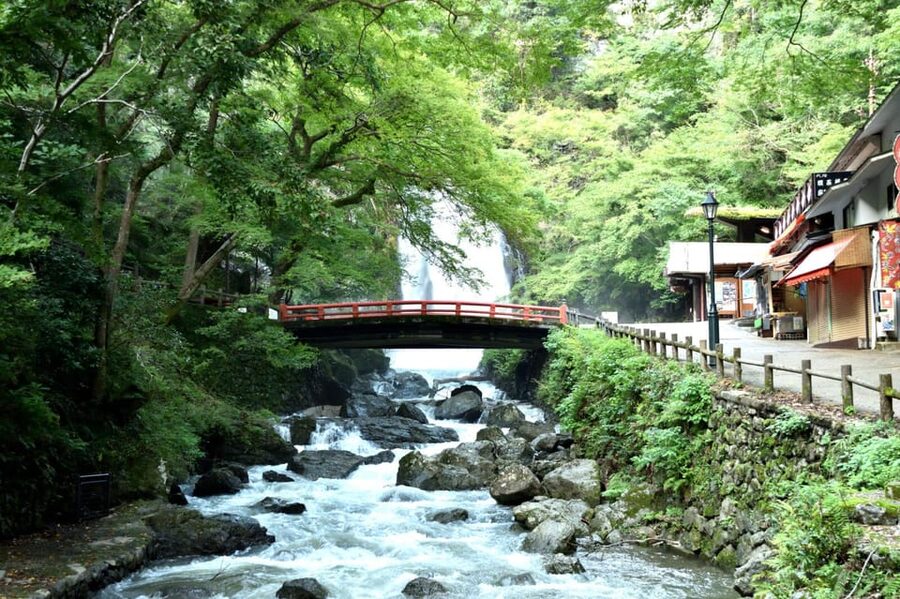
Osaka is fun, loud, and full of food, shopping, and neon. Minoh gives you the opposite kind of day. The city gradually gives way to hills, trees, temple roofs, flowing water, and open walking paths.
That change is the real point of the trip. You are not simply checking off another famous temple. You are spending several hours in a quieter corner of northern Osaka, with enough time to notice small details and ask questions.
The experience lasts about 390 minutes, or six and a half hours. That is long enough to make the journey worthwhile without turning it into a rushed marathon. You visit Katsuoji Temple first, then reach Minoh Falls by taxi or black cab, and finish with a walk through Minoh Park toward Ryuan-ji and the station.
I especially like the balance between planned travel and free time. The guide handles the confusing parts of the train and bus connections, while you still get the feeling of moving around Japan under your own power. It is more personal than a coach excursion, though less private and predictable than a private car tour.
More Full-Day Tours in Japan:
- Full Day Kyoto Tour : Bamboo Forest, Golden Temple, Fushimi Inari
★ 5.0 · 84 reviews - Siem Reap: Full-Day Angkor Wat Guided Tour with Sunset
★ 4.9 · 3,803 reviews - Full-Day Angkor Wat Sunrise Private Tour with Guide from Siem Reap
★ 5.0 · 2,920 reviews
Meeting at JR Osaka Station
The starting point is Akatsuki Plaza on the first floor of the North Gate Building inside JR Osaka Station. It is just north of the Central Exit ticket gates, near the North Central Exit. Look for the guide holding a SNOW MONKEY RESORTS sign.
The meeting area is a wide open space with two escalators on either side. Stay on the first floor and do not go up the escalators. This detail matters because Osaka Station is large, crowded, and full of signs pointing in several directions.
If you arrive from the Midosuji Subway Line, follow signs toward JR Osaka Station. After reaching the station, head for the Central Exit and continue north toward Yodobashi Camera. Akatsuki Plaza is ahead on the first floor.
Give yourself enough time to find the meeting point. You do not want to begin a full-day outing already flustered from a station maze.
Riding local trains and buses to Katsuoji
The first part of the journey uses the subway or metro for about 40 minutes, followed by a bus ride of roughly 25 minutes. Public transport is included, so you do not need to work out the fares or route changes yourself.
This is one of the tour’s practical strengths. Getting to Katsuoji Temple independently is possible, but the route involves more than simply stepping onto one direct train. A guide can point out where to turn, keep the group together, and explain what you are seeing along the way.
It also gives you a small taste of ordinary Japanese travel. The trains and buses are clean and efficient, but you should expect some standing or crowded sections depending on the time and conditions. The stated times are estimates. Weather, train schedules, and actual conditions can change the pace.
Katsuoji Temple and its sea of Daruma dolls
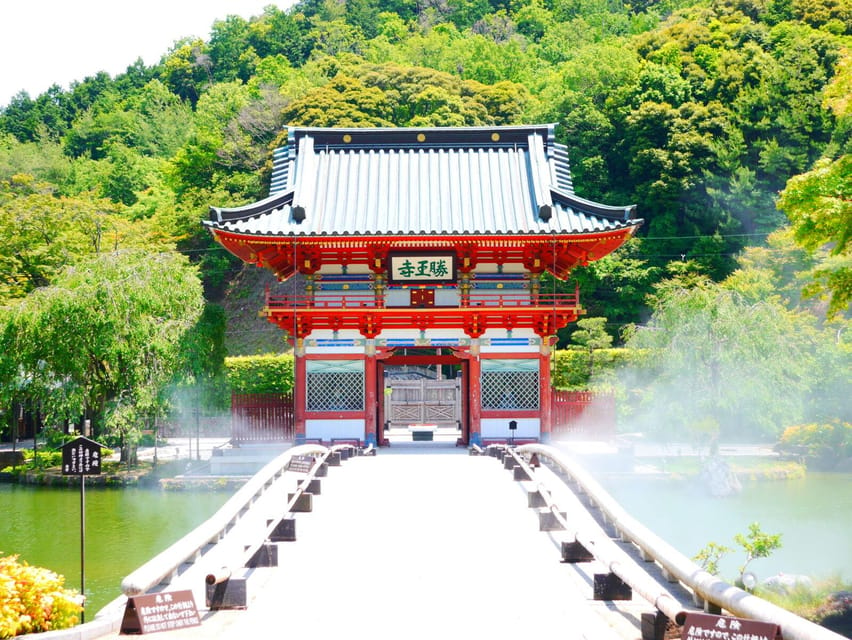
You spend about two hours and 15 minutes at Katsuoji Temple, making this the cultural heart of the day. The temple dates back to the Nara period and sits among gardens, ponds, bridges, seasonal flowers, and mountain scenery.
The Daruma dolls are what make the visit so distinctive. These round, often red figures represent determination and good luck. Many are placed around the temple grounds after visitors make a wish or set a goal. Seeing hundreds of them gathered in different spots gives the temple a lively visual character without taking away from its quiet atmosphere.
Your guide can explain the meaning behind the dolls and the religious traditions connected with the temple. Guides named in past bookings, including Warren, Adam, and Justin, have been praised for explaining Buddhist and Shinto ideas in a clear, approachable way. The exact guide is not guaranteed, but the English-language guiding is included.
You can buy a Daruma doll at the temple. It is a better souvenir than a generic trinket because it carries a clear idea: choose a goal, keep working, and remember the place that inspired it. You may also find opportunities to collect a handwritten goshuin stamp, although the supplied tour details do not promise that this is included or available on every visit.
Take your time here. Look beyond the dolls at the water, bridges, flower beds, traditional buildings, and views into the hills. The temple is not just a photo stop. It rewards a slower visit, especially if your guide points out details you might otherwise walk past.
Other temple visits near Japan we have written up
- Kyoto: Tea Ceremony Ju-An at Jotokuji Temple
★ 4.9 · 3,207 reviews - Osaka/Kyoto:Kinkakuji,Arashiyama,FushimiInariShrine,NaraPark
★ 4.1 · 1,596 reviews - Tokyo: Asakusa Walking Tour with Sensoji Temple Visit
★ 4.8 · 1,583 reviews - Nikko: Kegon Falls, Lake Chuzenji & Toshogu Temple
★ 4.6 · 1,577 reviews
Taxi ride to Minoh Falls
After Katsuoji Temple, the group travels by taxi, described in the schedule as a black cab, for about 10 minutes to Minoh Falls. This short ride is useful because it avoids making you retrace the full route on foot or wait for another complicated connection.
Minoh Falls drops 33 metres and gives the second half of the day a different mood. The temple visit is about symbols, architecture, and tradition. The waterfall is about sitting still, hearing water over rock, and letting the day slow down.
You have time to relax near the falls and eat your own lunch. Food and drinks are not included, so plan ahead. The tour information specifically allows you to enjoy lunch in front of the waterfall, but it does not state that a meal is provided or that a restaurant booking is part of the experience.
Bring water and something easy to carry. In hot weather, the shaded park can still feel humid, and a July booking found the conditions very hot. A hat, sun protection, and rain protection are sensible choices.
The walk through Minoh Park and toward Ryuan-ji
After lunch, you walk through Minoh Park, stopping at scenic points and places of interest along the way. The schedule gives about one hour at the falls and another 50 minutes for Ryuan-ji and the walk.
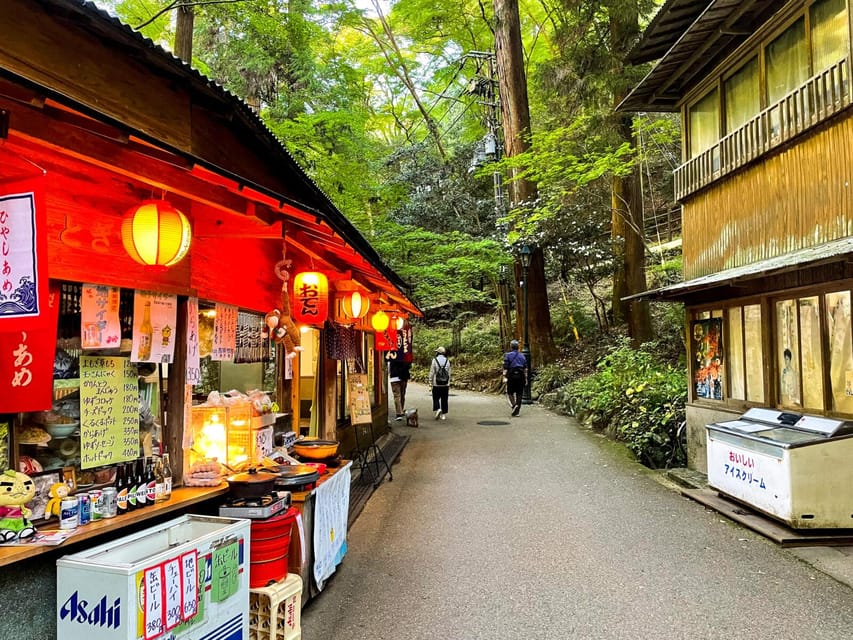
The route toward the station is one of the strongest parts of the day. It follows the river valley and is described as mostly flat or gently sloping, though steps and uphill sections appear elsewhere. The sound of water continues through much of the walk, and the trees give you a welcome break from Osaka’s hard surfaces and traffic.
Autumn is likely the most photogenic season, when the changing leaves frame the river and temple grounds. Still, you should not think of this as an autumn-only outing. Spring flowers, summer greenery, and winter’s quieter atmosphere all shape the experience differently.
Ryuan-ji adds another religious stop after the main waterfall visit. The guide can help connect the sites and explain smaller shrines or temple features you might miss alone. This portion is not a demanding mountain hike, but the total amount of walking adds up. One useful way to think about it is easy terrain over a long day, rather than a short, strenuous climb.
Wear shoes with good grip. Avoid treating this as a city stroll in dress shoes, especially if rain has made paths damp.
What the guides add to the day
The scenery is attractive on its own, but the guide is what turns the outing into a proper cultural visit. You get help with public transport, directions, timing, and the practical question of where to regroup after free time.
The strongest guide feedback centers on a few specific qualities. Warren has been described as relaxed, funny, patient, and well informed about Japanese religion, history, and local traditions. Adam has been praised for being attentive, flexible, and respectful of different walking speeds. Justin has been noted for his easygoing manner and for explaining the Daruma tradition and temple details.
Guides have also helped solo visitors with photos and adjusted the pace for families or people who need more rests. That does not remove the need for personal fitness, but it does suggest a considerate style rather than a rigid march from stop to stop.
Group size can vary. Some departures have felt small, while others may include a regular group. You should expect a shared experience, not a private tour. The benefit is the chance to meet other English-speaking visitors. The tradeoff is that the group must move together on public transport and agree on meeting times.
Is $135 a fair price?
At $135 per person, this is not the cheapest way to visit Minoh. You could reduce the cost by arranging public transport, paying your own temple entry, and walking through the park independently.
The question is what your time and confidence are worth. The price includes attraction entry, public transportation, and an English-speaking guide. You are also paying for route planning, navigation through Osaka Station and the transport connections, cultural explanations, and a carefully arranged sequence that links Katsuoji Temple with Minoh Falls.
I think the price makes the most sense if you have limited time in Osaka or do not want to spend part of your holiday decoding train, bus, and taxi connections. It is also good value for solo visitors who would otherwise be handling every photo, direction, and translation question alone.
It is less compelling if you enjoy planning transport, already know the Minoh area, or want to linger at one place for as long as you like. The tour has a fixed structure, even though the pacing appears relaxed.
Who should book this day trip?
This outing suits you if you want a quieter day outside the center of Osaka and like combining culture with nature. It is particularly good for first-time visitors who want context at a temple rather than simply taking photos and moving on.
Families can enjoy the Daruma dolls and waterfall, but adults should be ready for a full day outdoors. The tour is not suitable for wheelchair users or people with mobility impairments. It also deserves caution if you tire easily, since moderate walking, steps, slopes, and public transport are all part of the day.
Photography fans will have plenty to work with: red Daruma figures, gardens, bridges, mountain views, flowing water, and seasonal color. Food-focused visitors may enjoy trying local snacks around Minoh, including tempura maple leaves, but food is not included and the tour’s main purpose is scenery and culture.
Bring comfortable shoes, water, sun protection, and rain gear. Keep your phone charged, note the regrouping point, and stay close when the group changes trains or buses.
My verdict: a peaceful, well-planned Osaka side trip
I would book this tour if I wanted to see a less hectic side of Osaka without spending time arranging every connection. Katsuoji Temple’s Daruma figures give the day a memorable cultural focus, and Minoh Falls and the river walk provide a satisfying change of pace.
The main limitation is the fixed schedule and the amount of walking. You will not have unlimited time at the temple or waterfall, and public transport is part of the bargain. But for a six-and-a-half-hour escape with entry fees, transport, and an English-speaking guide included, the $135 price is reasonable for many visitors.
Choose it if you want clear guidance, useful cultural background, and a calm day in the hills. Skip it if you need step-free access, dislike group schedules, or prefer exploring entirely on your own.
FAQ
How long does the Osaka Minoh and Katsuoji tour last?
The tour lasts 390 minutes, or about six and a half hours. The listed times can change because of weather, train schedules, and actual conditions.
What attractions are included?
The tour visits Katsuoji Temple, Minoh Falls, Minoh Park, and Ryuan-ji. It also includes guided walking and time to enjoy the scenery.
Is transportation included?
Yes. Public transportation is included, covering the subway or metro, bus, and return train. The route also includes a taxi or black cab between Katsuoji Temple and Minoh Falls.
Is food included?
No. Food and drinks are not included. You have time to eat your own lunch near Minoh Falls.
What should I wear?
Wear comfortable shoes and clothing suitable for several hours outdoors. Bring sun protection and rain protection when needed.
How much walking is involved?
The tour includes moderate walking, steps, and some uphill sections. The route from Minoh Falls toward the station is described as mostly flat or gently sloping, but the full day still requires good walking ability.
Is the tour suitable for wheelchair users?
No. The activity is not suitable for wheelchair users or people with mobility impairments.
Where is the meeting point?
Meet at Akatsuki Plaza on the first floor of the North Gate Building inside JR Osaka Station. It is north of the Central Exit ticket gates, near the North Central Exit. Look for the SNOW MONKEY RESORTS sign and remain on the first floor.
Is an English-speaking guide included?
Yes. An English-speaking live guide is included. Guides who have led departures include Warren, Adam, Justin, Joel, and Joe, though a specific guide cannot be guaranteed.
Newly written up around Japan
- Kyoto: Fushimi Inari Taisha Shrine Walking Tour with Guide★ 4.8 · 18 reviews
- Kyoto: Fushimi Inari Shrine Walking Tour★ 5.0 · 72 reviews
- Tokyo History: Sensoji Temple & Asakusa District Private Tour★ 5.0 · 28 reviews
- Tokyo Private Tour: Temples, Culture & Modern City Highlights★ 5.0 · 56 reviews
- From Tokyo: Snow Monkey Park & Zenko-ji Temple Private Tour★ 4.9 · 42 reviews
- Osaka Temple Cool Foot Bath & Matcha Experience〈45min〉★ 4.9 · 82 reviews
- Nagano/Tokyo: Snow Monkey and Zenkoji Temple Private Tour★ 4.8 · 54 reviews
- Nara: Great Buddha, Kasuga Shrine & Deer Park Tour★ 4.8 · 62 reviews
Full-Day, compared.
Full-Day Angkor Wat Sunrise Private Tour with Guide from Siem Reap
Read our review →
Angkor Wat Sunrise and Full-Day Sightseeing Tour
Read our review →
Full-Day Tour to Water Temples and UNESCO Rice Terraces in Bali
Read our review →
Full Day Angkor Wat Temple Experience with Sunset
Read our review →
Angkor Wat full Day ‘Small Group with sunset & Tour Guide
Read our review →
Full-Day Banteay Srei & 4 Temples – Grand Tours Join-in Tour
Read our review →Browse the lists this tour appears in