
Reviewed · PRIVATE TEMPLE TOURS
Tokyo/Nagano: private Tour with Snow Monkey Park & Temples
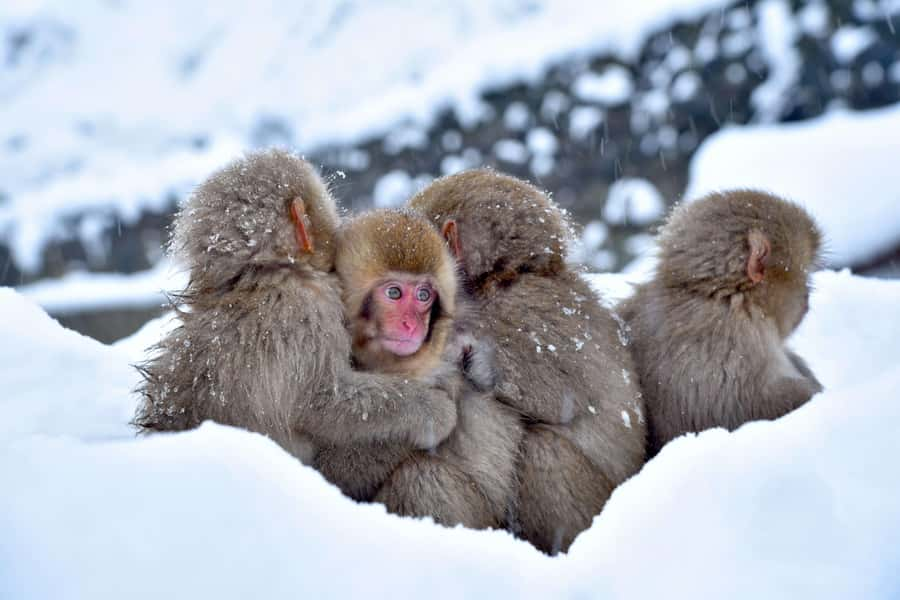
The headline act is Jigokudani Snow Monkey Park, where Japanese macaques sit in steaming hot springs while snow or mountain mist gathers around them. Add a 1,400-year-old temple, a traditional onsen town, and local miso, and you get a full day that reaches far beyond Tokyo’s usual sightseeing circuit.
I like the private door-to-door ride, especially for families and small groups sharing the $412 vehicle price. I also like the flexibility: guides such as Ali, Kashif, and Mirza have adjusted the day for requests, including Togakushi Shrine, a local onsen, ramen, and extra photo stops.
The trade-off is clear: Tokyo to Nagano takes about 3.5 to 4 hours each way, traffic can stretch the day, and entry tickets and meals cost extra. This is a long road trip, not a quick excursion.
What makes this Nagano day trip worth considering
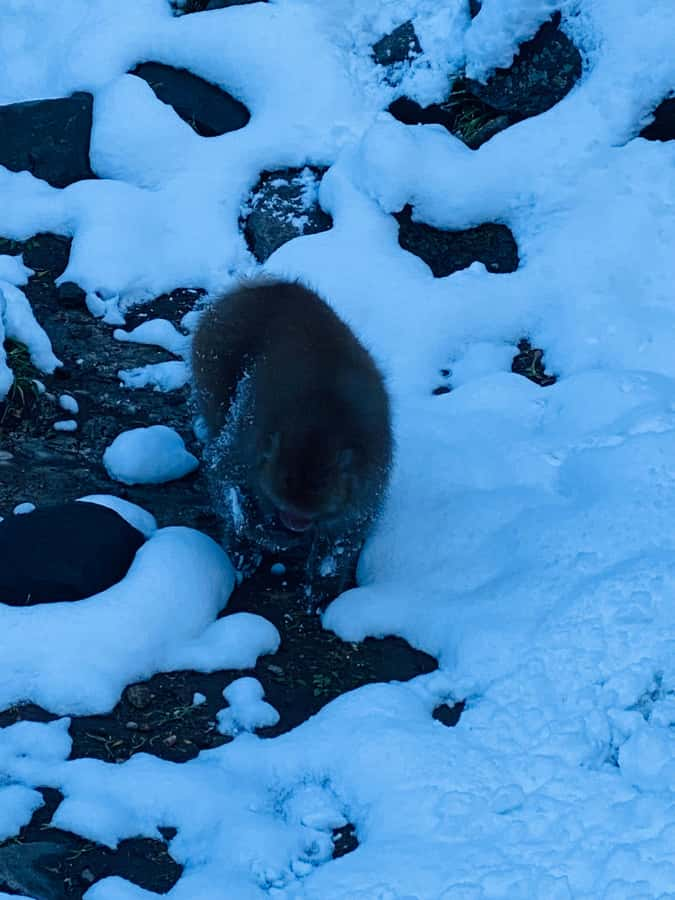
- The monkeys are wild macaques: You watch them soak, play, and groom in a natural hot spring setting rather than at a conventional animal attraction.
- The private SUV changes the pace: Your group of up to six travels together, with hotel pickup, fuel, parking, water, and coffee included.
- Zenkoji adds real cultural weight: The temple’s large wooden gates, bells, Nakamise Street, and dark underground passage give the day more substance than a single nature stop.
- Winter brings a special add-on: Kamakura Snow Dome Village is listed as a 30-minute stop, but seasonal conditions and availability should be confirmed before booking.
- You get room to personalize the route: Previous arrangements have included Togakushi Shrine, cedar trees, a local bath, and a ramen stop.
- The price works best for a full group: At $412 for up to six people, the per-person cost drops sharply when you share the vehicle.
A long road from Tokyo, made easier by a private car
The day begins at your hotel or accommodation in one of Tokyo’s 23 wards. You should be in the lobby at least 10 minutes before pickup. The driver is expected to contact you the day before, usually in the afternoon, to confirm the details and provide a phone number for easier communication.
The main vehicle is a Jeep or SUV. That matters here. You are looking at roughly seven hours of total driving, so a private car gives you privacy, direct transfers, and the chance to sleep on the way. One party did exactly that for much of the ride, while another praised the clean car and careful driving.
The driver-guide is not simply a person behind the wheel. English-speaking guides have included Ali, Kashif, and Mirza, and the available language list also includes Urdu, Hindi, Arabic, Japanese, French, and Spanish. Ali has been described as warm, punctual, fluent in English, and willing to stop for photographs. Mirza has helped with Japanese translations during visits and meals.
Still, keep your expectations practical. This is a very full day. The listed duration is 10 to 12 hours, and commuting time is included. A traffic delay leaving Tokyo or returning in the evening can reduce time at the stops. The private format helps, but it cannot shorten the road.
More Private Temple Tours in Japan
- From Tokyo: Private Tour Snow Monkey Park & Zenko-ji Temple
★ 4.7 · 184 reviews - Tokyo Private Tour: Temples, Culture & Modern City Highlights
★ 5.0 · 56 reviews - From Tokyo: Snow Monkey Park & Zenko-ji Temple Private Tour
★ 4.9 · 42 reviews
Jigokudani, where macaques take a hot bath
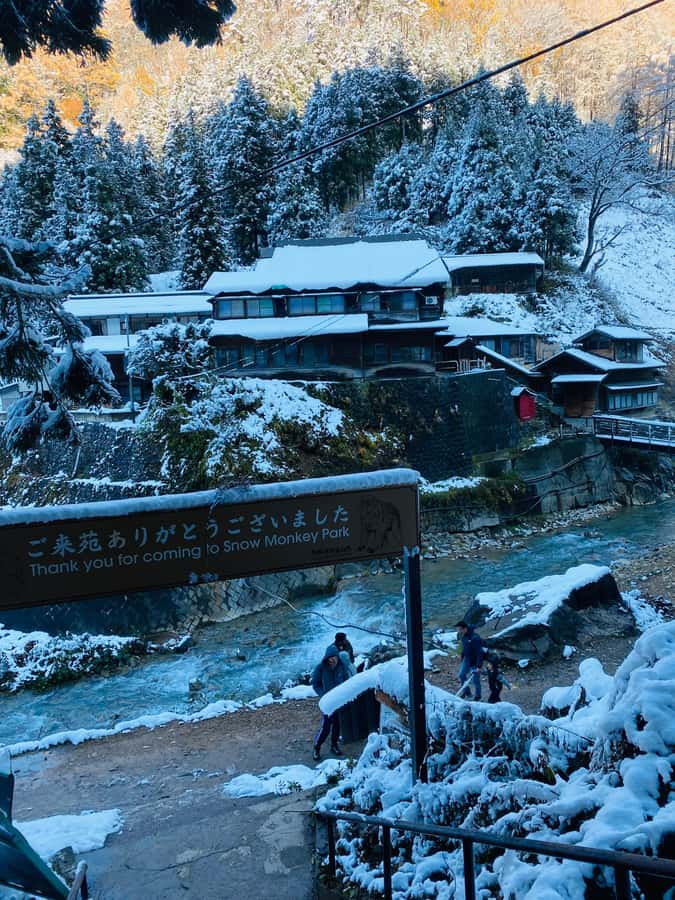
The Snow Monkey Park is the main reason to make this trip. From the park entrance, you walk about 25 minutes through a forest path to reach the hot spring area. Wear sturdy, comfortable shoes. In winter, warm clothing is essential, and wet or snowy conditions can make the walk more demanding.
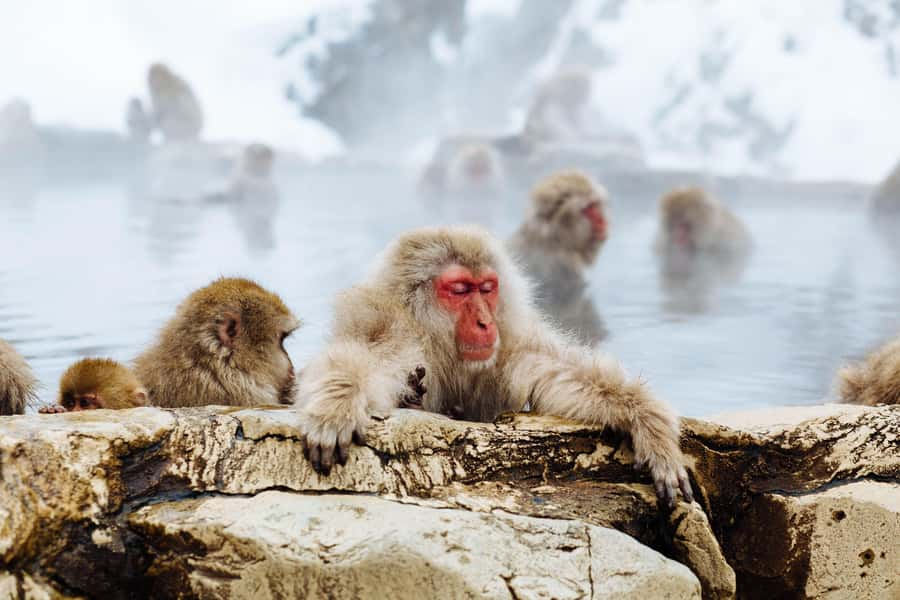
The macaques are Japanese snow monkeys, also called Japanese macaques. They are famous for sitting in the hot spring pool, sometimes alone and sometimes packed close together. You may see them soak, groom one another, play, or simply stare into space with an expression that looks remarkably human.
This is a photo-heavy stop, so charge your phone and bring a camera. The monkeys are the kind of subject that makes even a casual photographer slow down. You are close enough to see their faces, but you should follow park rules and avoid touching or feeding them.
The schedule lists the park as a photo stop and sightseeing visit, but no exact time is assigned. That is one reason the private format helps. You can ask the driver-guide how to use the available time, though the long transfer and other stops mean you should not expect an unlimited visit.
Snow is often part of the appeal, but it also affects the path and driving conditions. A December or February outing may offer the most classic snowy setting, while warmer months can still provide the macaques and mountain valley without the same winter look. Bring layers in any season.
Zenkoji Temple gives the day a spiritual center
Zenkoji Temple in Nagano is more than a quick photograph. The temple is described as more than 1,400 years old and is one of Japan’s important Buddhist sites. Large wooden gates lead you toward the main temple area, where bells, timber architecture, and a quieter pace replace the noise of Tokyo.
The most unusual feature is the dark underground passage associated with enlightenment. Walking through it is a brief but memorable experience. You are feeling your way through darkness, and the contrast with the bright temple grounds makes the visit more than a standard temple photo stop.
Allow time for the area around the temple, too. Nakamise Street has souvenirs and local snacks, including Nagano apple sweets and freshly steamed dumplings. This is a useful place to buy a small food gift or take a short break.
The temple stop works well after the monkey park because it changes the mood. Jigokudani is about wildlife and mountain scenery. Zenkoji is about ritual, architecture, and the long religious story of Nagano. The drawback is that the stop can feel rushed if traffic eats into the schedule, so ask your guide early how much time is realistic.
Shibu Onsen is worth seeing even without a bath
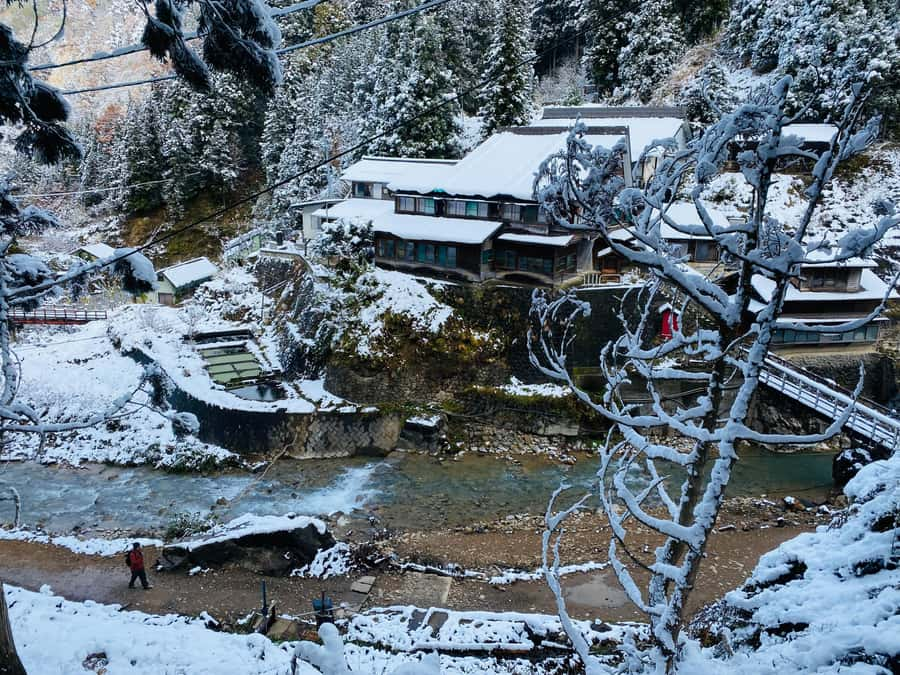
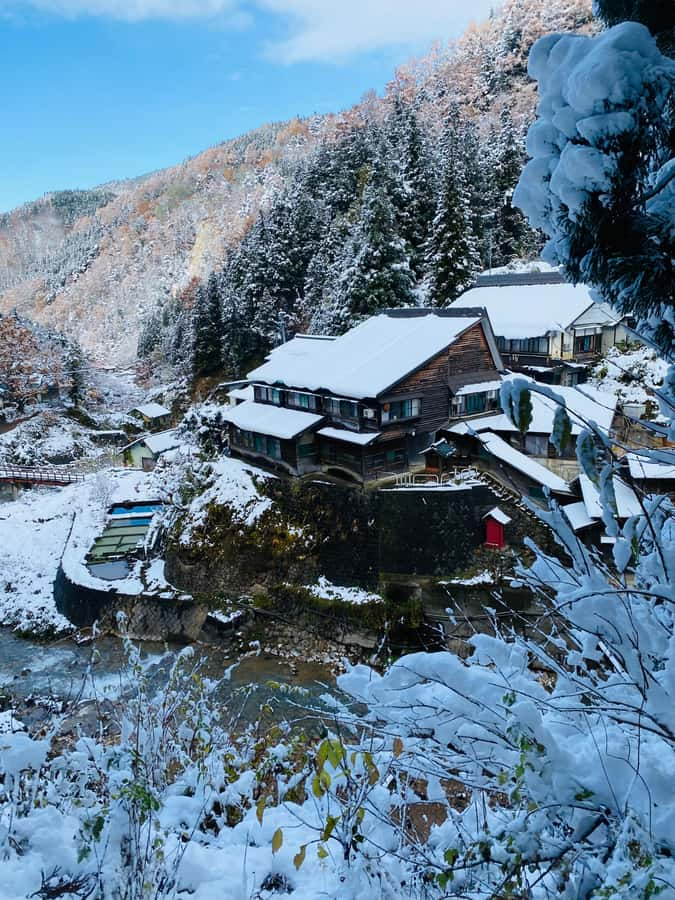
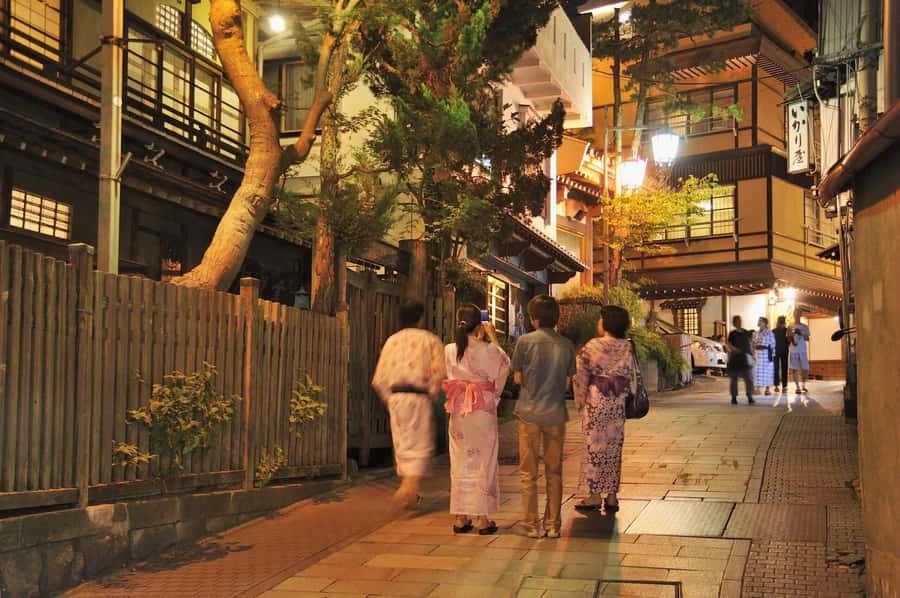
Shibu Onsen is a traditional hot spring town with narrow cobbled streets and wooden inns. Steam rises around the bathing areas, and people may walk between baths in yukata. It has a distinctly old-fashioned feel and makes a good walking stop after the more structured visit to Zenkoji.
You do not have to bathe to enjoy the town. The schedule allows about an hour for walking, free time, and shopping. You can look for onsen manju, a sweet steamed bun, or try local sake if time and personal preference allow.
A separate visit in the itinerary is listed for Yamanochi, with a guided tour, free time, and a safety briefing. Since the supplied schedule gives broad time blocks rather than a minute-by-minute plan, ask the driver-guide how Yamanochi and Shibu Onsen will be arranged on your date.
One important point: alcoholic drinks are not allowed in the vehicle. You can sample local products during an appropriate stop, but do not plan to carry an open drink into the SUV.
More Private Temple Tours in Tokyo
- Tokyo History: Sensoji Temple & Asakusa District Private Tour
★ 5.0 · 28 reviews - From Tokyo: Nikko Customize private Tour With English Driver
★ 4.9 · 11 reviews - Tokyo: Sensoji Temple & Street Food: Private Tour with guide
★ 4.6 · 8 reviews - Tokyo: Visit 5 Shrines & Collect Goshuin on Private Tour
★ 5.0 · 3 reviews
Obuse adds food and small-town character
Obuse is included as a 30-minute visit and is known here for traditional miso production. The miso stop gives you a look at soybeans being fermented and aged in wooden barrels, followed by tastings ranging from light and sweet to dark and savory.
That kind of visit is valuable because it connects Japanese food with process. Miso is not just a flavor added to soup. The fermentation and aging give it different colors, aromas, and levels of salt and sweetness. If you enjoy cooking, this may be the stop that sends you home with a useful souvenir.
Thirty minutes is not a long time, so expect an introduction rather than an extended food tour. Meals are not included, and the tour does not promise a full tasting lunch. Carry cash for small purchases, and remember that the day already includes several walking stops.
Matsushiro Castle Ruins and the extra history stop
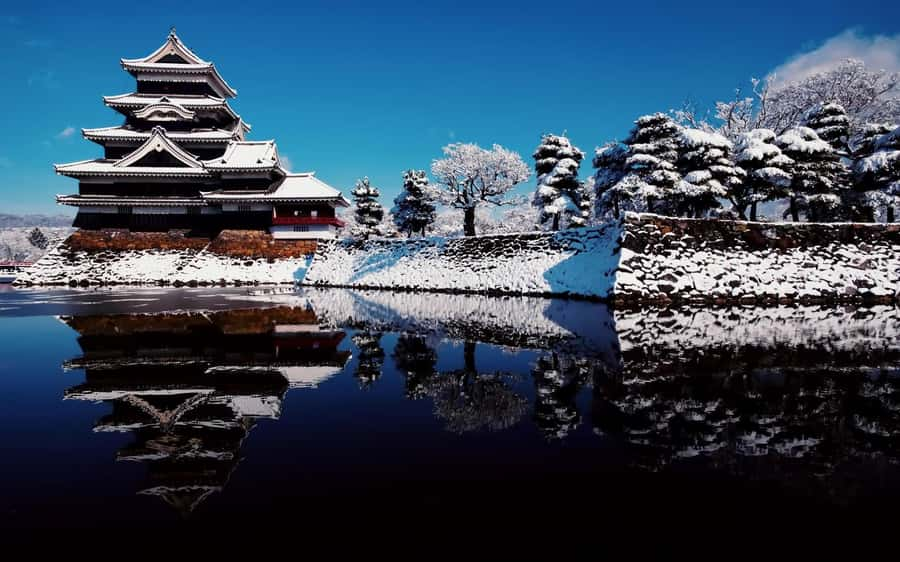
Matsushiro Castle Ruins are scheduled for about an hour. The site adds a different kind of historical interest to the day, with open remains and a sense of the former castle grounds rather than a fully intact palace.
I like having this stop in the route because it breaks up the temples and hot springs. You see another side of Nagano’s past, and the open setting gives you a chance to stretch your legs after time in the car.
The exact condition of the site can vary with season and weather, and the schedule does not promise a reconstructed interior or a formal museum visit. Think of it as a walk and photo stop at a historic site, not a long castle tour.
The route also lists scenic views through Nagano Prefecture. These views are part of the value of driving rather than taking a quick flight or train connection. You get mountain scenery on the way, though traffic and weather will shape how much you see.
Kamakura Snow Dome Village is a seasonal question
The winter special is Kamakura Snow Dome Village, listed as a 30-minute guided visit and photo stop. Snow domes, or kamakura, are a distinctly seasonal attraction, so this part of the day depends on operating dates and conditions.
If you are visiting in winter, ask before booking whether the village will be open on your date and whether it fits the planned route. The description presents it as a special addition, not a guaranteed year-round stop.
This is also a good example of why you should treat the schedule as a framework. The tour includes many locations, but weather, traffic, daylight, and personal requests can affect the final order and length of each visit.
Flexible sightseeing, with some limits
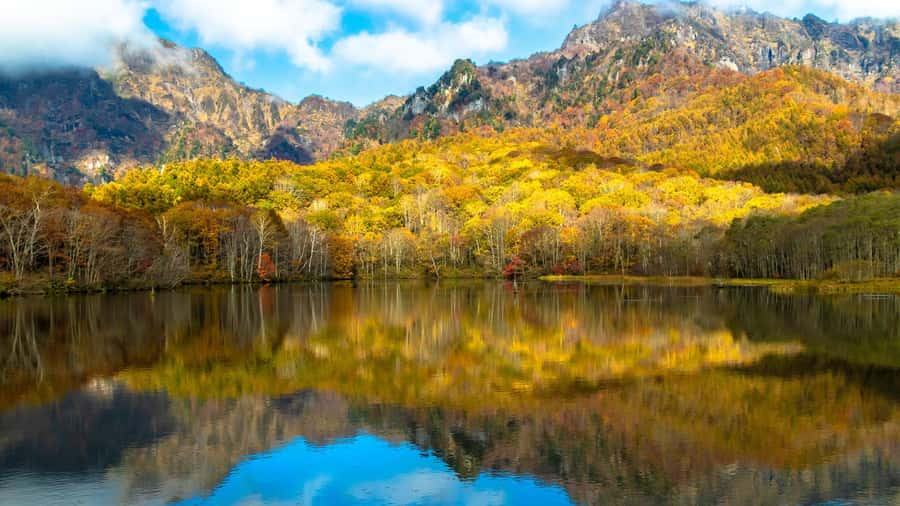
The strongest practical feature is the private arrangement. You are not tied to a large bus group or a fixed public transport timetable. Guides have accommodated changes such as visiting only the monkey park and Togakushi cedar trees and shrine, or adding a local onsen and ramen meal.
That flexibility is especially useful for solo travelers and families. A solo visitor can still book the vehicle, although the per-person cost becomes high. A group of six gets much better value and can discuss priorities with the driver-guide.
You should not assume every requested stop is automatically included. Extra driving, entrance fees, meals, and major route changes may affect the plan. Ask clearly before departure if you want to replace Zenkoji, add Togakushi, stop for ramen, or spend longer at the monkeys.
The vehicle includes fuel and parking, plus water bottles and coffee. Wi-Fi is available if needed, and the driver can assist with photographs or video. These are small touches, but they matter during a long day.
Price, tickets, and who gets the best value
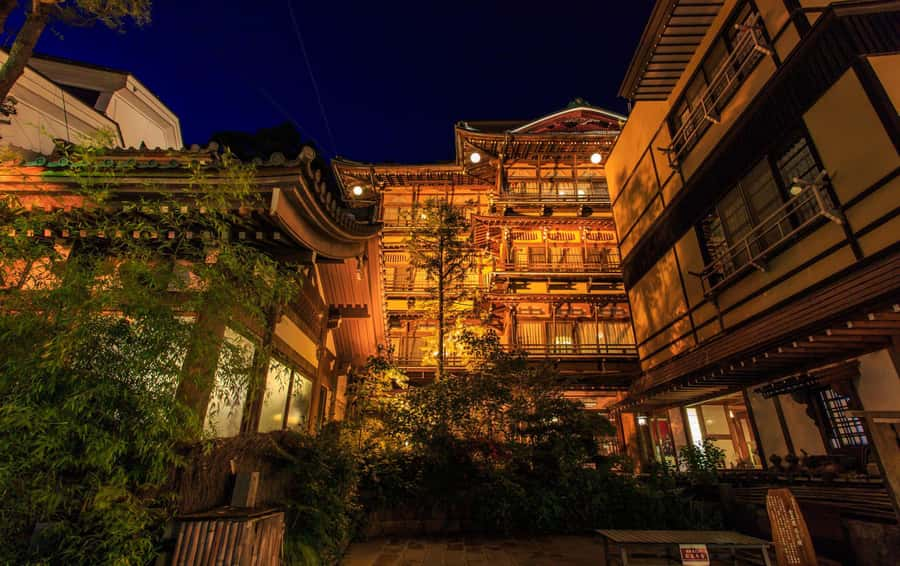
The listed price is $412 per group of up to six. That works out to about $69 per person if six people share the vehicle. For two people, it is about $206 each, before entry tickets and meals. A solo booking pays the full vehicle rate, so the price makes the most sense for families, friends, or a small private group.
The cost covers hotel pickup and drop-off, a professional driver-guide, fuel, parking, water, coffee, and Wi-Fi if requested. Entry tickets and meals are not included. Bring cash as well as a charged smartphone, since the tour specifically advises both.
The value is not just the transport. Tokyo to Nagano is a difficult day to organize independently if you want the monkey park, temple, onsen town, Obuse, and castle ruins in one outing. You are paying for a driver, a private vehicle, route coordination, and the ability to adjust the day.
The cost is less appealing if you only want one Nagano sight. For just Zenkoji or just the monkey park, a public transport plan may be worth comparing. This tour earns its price through the number of places it connects and the convenience of returning to your Tokyo accommodation.
Practical details before you reserve
The experience is listed as wheelchair accessible, but it also includes a 25-minute forest walk to Jigokudani, temple walking, cobbled streets, and several outdoor sites. If you use a wheelchair or have limited mobility, ask the supplier for a precise description of the path and vehicle setup before paying.
The tour is not suitable for pregnant women or people with back problems. Large bags and oversize luggage are not allowed, and alcohol, drugs, explosives, and fire-making are prohibited. Pack light.
Bring:
- Warm clothing, especially in winter
- Comfortable walking shoes
- A passport
- Cash
- A charged smartphone
- A camera
Free cancellation is available up to 24 hours before departure, and you can reserve now and pay later. A group larger than six can be arranged for an additional cost. Airport and port pickup is not provided, but pickup is available from accommodations, including Airbnb, in Tokyo’s 23 wards.
Should you book this Nagano tour?
Book it if you want the snow monkeys plus several Nagano sights in one private day, and you value a driver who can adjust the route. It is particularly sensible for a group of four to six, where the $412 price becomes competitive.
Skip it if long car rides wear you down, if you want slow temple time, or if you are only interested in one attraction. The 3.5 to 4 hour drive each way is the central compromise.
For the right group, this is a memorable way to reach Nagano without handling the route yourself. The macaques provide the big photo moment, while Zenkoji, Shibu Onsen, Obuse, and Matsushiro give the day enough variety to justify the long ride.
FAQ
How long does the tour take?
The tour lasts approximately 10 to 12 hours, including commuting time. The drive from Tokyo to Nagano takes about 3.5 to 4 hours each way, depending on traffic.
How many people can join the private tour?
The price covers a private group of up to six people. Larger groups can be arranged for an additional cost.
Is hotel pickup included?
Yes. Pickup and drop-off are provided at accommodations, including Airbnb, within Tokyo’s 23 wards. Airport and port pickup is not provided.
Are entrance tickets and meals included?
No. Entry tickets and meals are not included in the tour price. Fuel, parking, water bottles, and coffee are included.
Is the Kamakura Snow Dome Village available all year?
The Kamakura Snow Dome Village is presented as a winter special. Confirm its availability and operation on your selected date before booking.
Can the itinerary be changed?
The private format allows requests and adjustments. Previous arrangements have included Togakushi Shrine, cedar trees, a local onsen, ramen, and extra photography stops, but changes should be discussed with the supplier in advance.
Newly written up around Tokyo
- Tokyo: Snow Monkey and Zenkoji Temple Day Trip In Low Price★ 5.0 · 5 reviews
- Tokyo: Gotokuji Culture Walk & Lucky Cat Temple Experience★ 4.9 · 5 reviews
- :Tokyo,Shibuya /Meiji Shrine tour in KIMONO/English-friendly★ 5.0 · 4 reviews
- Tokyo: Sensoji Temple & Street Food: Private Tour with guide★ 4.6 · 8 reviews
- Tokyo: Visit 5 Shrines & Collect Goshuin on Private Tour★ 5.0 · 3 reviews
- Tokyo War History Tour: Yasukuni Shrine & War Museum★ 4.5 · 6 reviews
- Tokyo: Shibuya Sky, Harajuku & Meiji Shrine Highlights Tour★ 4.5 · 9 reviews
- Tokyo: Private Meiji Shrine & Harajuku Highlights Tour★ 4.5 · 4 reviews
Private Temple Tours, compared.
Waterfalls, Water Temple & Rice Terraces Private Tour
Read our review →
Full-Day Angkor Wat Sunrise Private Tour with Guide from Siem Reap
Read our review →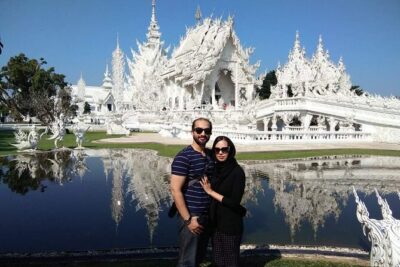
Chiang Rai Temples: Private Tour from Chiang Mai
Read our review →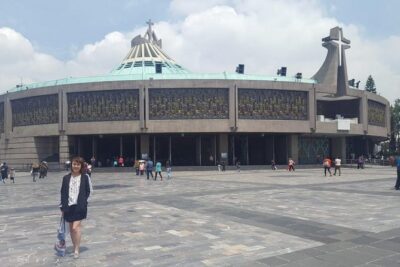
Private Tour: Teotihuacan and Guadalupe Shrine
Read our review →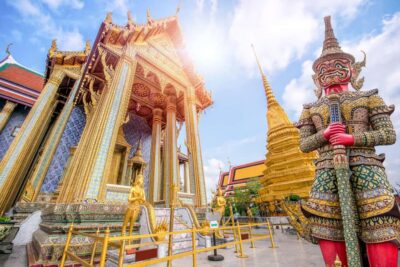
Grand Palace, Wat Pho, and Wat Arun Private Tour
Read our review →
Ephesus and Temple of Artemis Private Tour from Kusadasi Port
Read our review →
Browse the lists this tour appears in