
Reviewed · PRIVATE TEMPLE TOURS
Tokyo Private Tour: Temples, Culture & Modern City Highlights
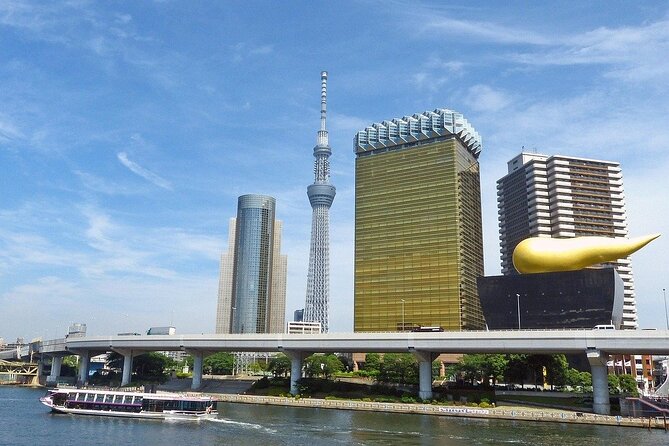
Tokyo Private Tour: Temples, Culture & Modern City Highlights puts the city in local hands. You can begin with Senso-ji and the Sumida River, then move through Ueno, Harajuku, Shibuya, or Shinjuku according to your interests. I like the freedom to focus on old Tokyo, pop culture, food, photography, or all of the above.
I also like the practical side. Guides such as Renaud, Julien, Sebastian, Jimmy, and Leeloo have helped people understand trains, order food, find photo spots, and make sense of customs. The main drawback is clear: this is a walking and public transportation tour, not a private car ride. A full day can mean 20,000 to 25,000 steps.
Key points at a glance
- Choose your Tokyo: Focus on Asakusa and Ueno, Harajuku and Shibuya, or add Akihabara, Kappabashi, or the Imperial Palace East Gardens.
- Use the city like a local: Public transportation is not included, but your guide can help you understand Tokyo’s train and subway system.
- Expect serious walking: Five to seven hours may cover a lot of ground, so comfortable shoes matter.
- Get more than sightseeing: Guides explain religious customs, Japanese food, neighborhood life, shopping, and local etiquette.
- Good for first visits: The tour gives you a useful sense of direction before you explore Tokyo on your own.
- Private and multilingual: Only your party participates, with guiding available in English, French, or Japanese.
A flexible way to meet Tokyo
Tokyo is too large for one fixed route to tell the whole story. This private tour handles that problem by letting you shape the day around what you actually care about.
You might spend the morning among temple gates and market stalls, then switch to anime shops or modern shopping streets. You might prefer quiet gardens, historic sites, and shrines. Tell the guide what interests you, and the route can be adjusted.
The guide experience is one of the main reasons to consider this tour. Renaud appears often in the guiding team, along with Julien, Sebastian, Jimmy, and the French-speaking Leeloo. The provider describes more than 20 years of experience in Japan, and the strongest practical benefit is not simply facts about landmarks. It is help with the everyday parts of Tokyo: finding the right train, reading the flow of a station, ordering food, and choosing a neighborhood that fits your mood.
The tour runs from about four to seven hours. That is a broad range, and it matters. A four-hour outing can provide a focused look at one or two districts. A six or seven-hour day can connect several parts of the city, but you will spend more time walking and riding trains.
More Private Temple Tours in Japan
- From Tokyo: Private Tour Snow Monkey Park & Zenko-ji Temple
★ 4.7 · 184 reviews - From Tokyo: Snow Monkey Park & Zenko-ji Temple Private Tour
★ 4.9 · 42 reviews - Tokyo History: Sensoji Temple & Asakusa District Private Tour
★ 5.0 · 28 reviews
Senso-ji and the old streets of Asakusa
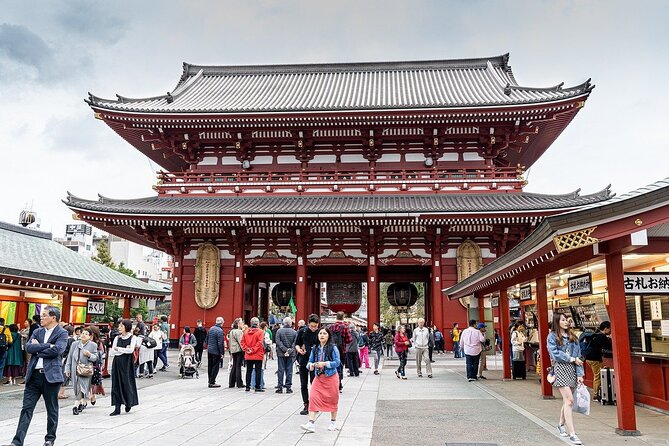
Senso-ji is usually the natural starting point for a first Tokyo visit. Its huge red lantern and Kaminarimon Gate give you an instant introduction to the city’s traditional side.
From there, Nakamise shopping street leads toward the temple. It is lined with souvenirs, snacks, and traditional goods. Your guide can explain the difference between a Buddhist temple and a Shinto shrine, along with the customs you see around the grounds.
The planned time here is about 45 minutes. That is enough for the main approach, temple grounds, and basic explanations, though not enough for a slow visit to every shop. If you want temple photography, food tasting, or more time for browsing, tell your guide early. A flexible route is useful, but only if your priorities are clear.
Asakusa is also a practical place to begin because it gives you a strong contrast with Tokyo’s newer districts. You start with incense, wooden details, and a long religious tradition, then later move toward giant screens and neon signs.
A quiet pause beside the Sumida River
The Sumida River stop takes about 15 minutes. That may sound brief, but it breaks up the crowded streets and gives you room to look across the water toward Tokyo Skytree.
This is a good place for photographs and a short rest. Riverside paths and bridges offer a different view of the city, and your guide can point out how the river shaped the development of eastern Tokyo.
Do not expect a long riverside walk at this timing. Think of it as a scenic pause between Asakusa and the next part of the route. If the river matters to you, ask for extra time and accept that another stop may need to be shortened.
Ueno, Ameyoko, and Shinobazu Pond
Ameyoko Shopping Street runs along the railway tracks between Ueno and Okachimachi. It has food stalls, seafood, spices, snacks, clothing, and small shops. This is less polished than Tokyo’s major department store districts, which is exactly why it can feel more useful and immediate.
The planned visit lasts around 30 minutes. That gives you a taste of the area, but not much time for a full meal or serious shopping. Some shops may accept cash only, so carrying yen is sensible.
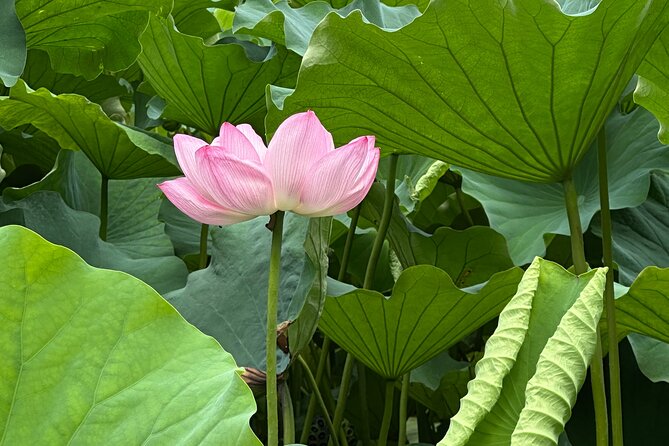
Nearby Shinobazu Pond offers a calmer change of pace. You might see lotus plants, koi, turtles, and migratory birds depending on the season. The pond has an old connection with Edo-era leisure, and the guide can add context that you would miss on a quick walk past the water.
Together, Ameyoko and Shinobazu Pond make a good pairing. One shows everyday commerce beside the railway. The other offers open space and a slower rhythm. If you want food, shopping, and local street scenes more than famous landmarks, this part of the tour deserves extra time.
A different set of gates, same trip:
- Tokyo: Asakusa Walking Tour with Sensoji Temple Visit
★ 4.8 · 1,583 reviews - Nikko: Kegon Falls, Lake Chuzenji & Toshogu Temple
★ 4.6 · 1,577 reviews - Tokyo: Nikko Toshogu Shrine and Kegon Waterfall Tour
★ 4.5 · 1,266 reviews - Tokyo Panoramic 1 Day: Meiji Shrine, Asakusa, Odaiba and SKYTREE®
★ 4.5 · 1,222 reviews
Optional stops for history, cooking, and pop culture
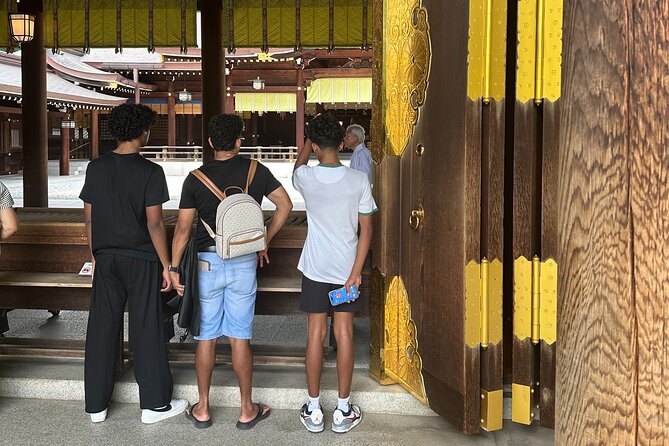
Several stops can be added or substituted, depending on the route.
Akihabara is the obvious choice for anime, manga, electronics, retro games, arcades, and Japanese pop culture. The area is more than a quick photo stop, but the suggested 30 minutes will only give you an introduction. If anime or gaming is central to your trip, say so before the tour begins.
The Imperial Palace East Gardens offer a quieter historical visit. You can see the Edo Castle ruins, Ninomaru Garden, and old samurai guardhouses. The gardens provide a welcome break from Tokyo’s crowded streets, but 30 minutes is again a short visit. This works best as a compact history stop rather than a long garden outing.
Kappabashi Street is made for cooks and curious shoppers. The district is known for Japanese knives, bowls, chopsticks, cookware, and the plastic food displays used outside many restaurants. A guide can help you understand what is practical to buy and where the area fits between Asakusa and Ueno.
These optional stops show the value of a private route. You do not have to spend the day ticking off every famous district. You can choose the parts of Tokyo that match your interests.
Harajuku and Meiji Jingu
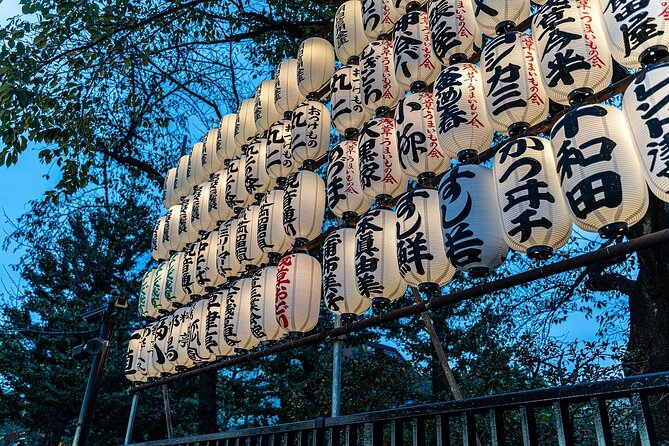
Takeshita Street gives you a fast burst of Harajuku youth culture. Expect colorful shops, fashion, snacks, and pop culture displays on a narrow, busy street.
The suggested time is about 45 minutes. That is enough to walk the main stretch and stop for a snack, but it can pass quickly if you want to shop. The street can feel crowded, and the narrow layout does not make leisurely browsing easy.
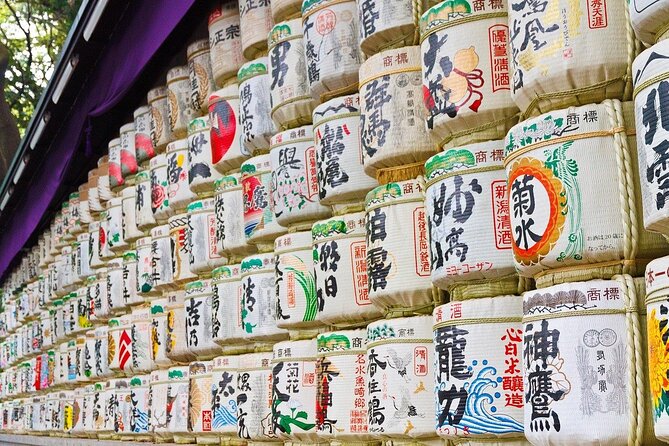
Meiji Jingu provides a sharp contrast. After the shops and signs of Harajuku, you enter a broad forested setting leading to one of Tokyo’s best-known Shinto shrines. The planned visit is another 45 minutes.
Your guide can explain shrine customs, including how to approach the grounds and take part respectfully. The value here is not only the torii gates or the photographs. You get a clearer sense of how modern Tokyo still makes room for religious practice and quiet public rituals.
Because Takeshita Street and Meiji Jingu are close to one another, they work well in one block of the day. You see two very different sides of Harajuku without spending time crossing the whole city.
Shibuya, from the scramble to the city lights
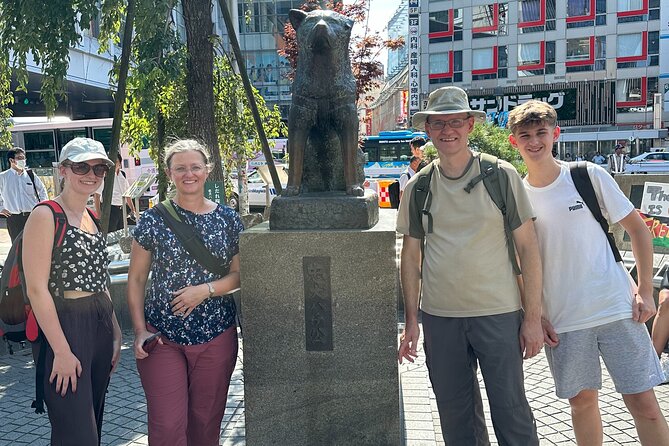
Shibuya is the tour’s big modern-city moment. The famous scramble crossing, shopping centers, bright signs, and nightlife give you the Tokyo image many people carry before arriving.
The planned stop lasts about an hour. Your guide can help you find useful viewpoints, explain the surrounding streets, and keep the visit from becoming only a quick crossing at the intersection.
I would treat Shibuya as a place to observe rather than rush through. The crossing itself takes seconds, but the real fun is watching the patterns around it: commuters, shoppers, signs, trains, and groups moving in every direction.
Photography can shape this part of the route. One visitor specifically booked around photography, and the guide adjusted the pace to allow more time for pictures. If you care about images, tell the guide in advance. That may affect how many other districts fit into the day.
Shinjuku after dark
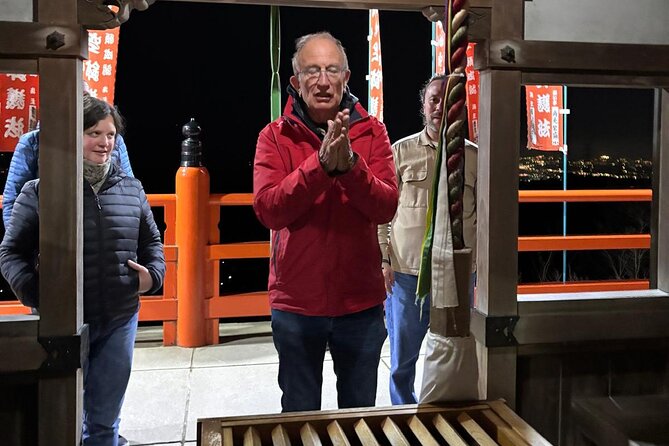
Shinjuku brings the tour toward Tokyo’s nightlife side. The suggested hour includes the Godzilla Head, the giant 3D cat billboard, and Golden Gai, a maze of tiny bars.
These sights are close enough to create a strong final impression, but the mood is different from Asakusa or Meiji Jingu. Shinjuku is loud, bright, playful, and full of evening activity.
Golden Gai is best understood as a compact neighborhood of small bars rather than a single attraction. A guide can help you see how unusual the area is, though the tour does not include drinks or meals.
The giant cat screen and Godzilla Head are quick photo stops. Golden Gai rewards slower looking, but your exact time there depends on how much of the day you spent elsewhere. If nightlife is your main interest, make that clear when setting the route.
The real transport lesson
Public transportation is not included in the price, and that is important. You pay your own train or subway fares, and a Suica or Pasmo card is recommended.
This is not just a cost issue. Tokyo’s transport system can be confusing at first, especially when you are changing lines or moving through a large station. The guide can show you how to get around, which makes the tour useful beyond the scheduled hours.
Several guides have helped people learn the train system, including how to connect between districts and how to order food after arriving. That practical help may be worth more than another monument, especially if this is your first visit.
The tradeoff is time and energy. Every district requires transport, walking between stations, and orientation inside large hubs. One long outing involved roughly 20,000 steps, and another covered about 25,000 steps. Plan on a genuine city walk, not a gentle sightseeing stroll.
What the $99.08 price means
At $99.08 per person, the tour is reasonably priced for a private experience, especially if you are sharing it with family or friends. The value comes from personal attention, route changes, language support, and help with transport rather than from included admissions.
The main attractions listed here are free, including temples, shrines, parks, and the East Gardens. Meals, drinks, and public transportation are extra. Pickup is offered in central Tokyo, while airport or outside-central-Tokyo pickup costs ¥10,000 per booking.
A group discount is available, so the cost becomes more attractive as more people join your private party. You are not paying for a vehicle, private entrance, or restaurant meal. You are paying for a local guide who can connect several districts and explain what you are seeing.
I think the price works best for first-time visitors, families, and anyone who values a customized day. If you are comfortable navigating Tokyo alone, you may prefer to spend the money on food, shopping, or a longer independent visit.
Who should book it
I would choose this tour if you want a strong first look at Tokyo and do not want to spend your first day studying train maps. It also suits repeat visitors who want a particular angle, such as Japanese food, photography, temples, anime, or local nightlife.
Families can benefit from the flexible pace and help with transport. Solo visitors may appreciate having a guide for a full day, especially when they want a mix of famous sights and less obvious streets.
It is less suitable if you dislike walking, expect a private vehicle, or want long, unhurried visits at every stop. You need comfortable shoes, some stamina, and a willingness to use public transport.
The tour is private, so only your group participates. That gives you more control than a fixed group excursion, but the day still has limits. You cannot see every major district in four hours, and even seven hours requires choices.
Should you book this Tokyo private tour?
Book it if you want help getting oriented, learning Tokyo’s rail system, and seeing several different sides of the city in one day. Renaud, Julien, Sebastian, Jimmy, and Leeloo bring different language and guiding options, while the flexible route lets you focus on what matters to you.
Before booking, decide on your top two priorities and be honest about your walking ability. If you want temples, markets, and quiet places, build around Asakusa, Ueno, and Meiji Jingu. If you want modern Tokyo, choose Shibuya, Shinjuku, and Akihabara.
I would not book it expecting a chauffeured tour. I would book it as a private orientation day, with real train rides, plenty of walking, practical advice, and a useful introduction to Tokyo’s many personalities.
FAQ
How long does the Tokyo private tour last?
The tour lasts approximately four to seven hours. The length and route depend on your selected stops and interests.
Is hotel pickup included?
Hotel pickup is included for central Tokyo. Airport or outside-central-Tokyo pickup costs ¥10,000 per booking.
Is public transportation included?
No. Public transportation is not included. A Suica or Pasmo card is recommended, and you should also plan to pay your own train or subway fares.
Are meals and drinks included?
No. Meals and drinks are not included. The guide can show you food streets and local places, but you pay separately for anything you eat or drink.
Which languages are available?
The tour can be guided in English, French, or Japanese.
Is the tour private?
Yes. Only your group participates in the activity.
Can I cancel for a full refund?
You can cancel up to 24 hours before the experience start time for a full refund. Cancellations or changes made less than 24 hours before the start time are not accepted for a refund.
More Private Temple Tours in Tokyo
- Ubud: Waterfalls, Water Temple & Rice Terraces Private Tour
★ 5.0 · 5,484 reviews - Montserrat Monastery Small Group or Private Tour Hotel pick-up
★ 5.0 · 5,144 reviews - Full-Day Angkor Wat Sunrise Private Tour with Guide from Siem Reap
★ 5.0 · 2,920 reviews - Chiang Rai Temples: Private Tour from Chiang Mai
★ 5.0 · 1,267 reviews
Newly written up around Tokyo
- Tokyo History: Sensoji Temple & Asakusa District Private Tour★ 5.0 · 28 reviews
- From Tokyo: Snow Monkey Park & Zenko-ji Temple Private Tour★ 4.9 · 42 reviews
- From Tokyo: Nikko Toshogu Shrine and Kegon Waterfall Tour★ 4.0 · 42 reviews
- Tokyo: Snow Monkey Park and Zenkoji Temple Private Day Tour★ 4.7 · 127 reviews
- Tokyo Morning Tour: Asakusa, Meiji Shrine and Tsukiji Fish Market★ 5.0 · 128 reviews
- Tokyo Zen Meditation at Private Temple with Monk★ 5.0 · 178 reviews
- From Tokyo: Private Tour Snow Monkey Park & Zenko-ji Temple★ 4.7 · 184 reviews
- Tokyo: Meiji Shrine Walking Tour — Shintoism & Imperial System★ 5.0 · 209 reviews
Private Temple Tours, compared.
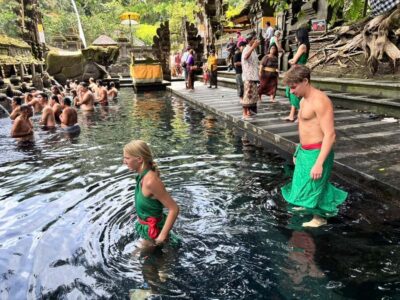
Waterfalls, Water Temple & Rice Terraces Private Tour
Read our review →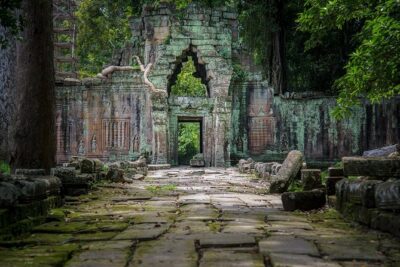
Full-Day Angkor Wat Sunrise Private Tour with Guide from Siem Reap
Read our review →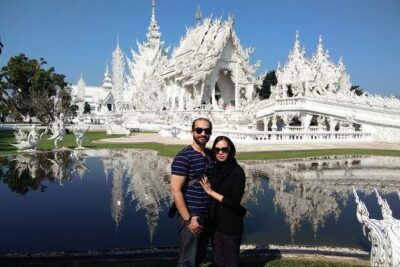
Chiang Rai Temples: Private Tour from Chiang Mai
Read our review →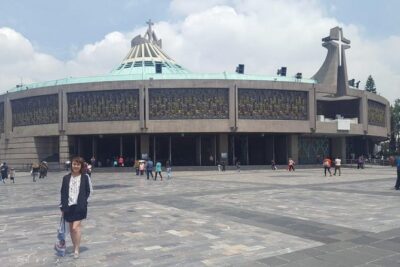
Private Tour: Teotihuacan and Guadalupe Shrine
Read our review →
Grand Palace, Wat Pho, and Wat Arun Private Tour
Read our review →
Ephesus and Temple of Artemis Private Tour from Kusadasi Port
Read our review →
Browse the lists this tour appears in