
Reviewed · TOKYO TEMPLE TOURS
From Tokyo: Snow Monkeys and Zenkoji Temple Day Trip
The sight of Japanese macaques sitting calmly in steaming hot springs is the star here, and Jigokudani Snow Monkey Park delivers a rare wildlife encounter in a dramatic mountain setting. You’ll also visit Zenkoji Temple, one of Nagano’s major Buddhist sites, then add quieter stops at Takai Shrine and Ojoji Temple. I especially like the private vehicle for a group of up to six and the chance to get beyond Tokyo for a full day. The drawback is the long drive, about four hours to the monkey park, so this is a big day on the road.
I like the mix of wildlife and worship. You can watch macaques sort out their social world, then walk through a temple complex where a dark underground passage represents a path toward enlightenment. Drivers including Moazam, Cheema, Atif, and Naroz have been praised for safe driving, kindness, and flexibility. Meals and entry tickets are not included, so plan for extra costs and carry cash.
Key points at a glance
- About four hours from Tokyo to the monkey park: The long ride is the price of reaching Nagano for a day.
- A 30-minute walk to Jigokudani: Wear sturdy shoes, especially in snow or wet weather.
- Private transport for up to six people: The $515 group price can offer good value when shared.
- Four distinct cultural stops: Zenkoji Temple brings the major historic sight, while Takai Shrine and Ojoji Temple offer quieter pauses.
- Drivers, not a dedicated guide: English, Japanese, and Hindi support is available, but confirm the level of guiding you want.
- A flexible 12-hour outing: Traffic, weather, and road closures can affect the schedule.
Why the snow monkeys make this long day worthwhile
Nagano sits in the Japanese Alps, far from Tokyo’s dense streets and high-rise rhythm. The journey takes time, but it brings you to a very different part of Honshu, with mountain views, cooler air, and a stronger sense of rural Japan.
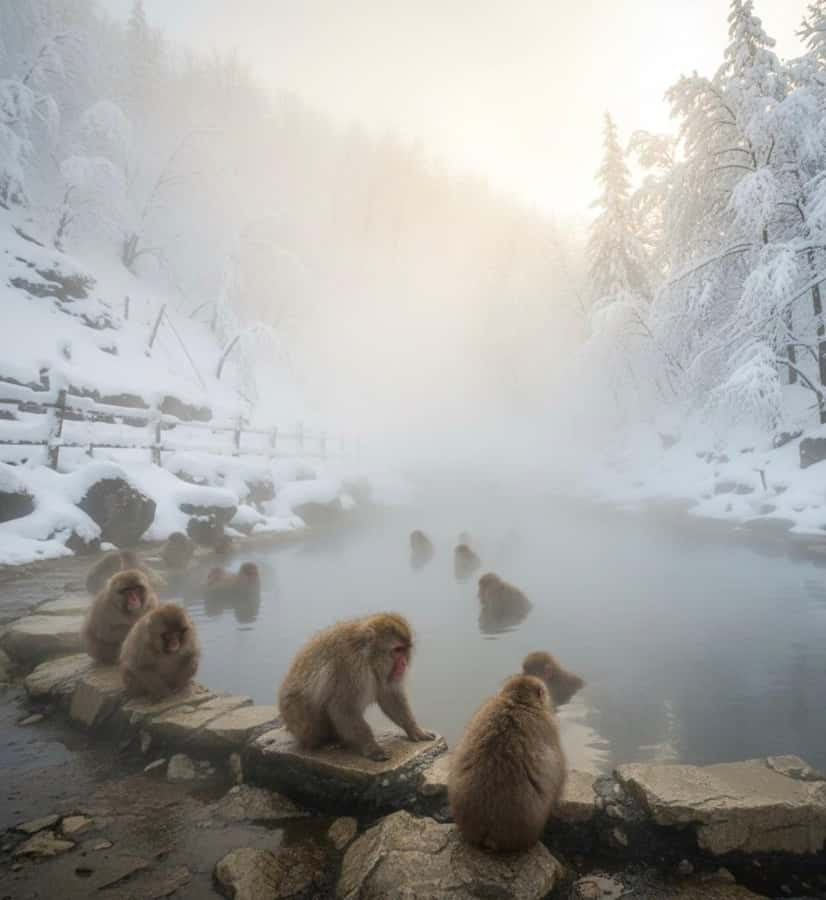
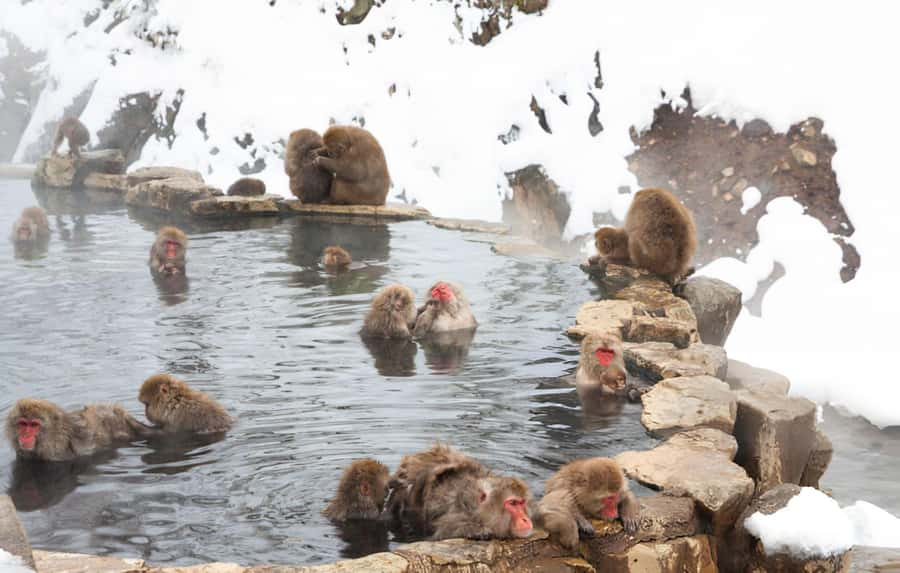
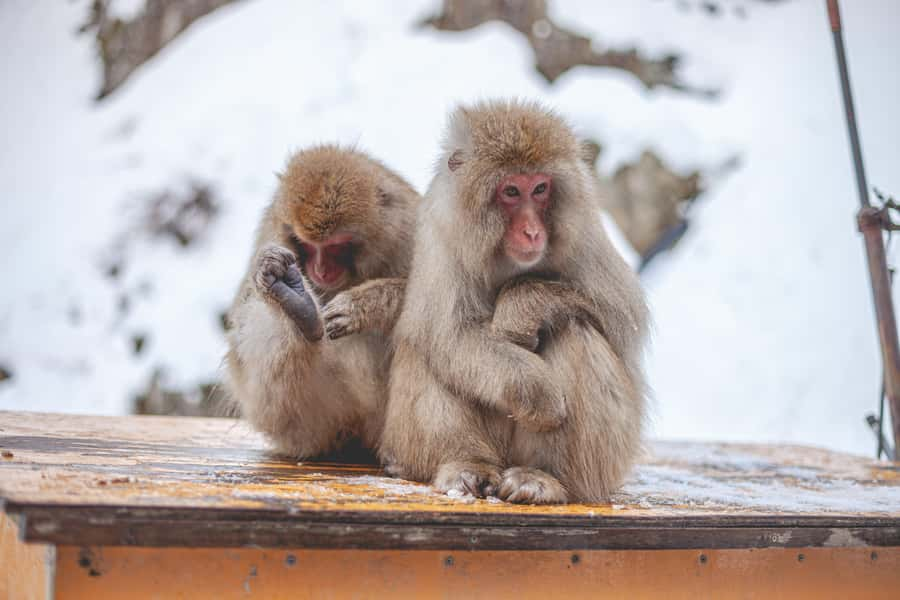
At Jigokudani Yaen-Koen, Japanese macaques gather around natural hot springs. In winter, snow may cover the ground while the monkeys sit in warm water, groom one another, and move through their social groups. You are not seeing animals in a zoo enclosure. The appeal comes from watching wild macaques behave in a setting shaped by nature.
That said, the monkeys do not perform on command. You may see them bathing, feeding, grooming, or simply moving through the park. The experience is best when you slow down and watch their behavior rather than treating the hot spring as a single photo stop.
The walk from the vehicle area to the park takes about 30 minutes. In snow, the path can be slippery and cold. Comfortable shoes are essential, and warm clothing matters even if Tokyo feels mild when you leave. A camera is useful, but keep your attention on the animals and the path as well.
More Day Trips in Tokyo:
- Tokyo Panoramic 1 Day: Meiji Shrine, Asakusa, Odaiba and SKYTREE®
★ 4.5 · 1,222 reviews - From Tokyo: Nagano Snow Monkey Park Zenkoji Temple Day Trip
★ 5.0 · 8 reviews - Tokyo: Snow Monkey and Zenkoji Temple Day Trip In Low Price
★ 5.0 · 5 reviews
The Tokyo to Nagano drive
This is a full-day private tour, usually lasting about 12 hours. The drive to the monkey park takes roughly four hours from Tokyo, according to the experience details, so you should think of this as a long-distance outing rather than a quick excursion.
The private vehicle is the main practical advantage. You do not have to manage a train connection, local bus, and park transfer on your own. You can also travel with your own group, up to six people, and request itinerary changes based on your interests.
Luxury transport, highway tax, Wi-Fi, and coffee, tea, and water are included. Those touches help on a long road day. The vehicle also gives you shelter if the weather changes at higher elevations.
Traffic can affect the schedule. One booking had road closures caused by weather, and the driver had to change the route to keep the day on track. That flexibility is useful, but you should not expect every stop to receive the same amount of time on a difficult day.
Pickup is available from your accommodation in Tokyo, but not from an airport or seaport. Be ready in the hotel lobby 10 minutes before pickup. Drivers will wait no longer than 60 minutes after the scheduled time, so confirm your pickup point and keep a working phone number or email available.
Walking into Jigokudani Snow Monkey Park
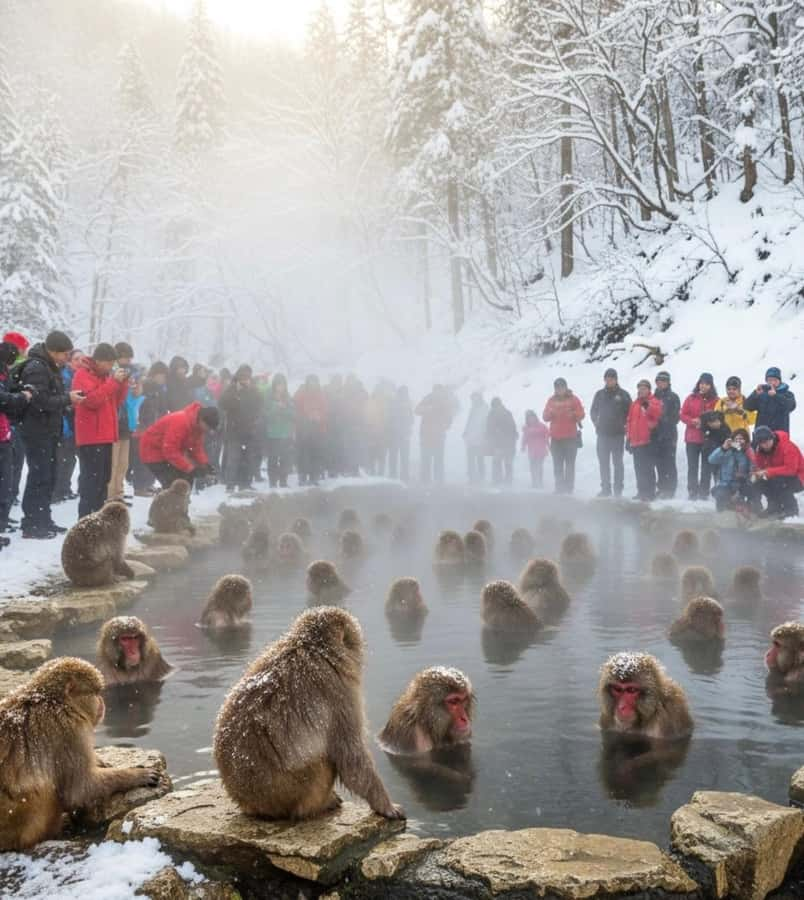
The approach to the park is part of the experience. The path leads through the Jigokudani Valley, where steep mountain scenery and forest replace the city. In winter, the walk may be covered in snow, adding beauty but also making footwear and balance more important.
Once inside the park, look for the small details. Macaques may groom each other, watch one another closely, or gather around the warm water. Their social behavior is often more interesting than the first sight of a monkey in the spring.
You should keep a respectful distance and follow the park’s rules. The supplied information describes opportunities to observe the animals closely, but this does not mean touching or feeding them. Bring a camera with a charged battery, and protect it from cold weather if you visit in winter.
The park is especially appealing in the colder months, when the contrast between snow and hot spring steam is strongest. You can visit at other times of year, but the classic snow-covered scene may not be present. Check the forecast before leaving Tokyo, since conditions in the mountains can differ sharply from conditions in the city.
Zenkoji Temple and the path toward enlightenment
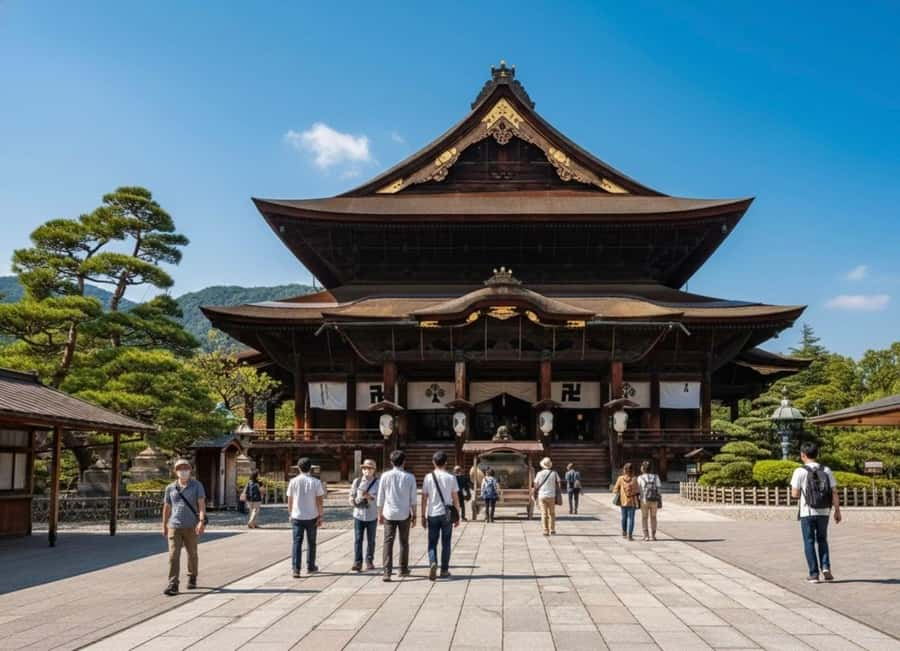
Zenkoji Temple is the cultural anchor of the day. Founded in the seventh century, it is one of Japan’s most important Buddhist temples. Its large architectural complex gives you a sense of scale that the smaller temple stops do not.
The temple is associated with a hidden statue of Amida Buddha, believed to bring good fortune. You will not simply stroll through a quiet garden here. The approach includes shops selling traditional crafts and local snacks, giving you a chance to browse and pick up something small if your schedule allows.
A special part of the visit is the dark passage beneath the temple. Walking through it symbolizes a journey toward enlightenment. The passage is a simple experience, but it changes the pace of the day. After the open mountain setting and the lively monkeys, the darkness asks you to focus on touch, movement, and quiet.
Entrance fees are not included, so carry cash for paid areas and personal purchases. Since the driver is not necessarily a licensed temple guide, ask in advance how much explanation you want during the visit. The tour includes an English-speaking driver according to the booking information, while the listed languages are English, Japanese, and Hindi.
Other temple visits near Tokyo we have written up
- Tokyo: Asakusa Walking Tour with Sensoji Temple Visit
★ 4.8 · 1,583 reviews - Nikko: Kegon Falls, Lake Chuzenji & Toshogu Temple
★ 4.6 · 1,577 reviews - Tokyo: Nikko Toshogu Shrine and Kegon Waterfall Tour
★ 4.5 · 1,266 reviews - Tokyo: Zen Meditation at a Private Temple with a Monk
★ 5.0 · 510 reviews
Takai Shrine in the forest
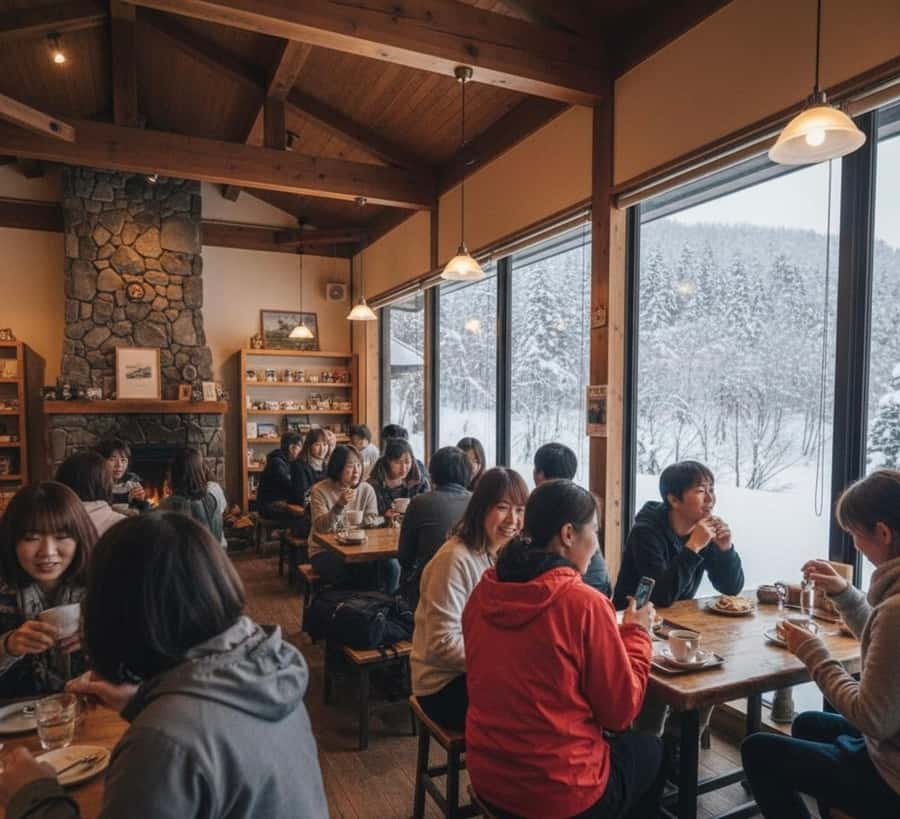
Takai Shrine, also referred to as Takei Shrine in the highlights, is dedicated to agriculture and prosperity. Its forest setting offers a calmer contrast to Zenkoji’s larger complex and more active approach.
Red torii gates give the shrine its strongest visual feature. They also frame the walk and create a clear transition from the road into a more reflective space. Seasonal changes shape the visit, with different scenery through the year.
This stop is valuable because it gives you a small taste of everyday Japanese religious practice rather than only the country’s best-known sights. You can pause, observe the setting, and take photos without the same sense of scale as Zenkoji.
The time available may depend on traffic and the other stops. If you care most about the monkeys, tell the driver that before the day begins. If you prefer a slower cultural visit, ask whether the schedule can give Takai Shrine more time.
Quiet gardens at Ojoji Temple
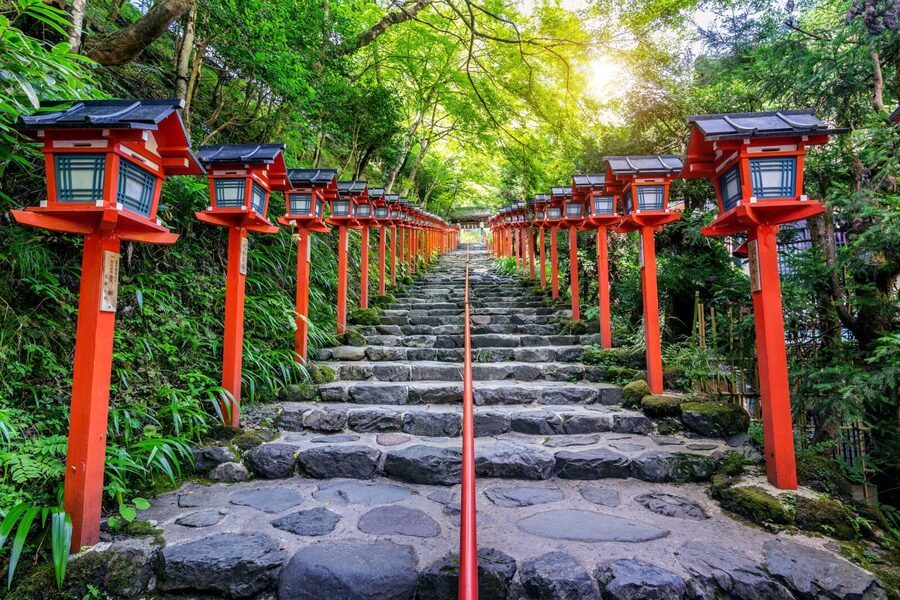
Ojoji Temple is the most restful stop on the route. It is known for gardens, traditional architecture, and a peaceful setting away from the larger tourist sites. The grounds are especially attractive during cherry blossom season.
The tour information also mentions guided meditation or spiritual sessions at Ojoji Temple. Confirm what is scheduled on your date, since the exact format is not described in detail. Even without a formal session, the temple provides room to slow down after the park and the long drive.
I would treat Ojoji as a place for quiet observation rather than a major sightseeing landmark. Its value is the change of mood. Zenkoji gives you ceremony and scale, while Ojoji offers gardens and stillness. Together, they make the cultural portion of the day feel less repetitive.
What the $515 group price really means
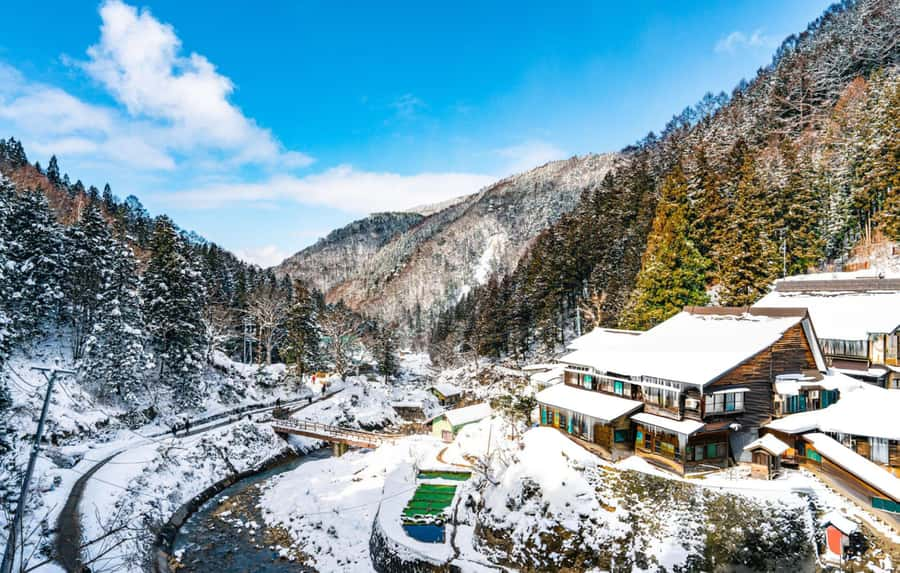
The price is $515 per group of up to six people. That works out to about $86 per person if six people share the vehicle, before admission fees, meals, and personal spending. For two people, the per-person cost is much higher, but the private transport and direct Tokyo pickup may still be worth it if you value convenience.
The strongest value comes from group size and time saved. You avoid arranging several separate transport legs to Nagano, and you can ask for itinerary adjustments. Wi-Fi, highway tax, drinks, and pickup and drop-off are included.
The price is less attractive if you are traveling alone or as a couple and are comfortable planning public transport yourself. You also need to budget for park and temple admission, meals, snacks, and souvenirs. Breakfast and dinner may not be provided, and meals are generally not included.
Ask before departure which entrance tickets are required and how much cash you should carry. The booking information clearly says paid entry and personal expenses are extra.
Drivers and the level of guidance

The experience includes an English-speaking driver, with English, Japanese, and Hindi listed as available languages. The driver is central to the day because of the distance, road conditions, and changing schedule.
Moazam is described as a safe driver who provided useful information and adjusted the day to the group’s needs. Cheema was praised for being friendly and professional from the monkey park through the temple visits. Atif Cheema is also named as an excellent, professional driver, while Naroz handled difficult weather and road closures while keeping the schedule moving.
These details point to a strong transport service, but you should understand the distinction between a driver and a full-time sightseeing guide. The information says no tour guide is included, even though the driver may offer local insight. If you want detailed Buddhist, shrine, or wildlife interpretation at every stop, confirm this before booking.
Weather, clothing, and practical comfort
Bring warm layers, even outside winter. Nagano’s higher elevation can feel much colder than Tokyo, and the monkey park walk exposes you to the weather.
Your basic packing list should include:
- Comfortable shoes with good grip
- Warm clothing and extra layers
- A camera
- Cash for admission, food, and purchases
- Comfortable clothes for a long day in the vehicle
Smoking is not allowed in the vehicle. Alcohol, drugs, fireworks, and fires are prohibited. The tour is not suitable for pregnant women or people over 95 years old.
Cancellation is available up to 24 hours before departure for a full refund, and you can reserve now and pay later. Those terms help if your Tokyo plans are still shifting, but weather can still change the practical value of the day.
Who should book this Nagano day trip?
You should consider it if you want to see the snow monkeys without arranging a complex journey yourself. It suits families, couples, and small groups who prefer a private vehicle and want several cultural stops in the same day.
It is also a good fit if you enjoy photography. You get monkeys in hot springs, snowy mountain scenery, red torii gates, temple architecture, and gardens in one outing.
I would hesitate if you dislike long drives or want a slow, unhurried visit at each site. The 12-hour schedule covers a lot of ground, and traffic or weather may reduce time at some stops. It is also not ideal if your main interest is detailed religious instruction, since a dedicated guide is not clearly included.
Should you book it?
Book this tour if your priority is seeing the snow monkeys and getting to Nagano with minimal transport planning. The private vehicle, group capacity, flexible routing, and praised drivers make the long journey easier to manage.
Skip it if four hours on the road each way sounds exhausting, or if you would rather spend a full day at one temple or in Tokyo. For a group of four to six, the price is easier to justify. For one or two people, compare it with independent transport before deciding. Pack warm clothes, reserve enough energy for the return drive, and treat the monkeys as wild animals rather than a guaranteed photo show.
FAQ
How long is the tour?
It is a full-day private tour that typically lasts about 12 hours, depending on traffic and the time spent at each stop.
How far is the Snow Monkey Park from Tokyo?
The park is about a four-hour drive from Tokyo according to the tour information.
How long is the walk to Snow Monkey Park?
The walk to the park takes about 30 minutes through the Jigokudani Valley.
Is transportation included?
Yes. Pickup and drop-off from your Tokyo accommodation, luxury transport, highway tax, Wi-Fi, and coffee, tea, and water are included.
Is a tour guide included?
The information says no tour guide is included, but it also states that an English-speaking driver provides transportation. English, Japanese, and Hindi are listed as available languages.
Are entrance fees and meals included?
No. Paid entry tickets, meals, snacks, souvenirs, and personal expenses are not included unless specifically confirmed.
Can the itinerary be changed?
The stops can be adjusted based on your preferences and interests, although traffic, weather, and road conditions can affect the schedule.
Is airport or seaport pickup available?
No. Pickup is not available from airports or seaports. You need to provide a Tokyo accommodation pickup location.
What should I bring?
Bring comfortable shoes, warm clothing, comfortable clothes, a camera, and cash. Warm layers are particularly important for the higher, colder areas around Nagano.
Newly written up around Tokyo
- Tokyo: Snow Monkey and Zenkoji Temple Day Trip In Low Price★ 5.0 · 5 reviews
- Tokyo: Gotokuji Culture Walk & Lucky Cat Temple Experience★ 4.9 · 5 reviews
- :Tokyo,Shibuya /Meiji Shrine tour in KIMONO/English-friendly★ 5.0 · 4 reviews
- Tokyo: Sensoji Temple & Street Food: Private Tour with guide★ 4.6 · 8 reviews
- Tokyo: Visit 5 Shrines & Collect Goshuin on Private Tour★ 5.0 · 3 reviews
- Tokyo War History Tour: Yasukuni Shrine & War Museum★ 4.5 · 6 reviews
- Tokyo: Shibuya Sky, Harajuku & Meiji Shrine Highlights Tour★ 4.5 · 9 reviews
- Tokyo: Private Meiji Shrine & Harajuku Highlights Tour★ 4.5 · 4 reviews
Tokyo Temple Tours, compared.
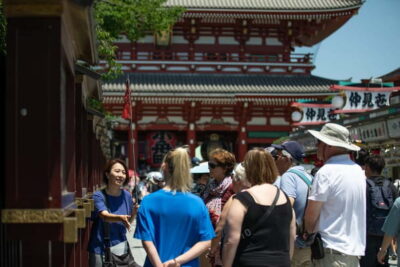
Asakusa Walking Tour with Sensoji Temple Visit
Read our review →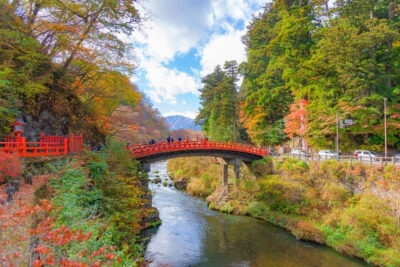
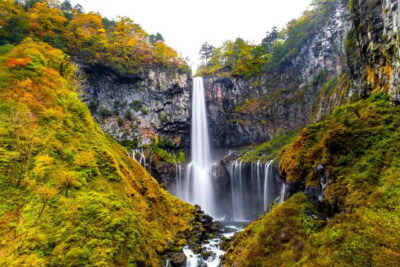
Nikko Toshogu Shrine and Kegon Waterfall Tour
Read our review →
Tokyo Panoramic 1 Day: Meiji Shrine, Asakusa, Odaiba and SKYTREE®
Read our review →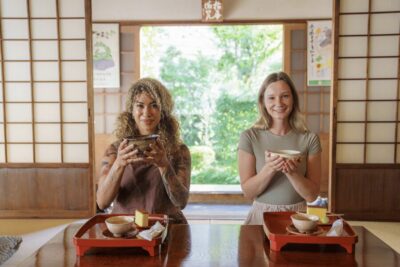
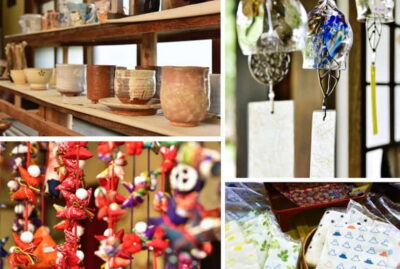
Mt. Fuji Heritage Tour: Traditional Villages, Lakes & Shrine
Read our review →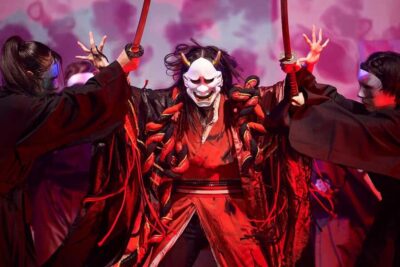
Samurai Entertainment Night Show in Kanda Shrine
Read our review →
Asakusa and Tokyo’s Oldest Temple Senso-ji Tour
Read our review →Browse the lists this tour appears in