
Reviewed · TOKYO TEMPLE TOURS
Nikko: Kegon Falls, Lake Chuzenji & Toshogu Temple
Nikko packs sacred architecture, mountain scenery, and a famous waterfall into one long day from Tokyo. The highlight is the contrast: you move from the ornate world of Toshogu Shrine to the cool forests and volcanic scenery around Lake Chuzenji.
I like the way this trip combines the main Nikko sights without asking you to manage several train and bus connections. I also like the guides’ practical help, from pointing out photo spots to explaining Toshogu’s symbols and helping with lunch machines. The drawback is the long road time, about six hours in total, and the schedule can feel tight at the busiest stops.
Key points to know
- Toshogu Shrine is worth paying to enter: The ticket gives you access to the decorated gates and sacred buildings, not just the outside grounds.
- The bus ride is a major part of the day: Expect about 2.5 hours each way, with mountain roads and possible traffic delays.
- Guides add real value: Melody, Jorge, Beru, Eric, and Francisco are among the guides praised for clear bilingual explanations and well-timed instructions.
- Kegon Falls and Lake Chuzenji are seasonal stops: In January and February, weather conditions may replace both with panoramic views of Rinnoji Temple and Futarasan Shrine.
- Bring cash and good shoes: Lunch choices may involve ticket machines, and Toshogu includes slopes, steps, and a walk of about 200 steps toward the burial site.
- The $89 price depends on the option: Shrine admission and lunch are not included in every booking choice, so check the exact package before paying.
From Ginza to Nikko’s cedar forests
Your day begins at Ginza Inz 2, with the exact meeting details depending on the option you choose. The air-conditioned coach then leaves central Tokyo for Nikko, a mountain destination in Honshu known for its temples, shrines, forests, and alpine lake.
The outward ride takes about 2.5 hours. That is a serious stretch of sitting, but it also removes the work of planning several connections. You can watch Tokyo fade into open countryside, listen to the guide’s commentary, or simply rest before the walking begins.
Guides work in English and Spanish. Several guides, including Melody, Jorge, Beru, Eric, and Francisco, receive strong praise for making the long drive useful without filling every minute with talk. You can expect explanations about Japanese customs, Shinto and Buddhist ideas, local history, and simple Japanese expressions.
One practical tip comes early: bring some physical cash. A planned stop may offer a chance to withdraw money, and lunch can involve a ticket machine. This is not a tour where I would rely only on a phone wallet.
More Nikko and Kamakura Day Trips in Tokyo:
- Tokyo: Nikko Toshogu Shrine and Kegon Waterfall Tour
★ 4.5 · 1,266 reviews - From Tokyo: Nikko Toshogu Shrine and Kegon Waterfall Tour
★ 4.0 · 42 reviews - Nara: Great Buddha, Kasuga Shrine & Deer Park Tour
★ 4.8 · 62 reviews
A first look at Shinkyo Bridge
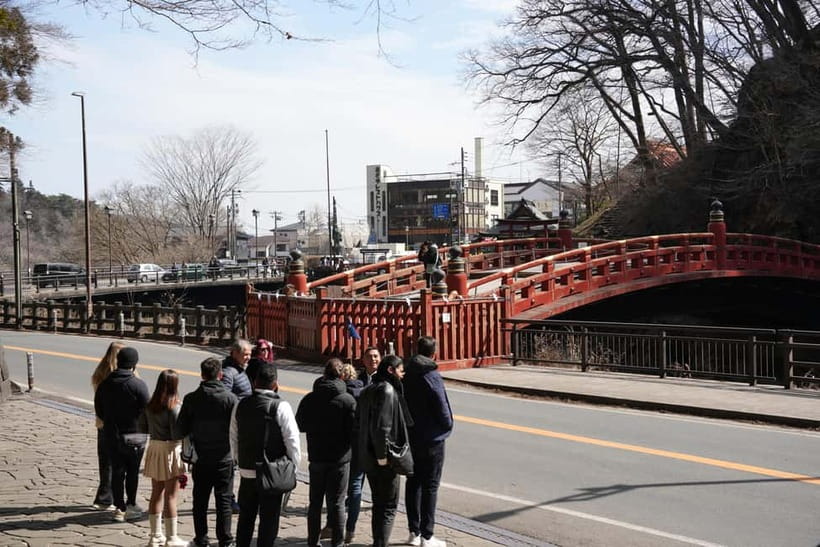
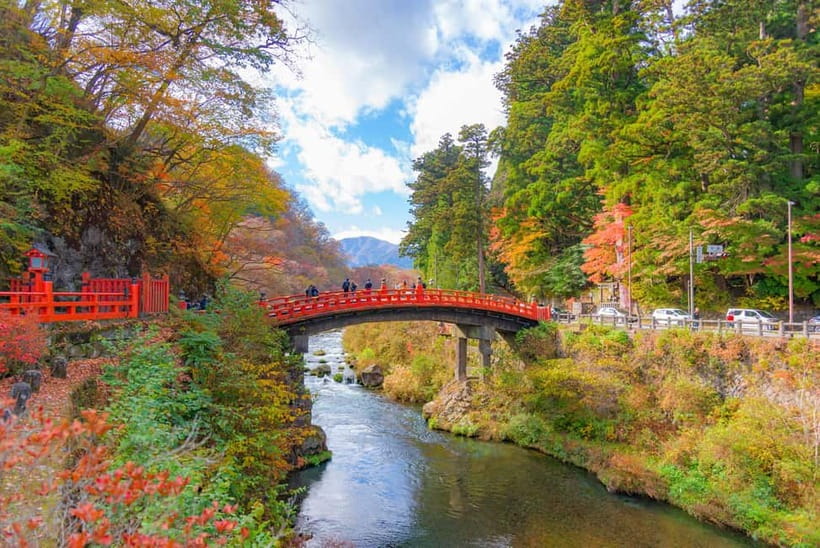
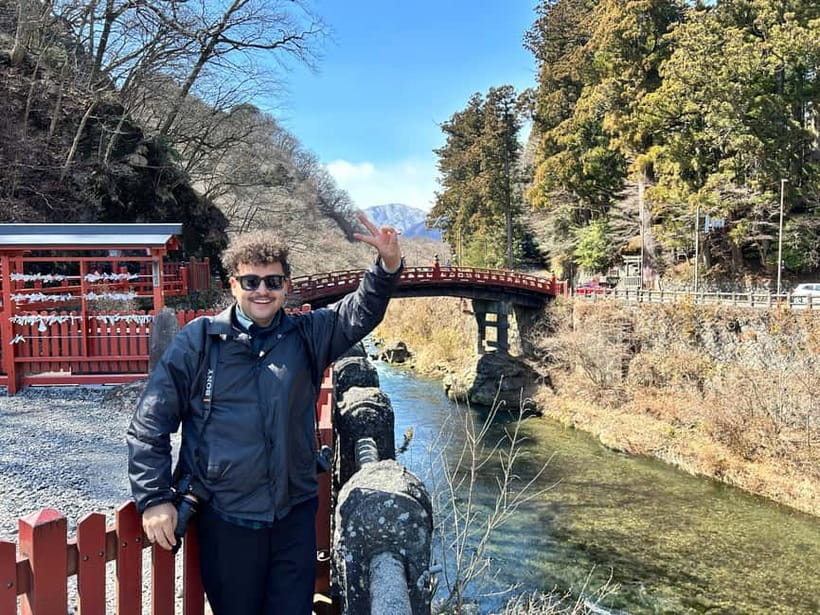
The first Nikko sight is Shinkyo Bridge, seen during a scenic drive. The deep red bridge crosses the Daiya River and marks the approach to Nikko’s sacred district.
The viewing time here is limited, so think of it as a photo and orientation stop rather than a long bridge visit. The bus view still gives you a useful first impression of the area, especially when the bridge’s red paint contrasts with the river and wooded hills.
This is one of the small advantages of a coach tour. You do not need to find the bridge yourself while keeping an eye on the clock. Guides may also point out where you are and how the sights fit together before you enter the shrine area.
Toshogu Shrine and the Tokugawa story
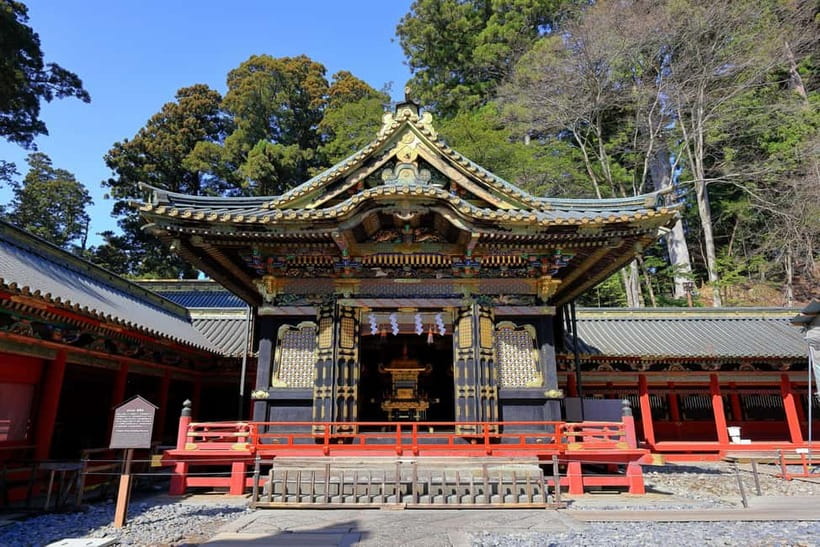
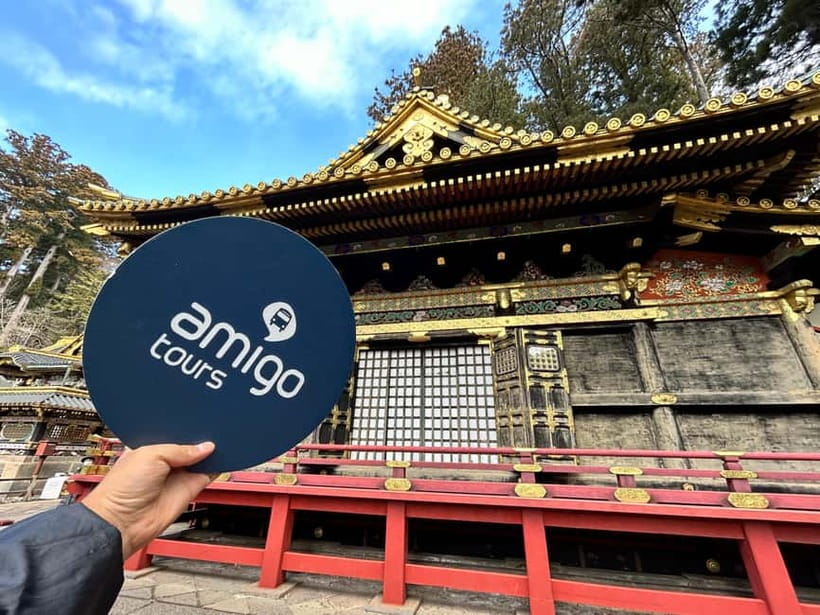
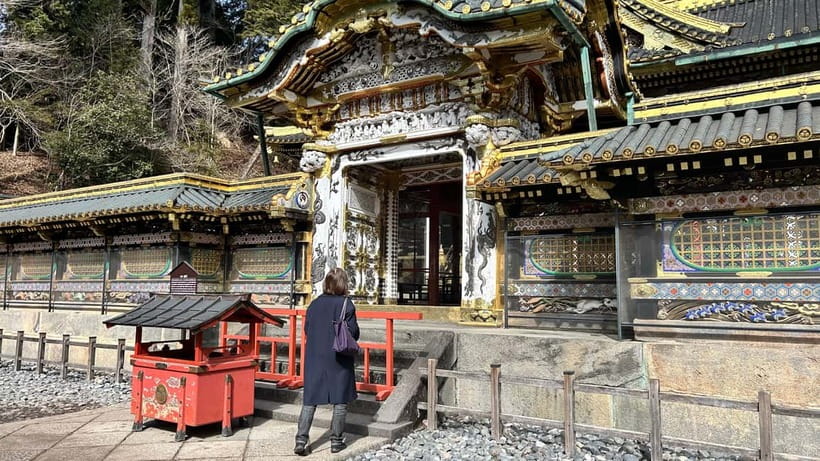
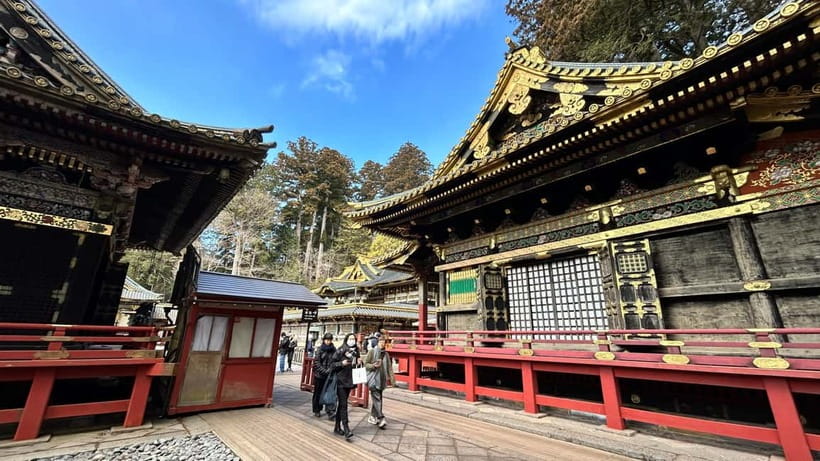
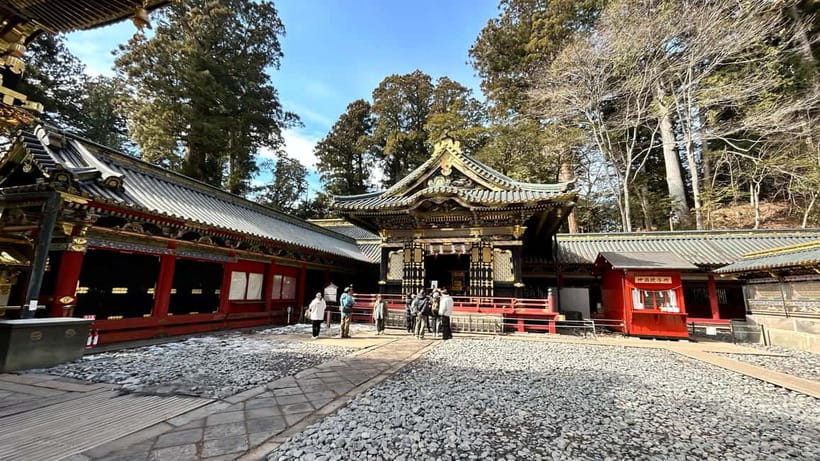
Toshogu is the cultural heart of the day. The shrine is a UNESCO World Heritage Site, set among tall cedar trees and covered with unusually elaborate decoration. Gold details, painted carvings, ornate gates, and sacred buildings make it very different from the restrained look of many Japanese temple and shrine complexes.
The famous trio of wise monkeys is here too. Their three gestures express the familiar idea of seeing no evil, hearing no evil, and speaking no evil. A good guide helps you notice details like this rather than treating the shrine as a quick stop for photographs.
You have about 2 hours and 15 minutes in the Toshogu area. That is enough time for a guided introduction followed by independent exploring, but it is not unlimited. Guides such as Francisco have been praised for explaining the order of the buildings, likely walking times, and the places worth prioritizing. That matters because the grounds can feel confusing on a first visit.
I recommend choosing the option that includes the Toshogu entrance if your budget allows. Without it, you have free time around the area, but the main attraction loses much of its value if you only see the exterior grounds. The admission option gives you access to the richly decorated gates and sacred buildings.
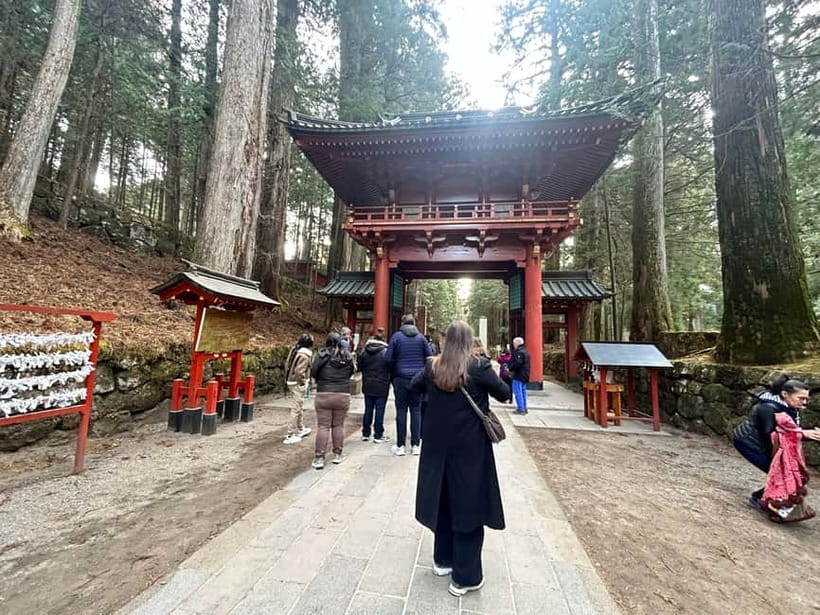
There are steps and uphill sections. One reported route includes roughly 200 steps toward the burial site, so comfortable shoes matter. You do not need to rush every corner, but you should decide early whether you want to see the central buildings, the burial area, or both.
Toshogu is also where the guide’s commentary can make the biggest difference. The carvings are more than decoration. They relate to symbols, stories, values, and the power of the Tokugawa shogunate. Guides have been praised for explaining those connections in simple English and Spanish, and for answering questions during free time.
Lunch in the Nikko mountain area
After Toshogu, the coach continues toward the Kegon Falls area, with lunch and free time built into an 85-minute stop. The exact restaurant and meal depend on the option selected, since lunch is included only with the premium choice.
This is a useful pause after the shrine’s walking and steps. You can eat at a local restaurant, choose from available menu options, and have time left for the waterfall area. If your meal requires a vending-style ticket machine, the guide can help you understand the process. That kind of assistance is especially useful if you are unfamiliar with Japanese ordering systems.
Check the booking details carefully here. The headline price is $89 per person, but the included services change with the package. A lower-priced option may not include lunch or Toshogu admission. A premium option can be better value if you want a simpler day, but do not pay for extras you do not need.
The 85-minute stop is reasonably generous for lunch and Kegon Falls, though you should keep an eye on the meeting time. Mountain attractions can have queues, and the return coach will not wait for a leisurely second lunch.
Other temple visits near Tokyo we have written up
- Tokyo: Asakusa Walking Tour with Sensoji Temple Visit
★ 4.8 · 1,583 reviews - Tokyo Panoramic 1 Day: Meiji Shrine, Asakusa, Odaiba and SKYTREE®
★ 4.5 · 1,222 reviews - Tokyo: Zen Meditation at a Private Temple with a Monk
★ 5.0 · 510 reviews - Mt. Fuji Heritage Tour: Traditional Villages, Lakes & Shrine
★ 4.5 · 509 reviews
Kegon Falls from the observation deck
Kegon Falls is one of Nikko’s great natural sights. Water drops nearly 100 meters from the upper river into a rocky valley, creating a powerful vertical cascade framed by cliffs and forest.
The main view comes from an observation deck. This is the kind of stop where the weather matters. Clear conditions reveal the shape of the falls and surrounding cliffs, while mist, rain, or cloud can change the mood and reduce visibility. Bring a camera, but also allow yourself a few minutes simply to look. The scale is hard to catch in a rushed snapshot.
Seasonal color adds another reason to visit in autumn, when the surrounding trees can turn red, gold, and orange. Winter brings a different experience, but the operator notes that January and February weather can force a change in plan. During those months, Kegon Falls and Lake Chuzenji may be replaced by panoramic views of Rinnoji Temple and Futarasan Shrine.
That winter substitution is important if the waterfall and lake are your main reasons for booking. It is not a minor schedule tweak. The alternative keeps the day focused on Nikko’s cultural sights, but it changes the balance from nature to temples and shrines.
Lake Chuzenji beneath Mount Nantai
A short 10-minute coach ride takes you to Lake Chuzenji, where you have about 40 minutes of free time. The lake sits at the base of Mount Nantai and was formed by volcanic activity. Forested slopes, open water, and changing mountain weather give this stop a quieter feel than Toshogu.
You can stroll along the shore, take photographs, and enjoy a break from guided sightseeing. Forty minutes is enough for a short walk and a few good views, but not for a full circuit or a long café stop. Keep your pace sensible, especially if the weather is cold or the paths are damp.
This stop works best as a pause rather than a major activity. After the ornate shrine and dramatic waterfall, the lake gives you space to slow down. The water and hills also provide a useful contrast to Tokyo’s crowded streets.
The long ride back to Tokyo
The return journey takes about 3 hours and 10 minutes, though traffic and local conditions can change the timing. That makes the full day close to 11 hours from departure to drop-off.
This is the part of the tour you need to accept before booking. You spend roughly six hours on the coach in total. Some people will see that as a fair trade for reaching Nikko in one day. Others may prefer an overnight stay or independent travel, which would allow more time in the shrine district and around the lake.
The coach does offer comfort, and the driver is an important part of the experience. Drivers named in feedback include Hashimoto-san, Waku, Tanaka-san, Ejima-san, Kikuchi-san, and others, with repeated praise for safe handling on narrow mountain roads. That matters when the route climbs into the Nikko hills.
Guides also use the return ride for more information about Japan and daily life. Jorge, Melody, and Beru are praised for keeping the ride lively with stories, cultural notes, humor, and language tips. Still, bring water and be ready for a quieter ride if you are tired after a full day outdoors.
How good is the $89 value?
At $89, this is a reasonable convenience price for a full-day excursion from Tokyo, especially if you want the main Nikko sights without arranging transport yourself. The value comes from the coach, bilingual guide, timed transfers, and the chance to see both Toshogu and the mountain area in one day.
It is less clear-cut if you exclude the optional extras. Since lunch and Toshogu admission depend on the package, compare the final price rather than the starting figure. Some people have found the shrine ticket expensive when added through the tour, while others consider the entrance essential because Toshogu is the day’s strongest cultural stop.
You are also paying for time saved. Independent transport may offer more freedom, but it requires planning and leaves you responsible for connections, local buses, walking routes, and return timing. This tour is a practical choice if you would rather let a driver handle the route and have a guide explain what you are seeing.
The 4.6 rating from 1,577 ratings and the 87 percent perfect score for transport point to a generally strong operation. Still, the good experience depends partly on traffic, weather, and your tolerance for a long day on the road.
Who should book this Nikko day trip?
I would choose this tour if you have limited time in Tokyo and want Nikko’s major highlights in one outing. It suits first-time visitors who value historical context, clear meeting instructions, and a guide who can explain unfamiliar customs.
It is also a good fit for solo visitors and for anyone uneasy about driving mountain roads or navigating rural transport. The bilingual format works well if your group includes English and Spanish speakers.
Families with older children may enjoy the mix of monkeys, carvings, bridges, waterfalls, and lake views. Pack water, sunscreen, a hat, and comfortable shoes. Toshogu has steps, and the day involves enough walking to make poor footwear a real nuisance.
This is not a good match for wheelchair users, and it may disappoint anyone looking for a slow, flexible day. The schedule is organized and useful, but it does not leave much room to linger at every viewpoint.
Should you book it?
Book it if you want maximum Nikko coverage in one day and accept long coach rides. Choose the Toshogu admission option if you want to understand the shrine rather than just photograph its gates, and consider the lunch option if you prefer not to arrange food during a busy stop.
Think twice if Kegon Falls and Lake Chuzenji are non-negotiable for a winter visit, since January and February weather can replace them with cultural viewpoints. Also compare the total package price, not just the advertised $89.
For most visitors with only a few days in Tokyo, this is a sensible introduction to Nikko. It gives you sacred buildings, mountain scenery, a waterfall, a lake, and a guide who can make the symbols and customs easier to read. Just start the day rested, wear good shoes, and prepare for a long ride home.
FAQ
How long is the Nikko day trip from Tokyo?
The activity lasts about 11 hours, including the coach journey from Ginza, sightseeing in Nikko, and the return to Tokyo.
Where does the tour meet?
The listed meeting location is Ginza Inz 2. The exact meeting point may vary depending on the option you book.
Are Toshogu Shrine admission and lunch included?
They depend on the option selected. Entrance to Toshogu Shrine is included with the ticket-inclusive choice, and lunch is included with the premium option.
What languages does the guide speak?
The tour provides a live guide in English and Spanish.
What happens to Kegon Falls and Lake Chuzenji in January and February?
Weather conditions may lead to both stops being replaced by panoramic views of Rinnoji Temple and Futarasan Shrine.
Is the tour suitable for wheelchair users?
No. The activity is listed as unsuitable for wheelchair users. Comfortable shoes are recommended because the day includes walking and steps at Toshogu Shrine.
Newly written up around Tokyo
- Tokyo History: Sensoji Temple & Asakusa District Private Tour★ 5.0 · 28 reviews
- Tokyo Private Tour: Temples, Culture & Modern City Highlights★ 5.0 · 56 reviews
- From Tokyo: Snow Monkey Park & Zenko-ji Temple Private Tour★ 4.9 · 42 reviews
- From Tokyo: Nikko Toshogu Shrine and Kegon Waterfall Tour★ 4.0 · 42 reviews
- Tokyo Morning Tour: Asakusa, Meiji Shrine and Tsukiji Fish Market★ 5.0 · 128 reviews
- Tokyo: Snow Monkey Park and Zenkoji Temple Private Day Tour★ 4.7 · 127 reviews
- Tokyo Zen Meditation at Private Temple with Monk★ 5.0 · 178 reviews
- From Tokyo: Private Tour Snow Monkey Park & Zenko-ji Temple★ 4.7 · 184 reviews
Tokyo Temple Tours, compared.
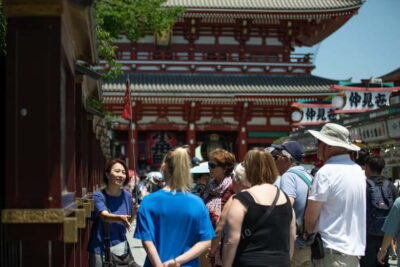
Asakusa Walking Tour with Sensoji Temple Visit
Read our review →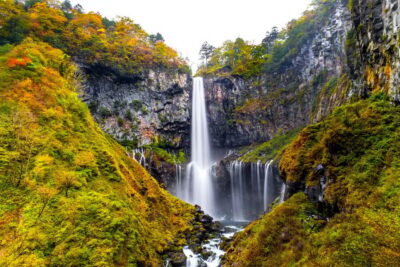
Nikko Toshogu Shrine and Kegon Waterfall Tour
Read our review →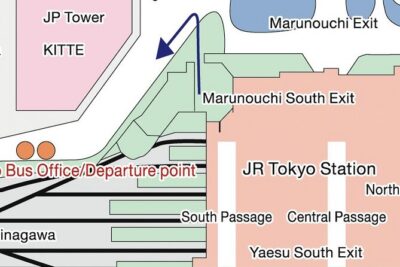
Tokyo Panoramic 1 Day: Meiji Shrine, Asakusa, Odaiba and SKYTREE®
Read our review →

Mt. Fuji Heritage Tour: Traditional Villages, Lakes & Shrine
Read our review →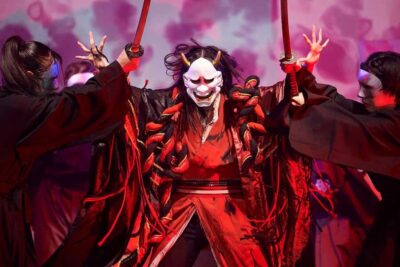
Samurai Entertainment Night Show in Kanda Shrine
Read our review →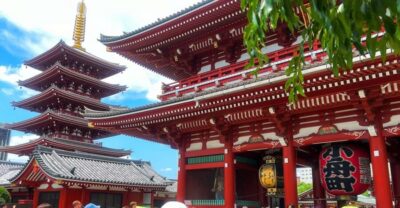
Asakusa and Tokyo’s Oldest Temple Senso-ji Tour
Read our review →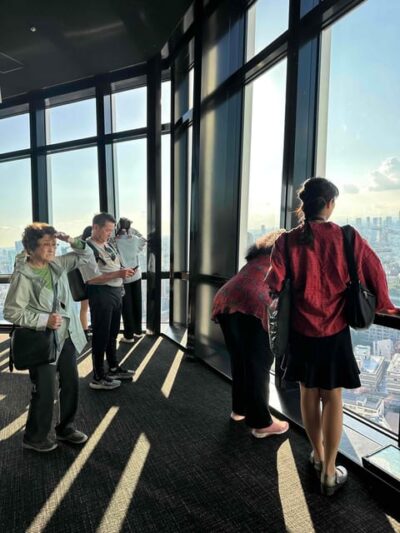
Imperial Palace, Sensō-ji Temple, & Tokyo Tower Tour
Read our review →Browse the lists this tour appears in