
Reviewed · MASSAGE
Osaka: Japanese Zen Massage and Facial at the Temple/180-min
The unusual part here is the setting: your three-hour massage and facial take place inside a historic Osaka temple, with incense, meditation, a tea ceremony, and a yukata woven into the visit. This is more than a standard spa appointment, but it is still firmly a treatment session, not a long temple tour.
I like the warm bamboo work, which gives the massage a distinctive Japanese touch, and I like the quiet change of pace after several busy days in Osaka. The matcha facial and head spa also make this a good choice if you want care for your face and scalp, not just your back and legs.
The main caution is consistency. Most published ratings are excellent, but one guest found the massage average and felt the therapist lacked skill. The tea ceremony may also be shared, so ask ahead if complete privacy matters to you.
Key points to know before booking
- The temple setting shapes the whole experience: You begin with incense, worship customs, and meditation before the hands-on treatments.
- Warm bamboo is the signature massage detail: A bamboo stick is used for fascia release and muscle relief alongside hand oil massage.
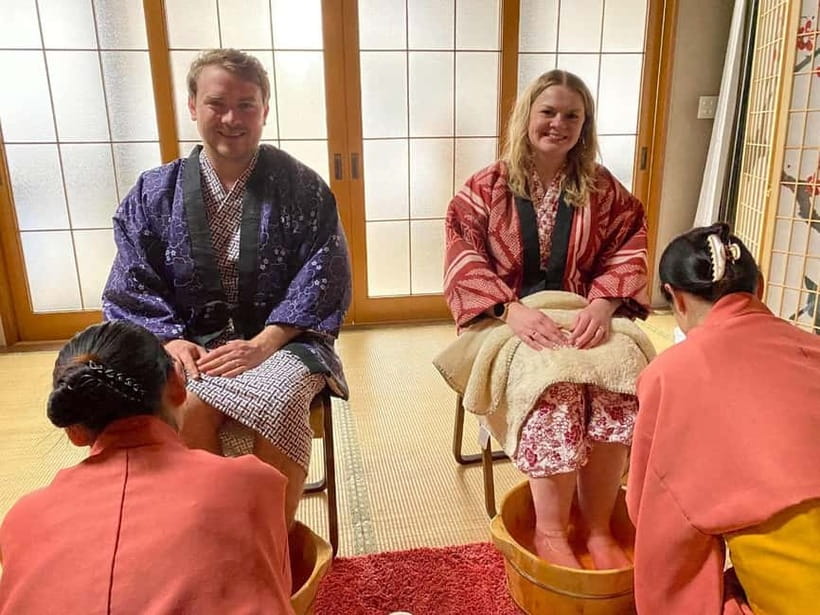
- The 180-minute schedule is generous: You have time for a foot scrub, full-body treatment, facial, scalp work, tea, and changing into a yukata.
- The tea ceremony may not be private: Individual treatments are provided, but the tea portion can include other people.
- The location needs care: Enter Japanese Massage -the one&only- in Google Maps, not only the temple name.
- The best fit is a small, quiet wellness outing: The group is limited to three people, and pregnant women cannot take this course.
A temple visit before the massage begins
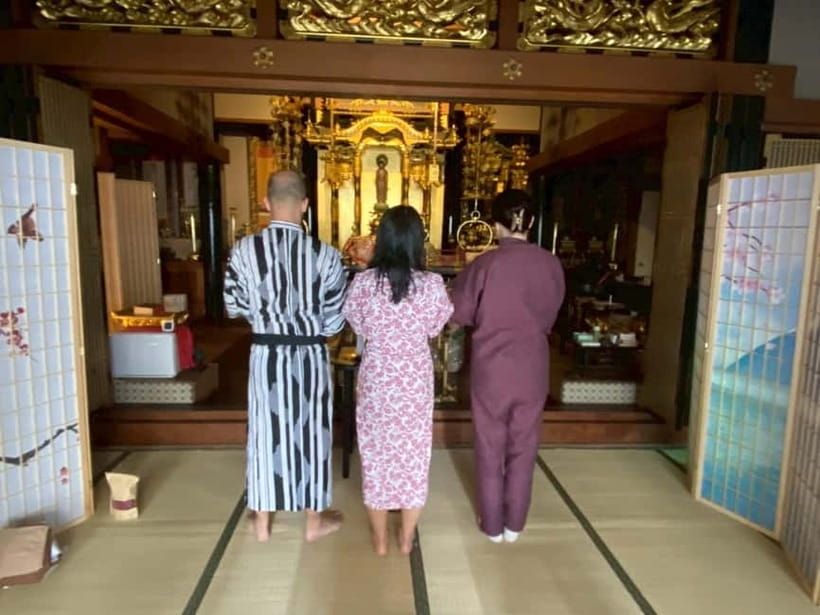
This experience starts by slowing you down. You receive a welcome drink, change into a yukata, and are introduced to the temple’s history and Japanese worship customs. The clothing is not just a photo prop. It helps mark a clear break between sightseeing clothes and the quieter mood of the treatment.
You will make an incense offering and take part in meditation with a bell and kneaded incense. These are brief cultural activities, but they give the afternoon a sense of place. I like this order. Instead of rushing straight from Osaka’s streets onto a massage table, you get a short introduction to the rituals connected with the building.
The temple portion is not presented as a major sightseeing stop with a long lecture. Think of it as a calm orientation. You learn how to approach the space, why incense is used, and how Japanese worship customs fit into the visit. If you want an extensive temple tour, this will feel limited. If you want a little cultural meaning attached to your spa session, it works well.
The meditation with a bell and kneaded incense is especially useful for setting expectations. You are being asked to pause before the bodywork begins. That can matter after a day of Osaka shopping, trains, heat, noise, or sightseeing.
More temple days that end with a massage in Osaka:
- Osaka Temple Head Spa &Matcha Facial – Refresh & Glow〈90min〉
★ 5.0 · 24 reviews - Osaka Temple :Warm Bamboo Oil Massage – Deep Restore〈60min〉
★ 4.9 · 19 reviews - Osaka Temple :Warm Bamboo Oil Massage – Deep Restore〈90min〉
★ 5.0 · 14 reviews
Foot bath and scrub: an easy beginning
The first hands-on treatment is a foot bath with a scrub massage. This is a sensible opening because it lets you settle into the experience before the longer oil massage and bamboo work.
A foot bath is also one of the least demanding parts of a spa visit. You do not need to explain much about pressure or technique at this stage. You can simply sit, warm up, and let the pace become slower.
The description does not specify the products used in the scrub or the exact length of the foot treatment, so do not book this expecting a detailed foot reflexology session. The value is in the transition. You move from the temple rituals into personal care without a sharp change of mood.
I would also use this early time to explain any sore areas, preferred pressure, or concerns about oil. The treatment is designed to relieve muscle tension and support circulation, but comfort depends on clear communication.
Warm bamboo fascia release and full-body oil massage
The central treatment combines warm bamboo and hand oil massage. A bamboo stick is used for fascia release, while the hands work with oil to address muscle tension and circulation.
This is the feature that separates the experience from a basic hotel massage. Bamboo allows the practitioner to apply a different kind of pressure and movement across the body. The warmth can feel soothing, while the stick gives the treatment a firmer, more focused quality.
You should not assume that bamboo work will feel gentle simply because the stick is warm. Fascia release can involve pressure, and each therapist may have a different approach. Tell the practitioner if you want light, medium, or firm work. If a certain area is tender, speak up early rather than waiting for the treatment to end.
The inclusion of a full-body oil massage gives the session a broad scope. You are not paying only for a back rub. The stated aim is relief from deep muscle tension, with attention to circulation and the body as a whole.
Here is where the mixed feedback matters. Five-star ratings praise the massage, with one person calling it the best massage they had received and another describing the whole spa day as their best ever. A separate rating was much less positive, saying the massage felt average and the therapist did not seem skilled. I would treat this as a reminder to keep expectations measured. The setting and treatment menu are appealing, but massage quality can vary by practitioner.
Matcha facial and head spa
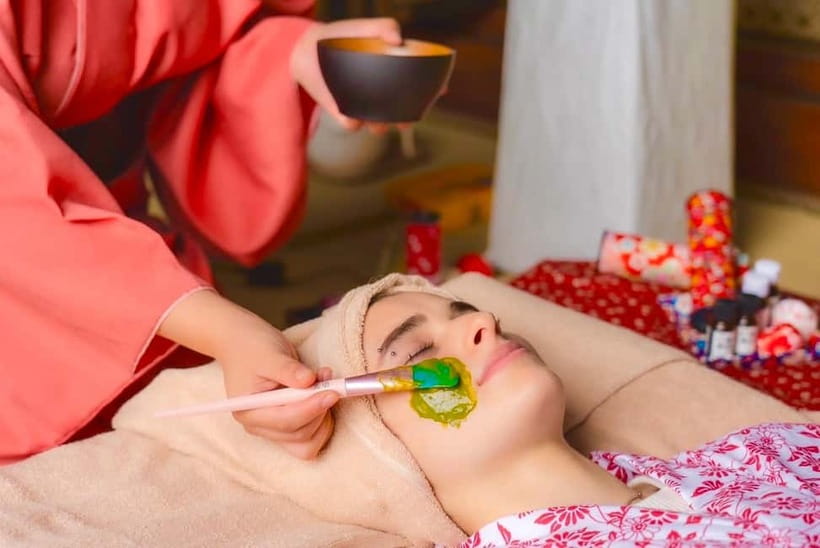
The facial treatment uses matcha, followed by a head spa and scalp massage. This gives the appointment a second focus beyond muscle work. After the body treatment, the facial and scalp work can feel like a clean change of gear.
The head spa is likely to be a favorite for anyone who carries tension in the forehead, temples, or scalp. The supplied details do not state the exact products, water technique, or whether hair is washed, so ask the provider if those points matter to you.
The matcha element connects the beauty treatment to the broader Japanese theme without turning the facial into a cooking demonstration or tea lesson. You receive a treatment, not simply a product sample. The facial massage was specifically praised in one five-star account, and another person singled out the massage and facial together as the highlight of the afternoon.
I like this pairing because many massage appointments end once the bodywork is done. Here, the face and scalp receive their own attention. If you are sensitive to facial products, tell the practitioner before the treatment begins.
More temple trips with a massage in Osaka:
- Bangkok: Wat Pho Thai Massage in Your Hotel Room
★ 4.6 · 68 reviews - The Grand Palace, Wat Phra Kaew, Wat Pho Tour with Massage option
★ 4.5 · 14 reviews
Tea, sweets, and the yukata photo
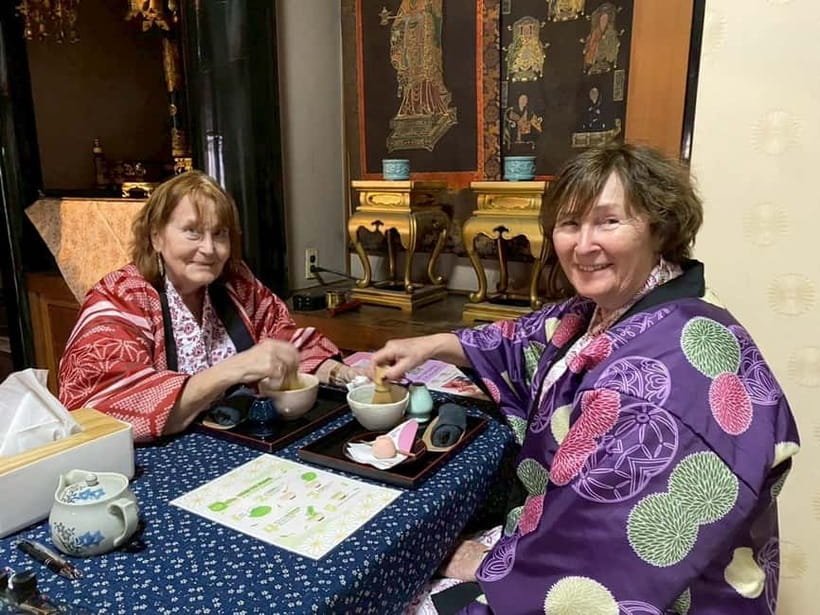
The tea ceremony gives the session a cultural finish. You are served tea with original Japanese sweets, which makes the final part feel more deliberate than simply getting dressed and leaving.
Keep the privacy note in mind. The treatments are individual, but the tea ceremony may be shared with other people. That is not a problem if you enjoy a small social setting. It could matter if you are booking this as a private couple’s experience or want a completely quiet afternoon.
The yukata adds another memorable touch. You change into one at the start and receive complimentary smartphone photos during the temple experience. You take home the photos as a keepsake, so you do not need to arrange a separate photographer.
The photos are a modest but useful inclusion. A spa treatment fades quickly from memory, while a picture in a yukata at a temple gives you something tangible from the afternoon. Do not expect a formal studio portrait package. The supplied information describes smartphone photos, not professional photography or edited prints.
Why three hours can be good value
The price is $258 per person. That is a serious amount for a massage, so the value depends on how much of the full package you want to use.
You are paying for far more than a single body treatment. The package includes:
- A welcome drink and yukata change
- Temple introduction and incense offering
- Meditation with a bell and kneaded incense
- Foot bath and scrub massage
- Full-body oil massage
- Warm bamboo fascia release
- Matcha facial
- Head spa and scalp massage
- Tea ceremony with original Japanese sweets
- Complimentary smartphone photos
If you only want a strong massage, a less elaborate appointment may offer better value. At $258, the price makes more sense when you want the combined wellness and cultural experience, especially the temple setting, tea, clothing, and facial.
The three-hour duration also helps justify the cost. You are not being rushed through a short treatment between sightseeing stops. The schedule allows the cultural activities and bodywork to sit together. I would reserve this for a day when you can stay present, not for a day packed with timed attractions.
The small group limit of three is another value point. You should not expect a large spa floor or a mass-market package. A small group can make the cultural introduction and tea ceremony feel more personal, although the tea portion may still include people outside your booking.
Finding the meeting point in Osaka
This is one detail you should take seriously. When setting your map route, enter Japanese Massage -the one&only- rather than relying on the temple’s name alone.
Using only the temple name may send you to the back entrance, where you can get lost. If the map still does not help, search for the restaurant Tossa de coracao. The meeting point is right next to it.
I would allow extra time to find the correct entrance. A late arrival could cut into a carefully timed 180-minute session, and the whole point is to begin calmly. The provider name is japanese massage 唯一無二 -the one&only-, which may appear in more than one form when you search.
No transport service is included in the supplied details, so you should plan your own way to the meeting point. The information also does not specify accessibility features, locker arrangements, shower facilities, or exact treatment-room setup. Ask the provider directly if any of those details affect your booking.
Who will enjoy this most
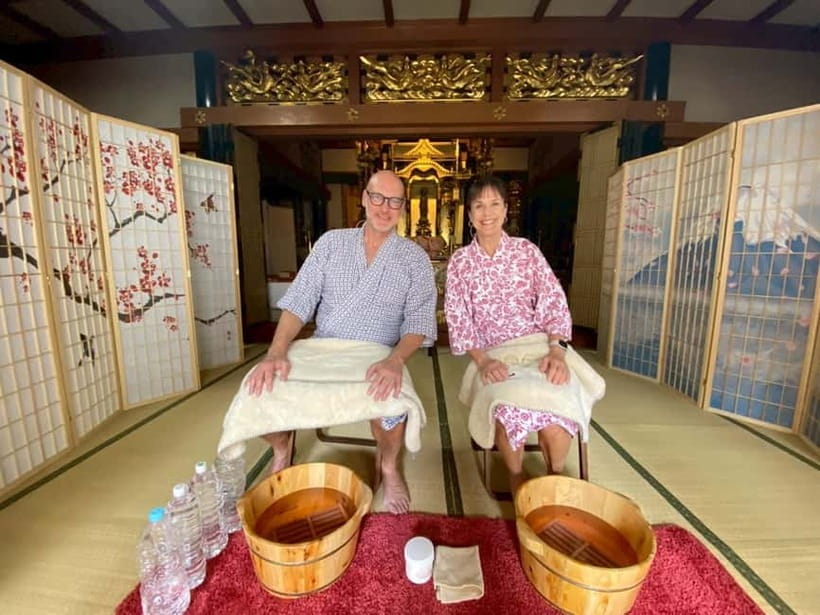
I would recommend this experience to you if you want a quiet reset during an Osaka stay and care about the atmosphere as much as the massage technique. It suits someone who enjoys small cultural rituals, Japanese clothing, tea, and a calm setting.
It is also a strong choice after several active days. The reviews include repeated praise for relaxation, peaceful surroundings, kind hospitality, and the feeling that the appointment was a holiday highlight. That pattern fits the experience’s real strength: it creates a long pause in the middle of a busy trip.
Couples, solo visitors, and small groups can all consider it, but remember that the group limit is three and the tea may be shared. If you need a completely private ceremony, contact the provider before booking.
I would be more cautious if you judge every spa by technical massage quality alone. One person had a poor treatment, despite finding the people friendly. You may have a wonderful practitioner, but the available information cannot promise the same skill level for every appointment.
Pregnant women should not book this course. The details do not give other medical guidance, so anyone with injuries, skin sensitivities, or health concerns should contact the provider before paying.
Booking flexibility and practical expectations
You can cancel up to 24 hours before the activity for a full refund, and you can reserve now while paying later. Those options are useful if your Osaka schedule is still changing, but they do not replace checking the starting time before you commit.
Starting times depend on availability. Since the activity lasts three hours, I would avoid placing it immediately before a train, flight, dinner reservation, or major timed attraction. Give yourself room to find the temple and enjoy the final tea and photographs without watching the clock.
The course is offered to small groups, and the available information lists the language detail only in connection with the activity information, not as a clear list of spoken guide languages. If you need explanations in a particular language, ask before booking.
Should you book this temple spa experience?
Book it if you want your massage to be part of a Japanese cultural afternoon. The combination of incense, meditation, yukata, bamboo bodywork, matcha facial, head spa, tea, sweets, and temple photos gives the experience a clear identity.
Skip it if you want the lowest-cost massage in Osaka, a fully private tea ceremony, or a guaranteed specialist-level treatment. At $258, the value lies in the complete package, not one isolated service.
My practical advice is to reserve this for the middle or end of your Osaka stay, when your body may welcome the rest and you can appreciate the contrast with sightseeing. Confirm the meeting point, mention your preferred pressure, and ask about private tea arrangements if that matters. For the right person, this is a thoughtful three-hour pause, with enough Japanese ritual to make it feel tied to the place rather than simply transplanted into a spa room.
FAQ
How long does the Osaka Zen massage and facial experience last?
The experience lasts 180 minutes, or three hours.
What is included in the 180-minute session?
It includes a welcome drink, yukata change, temple visit, incense offering, introduction to Japanese worship culture, meditation, kneaded incense, foot bath, scrub massage, warm bamboo and hand oil massage, matcha facial, head spa, tea ceremony, Japanese sweets, and complimentary smartphone photos.
Is the massage a full-body treatment?
Yes. The experience includes a full-body oil massage, along with fascia release using warm bamboo.
What happens during the temple portion?
You receive an introduction to the temple’s history and Japanese worship culture, make an incense offering, and take part in meditation with a bell and kneaded incense.
Is the tea ceremony private?
The treatments are individual, but the tea ceremony may be shared with other people. Contact the provider if you want a completely private experience.
Do I wear a yukata?
Yes. The experience includes changing into a yukata, and complimentary smartphone photos are provided as a keepsake.
Where is the meeting point?
Search Google Maps for Japanese Massage -the one&only-. Do not use only the temple’s name, since that may take you to the back entrance. You can also search for the restaurant Tossa de coracao, which is right next to the meeting point.
Can pregnant women take this course?
No. The activity is not suitable for pregnant women.
Can I cancel for a full refund?
Yes. You can cancel up to 24 hours in advance for a full refund. The experience also offers a reserve-now, pay-later option.
Newly written up around Osaka
- Osaka Temple :Warm Bamboo Oil Massage – Deep Restore〈90min〉★ 5.0 · 14 reviews
- Osaka Temple :Warm Bamboo Oil Massage – Deep Restore〈60min〉★ 4.9 · 19 reviews
- Osaka: Mind & Spirit Balance Temple Reiki Healing★ 5.0 · 41 reviews
- Osaka Temple Head Spa &Matcha Facial – Refresh & Glow〈90min〉★ 5.0 · 24 reviews
- Osaka: Temple Tour and Traditional Calligraphy Lesson★ 4.9 · 24 reviews
- Osaka Morning Tour: Shitennoji Temple, Shinsekai &Doutonbori★ 5.0 · 23 reviews
- Osaka: Minoh Waterfall & Katsuo-ji Temple Half-Day Tour★ 4.7 · 27 reviews
- Osaka: Private Tour of Shitennoji, Osaka’s Oldest Temple★ 4.5 · 6 reviews
Massage, compared.
Osaka Temple :Warm Bamboo Oil Massage – Deep Restore〈60min〉
Read our review →
Osaka Temple :Warm Bamboo Oil Massage – Deep Restore〈90min〉
Read our review →
The Grand Palace, Wat Phra Kaew, Wat Pho Tour with Massage option
Read our review →Browse the lists this tour appears in